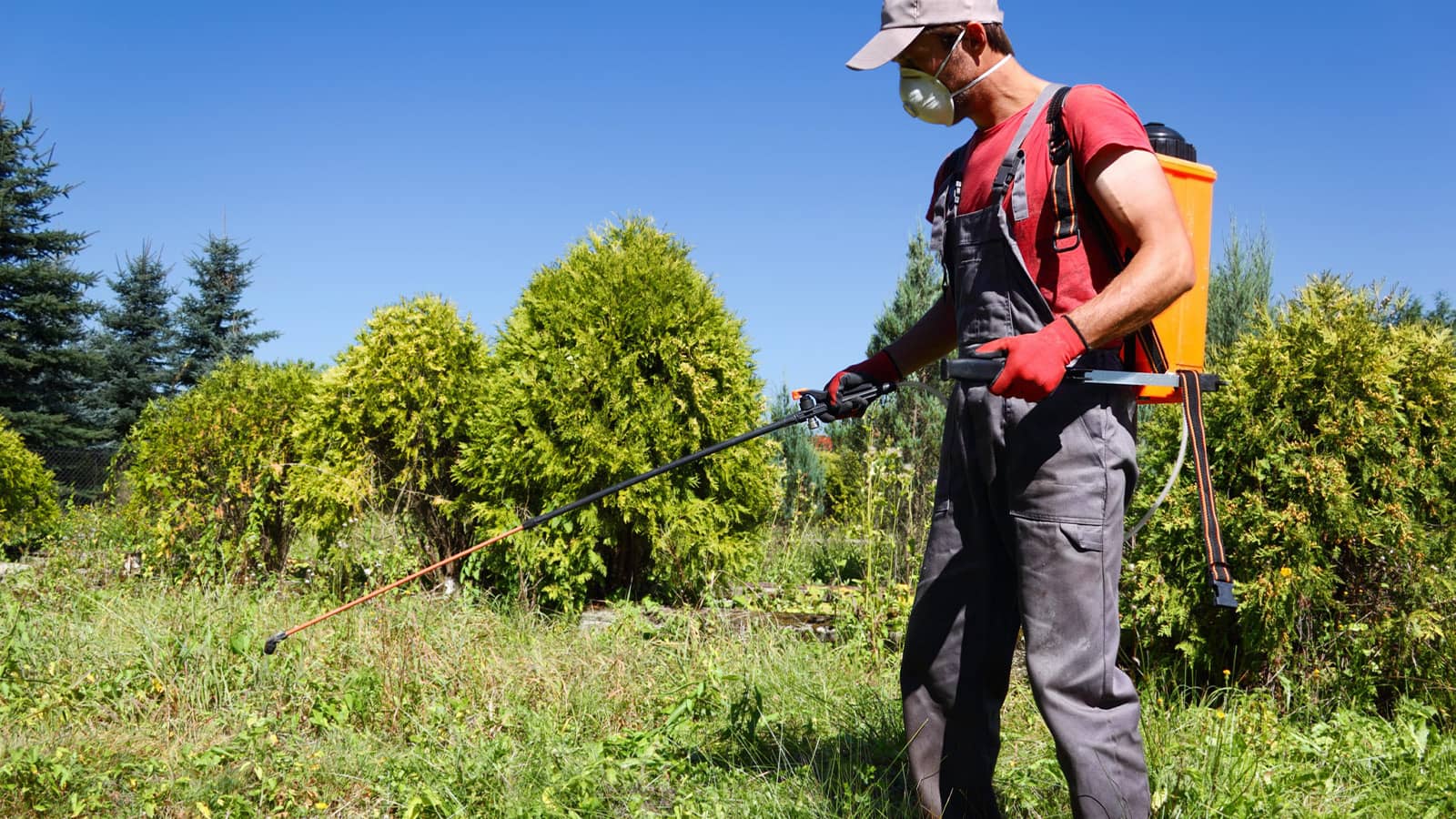
When it comes to killing pesky weeds in your grass, herbicide applications can seem a little tricky—especially because you are applying chemicals. It is important to know what kinds of herbicides to apply throughout the year and when it is the best time for weed control in your outdoor lawn and garden. Sod University talks about the best and worst times to make herbicide applications so that you can feel confident about weed control during the different seasons of the year.
It’s recommended to wait until you’ve mowed new grass at least 3–4 times before applying any herbicides or other control products. This waiting period allows the new grass to establish roots and reduces the risk of stress from chemical applications.
Spring Lawn and Garden Herbicide Applications
Spring is a great time for herbicide applications. If you have a warm season lawn like zoysia, bermuda grass, St. Augustine, centipede or bahiagrass, your lawn will just be beginning to come out of winter dormancy and greening up. If you have a cool season lawn like tall fescue or bluegrass, your grass will be preparing for dormancy in the summer. You should apply a pre-emergent herbicide during the months of March and April for both kinds of grasses.
Pre-emergents, as their name suggests, are herbicides that you should apply before weeds surface from the ground, so if you’re a homeowner who experiences the same kind of weed year after year, a pre-emergent would be a great option for you. A few effective pre-emergents include Prodiamine 65, Crabgrass Control Plus 0-0-7 with 0.37% Prodiamine and . Read more about applying pre-emergents during the spring here. On the other hand, a post-emergent will control weeds after they’ve surfaced and you can visibly see them in your lawn or garden.
Weeds are usually categorized by grassy weeds or broadleaf weeds. A lot of herbicide products will state on their label which types of weeds they treat. However, not everyone can name the type of weeds they are experiencing. A homeowner will more than likely see a weed and try to treat it before knowing the exact type of weed it is. Our Identifying Common Lawn Weeds blog may help you for this reason. It also goes into further detail about the difference between broadleaf and grassy weeds. Some common broadleaf and grassy weeds you may see in the spring and summer include crabgrass, goosegrass, dallisgrass, knotweed, lespedeza and spurge. Be sure to read herbicide labels thoroughly to ensure they are compatible with your grass type as well.
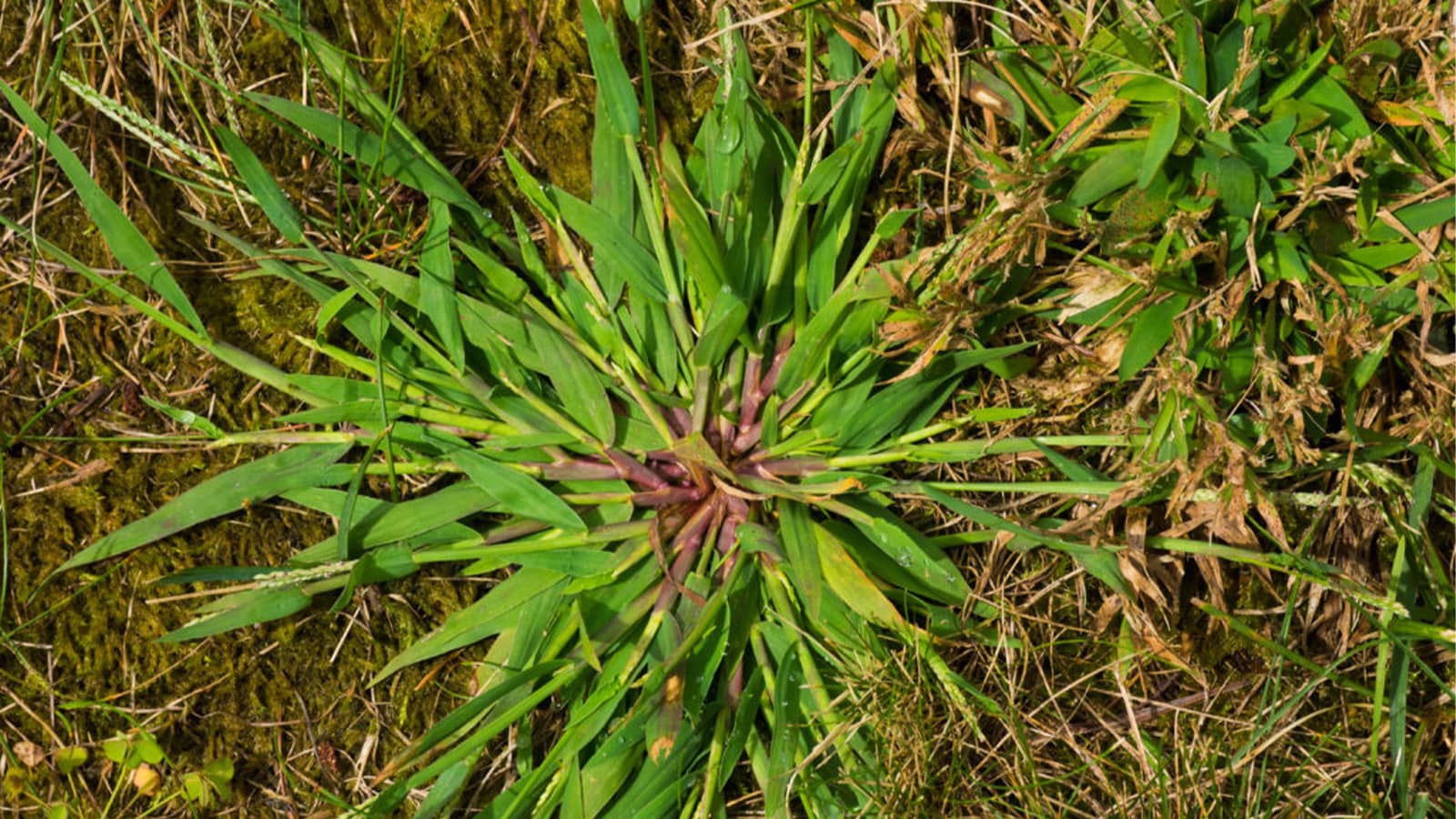
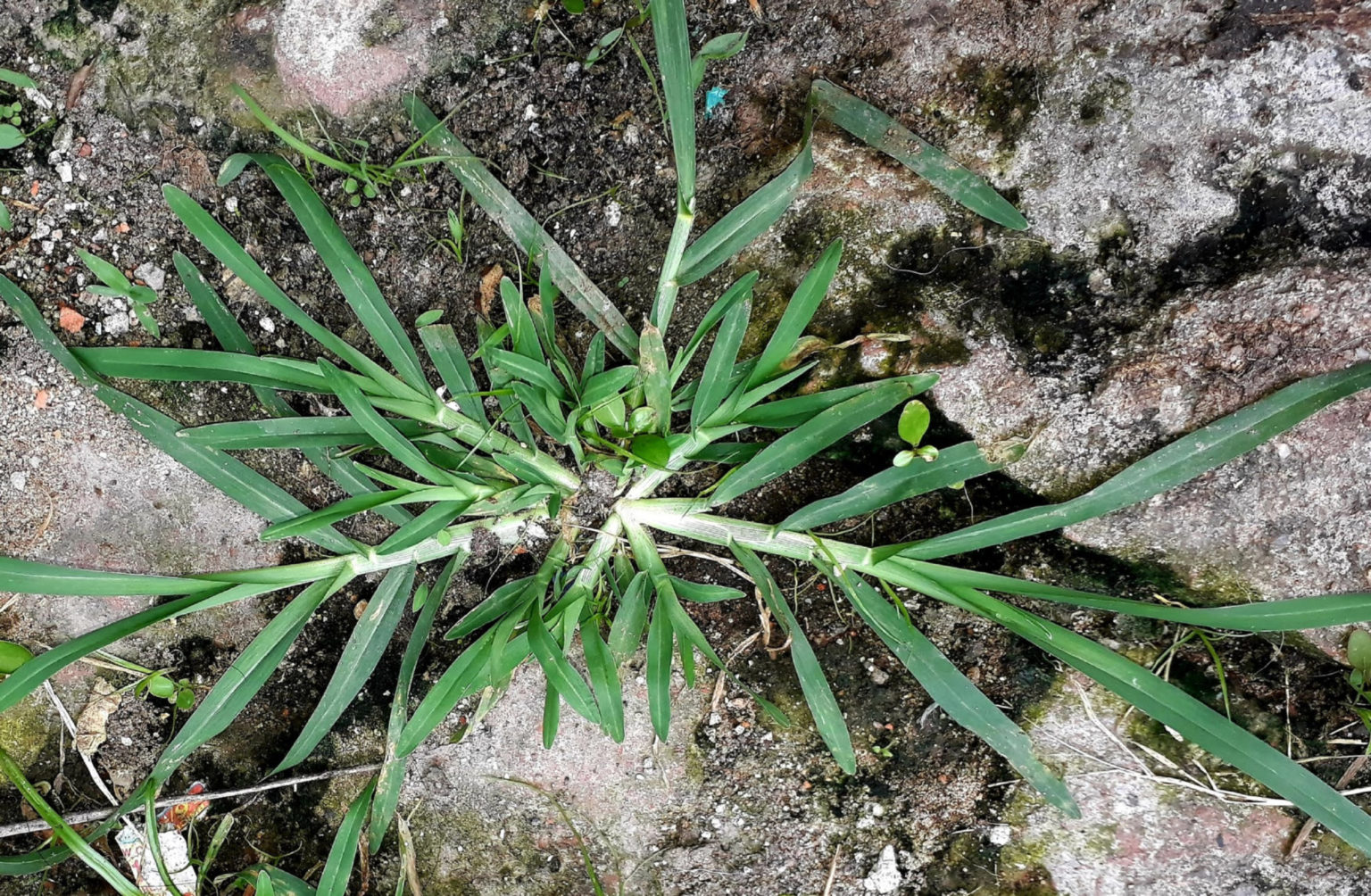
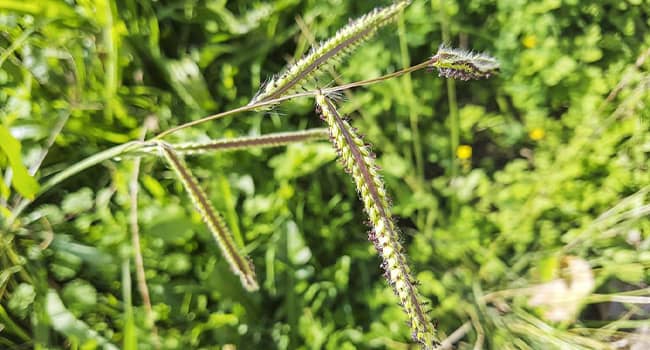
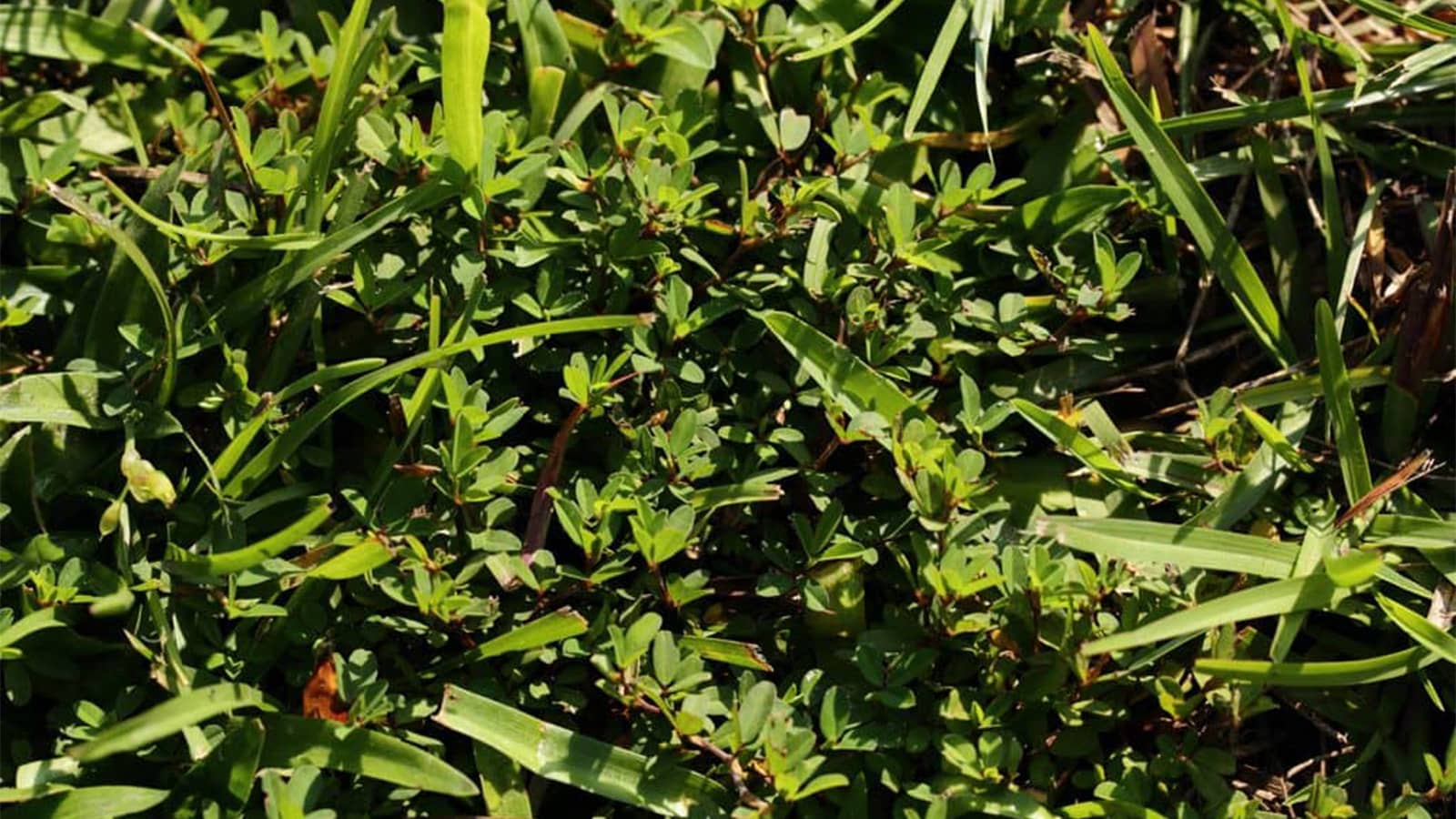
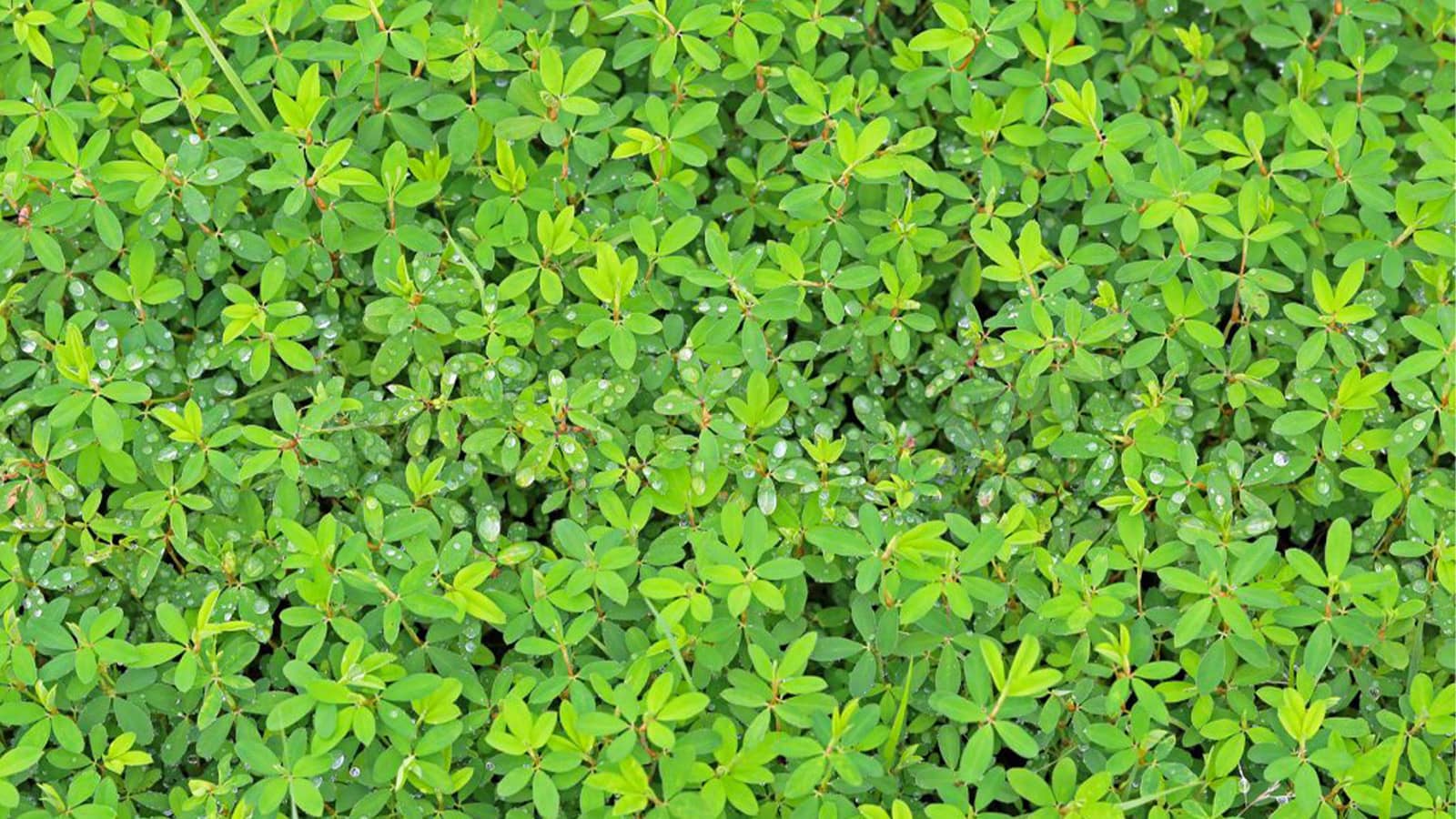
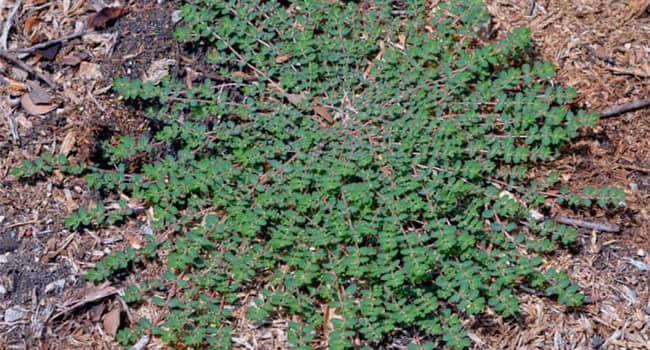
Pictured above from left to right: Crabgrass, goosegrass, dallisgrass, knotweed, lespedeza and spurge.
Summer Lawn and Garden Herbicide Applications
Summer is probably the worst time for herbicide applications on both warm and cool season grasses. It is not recommended you apply an herbicide at all when temperatures exceed 85 degrees as the herbicide will damage your grass. It is best to wait until it gets cooler and apply a post-emergent herbicide to any weeds that are currently in your yard.
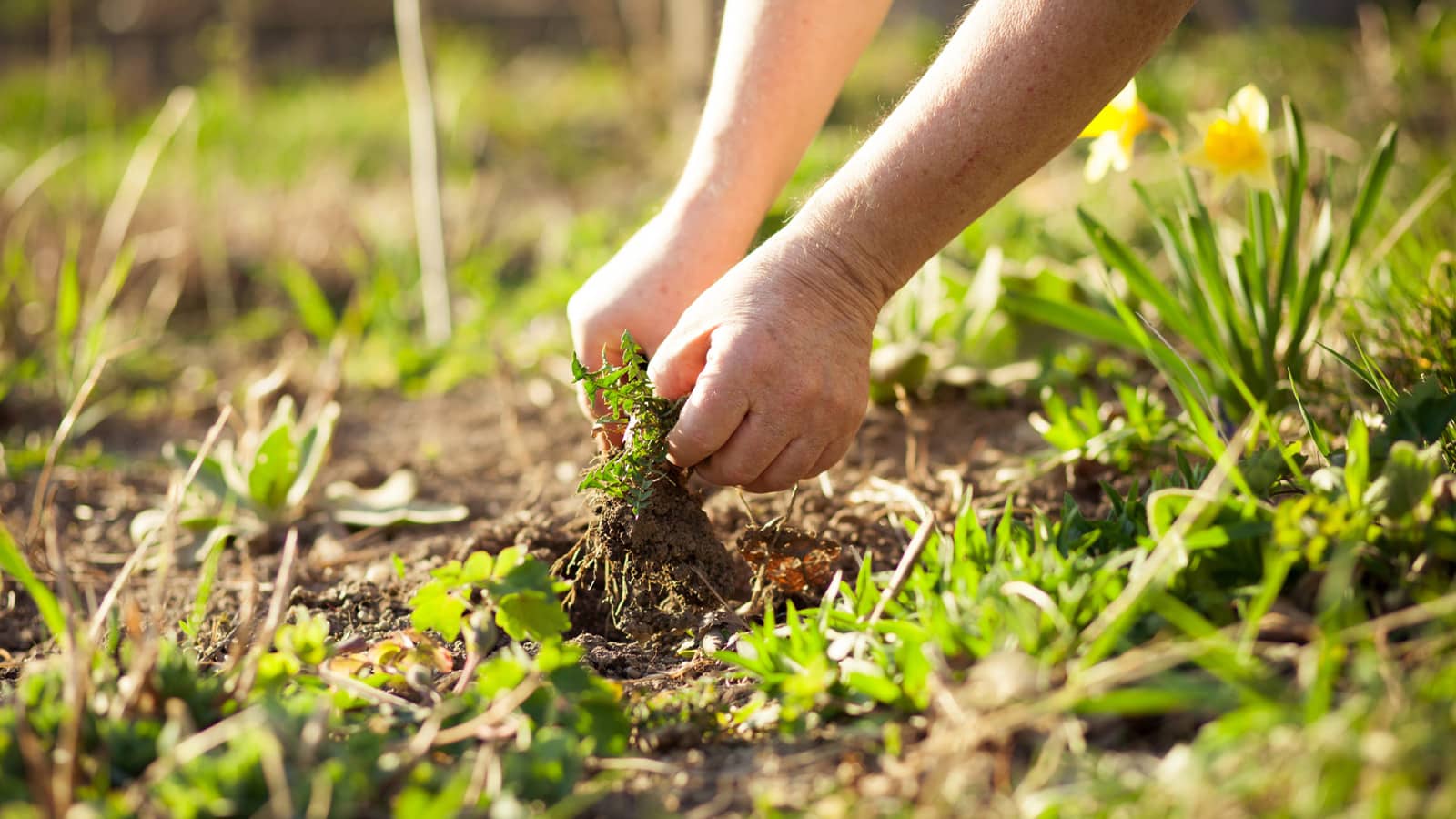
You can also try hand pulling or digging up the weeds or spot-treating weeds with a non-selective herbicide like glyphosate for less severe areas as a solution. There are selective and non-selective post-emergent herbicides. A selective herbicide, as its name suggests, will kill off certain types of weeds whereas a non-selective herbicide will kill any plant in comes in contact with, including your grass—so be careful. Learn more in How to Control Weeds During the Summer.
Fall Lawn and Garden Herbicide Applications
Once temperatures start to cool down in the fall, you can begin making post-emergent herbicide applications to any currently existing weeds that lasted through the summer. Like spring, fall is also one of the best times to make herbicide applications—specifically pre-emergent applications between the months of August and November for both warm and cool season grasses. It is highly recommended you make this pre-emergent application to your lawn to help prevent any winter weeds. Even though warm season lawns will begin to go dormant in the winter, fall is about the time for winter weeds to start appearing. The hard to control weeds include winter broadleaf annual weeds like Poa annua, common chickweed, purple deadnettle and henbit.
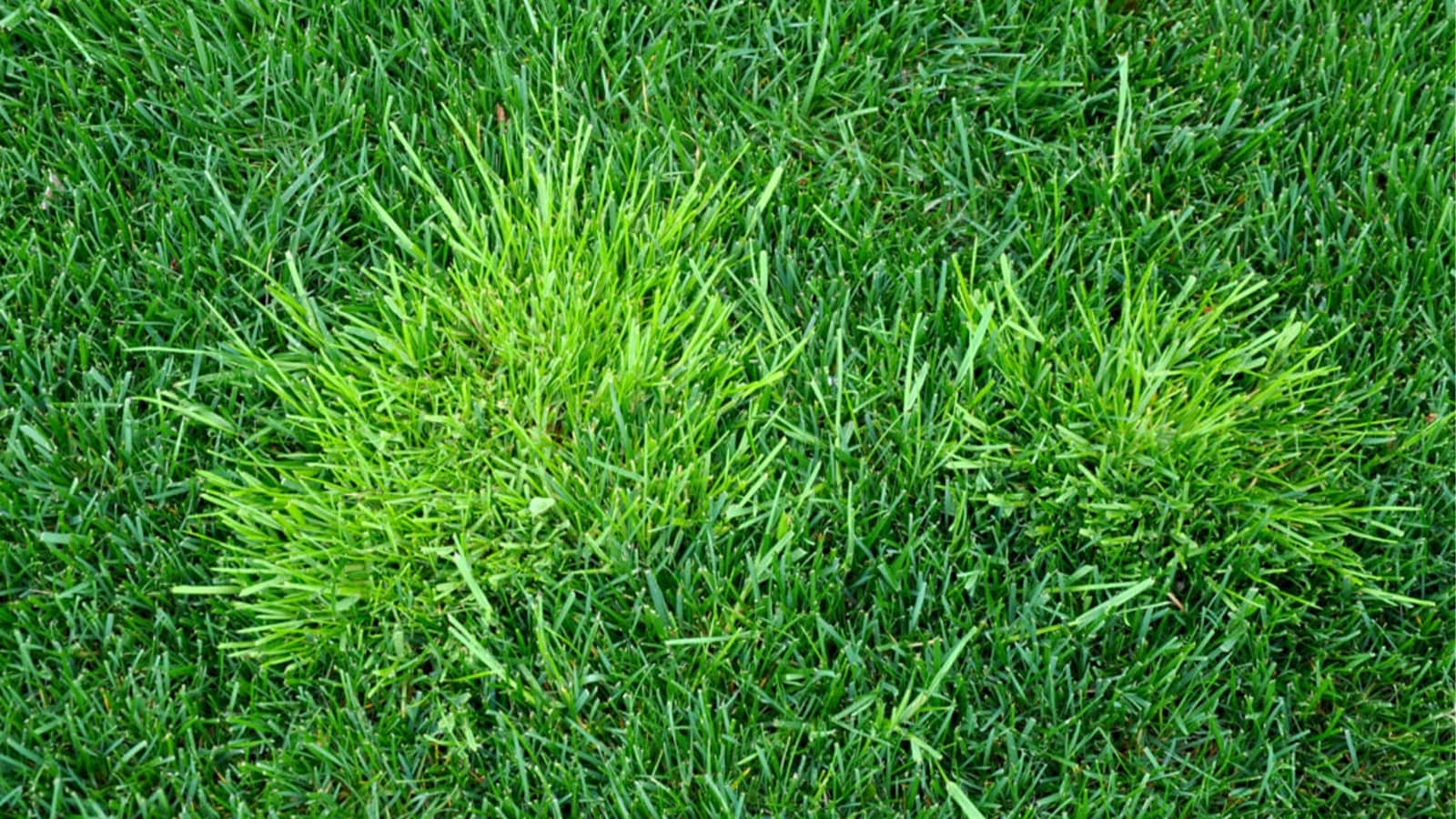
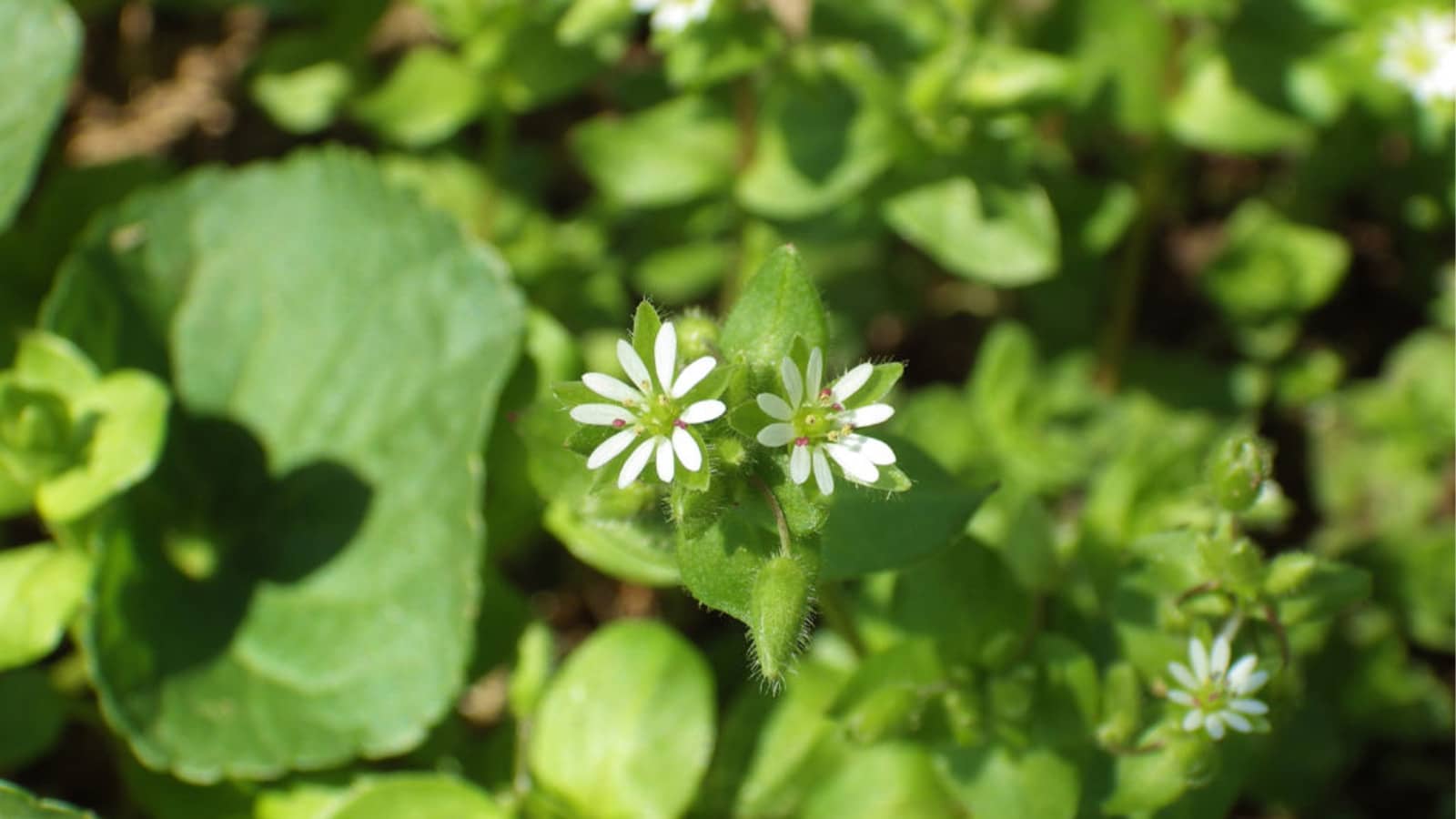
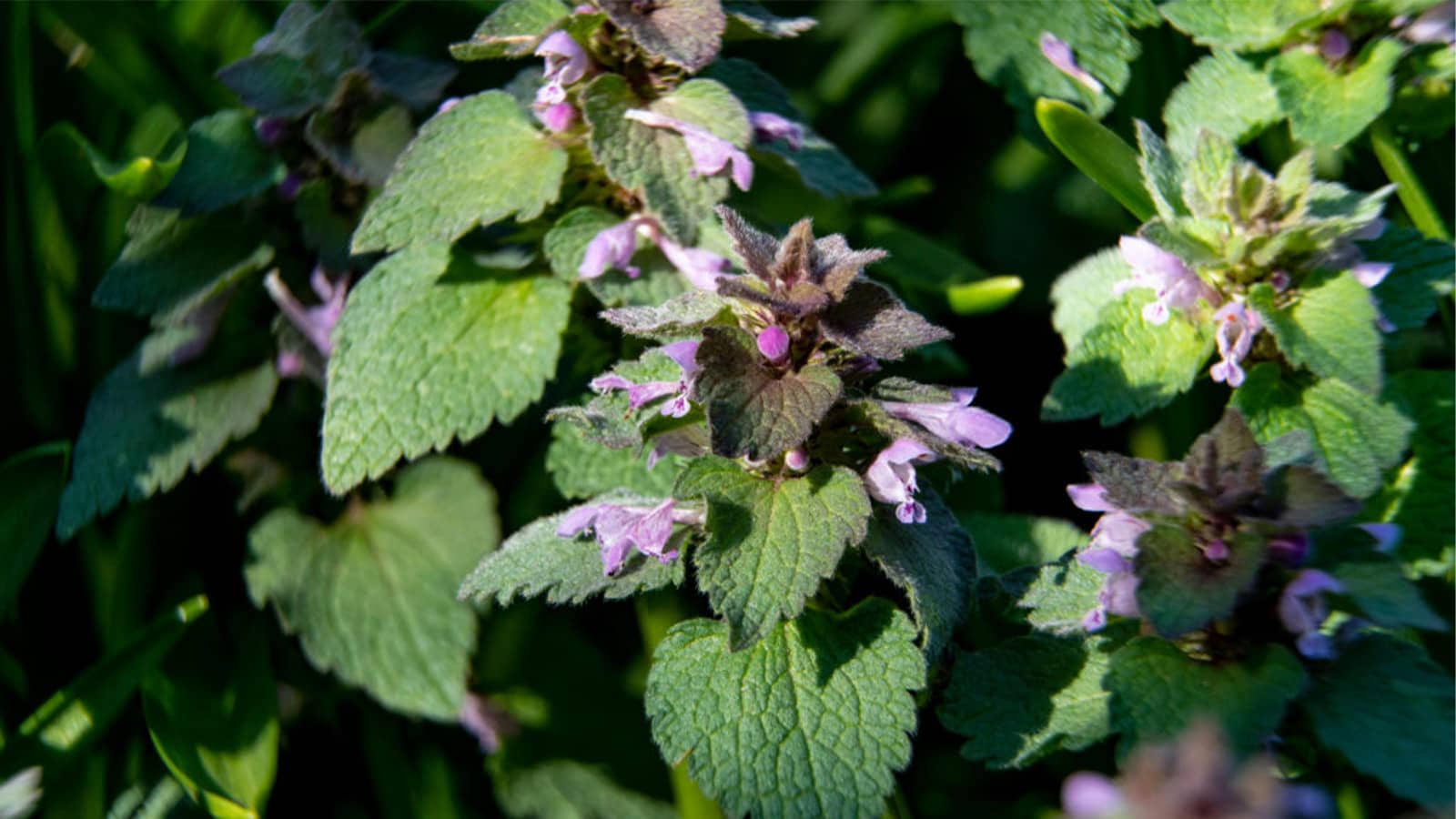
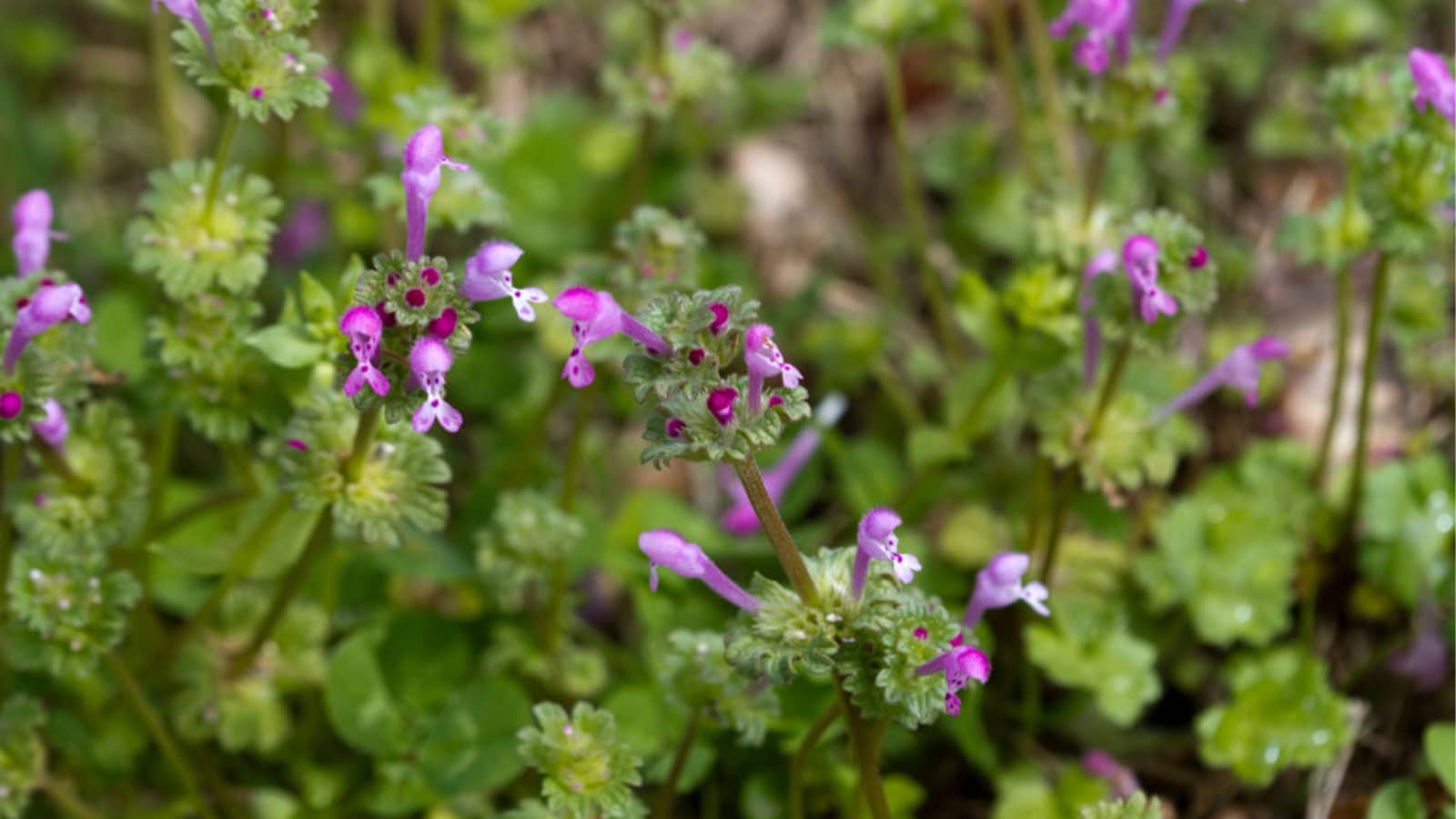
Pictured from left to right: Poa annua, common chickweed, purple deadnettle and henbit.
Winter annuals will germinate in the fall, grow during the winter and produce flowers and seeds in the spring. They will die when the weather turns hot during the summer and then reappear again in the fall. Making a pre-emergent application will prevent these winter weeds from appearing. When making a pre-emergent application, your soil temperature should be below 70 degrees and dropping. If you make an application during September, October or November, the pre-emergent will control weeds well into the spring and early summer. Learn more about fall pre-emergent applications in How to Use a Pre-Emergent Herbicide in the Fall.
Winter Lawn and Garden Herbicide Applications
Although northern parts of the country will be preparing for winter, other areas in the southern United States with warm season grasses will be beginning to enter the stages of dormancy. If you made a pre-emergent application in the fall, you shouldn’t have to deal with any weeds during the winter. A general rule, however, is that herbicides can be sprayed during the winter and after cold night-time temperatures if day-time temperatures exceed at least 60 degrees.