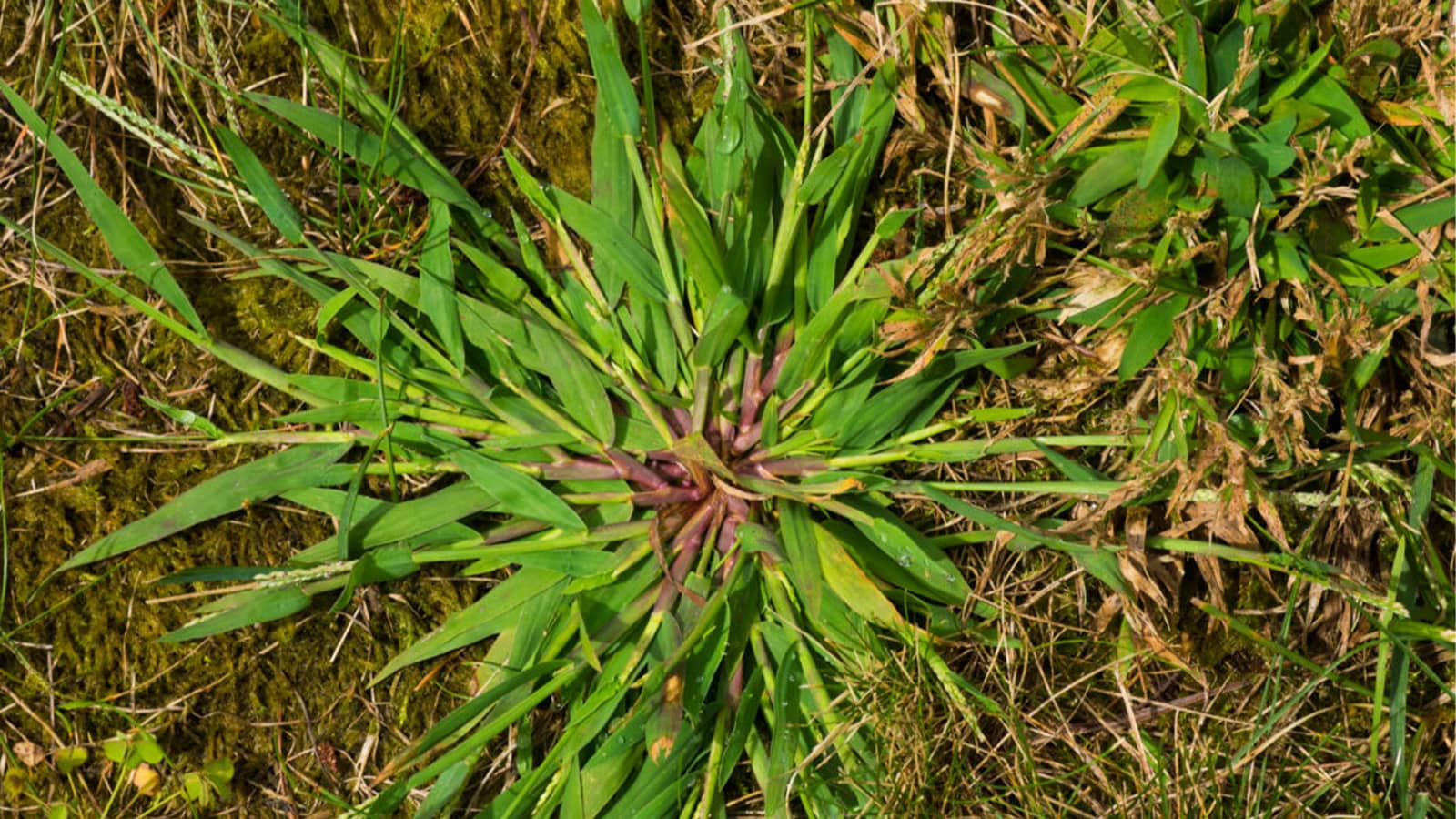
Crabgrass is a persistent weed that can take over your lawn if not managed properly. Whether you’re dealing with a small patch or a severe infestation, effective removal strategies are essential to restore and maintain a healthy lawn.
This guide covers how to tackle crabgrass infestations at different levels, including non-chemical and chemical treatments, along with post-treatment tips to prevent future growth. Post-emergent weed control like Drive XLR8 is best for getting rid of currently existing crabgrass.
Tailored Treatment Plan for Crabgrass Infestation Levels
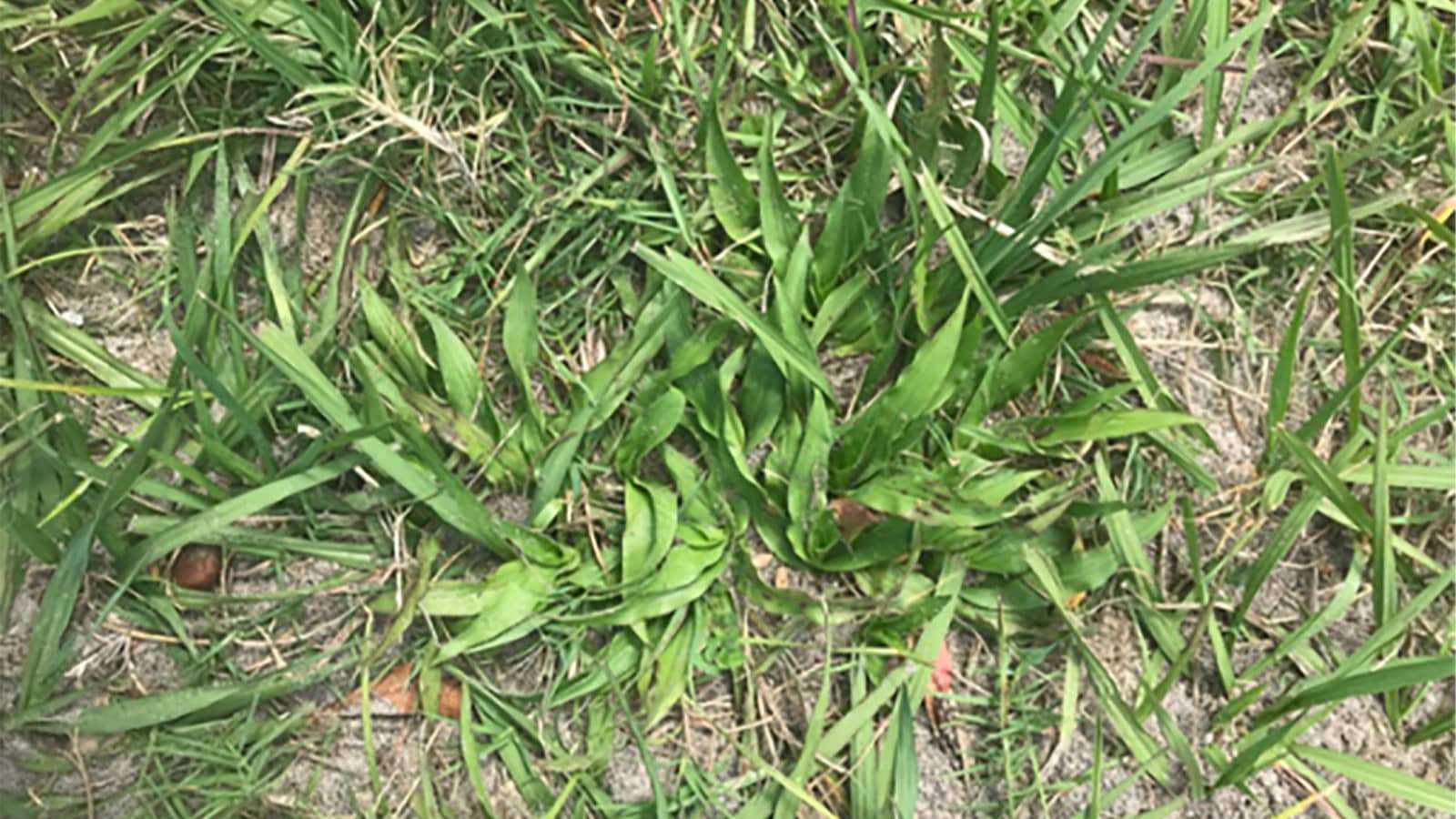
Small Crabgrass Infestations
For small outbreaks, hand-pulling is the best approach. Since crabgrass is a shallow-rooted plant, it can be removed manually if caught early.
Hand-Pulling Tips:
- Use gloves and a small weeding tool to pull crabgrass, making sure to remove the entire root to prevent regrowth.
- It’s best to hand-pull crabgrass after rain or watering when the soil is moist, making it easier to extract the weed without breaking the roots.
Lawn Care Tips:
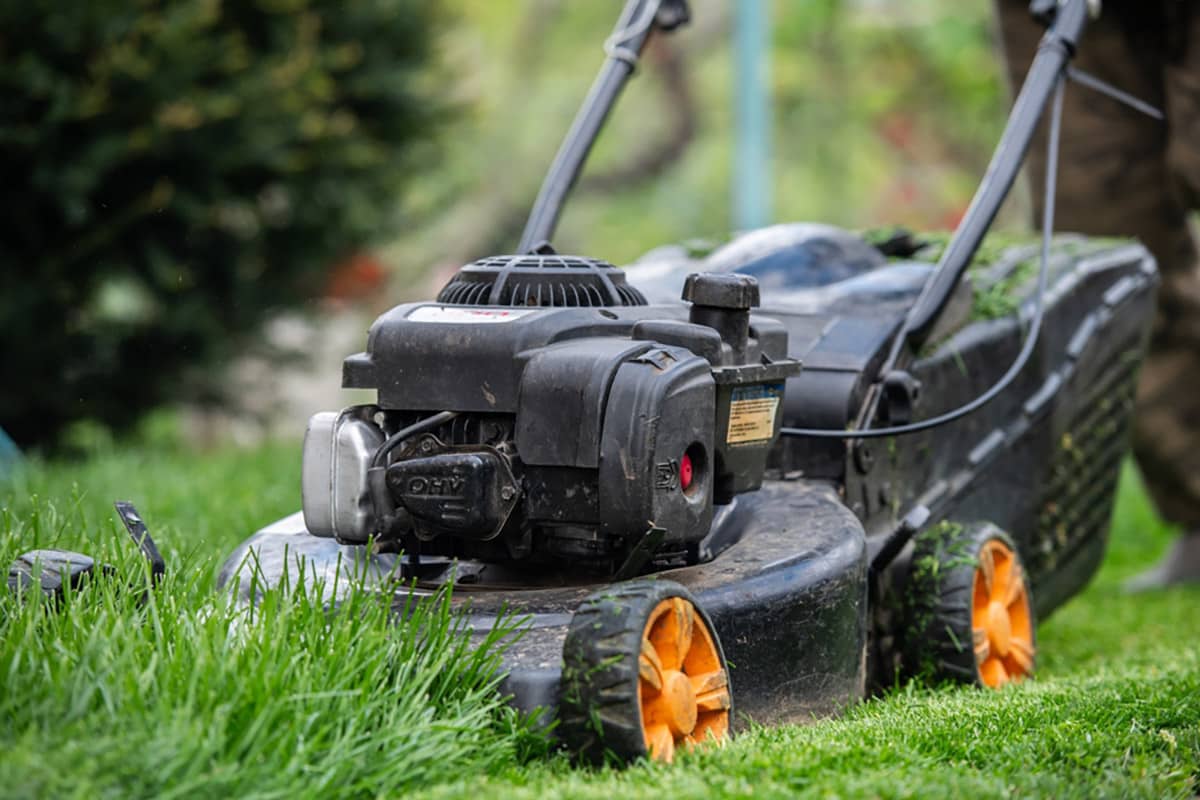
- Mow your lawn at the correct height for your grass type to keep it healthy and thick, which naturally crowds out weeds.
- Water deeply but infrequently to promote strong grass roots, as crabgrass thrives in dry, compacted soil.
Moderate Crabgrass Infestations
Moderate infestations require a combination of manual removal, pre-emergent, and post-emergent herbicides to control both existing crabgrass and prevent future growth.
It’s recommended to wait until you’ve mowed new grass at least 3–4 times before applying any herbicides or other control products. This waiting period allows the new grass to establish roots and reduces the risk of stress from chemical applications.
Pre-Emergent Herbicide:
- Apply a pre-emergent herbicide in early spring before soil temperatures reach 55°F to prevent crabgrass seeds from germinating. Pre-emergents, like Dimension 2EW, create a barrier in the soil that stops seeds from sprouting.
Post-Emergent Herbicide:
- For patches of crabgrass that have already sprouted, use a selective post-emergent herbicide like Drive XLR8, which targets crabgrass without harming most grass types, such as Kentucky bluegrass and fescue.
Severe Crabgrass Infestations
For severe infestations, a comprehensive approach is necessary, combining both chemical treatments and lawn rehabilitation strategies to restore your lawn’s health.
Pre- and Post-Emergent Herbicides:
- Apply pre-emergents in early spring and post-emergent herbicides during the growing season. Post-emergents like Meso 4SC Select work effectively on mature crabgrass but should not be used on grasses like zoysia.
Lawn Renovation:
- After treating the crabgrass, overseed or resod areas where the weed has taken over. Choose dense turfgrass varieties like zoysia or St. Augustine to outcompete future weed growth.
Non-Chemical Treatment
Hand-Pulling
For smaller infestations or in areas where chemical treatments aren’t desired, hand-pulling crabgrass can be effective. The key is to pull the weed before it has a chance to produce seeds, and always remove the entire root system.
Tips for Hand-Pulling:
- Pull crabgrass when the soil is moist to make it easier to remove the entire plant.
- Dispose of the weeds properly to prevent any seeds from spreading.
Chemical Control
Pre-Emergent Herbicides
Pre-emergent herbicides are essential for stopping crabgrass before it becomes a problem. Timing is critical—apply pre-emergents in early spring when soil temperatures approach 55°F, typically before crabgrass seeds start to germinate.
Recommended Pre-Emergents:
- Dimension 2EW: This pre-emergent can also work as an early post-emergent and provides long-lasting control by preventing seeds from developing.
- Prodiamine-based Herbicides: These are effective at creating a protective barrier in the soil, stopping crabgrass seeds from sprouting.
Post-Emergent Herbicides
If crabgrass is already present, post-emergent herbicides are necessary to kill the growing plants. Choose selective herbicides that won’t harm your turfgrass.
Recommended Post-Emergents:
- Quintessential: Works well on most lawn types, effectively killing crabgrass that has already sprouted. Avoid using on centipede or St. Augustine grass
- Meso 4SC Select: An excellent option for crabgrass control, though it’s important to check compatibility with your grass type. Avoid using this on zoysia, centipede or St. Augustine grass.
- Atrazine: Good for controlling crabgrass in St. Augustine and centipede lawns.
Important Tip: Cheaper herbicides may seem like a good option but can lead to inconsistent results and harm your lawn. Invest in high-quality products to ensure long-term effectiveness and lawn health.
Combining Methods for Persistent Infestations
For stubborn or recurring infestations, a combined approach works best. Use pre-emergent herbicides in early spring, followed by spot treatments with post-emergents throughout the growing season. Additionally, maintain proper lawn care practices like raising your mowing height, deep watering, and overseeding bare spots to strengthen your turf and reduce crabgrass growth.
Post-Treatment Lawn Recovery Tips
Overseed Bare Spots
After removing crabgrass, you may be left with bare patches in your lawn. These spots can invite more weeds if left untreated, so it's crucial to fill them in by overseeding with a dense turfgrass variety like Bermuda or zoysia.
Soil Amendments
Conduct a soil test to determine if your lawn requires amendments, such as adjusting the pH or adding nutrients. Improving soil health promotes vigorous grass growth, making it harder for crabgrass to return.
Soil Health Tips:
- Add compost or organic fertilizers to enhance soil quality.
- Use lime or sulfur to adjust soil pH based on test results.
Fertilize for Strength
Apply a balanced fertilizer, such as Lawnifi®, to help your lawn recover from the stress of crabgrass removal. Healthy, thick grass is your best defense against future weed invasions.
Common Crabgrass Removal Mistakes to Avoid
- Applying Herbicides at the Wrong Time: Using pre-emergent herbicides too late or post-emergents during extreme temperatures can reduce their effectiveness. Always follow label instructions and apply herbicides when crabgrass is actively growing or about to germinate.
- Mowing Too Short: Mowing your lawn too low creates stress and opens up space for crabgrass to thrive. Always mow at the correct height for your grass type to provide shade to the soil and discourage crabgrass growth.
- Overwatering or Underwatering: Frequent, shallow watering promotes crabgrass growth. Instead, water deeply and less frequently to encourage stronger turfgrass roots.