As summer fades and fall arrives, many homeowners mistakenly think lawn care season is over. In truth, fall is a critical time to prevent weeds before they become a problem in the fall and winter.
Applying a pre-emergent herbicide to prevent weeds is one of the best things you can do for your lawn during this time for weed control in the cooler seasons.
Quick Summary:
- When to apply pre-emergent: When soil temperatures are below 70 degrees Fahrenheit or less.
- What weeds to target: Poa annua, chickweed, henbit and more.
- Product types: Liquid vs. granular.
- Warning: Don’t apply before seeding.
- Key products to use: Dimension 2 EW and Crabgrass Control Plus 0-0-7 with 0.37% Prodiamine.
What you'll find in this article:
- What is a fall pre-emergent herbicide?
- What weeds do fall pre-emergents control?
- When should pre-emergents be applied?
- How to Choose the Right Fall Pre-Emergent for Your Lawn
- How do I apply a pre-emergent herbicide in the fall?
- Can You Use Pre-Emergent with Sod, Seed or Plugs?
Skip ahead to pre-emergent products.
What Is a Fall Pre-Emergent Herbicide?
What is the difference between a pre-emergent and a post-emergent?
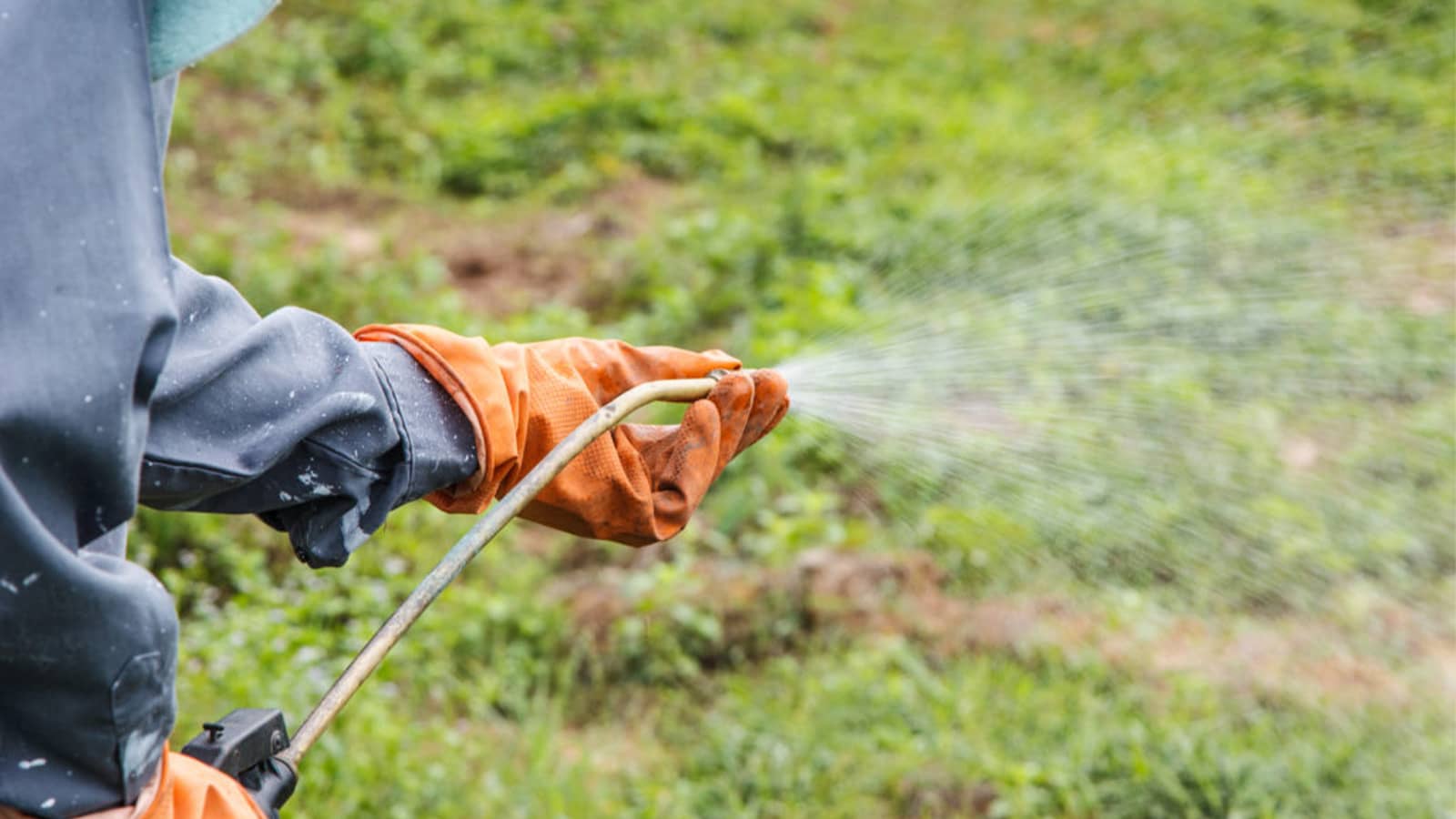
A pre-emergent herbicide is a product designed to stop weeds before they sprout. Unlike post-emergents, which kill weeds after they appear, pre-emergents form a barrier in the soil that halts seed germination.
Pre-Emergent vs. Post-Emergent Herbicides
Pre-emergent: Stops weed seeds from growing.
Post-emergent: Kills existing weeds.
The idea behind a pre-emergent is to apply it before weeds have time to germinate from seed. This prevents weeds from growing during the cooler months and reduces the time, money and effort spent removing them.
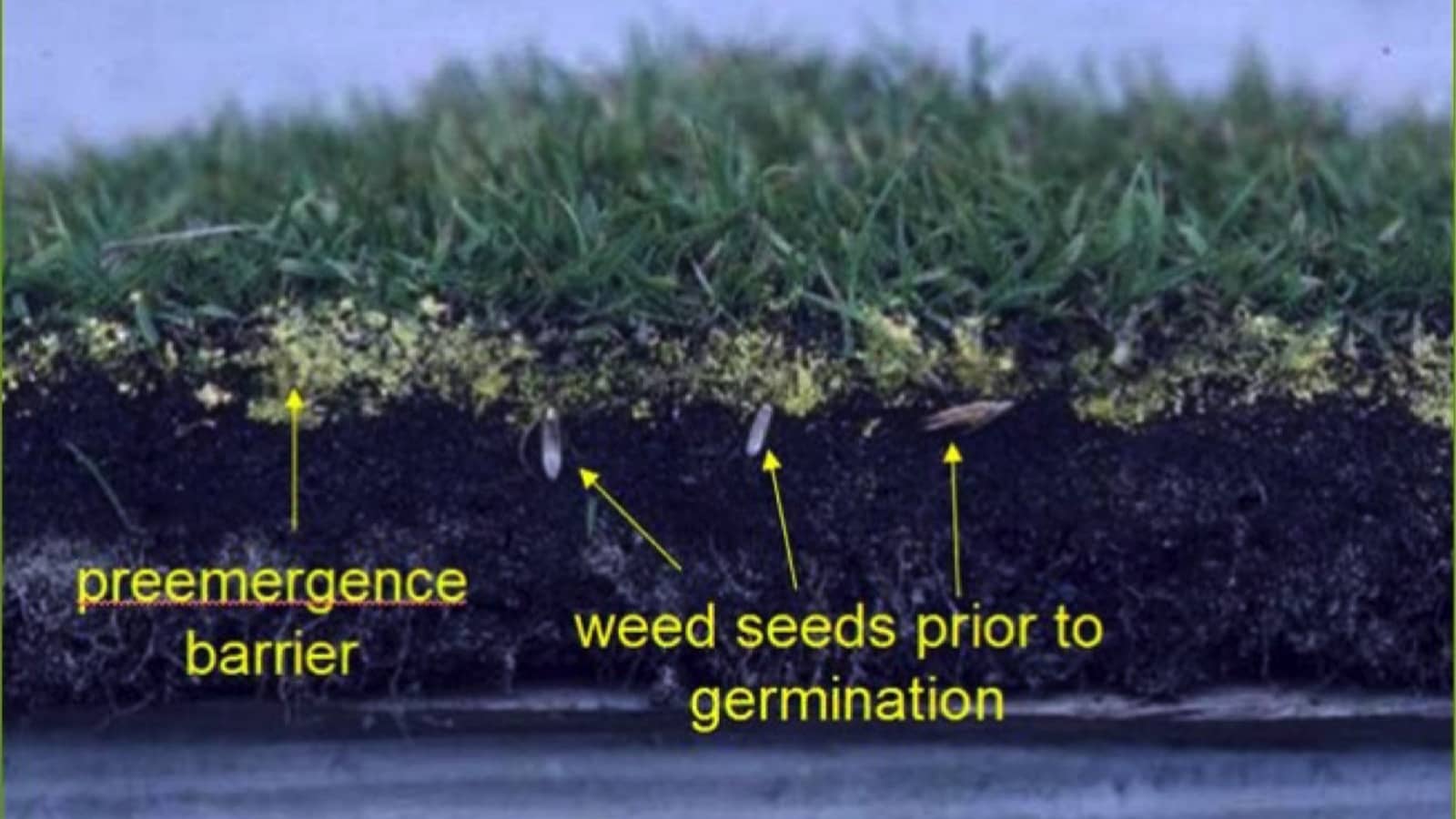
Photo Credit: Horizon Online.
What weeds do fall pre-emergents control?
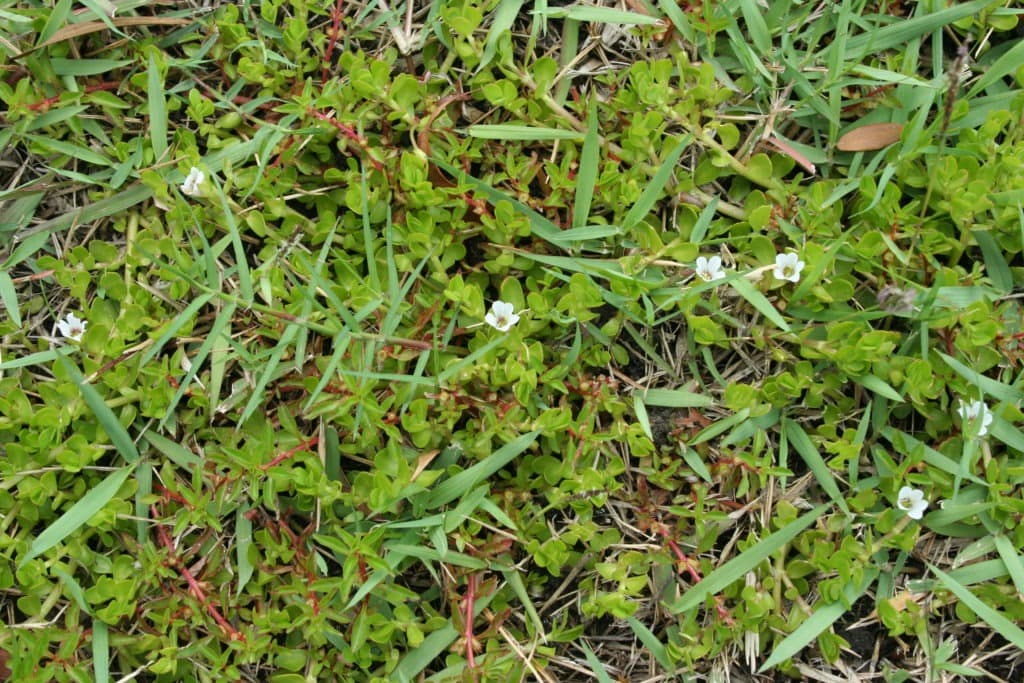
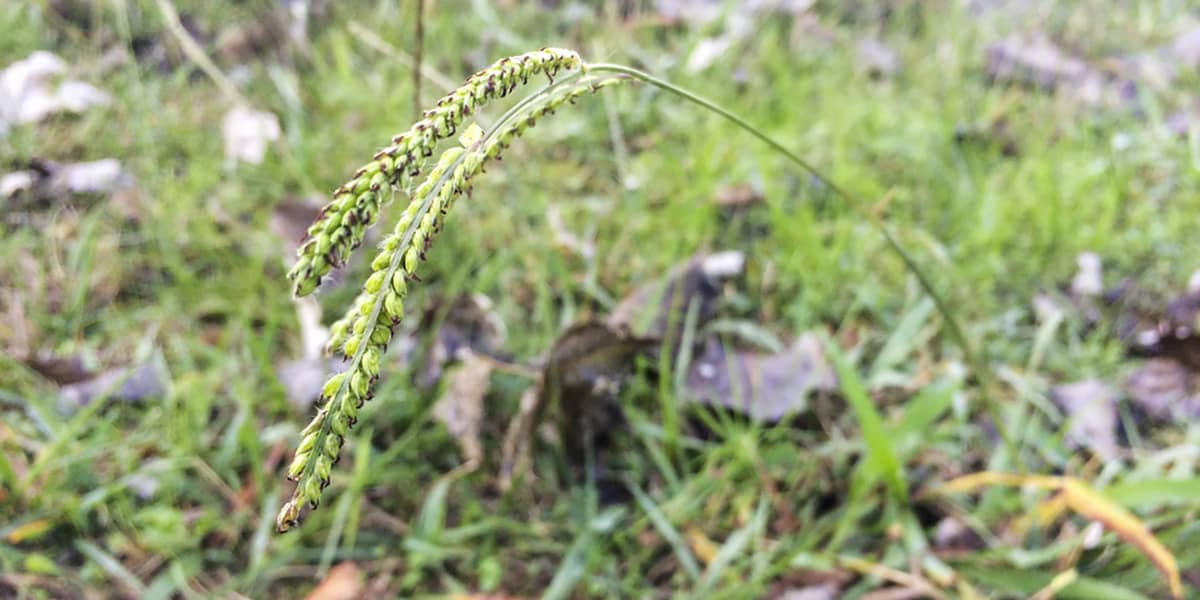
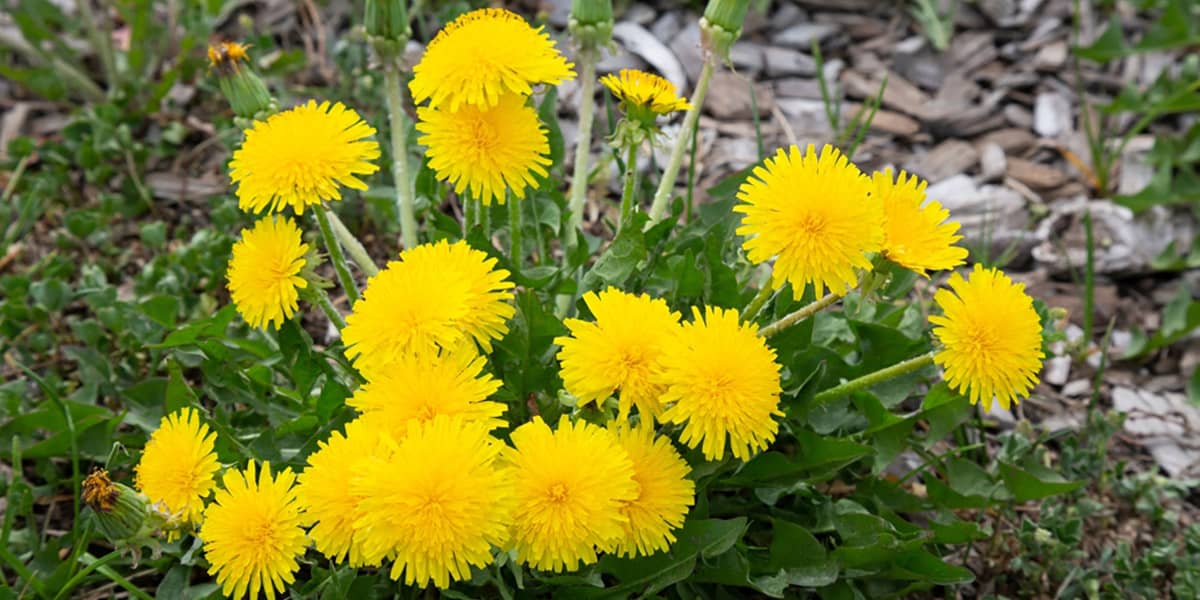
Depending on your geographic location, certain annual weeds can continue to grow during the winter. These include Poa annua (also known as annual bluegrass), common chickweed, purple deadnettle and henbit.
Annual weeds typically emerge in the fall and winter and continue to grow actively in spring. After they flower in spring and disappear during the summer, they often return again in the fall or winter when seeds germinate.
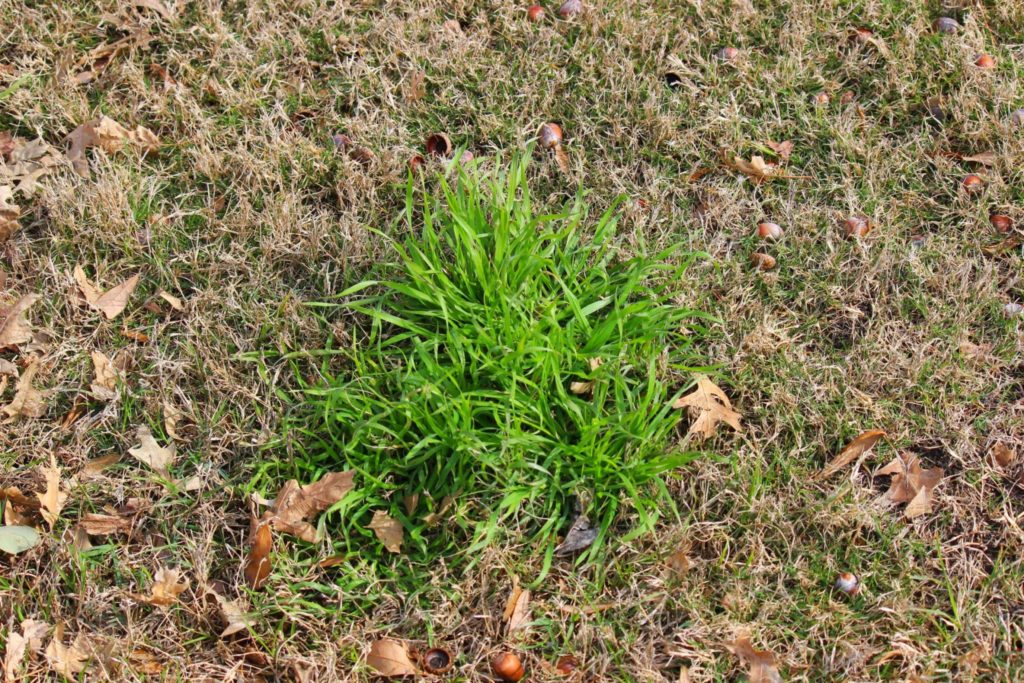
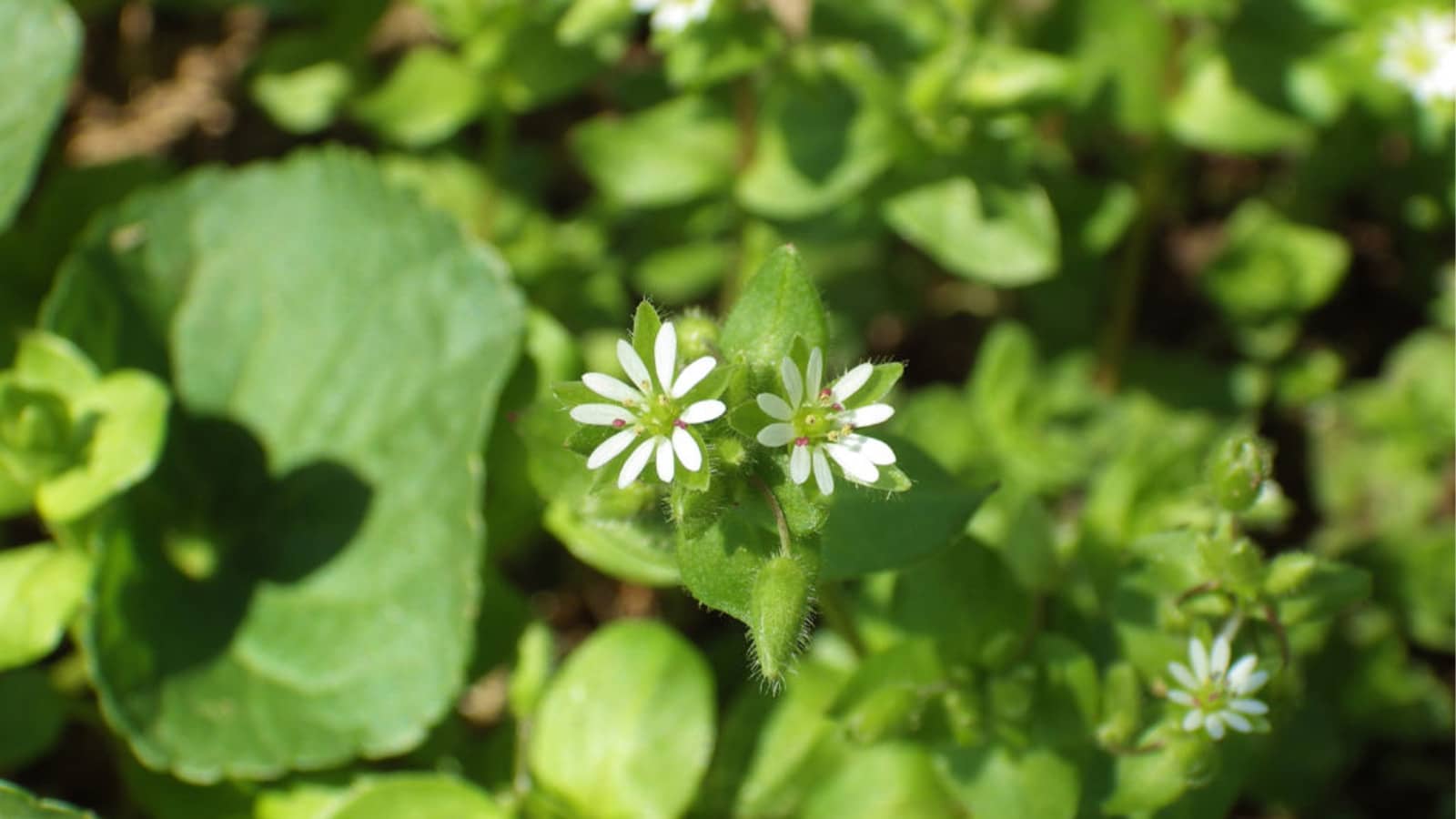
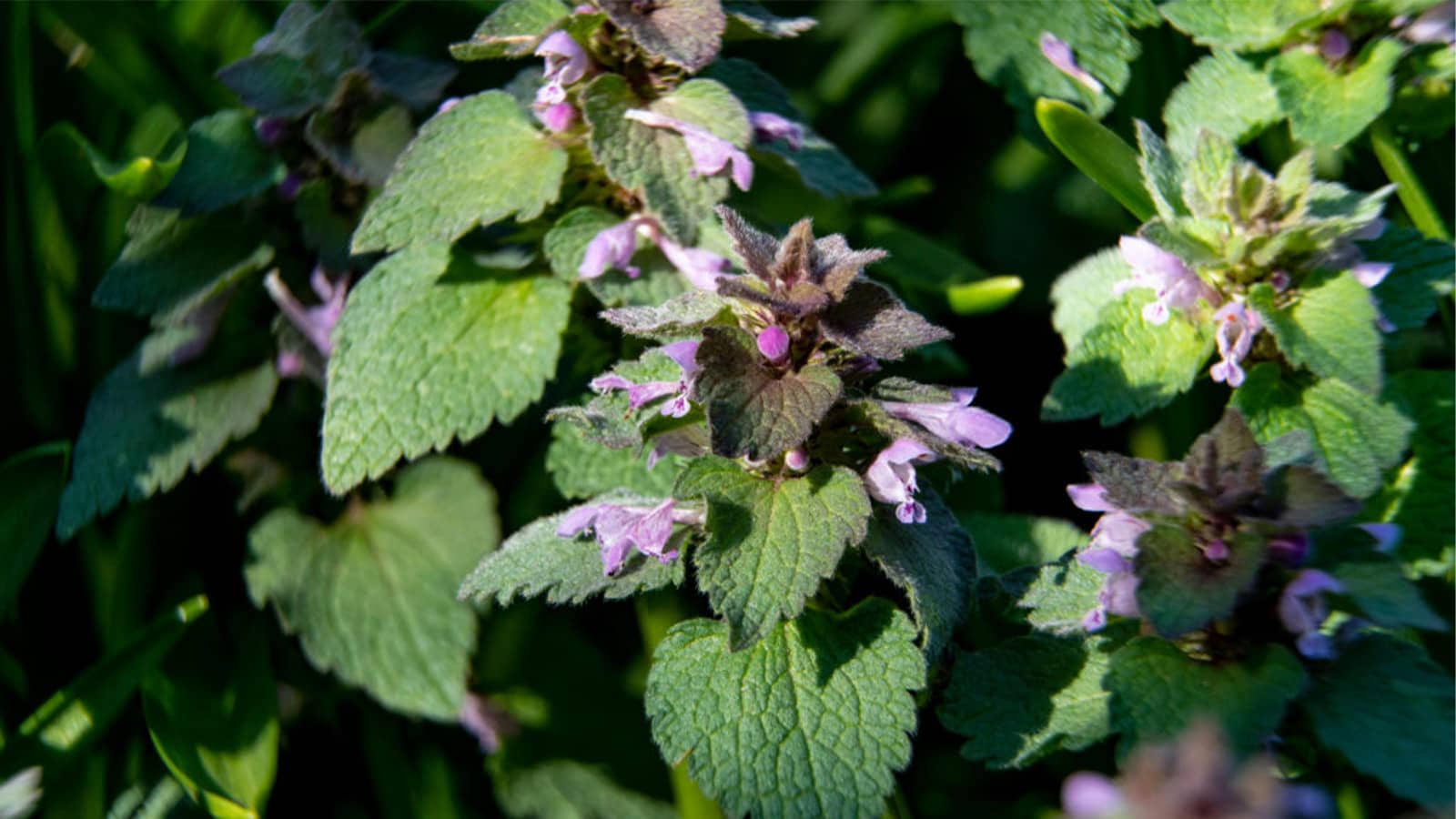
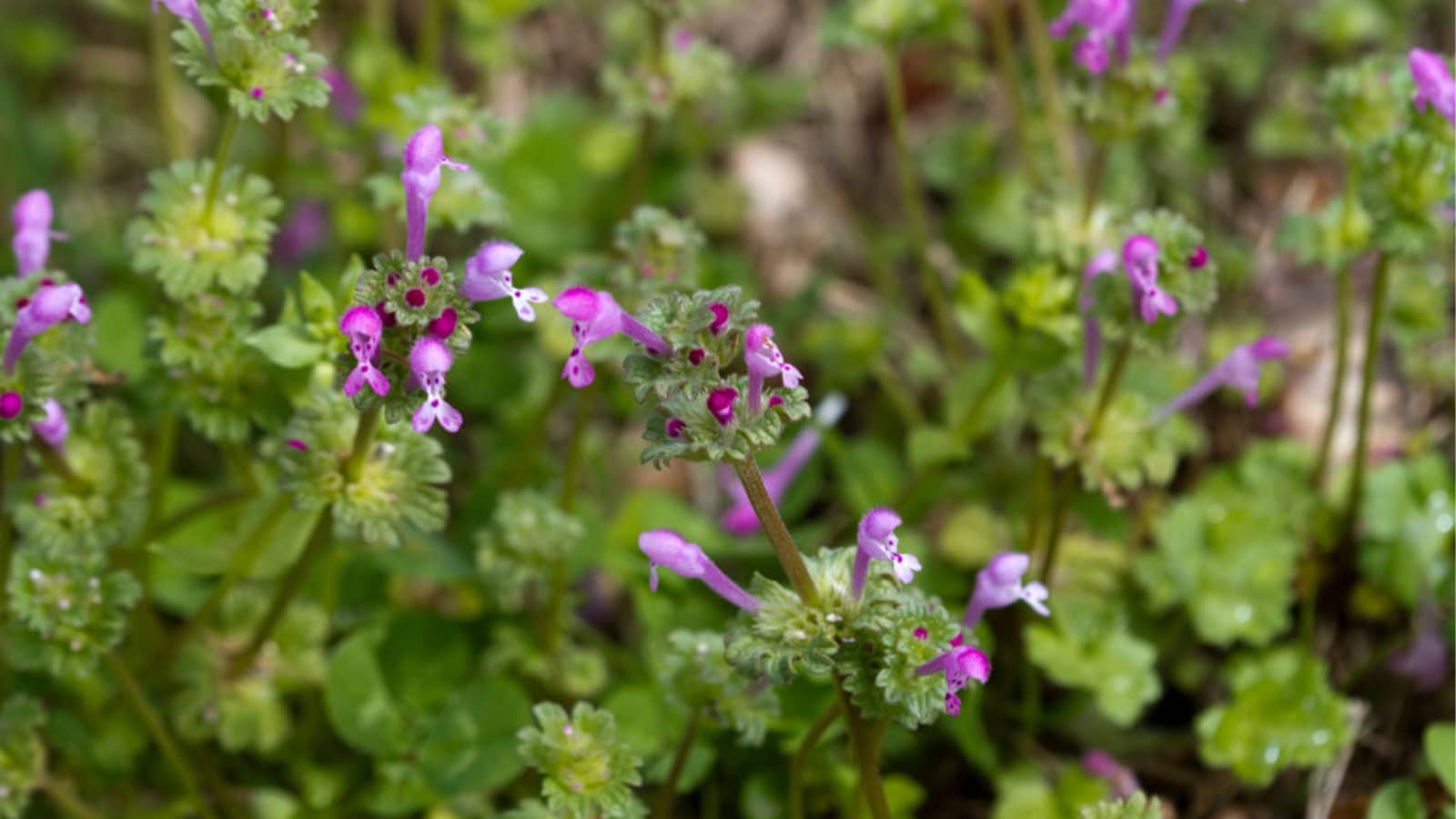
Pictured above from left to right: Poa annua, common chickweed, purple deadnettle and henbit.
When to Apply Fall Weed Control
When to apply fall weed control depends on your local climate, but a general rule is:
- Timing: Apply when soil temperatures fall below 70 degrees Fahrenheit and continue dropping.
- Season: Typically between late August and early November.
Use a soil thermometer for accuracy. Applying too early or too late reduces product effectiveness.
Important: Do not apply pre-emergent if you plan to overseed. It will prevent grass seed from germinating.
How to Choose the Right Fall Pre-Emergent for Your Lawn
When selecting the best fall weed control, consider:
- Grass type: Make sure the product is compatible.
- Targeted weeds: Check the label to confirm it controls the weeds you typically face.
- Formulation: Choose between liquid or granular based on convenience and coverage.
Liquid vs. Granular:
Liquid Herbicides:
- Mixed with water and sprayed
- Cover large areas (up to 228,000 sq. ft.)
- Require careful mixing and safety precautions
Granular Herbicides:
- Dry pellets applied via spreader
- Easier to apply
- Often preferred by homeowners
Top Product Picks:
Read product labels thoroughly and follow application instructions.
How do I apply a pre-emergent herbicide in the fall?
- Avoid seeding
- Check soil temperature with a soil thermometer.
- Apply your product according to the label.
- Liquid: Mix and spray evenly.
- Granular: Use a spreader set to the proper rate.
- Water it in (if the product requires activation).
Can You Use Pre-Emergent with Sod, Seed or Plugs?
- New Sod: Avoid pre-emergents, which can hinder root establishment.
- Grass Plugs: Pre-emergents can be beneficial during installation, as they reduce weed competition.
- New Seed: Do not use pre-emergent herbicides before or shortly after seeding.
Remember: Pre-emergents prevent all seeds from growing—even the ones you want.
Boost Results with a Fall Fertilizer
While pre-emergents handle weeds, pairing them with a good fall fertilizer promotes deeper roots and a stronger lawn. Try:
These support lawn health, helping grass outcompete lingering weeds.
Overall, pre-emergents are a great way to prevent weeds from taking over during the fall and winter seasons. Poa annua, a hard-to-control weed is hardly ever permanently killed with post-emergent herbicides or by hand-pulling. The most effective way to control poa annua is with the use of a pre-emergent herbicide in the fall.
FAQ: Fall Weed and Feed
Apply when soil temperatures drop below 70 degrees Fahrenheit—typically late August through early November.
No. Pre-emergents will keep the seed from establishing. You should typically wait 8–10 weeks before or after seeding. Follow product label instructions for exact details.