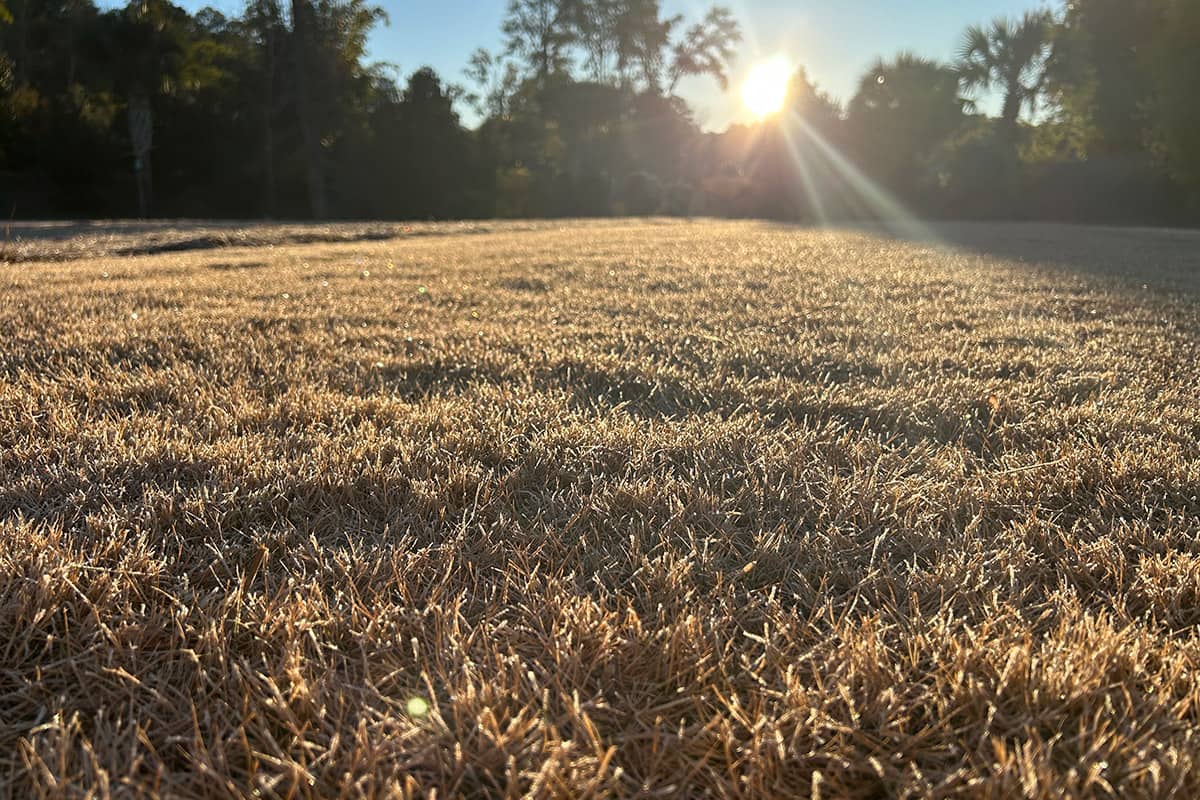

Every year in the Carolinas, we get a few warm afternoons in late winter and it feels like spring has officially arrived. The lawn shows a little green. The air feels softer. And suddenly it’s tempting to crank up the irrigation and throw down fertilizer.
Here’s where homeowners get tripped up:
Move too aggressively, and you can oversaturate the soil, push weak top growth, or trigger disease that sets your lawn back.
Wait too long to adjust, and your lawn may come out of dormancy unevenly or without the density you’re hoping for.
Timing matters, especially in North and South Carolina, where temperatures swing and last frost dates vary by region.
That’s why understanding how and when to shift your approach is key to setting your lawn up for a strong, healthy spring.
Spring Watering in the Carolinas
Shifting from Winter Maintenance to Spring Growth
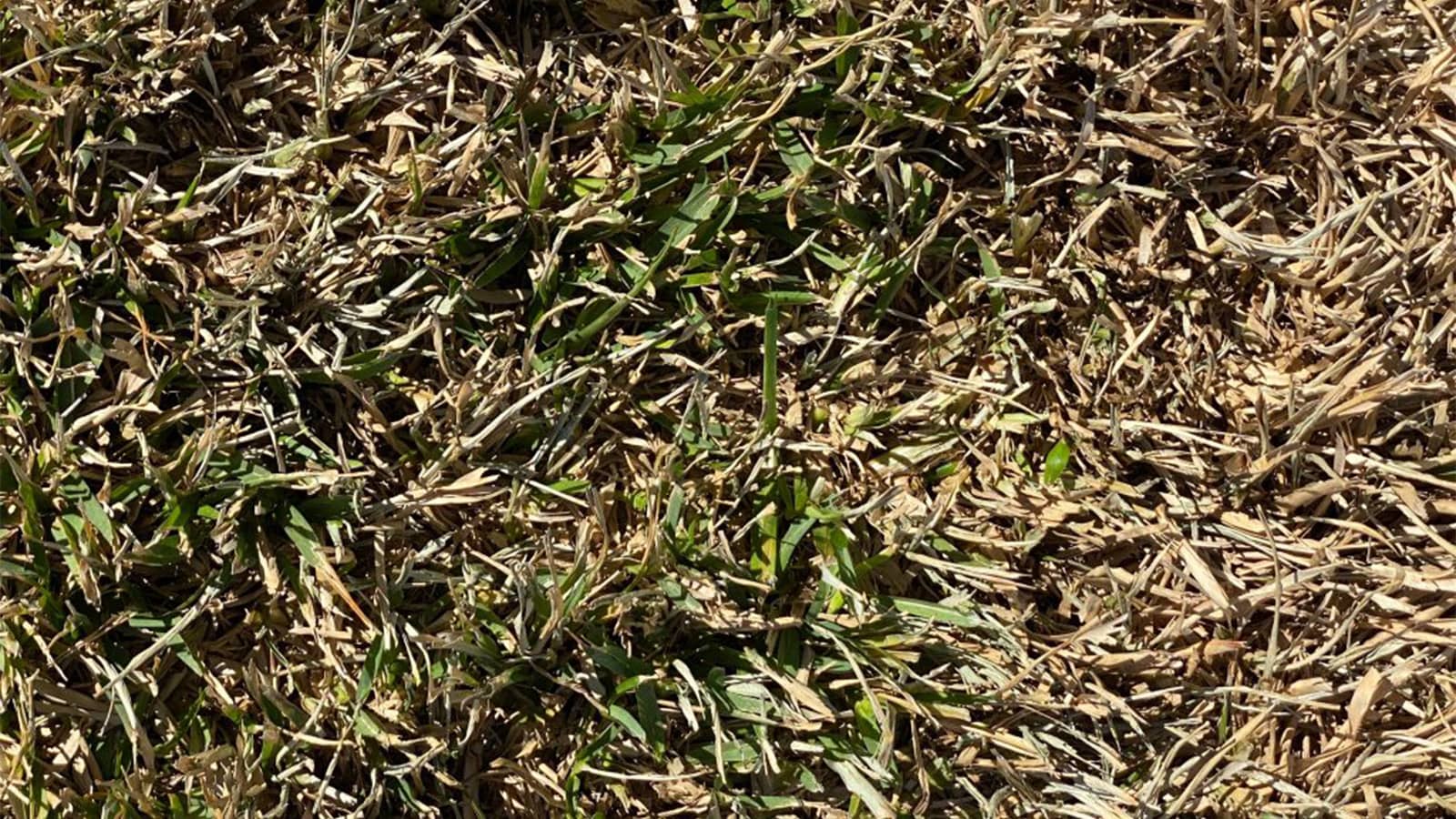
Your winter watering strategy helped keep roots hydrated without encouraging rot or mold. But as soil temperatures rise and your lawn begins actively growing, its water demand increases.
Spring is when your lawn transitions from preservation mode to production and green-up mode.
As growth begins, your watering should increase gradually to support new leaf and root development without creating constantly damp conditions that invite disease.
How Much Water Does a Carolina Lawn Need in Spring?
As growth resumes, shift toward consistent weekly moisture:
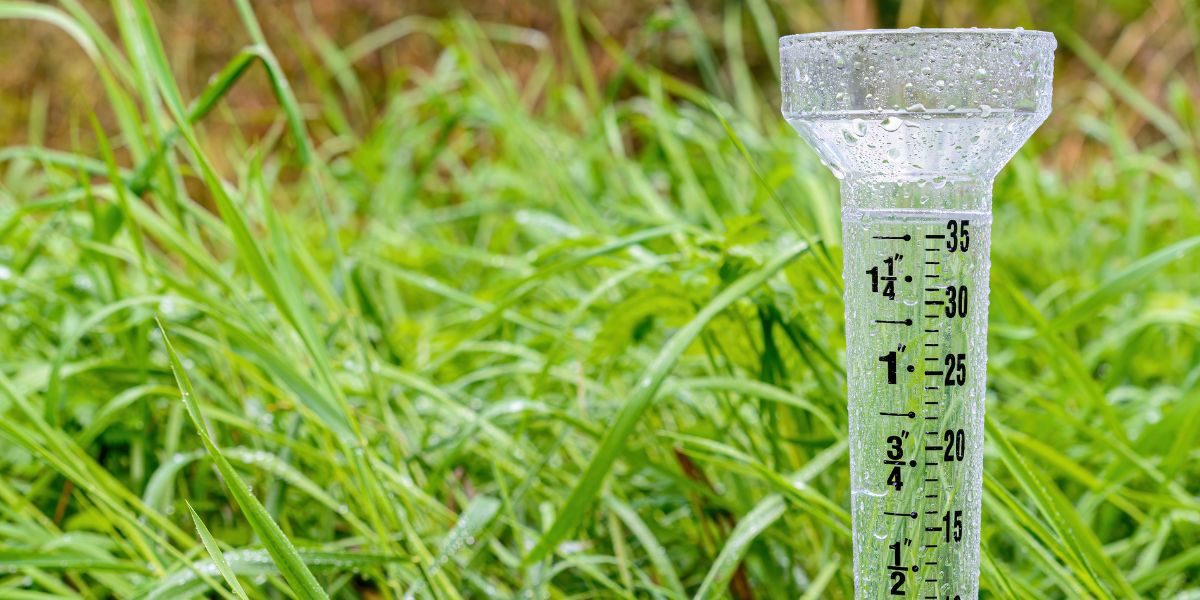
- Aim for about 1 inch of water per week, including rainfall
- For most irrigation systems, that equals two watering sessions per week
- Each session is often around 30 minutes, depending on sprinkler output and soil type
- Avoid one long watering cycle. Runoff is common, especially in clay-heavy areas
Your exact timing may vary based on soil and region.
Why Soil Type and Location Matter
Not all Carolina lawns break dormancy at the same pace. Timing depends on:
- Regional temperatures
- Elevation
- Grass type (bermuda, zoysia, centipede vs. St. Augustine)
- Soil composition
Coastal NC & SC (Charleston, Wilmington)
Sandy soils drain quickly and warm faster in spring. Lawns here often require earlier watering adjustments but may need slightly longer runtimes because water moves through sandy soil faster.
Piedmont (Charlotte, Columbia, Raleigh)
Clay soils hold moisture longer. Overwatering is more common here in early spring because winter rainfall lingers in dense soil.
Mountains & Western NC (Asheville, Clemson)
Cooler temperatures delay active growth. Increasing watering too early won’t speed green-up and may leave soil overly wet.
Why Deep Watering Now Protects You for the Rest of the Year
Frequent, shallow watering encourages roots to stay near the surface, which can become an issue in summer.
As Carolina heat builds, your lawn relies on deeper roots to:
- Access stored moisture lower in the soil
- Pull nutrients more efficiently
- Tolerate drought stress
- Maintain color during extended heat waves
If roots stay shallow, they dry out faster. That means more watering, more stress and more vulnerability to disease when temperatures spike.
Spring is when you build the root system that carries your lawn through July and August.

Best Practices for Spring Irrigation
- Water early in the morning (before 10 AM): Morning watering allows moisture to soak into the soil before the heat of the day. Water sitting on grass blades all afternoon increases evaporation and can create conditions favorable for disease.
- Avoid watering directly before or after expected rainfall: Irrigating ahead of a storm can oversaturate soil. Watering immediately after rain often pushes the lawn into overly wet conditions.
- Let the top few inches of soil dry between sessions: This encourages deeper rooting.
- Avoid evening watering: Wet grass overnight is one of the fastest ways to invite fungal issues.
- Skip windy days: Wind causes uneven distribution and wasted water.
Signs Your Irrigation Needs Adjustment
Spring watering mistakes are common…especially overwatering.
If You’re Underwatering:
- Grass blades wilt or brown
- Footprints linger after walking
- Soil looks dry or cracked
If You’re Overwatering:
- Lawn feels mushy or spongy
- Fungus gnats appear
- Yellow or patchy areas develop
- Disease spreads quickly
If you notice any of these signs, conduct an irrigation audit:
- Check sprinkler head alignment
- Look for clogged nozzles
- Ensure even coverage across zones
- Confirm run times are appropriate for your soil type
Small calibration changes often solve big lawn problems.
Spring Lawn Fertilizing in North and South Carolina
When Should You Fertilize in the Carolinas?
For warm season lawns (bermuda, zoysia, centipede, St. Augustine), fertilizing should begin when:
- Soil temperatures consistently reach around 65 degrees Fahrenheit
- The lawn is actively growing
- You’ve mowed at least twice
- The average last frost date has passed
Typical Last Frost Dates in North & South Carolina Regions
Fertilizing before the last frost can stimulate tender new growth that gets damaged by a late cold snap. That forces the plant to redirect energy into repair instead of root development, effectively setting your lawn back weeks.
While weather varies year to year, average last frost timing is typically:
South Carolina
- Charleston: typically mid-February
- Columbia: typically late March
- Clemson: typically early April
North Carolina
- Charlotte: typically early April
- Raleigh: typically late March to early April
- Chapel Hill: typically early April
What Happens If You Apply Too Much Nitrogen Too Early?
Early spring lawns in the Carolinas need balanced nutrition.
If too much nitrogen is applied too quickly:
- You get rapid top growth before roots are ready
- The lawn becomes more vulnerable to disease
- Growth becomes uneven
- Nutrients may leach or run off
- The plant burns energy on leaves instead of strengthening roots
Spring nutrition should support steady green-up and root expansion, not force aggressive growth.
This is especially important in warm season grasses, which perform best when fertility matches active growth.
Using the Lawnifi Spring Fertilizer Box in North & South Carolinas
Once your lawn:
- Has greened up
- Has been mowed at least twice
- Has passed the typical last frost
- Is experiencing soil temps near 65°F
You’re ready to begin.
Application Schedule for the Carolinas
1st Bottle – Maintain: Apply at spring green-up (typically mid-to-late March or early April depending on region).
2nd Bottle – Boost: Apply 4 weeks later.
3rd Bottle – Maintain: Apply 4 weeks after Boost.
Each bottle:
- Is a liquid fertilizer
- Covers 5,000 sq. ft.
- Attaches directly to your hose-end sprayer
Because it’s liquid and applied through your hose, this application counts as a watering session. You do not need to add additional irrigation immediately afterward.
Space applications at least four weeks apart and never apply to dormant grass.
Spring lawn care in North and South Carolina comes down to observation and adjustment.
- Increase watering gradually as growth resumes.
- Encourage deeper roots now to prepare for summer heat.
- Wait until active growth and typical last frost have passed before fertilizing.
- Avoid pushing nitrogen before the lawn is ready to use it.
When watering and fertilizing line up with active growth, your lawn establishes strong roots, develops consistent color and heads into summer with stability.