Every spring, it happens.
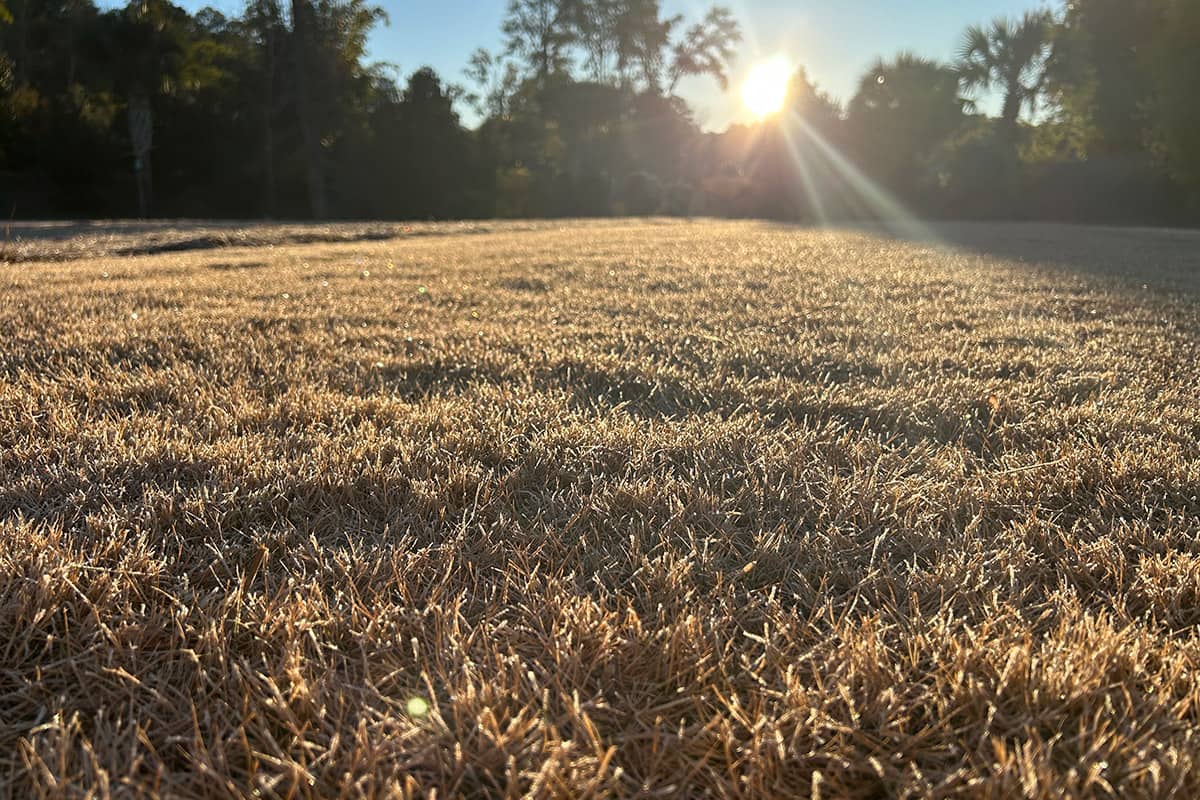
Your neighbor’s lawn is turning green, and yours is still brown. Now you’re wondering if something is wrong or if you just need to wait.
If you have a warm season lawn, a slow green-up is usually normal. These grasses go dormant in winter to protect themselves from cold weather. They only start growing again when conditions are right. The tricky part is that “right” can mean different things depending on where you live and what kind of grass you have.
So when does grass come out of dormancy? The answer depends on a few key factors.
1. It Starts With Where You Live
The biggest factor is location.
Grass responds to temperature, not the calendar. Just because it is March or April does not mean your lawn is ready to grow.
If you live farther south, your lawn will usually green up sooner. If you live inland, at a higher elevation or in an area with cooler nights, it may take longer. Even within the same state, lawns can wake up weeks apart.
If you are comparing your yard to photos online or a friend in another town, you may be judging it too soon. Your lawn is on its own schedule based on your local weather.
2. Soil Temperature Matters More Than Air Temperature
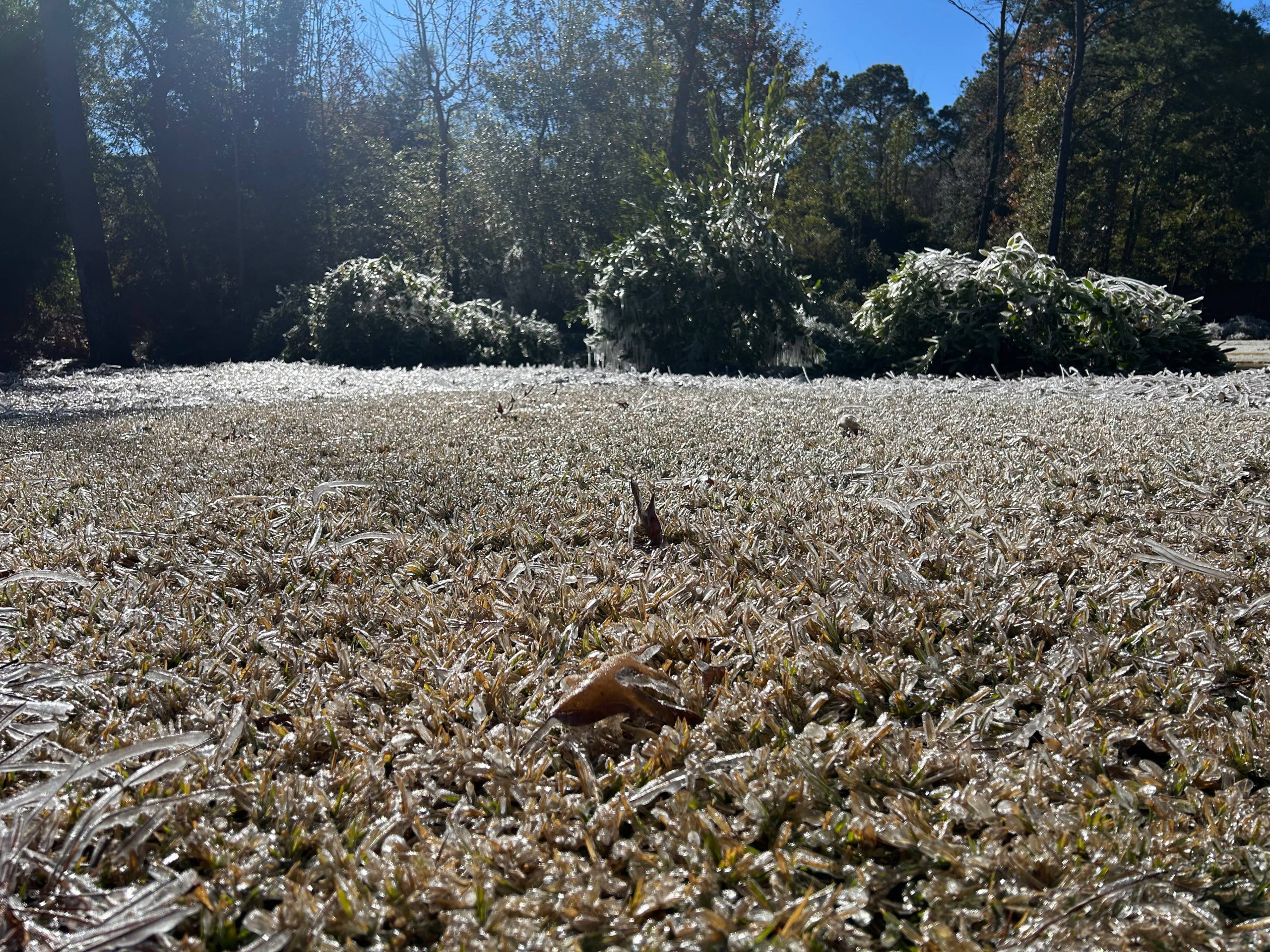
Warm days can be misleading. You might have sunny afternoons in the 70s, but if nighttime temperatures are still dropping into the 40s and 50s, your lawn will stay mostly brown.
Grass comes out of dormancy when soil temperatures consistently reach about 50 to 65 degrees. Until the soil warms up and stays warm, your lawn is going to move slowly.
You may also notice that some areas turn green before others. Spots that get more sun warm up faster. Shaded areas, low spots and north-facing sections often lag behind. That does not mean something is wrong. It usually just means those areas are cooler and my green up slower.
3. The Type of Grass You Have
Not all warm season grasses green up at the same time.
Different types of grass have different green-up windows. Some naturally come out of dormancy earlier, while others are slower. For example, centipede typically greens up before bermuda or zoysia in coastal NC/SC. Zoysia is usually slower than bermuda. Again, this depends on where you live and growing conditions.
Even within the same type of grass, different cultivars can behave differently. Two neighbors can both have the same general grass type, but one lawn turns green sooner because of the specific variety planted.
Some improved cultivars were developed for better cold tolerance and earlier spring green-up. Latitude 36 and NorthBridge Bermudagrass, were bred for faster spring green-up, better cold tolerance and reduced winter damage. Others simply take longer by nature. If your lawn is slower than the one next door, genetics may be the reason.
4. How Your Lawn Went Into Winter
Spring performance starts in the fall. If your lawn was stressed before winter from drought, poor fertilizing, insect damage or disease, it may not have stored enough energy to bounce back quickly. Grass relies on stored energy to push out new growth in spring.
If those reserves are low, green-up will be slower. That does not automatically mean the lawn is dead. It just means it needs more time to green up.
5. Debris and Buildup
Sometimes your lawn is greening up, but you cannot see it yet.
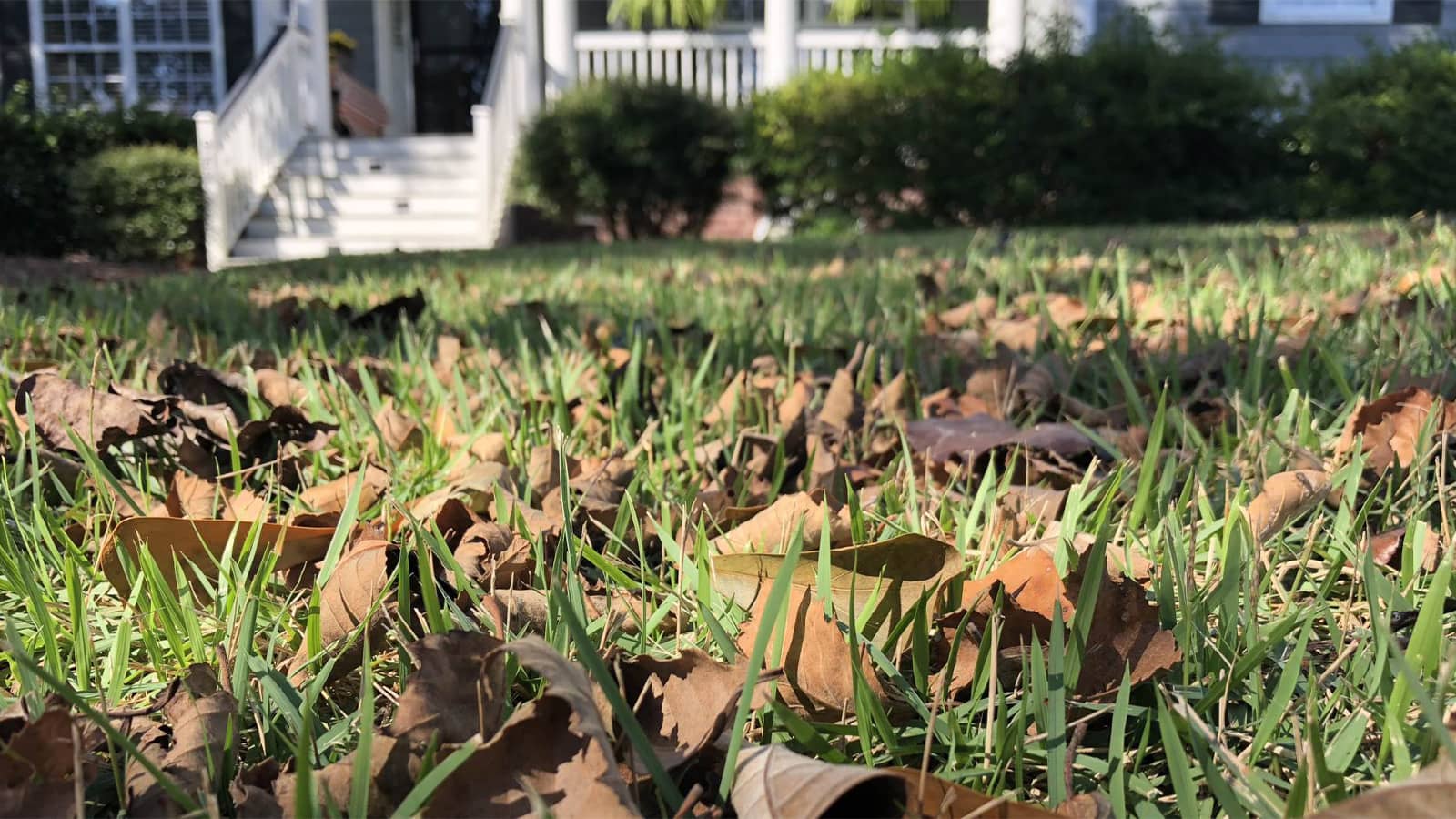
A thick layer of dead blades, leaves or thatch can cover the new growth underneath. That buildup does more than hide the green color. It can also slow the process by blocking sunlight, holding in moisture and keeping the soil cooler than it should be.
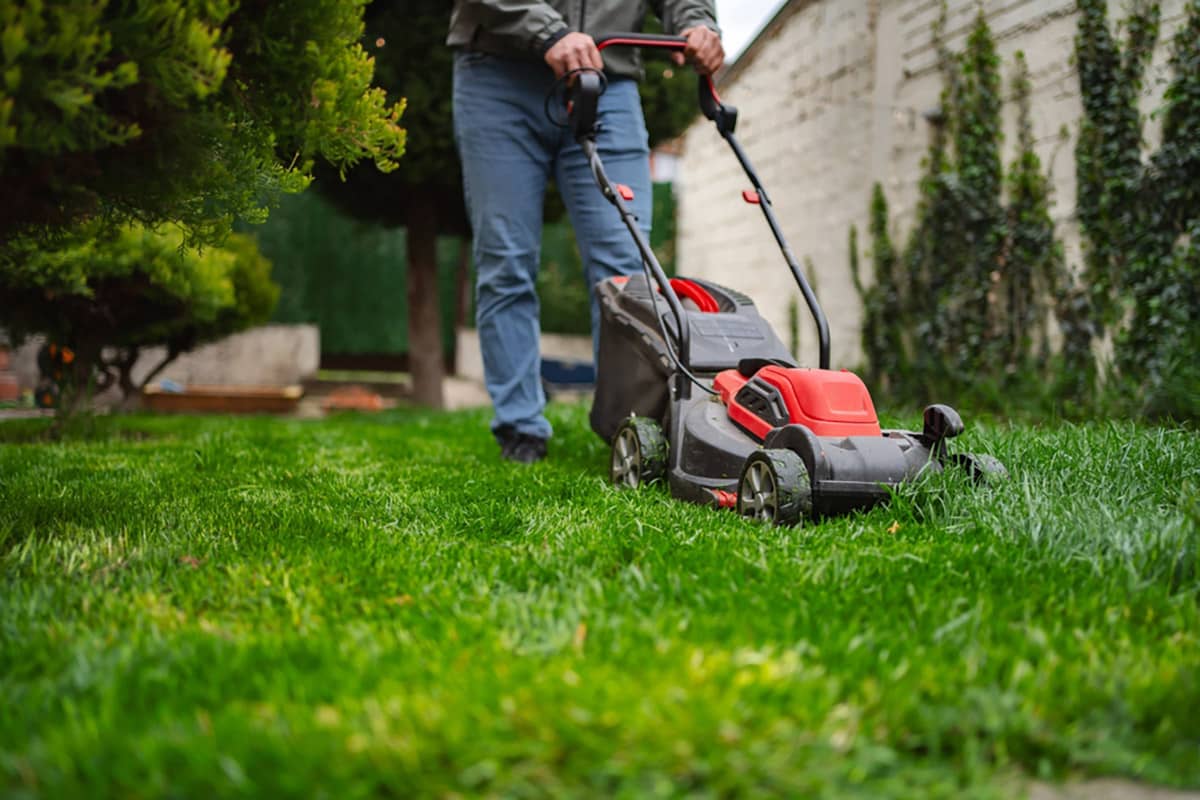
For certain zoysia and bermuda grasses, early spring is when homeowners lower the mower slightly to remove dormant top growth. This helps sunlight reach the soil and speeds up warming. It's important to bag those clippings during cleanup.
If disease is present, however, mowing can spread it. In that case, it is better to identify the problem first before aggressively removing material.
6. Disease
Spring is a transition period, and that makes lawns more vulnerable.
If disease developed late in the season or during winter, you may not notice it until green-up starts. Damaged areas may stay brown while the rest of the lawn improves.
Excess moisture trapped under debris increases the risk. If parts of your lawn look patchy or fail to respond as temperatures warm, disease could be a factor. Acting too quickly with fertilizer will not fix it and could make things worse.
7. Insect Damage
Some lawn problems start months earlier. Insects like grub worms or mole crickets that live below the surface can damage grass in late summer and fall. You might not notice the impact until spring, when those weakened areas struggle to green up.
If sections of your lawn lift easily from the soil or remain thin while the rest turns green, roots may have been damaged. In that case, the issue is not timing. It is recovery.
8. Soil Fertility and pH
If your lawn is waking up but looks pale or uneven, nutrition may be part of the story.
Grass needs the right nutrients and the right soil conditions to use them. If your soil is low in nitrogen or the pH is off, your lawn may stay light green or slow to fill in.
It can be tempting to fertilize early to force green color. But applying fertilizer before the lawn is fully out of dormancy can lead to weak growth and more problems later.
A soil test is the most accurate way to determine what your lawn truly needs. The Lawnifi Spring Fertilizer Box is also a great option for helping warm season lawns come out of winter dormancy.
9. Soil Compaction
If your soil is hard and tightly packed, roots have a harder time growing and accessing what they need.
When roots struggle, green-up slows down. You might notice poor drainage or areas that stay thin year after year. In those cases, aeration can help improve root growth and long-term health.
10. Water Availability
Too little water can delay green-up. Too much water can keep soil cool and increase disease risk.
During dormancy break, your lawn does not need heavy irrigation. It needs balanced moisture. Consistent but not excessive watering helps support steady growth as temperatures rise.
So When Does Grass Come Out of Dormancy?
Most warm season lawns begin turning green once soil temperatures stay consistently warm and nighttime lows stop dipping too low. For some homeowners, that happens early in spring. For others, it takes a few extra weeks.
If your lawn is still brown while others are green, start by checking the temperature and thinking about your location. In many cases, patience is the right move.