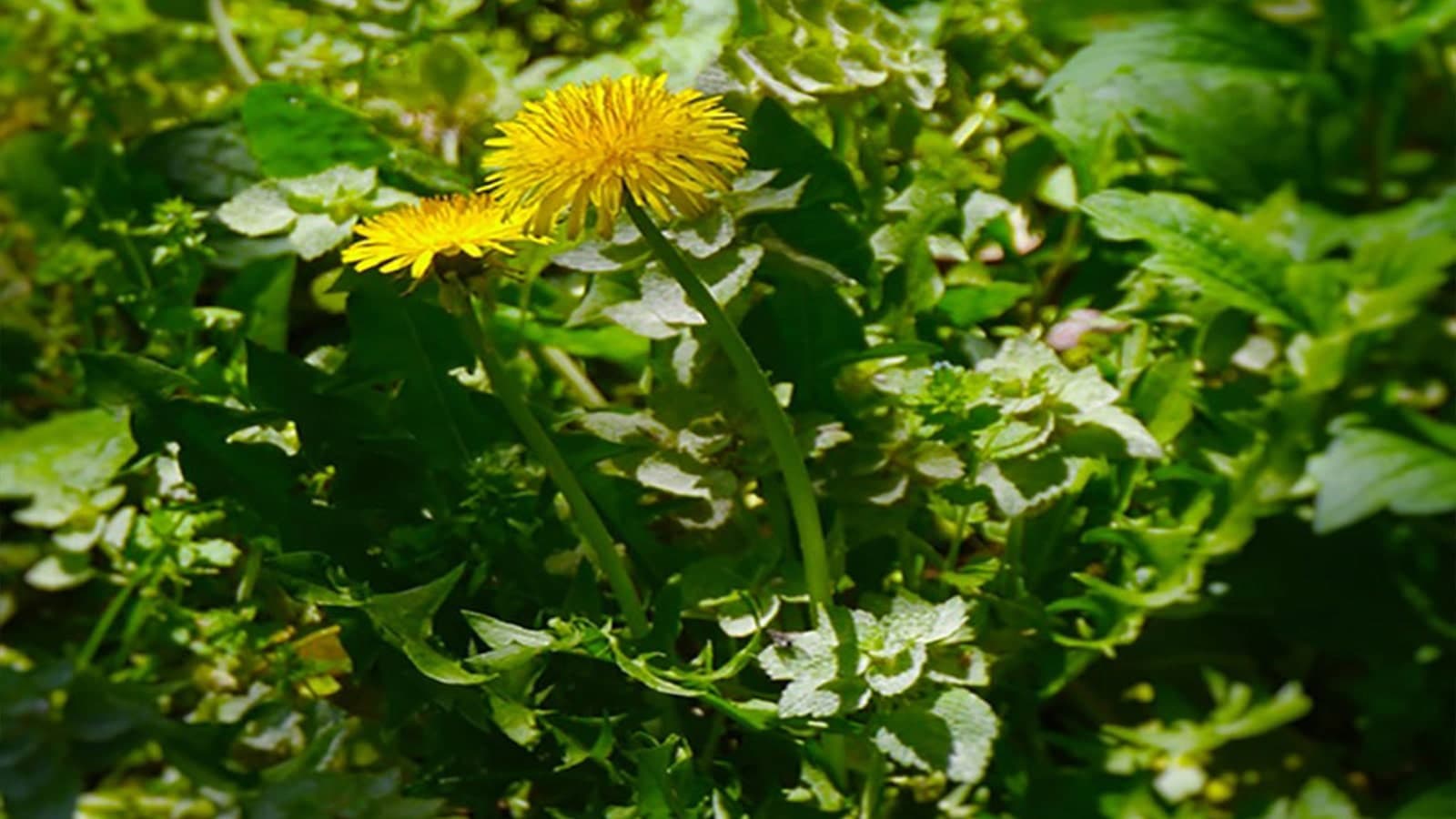
Weeds include any unwanted plants, such as crabgrass, dandelions...or even bermuda grass, which becomes a weed when it spreads into a zoysia grass lawn.
While it's impossible to have a completely weed-free lawn, knowing the specific types of weeds you're facing can significantly help manage them, making your lawn look nearly weed-free.
How to Get Rid of Weeds in Grass
Types of Lawn Weeds
When examining weeds in grass, you'll notice they vary greatly. Some have broad, fleshy leaves, while others resemble grass. Weeds can grow upright or spread across the ground.
Additionally, annual weeds sprout from seeds each year and die after seeding. Perennial weeds survive multiple years and can reemerge during their growing season. Effective weed control depends on identifying these different types.
📖 Key Terms
Terms Defined- Broadleaf weeds have broad leaves with prominent veins, while some have flashy flowers.
- Grassy weeds resemble grass and blend in with the lawn better, making them harder to spot.
- Annual weeds germinate new seeds each year and usually die at the end of the growing season.
- Perennial weeds continue to grow over multiple years.
- Post-emergent herbicides treat currently existing weeds you want to kill.
- Pre-emergent herbicides prevent future weeds from popping up.
- Selective herbicides only target the weeds listed on their product labels.
- Non-selective herbicides kill any vegetation it touches—including your lawn.
🔍 What are broadleaf lawn weeds?
Weeds are divided into two basic categories: broadleaf and grassy. Some common broadleaf weeds are dandelions, dollarweed, chickweed and so on. They have wide leaves with prominent veins and flashy flowers. If you live in the northern US, you are likely familiar with all of them.
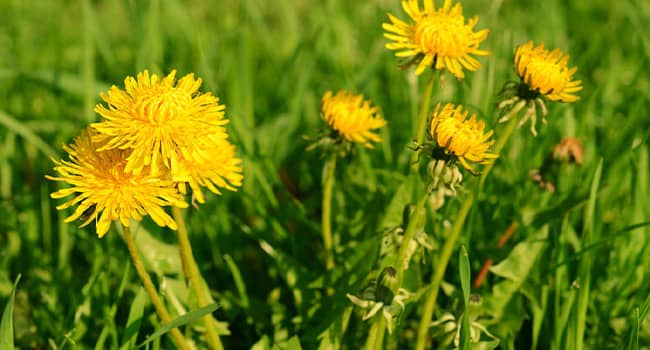
Dandelions
Although dandelions' bright, yellow color may appear cheerful to some, they're a difficult weed to remove. Dandelions are perennial broadleaf weeds with a taproot located underneath the soil's surface that keeps them alive even after being pulled. This weed is usually found in moist areas with a lot of sun. Dandelions spread from their far-floating seeds.
Learn more about dandelions here.
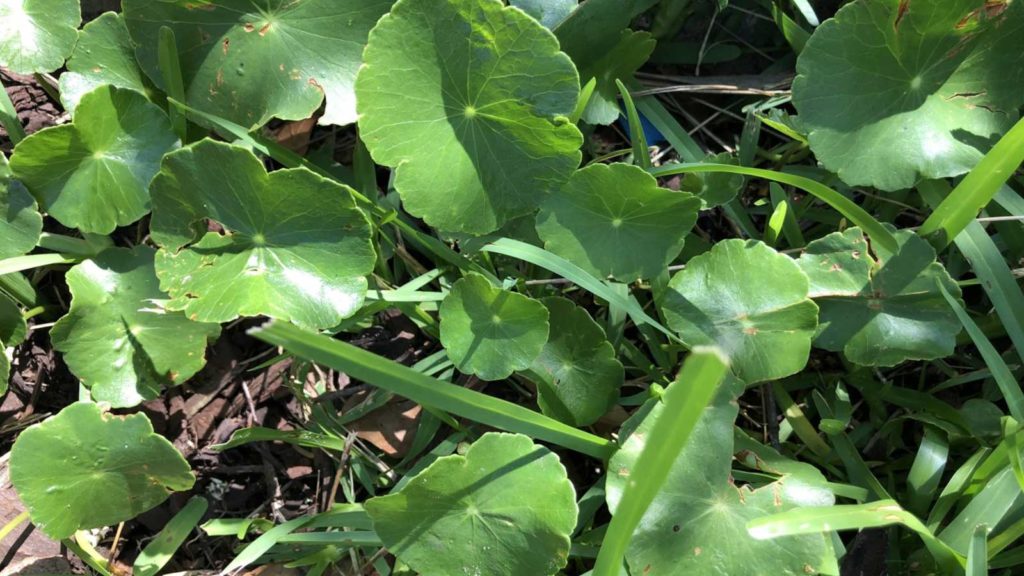
Dollarweed
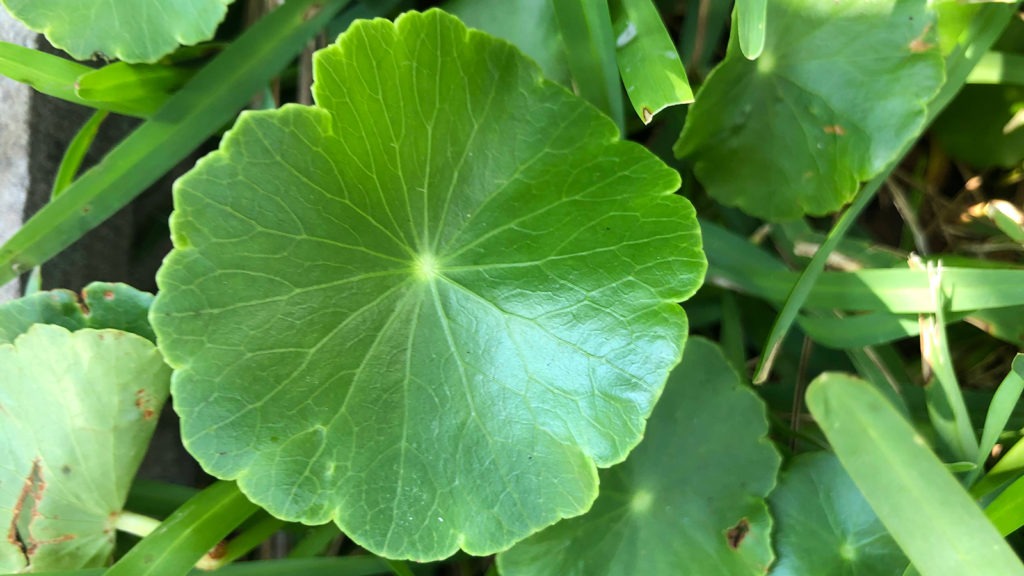
Dollarweed, often referred to as pennywort, is a perennial broadleaf weed that grows in warm, humid environments with acidic soils. It can be found along the coast or near bodies of water. This weed can be easily identified by its leaves, which are very similar in appearance to small lily pads, with their shiny, bright green color and wavy edges.
Read more about dollarweed here.
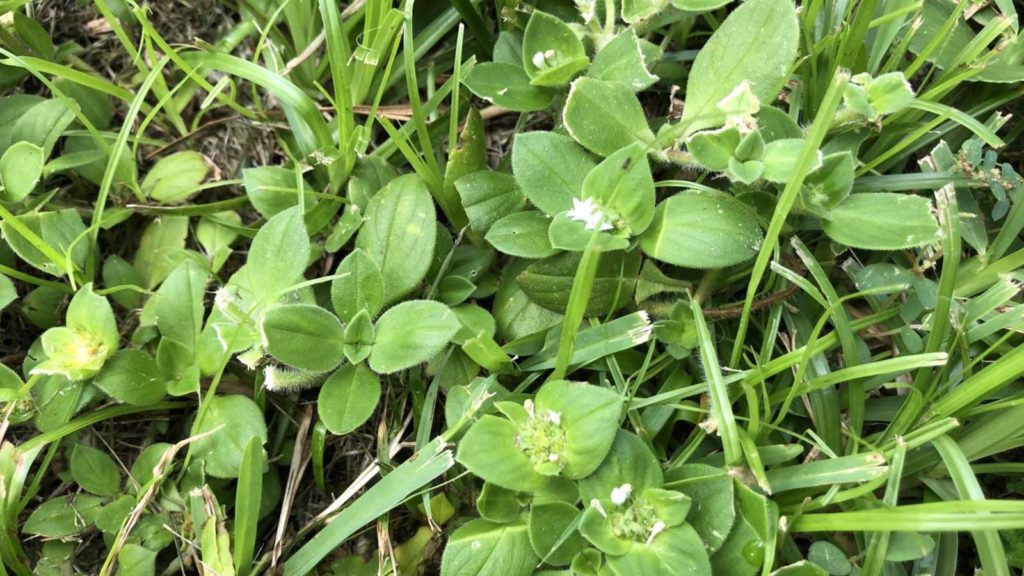
Common Chickweed
Common chickweed is a bright green annual broadleaf weed easily identified by its small white flowers and oval-shaped leaves that end in a slight point. Unlike dandelion, chickweed grows very close to the ground and spreads out to create a carpet across the ground. This usually occurs in areas of the lawn that are thin or bare.
Learn more here.
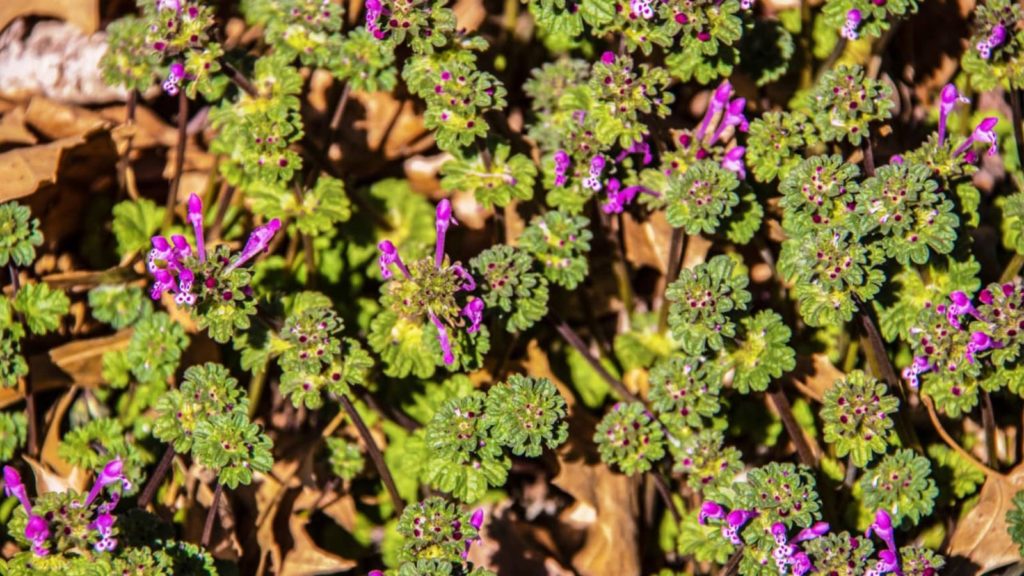
Henbit
Henbit is another annual weed that blooms during the winter. It produces small, purple flowers that contain a bunch of seeds in the spring. These weeds can be identified by their square stems, which are green to purple in color, their heart-shaped leaves, which grow in pairs with scalloped edges and their unique reddish-purple flowers.
Click here to learn more.
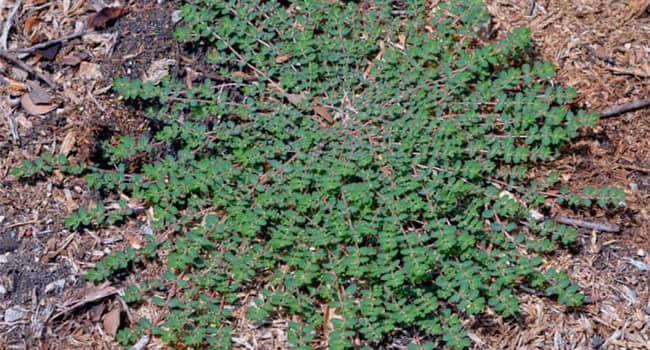
Prostrate Spurge
Prostrate spurge is a summer annual weed known for infiltrating weak spots in lawns, gardens and sidewalk cracks. In the southern United States, it often persists through fall and winter. This weed features red, hairy stems and forms a dense mat of dark green leaves that lie close to the ground.
When damaged, its stems exude a sticky, milky white sap that is difficult to wash off hands or clothing.
Read the full article on prostrate spurge here.
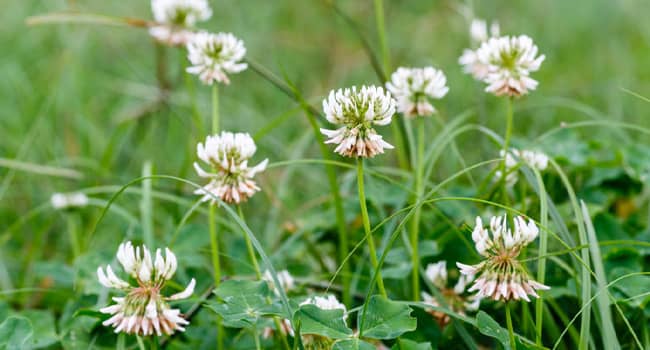
Clover
One of the most common broadleaf weeds many homeowners experience is clover. Clover is a perennial weed that loves to inhabit lawns with nutrient deficiencies. Clover is a legume that produces its own nitrogen, which allows it to thrive where turfgrass is weak.
This weed can be spotted in the early spring and summer, with white or pink flowers shaped like ovals on the end of a long stem.
Learn more here.
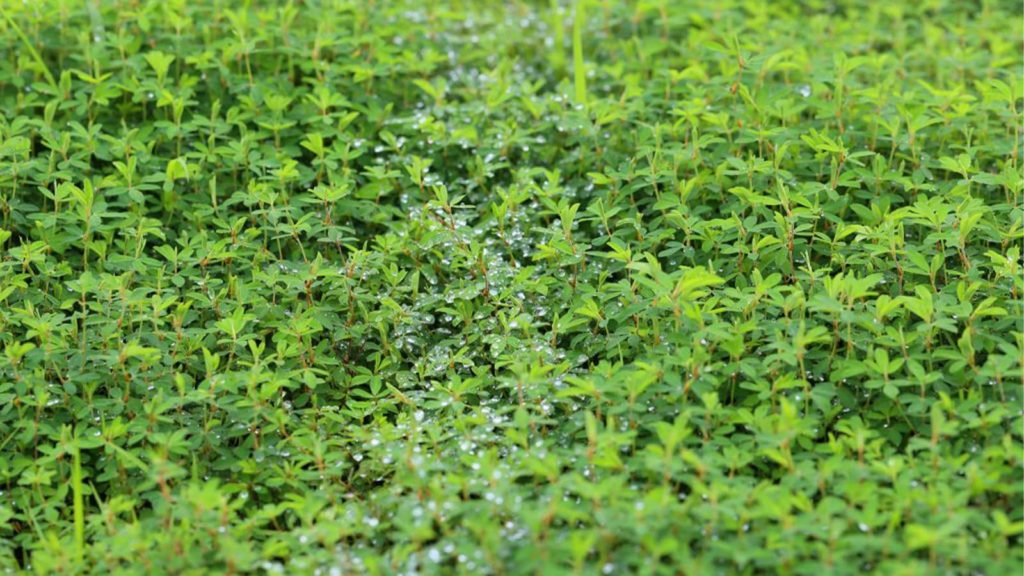
Common Lespedeza
Common lespedeza is an annual weed with a woody stem, pink or purple flowers, and oval-shaped leaves that grow in threes. It is most common in the southeastern regions of the United States and begins to emerge in early spring and continues throughout late summer.
Check out this blog to learn more about identifying and controlling this obnoxious weed.
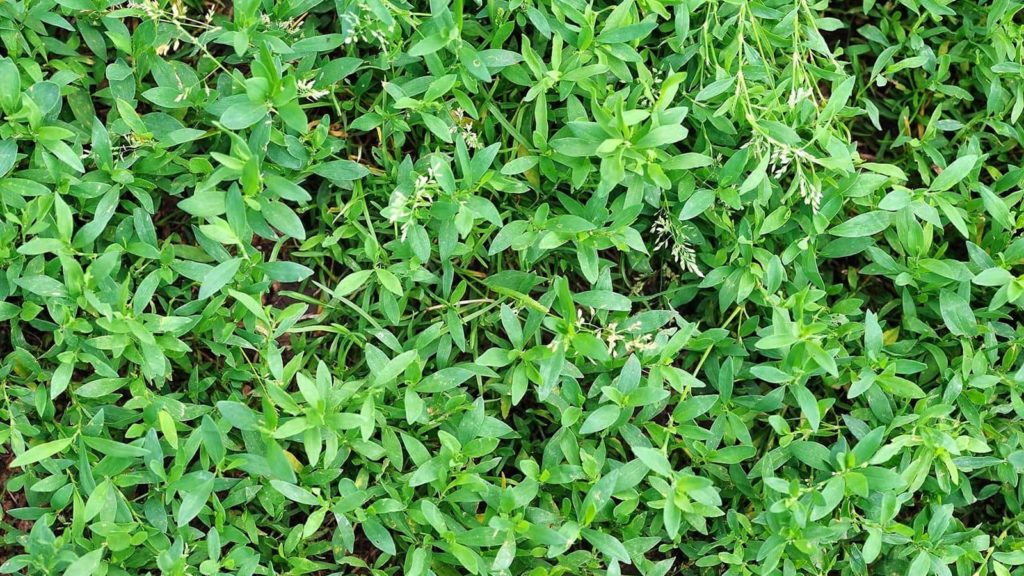
Prostrate Knotweed
Prostrate knotweed (Polygonum aviculare) is a common lawn weed in many states. It is an early summer annual or a short-lived perennial. This weed begins germinating in the late winter—as early as the end of February—and establishes a large tap root that allows it to survive throughout the summer and into the early fall.
As it grows, its many wiry stems form a mat along the ground that can avoid the mower's blades. Knotweed is identified by its blue-green oval-shaped leaves and the swollen nodes on its stem that look like small knots, giving the plant its name.
Learn more here.
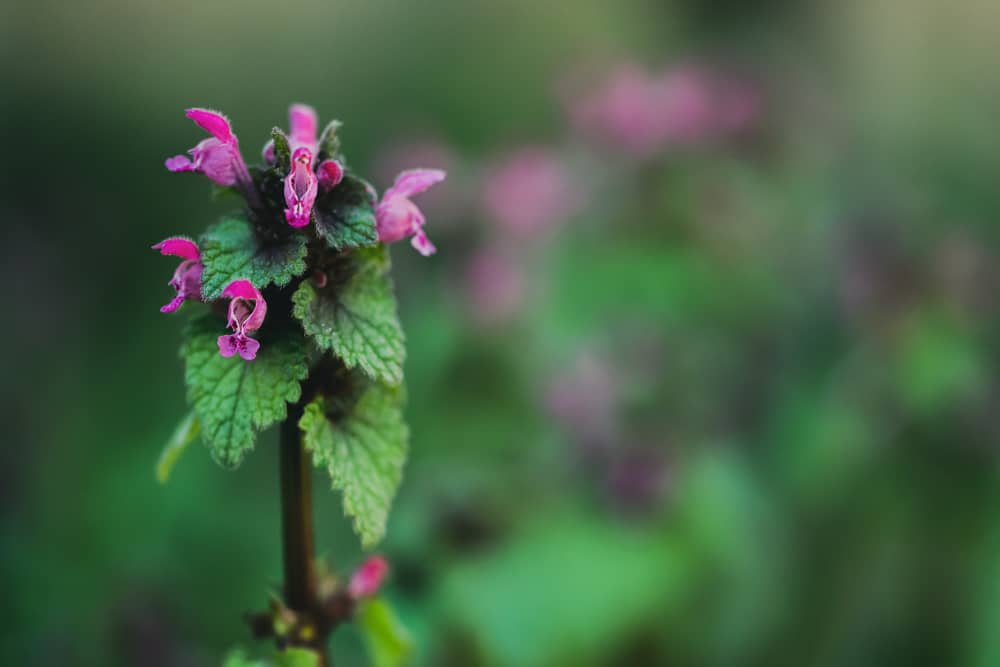
Purple Deadnettle
Purple deadnettle is another annual weed that grows during the winter months in certain locations. This weed is often confused with henbit due to its similar flowers and leaf color. Purple deadnettle, as opposed to henbit, produces triangular leaves with a distinct reddish-purple color.
On the other hand, henbit has heart-shaped leaves that grow in pairs with scalloped edges. This weed is aggressive and will rapidly spread if given the right time.
Learn more here.
✓ Post-Emergent Weed Control for Broadleaf Weeds
Effective broadleaf herbicides typically contain active ingredients like 2,4-D, MCPP, MCPA, dicamba and triclopyr, often in combinations of two or three. These can be applied as liquids or granules. Always read product labels to ensure they target your specific weeds and follow the application instructions carefully.
Best Post-Emergent for Broadleaf Weeds: Triad Select
🔍 What are grassy lawn weeds?
Common grassy weeds, such as crabgrass, dallisgrass, nutsedge or Poa annua (annual bluegrass), differ from broadleaf weeds in appearance and control methods. Knowing these differences is essential for choosing a suitable herbicide or non-chemical control strategy. Grassy weeds, which closely resemble grass, often blend well with lawns, making them slightly more challenging to identify.
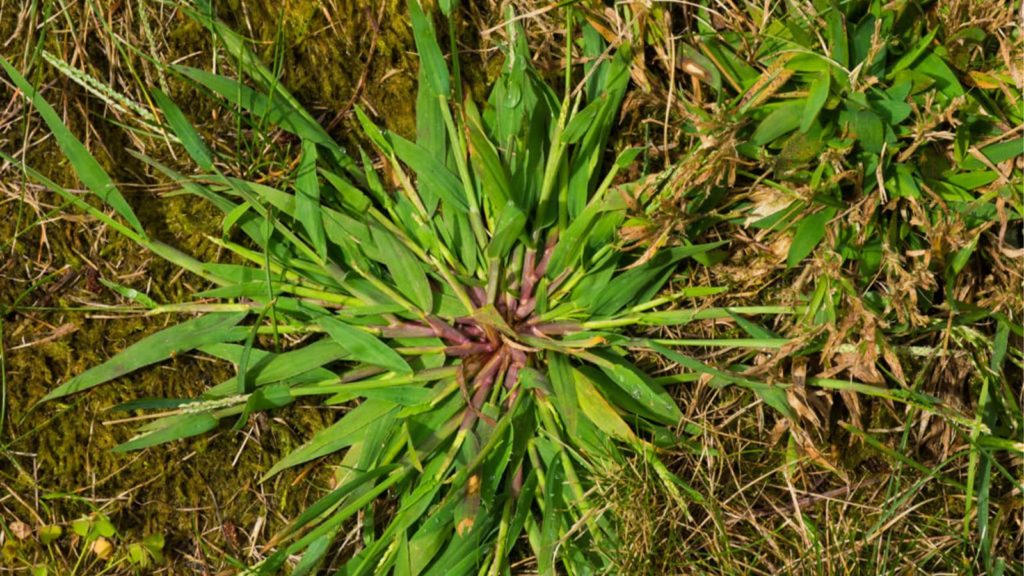
Crabgrass
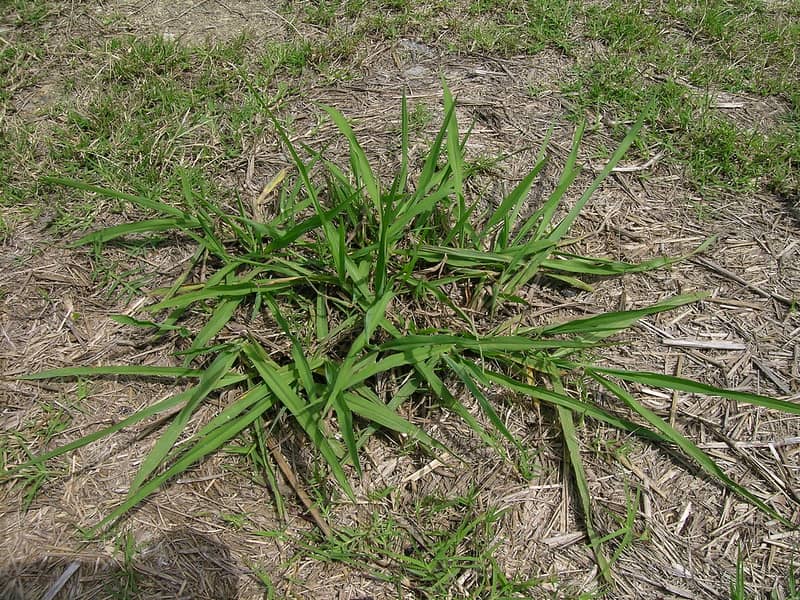
Crabgrass is one of the most obnoxious, hard-to-control grassy weeds. They're hard to pull and often survive after chemical applications. As an annual weed, crabgrass grows for one growing season, usually in late spring and early fall. Once the first fall frost hits, crabgrass usually dies.
However, it can produce up to 150,000 seeds per plant. If the plant sets seed before cooler temperatures hit, be prepared to fight it again in the spring. Crabgrass grows near the ground and has branching grass-like stems resembling crab legs.
Learn more here.
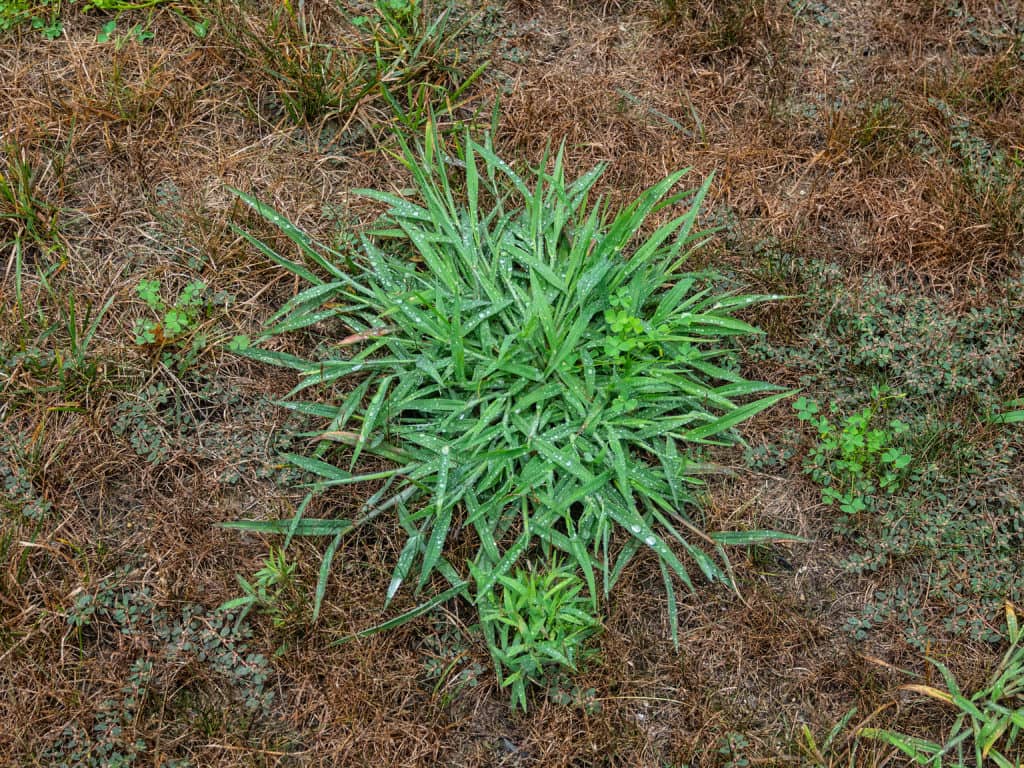
Quackgrass
Quackgrass is a perennial grassy weed that will grow quickly and persist for a long time if not handled appropriately. This plant is found in almost every state and begins to appear in the springtime as seeds germinate.
It then flowers and produces more seeds in the summer months; however, once it has developed a presence in your lawn, quackgrass can remain green throughout the year.
Read more about quackgrass here.
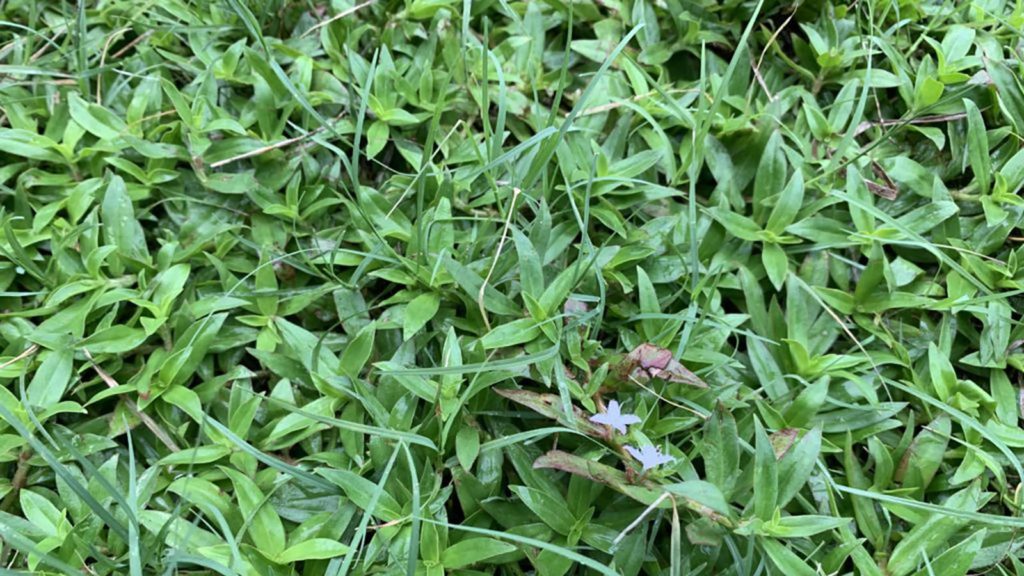
Doveweed
Doveweed is an aggressive summer annual weed that resembles certain grass types. This is especially true with St. Augustine grass and centipede grass. If left unnoticed, it can spread and become hard to remove.
Doveweed looks like other thick-leaved grasses with parallel veins and long leaves. Fortunately, it can be distinguished from grasses because of its waxy, shiny leaves that can appear almost rubbery and its flowers with three purple to blue colored petals.
Click here to learn more.
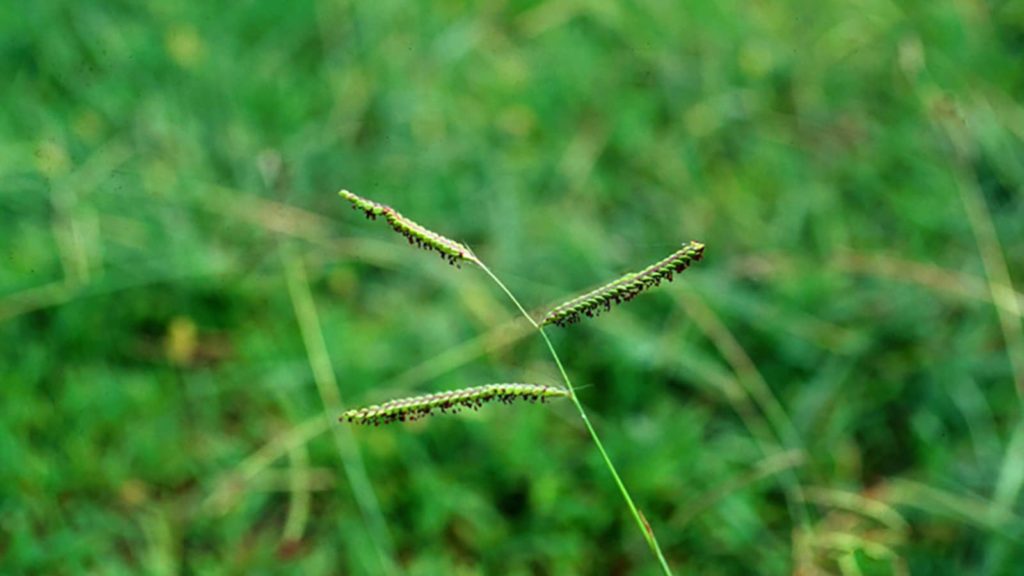
Dallisgrass
Have you ever noticed those tall weeds that look black and tufted on the end? This is a mature dallisgrass weed. This coarse-textured perennial grassy weed grows in a clump and gradually expands outward.
Dallisgrass can be found in some regions of California and the rest of the southern United States. It tends to favor wet or irrigated areas.
Learn more here.
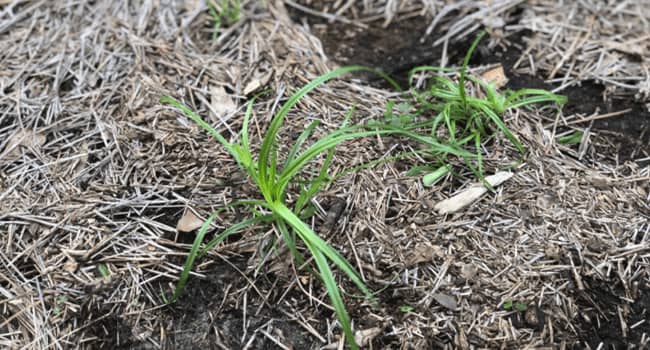
Nutsedge
Although nutsedge better fits the grassy weed category, it's in its own class. Although it looks very similar to grass, it can be differentiated by its shiny yellow-green color and V-shaped stem.
Nutsedge usually has grass blades that almost grow in a triangular pattern with bristles in the middle of mature plants.
Nutsedge is also one of the hardest-to-control weeds due to its ability to withstand many herbicides and its underground tubers, which remain even when the plant is pulled out of the soil, germinating more plants.
Read the full blog on nutsedge here.
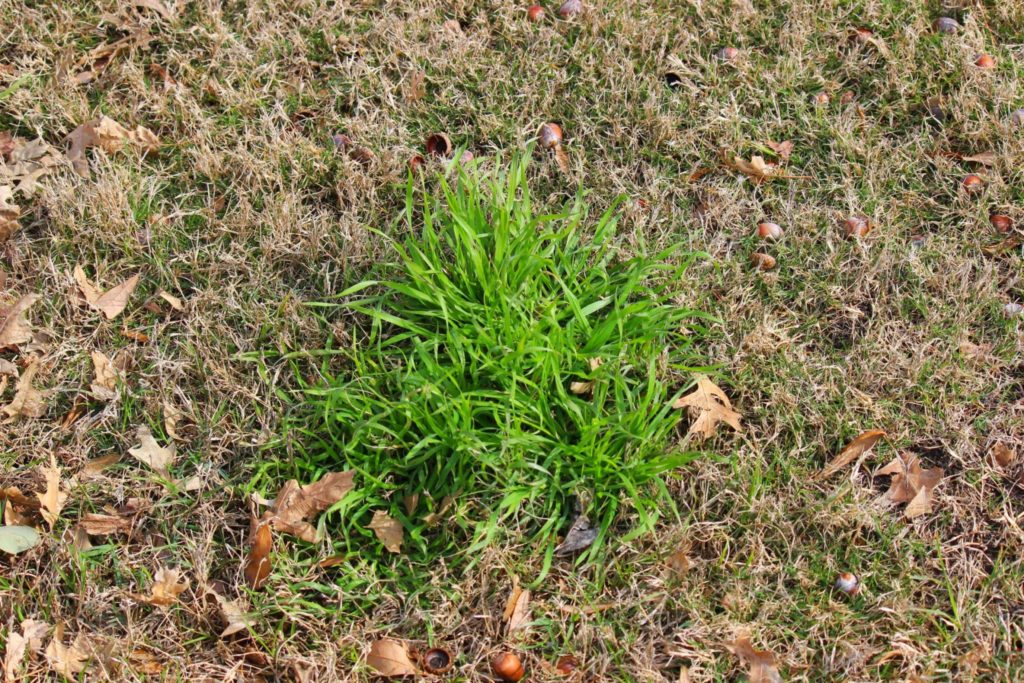
Poa Annua (Annual Bluegrass)
Poa annua, or annual bluegrass, is extremely common throughout many climates and locations in the United States. The easiest way to identify Poa annua is by spotting its light green color and tall seed head that produces tassels.
When mature, Poa annua rises above the typical home lawn, resulting in a patchy appearance. A single Poa annua plant can produce hundreds to thousands of seeds, which can remain dormant in the soil for years and will typically germinate during the late summer to early fall. Poa annua grass germinates when soil temperatures drop below 70 degrees in the fall.
Learn more about controlling this pesky weed here.
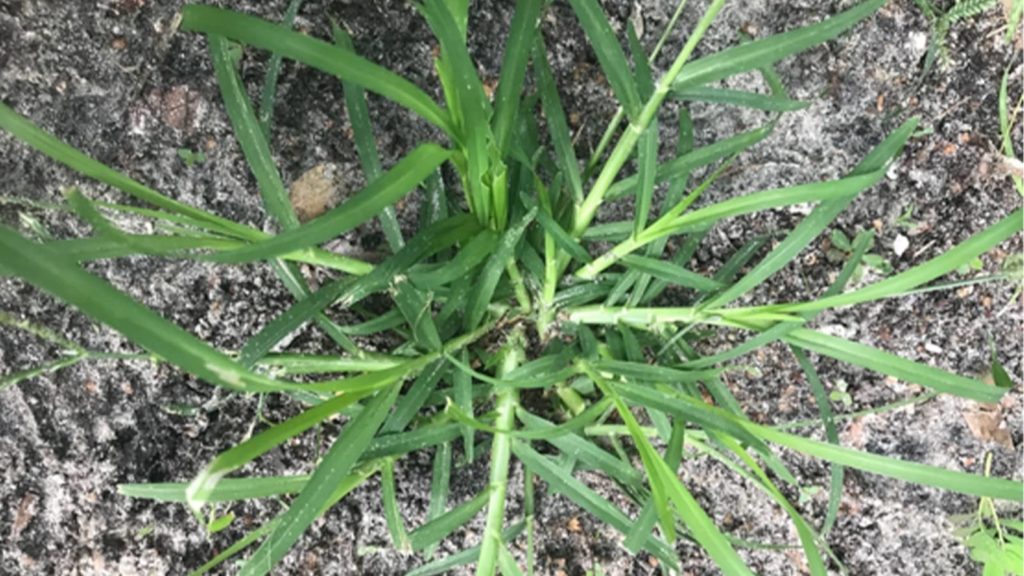
Goosegrass
Goosegrass may often get confused with crabgrass or vice versa due to its flat growing pattern. This weed is dark green, but as you look inward towards the center of the plant, the stems become a lighter silver or white color.
It can grow where other plants struggle and is often found in compact soils with poor drainage, which is common in thin areas of lawns that experience heavy traffic. Seasonally aerating your lawn may be helpful if you get a lot of goosegrass.
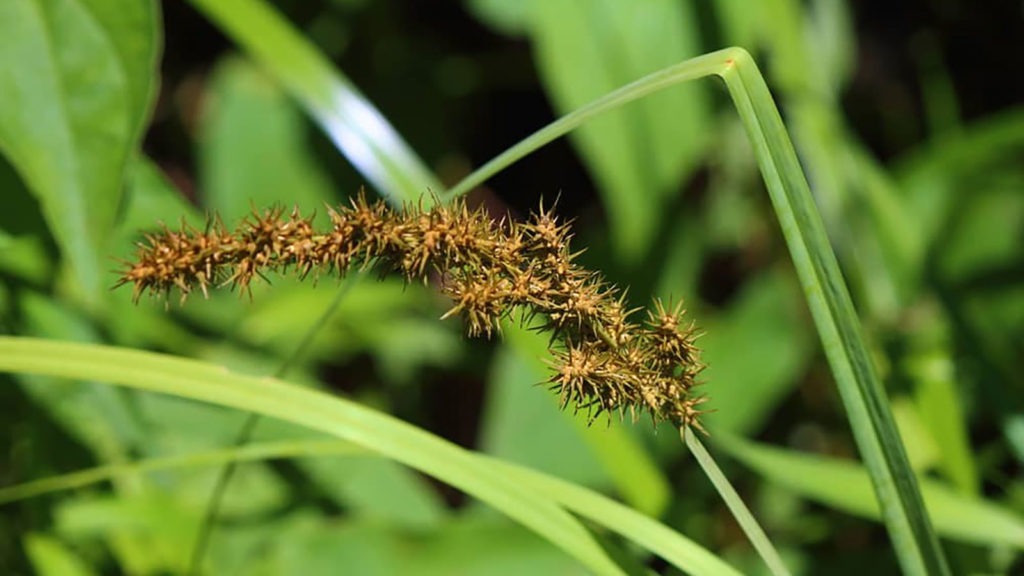
Sandspur
Sandspur or sandbur (Cenchrus) is an annual weed that can grow thorny and painful spikes. These prickly nuisances can hurt if they come in contact with you. Although sandspur can grow in almost every kind of soil, they usually grow in dry and sandy soils. This is also the reason for their name.
Learn more.
✓ Post-Emergent Weed Control for Grassy Weeds
Effective herbicides for grassy weeds contain active ingredients like 2,4-D, quinclorac, sulfentrazone, dicamba or fluazifop-P-butyl. Always check product labels to ensure they target your specific weed issue and follow the application instructions carefully.
It’s recommended to wait until you’ve mowed new grass at least 3–4 times before applying any herbicides or other control products. This waiting period allows the new grass to establish roots and reduces the risk of stress from chemical applications.
Best Post-Emergent for Grassy Weeds: Drive XLR8
🛡️ Pre-Emergent Weed Prevention
Pre-emergent herbicides prevent weeds before they surface, ideal for recurring annual weeds. For best results, apply in spring and fall. Always check product labels to ensure suitability for your weed problem, and follow application instructions carefully.
Best Pre-Emergent: Dimension 2 EW
Weed Control in St. Augustine and Centipede Grass Lawns
It should be noted that St. Augustine and centipede lawns are sensitive to herbicides with 2,4-D, MSMA, and other active ingredients. If you have a St. Augustine or centipede lawn, check out Hi-Yield Atrazine below. Hi-Yield Atrazine serves as a pre- and post-emergent weed control product.
Best Weed Control for St. Augustine & Centipede Lawns: Hi-Yield Atrazine
How do I control weeds in my lawn? - Answered
To control lawn weeds effectively, you must identify the specific types you’re dealing with—broadleaf, grassy, annual or perennial. This knowledge allows for the targeted application of appropriate herbicides or other control methods, significantly enhancing your ability to maintain a nearly weed-free lawn.
A weed-free lawn will give you a feeling of pride and accomplishment, and it is not as hard as you might imagine. However, it is important to know what type of weed you are dealing with in order to rid your lawn of it efficiently without spending unnecessary money. If you can identify which type of weed resides in your lawn, you’ll be able to make the smarter choice in selecting an herbicide product.