How Often Should I Mow My Lawn?
One of the most common lawn care questions is also one of the easiest to get wrong: how often should you mow your lawn? The answer depends on your grass type, the season, weather conditions and how fast your lawn is growing at any given time.
For warm season grasses, mowing is less about sticking to a rigid schedule and more about responding to growth. Mow too often, and you stress the grass. Wait too long and you risk scalping, thinning and weed pressure.
This guide breaks down how often to mow your lawn by season, grass type and region so you can find the right rhythm for your yard.
General Rule for Warm Season Grasses
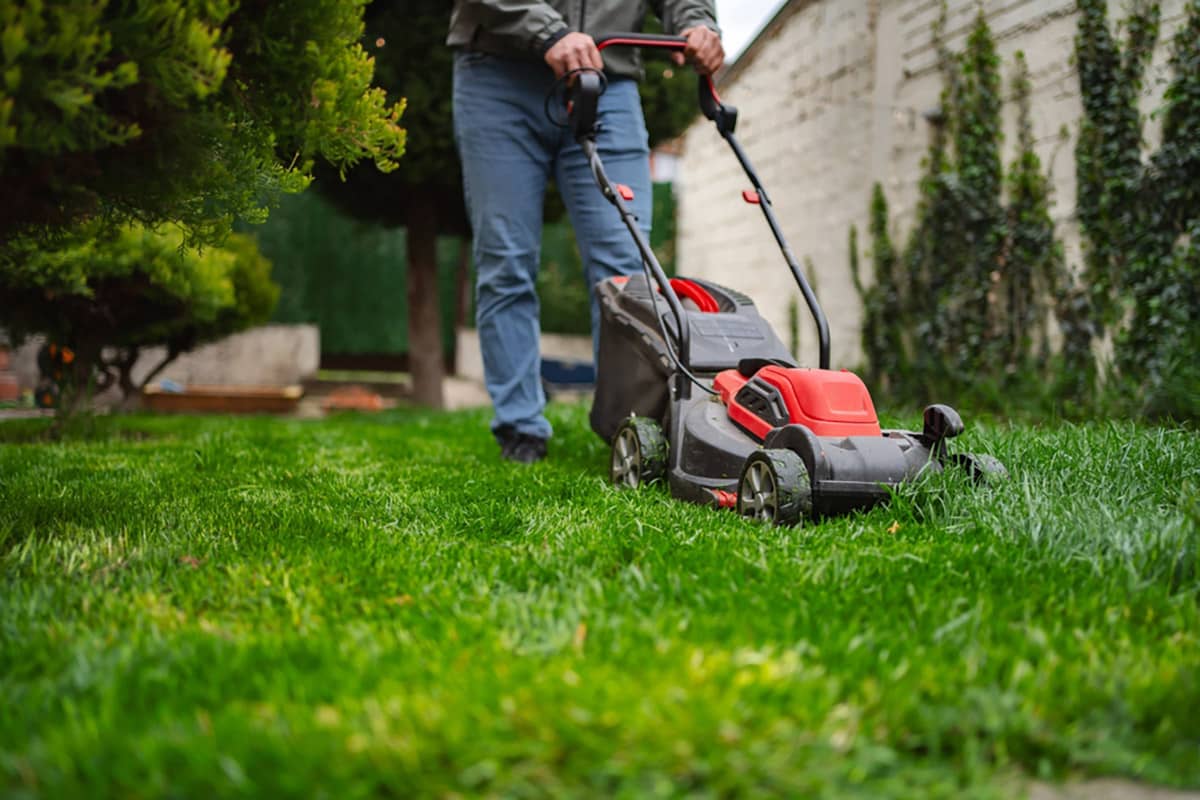
In general, warm season grasses need mowing every 5–10 days during active growth. That range can tighten or stretch depending on rainfall, fertilization, temperature and mowing height.
One rule never changes:
Never remove more than one-third of the leaf blade in a single mow.
This rule protects the grass from stress, helps maintain root growth and keeps your lawn dense and healthy.
If mowing at the correct height removes more than one-third of the blade, it’s a sign you waited too long and you’ll need to stay on top of mowing to get your grass back down to its ideal height over several mows.
Why Mowing Frequency Changes
Grass growth is not constant. It speeds up and slows down based on:
- Grass type and cultivar
- Time of year
- Rainfall and irrigation
- Fertilizer applications
- Mowing height
Aggressive growers like bermuda may need mowing every 3–7 days in summer, while slower-growing grasses like zoysia or St. Augustine typically perform well with weekly mowing during peak growth.
Lower mowing heights increase mowing frequency because less leaf growth is allowed between cuts. Higher mowing heights generally reduce the frequency of mowing by slowing vertical growth and shading the soil.
How Often Should I Mow My Lawn by Season?
Spring (March–May)
As soil temperatures warm, growth begins to ramp up.
- Typical mowing frequency: Every 7–10 days
- Begin mowing once the grass reaches 3–4 inches, depending on the type
- Start at the higher end of the recommended height to avoid stressing emerging grass
Spring rainfall can change this quickly. Frequent showers often push growth faster, shortening mowing intervals to every 5–7 days. Avoid mowing saturated soil, which can cause compaction and rutting.
Summer (June–August)
Summer is the peak growth season for warm season grasses.
- Typical mowing frequency: Every 3–7 days
- Bermuda may require mowing once or even twice per week
- St. Augustine and zoysia typically perform best with weekly mowing
During extreme heat or drought, raise mowing height slightly and allow intervals to stretch if growth slows. After heavy summer rain, aggressive growth may require mowing every 3–5 days, but avoid mowing if the lawn is soggy or clumping.
Fall (September–November)
As temperatures cool, growth gradually slows.
- Typical mowing frequency: Every 7–14 days
- Continue mowing until the lawn enters dormancy
Rainy fall weather can temporarily speed growth, tightening schedules to weekly mowing.
In drier conditions, intervals often stretch closer to two weeks. Keep fallen leaves cleared to prevent smothering the turf.
Winter (December–February)
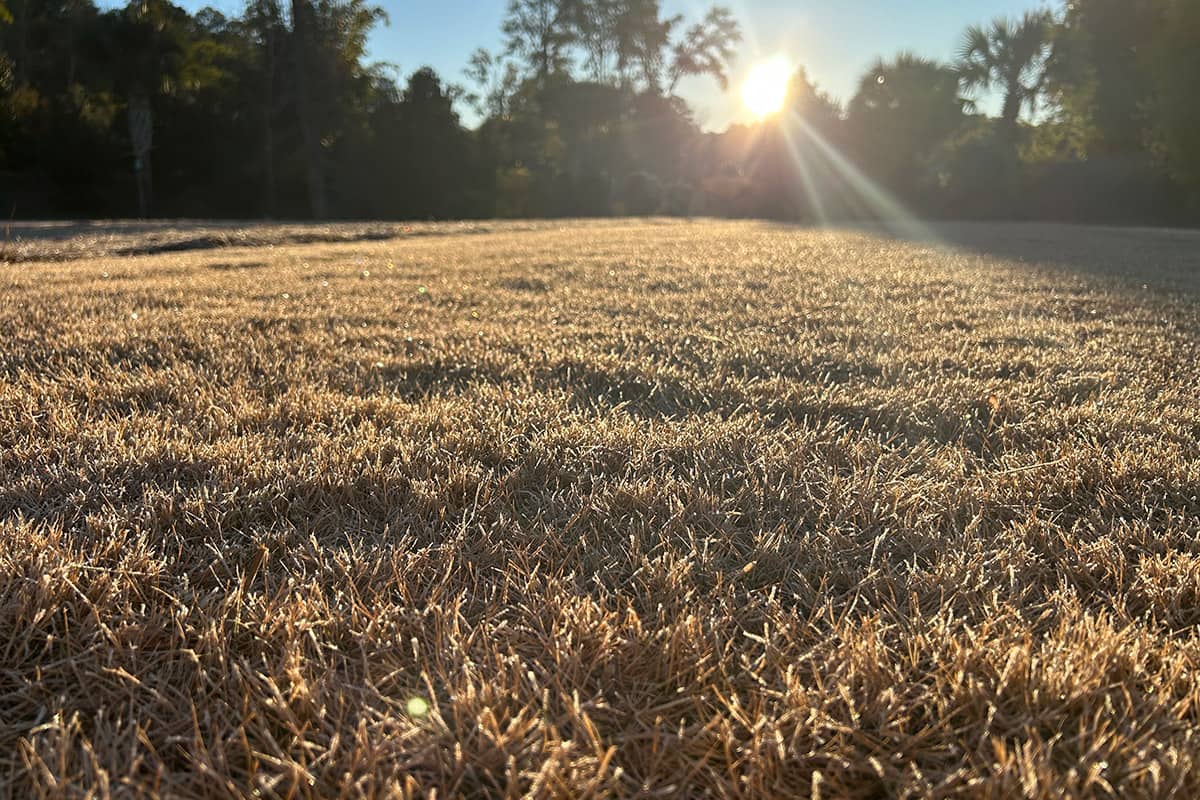
Most warm season grasses are dormant in winter.
- No regular mowing is needed
- Occasional mowing may be required only to clean up debris
In regions such as the southernmost parts of Florida where grass may not fully go dormant, limited mowing may still be necessary. Otherwise, winter rainfall does not increase mowing needs.
Mowing Frequency by Grass Type
Mowing frequency varies by cultivar within each grass type.
| Grass Type | Typical Height | Peak Frequency (Summer) |
|---|---|---|
| Bermuda | 0.5–1.5 inches | Every 3–7 days |
| Wider-Bladed Zoysia | 1–2 inches | Every 7–10 days |
| Finer-Bladed Zoysia | 0.5–1.5 inches | Every 7–10 days |
| St. Augustine | 2–4 inches | Every 7–14 days |
| Centipede | 1.5–2.5 inches | Every 10–14 days |
Comparison by Grass Type
Varies by cultivar of each grass type*
| Grass Type | Typical Height | Peak Frequency (Summer) |
|---|---|---|
| Bermuda | 0.5-1.5 inches | Every 3-7 days |
| Zoysia | 1-2 inches | Every 7-10 days |
| St. Augustine | 2-4 inches | Every 7-14 days |
| Centipede | 1.5-2.5 inches | Every 10-14 days |
Lower mowing (e.g., 1 inch on bermuda) accelerates lateral spread but requires 2-3x weekly cuts during peak growth to remove no more than one-third blade. Taller heights (e.g., 3-4 inches on St. Augustine) reduce frequency by 30-50% as less leaf grows between mows, suiting your slower zoysia or St. Augustine.
Regional Mowing Frequency Considerations
How Often Should I Mow My Lawn in the Southeast?
- South Carolina / Georgia / North Carolina:
- Weekly mowing during peak growth (April–October)
- Every 7–14 days during spring and fall transitions
How Often Should I Mow My Lawn in Florida?
- Year-round growth in southern regions may require consistent mowing
- Central and northern areas follow a spring–summer–fall pattern similar to the Southeast
How Often Should I Mow My Lawn in Texas?
- South Texas: Faster growth, especially in summer
- Central Texas: Weekly to biweekly, depending on rainfall
- North Texas: Slower spring and fall growth, longer intervals
Gulf Coast Regions
- High humidity and rainfall often increase mowing frequency
- Expect weekly mowing during most of the growing season
California
- Southern California lawns often grow steadily from spring through fall
- Central and Northern regions experience slower growth and longer intervals
Common Mowing Questions
How Often Should I Cut Bermuda Grass During Summer?
During peak summer growth, bermuda grass often needs mowing every 3–5 days, especially at lower heights. At very low mowing heights, twice-weekly mowing may be necessary.
What is the Best Mowing Schedule Recommended by Lawn Care Professionals?
Professional lawn care services do not follow fixed calendars. They mow based on:
- Growth rate
- Seasonal conditions
- Maintaining the one-third rule
This typically results in weekly mowing during peak growth and longer intervals during slower periods.
Does Grass Growth Regulator Affect How Often I Need to Mow?
Yes. Growth regulators slow vertical growth, which can reduce mowing frequency. However, lateral growth continues, so mowing is still needed to maintain density and appearance.