
Pesky weeds are an unavoidable part of lawn and landscape maintenance. Whether you’re applying pre-emergents at the right time or pulling them by hand, managing weeds can be time-consuming and expensive.
While there are better seasons for weed control (see When to Apply Weed Control), this article focuses on one of the most challenging times: summer—when herbicide use becomes risky and often ineffective.
✅ Quick Answer: Should You Use Weed Killer in Summer?
Only spot-treat weeds in summer using selective herbicides and avoid full-lawn applications above 85 degrees Fahrenheit. For most cases, wait until fall or remove weeds manually.
Why is summer a bad time for weed control?
Once temperatures climb above 85 degrees Fahrenheit, most weed control products can do more harm than good. The heat intensifies chemical reactions, leading to damaged or dead grass and plants.
The ideal solution is to apply a post-emergent herbicide for cooler fall weather. But if waiting isn't an option, there are safer ways to manage weeds during the heat of summer.
How to Control Weeds During the Summer
Using weed control products in summer can do more harm than good. Intense heat causes chemicals to burn surrounding grass and plants, leaving behind damaged or dead patches.
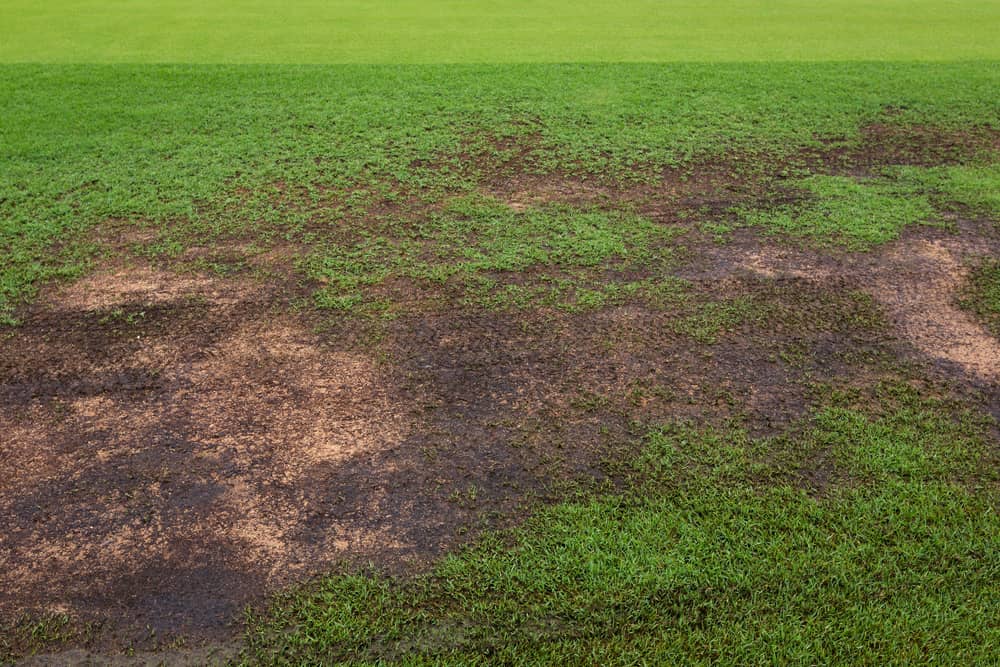
Fortunately, there are a few safer ways to manage weeds during the hottest months.
Method 1: Apply a pre-emergent herbicide in the spring
One effective option is to plan ahead: apply a pre-emergent herbicide in early spring to block summer weeds before they sprout.
While it requires waiting, this method offers the best long-term results. Learn more in When to Apply Spring Pre-Emergent and explore our recommended products below. Always follow label instructions carefully.
Method 2: Hand-pull them or dig them up
Another effective method is good old-fashioned hand-pulling. Grab gloves, a garden trowel and a trash bag, then carefully remove weeds from the base to pull out as much of the root as possible.
You may need a shovel to remove the entire system for deeper roots or weeds with long underground runners (tubers). Pulling just the top won’t cut it—those underground runners will keep sprouting if left behind.
The upside? Once fully removed, those weeds are gone for good, often more effectively than using herbicides during ideal seasons.
Method 3: Spot-treat isolated areas without damaging other plants
Spot-treating is a great option for isolated weeds, but it requires precision. Use a liquid herbicide with a spray tank and nozzle to apply product directly to the weed, avoiding contact with nearby grass or plants.
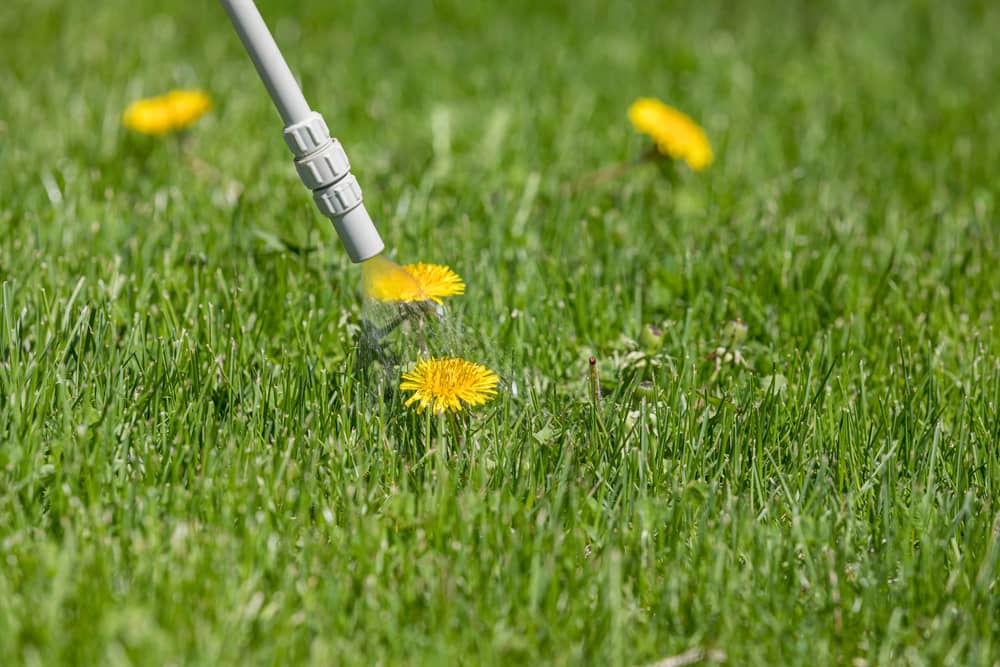
Unlike granular products, which spread after watering and can harm surrounding vegetation, liquid spot-treatments give you more control. Just keep in mind: if weeds are densely packed, spot-treating may be less effective and risk damaging nearby growth.
Always follow label directions carefully. For precision, Mesotrione 4SC Select is a standout—it even comes with a syringe for targeted use.
Important: If you have St. Augustine or centipede grass, use an Atrazine-based product, as others may still cause damage—even when spot-applied.
Other Weed Control Methods
If you like experimenting with new tools and techniques, here are a couple of out-of-the-box options worth trying.
Burn them
Yes—really. Weed torches are trending and can literally burn weeds away. They’re best for weeds growing through cracks in concrete or asphalt. Just use extreme caution—these tools can easily damage nearby plants or ignite dry areas. Always follow safety instructions.
Try a Weed Puller Tool
Hate kneeling in the heat? A stand-up weed puller grips and extracts weeds without the backache. It’s great for surface weeds but may not work on deeper-rooted ones with long underground runners.
Can I Use Weed and Feed in the Summer?
Short answer: it’s not ideal. Most weed and feed products can stress or burn your lawn when temperatures exceed 85 degrees Fahrenheit. Instead, stick with hand-pulling or targeted spot treatments until cooler weather arrives. Pre-emergents work best in early spring or fall for prevention.
Summer Weed Control FAQs:
Weed and feed isn’t recommended during summer, especially when temperatures exceed 85°F, as it can stress or damage your lawn. Safer options include hand-pulling or spot-treating now, and using pre-emergents in early spring or fall.
Once daytime temperatures consistently exceed 85 degrees Fahrenheit, it’s too late to apply most herbicides without risking lawn damage.
Early spring and fall are ideal times for applying pre- and post-emergent herbicides when temperatures are milder and weeds are most vulnerable.
Spot-treat isolated weeds with selective herbicides or remove them by hand to avoid damaging surrounding grass in the heat.
Most herbicides shouldn’t be applied when temperatures are above 85 degrees Fahrenheit due to the risk of lawn burn.
Try hand-pulling, using a weed puller tool or waiting until fall to apply herbicides safely.
Atrazine-based products are safest, but even these should be used cautiously and only for spot treatments.
No, pre-emergents must be applied in early spring or fall before weed seeds germinate to be effective.
Yes, but they’re best for weeds on hard surfaces like driveways and should be used with extreme caution.
Weed pullers work well for surface weeds, but may not fully remove weeds with long underground runners.
How to Control Weeds in New Lawns
It's recommended to wait until you've mowed at least 3–4 times before applying any weed control products. This waiting period allows the plugs to establish roots and reduces the risk of stress from chemical applications. Always follow the label instructions for any products you use to ensure the safety and health of your new grass. Nevertheless, weed control products should not be used during the summer months when temperatures exceed 85 degrees Fahrenheit.
In conclusion, although summer is the worst time of year to apply weed control products to your lawn and garden, there are still a few workarounds that might get the job done. With any control products or tools, be sure to read and follow product label instructions thoroughly before using.