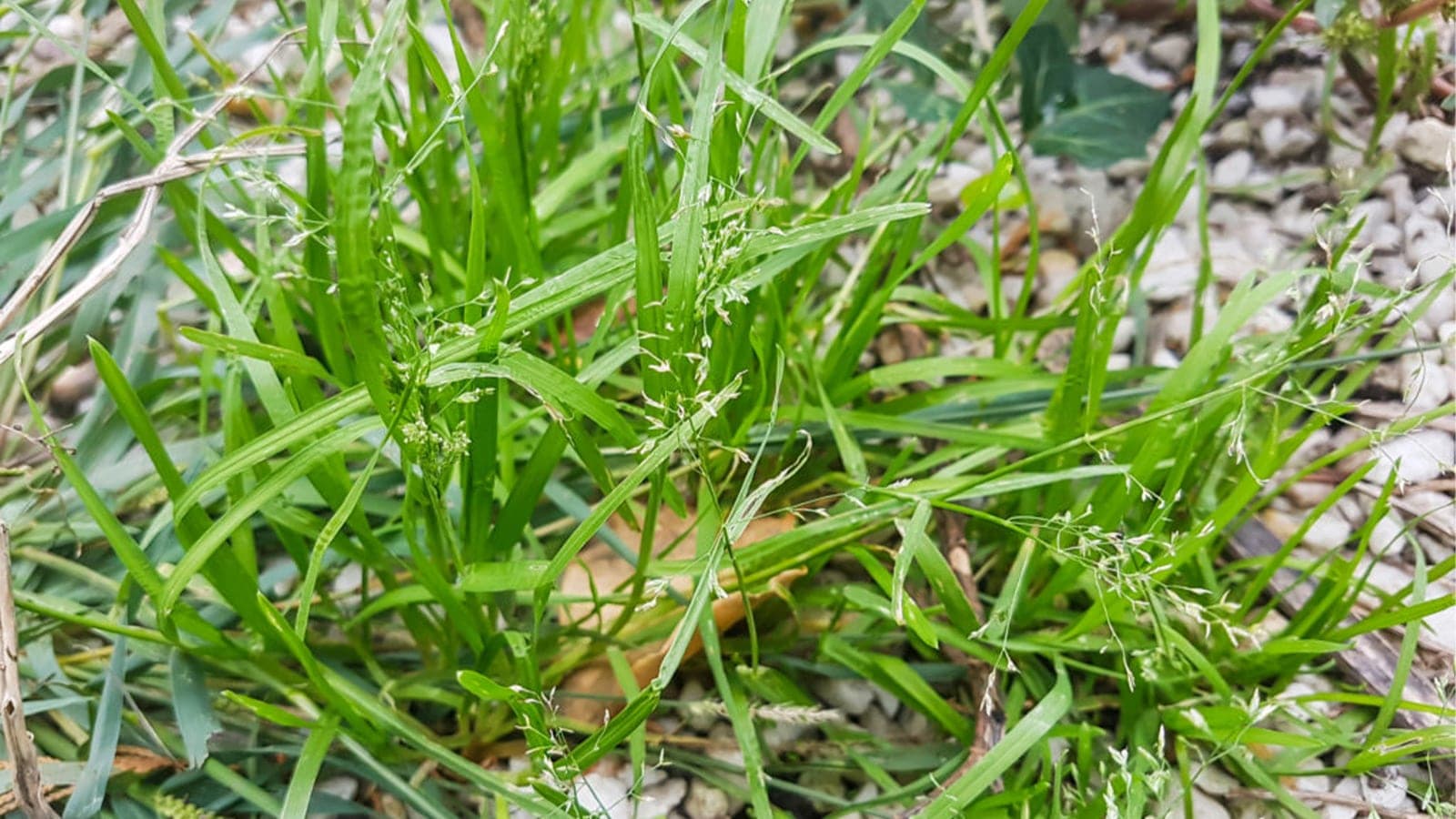
Once Poa annua, also known as annual bluegrass, has established itself in your lawn, removing it requires a well-timed and thorough approach. This invasive weed can spread quickly, producing seeds that stay viable in the soil for years, making complete eradication a challenge.
Fortunately, there are effective strategies for controlling and eliminating Poa annua from your lawn without causing damage to your grass. Always read product labels to ensure compatibility with your grass type.
✅ Quick Answer
To get rid of Poa annua once it has already appeared in your lawn, the best post-emergent weed control product is Mesotrione 4SC Select. However, this should not be applied to zoysia grass. If you have a zoysia lawn, it's best to use Revolver or carefully spot-treat with a non-selective weed control product. Always read product labels completely.
Tailored Treatment Plans for Poa Annua Weed Infestation Levels
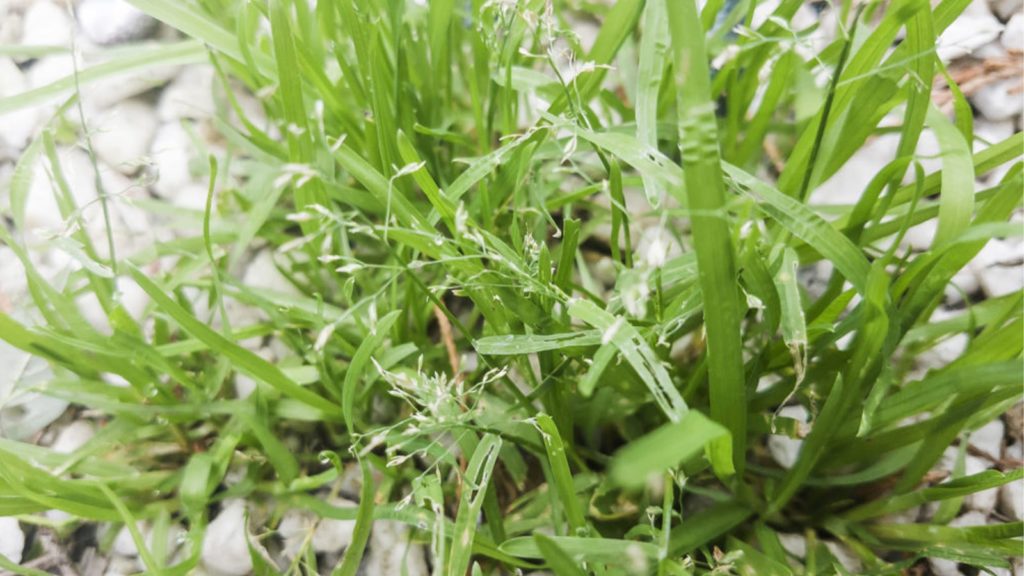
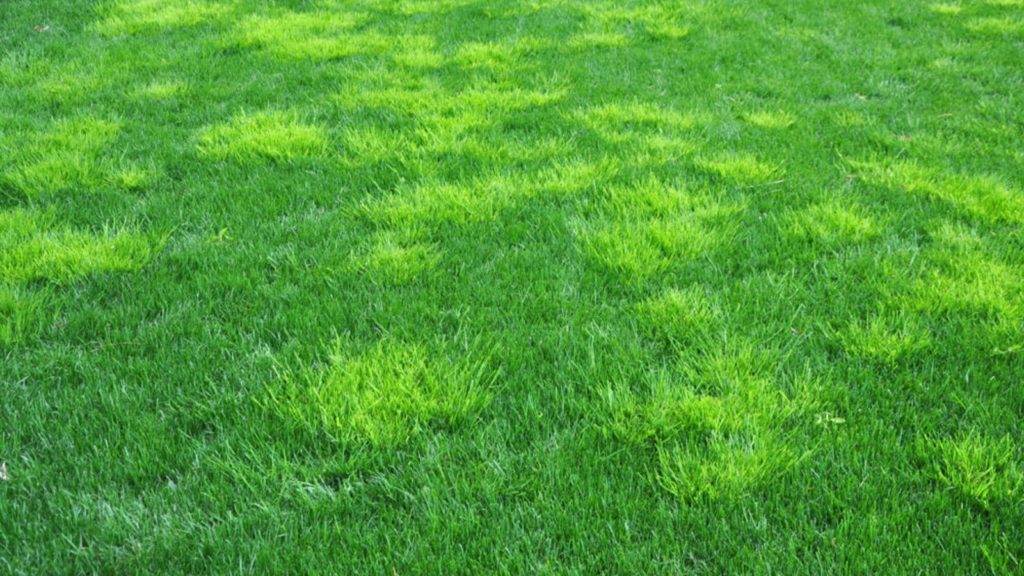
Small Poa Annua Infestations
Hand-pulling is an effective non-chemical approach for small outbreaks. This method is ideal when Poa annua is isolated or just starting to grow in a few areas.
Lawn Care Tips:
Maintain your lawn’s health with proper mowing, watering and fertilization. A thick, healthy lawn naturally outcompetes weeds like Poa annua. Keep your grass slightly taller to discourage the weed from thriving.
Hand-Pulling Tips:
Use gloves to hand-pull Poa annua, ensuring you remove the entire root system to prevent regrowth. This works best when the weed is young, before it produces seeds.
Moderate Poa Annua Infestations
Moderate infestations may require stronger methods, but you can still combine natural and non-chemical treatments to manage Poa annua.
Natural Methods:
Treat weeds with vinegar or boiling water to kill Poa annua plants without using harsh chemicals. Be cautious when applying these solutions to avoid damaging the surrounding grass.
Mulching:
In areas with persistent Poa annua growth, covering the affected spots with mulch can block sunlight and smother the weed. This is especially effective in garden beds or non-lawn areas where chemicals are not desirable.
Severe Poa Annua Infestations
Chemical treatments are often the most effective for severe infestations. A combination of post-emergent and pre-emergent herbicides will help eliminate existing Poa annua and prevent new growth.
It’s recommended to wait until you’ve mowed new grass at least 3–4 times before applying any herbicides or other control products. This waiting period allows the new grass to establish roots and reduces the risk of stress from chemical applications.
Post-Emergent Herbicides:
Use selective post-emergent herbicides to target active Poa annua growth. The best post-emergent weed control product is Mesotrione 4SC Select. However, this should not be applied to zoysia grass. If you have a zoysia lawn, it's best to use Revolver or carefully spot-treat with a non-selective weed control product. Always read product labels completely.
Pre-Emergent Herbicides:
Apply a pre-emergent herbicide like Dimension 2EW to stop Poa annua seeds from germinating in the fall or early spring. Timing is crucial—apply pre-emergents before soil temperatures reach 70 degrees Fahrenheit for best results.
Non-Selective Herbicides for Last Resort:
For extreme cases, spot-treat with a non-selective herbicide to kill any remaining Poa annua. Be careful, as these products will kill any plant they touch, including your lawn grass.
Optimal Timing for Poa Annua Control
Post-Emergent Poa Annua Control
Post-emergent herbicides work best when Poa annua is actively growing, usually in cooler weather (spring or fall). Apply when soil temperatures range between 60–70 degrees Fahrenheit to maximize effectiveness. Follow label instructions carefully to avoid damaging your lawn.
Pre-Emergent Poa Annua Prevention
Pre-emergent herbicides should be applied before Poa annua germinates. In most regions, this means applying them in early fall when soil temperatures dip below 70 degrees Fahrenheit. This stops seeds from developing into mature plants and prevents future infestations.
Post-Treatment Lawn Recovery Tips
Once you’ve treated Poa annua, your lawn may need some attention to fully recover. Follow these tips to restore your grass and prevent future infestations.
Overseed or Use Grass Plugs
After removing Poa annua, fill any bare spots left behind to prevent weeds from taking hold again. Overseed the affected areas or use grass plugs to promote a healthy, dense lawn that crowds out future weed growth.
Overseeding:
For small to medium areas, overseeding with a grass type suited for your region will help thicken your lawn.
Grass Plugs:
For larger bare spots, grass plugs can quickly establish coverage, helping your lawn recover faster.
Note: For most weed control products, it’s advisable to wait at least 2–4 weeks before seeding or planting grass plugs.
Soil Amendments
Use a soil test to determine if your lawn needs amendments. Balancing your soil’s pH and nutrients promotes healthy grass growth, which makes it harder for Poa annua to return.
Soil Health:
Based on the test results, amend your soil, adding lime or sulfur to adjust pH as needed. Healthy soil supports a strong lawn that naturally resists weeds.
Fertilize for Strength
After treatment, apply a balanced fertilizer like Lawnifi® to help your lawn recover.
Common Poa Annua Removal Mistakes to Avoid
Incorrect Herbicide Application:
Applying herbicides at the wrong time (e.g., during rain or extreme temperatures) reduces their effectiveness and can damage your lawn. Always follow product label instructions carefully.
Neglecting Lawn Care:
Weak lawns are more vulnerable to weed infestations. Skipping regular mowing, watering or fertilizing can make your lawn an easy target for Poa annua. Maintain consistent lawn care to prevent weed problems.
Using Inappropriate Products:
Cheaper herbicides may not always deliver the best results. To get the best results, invest in high-quality products designed specifically for your grass type and the weed you're targeting.
Frequently Asked Questions about Poa Annua Removal
Q: Can I hand-pull Poa annua?
A: Yes, hand-pulling is effective for small Poa annua infestations, but you must remove the entire root system to prevent regrowth.
Q: How long will it take to see results from a post-emergent herbicide?
A: You can typically expect results within 1–2 weeks, depending on the product used and the weather conditions. Poa annua will start to wither and die after application.
Q: What if Poa annua keeps coming back every year?
A: Persistent Poa annua infestations often indicate a lawn health issue. Improve your cultural practices, apply pre-emergents annually and conduct soil tests to address any underlying problems.