Goosegrass control often breaks down because the timing doesn’t line up with the way the weed grows. By the time it’s visible in the lawn, prevention windows have already passed, and control shifts from stopping it to managing it.
That’s also why goosegrass treatments feel inconsistent. In many cases, the product isn’t the problem; it’s when and how it’s being used. Once goosegrass is established, control depends not just on herbicides, but on the soil and lawn conditions that allowed it to take hold in the first place.
When goosegrass shows up in the same areas year after year, it’s a sign that those conditions haven’t changed. Understanding why timing matters, and how it affects your treatment options, is the first step toward getting lasting control instead of short-term results.
✅ Quick Answer
Celsius WG is one of the most reliable post-emergent options for treating goosegrass in established warm season lawns.
It works best on young, actively growing plants and is safest when applied as a targeted spot treatment. Because goosegrass often replaces itself quickly, Celsius WG delivers more consistent results when it’s part of a broader treatment plan that limits new plants and reduces repeat pressure in problem areas.
Why Goosegrass Treatments Often Fall Apart
1. Treating Visible Plants While New Ones Keep Replacing Them
By the time goosegrass is easy to spot, germination has already happened. Killing what’s visible without preventing the next flush leads to short-lived results. The lawn looks better temporarily, then fills back in with new plants weeks later.
This is why treatment often feels like a loop instead of progress.
2. Using Post-Emergents That Aren’t a Good Fit for the Lawn
Goosegrass control is very grass-type dependent.
- St. Augustine and centipede lawns tolerate very few post-emergent options
- Applying the wrong product, or the right product at the wrong rate, risks injury
- Many common “weed & feed” or broadleaf herbicides don’t control goosegrass at all
3. Waiting Until Goosegrass Is Fully Mature
Young goosegrass is manageable. Mature goosegrass is harder to control.
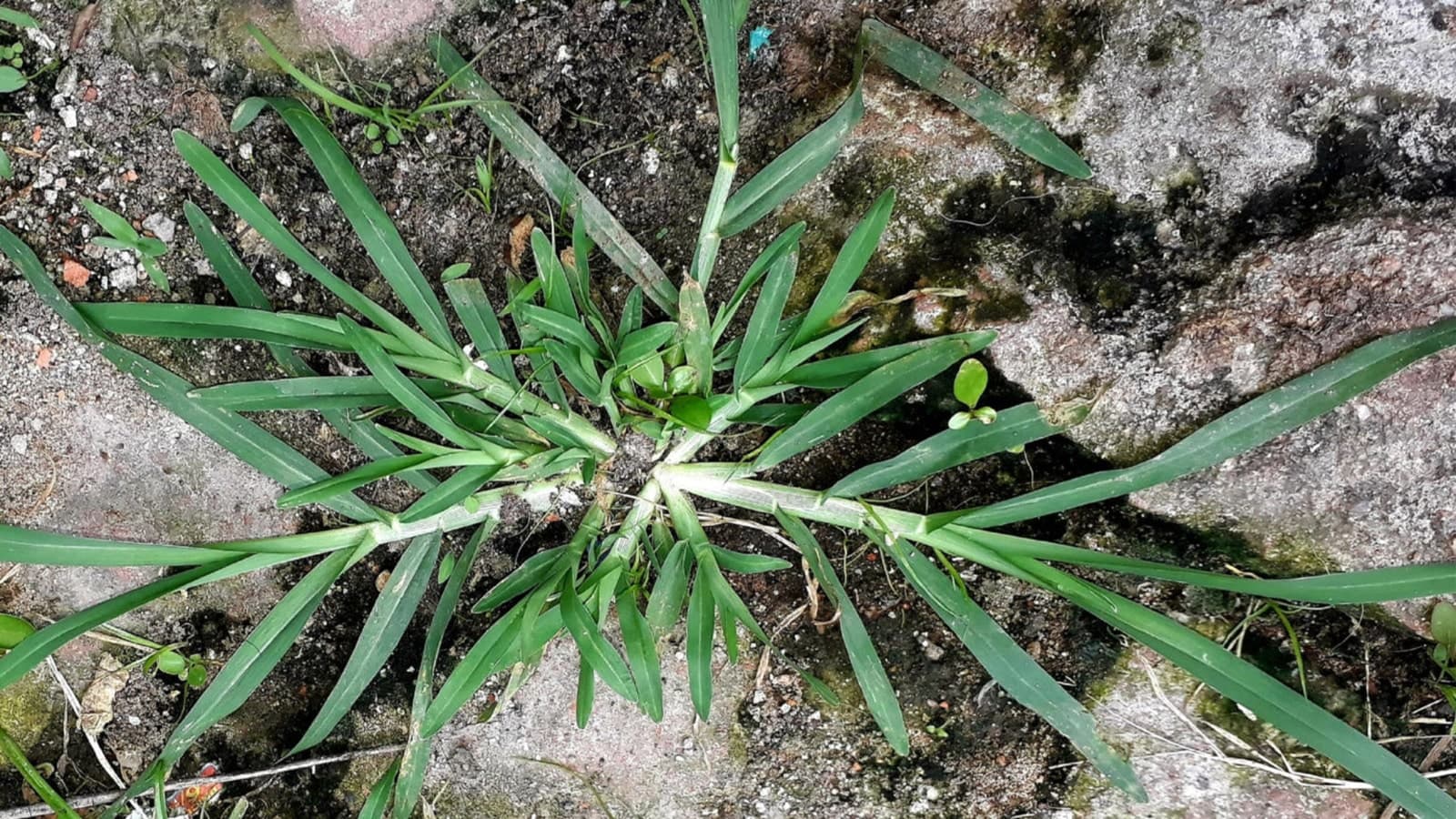
Once plants form flat, wagon-wheel clumps with multiple tillers, even strong active ingredients struggle. Control may require repeat applications, and results are slower and less predictable.
Early intervention during active growth makes a noticeable difference in treatment success.
4. Relying on Weed Control Products Without Addressing Compaction
Compacted, poorly drained areas are where goosegrass pressure is highest. Treating weeds without improving those conditions often leads to repeated outbreaks in the same locations, even when herbicides are working as intended.
Treatment becomes maintenance instead of resolution.
5. Expecting One Application to End the Problem
Goosegrass produces large numbers of seeds, and pressure builds quickly in lawns where it’s been established. One application rarely ends the issue. Successful treatment usually requires follow-up and a plan that extends beyond a single season.
Understanding why treatment breaks down makes it easier to choose an approach that actually holds.
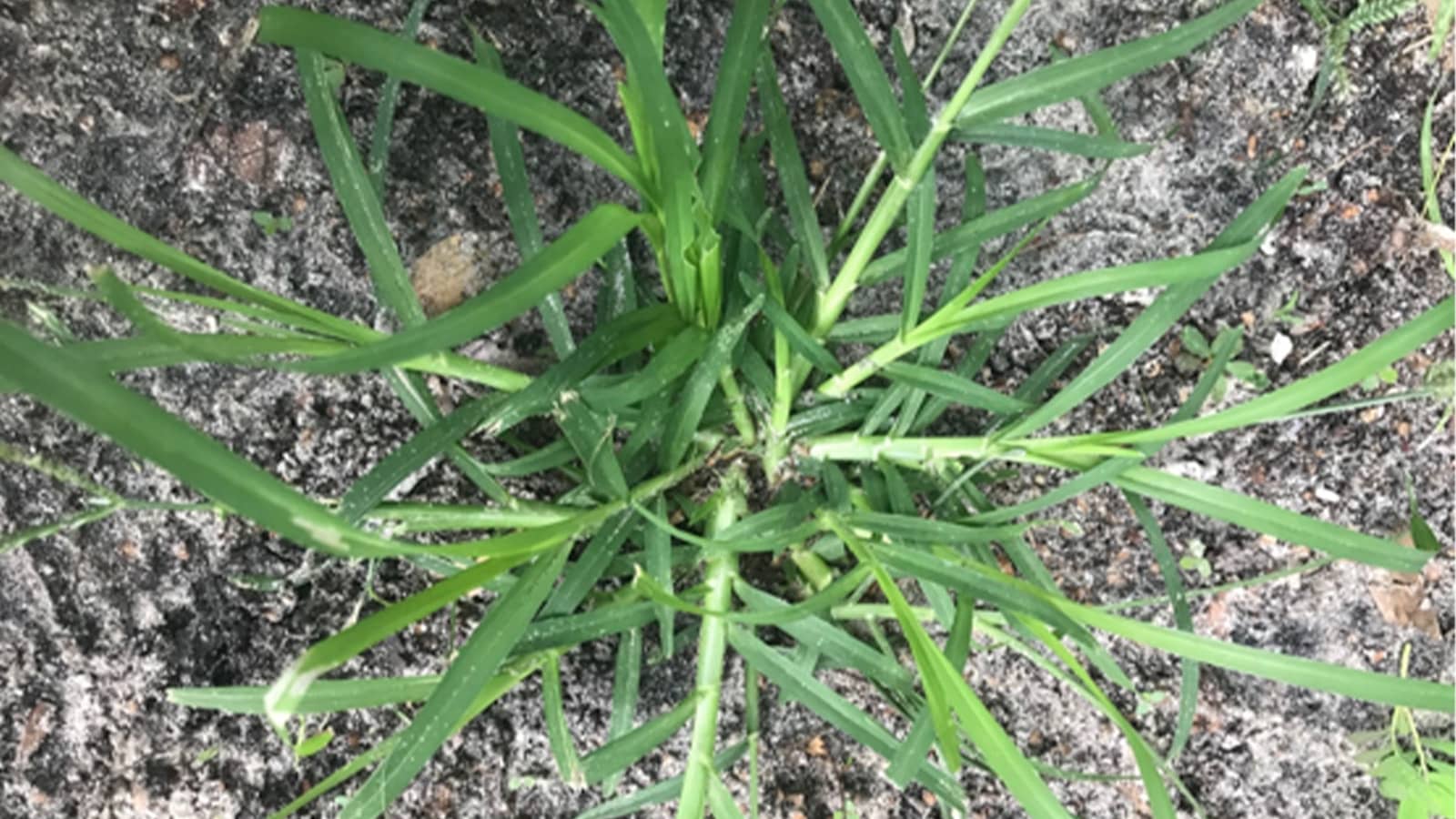
Choosing the Right Goosegrass Treatment Strategy
Small Goosegrass Infestations
For isolated plants or very small patches, hand removal can be effective if the entire root system is removed. Pulling is easiest when soil is moist. This works best before plants produce seed or spread into the surrounding lawn.
Moderate Goosegrass Infestations
Moderate goosegrass pressure usually calls for selective post-emergent treatment applied to young, actively growing plants.
In warm season lawns, products with activity on goosegrass, such as Celsius WG or certain sulfentrazone-based herbicides, can provide effective control when used according to the label for your grass type. Results are best when applications are made before plants become large and heavily tillered.
Spot-treating is recommended to limit grass stress and reduce the risk of injury, especially in more sensitive grasses.
Severe Goosegrass Infestations
Heavy infestations almost always require both sides of treatment:
- Reducing existing plants with a selective post-emergent labeled for your grass type
- Preventing replacement plants with a spring pre-emergent program like Dimension 2EW
In warm season lawns like bermuda, zoysia, St. Augustine and centipede, this combination is the backbone of long-term control.
Non-Chemical Support for Goosegrass Treatment
These steps don’t replace herbicides — they make them work better.
- Core aeration to relieve compaction
- Traffic management in problem areas
- Proper mowing height to protect turf density
- Deep, infrequent watering to reduce surface stress
Healthier grass competes more effectively after treatment.
Chemical Treatment Options for Goosegrass
Post-emergents reduce existing plants and should be chosen carefully based on turf type.
- Celsius WG provides activity on goosegrass and is widely used in established bermuda, zoysia, St. Augustine and centipede lawns
- Control is best on young plants; mature clumps may require repeat applications
- Always follow labeled rates and spot-treatment guidance
Non-selective products like glyphosate herbicides will kill grass and are only appropriate for cracks, edges or non-grass areas.
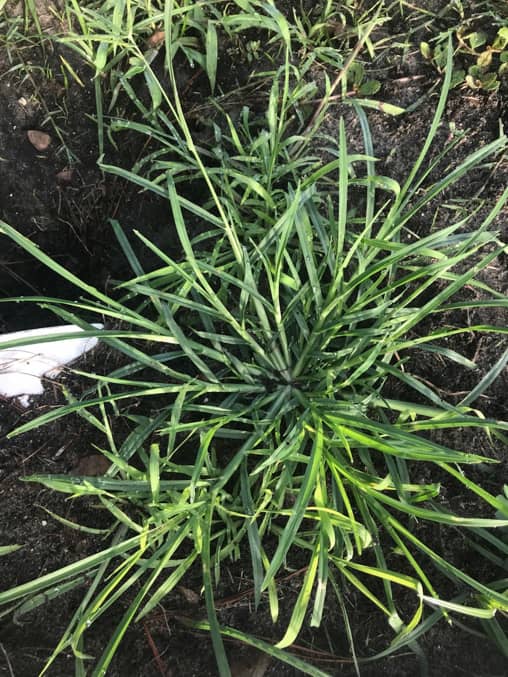
Combining Methods for Lasting Goosegrass Control
Lasting treatment usually comes from layering:
- Selective post-emergent control for existing plants
- Pre-emergent protection to stop replacements
- Turf recovery practices that improve competition
This approach reduces pressure season by season instead of resetting the problem.
Post-Treatment Lawn Recovery Tips
- Fill bare spots with overseeding or plugs
- Improve soil structure with compost or amendments
- Water deeply to support root recovery
- Fertilize appropriately to rebuild lawn density
Common Treatment Mistakes to Avoid
- Treating mature plants and expecting fast results
- Using products not labeled for your grass type
- Skipping pre-emergents in high-pressure lawns
- Overapplying post-emergents on sensitive grass
- Ignoring compaction in repeat problem areas
How do I control goosegrass in my lawn? - Answered
Controlling goosegrass in lawns requires addressing both the existing plants and the conditions that allow new ones to replace them. Treatment is most effective when young, actively growing goosegrass is targeted with selective post-emergent herbicides labeled for your grass type, followed by consistent follow-up rather than a single application.
In lawns with recurring pressure, reducing soil compaction, improving turf density and limiting stress in problem areas helps treatments last longer. When these steps are combined and timed correctly, goosegrass pressure can be reduced season by season instead of returning year after year.
Goosegrass Treatment FAQs
Because removing visible plants doesn’t stop new ones from taking their place. Goosegrass produces large numbers of seeds, and once pressure builds in a lawn, new plants can emerge throughout the season. Without follow-up treatment and pressure reduction, removal alone usually leads to repeat outbreaks.
Goosegrass is manageable, but it’s rarely eliminated in a single step. Control is easier when plants are young and treatment is timed correctly. Larger, mature clumps take longer to suppress and often require repeat applications or a multi-season approach.
Post-emergent treatment is most effective when goosegrass is young and actively growing. Once plants form large, flat clumps with multiple tillers, control becomes slower and less consistent. Early treatment produces better results than waiting until mid- or late summer.
Hand removal can work for small, isolated plants if the entire root system is removed. Pulling is easiest when soil is moist. This approach is not practical for moderate or widespread infestations, where plants are likely to regrow or be replaced by new seedlings.
Lasting control depends on follow-up. That usually means reducing replacement plants, avoiding grass stress, and improving lawn density after treatment. Without those steps, treated areas often refill with new goosegrass later in the season or the following year.
Often, yes. Goosegrass pressure is highest in compacted, stressed, or thin areas of turf. When goosegrass repeatedly shows up in the same locations, it’s usually an indication that growing conditions favor weeds more than turfgrass.
Use selective post-emergent herbicides labeled for goosegrass and for your specific grass type. Products like Celsius WG are designed to control goosegrass in certain warm- eason lawns while minimizing grass injury when used correctly. Always follow label directions closely.
Yes, but they will also kill desirable grass. Non-selective products like glyphosate should only be used for spot treatment in non-turf areas such as cracks, edges or landscape beds. They are not appropriate for treating goosegrass within the lawn.
Goosegrass is a summer annual, meaning individual plants die at the end of the season. However, seeds remain in the soil, and new plants can emerge the following year if pressure isn’t reduced. That’s why goosegrass often appears to “come back” annually in the same areas.