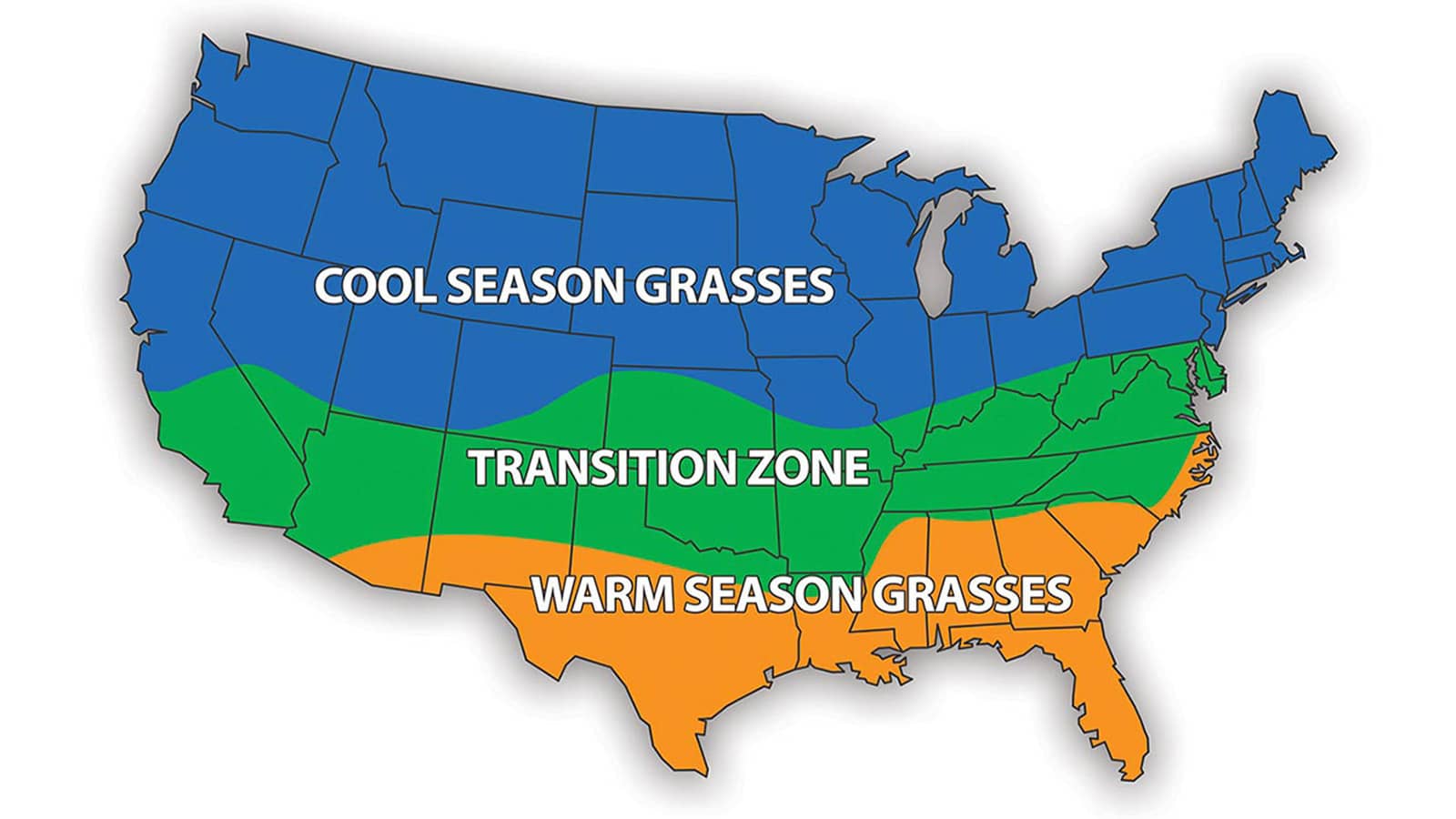
Choosing the right grass for your lawn isn't just about the look—it's about understanding what thrives in your local climate. Understanding the differences between warm season and cool season grasses will help you understand why only certain varieties of grass are available in your area.
Warm Season Grass - The Best Grass for the Southern U.S.
Ideal Conditions
Warm season grasses excel in areas with temperatures between 80º and 95º F. Whether your climate is humid like the Southeast or dry like certain western regions, there’s a warm season grass that fits the bill.
Winter Dormancy
Remember, these grasses take a break and go dormant when the temperature drops below 65º F. To keep your lawn green all winter, consider overseeding with a cool season variety like ryegrass.
Common Warm Season Varieties
- Zoysia
- St. Augustine
- Bermuda
- Centipede
- Bahia
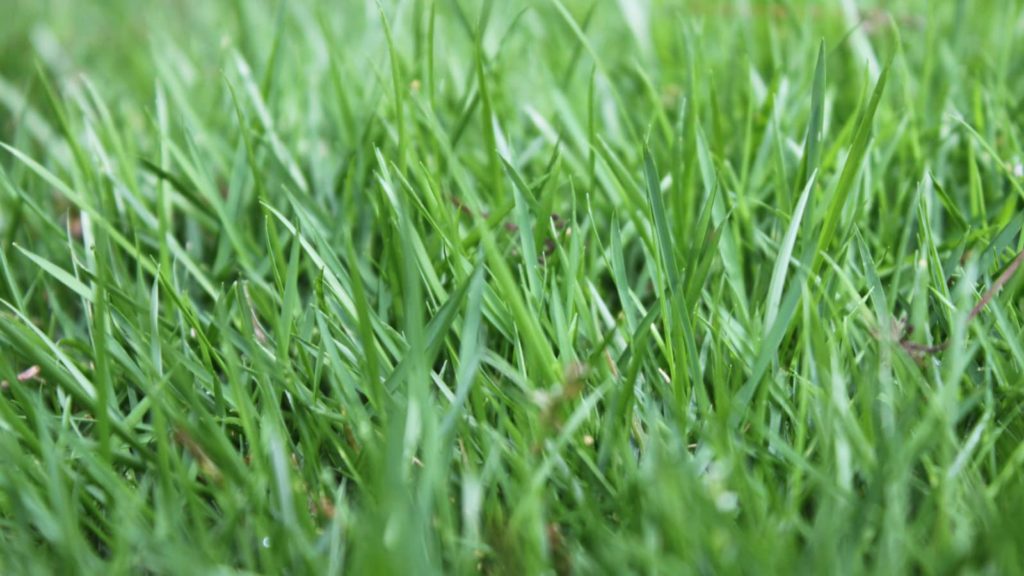
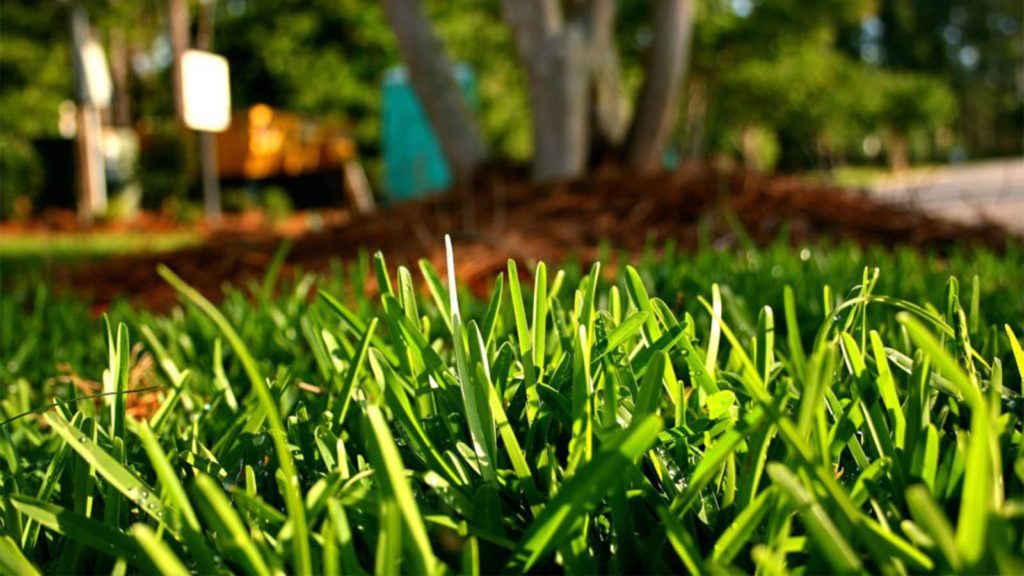
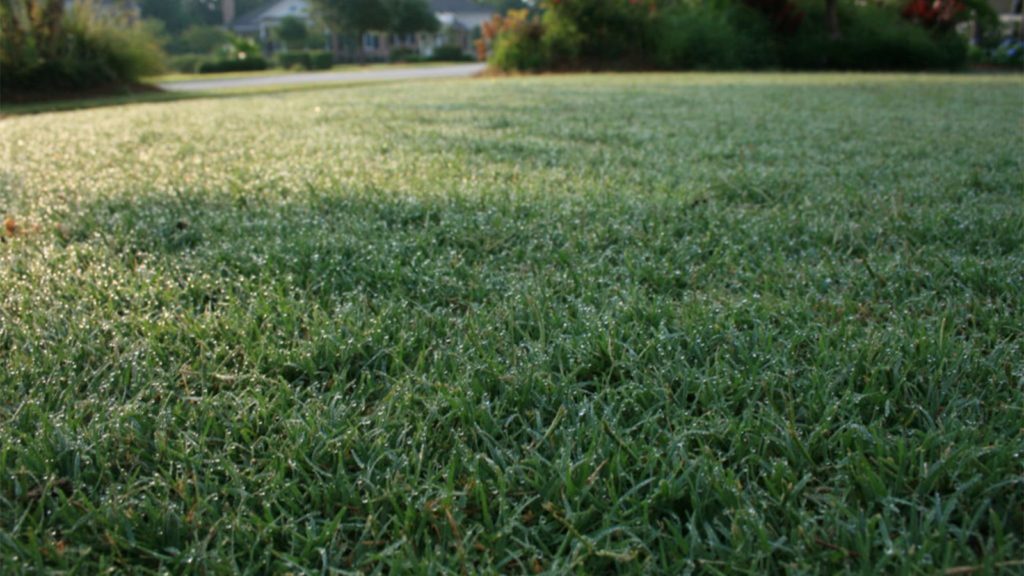
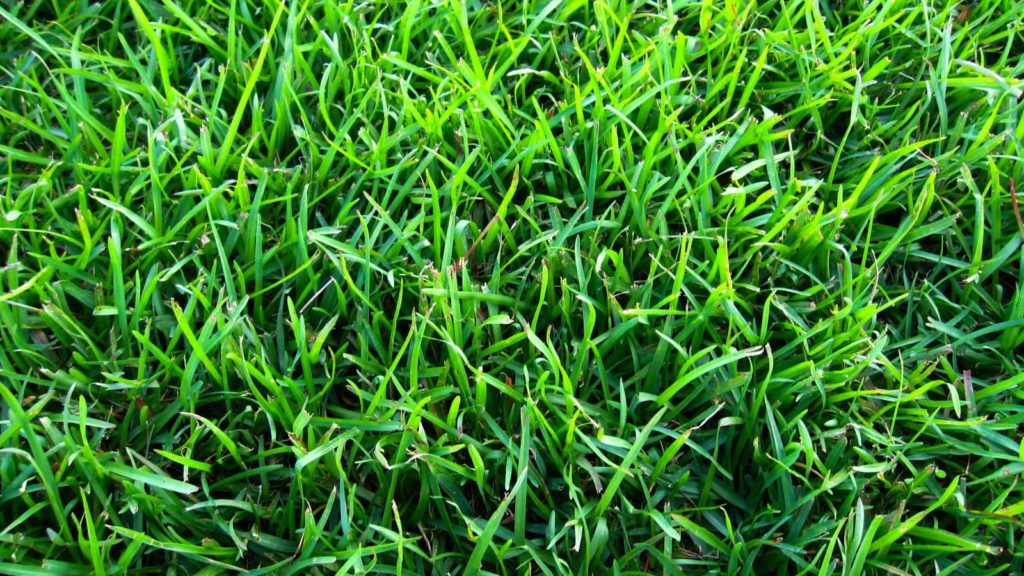
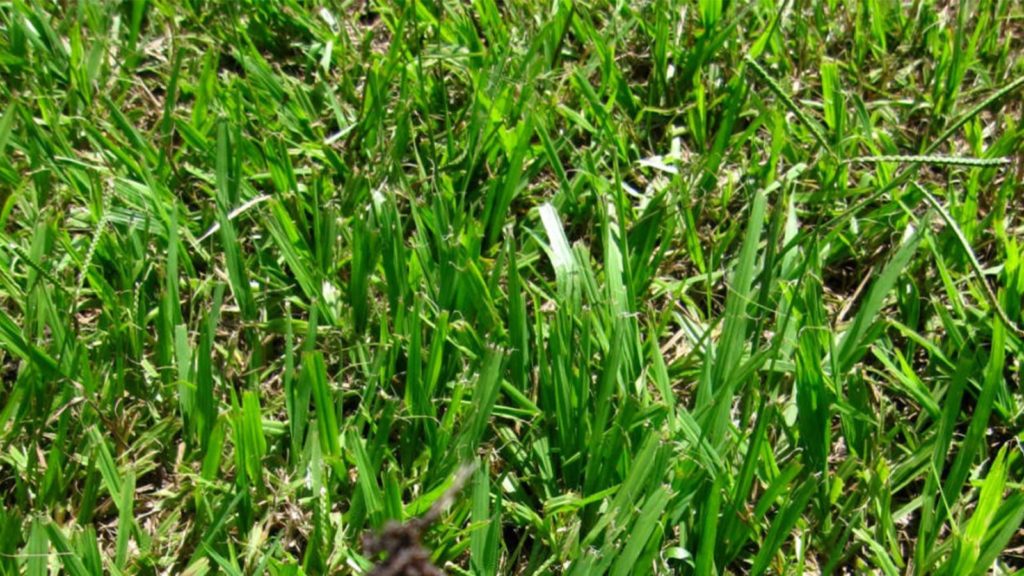
Pictured above from left to right: zoysia grass, St. Augustine grass, bermuda grass, centipede grass and bahia grass.
Cool Season Grasses: The Best Grass for the Northern U.S.
Ideal Climates
If you live where temperatures generally stay between 60º and 75º F, cool season grasses might be your best option. These varieties keep growing even as temperatures drop. Prime cool season locations are parts of the Midwest, the Pacific Northwest, and most of the Northeastern regions of the United States. Unlike warm season varieties, cool season varieties do not go dormant in the winter.
Common Cool Season Varieties
- Bluegrass
- Ryegrass
- Tall Fescue
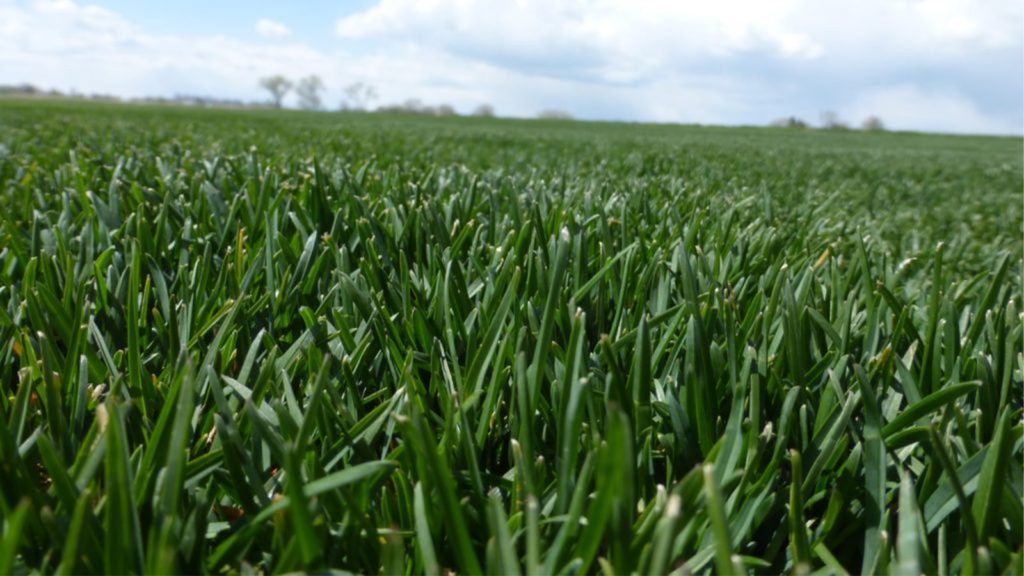
Pictured above from left to right: bluegrass, ryegrass and tall fescue.
Tackling the Transition Zone
If you're in a region with unpredictable weather patterns, you're in the transition zone. Here, you might need to adapt by using warm season grass in the summer and switching to cool season grass in the cooler months.
Along with temperature, think about your area's humidity and dryness. Each zone has its challenges, and finding the right grass means considering these environmental factors.
The image below represents the USDA Plant Hardiness Zones. Look at the map below to determine which zone you are located in. This will help you decide if you need a cool season or warm season turfgrass variety.
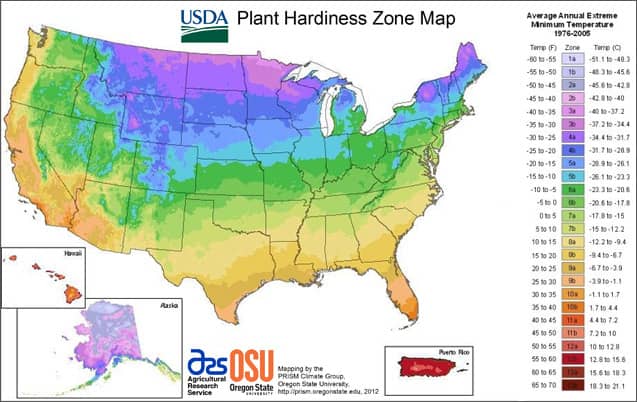
Photo Credit: https://planthardiness.ars.usda.gov/PHZMWeb/
An understanding of warm vs. cool season varieties is the first step when it comes to choosing the right grass. However, as previously mentioned, there are so many more factors to consider beyond this distinction. We recommend browsing our various selection of premium grasses here. You can find character charts and regional maps under each individual sod variety we off so that you can make the best, educated decision for you.