
Spring Care Tips for Bermuda Grass in Texas
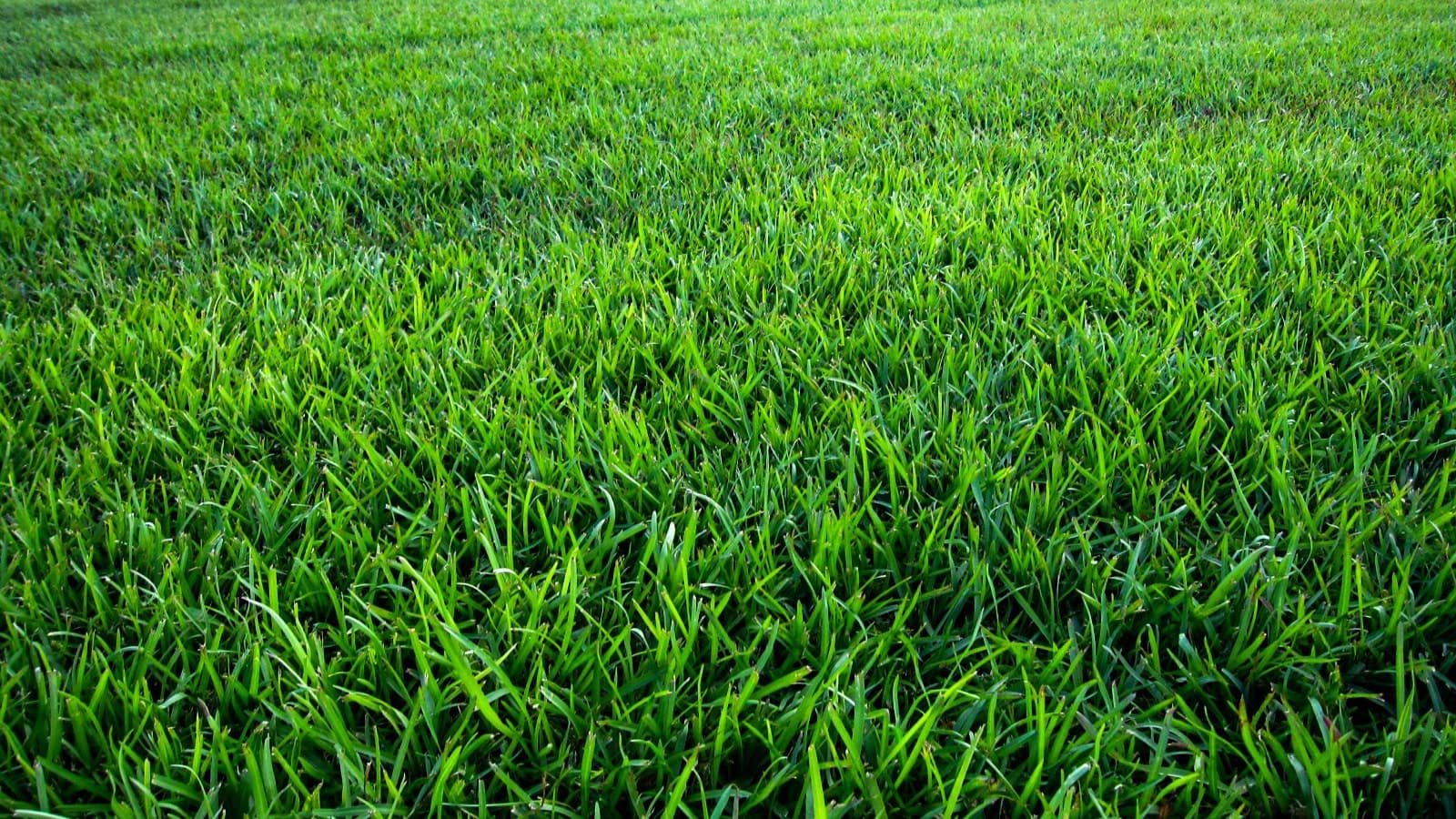
Spring in Texas doesn’t ease in. It shows up fast. One week your bermuda lawn looks brown and lifeless, and the next it’s pushing green shoots seemingly overnight.
1. Know When Bermuda Wakes Up in Texas
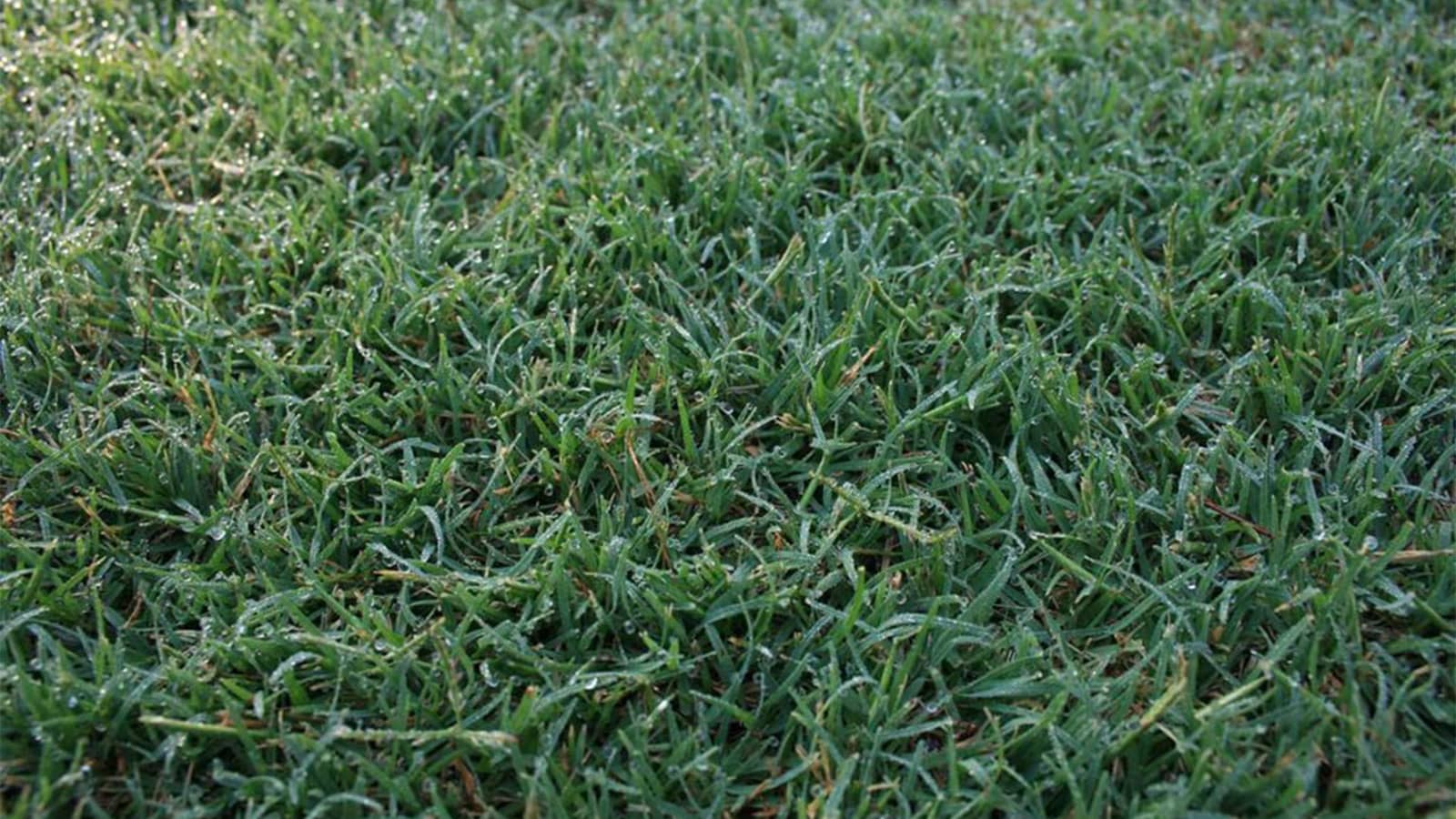
Bermuda grass breaks dormancy once soil temperatures stay consistently above 50–65 degrees Fahrenheit and soil temperatures rise into the 60s and beyond. In most of Texas, this happens earlier than many homeowners expect.
- South Texas: Typically late March–early April
- Central & North Texas: Typically early to mid-May
A good rule of thumb: once your lawn is about 50 percent green and actively growing, it’s time to shift from winter waiting mode into spring care. Starting too early, before freezes are truly past, can stress bermuda and undo early progress.
2. Spring Mowing for Bermuda Grass
When to Start Mowing
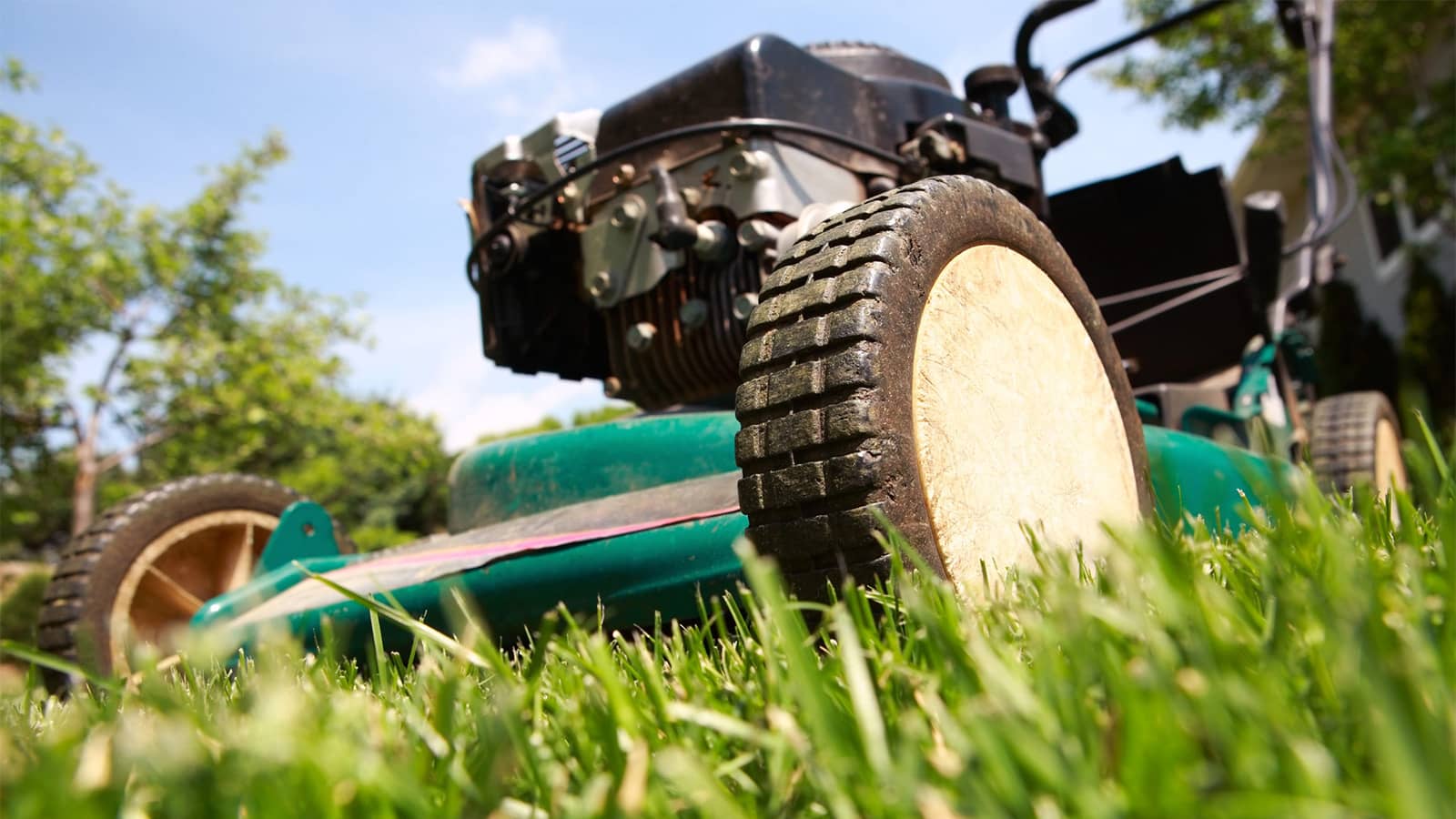
Begin regular mowing once bermuda shows clear signs of greening up and growth is consistent. If you’re still mostly looking at dormancy, hold off. Early mowing can slow recovery.
Spring Mowing Heights
For most Texas home lawns:
- Maintain bermuda at 0.5–1.5 inches
- Never remove more than one-third of the blade in a single mow to prevent scalping and stress
The Spring Scalp
Many Texas bermuda programs include a light spring scalp.
Key rules for scalping:
- Only scalp after the risk of a hard freeze has passed
- Use sharp blades
- Bag clippings
- Resume normal mowing height immediately afterward
Once growth is steady, mow weekly at first and then every 3–5 days as it greens up and grows faster.
3. Watering Bermuda Grass in Spring
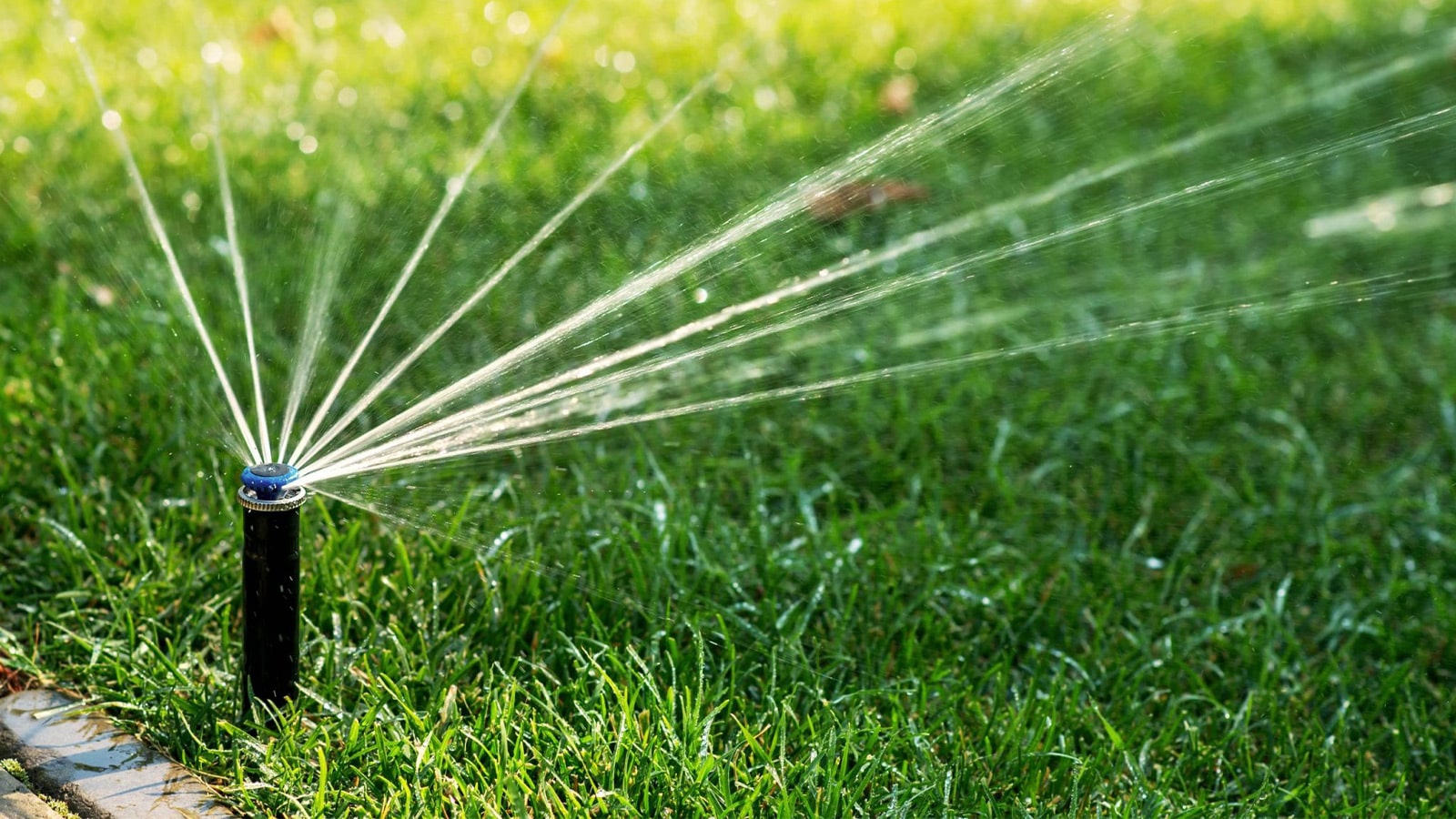
After dormancy breaks, bermuda generally needs about 1 inch of water per week, including rainfall.
Avoid irrigating while bermuda is still dormant or during cool, wet spring weather. Most of the time, spring rains handle the job early on. Once growth is active, water deeply in the early morning to reduce evaporation and disease pressure.
Perform an irrigation audit to ensure even water distribution.
4. Fertilizing Bermuda Grass in Texas
Timing: Wait for Active Growth + No Frost
Bermuda grass should not be fertilized until you are past your local last frost date.
Fertilizing too early, especially before the last frost, can damage tender new growth and set the lawn back.
How Much & What to Use
- Conduct a soil test first to determine nutrient needs.
- A product such as the Lawnifi Spring Fertilizer Box is ideal for bermuda grass’s gradual green-up.
5. Weed Control: Pre- and Post-Emergent Strategy
Pre-Emergent Weed Prevention
Apply pre-emergent herbicide for summer annual weeds like crabgrass:
- Late February–mid March for much of Texas
- Or when soil temperatures stay 55 degrees at a 2–3 inch depth
This step is critical. Once weeds germinate, prevention is no longer an option.
⚠️ Do not apply pre-emergent to first-year bermuda lawns grown from seed or sprigs, as it can interfere with establishment.
Post-Emergent Weed Control
If weeds are already visible:
- Use selective post-emergent herbicides for weeds such as clover, dandelion, knotweed or spurge.
- Avoid using any atrazine-based products on bermuda grass as a pre- or post-emergent.
- Always follow label directions carefully
6. Aeration and Thatch Management
Core Aeration
Spring is an excellent time to aerate bermuda once it’s actively growing. Aeration:
- Relieves soil compaction
- Improves water infiltration
- Enhances nutrient uptake
For most Texas lawns, once-per-year aeration during the warm growing season (April–October) is sufficient, with spring being a prime window.
Thatch Control
If thatch is excessive:
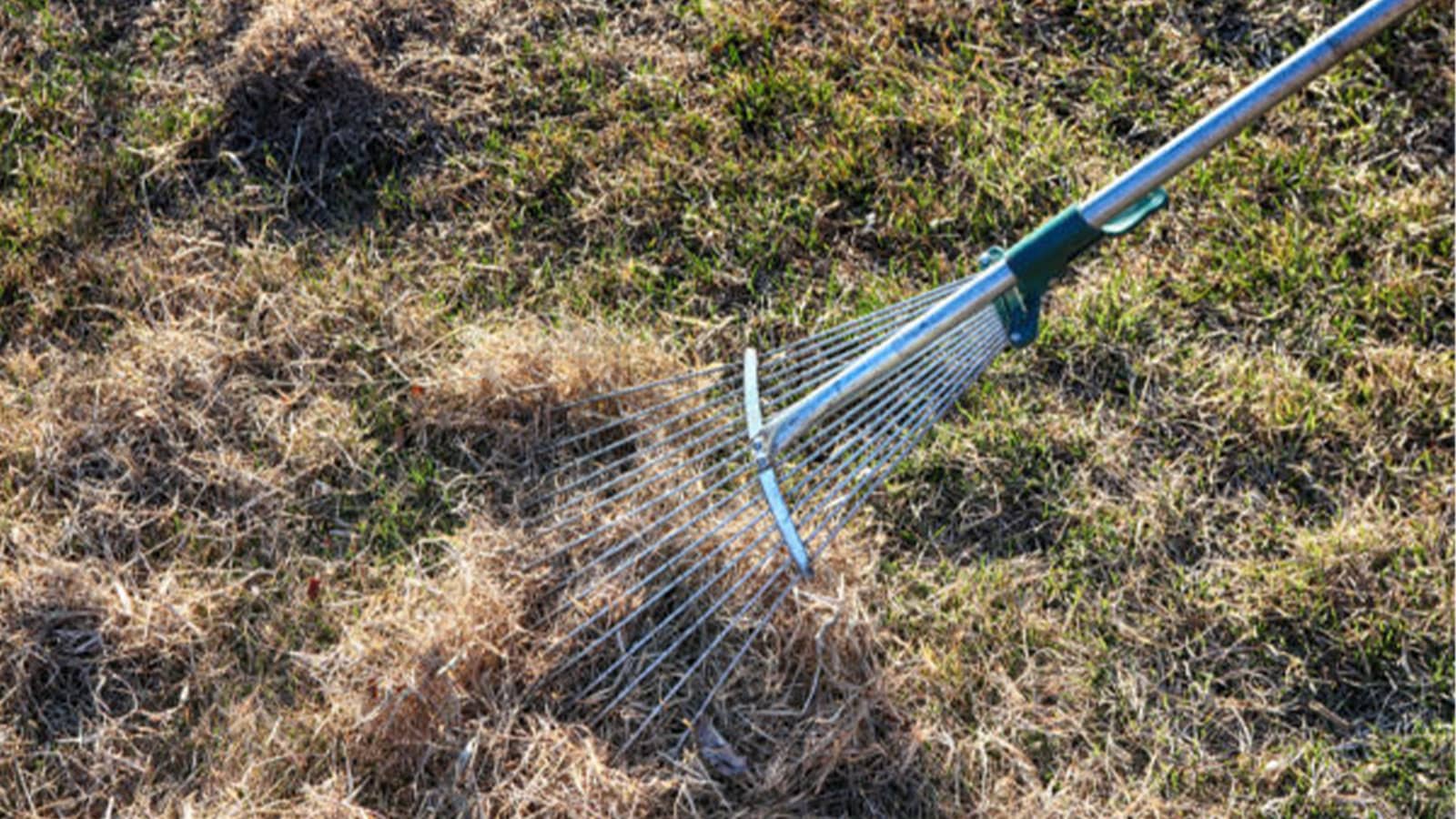
- Pair dethatching with spring aeration
- Time it so bermuda can recover quickly as temperatures rise
Healthy bermuda recovers fast when these practices are done during active growth.
7. Repairing Bare Spots in Spring
Spring is the ideal time to:
- Install bermuda plugs such as Celebration® or Latitude 36®
- Use Lawnifi Bermudagrass Seed
- Use a sand/topsoil/compost blend to improve rooting
- Keep soil consistently moist (not saturated) until plugs establish
8. Spring Pest & Disease Prevention
Common Pests
- White grub worms
For preventive or curative control, use seasonally appropriate products such as Dylox 6.2 or Bifen L/P based on past pest activity.
Disease:
- Apply a systemic fungicide if the lawn had issues previously.
- Apply fungicide before fertilizing, as nitrogen can worsen disease spread.
- Monitor areas that remain brown long after the lawn begins greening.
Frequently Asked Questions About Spring Bermuda Grass Care in Texas
What Should I Do for My Bermuda Lawn This Spring?
- Start mowing once bermuda is 50 percent or more green and nighttime lows stay above 60 degrees Fahrenheit
- Maintain mowing height at 0.5–1.5 inches and follow the one-third rule
- Water about 1 inch per week after dormancy breaks, adjusting for soil type
- Delay nitrogen fertilizer until mid-spring and consider a soil test first
- Apply pre-emergent in late February–March to prevent summer weeds
- Aerate in spring once growth is active; dethatch only if needed
When does bermuda grass come out of dormancy in Texas?
Bermuda grass typically breaks dormancy once soil temperatures stay consistently above 50–65 degrees Fahrenheit and soil temperatures reach the 60s. In South Texas, this can happen in late March or early April, while Central and North Texas lawns often green up closer to late April or early May.
How green should bermuda be before I start spring lawn care?
Wait until your lawn is at least 50 percent green and actively growing before transitioning into full spring maintenance like regular mowing, fertilizing or aeration. Starting too early, especially before the last freeze, can stress bermuda and slow recovery.
Should I scalp bermuda grass in the spring?
Yes, many Texas bermuda lawns benefit from a light spring scalp once the risk of a hard freeze has passed. Scalping removes dormant winter growth and helps warm the soil faster. Always use sharp blades, bag clippings and return to normal mowing height immediately after.
What is the best mowing height for bermuda grass in Texas?
For most Texas home lawns, bermuda performs best at 0.5–1.5 inches. Follow the one-third rule and increase mowing frequency as growth accelerates, often every 3–5 days during peak spring green-up.
When should I start watering bermuda grass in spring?
Avoid watering while bermuda is still dormant. Once active growth begins, bermuda generally needs about 1 inch of water per week, including rainfall. Water deeply in the early morning to reduce evaporation and disease pressure, and adjust frequency based on soil type.
When is the right time to fertilize bermuda grass in Texas?
Do not fertilize bermuda until you are past your local last frost date and the lawn is actively growing. Fertilizing too early can damage new growth. A soil test is recommended to determine nutrient needs before applying a spring fertilizer.
When should I apply pre-emergent herbicide in Texas?
Apply pre-emergent herbicide in late February through mid-March, or when soil temperatures reach 55 degrees Fahrenheit at a 2–3 inch depth. This timing is critical for preventing summer weeds like crabgrass.
⚠️ Avoid pre-emergent herbicides on first-year bermuda lawns grown from seed or sprigs, as they can interfere with establishment.
What should I do if weeds are already growing?
If weeds are present, use selective post-emergent herbicides labeled for bermuda grass to control common spring weeds such as clover, dandelion, knotweed or spurge. Always follow label directions and avoid spraying during temperature extremes.
Is spring a good time to aerate bermuda grass?
Yes. Spring is an excellent time to core aerate bermuda once it’s actively growing. Aeration helps relieve compaction, improve water infiltration and enhance nutrient uptake. For most Texas lawns, once-per-year aeration during the growing season is sufficient.
How do I fix bare or thin spots in my bermuda lawn?
Spring is ideal for repairing bare areas using bermuda plugs, sod or seed. Improve soil contact with a sand/topsoil/compost blend and keep the area consistently moist (but not saturated) until new growth establishes.
What pests and diseases should I watch for in spring?
White grub worms are a common spring pest in Texas bermuda lawns. If your lawn has a history of grubs, use preventive or curative treatments as needed. If disease was an issue in the past, apply a systemic fungicide before fertilizing, since nitrogen can worsen disease symptoms.
Why is my bermuda still brown even though it’s warming up?
Slow or uneven green-up can be caused by lingering cool nights, soil compaction, disease or past pest damage. Monitor areas that stay brown well after the rest of the lawn begins greening, as these may need targeted treatment or repair.
With smart timing and a measured approach, spring sets the foundation for a dense, resilient bermuda lawn that can handle Texas heat all summer long.