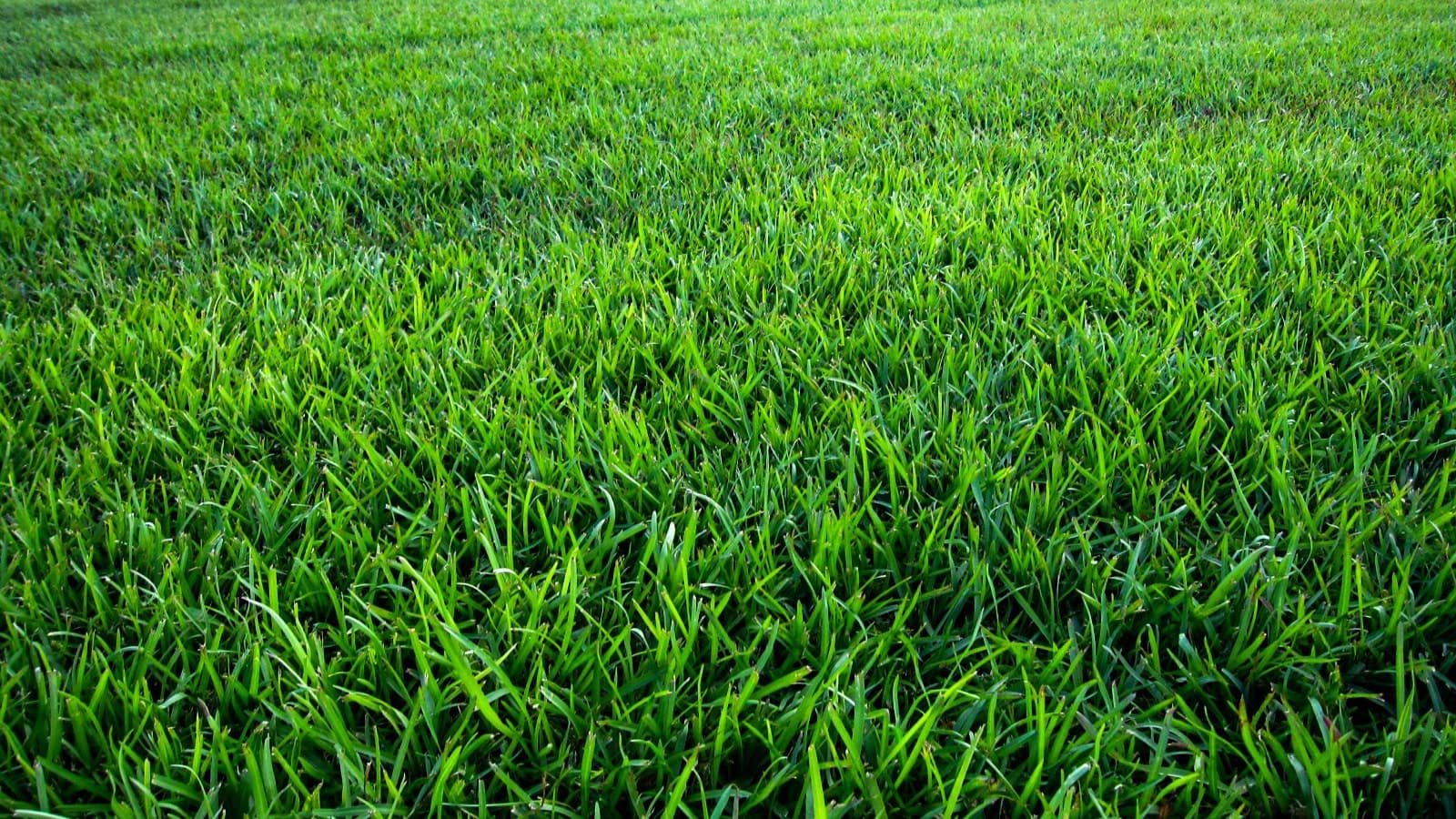

Spring Care Tips for Centipede Grass in the Southeast
Spring in Texas can be unpredictable, and St. Augustine grass feels it just as much as homeowners do.
Because St. Augustine is a warm season grass, spring care is all about patience and proper timing. Starting too early can invite disease, while waiting for active growth sets the stage for a thick, healthy lawn that can handle Texas heat.
1. Know When St. Augustine Wakes Up in Texas
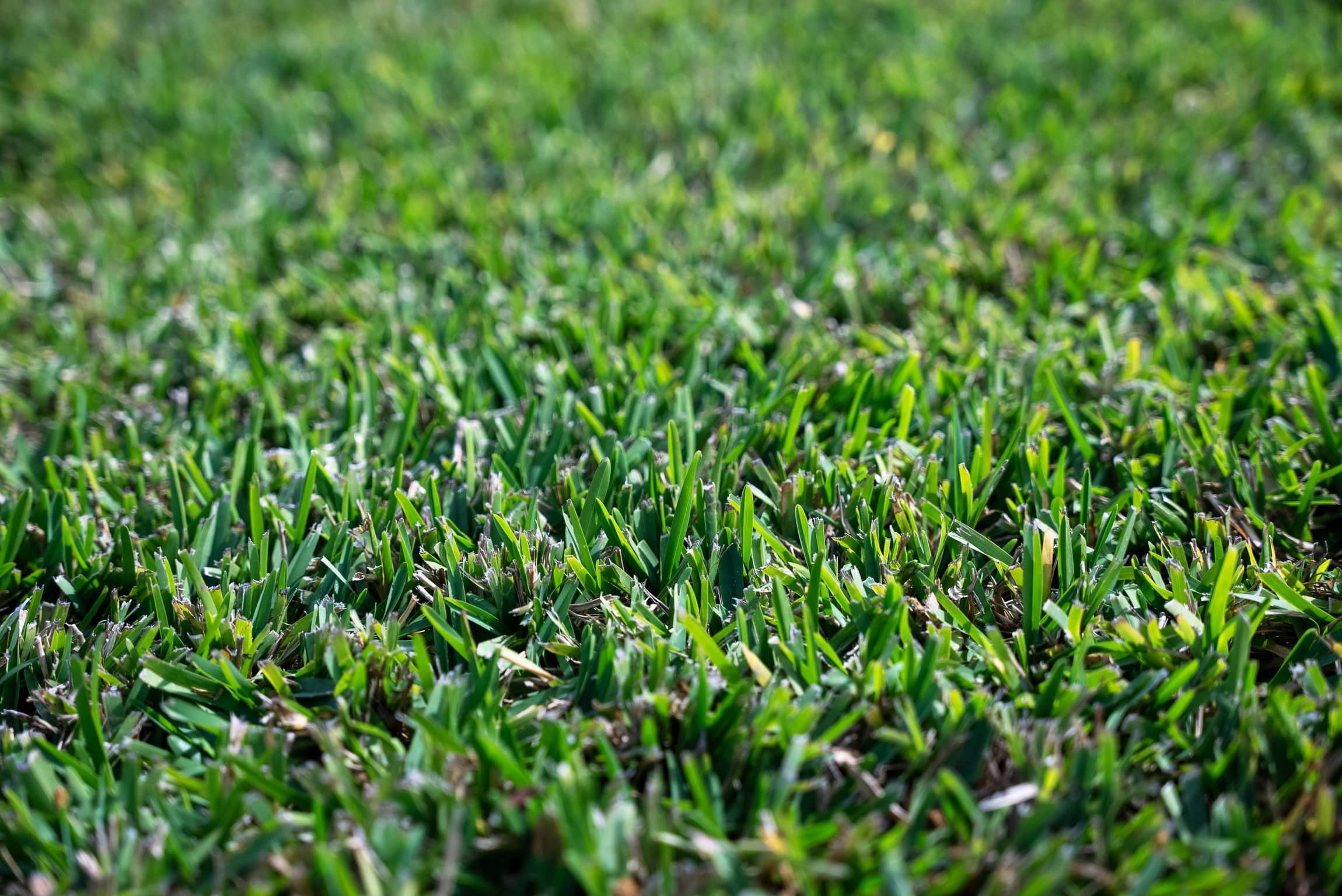
St. Augustine grass begins breaking dormancy when soil temperatures consistently remain above 50–65 degrees Fahrenheit.
Typical green-up timing by region:
- South Texas & Gulf Coast: Typically late March–early April
- Central Texas: Typically mid–late April
- North Texas: Typically late April–early May
Once the lawn is about 50–60 percent green and showing active growth, typically when soil temperatures consistently stay between 50–65 degrees Fahrenheit, it’s safe to shift from winter dormancy into spring maintenance. Starting intensive tasks too early, particularly before the last frost, can stress the grass and delay a full, healthy recovery from dormancy.
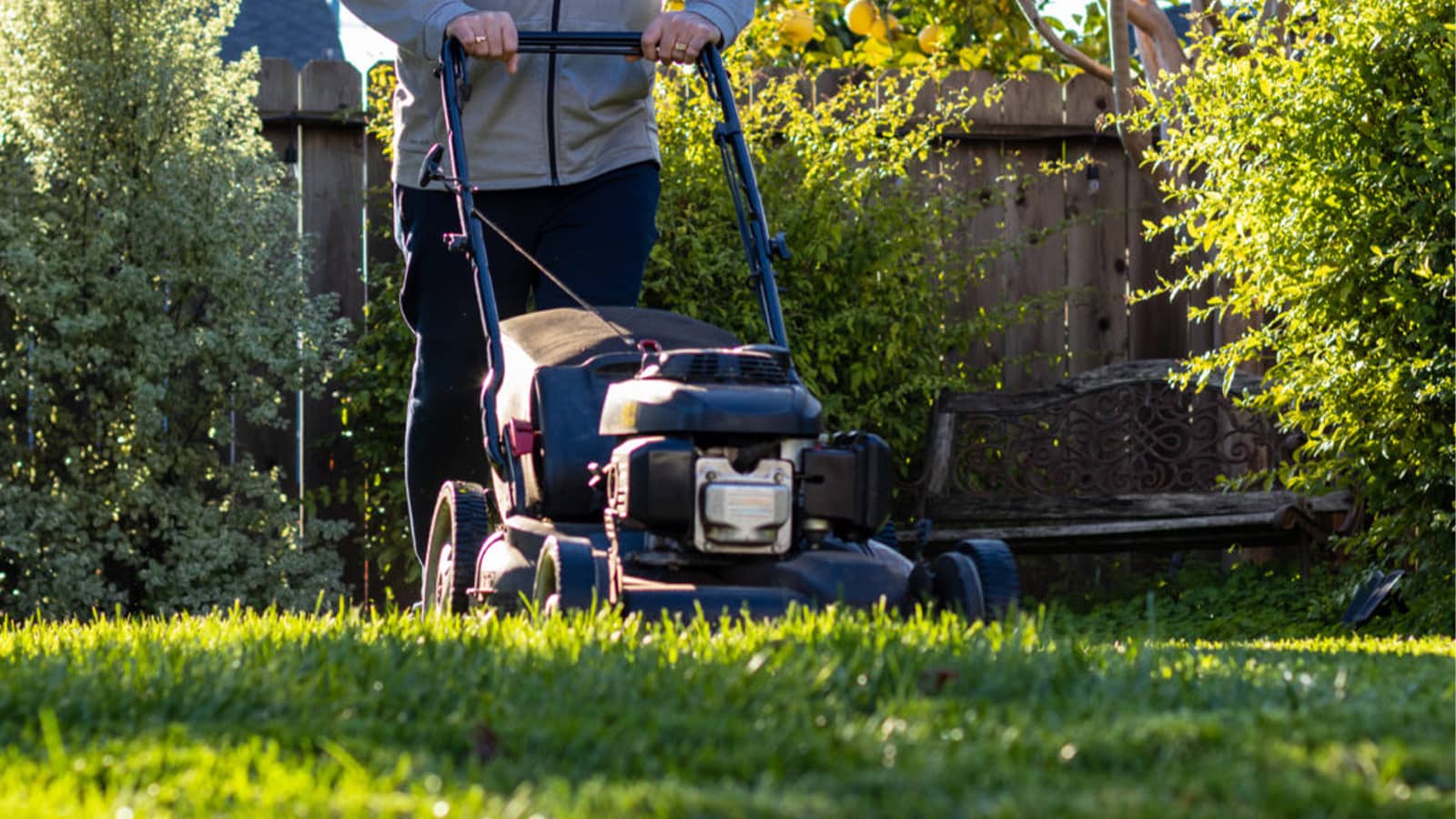
2. Spring Mowing for St. Augustine Grass
When to Start Mowing
Begin mowing once St. Augustine shows consistent green growth and blades are tall enough to cut. This typically happens when soil temperatures consistently stay in the 50–65 degrees Fahrenheit range. Avoid mowing while the lawn is mostly dormant, as this can thin the grass and damage stolons.
Spring Mowing Heights
St. Augustine performs best when mowed higher than other warm season grasses:
- Standard varieties: 3–4 inches
- Dwarf and semi-dwarf varieties (e.g., Palmetto): 2–2.5 inches
Key mowing tips:
- Never remove more than one-third of the blade at a time
- Always use sharp mower blades to prevent tearing
- Mow every 7–10 days as growth resumes
⚠️ Do not scalp St. Augustine in spring like you would zoysia and bermuda grass. Scalping weakens the grass, exposes stolons and increases the risk of weeds and disease.
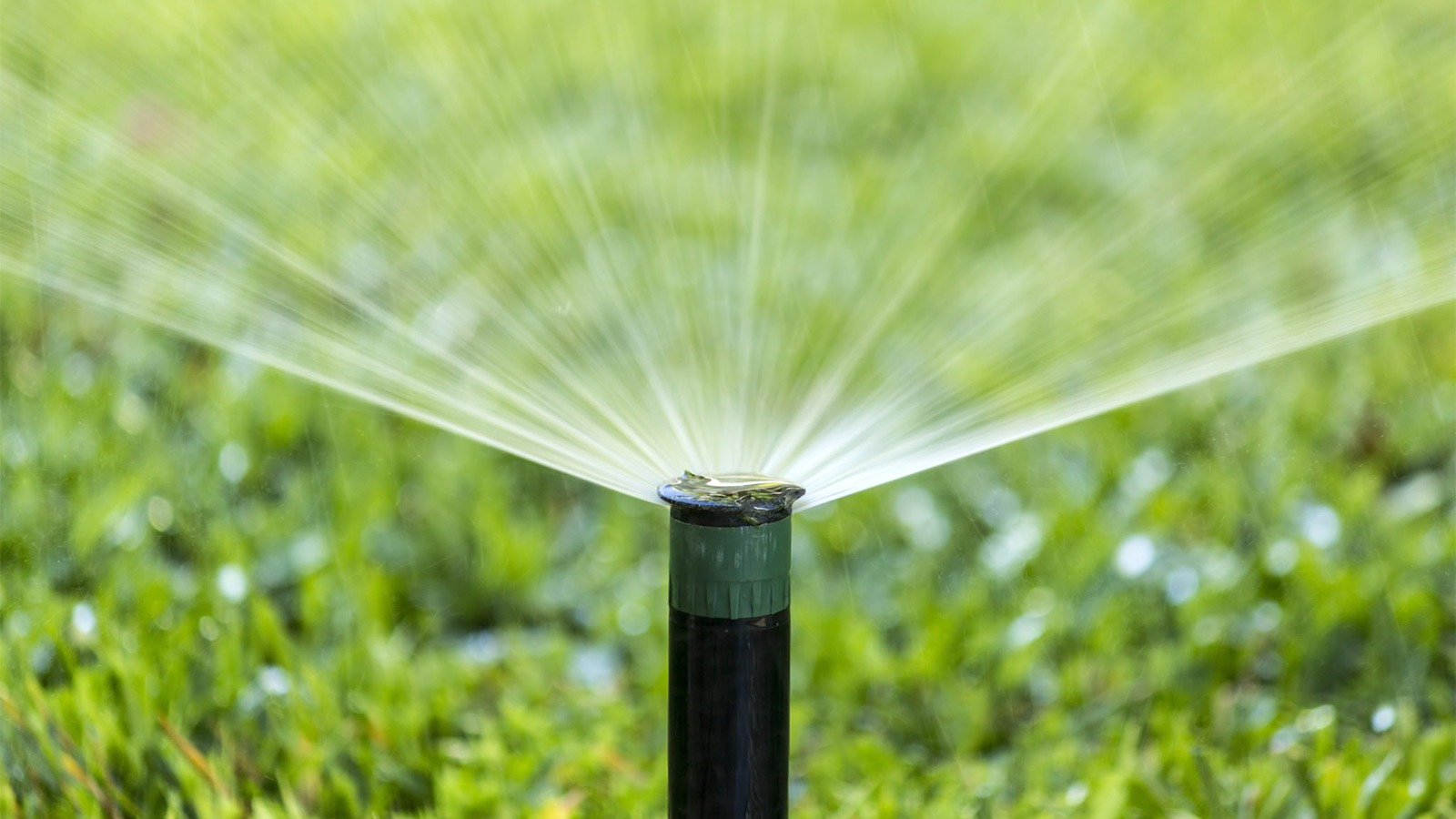
3. Watering St. Augustine in Spring
Once out of dormancy, St. Augustine typically needs about 1 inch of water per week, including rainfall.
Best practices:
- Water deeply and infrequently once growth is active
- Irrigate in the early morning to reduce evaporation and disease risk
- Adjust frequency based on rainfall and soil type
Watch for signs of stress such as bluish-gray leaf color or footprints that remain visible. These signs indicate it’s time to water.
4. Fertilizing St. Augustine Grass in Texas
Timing: Wait for Active Growth + No Frost
Do not fertilize St. Augustine until:
- The lawn is actively growing
- You are past your local last frost date
Fertilizing too early can damage new growth and significantly increase the risk of large patch disease.
How Much & What to Use
- Conduct a soil test to determine nutrient needs
- Use a fertilizer formulated for spring green-up
A product such as the Lawnifi Spring Fertilizer Box works well for St. Augustine.
5. Weed Control for St. Augustine Grass
Pre-Emergent Weed Prevention
Apply pre-emergent herbicide to prevent summer annual weeds like crabgrass:
- Late February–mid March for most of Texas
- Or when soil temperatures consistently reach 55 degrees Fahrenheit
⚠️ Always confirm the product is safe for St. Augustine, as this grass is sensitive to certain herbicides. We recommend an atrazine-based product for St. Augustine grass.
Post-Emergent Weed Control
If weeds are already present:
- Use selective herbicides labeled for St. Augustine such as Hi-Yield Atrazine
- Target weeds such as clover, dandelion, knotweed or spurge
- Avoid spraying during temperature extremes
⚠️ Never use products containing atrazine outside labeled timing or rates, and avoid products not specifically approved for St. Augustine.
6. Aeration and Thatch Management
Core Aeration
Spring aeration can be beneficial only after active growth begins. Aeration helps:
- Relieve soil compaction
- Improve water and nutrient movement
- Encourage stronger root development
Avoid aeration too early in spring when recovery is slow.
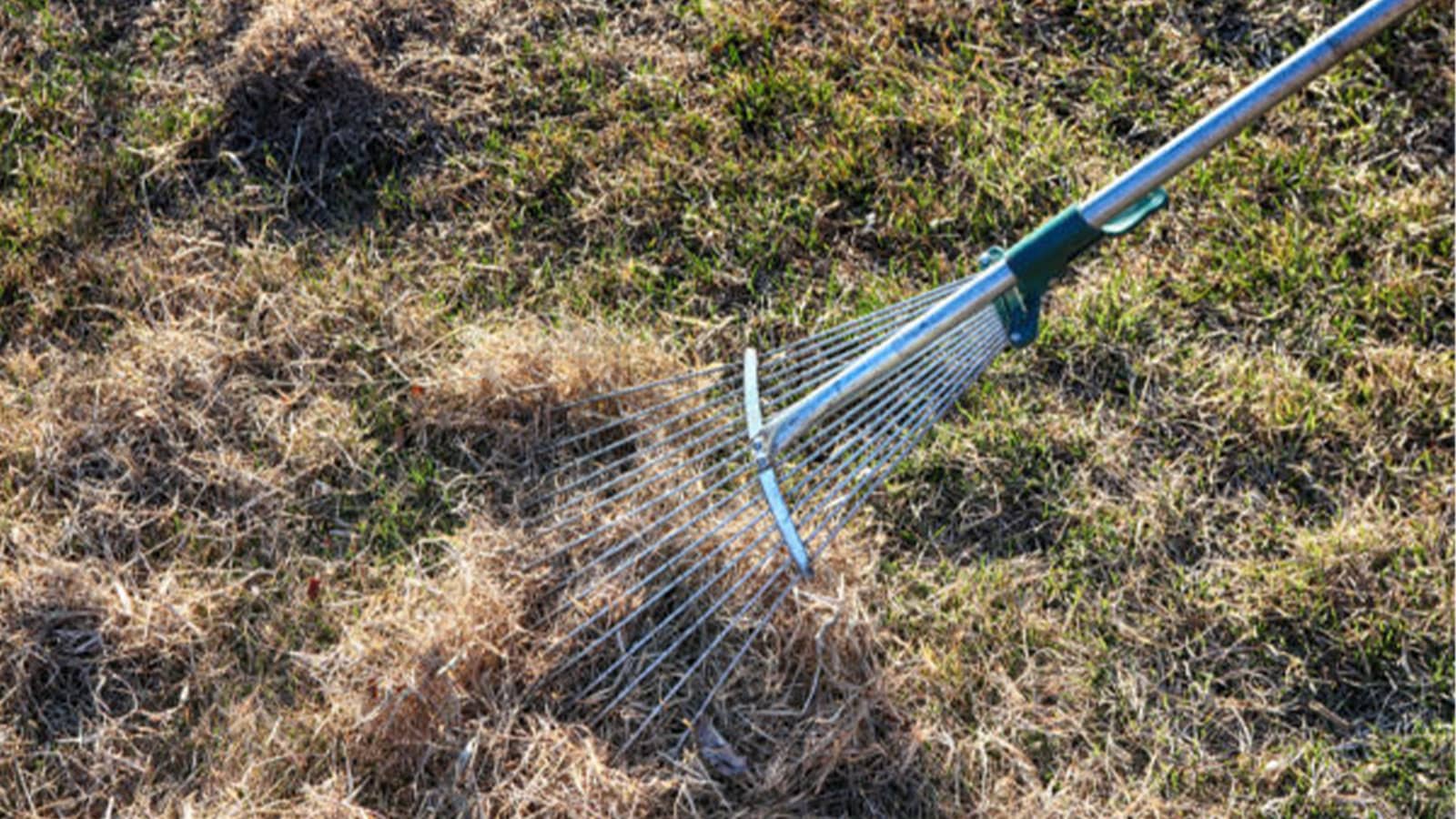
Thatch Management
St. Augustine can develop thatch, but aggressive dethatching is rarely needed.
- If thatch exceeds 0.5 inches, use light vertical mowing
- Time dethatching for late spring so the lawn can recover quickly
7. Repairing Bare or Thin Areas in Spring
St. Augustine spreads by stolons. Spring is one of the best times to:
- Install St. Augustine sod or plugs
- Improve soil with a sand/topsoil blend
- Keep areas consistently moist until new growth establishes
Avoid heavy foot traffic until the grass fills in.
8. Spring Pest & Disease Prevention
Common Spring Pests
- Chinch bugs
- White grubs
If your lawn has a history of pest problems, use preventive or curative treatments such as Bifen L/P or Dylox 6.2, based on the pest and timing.
Disease: Large Patch
Large patch is one of the most common spring diseases in St. Augustine.
- Apply a systemic fungicide if the lawn has had issues in previous years
- Treat before fertilizing, as nitrogen can worsen disease spread
- Monitor areas that remain brown long after green-up begins
What Should I Do for My St. Augustine Lawn This Spring?
- Start mowing once the lawn is actively growing. Never scalp.
- Maintain mowing height at 3–4 inches.
- Water about 1 inch per week once growth resumes.
- Overwatering or frequent irrigation will cause disease in St. Augustine.
- Delay fertilizing until mid to–late spring and past the last frost.
- Apply pre-emergent in late February–March.
- Aerate only after active growth begins.
- Watch closely for pests and large patch disease.
With the right timing and a conservative approach, spring care helps St. Augustine develop dense coverage, strong stolons and the strength needed to thrive through Texas heat and humidity.
Frequently Asked Questions About Spring St. Augustine Grass Care in Texas
When does St. Augustine grass come out of dormancy in Texas?
St. Augustine begins waking up when soil temperatures consistently stay above 50–65 degrees Fahrenheit. In South Texas, this often occurs in late March, whereas Central and North Texas lawns may not fully green up until mid-to-late April or early May.
What is the best mowing height for St. Augustine grass?
Proper mowing height depends on the variety:
- Standard varieties: 3–4 inches
- Dwarf or semi-dwarf varieties (Palmetto, Seville): 2–2.5 inches
Always follow the one-third rule and use sharp blades to prevent tearing and stress.
When should I apply pre-emergent herbicide for St. Augustine?
Apply pre-emergent herbicide in late February through mid-March, or when soil temperatures consistently reach 55 degrees Fahrenheit. Always choose products labeled safe for St. Augustine, as it is sensitive to many herbicides.