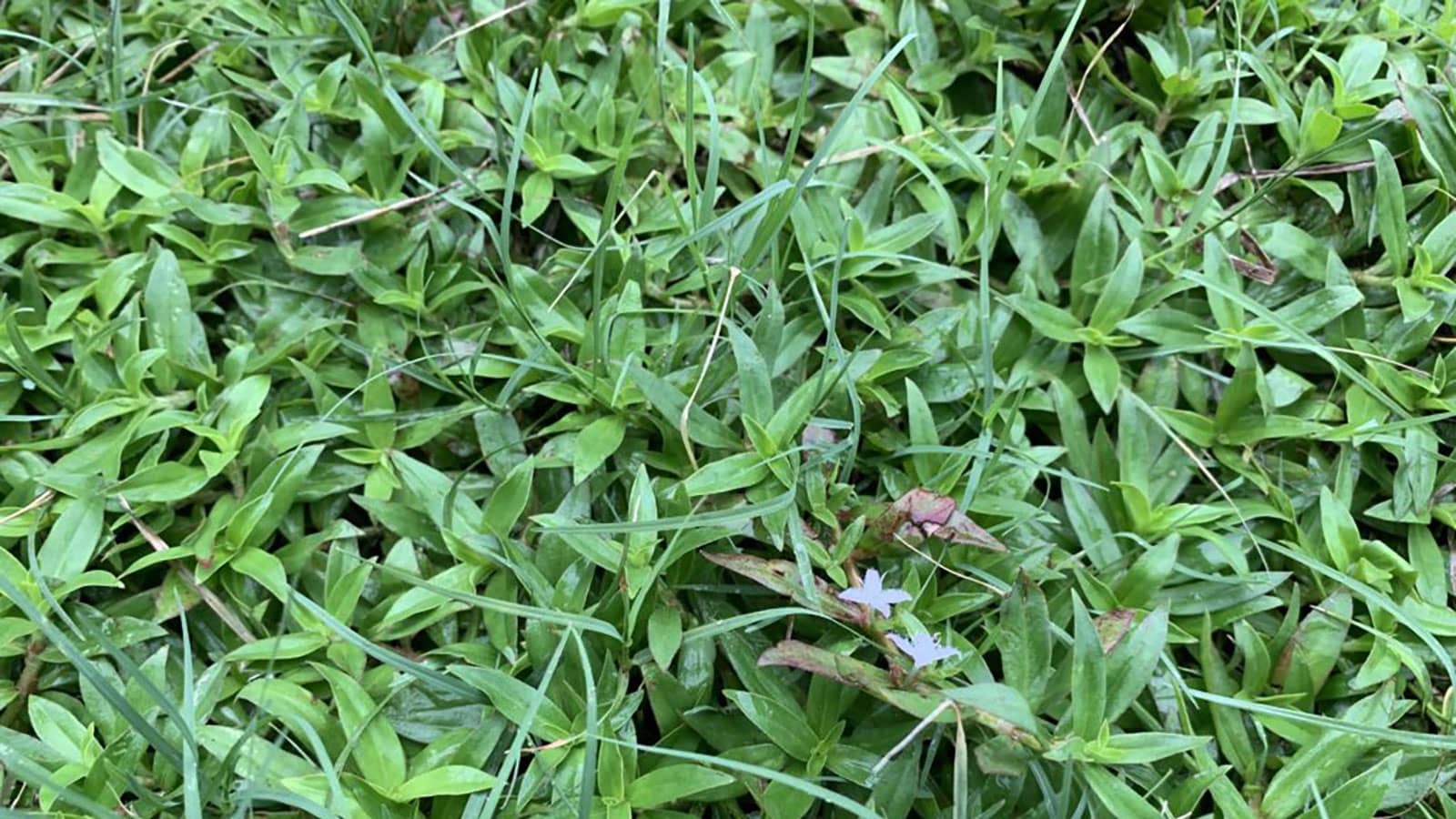
Doveweed is a frustrating and persistent weed that can quickly invade lawns, especially in the Southeast United States. Its ability to spread through both seeds and stolons makes it particularly tough to eradicate once established. However, with the right combination of cultural practices, non-chemical approaches and targeted herbicide use, you can effectively remove doveweed and restore your lawn’s health.
Fortunately, there are effective strategies for controlling and eliminating doveweed from your lawn without causing damage to your grass. Control it with post-emergents like Celsius WG. Always read product labels to ensure compatibility with your grass type.
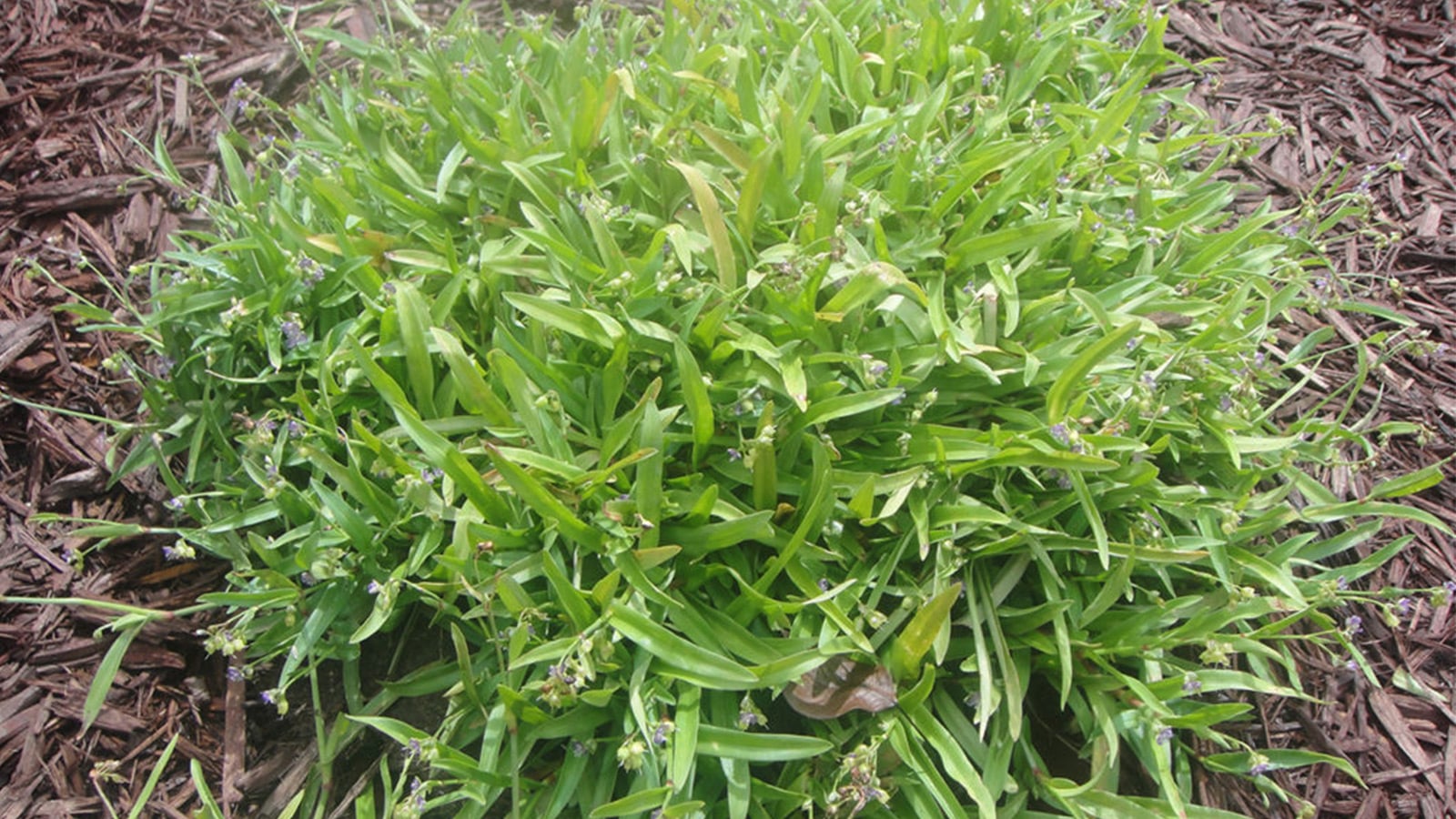
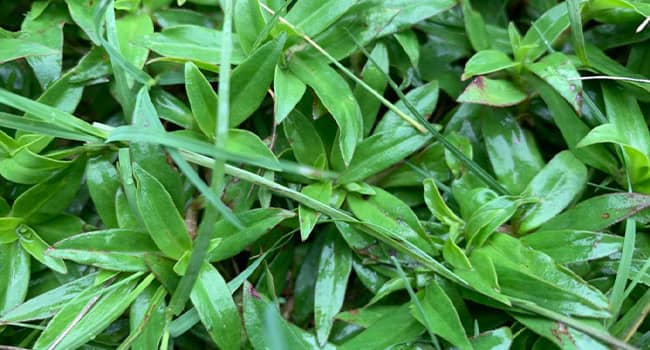
Tailored Treatment Plans for Doveweed Infestation Levels
Small Doveweed Infestations
For small doveweed outbreaks, hand-pulling is one of the most effective non-chemical methods. This approach works best when the weed is isolated to small patches.
Hand-Pulling Tips:
- Moistening the soil before pulling helps to ensure you remove the entire root and stolons. Be sure to wear gloves, as doveweed spreads vegetatively—leaving behind any part of the plant can lead to regrowth.
- Hand-pulling is especially effective when the doveweed is young and has not yet produced seeds.
Lawn Care Tips:
- Mow your grass at the recommended height for your grass type to keep it thick and dense. Healthy turf naturally suppresses weed growth.
- Deep, infrequent watering helps turf develop strong roots, making it harder for doveweed to spread, as this weed thrives in consistently wet conditions.
Moderate Doveweed Infestations
If doveweed has spread more extensively, stronger measures are needed to eliminate it. Natural solutions can be effective in this case.
Natural Methods:
Boiling Water or Vinegar:
Applying boiling water or a vinegar solution directly to doveweed can kill the plants without harming the surrounding environment. Be careful to avoid nearby grass, as these methods can also damage desirable plants.
Mulching:
In flower beds or non-lawn areas, covering doveweed with mulch can block sunlight, helping to smother the weed. This approach works well in garden beds or borders where doveweed may thrive.
Improve Drainage:
Since doveweed prefers moist environments, addressing drainage issues is crucial. Aerating your lawn or adding sand to compacted areas can improve water flow and prevent standing water, which creates ideal conditions for doveweed.
Severe Doveweed Infestations
Severe infestations require a combination of chemical control and preventative measures to fully eradicate doveweed.
It’s recommended to wait until you’ve mowed new grass at least 3–4 times before applying any herbicides or other control products. This waiting period allows the new grass to establish roots and reduces the risk of stress from chemical applications.
Post-Emergent Herbicides:
Use a post-emergent herbicide specifically designed to target doveweed, such as Blindside Herbicide (active ingredients: sulfentrazone and metsulfuron-methyl). This product works through foliar contact and root uptake, effectively killing doveweed within one week.
Celsius WG by Bayer is another effective option for treating doveweed in warm-season grasses like St. Augustine and zoysia grass. Always follow label instructions for proper application and lawn safety.
Pre-Emergent Herbicides:
After removing the active weed, apply a pre-emergent herbicide, such as Dimension 2EW, to prevent doveweed seeds from germinating. Apply in late spring before soil temperatures reach 60–70°F to stop new weeds from emerging.
It should be noted that if you have a St. Augustine or centipede grass lawn, the best control of doveweed can be found in weed control products that contain Atrazine such as the one listed below. St. Augustine and centipede grass are sensitive to popular active ingredients 2,4-D, dicamba, MCPP and MSMA and herbicides containing these ingredients will damage the grass.
Optimal Timing for Doveweed Control
Post-Emergent Doveweed Control
Post-emergent herbicides are most effective when doveweed is actively growing, typically in the summer months when temperatures are high. Apply during warm weather, and follow the product instructions carefully to avoid damaging your lawn. Catching doveweed early in its growth cycle can prevent seed production and reduce the chance of future infestations.
Pre-Emergent Doveweed Prevention
Pre-emergent herbicides should be applied in late spring before doveweed seeds begin to germinate. The key is to apply these products when soil temperatures are around 60–70°F. This timing prevents the weed from establishing and reduces the likelihood of dealing with a full-blown infestation later in the season.
Post-Treatment Lawn Recovery Tips
Once you’ve removed doveweed, your lawn may need some care to recover from any bare patches or damage caused by the weed.
Overseed or Plug Bare Patches:
After treating doveweed, overseed or plug bare spots with seed or grass plugs. This will help thicken your lawn and prevent new weeds from taking hold.
Use Grass Plugs:
For larger bare spots, grass plugs can quickly establish coverage, filling in gaps and encouraging healthy turf growth. This helps prevent future weed invasions.
Soil Amendments:
Conduct a soil test to identify nutrient deficiencies. Apply lime, sulfur, or other soil amendments as needed to balance the soil’s pH and create an optimal growing environment for your grass. Healthy soil promotes dense turf, which helps prevent doveweed from returning.
Fertilize for Strength:
Apply a balanced fertilizer like Lawnifi®, which offers slow-release nutrients to help your grass recover from chemical treatments or manual removal. A healthy, vigorous lawn will be better equipped to resist future weed infestations.
Common Doveweed Removal Mistakes to Avoid
Incorrect Herbicide Application:
Applying herbicides during heavy rain or extreme heat can reduce their effectiveness and even harm your lawn. Always follow the label instructions for timing and dosage to achieve the best results.
Neglecting Lawn Care:
Weak, unhealthy lawns are more susceptible to doveweed and other weeds. Skipping regular maintenance like mowing, fertilization, or aeration can create the perfect conditions for doveweed to thrive.
Using the Wrong Product:
Cheaper herbicides may not provide effective results, and some products may harm your turfgrass. Always choose a high-quality product designed for both your grass type and the specific weed you’re targeting.
Frequently Asked Questions on Doveweed Removal
Q: Can I hand-pull doveweed once it has started spreading?
A: Yes, hand-pulling is effective for small infestations. However, because doveweed spreads via stolons, it’s essential to remove the entire root system to prevent regrowth. Be thorough to avoid leaving behind any fragments.
Q: How long does it take to see results from a post-emergent herbicide?
A: Most post-emergent herbicides show visible results within 1–2 weeks after application. Doveweed will begin to wither and die, but the exact timeline depends on the product used and weather conditions.
Q: Why does doveweed keep returning even after treatment?
A: Persistent doveweed infestations often indicate underlying lawn health issues, such as poor drainage or improper watering. Addressing these issues through improved cultural practices and applying pre-emergent herbicides annually can help prevent doveweed from returning.
How to Remove Doveweed - Answered
To effectively get rid of doveweed, use a combination of hand-pulling for small infestations, improve lawn care practices such as mowing and proper irrigation, and apply post-emergent herbicides like Blindside or Celsius WG for severe cases. Pre-emergent herbicides like Specticle G can prevent future growth when applied in late spring. After treatment, overseed or plug bare patches and amend the soil to restore your lawn. Early detection and consistent care are essential for long-term control of doveweed.