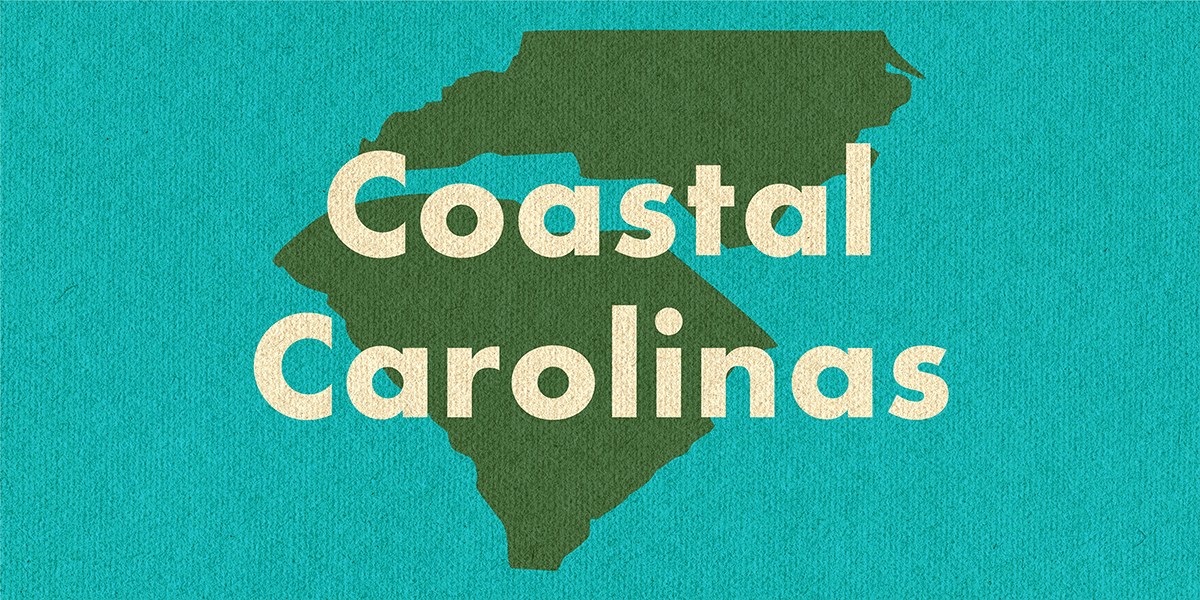
Spring Care Tips for Zoysia Grass in North & South Carolina
Spring in the Carolinas can feel a little unpredictable, with warm, sunny days one week and chilly ones the next. Your zoysia lawn feels every bit of that back-and-forth. As soil temperatures slowly creep into the sweet 50 - 65 degrees Fahrenheit range, zoysia begins to wake from dormancy.
Exactly when that happens depends heavily on where you live.
A lawn along the South Carolina coast may start greening up weeks before
one in the North Carolina Piedmont, which means timing your spring care
really is everything.
If you’re hoping for a thick, green zoysia lawn this summer, the real work
starts now. A few smart, well-timed steps in spring will help your lawn
shake off dormancy and ease back into growth without stress or setbacks.
1. Know Your Region: When Zoysia Wakes Up in the Carolinas
Zoysia begins to green up when soil temperatures consistently reach 50 - 65 degrees Fahrenheit. In the Carolinas, that usually looks like:
- Coastal SC & Coastal NC: Typically late February, with full green-up by early–mid April
- Piedmont NC/SC: Typically late March–mid April
- Foothills & cooler areas: Typically late April–early May
It’s tempting to jump in as soon as you see a hint of green, but patience pays off here. Save the big jobs for when your zoysia is truly out of dormancy. Heavy maintenance too early or before the last frost can slow green-up and set your lawn back just when it’s trying to wake up.
2. Spring Mowing for Zoysia in NC & SC
When to Start Mowing
Begin mowing in mid-spring, once the lawn is actively growing and has reached a height of about 1 - 2 inches. Mowing while zoysia is still mostly dormant can stress the turf and delay recovery.
Spring Mowing Heights
Zoysia mowing height depends on the cultivar:
- Fine-bladed types like Innovation thrive at 0.5 - 1.5 inches.
- Coarse-bladed types like EMPIRE perform best at 1 - 2 inches.
- Never remove more than one-third of the blade at a time to prevent shock.
Stick to the one-third rule: never remove more than one-third of the blade at a time.
For mature, established lawns, a light spring “buzz cut” can be helpful once the grass is fully out of dormancy. Lower your mower by one notch, use a sharp blade and bag the clippings to remove old material. After that, return to normal mowing heights and leave clippings on future mows.
Plan to mow every 7 - 10 days once growth picks up. Sharp blades make all the difference here. A clean cut keeps zoysia healthy, while dull blades tear tissue and open the door to disease.

3. Fertilizing Zoysia in the Carolinas
Timing: Wait for Active Growth + No Frost
Zoysia should not be fertilized until you’re past your local last frost date. Fertilizing too early, especially before that last cold snap, can damage tender new growth and slow the lawn down instead of helping it along.
How Much & What to Use
- Conduct a soil test first to determine nutrient needs.
- A product such as the Lawnifi Spring Fertilizer Box is ideal for zoysia’s gradual green-up.
4. Weed Control: Pre- and Post-Emergent Timing for Zoysia
Pre-Emergent Herbicide Weed Prevention
Apply pre-emergent herbicide once soil temperatures consistently hit 55 degrees Fahrenheit for several consecutive days. For much of the Carolinas, that falls between mid-February and early March, with Piedmont areas typically running a week or two behind.
Hitting this window helps stop weeds like crabgrass, goosegrass and dallisgrass before they ever get started.
Post-Emergent Weed Control
If weeds are already present, use selective post-emergent herbicides labeled for zoysia to target clover, dandelion, knotweed or spurge.
Avoid mesotrione (e.g., Tenacity) as it can damage zoysia grass. Follow all label directions and avoid applying during temperature extremes.
5. Irrigation: Watering Zoysia as Temperatures Rise
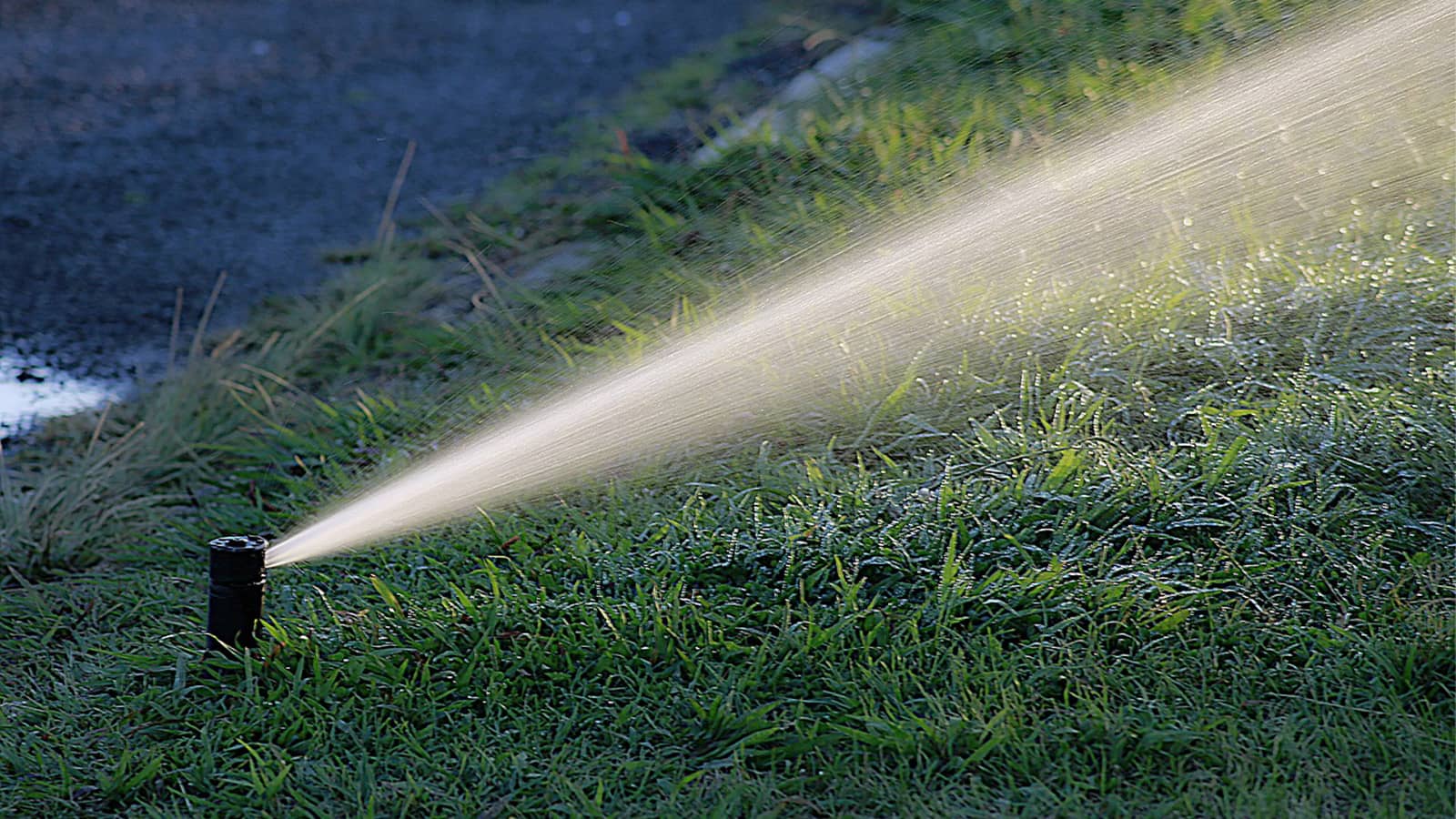
Once zoysia exits dormancy, it needs about 1 inch of water per week, including rainfall.
Best practices:
- Water deeply and early in the morning
- Adjust for sandy coastal soils, which drain faster
- Perform an irrigation audit to ensure even water distribution.
6. Managing Thatch, Dethatching & Aeration
Thatch
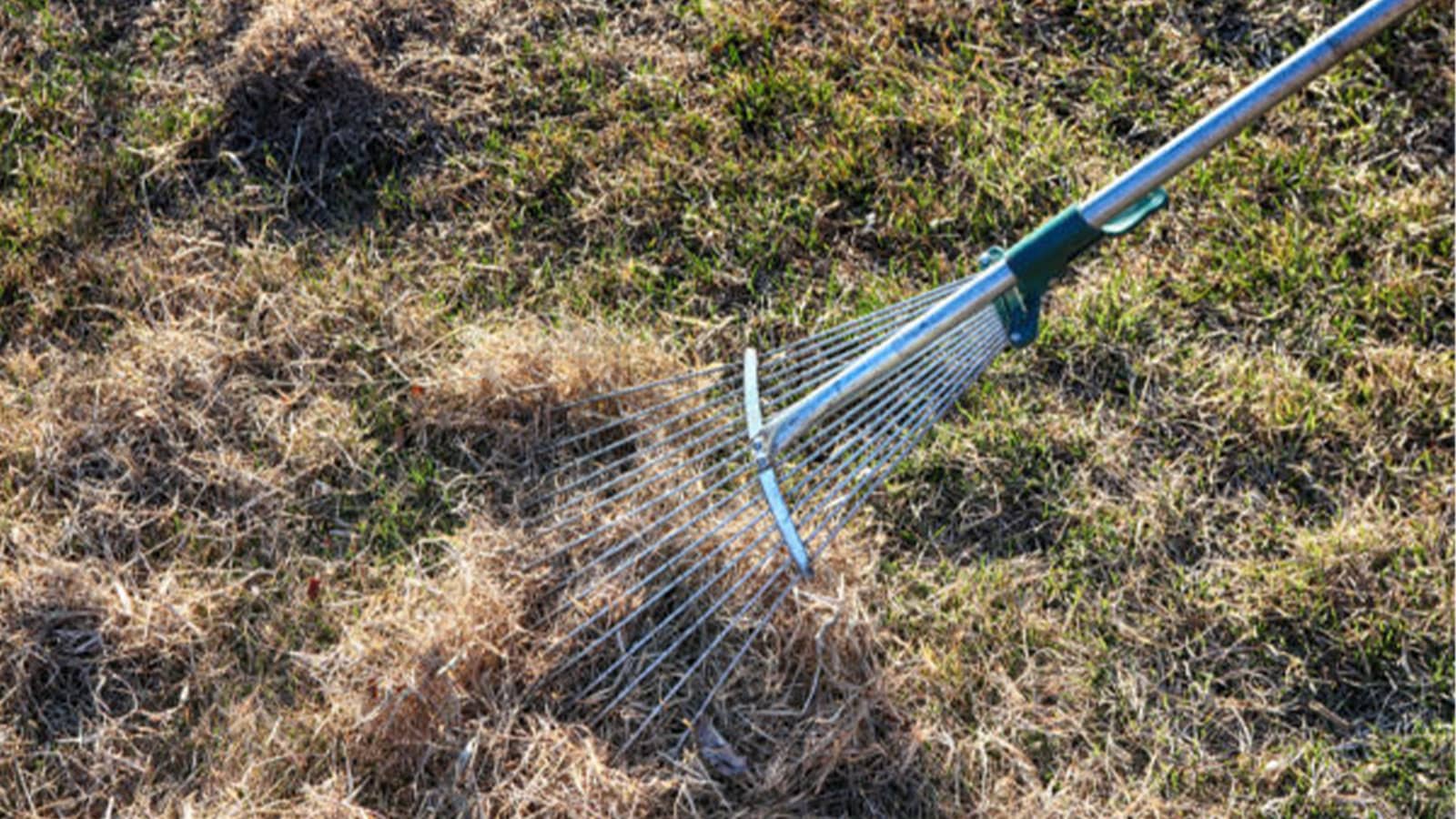
Zoysia can develop thatch more quickly than other warm season grasses sometimes, especially if they are finer-bladed.
- If thatch is over 0.5 inches, dethatch using a power rake in late spring once the lawn is fully growing.
- Avoid dethatching too early. Zoysia needs active growth to recover.
Zoysia, especially finer-bladed varieties, can build thatch over time.
If thatch exceeds 0.5 inches, dethatch in late spring once the lawn is fully growing. Avoid dethatching too early; zoysia needs active growth to recover.
Aeration
Aerate during peak growth in late spring (May–June), particularly in compacted Piedmont clay soils.
7. Repairing Bare Spots in Spring
Zoysia spreads by stolons and rhizomes but repairs slowly. Spring is the ideal time to:
- Install zoysia plugs such as EMPIRE® or Innovation®
- Use a sand/topsoil/compost blend to improve rooting
- Keep soil consistently moist (not saturated) until plugs establish
8. Spring Pest & Disease Prevention
Common Pests
- White grub worms
- Billbugs
For preventive or curative control, use seasonally appropriate products such as Dylox 6.2 or Bifen L/P based on past pest activity.
Disease: Large Patch
Large patch is one of the most common spring diseases in zoysia.
- Apply a systemic fungicide (e.g., Heritage G) if the lawn had issues previously.
- Apply fungicide before fertilizing, as nitrogen can worsen disease spread.
- Monitor areas that remain brown long after the lawn begins greening.
What Should I Do for My Zoysia Lawn This Spring?
- Start mowing once the lawn reaches 1- 3 inches and is actively growing.
- Fertilize after the last frost and when soil temps reach 60 degrees Fahrenheit.
- Apply pre-emergent in February/March; treat active weeds with selective herbicides.
- Water 1 inch weekly, adjusting for sandy soils.
- Dethatch and aerate only after the lawn has grown vigorously.
- Use plugs to repair bare spots for a seamless summer lawn.
- Watch for pests and disease, especially large patch.
Frequently Asked Questions About Spring Zoysia Lawn Care
When will my zoysia lawn turn green in spring?
Zoysia grass greens up once soil temperatures consistently reach 50 - 65 degrees Fahrenheit, not simply when air temperatures warm. In coastal South Carolina, this may happen as early as March, while piedmont and foothill areas often don’t see green-up until April or early May. Patience is key. Early brown color doesn’t always mean your lawn is unhealthy.
Can I fertilize zoysia as soon as it starts turning green?
No. Always wait until after your local last frost date and when the lawn is actively growing. Fertilizing too early can damage tender shoots and encourage disease like large patch. Once soil temperatures reach around 50 - 65 degrees Fahrenheit, it’s safe to begin feeding zoysia.
Should I scalp or “buzz-cut” zoysia in spring?
Yes, but only once the lawn is coming out of dormancy. A light spring buzz-cut helps remove old, dormant growth and allows sunlight to reach new shoots. Use a sharp blade, bag clippings and only lower the mower one notch. Avoid scalping too early, as cold snaps can damage exposed turf.
What’s the best mowing height for zoysia in spring?
Mowing height depends on the cultivar:
- Fine-bladed zoysia (Innovation): 0.5 - 1.5 inches
- Coarse-bladed zoysia (EMPIRE): 1- 2 inches
Never remove more than one-third of the blade at a time, and mow every 7 - 10 days once growth is active.
When should I apply pre-emergent herbicide to zoysia?
Apply pre-emergent when soil temperatures reach 55 degrees Fahrenheit for several consecutive days, typically mid-February to early March in much of NC and SC. Applying too late allows weeds like crabgrass to germinate, while applying too early can reduce effectiveness.
Is it safe to use Tenacity (mesotrione) on zoysia?
No. Mesotrione products like Tenacity can damage zoysia grass and should be avoided. Use herbicides labeled specifically for zoysia, such as SpeedZone or Quinclorac, and always follow label directions.
How much water does zoysia need in spring?
Once out of dormancy, zoysia needs about 1 inch of water per week, including rainfall. Coastal areas with sandy soils may need slightly more frequent watering. Always water deeply and early in the morning to minimize disease risk.
Should I dethatch or aerate zoysia in early spring?
No. Zoysia should only be dethatched or aerated during peak growth, typically late spring (May–June). Performing these practices too early can stress the lawn and delay recovery.
How do I fix bare spots in my zoysia lawn?
Spring is an excellent time to repair thin or bare areas using zoysia plugs or sod. Improve soil contact with a sand/topsoil blend, keep the area consistently moist and avoid heavy foot traffic until the grass establishes.
Why does my zoysia have large brown patches in spring?
Large brown patches that linger into green-up may indicate large patch disease, one of the most common zoysia problems in the Carolinas. If your lawn has a history of this disease, apply a preventative fungicide before fertilizing, as nitrogen can worsen symptoms.
Is slow spring green-up normal for zoysia?
Yes. Zoysia naturally greens up more slowly than bermudagrass. While it may test your patience in early spring, this slower growth is what gives zoysia its excellent summer density, drought tolerance and weed resistance. With the right timing and care, your zoysia lawn will green up evenly, resist weeds and disease, and deliver that thick, carpet-like texture zoysia is known for throughout the Carolinas’ long warm season.