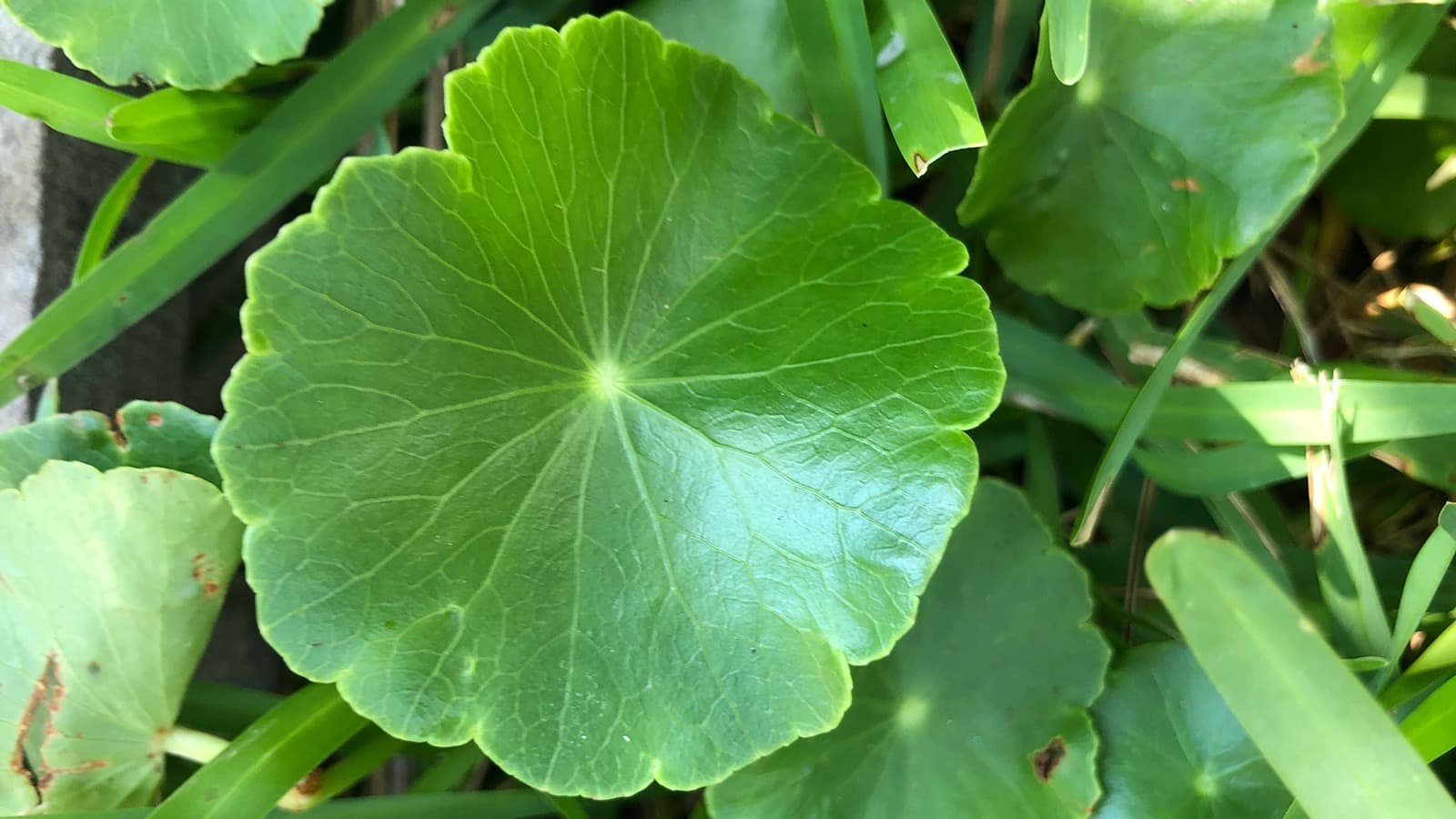
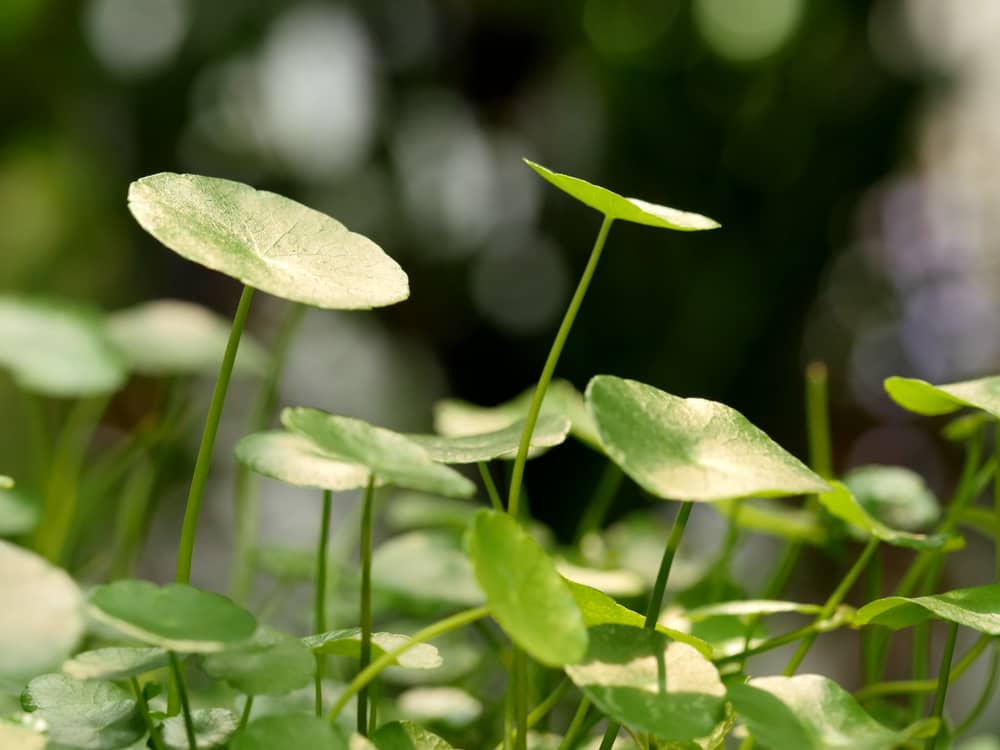
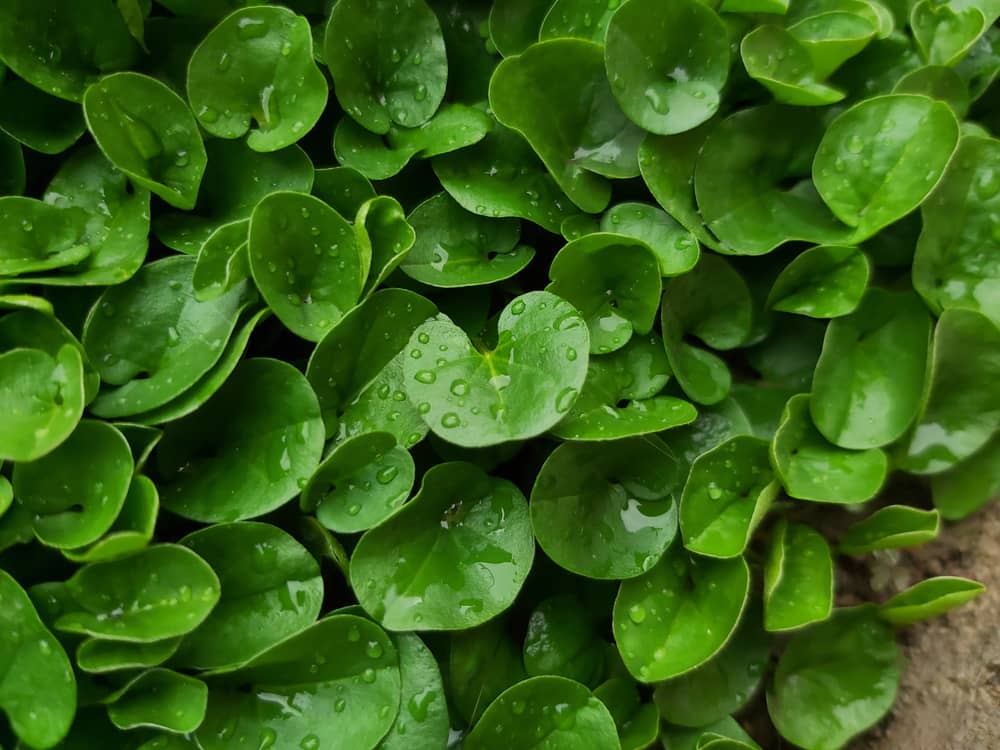
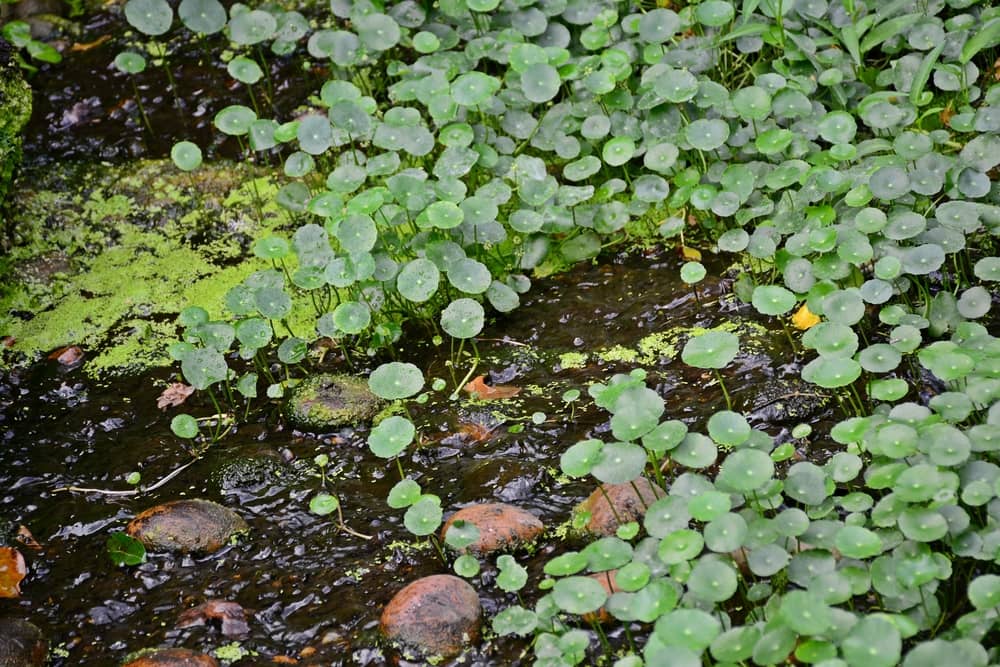
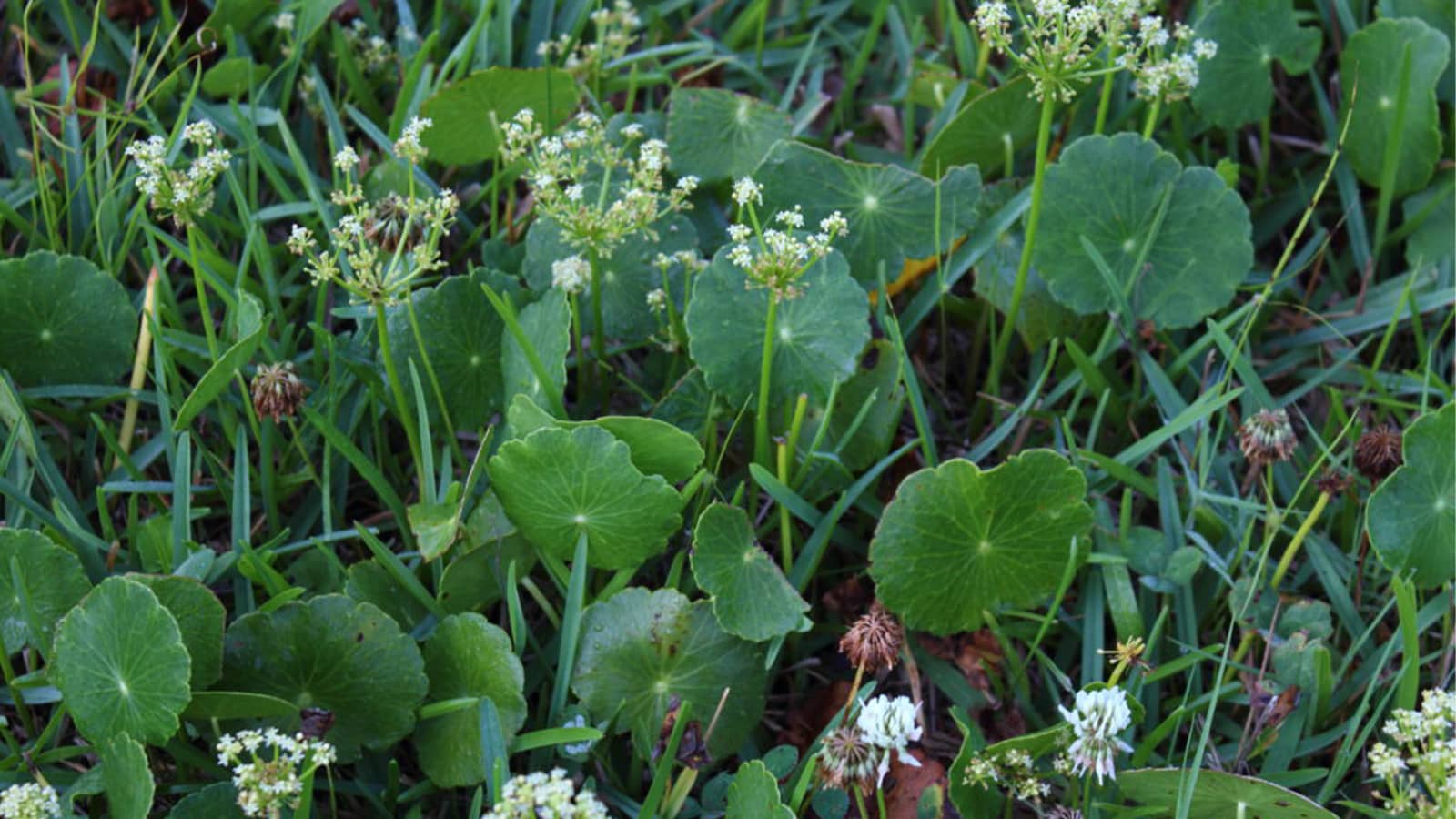
Dollar weed (Hydrocotyle spp.), also known as pennywort, is a persistent weed that thrives in moist, humid environments. Its rapid growth through rhizomes, tubers and seeds can make it difficult to control without a targeted dollar weed killer.
✅ Quick Answer:
Fortunately, there are effective strategies for controlling and eliminating dollar weed from your lawn without causing damage to your grass. Control it with post-emergents:
- For Zoysia and Bermuda Grass: 2,4-D, Dicamba and Mecoprop (MCPP) or MCPA (SpeedZone Broadleaf Herbicide) - These are the primary components of "three-way" selective broadleaf herbicides, which are safe for use on most common grasses like zoysia and bermuda grass.
- For St. Augustine and Centipede Grass: Atrazine (Hi-Yield Atrazine) - Atrazine is effective for controlling dollar weed in St. Augustine grass and centipede grass but is not recommended for bermuda grass. It can be used as both a pre-emergent and post-emergent herbicide.
Always read product labels to ensure compatibility with your grass type.
Tailored Treatment Plans for Dollar Weed Infestation Levels
Small Dollar Weed Infestations
Hand-pulling is a highly effective method for small patches of dollar weed. However, it’s crucial to ensure you remove the entire plant, including the roots, rhizomes, and tubers, as leaving any parts behind can result in regrowth.
Hand-Pulling Tips:
Hand-pull when the soil is moist to make it easier to extract the entire root system. Ensure you remove the weed before it flowers and produces seeds. This approach works best for isolated, young infestations.
Moderate Dollar Weed Infestations
When dollar weed has spread more extensively, it requires stronger measures. At this stage, a combination of natural and cultural treatments can help manage the infestation.
Natural Methods:
For moderate infestations, apply natural solutions like boiling water or vinegar directly onto dollar weed patches. These treatments can kill the weed without harming the environment, but they may also damage the surrounding grass, so apply them carefully.
Improve Drainage:
Dollar weed thrives in moist environments. Improve soil drainage by aerating the lawn and reducing irrigation. Correcting drainage issues will deprive dollarweed of the moisture it needs to thrive.
Severe Dollar Weed Infestations
For severe dollar weed outbreaks, chemical herbicides combined with preventive strategies offer the most effective solution.
It’s recommended to wait until you’ve mowed new grass at least 3–4 times before applying any herbicides or other control products. This waiting period allows the new grass to establish roots and reduces the risk of stress from chemical applications.
Dollar Weed Killer Post-Emergent Herbicide Options:
Use selective post-emergent dollar weed killers like Hi-Yield Atrazine (contains Atrazine) for St. Augustine and centipede grass lawns, or SpeedZone Broadleaf Herbicide (contains 2,4-D and Dicamba) for zoysia and bermuda grass lawns to target active dollar weed.
Dollar Weed Killer For St. Augustine or Centipede Lawns:
Grass types such as St. Augustine and centipede are sensitive to herbicides like 2,4-D, Dicamba, and Quinclorac. For these lawns, opt for Hi-Yield Atrazine, as it is a safer alternative.
Optimal Timing for Dollar Weed Control
Post-Emergent Application
Post-emergent herbicides are most effective when dollar weed is actively growing, typically during the warmer months. Apply when soil temperatures are around 70–85°F for best results. Always follow label directions to avoid damaging your lawn.
- For Zoysia and Bermuda Grass: 2,4-D, Dicamba and Mecoprop (MCPP) or MCPA (SpeedZone Broadleaf Herbicide) - These are the primary components of "three-way" selective broadleaf herbicides, which are safe for use on most common grasses like zoysia and bermuda grass.
- For St. Augustine and Centipede Grass: Atrazine (Hi-Yield Atrazine) - Atrazine is effective for controlling dollar weed in St. Augustine grass and centipede grass but is not recommended for bermuda grass. It can be used as both a pre-emergent and post-emergent herbicide.
Pre-Emergent Application
Apply pre-emergent herbicides like Hi-Yield Atrazine in early spring when soil temperatures reach 55–60°F. This timing prevents dollar weed seeds from germinating, minimizing future outbreaks.
Combining Methods for Persistent Infestations
For ongoing or persistent dollar weed problems, combine cultural practices with natural and dollar weed killer methods to improve control.
Cultural Practices
Reduce irrigation frequency and improve lawn drainage to create less favorable conditions for dollar weed. Mow your grass at the recommended height for your grass type to encourage thick, dense growth that suppresses weeds.
Chemical and Natural Dollar Weed Killer Methods
Use post-emergent herbicides alongside natural remedies like mulching or boiling water. This multifaceted approach will enhance the effectiveness of your control efforts, especially in severe cases.
Post-Treatment Lawn Recovery Tips
Once you’ve successfully treated your lawn for dollar weed, focus on recovering and strengthening the grass to prevent future weed invasions.
Overseeding or Plugging Bare Spots:
After treatment, fill bare spots by overseeding or plugging with a variety like centipede or bermuda grass. Thick lawns are more resistant to weeds, helping prevent dollar weed from re-establishing.
Grass Plugs
For larger bare areas, consider using grass plugs to speed up the recovery process. Grass plugs will quickly establish a healthy turf, reducing the chances of future infestations.
Soil Amendments
Perform a soil test to identify nutrient deficiencies or pH imbalances. Add lime or sulfur as necessary to balance soil pH and promote healthier grass growth. Healthy soil supports a strong lawn that can resist future weed invasions.
Fertilization
Apply a slow-release fertilizer like Lawnifi® Foundation to encourage thicker grass growth. A well-fertilized lawn will recover more quickly from weed removal and help crowd out future weeds.
Common Mistakes to Avoid
Incorrect Herbicide Application
Applying herbicides at the wrong time (such as during rain or high heat) reduces their effectiveness and can harm your lawn. Always follow label instructions and apply herbicides when conditions are optimal.
Overwatering
Dollar weed thrives in consistently moist environments. To prevent the weed from returning, avoid overwatering your lawn and ensure proper drainage.
Skipping Regular Lawn Care
Weak lawns are more prone to weed infestations. Failing to mow regularly, fertilize, or aerate your lawn creates the perfect environment for dollar weed to spread.
Frequently Asked Questions About Dollar Weed Killer:
For St. Augustine and Centipede Grass: Atrazine (Hi-Yield Atrazine) - Atrazine is effective for controlling dollar weed in St. Augustine grass and centipede grass but is not recommended for bermuda grass. It can be used as both a pre-emergent and post-emergent herbicide.
For Zoysia and Bermuda Grass: 2,4-D, Dicamba and Mecoprop (MCPP) or MCPA (SpeedZone Broadleaf Herbicide) - These are the primary components of "three-way" selective broadleaf herbicides, which are safe for use on most common grasses like zoysia and bermuda grass.
Yes, Atrazine is safe when applied according to label instructions and is specifically effective on St. Augustine and Centipede lawns.
Visible results may appear in 7–14 days, though full control may take a few weeks with follow-up applications.