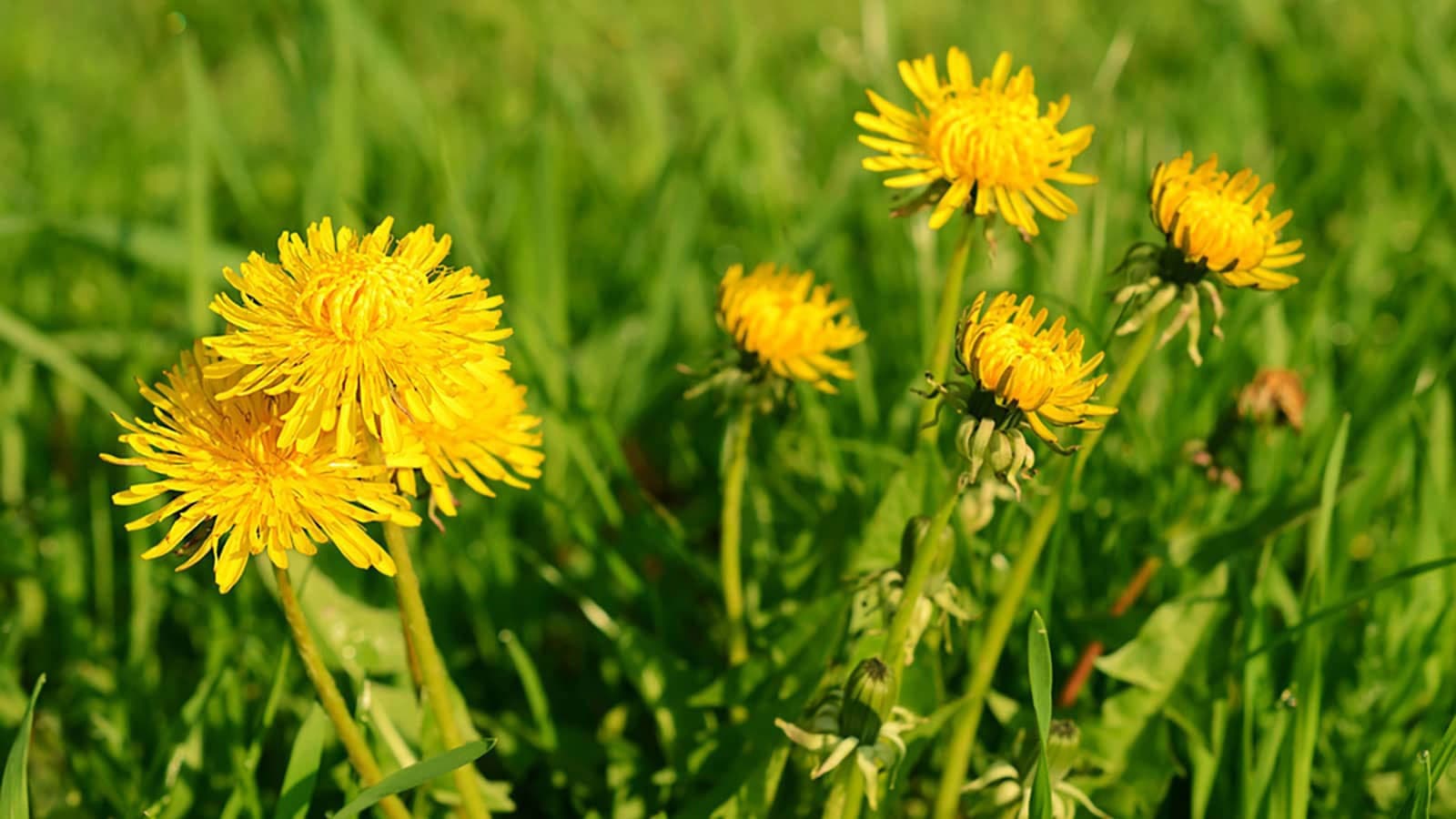
Once dandelions have established themselves in your lawn, removing them requires a thorough and well-timed approach. Dandelions can spread quickly through their deep taproots and airborne seeds, making complete eradication a challenge.
Fortunately, there are several effective methods to control and eliminate dandelions without causing harm to your grass including using Triad Select as a post-emergent weed control product.
Tailored Treatment Plans for Dandelion Infestation Levels
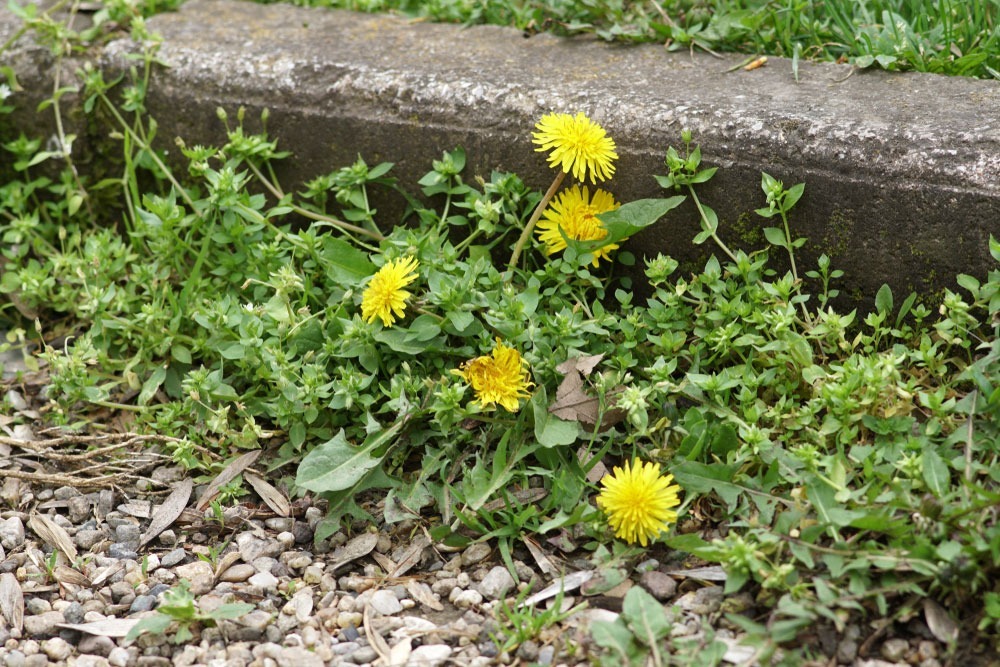
Small Dandelion Infestations
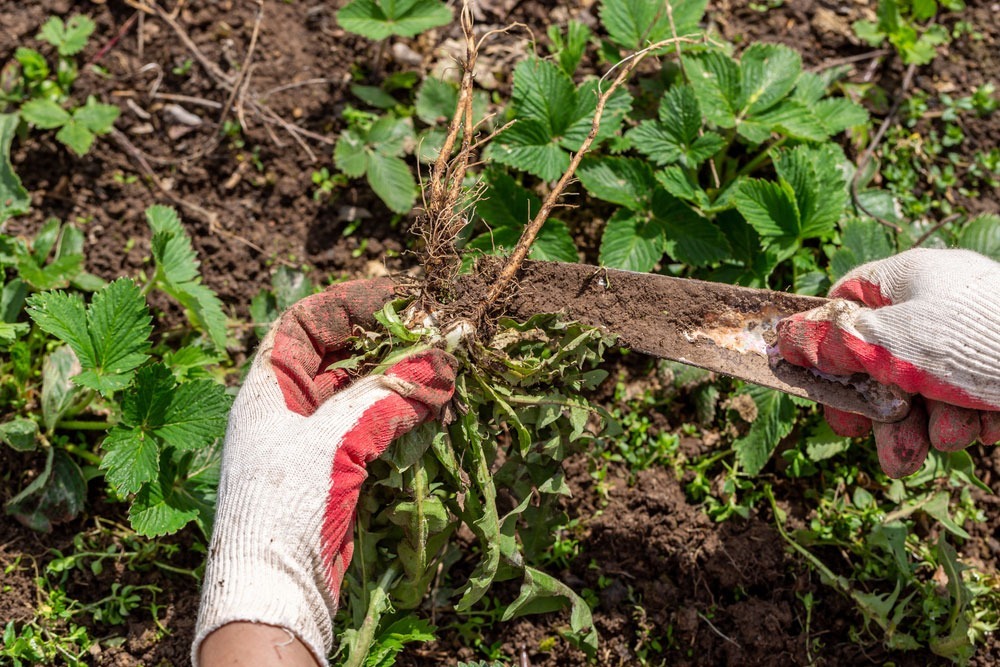
For small infestations, hand-pulling is a highly effective non-chemical solution. This method works best when dandelions are young, before they develop deep roots and produce seed heads.
Hand-Pulling Tips:
Timing:
Pull dandelions when the soil is moist to make it easier to remove the entire taproot.
Tools:
Use a dandelion weeder or garden fork to dig out the root system. Be sure to remove the entire root to prevent regrowth.
Follow-up:
Regularly check the area for any regrowth and pull up any new plants before they seed.
Lawn Care Tips:
Mowing:
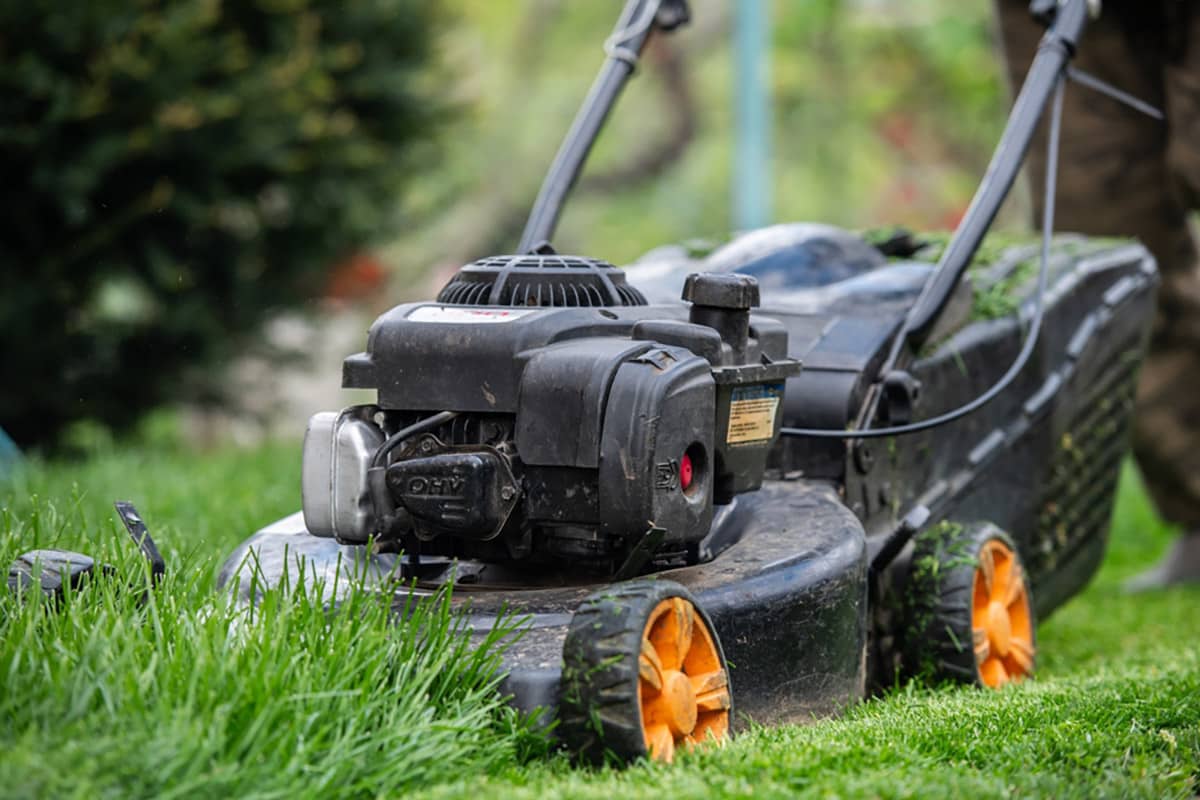
Keep your grass slightly taller, around 3 inches, to shade out emerging dandelions and reduce their ability to grow.
Fertilization:
Feed your lawn with a balanced fertilizer to encourage thick, healthy grass, which can crowd out dandelions and other weeds.
Moderate Dandelion Infestations
When dandelions cover larger areas of your lawn, non-chemical and organic treatments can help reduce their spread while preserving the health of your grass.
Natural Methods:
Vinegar Spray:
Apply household vinegar directly to the dandelion leaves on sunny days. Vinegar is a natural weed control, but be cautious not to spray it on surrounding grass, as it may cause damage.
Boiling Water:
Pouring boiling water over dandelions can kill them, but like vinegar, it may harm nearby plants if not carefully applied.
Mulching:
For garden beds or non-lawn areas, applying mulch over dandelion-prone spots can block sunlight, smothering any new growth. This method is particularly effective in areas where chemical weed controls are not desirable.
Severe Dandelion Infestations
For large-scale dandelion infestations, chemical treatments may be necessary. A combination of selective weed control products and proper lawn care can help you control dandelions effectively.
Post-Emergent Weed Control:
Selective Weed Control:
Use a selective post-emergent weed control product that targets broadleaf weeds like dandelions but spares your grass. Products containing 2,4-D, dicamba or MCPP like Triad Select are commonly used to treat dandelions.
Application Timing:
Apply weed control products when dandelions are actively growing, typically in the spring or fall. Avoid applying during extreme heat or when rain is expected within 24 hours.
Pre-Emergent Weed Control:
Prevent Future Growth:
To stop dandelion seeds from germinating, apply a pre-emergent weed control product in early spring before soil temperatures reach 55°F. This can prevent dandelions from establishing themselves the next season.
Non-Selective Weed Control for Extreme Cases:
Spot Treatments:
For particularly stubborn or widespread dandelion patches, non-selective weed control such as glyphosate can be used. Apply directly to the weed, but be cautious, as these weed control products will kill any plant they come in contact with, including grass.
Optimal Timing for Dandelion Control
Post-Emergent Dandelion Control
Post-emergent weed control products are most effective when dandelions are actively growing in the spring or early fall. Applying during cooler weather maximizes the weed control product's impact while minimizing stress on your lawn. Always follow label instructions to avoid harming your grass.
Pre-Emergent Dandelion Prevention
Pre-emergent weed control should be applied in early spring before dandelion seeds germinate. This preventative measure helps stop new dandelions from taking root, reducing future infestations.
Post-Treatment Lawn Recovery Tips
Once you’ve removed dandelions, your lawn may require some recovery and maintenance to prevent the weed from returning.
Overseed or Use Grass Plugs
After removing dandelions, overseed the affected areas or use grass plugs to fill in bare patches. A thick, healthy lawn will naturally resist future weed growth.
Overseeding:
Spread grass seed suited for your region over small to medium-sized bare spots to promote a fuller lawn.
Grass Plugs:
For larger bare areas, grass plugs can establish new growth more quickly and effectively.
Soil Amendments
Improving your soil’s health can help prevent dandelions from returning. Test your soil to check for nutrient imbalances or pH levels, and adjust accordingly with soil amendments.
Adding lime to raise pH or sulfur to lower pH can improve soil conditions, encouraging grass growth over weeds.
Fertilize for Strength
Applying a slow-release, balanced fertilizer will help your grass recover after dandelion removal. Strong, well-fed grass is more resistant to future weed invasions.
Common Dandelion Removal Mistakes to Avoid
- Incorrect Weed Control Application: Applying weed control at the wrong time or in poor conditions, such as rain or extreme temperatures, can reduce effectiveness. Always follow label instructions carefully.
- Incomplete Removal: When hand-pulling, failing to remove the entire taproot can result in regrowth. Use proper tools to dig out the entire root system.
- Neglecting Lawn Care: A weak lawn invites weed growth. Mowing too short, skipping fertilization or overwatering can create the ideal environment for dandelions to thrive.
How to Remove Dandelion from Your Yard - Answered
To remove dandelions effectively, hand-pull small infestations, ensuring you remove the entire taproot. For moderate outbreaks, use natural methods like vinegar or boiling water, and for severe cases, apply selective post-emergent weed control products. Prevent future growth with pre-emergent treatments and maintain a healthy, thick lawn through proper mowing, fertilization and soil care to keep dandelions from returning.