Dallisgrass is a tough perennial weed that can be challenging to remove from lawns. The best removal strategy depends on the level of infestation.
✅ Quick Answer
An effective control option is spot-treating dallisgrass weeds with Mesotrione.
Why Dallisgrass Treatments Often Fail
It’s no secret that dallisgrass can be one of the most frustrating weeds homeowners face, and there’s a good reason it keeps coming back. Unlike many common lawn weeds, dallisgrass is a deep-rooted perennial that doesn’t give up easily.
1. Treating the Leaves Instead of the Roots
At first glance, dallisgrass looks like it should be easy to knock out. You spray it, it turns brown and for a while, it looks like you’ve won.
The problem is that dallisgrass isn’t just hanging out on the surface. It’s a deep-rooted perennial that stores energy below ground in crowns and rhizomes, waiting for the right moment to bounce back. So, while the top growth may take a hit, the plant itself often survives and returns weeks later, as if nothing ever happened.
2. Using Products That Aren’t Compatible With Your Grass Type
Not all weed killers play nicely with all grass types, and dallisgrass is especially picky. Many of the selective post-emergents homeowners reach for either don’t work well on dallisgrass or can’t be used safely on certain lawns. That puts people in a tough spot: either keep applying something that barely works or stop short to avoid damaging the gras they’re trying to protect. In both cases, dallisgrass gets the upper hand.
3. Confusing Seedlings With Established Clumps
Pre-emergents are great tools, but only when they’re used at the right time. Once dallisgrass has formed clumps, those products won’t touch it. A lot of treatment plans fall apart because they focus on preventing seeds while established plants continue spreading underground. By the time clumps are visible, control takes a very different approach.
4. Cutting the Lawn Too Short
It’s tempting to scalp the lawn to keep things looking tidy, but cutting grass too short does more harm than good. Short mowing weakens desirable grass and lets sunlight hit the soil, creating perfect conditions for dallisgrass to spread. Instead of being crowded out by healthy grass, dallisgrass gets room to recover and expand between treatments.
5. Stopping Treatments Too Soon
Dallisgrass rarely disappears after one round of treatment. Even when you’re using the right products, real control usually takes repeated, well-timed applications over multiple growing seasons.
Many homeowners stop once they see improvement, only to be frustrated when dallisgrass shows up again the following year, often stronger than before.
Understanding why dallisgrass treatments fail is the first step toward choosing a control strategy that actually works. The right approach depends on the size of the infestation and the type of lawn you have.
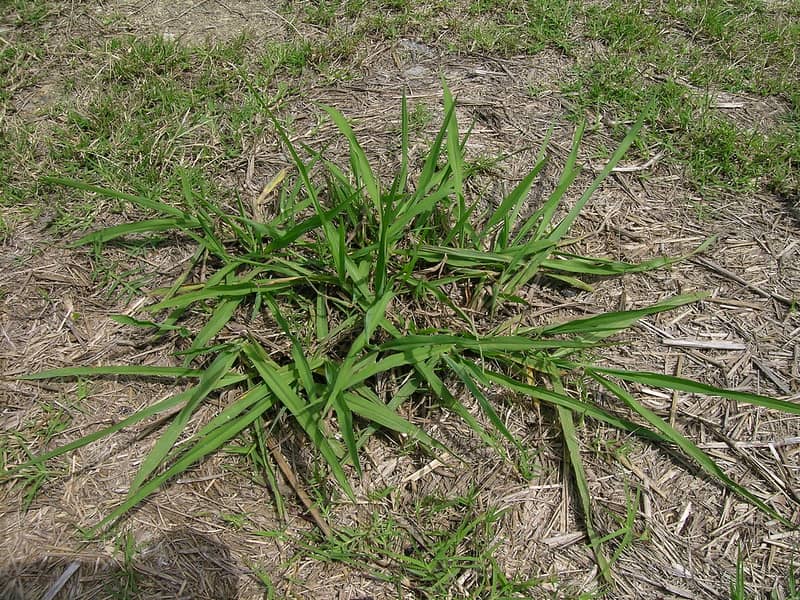
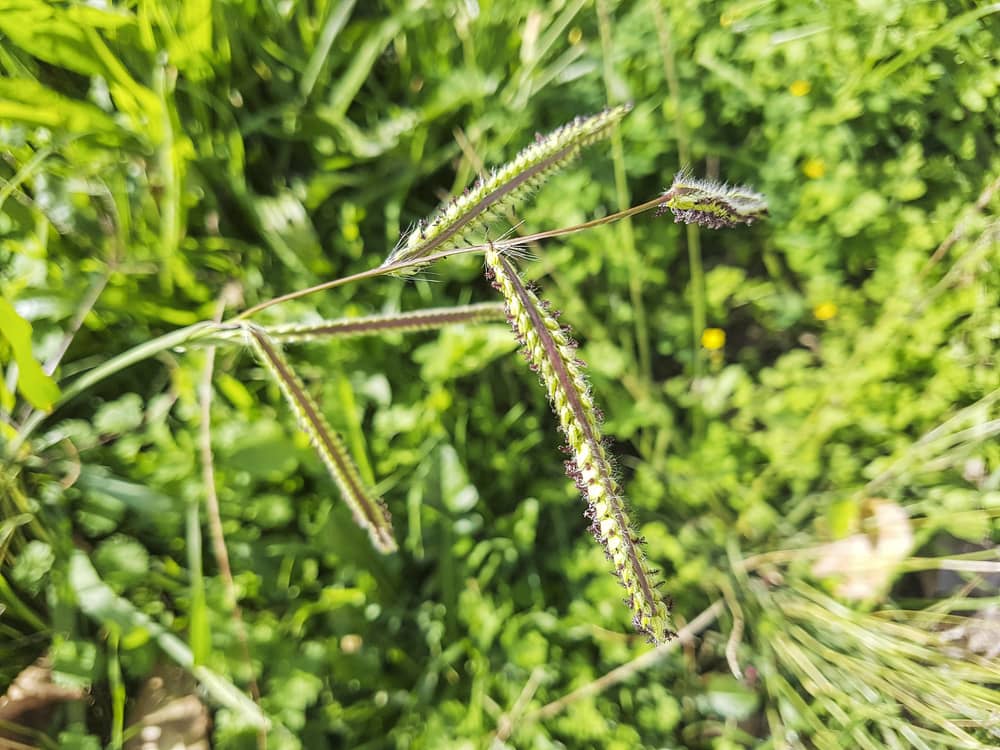
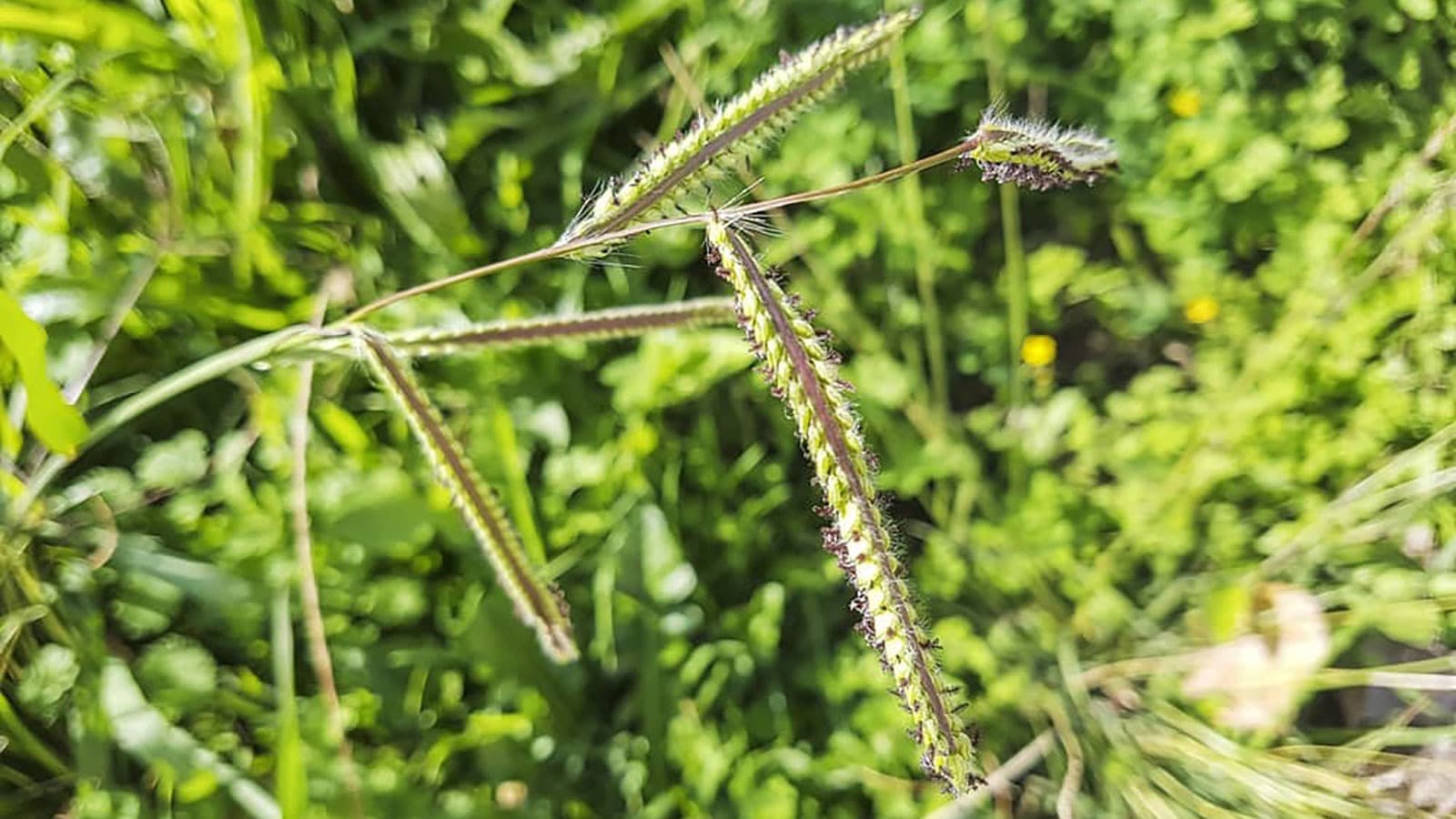
Pictured above from left to right: Dallisgrass growing in clumps and a dallisgrass seed head. The image of dallisgrass to the left is originally from Flickr.com.
Choosing the Right Dallisgrass Control Strategy for Your Lawn
Small Dallisgrass Infestations
For small patches of dallisgrass, hand-pulling is an effective, non-chemical solution. Make sure to remove the entire root system, as even a small remnant can lead to regrowth. This method works best in moist soil to ensure you can extract the roots easily.
Moderate Dallisgrass Infestations
For moderate infestations, combine hand-pulling with selective post-emergent herbicides. Post-emergents like Mesotrione target dallisgrass while sparing desirable turfgrass. Mesotrione cannot be used on zoysia grass lawns, so if you have a zoysia lawn, use Certainty or some other post-emergent for dallisgrass. Apply during the weed's active growth period in late spring or early summer for the best results.
Severe Dallisgrass Infestations
In cases of severe infestation, use a combination of pre-emergent and post-emergent herbicides. Apply a pre-emergent like Dimension in early spring to prevent seed germination, and follow up with a post-emergent treatment for any existing dallisgrass. Multiple applications may be necessary to fully eradicate the weed.
Non-Chemical Treatment of Dallisgrass
Hand-Pulling Dallisgrass
For small infestations, hand-pulling is a viable and environmentally friendly option. However, you must be thorough in removing the entire root system to prevent regrowth. Hand-pulling is most effective when the soil is moist, allowing the roots to be pulled out more easily. This method is ideal before the weed has a chance to produce seeds.
Chemical Treatment of Dallisgrass
Pre-Emergent Weed Control
To prevent dallisgrass from germinating, apply a pre-emergent herbicide in early spring, when soil temperatures reach 60–65°F. Dithiopyr (Dimension) is an excellent pre-emergent option to stop dallisgrass seeds from sprouting. Timing is crucial for maximum effectiveness—apply before the seeds begin to germinate in the spring.
Post-Emergent Weed Control
If dallisgrass has already sprouted, a selective post-emergent herbicide is necessary. Mesotrione is an effective option that target dallisgrass without harming most warm season grass types. Post-emergents should be applied when dallisgrass is actively growing, typically in late spring or summer.
Note: Mesotrione is not safe to use on certain grass varieties, including bentgrass, Poa annua, kikuyugrass, zoysia grass, seashore paspalum and bermuda grass. Always check the label for compatibility with your grass type.
Combine Methods for Persistent Infestations
For persistent dallisgrass issues, it's often necessary to combine chemical treatments with cultural practices. Along with herbicide applications, regularly aerate, mow and fertilize your lawn to promote healthy turfgrass growth. A strong, healthy lawn will naturally suppress weed growth. By combining hand-pulling, herbicide application and proper lawn care, you can reduce dallisgrass more effectively over time.
Post-Treatment Lawn Recovery Tips
After removing dallisgrass with chemical treatments, your lawn may need help to recover. Here are some post-treatment tips:
Overseeding or plugging:
Fill in bare spots caused by weed removal with overseeding or by using grass plugs.
Soil Amendments:
Apply soil amendments like compost or lime to improve soil quality and correct pH imbalances. This helps to create a healthy environment where grass can thrive, reducing the likelihood of weeds returning. Use a soil test to determine what nutrients your lawn needs.
Watering and Fertilization:
Water your lawn deeply but less frequently, encouraging deeper root growth. Use balanced fertilizers to avoid promoting excessive weed growth.
Common Mistakes to Avoid
Incorrect Herbicide Application:
Applying the wrong herbicide or applying it at the wrong time can reduce its effectiveness and even damage your lawn. Always follow label instructions carefully and apply herbicides at the appropriate time in the weed’s growth cycle.
Overwatering:
Dallisgrass thrives in overly moist environments. Water your lawn less frequently but deeply to promote strong grass and discourage weed growth.
Mowing Too Short:
Cutting your grass too short weakens it and allows light to reach weed seeds, promoting germination. Mow your grass at the recommended height for your grass type to shade out weeds.
Neglecting Bare Spots:
Bare spots are prime locations for dallisgrass to establish. Overseed these areas quickly with dense grass varieties to prevent new weed growth.
How do I remove dallisgrass? - Answered
To control dallisgrass, use a combination of methods based on the severity of the infestation. For small patches, hand-pulling the entire root system is effective, while moderate to severe cases require selective post-emergent herbicides like Mesotrione, applied during the weed’s active growth. For prevention, apply a pre-emergent herbicide in early spring, and always maintain a healthy lawn by overseeding bare spots, using soil amendments and practicing proper mowing and irrigation to outcompete weeds.