Selecting the right sod for your lawn is akin to picking the perfect outfit for an important event—it has to be just right. No matter the size of your lawn, the choice of grass you lay down can significantly influence both the appearance and upkeep of your outdoor space.
With a plethora of grass types available, making an informed decision can seem daunting, but it's best for the long-term health and appearance of your landscape.
Unsure of Which Grass to Choose?
Explore our Sod Sales tool below and enter your address to discover the best grass for your needs.

Why the Right Sod Makes All the Difference
Choosing the right sod can reduce the need for water, fertilizer and time spent on maintenance.
More importantly, it ensures your lawn can withstand the wear and tear of everyday activities, be it kids playing or guests mingling at a backyard gathering.
Exploring Your Turfgrass Options
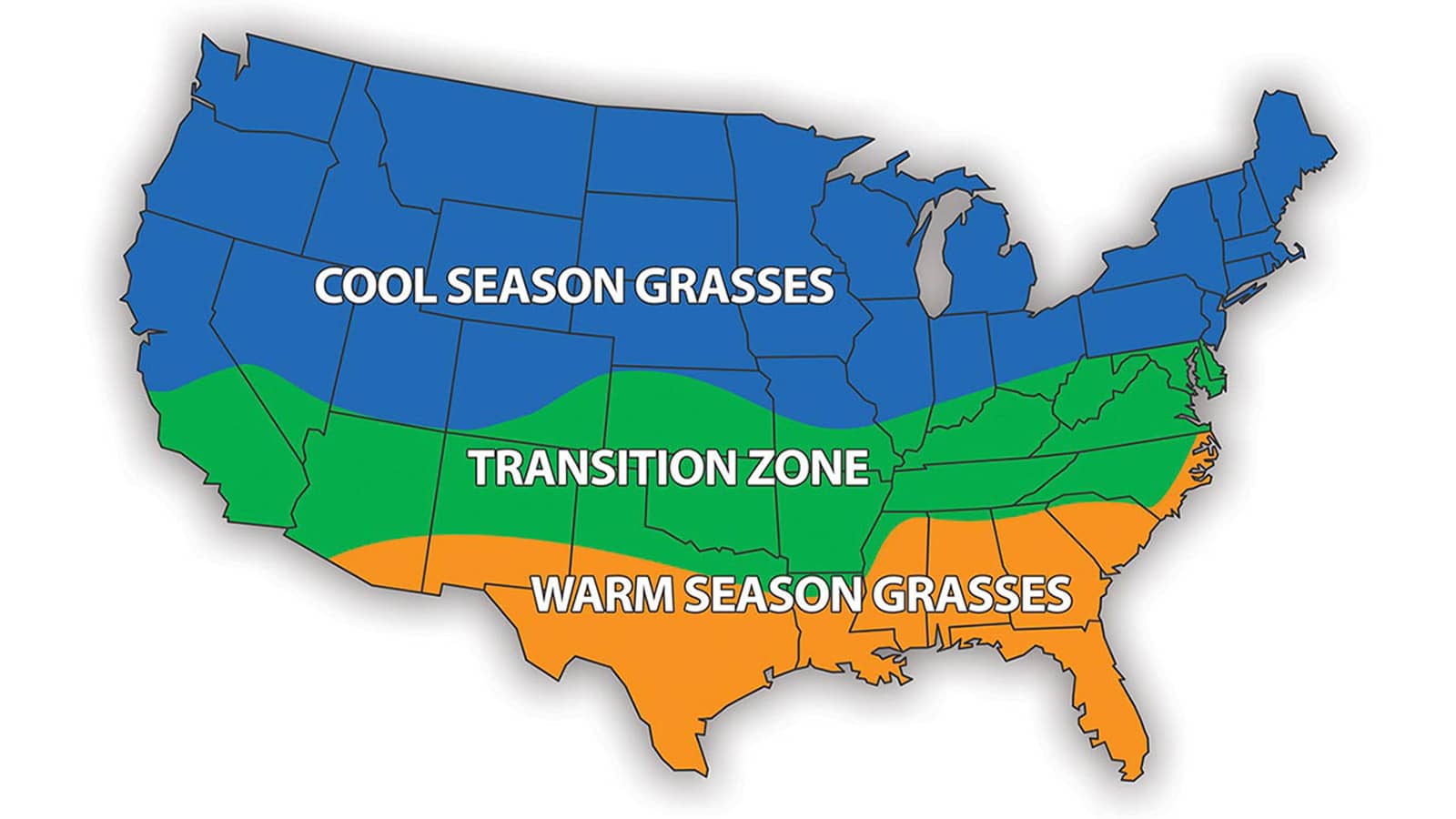
- Warm Season Grasses: These grasses excel in heat and include varieties like zoysia, centipede grass, bermuda and St. Augustine.
- Cool Season Grasses: Ideal for the northern retreats, with types like Kentucky bluegrass and tall fescue.
Understanding Your Lawn's Needs
- Shade vs. Sun: Does your yard bask in sunshine, or is it a haven of shade? Select a grass type that matches your light availability.
- Soil Type: Whether it's sandy, loamy or packed with clay, each soil type interacts differently with different grasses.
- Foot Traffic: If your lawn is a playground or a social space, consider hardier turf that can withstand frequent use.
The Best Grass for Shade
If your lawn has a lot of shade, is it filtered sunlight (partial shade) from a tree, for example, or zero sunlight from a nearby house or other large, permanent structure?
St. Augustine grass is one of the best grasses for shady areas, and fine-bladed zoysias also rank pretty high.
- Palmetto® St. Augustine
- CitraBlue® St. Augustine
- Innovation® Zoysia are some of the best grasses for shade.
Tackling Insects and Disease
If insects or diseases have severely damaged your lawn in the past, the best thing you can do is identify the type of insect or disease you encountered. Knowing this will help you take actionable steps to prevent it from happening again.
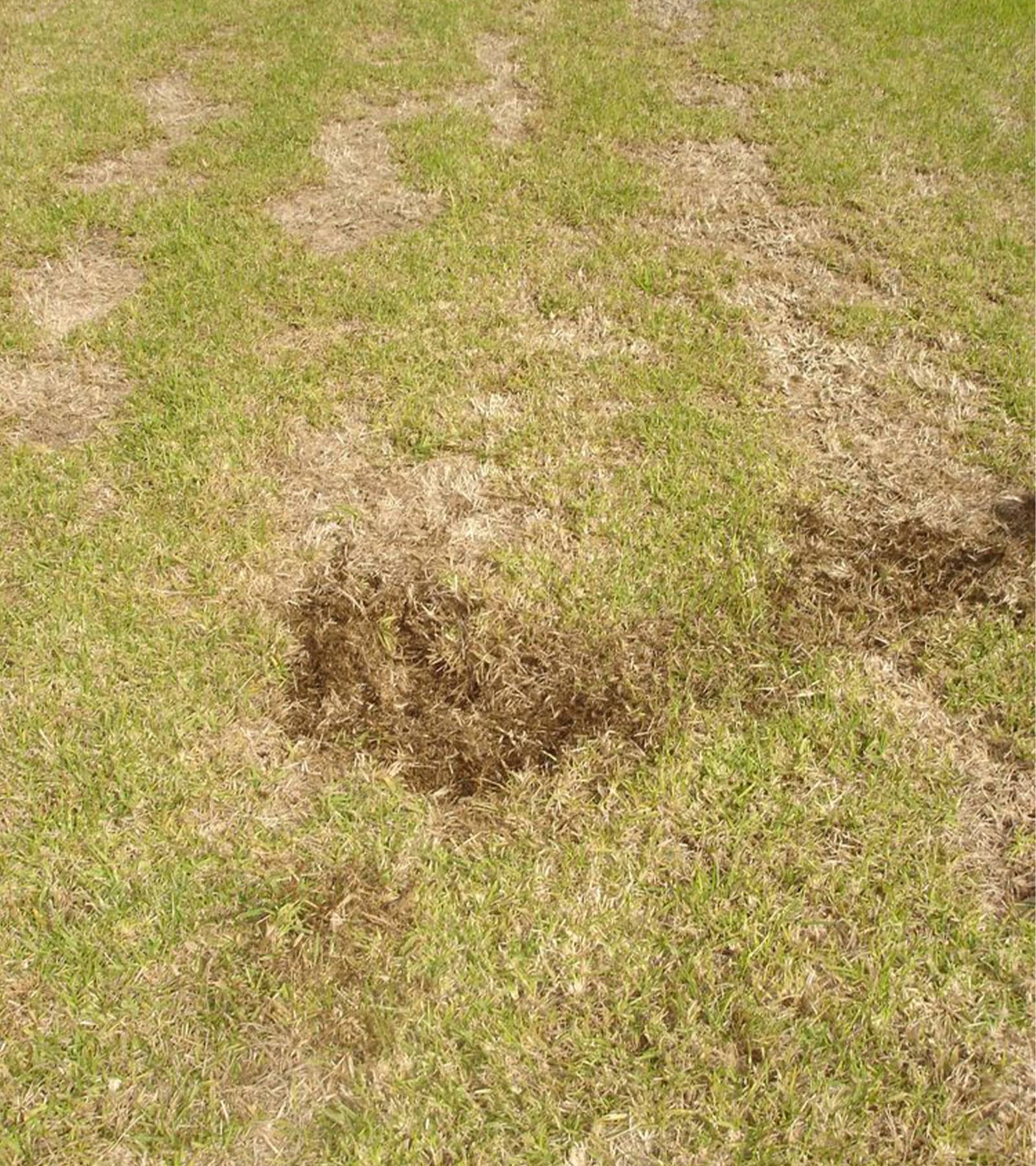
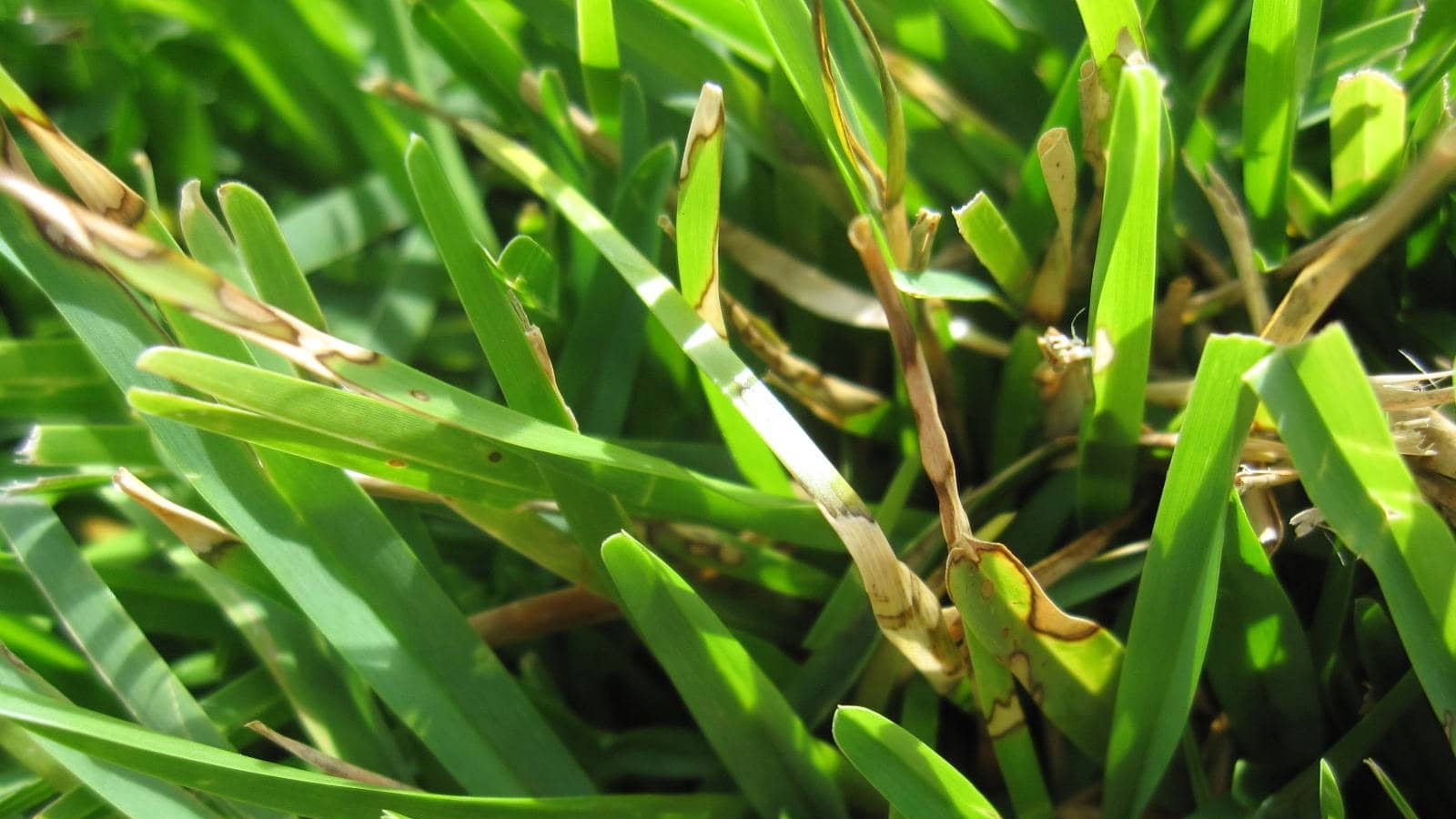
Pictured above from left to right: Chinch bug damage to a home lawn and grey leaf spot in St. Augustine grass.
For example, consider the common lawn pests like chinch bugs, which are notorious in the southern United States. These pests, along with diseases such as grey leaf spot, can significantly harm St. Augustine grass, as shown in the accompanying images.
To safeguard your lawn, consider applying a systemic insecticide or fungicide seasonally, before pests or diseases have a chance to establish themselves. This proactive approach helps prevent them from taking over your lawn once more.
If you are a homeowner whose lawn was demolished by chinch bugs, a common insect in the lower portion of the United States, it may be beneficial for you to stay away from St. Augustine grass and install EMPIRE® Zoysia, a chinch bug-resistant variety.
The Best Grass for Children and Pets
If you have pets or children who love the outdoors, finding durable grass with a strong root system is your best bet.
Some of these include:
The Best Grass for Different Soil Types
Although there are various types of soils, the three main types of soils are sandy, clay and loamy. If you live in an area like Georgia, you may have a lot of clay soil with pH ranges that are usually too high or too low.
If you live near the coast, you may have very sandy soils, which are great for water drainage but have a low holding capacity, so nutrients aren’t absorbed as much. Loamy soil is ideal in the sense that it contains clay and sandy soil, organic materials and permits the appropriate amount of water improvement.
- St. Augustine grass thrives in subtropical conditions and coastal regions, so if your lawn has sandy soils, it might be a good choice.
- Bermuda grass also performs well in these regions due to its high salt tolerance. However, bermuda grass is adaptable and will grow in many different locations and soil types, including clay soils.
- Zoysia grass will also adapt to most soil types and will grow in clay soils.
The best thing to do before planting is to collect and submit a soil analysis so that you can determine which nutrients your grass needs.
The Best Grass for Low Maintenance
Certain grasses require different amounts of maintenance, from mowing to irrigation to insect control. One type of turfgrass may require more water than the other, but the other type requires more mowing, for example.
It’s important to know these characteristics when installing a new lawn so you know how to take care of it and what kind of maintenance you’re trying to avoid.
Centipede grass is often referred to as the "lazy man's grass" because of its low maintenance. It is one of the lowest-maintenance grasses available for warmer climates.
What kind of look do you prefer?
Another factor to consider is the type of “look” you want for your lawn. You’re purchasing an expensive product that will require maintenance, so you may as well purchase something you’ll enjoy.
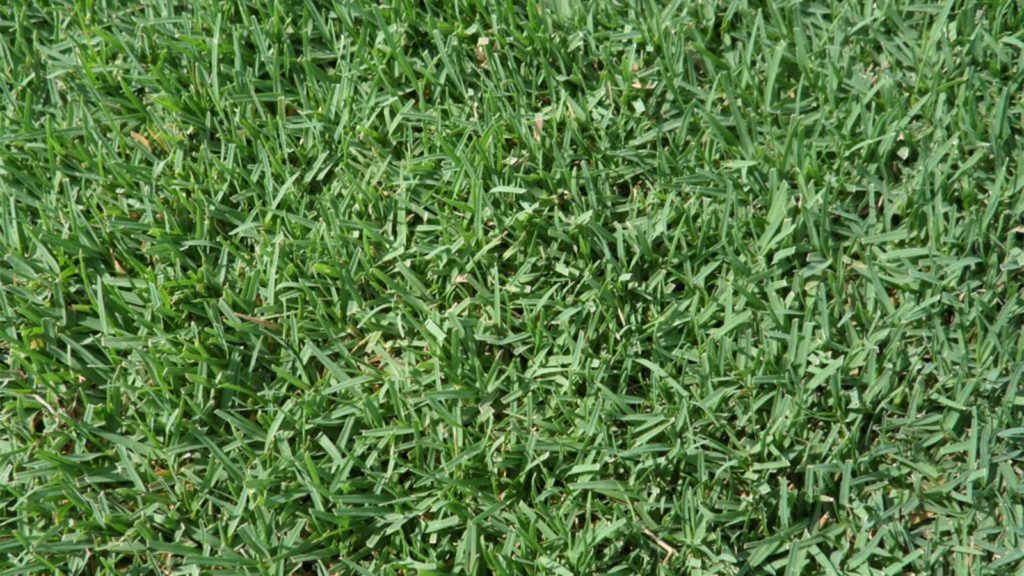
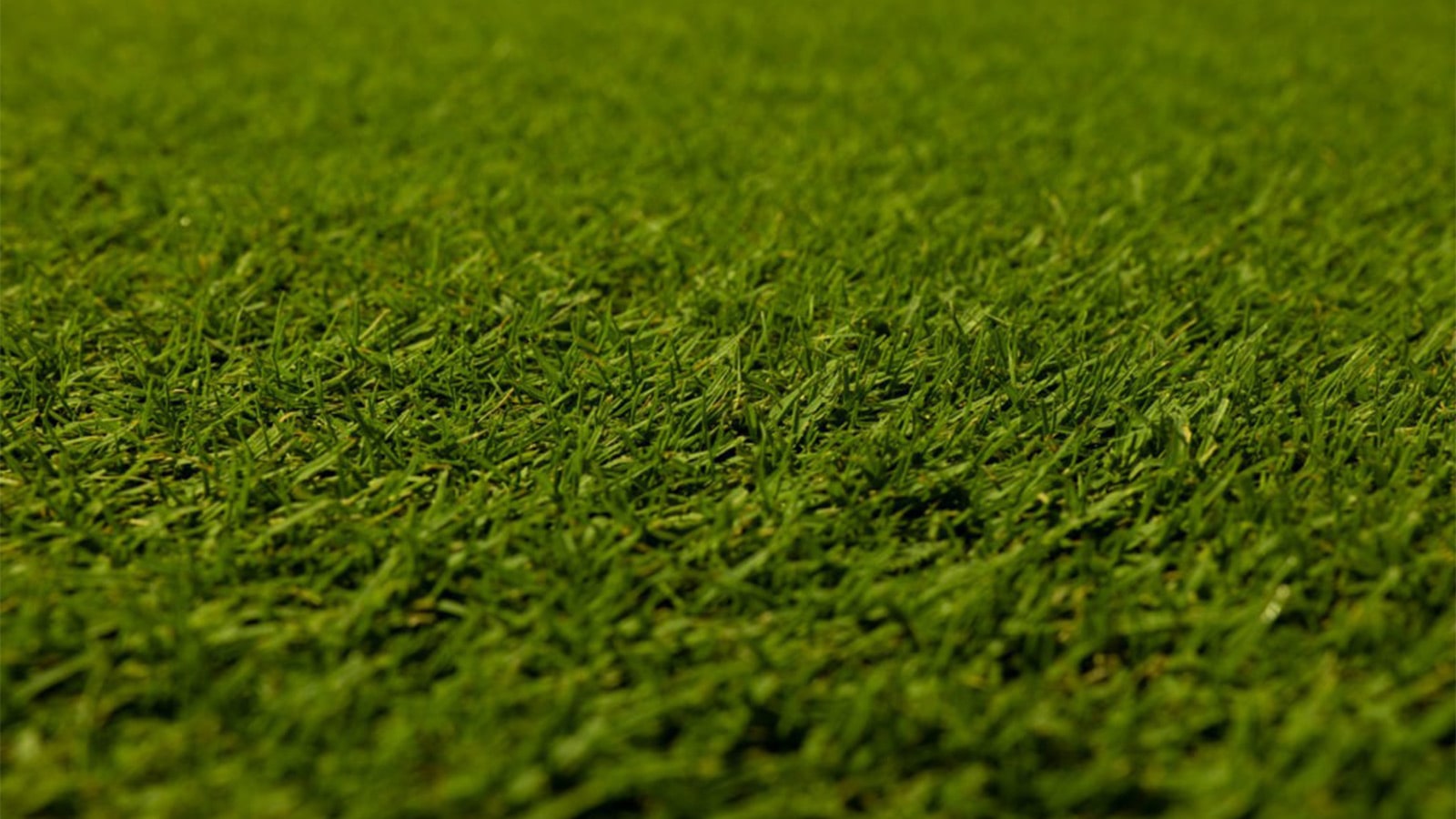
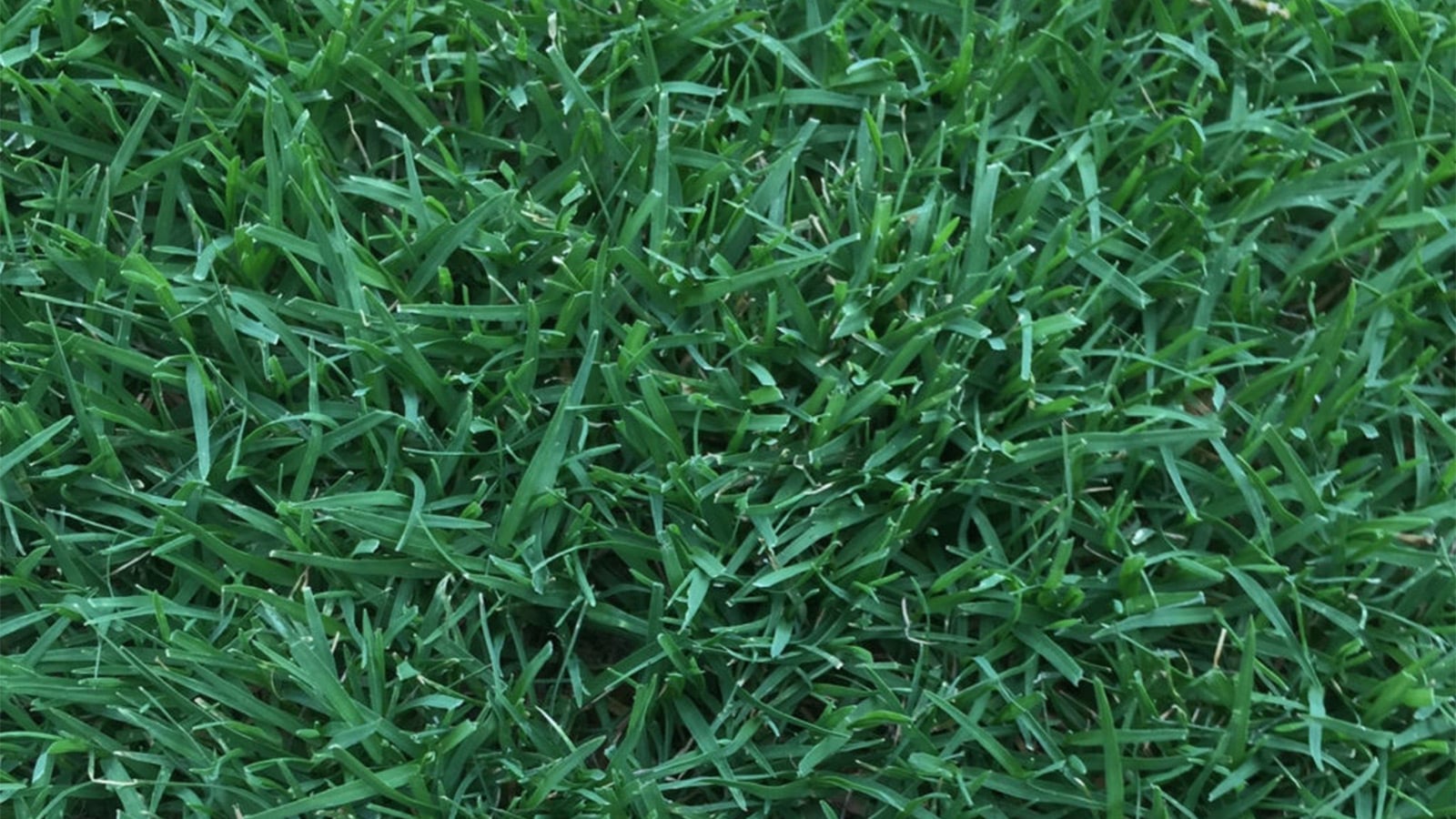
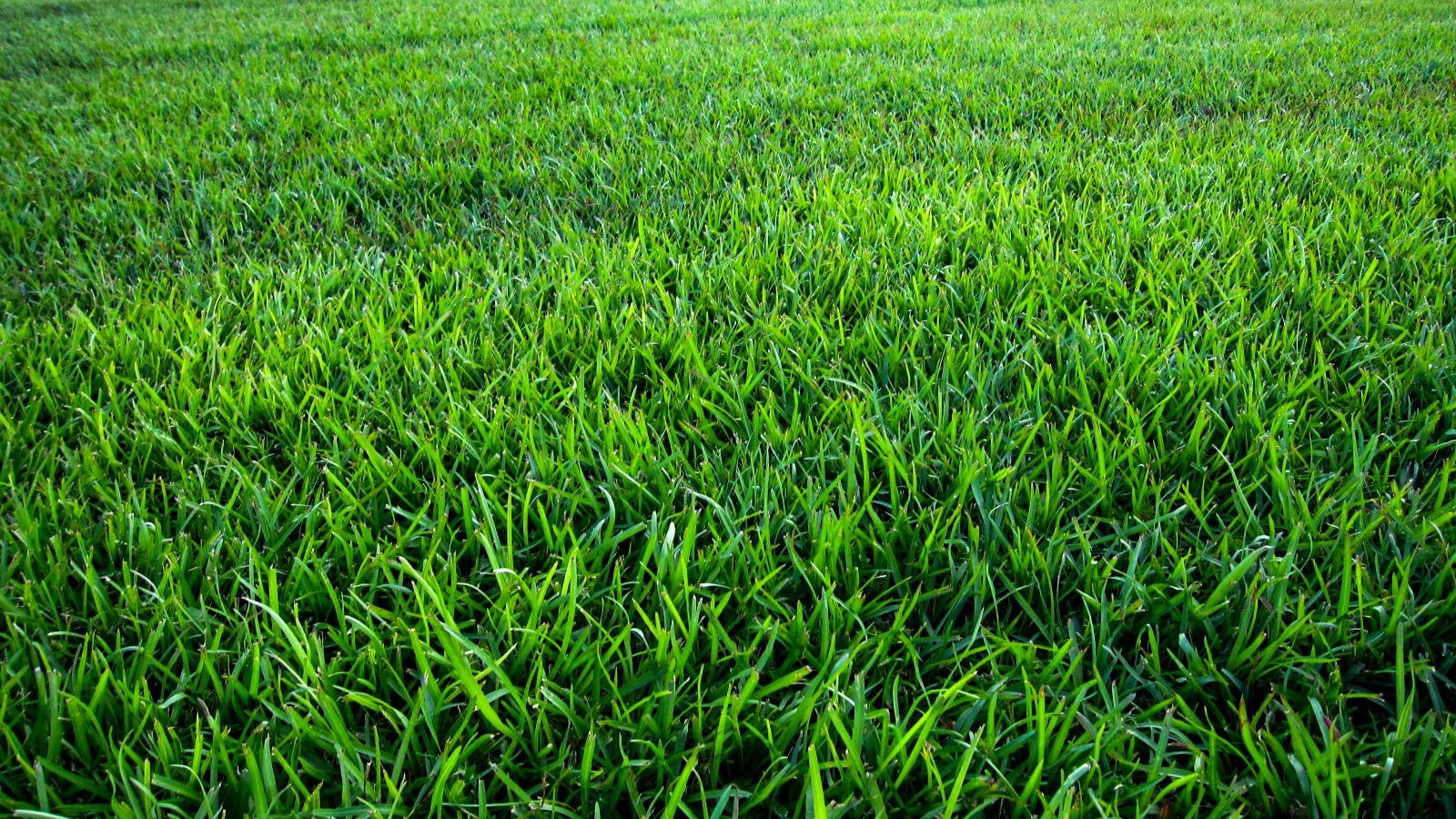
If you enjoy the fine-bladed look like the picture below, you may enjoy a zoysia grass like Innovation or a bermuda grass lawn like Latitude 36.
If you like the thicker, tropical grass blade look, you may enjoy a St. Augustine lawn like Palmetto or CitraBlue® St. Augustine.
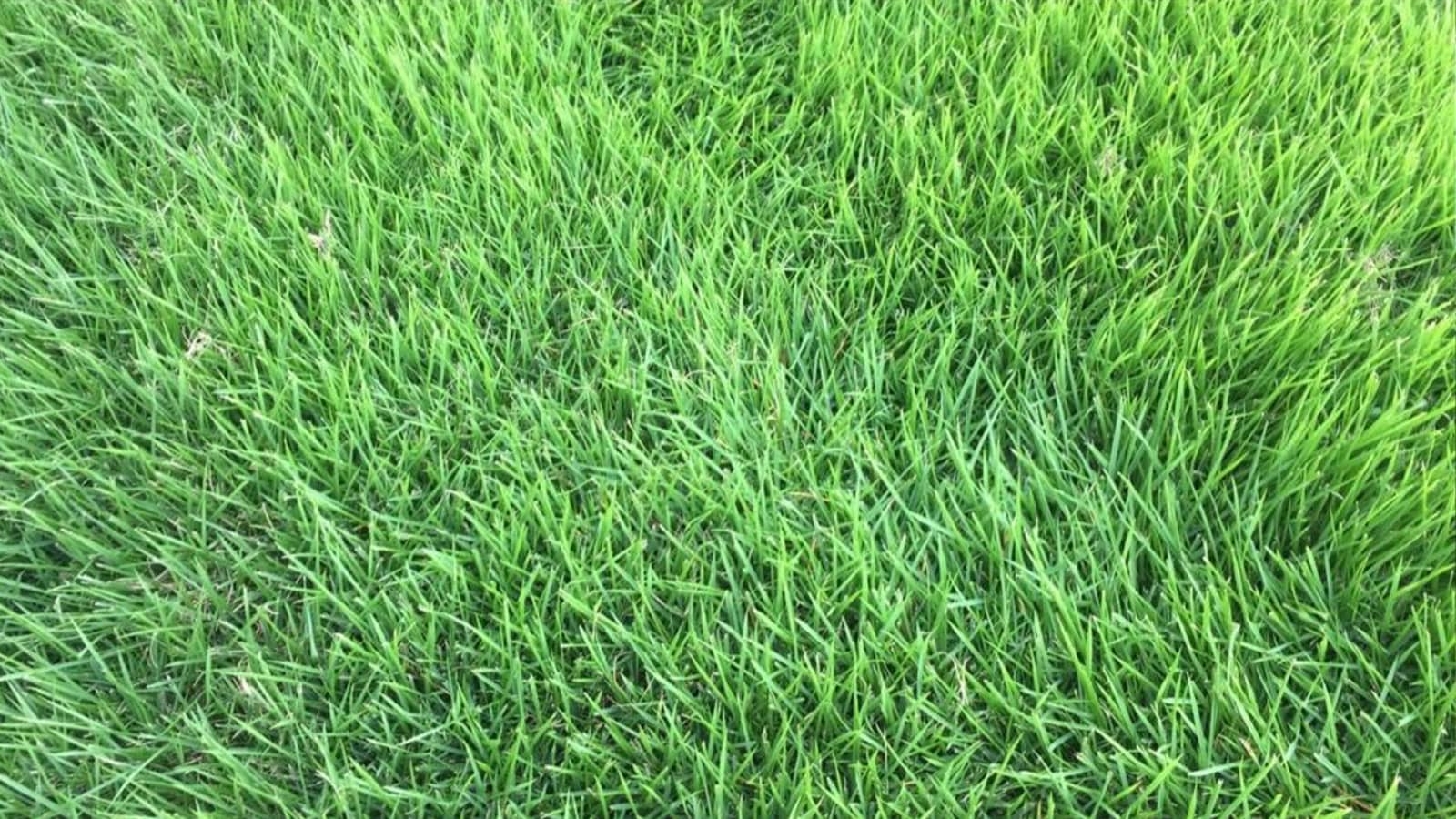
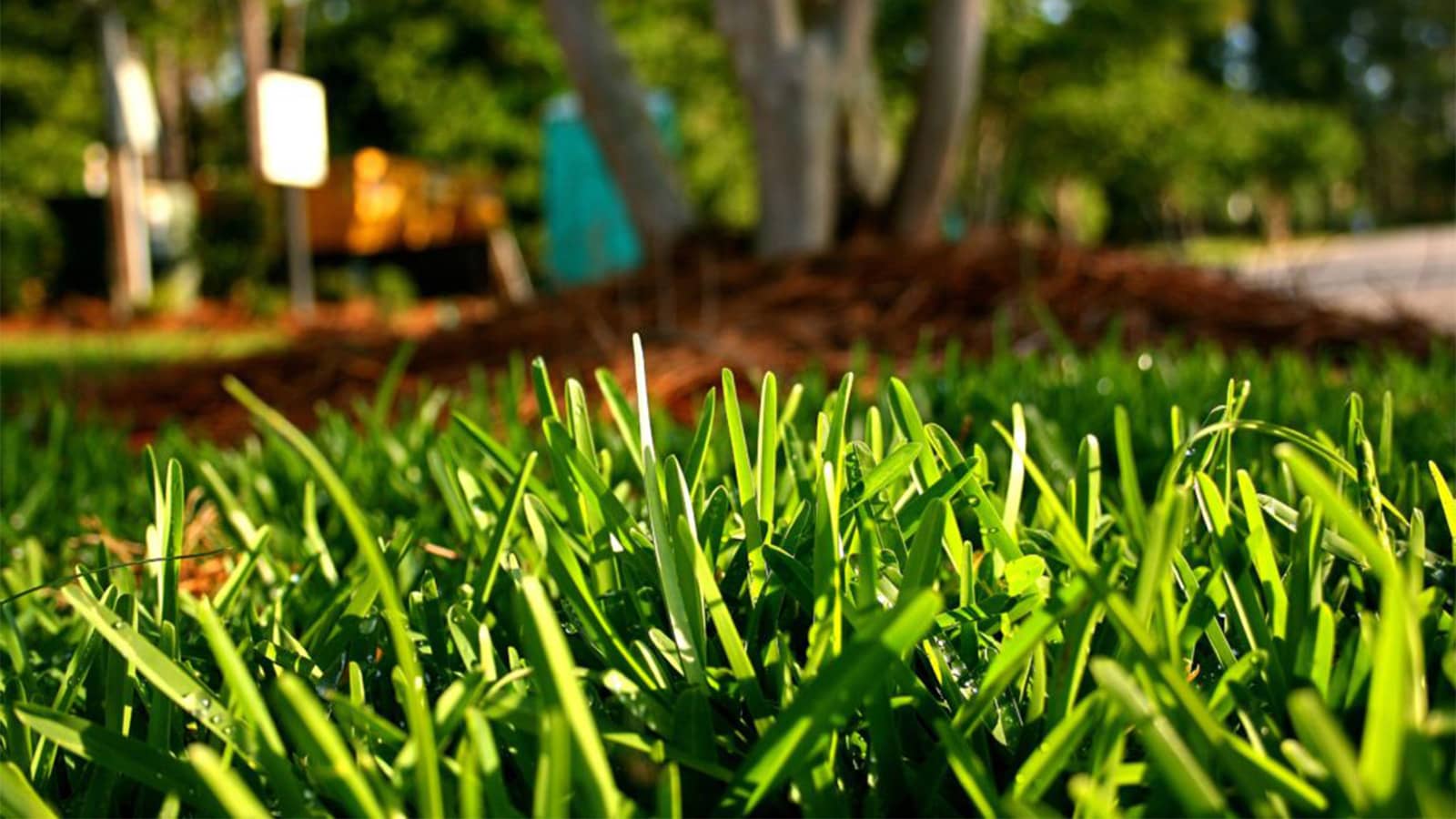
Pictured above from left to right: Innovation Zoysia and Palmetto St. Augustine.
Budget Considerations
Sometimes what really matters is how much you are willing to pay for new sod or seed installation. This is one of the most important factors when choosing a new lawn.
Oftentimes, you get what you pay for and not all grasses are created equally. They have different characteristics and traits. Find out how much sod you need for your yard and then find out how many sq. ft. are on a pallet to figure out how much you need to spend.
Once you’ve figured out which type of grass you want to install at home, follow the proper installation and establishment procedures so your lawn grows successfully. Be sure to check out the Lawnifi® New Lawn Starter Box, a fertilizer package we recommend for new grass.
St. Augustine Grass
- Warm season
- Wide-bladed; rounded blade tip
- Maintenance
Palmetto St. Augustine Grass
- Shade Tolerant
- Wear Tolerant
- Soft Texture
- Cold Tolerant
- LVN Resistant
- Maintenance
CitraBlue St. Augustine Grass
- Reduced Mowing
- Top Rated Shade Tolerance
- Drought Tough
- Improved Disease Resistance
- Competitive Against Weeds
- Maintenance
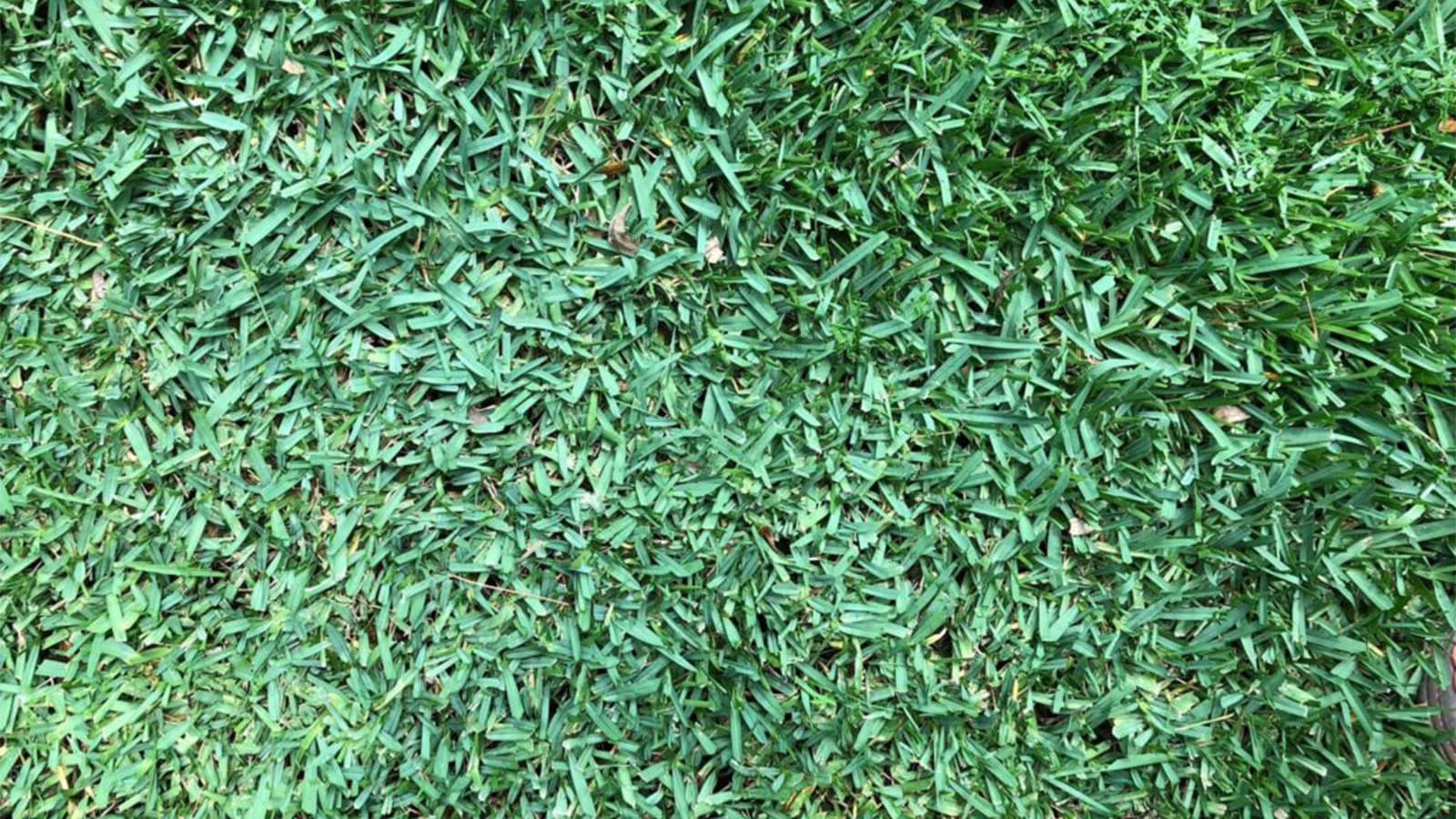
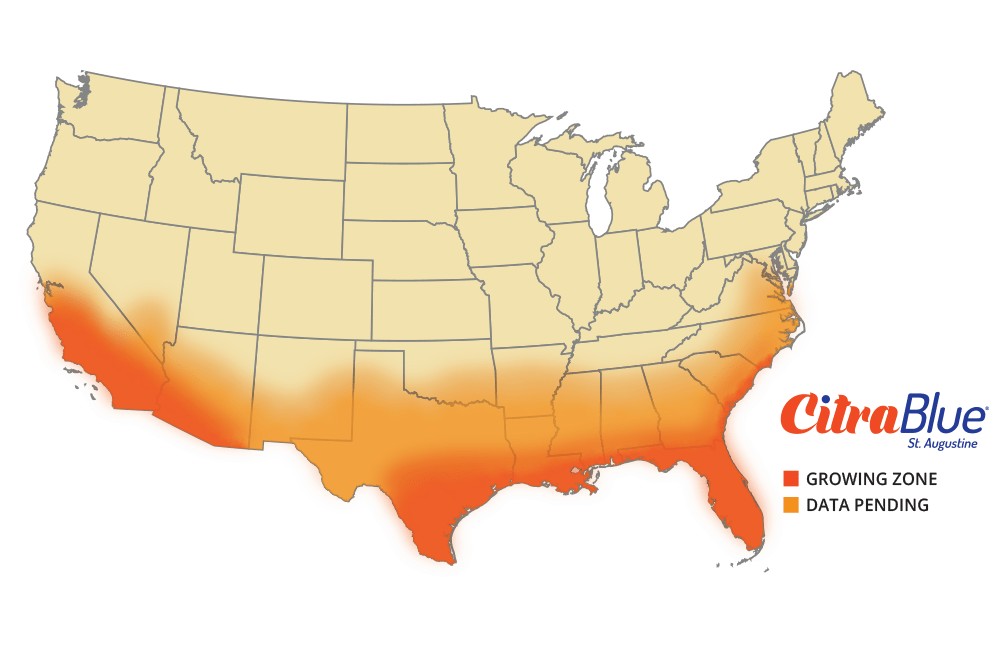
Sola St. Augustine
- Thrives in dense shade
- Highly resistant to gray leaf spot
- Less irrigation required and less damage from chinch bugs
- Stands up to cooler weather
Sola St. Augustine, a recently developed grass by NC State, is currently in limited supply but will become more widely available soon.
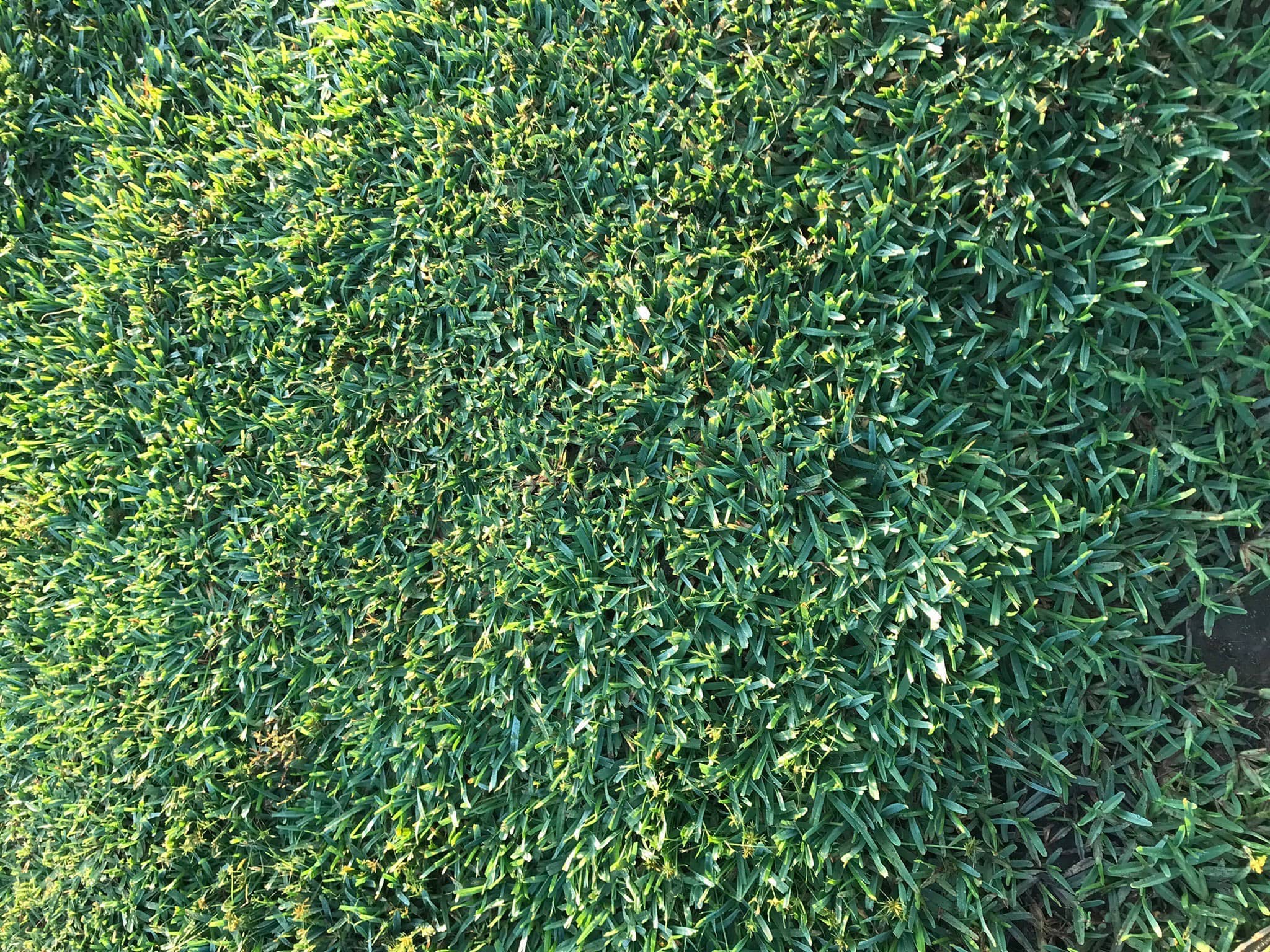
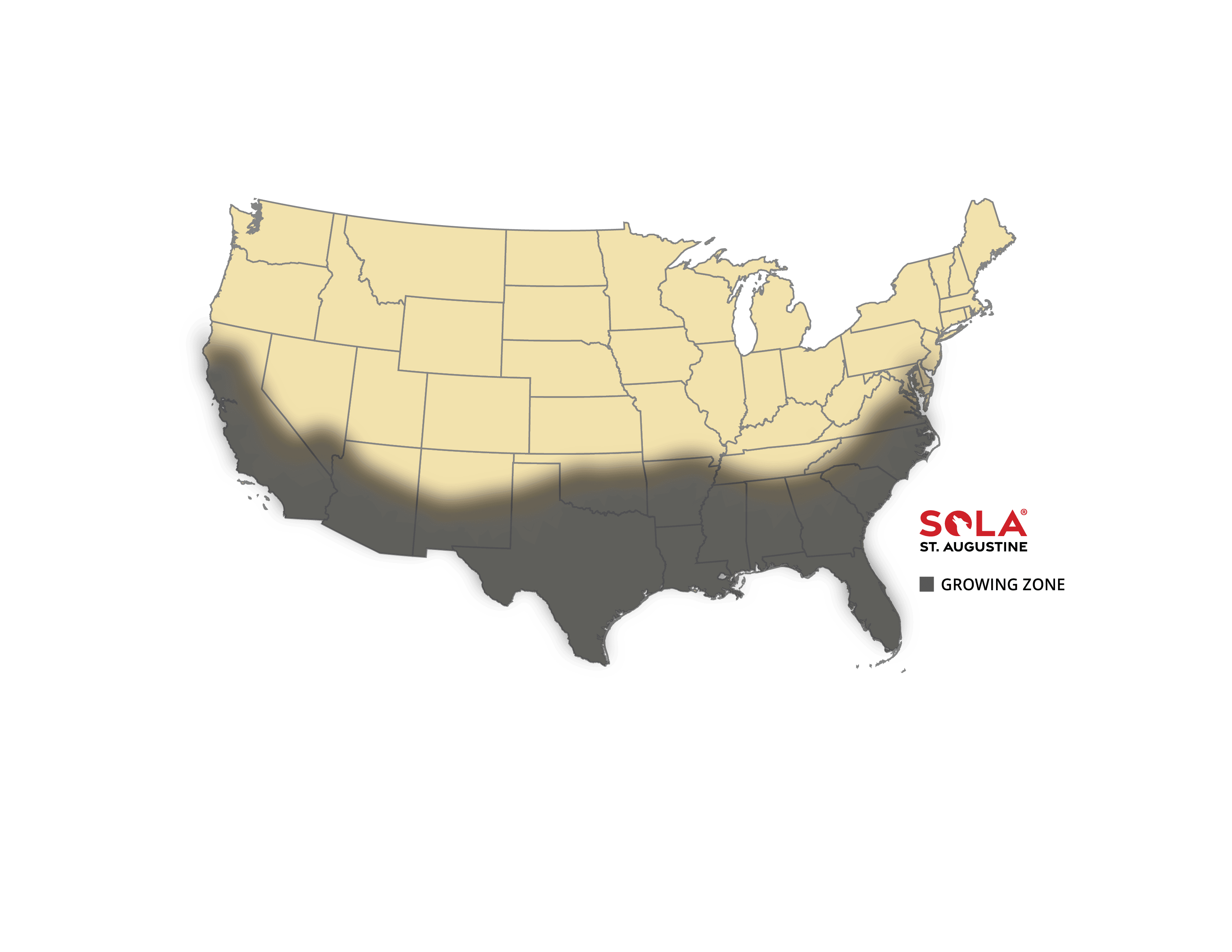
Cobalt St. Augustine
- Thrives in heavy shade
- Excellent drought resistance
- Low maintenance
- Winter hardy
Cobalt St. Augustine, a recently developed grass by Texas A&M, is currently in limited supply but will become more widely available soon.
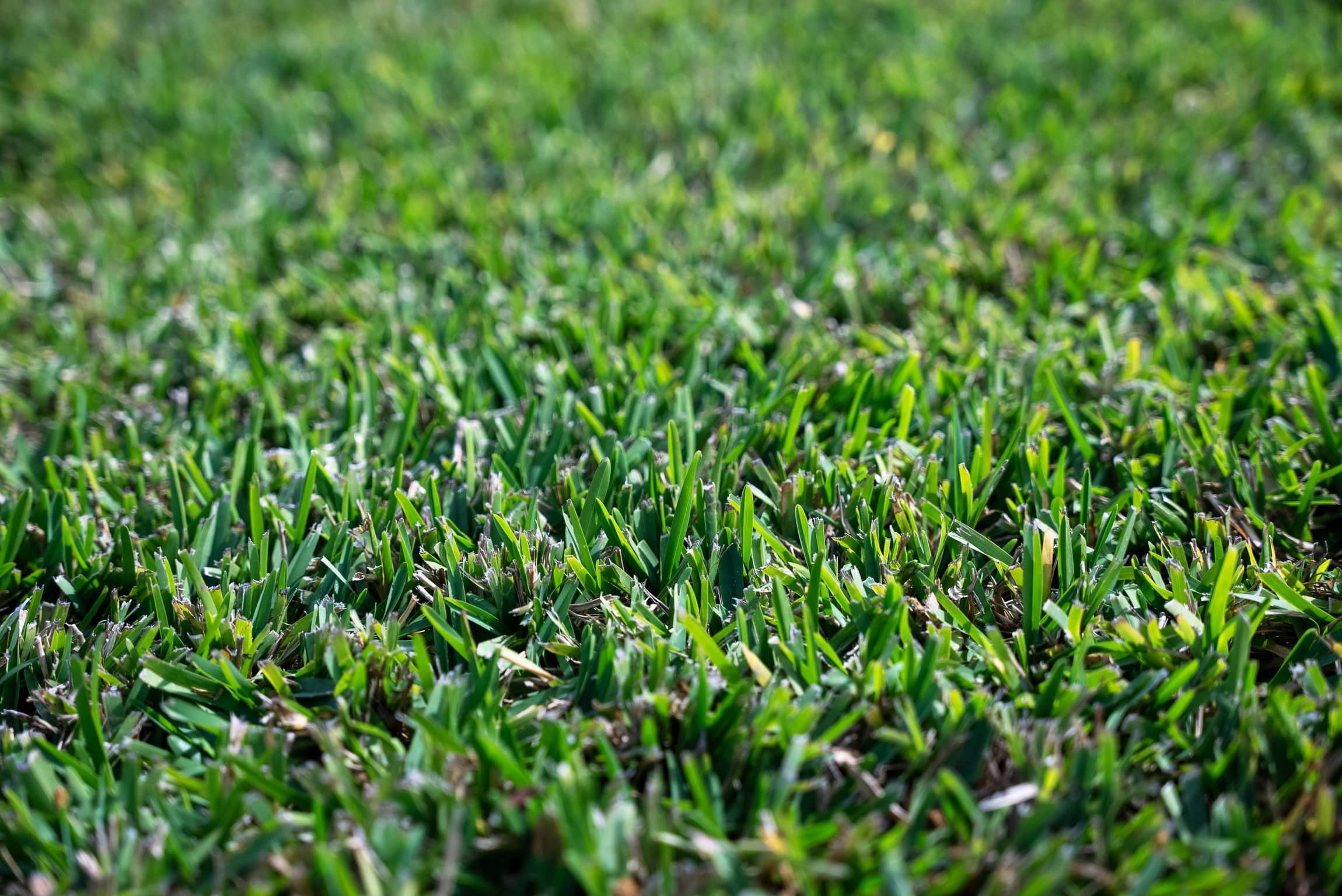
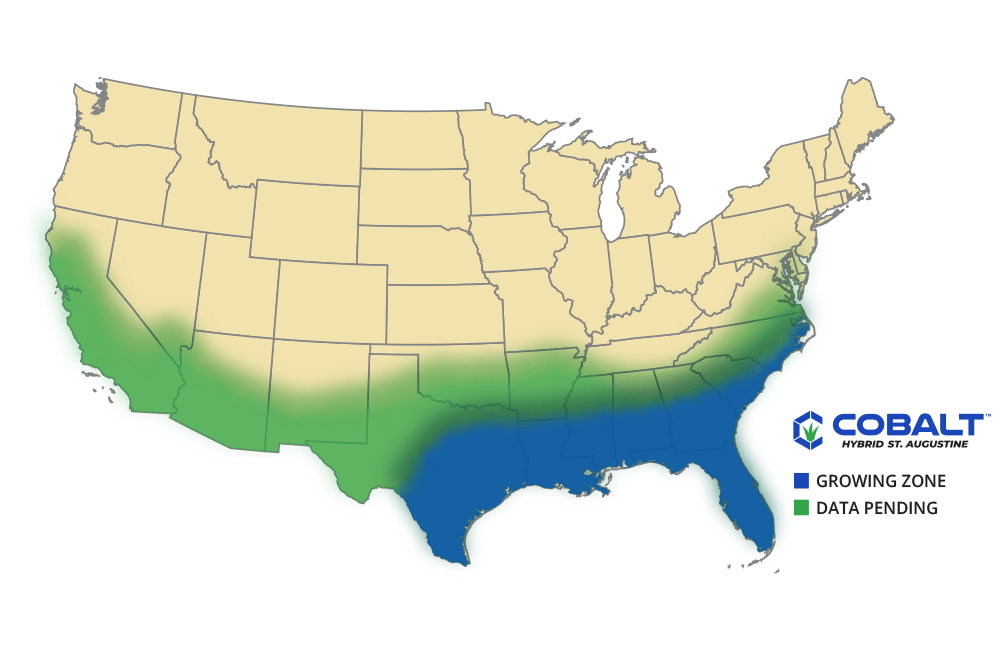
Zoysia Grass
- Warm season
- Fine or wide-bladed; pointed blade tip
- Maintenance
EMPIRE Zoysia Grass
- Wear Tolerant
- Injury Recovery
- Shade Tolerance
- Drought Tolerance
- Soft Texture
- Disease Resistance
- Maintenance
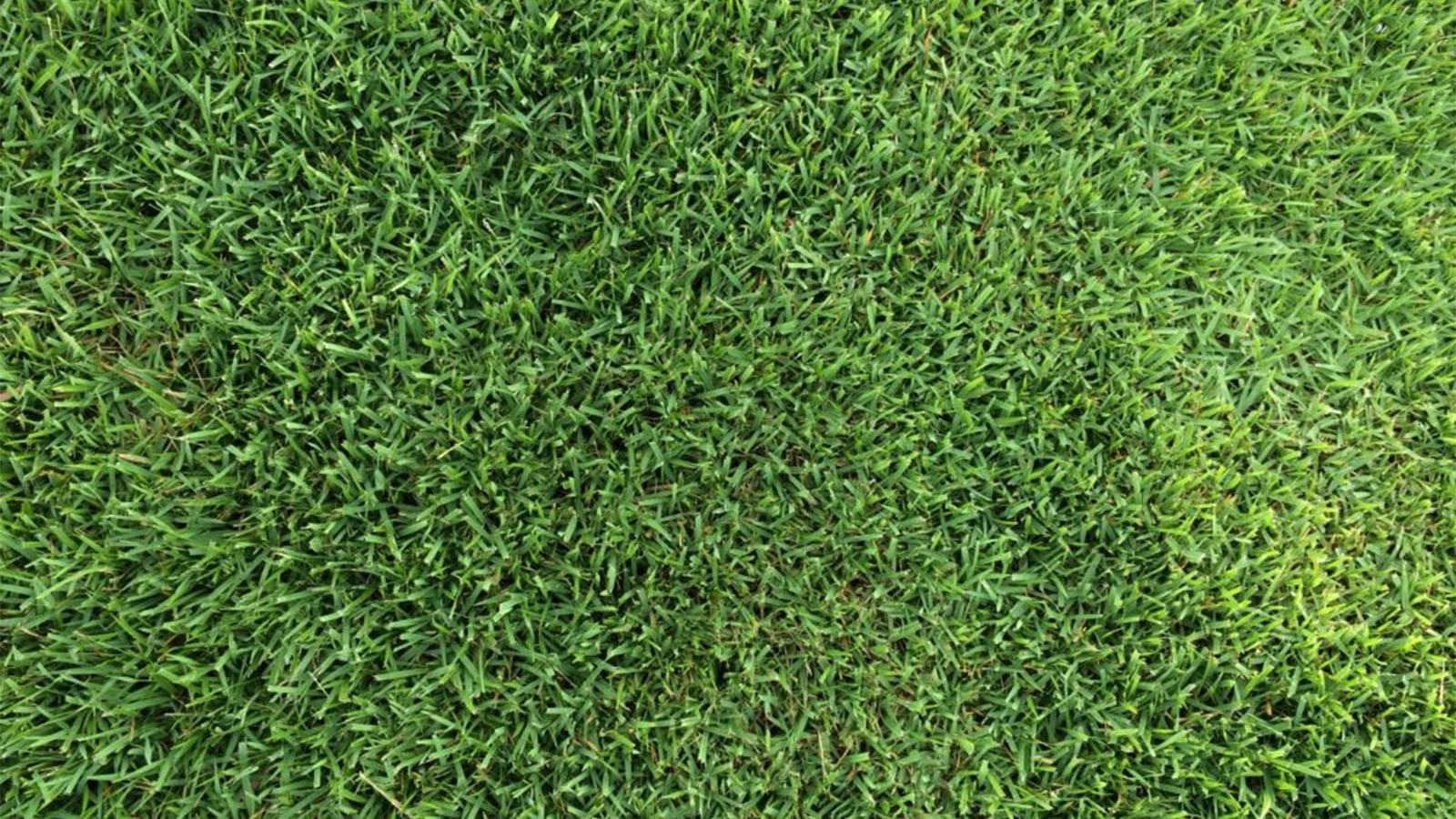
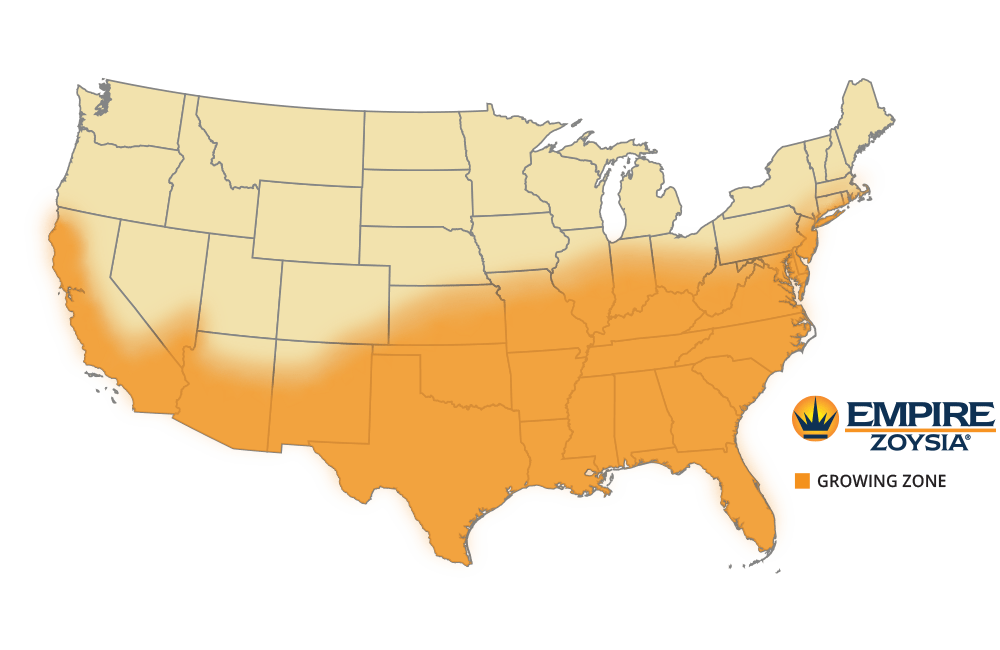
Innovation Zoysia Grass
- Cold Tolerant
- Medium-to-Fine Texture
- Shade Tolerance
- Drought Tolerance
- Wear Tolerance
- Maintenance
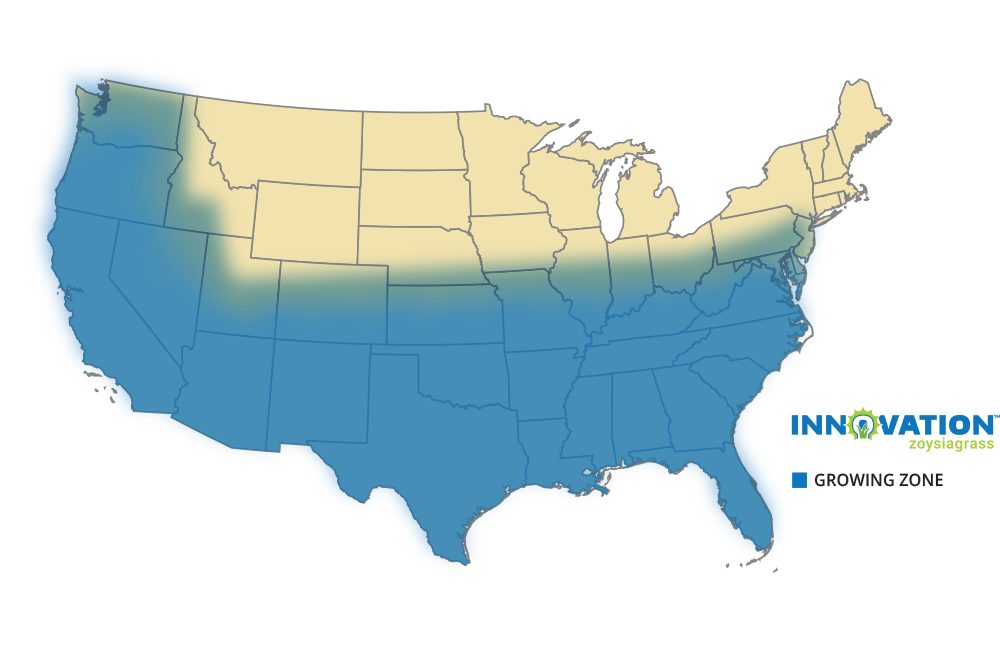
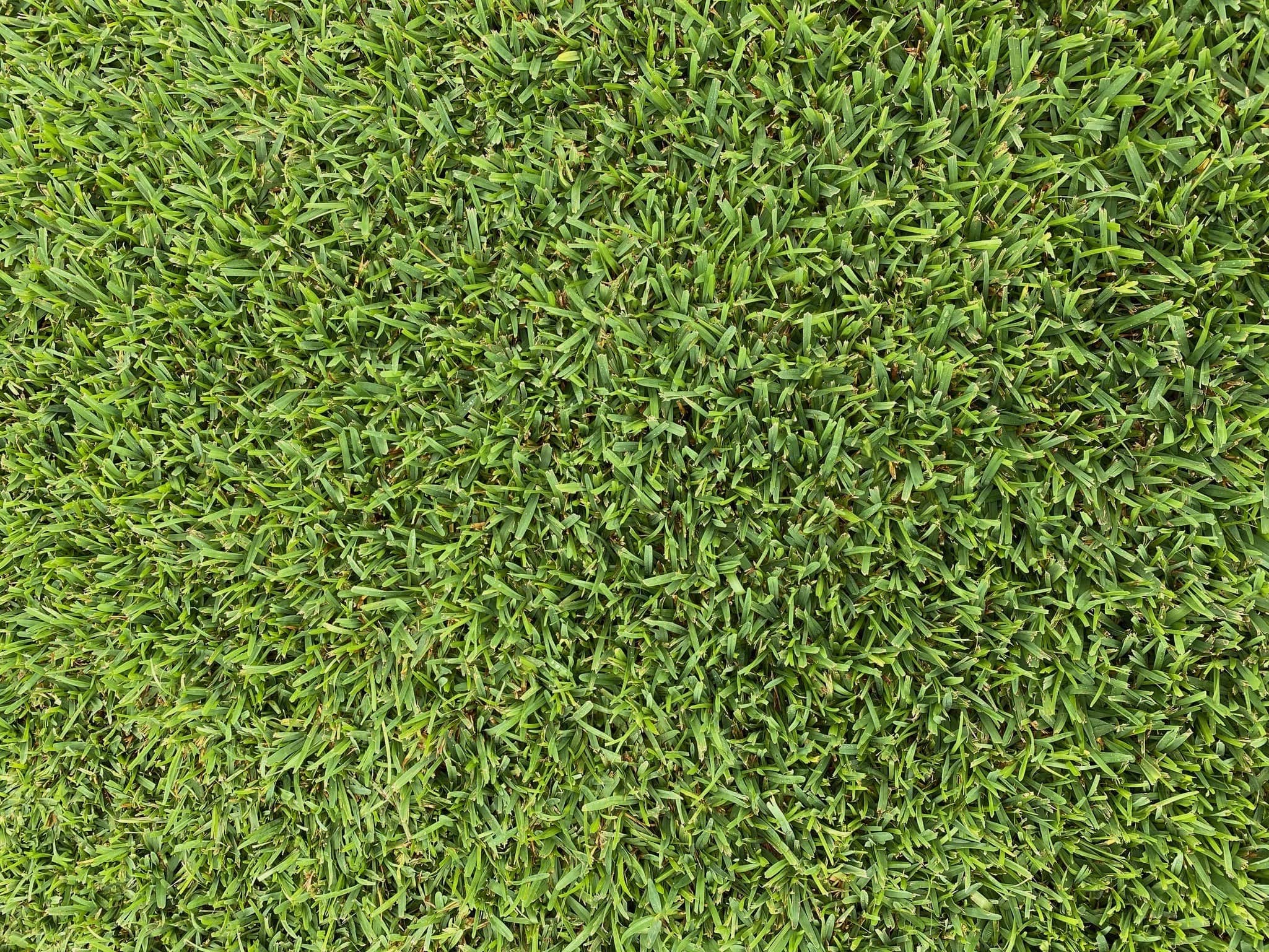
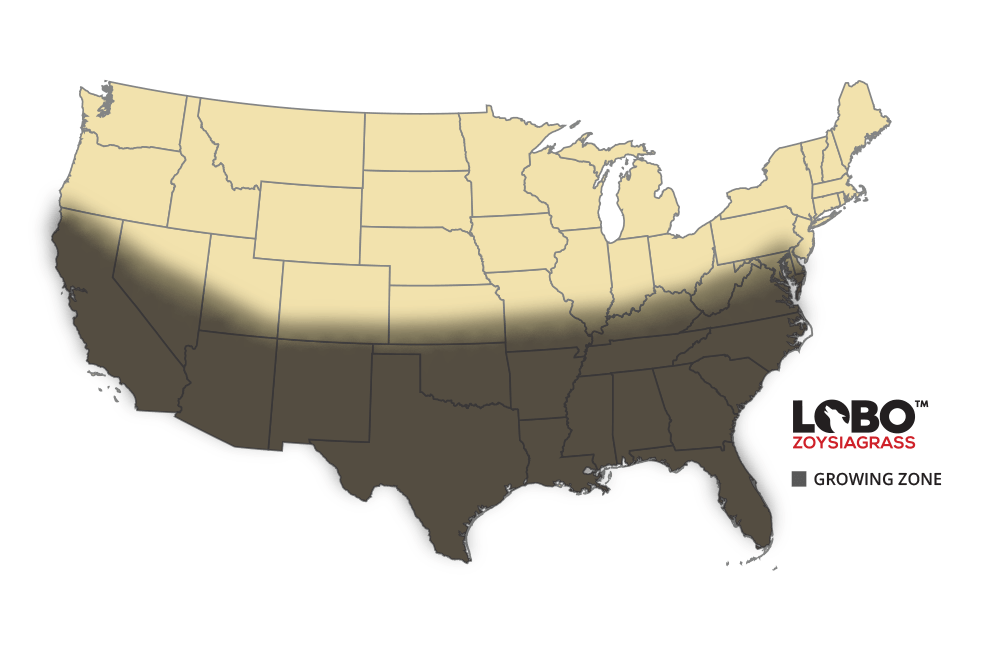
Lobo Zoysia
- Superior shade tolerance
- Low maintenance
- Excellent durability
- Disease resistance
Lobo Zoysia, a recently developed grass by NC State, is currently in limited supply but will become more widely available soon.
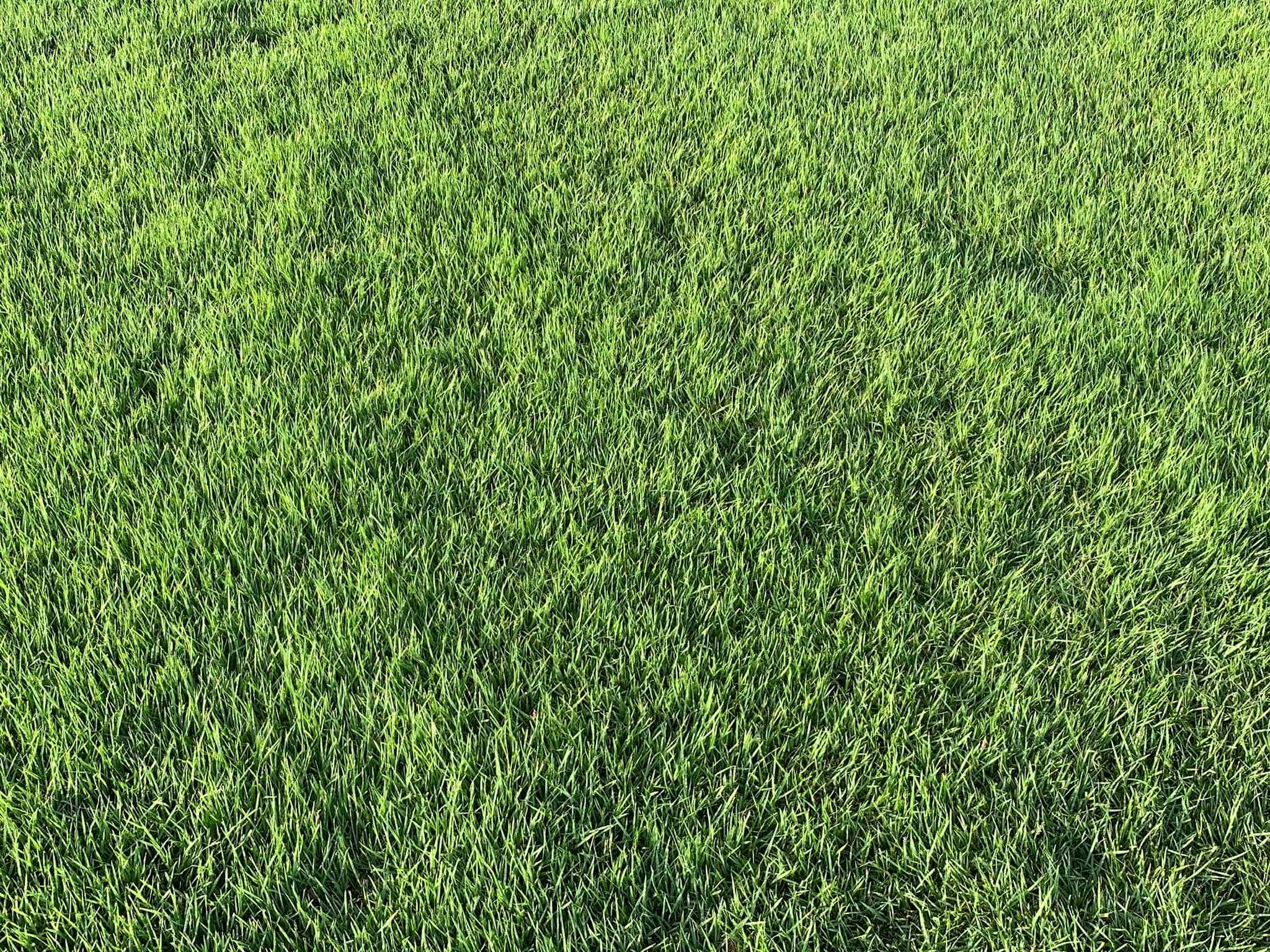
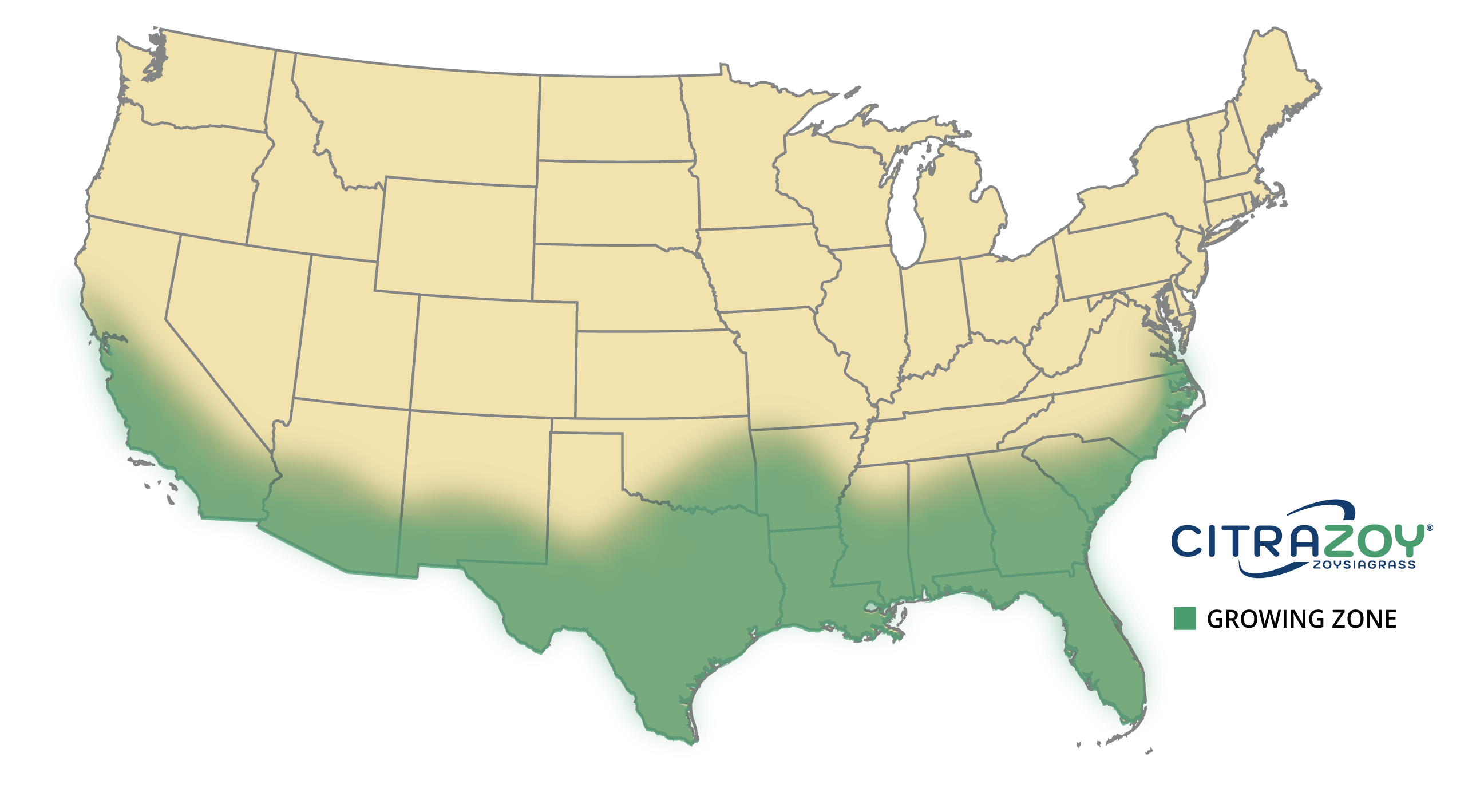
CitraZoy Zoysia
- Dark green color
- Excelent shade tolerance
- Superior resistance to insects and disease
- Drought tolerance
Bermuda Grass
- Warm Season
- Fine-Bladed; Pointed Blade Tip
- Maintenance
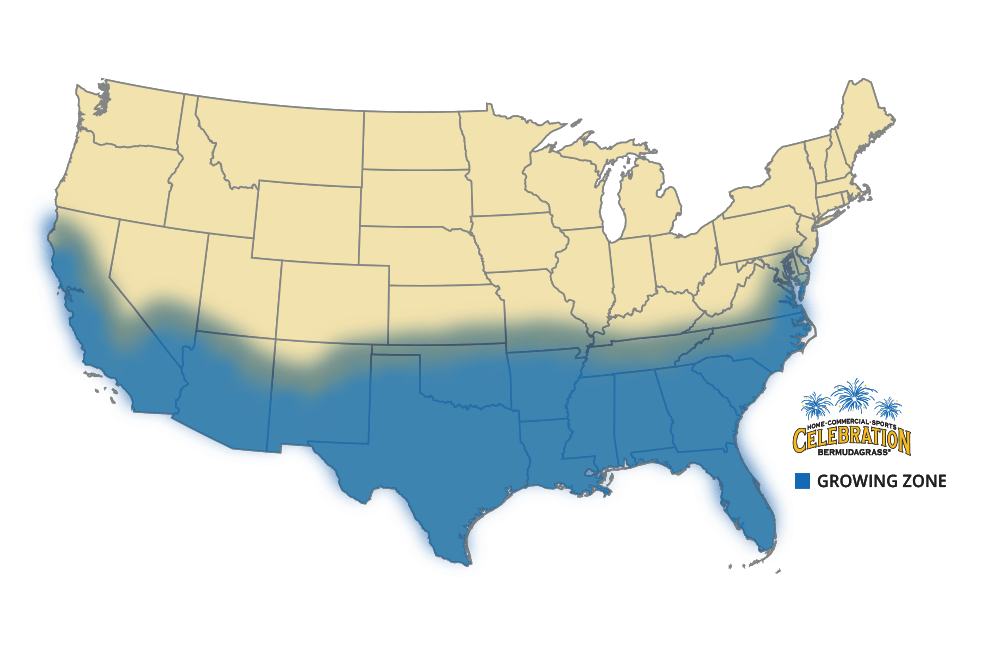
Celebration Bermudagrass
- Drought Tough
- Shade Tolerant
- Superior Recovery Ability
- Wear Tolerant
- Soft Texture
- Easy to Maintain
- Maintenance
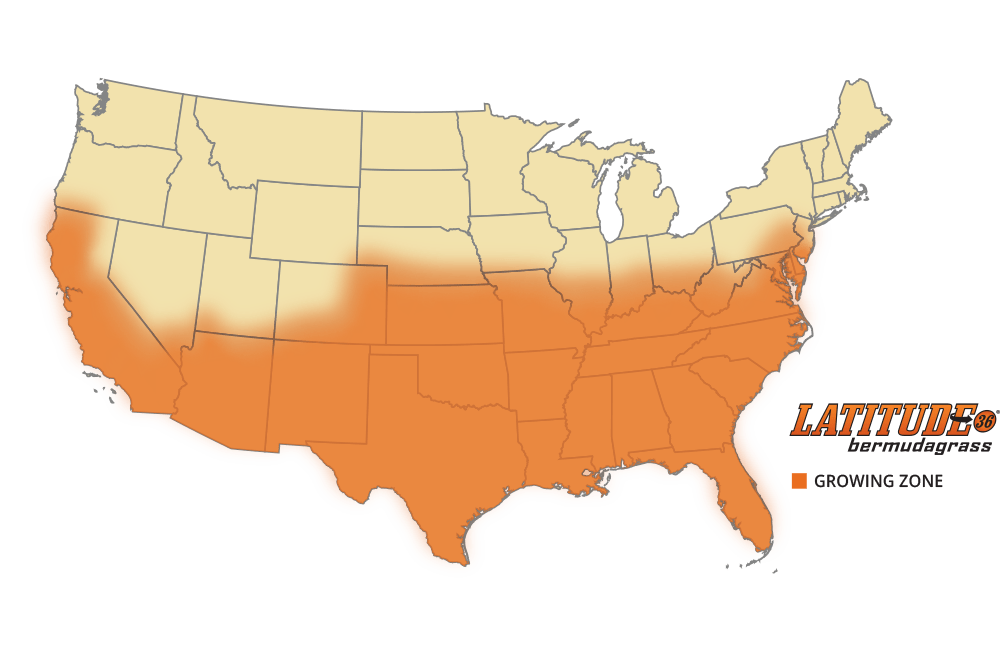
Latitude 36 Bermudagrass
- Cold Tolerant
- Excellent Recovery
- Fine Texture
- Wear Tolerant
- Drought Tolerant
- Disease Resistant
- Maintenance
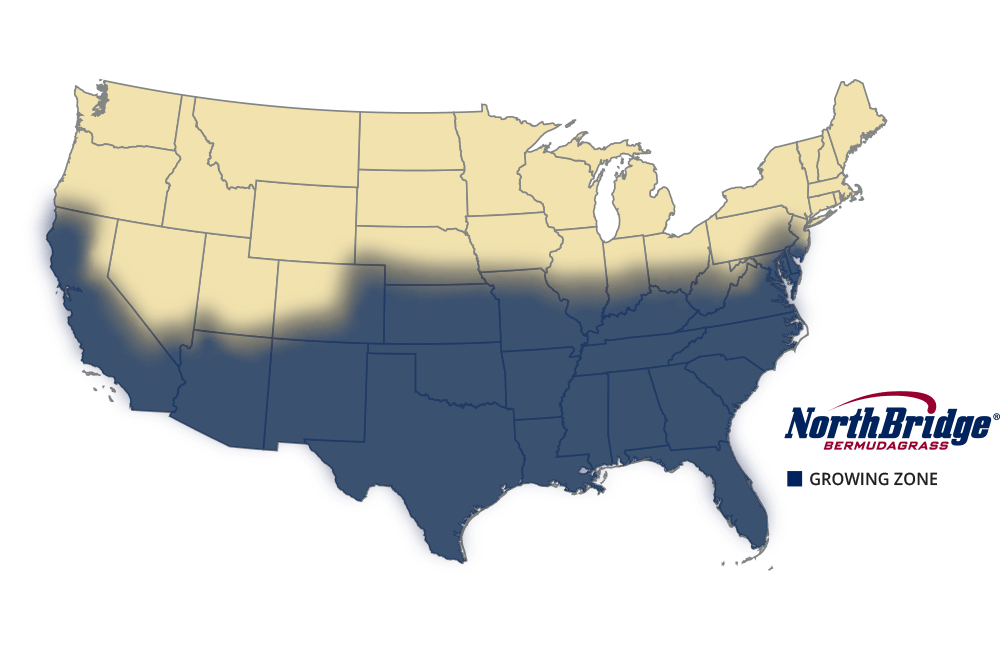
NorthBridge Bermudagrass
- Drought Tough
- Disease Resistant
- Soft Texture
- Wear Tolerant
- Cold Tolerant
- Maintenance
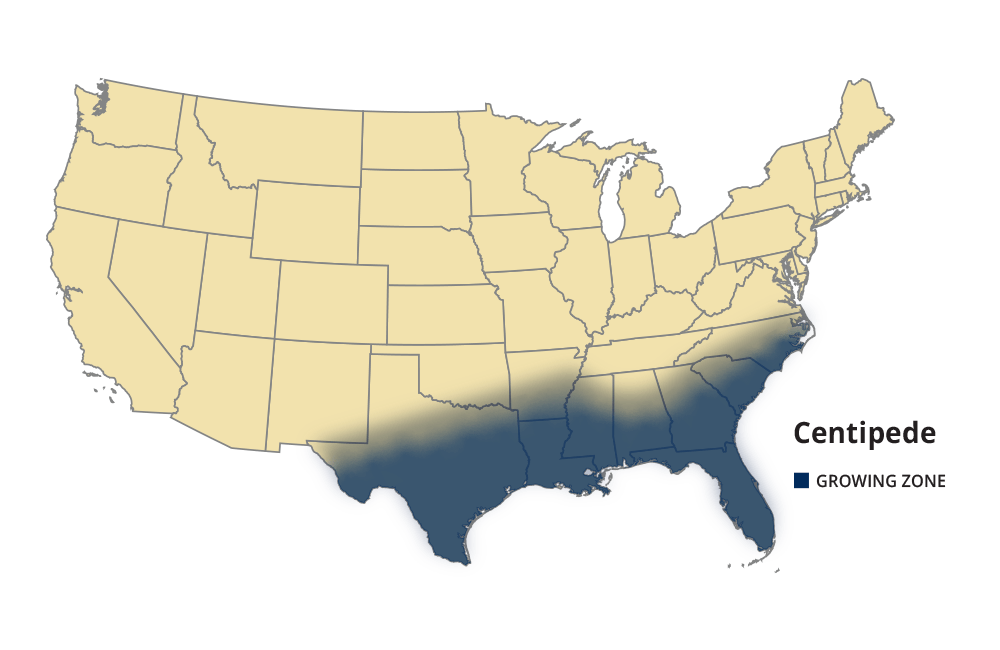
Centipede Grass
- Warm Season
- Wide-Bladed; Boat-Shaped or Pointed Blade Tip
- Maintenance
Common Centipede
- Wear Tolerant
- Shade Tolerant
- Drought Tolerant
- Easy to Maintain
- Soft Texture
- Recovers Quickly
- Maintenance
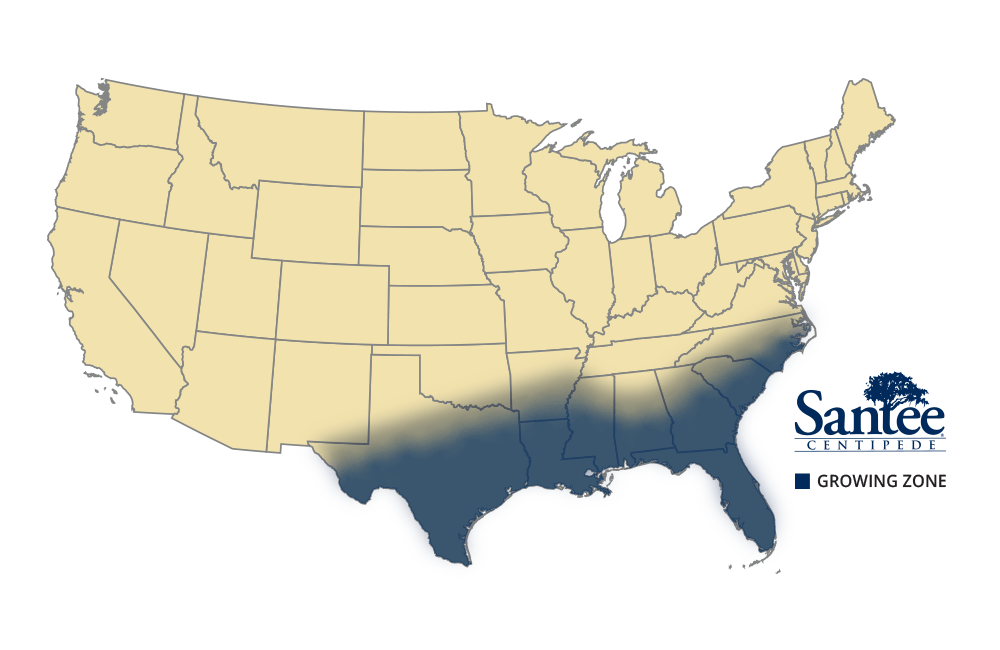
Santee Centipede
- Drought Tough
- Disease Resistant
- Soft Texture
- Wear Tolerant
- Shade Tolerant
- Insect Resistant
- Maintenance
Choosing the right sod involves considering your climate, soil type, maintenance preference, and budget. By addressing these factors, you can ensure your lawn not only looks great but also thrives with minimal effort.