The Carolinas are home to many weather conditions, depending on the location and time of year. From extreme heat and cold snaps to periods of drought and wet seasons, it is no secret that for a lawn to look its best in the Carolinas, serious thought must be put into grass selection. St. Augustine grasses have been a long-time favorite in the Carolinas because they are known for being extremely versatile and able to withstand the ever-varying conditions.
As you choose the right St. Augustine grass for your lawn, remember that there is no such thing as St. Augustine seed. St. Augustine sod will be available either in pallets or St. Augustine plugs, but never seed!
If you are searching for the best grass for your South Carolina or North Carolina home, refer to this helpful guide featuring several popular St. Augustine grasses.
Palmetto St. Augustine
Known as one of the most—if not the most—versatile grasses available, there is a good reason why Palmetto® St. Augustine is the #1 selling patented turfgrass in the world. Aside from the fact that Palmetto boasts a beautiful color and texture that homeowners love, it is also heat, cold, drought, shade and frost tolerant. Less time and money can be put towards repairing Palmetto. With more than two billion sq. ft. sold, Palmetto is often chosen for its better color and finer texture. As a semi-dwarf variety, Palmetto’s growing height isn’t as tall as other St. Augustines and requires less mowing.
Palmetto St. Augustine Characteristics
- Ideal Use: Home lawns and commercial landscapes
- Mow Height: 1.5–2.5 inches
- Blade Width: 8–9 mm
- Wear Tolerance: Good
- Injury Recovery: Very Good
- Shade Tolerance: Very Good
- Drought Tolerance: Good
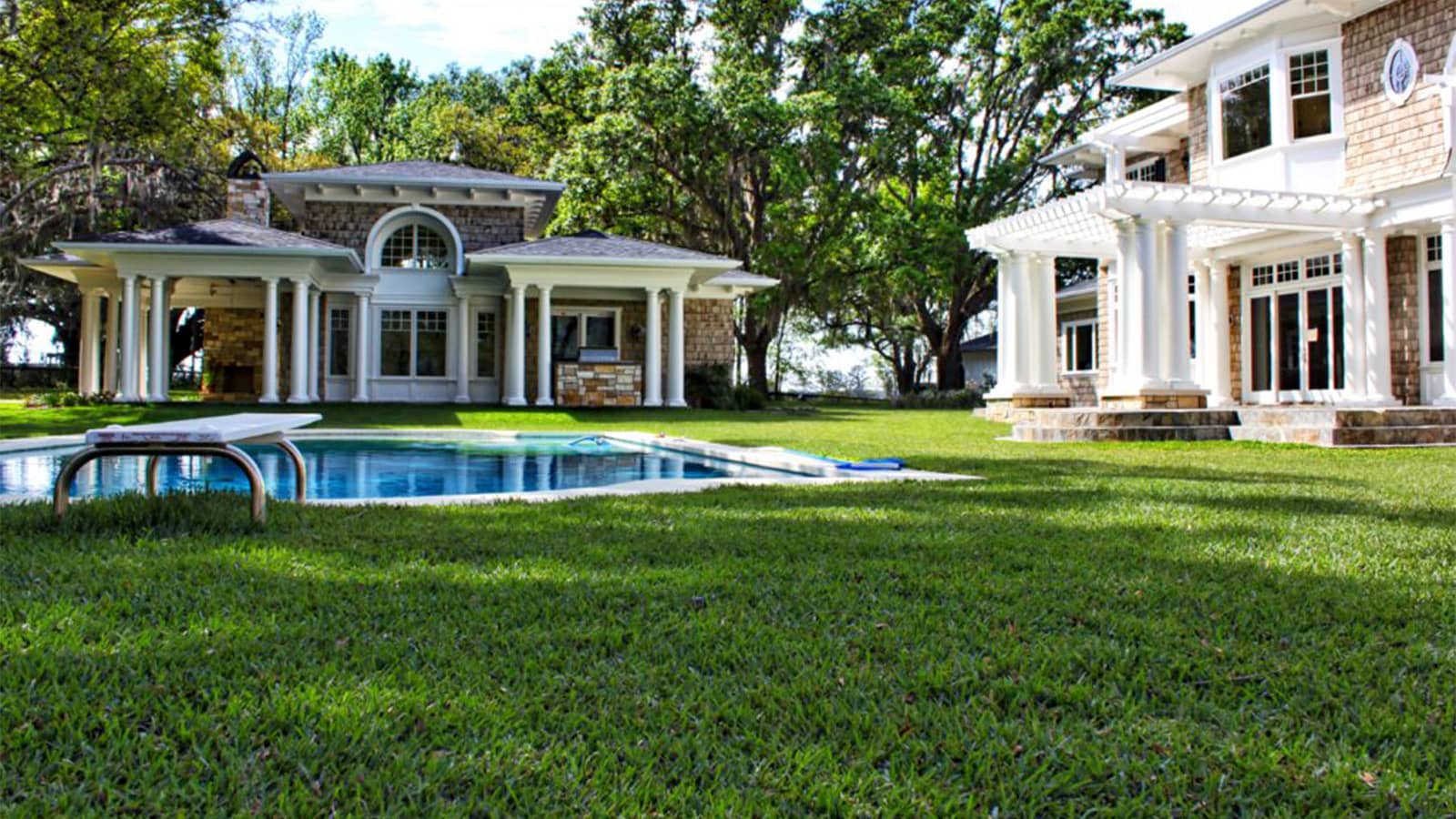
Sola St. Augustine
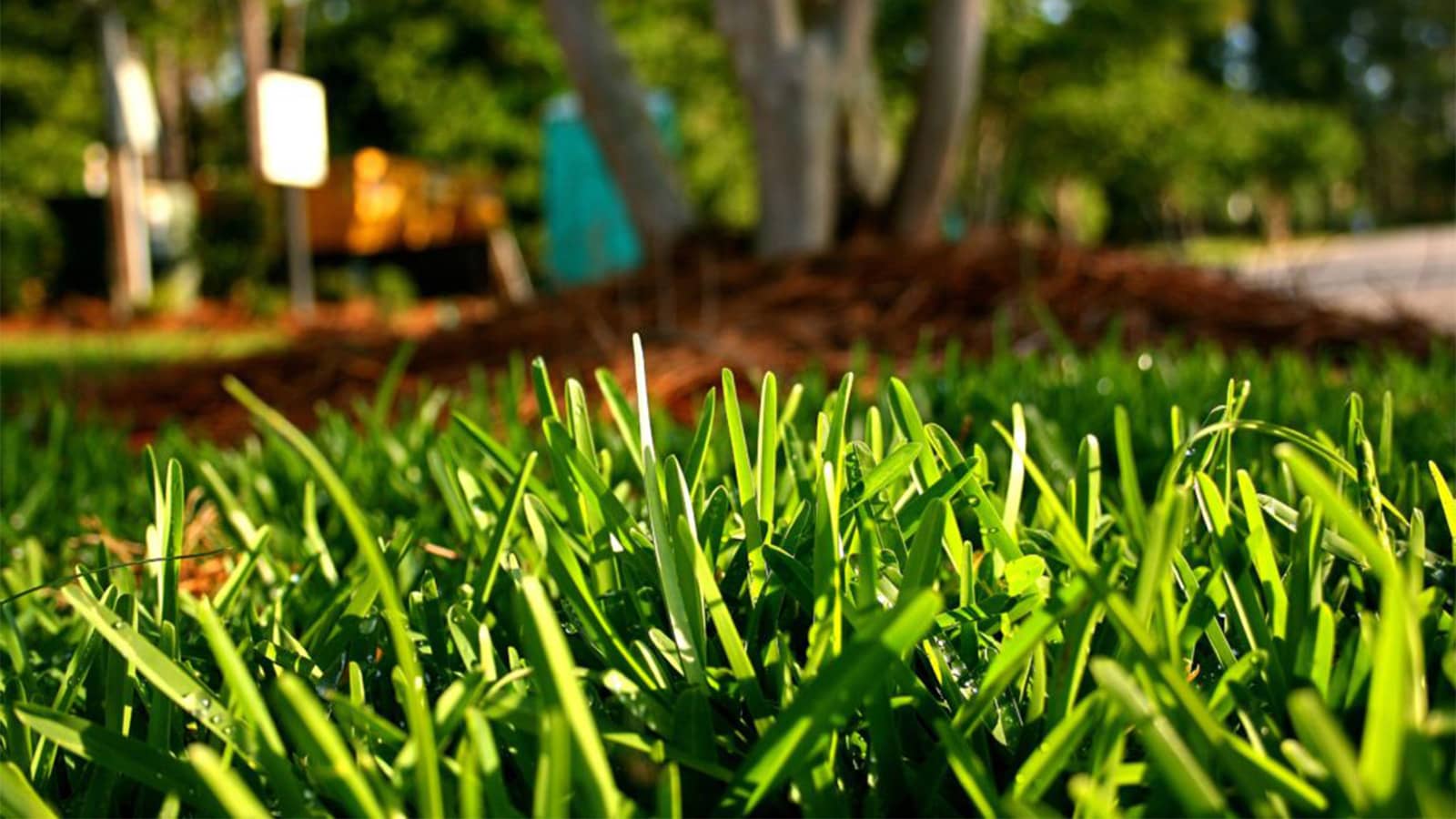
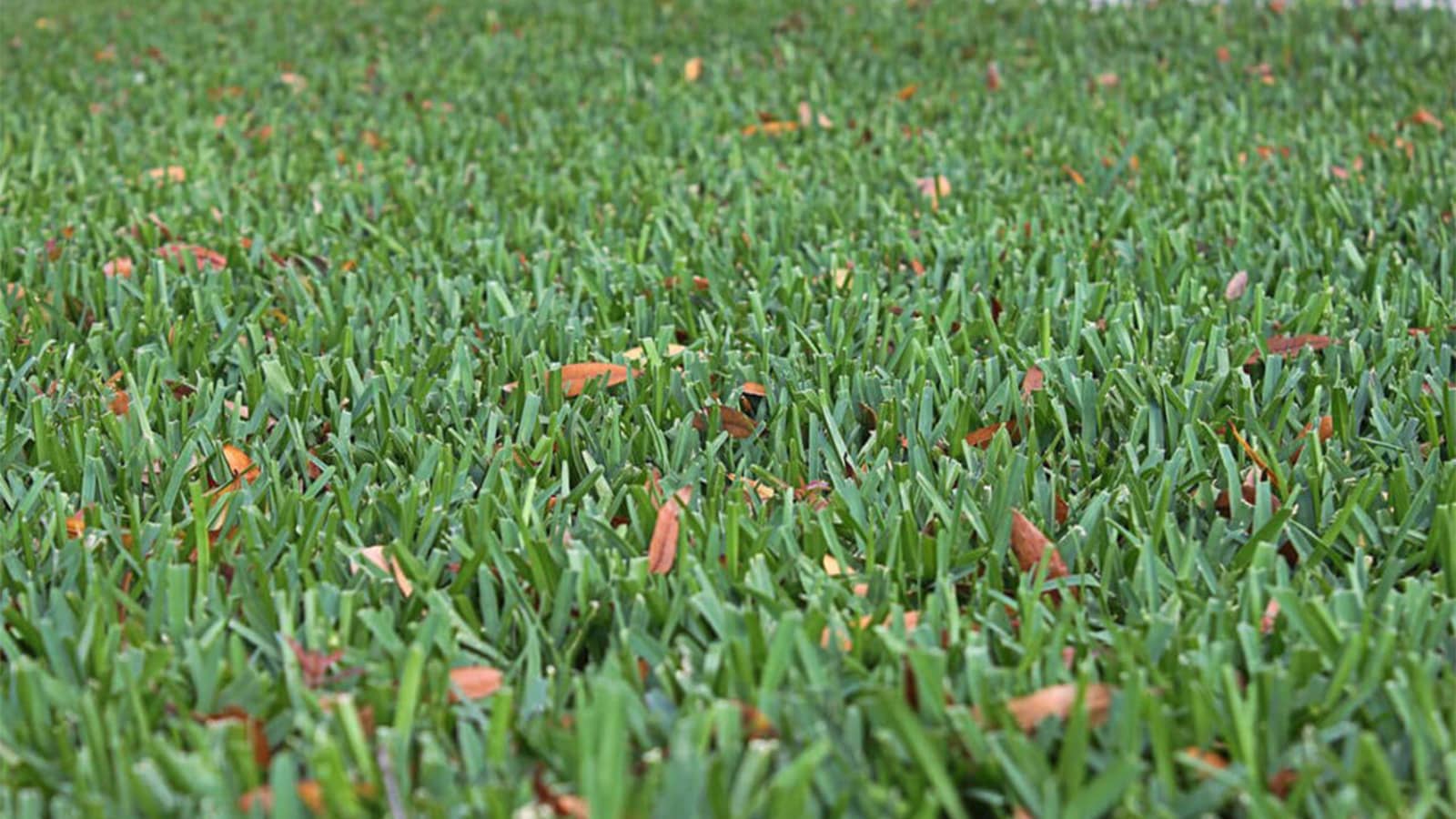
Sola St. Augustine is a finer-textured, dwarf St. Augustine grass t with excellent shade tolerance and strong cold adaptability, making it an ideal choice for homeowners across the Carolinas, where lawns often face mixed sun, shade, and cooler seasonal conditions.
Built to handle heavy foot traffic from kids, pets, and gatherings, Sola maintains its beauty and durability even in active yards. With good drought tolerance and built-in resistance to common pests and diseases, it delivers a beautiful, durable lawn with minimal effort.
Sola St. Augustine Characteristics
- Ideal Use: Residential lawns, shaded properties, active/high-traffic yards
- Mow Height: 1.5–2.5 inches
- Blade Width: 5–6 mm
- Wear Tolerance: Excellent
- Injury Recovery: Very Good
- Shade Tolerance: Very Good
- Drought Tolerance: Good
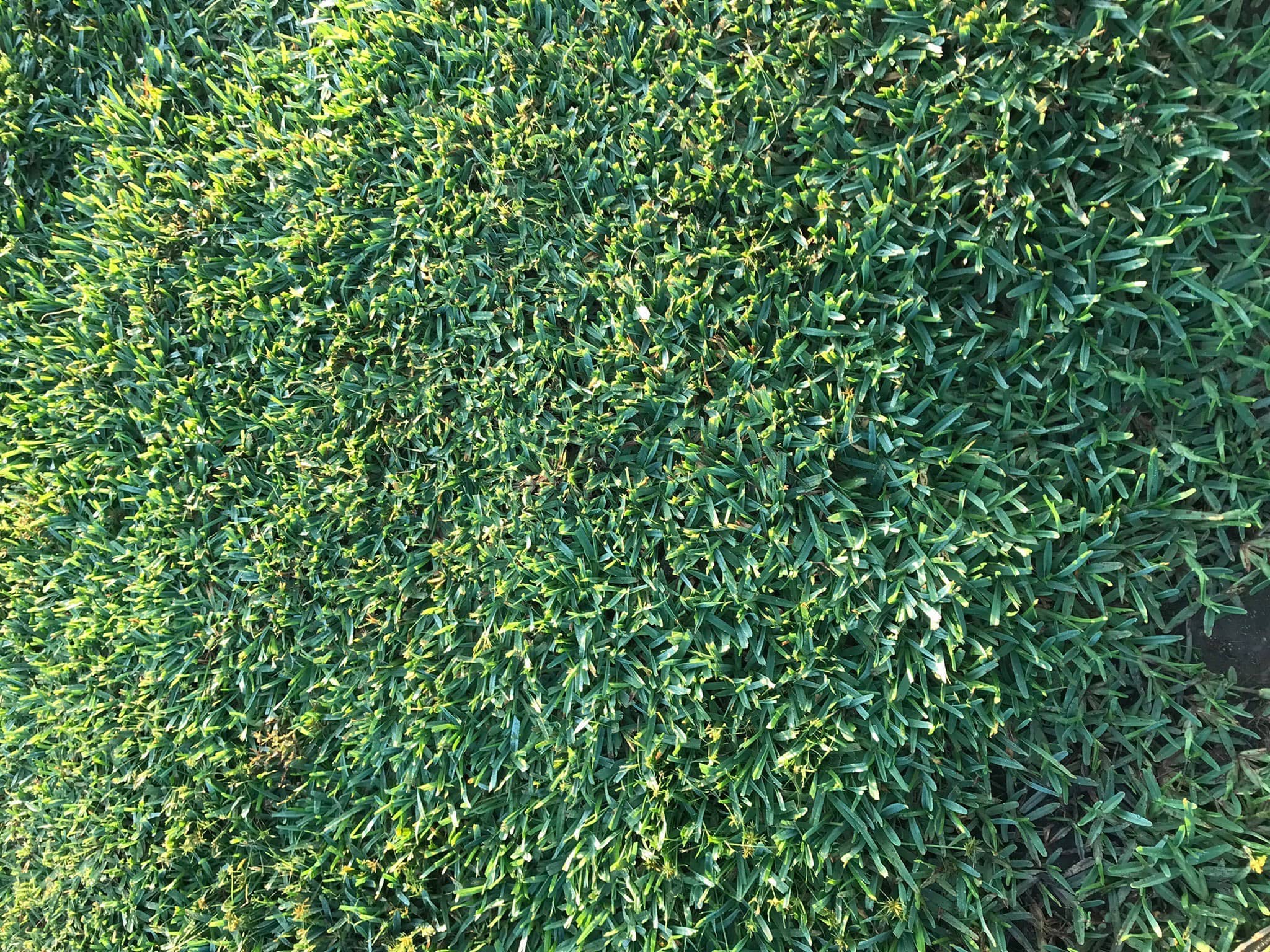
Cobalt St. Augustine
Cobalt St. Augustine is a tough, modern turfgrass designed to thrive in the varied and sometimes challenging conditions found across the Carolinas. With excellent cold, drought and salt tolerance, it’s especially well suited for coastal properties as well as inland lawns facing inconsistent watering or cooler temperatures.
Cobalt performs reliably in both sun and partial shade while resisting common turf diseases, helping homeowners maintain a healthy, uniform lawn with less effort. Its durability and adaptability make it a dependable choice for residential or commercial landscapes that demand long-lasting performance.
Cobalt St. Augustine Characteristics
- Ideal Use: Residential lawns, commercial landscapes, coastal regions
- Mow Height: 2–3 inches
- Blade Width: 6–8 mm
- Wear Tolerance: Very Good
- Injury Recovery: Very Good
- Shade Tolerance: Very Good
- Drought Tolerance: Excellent
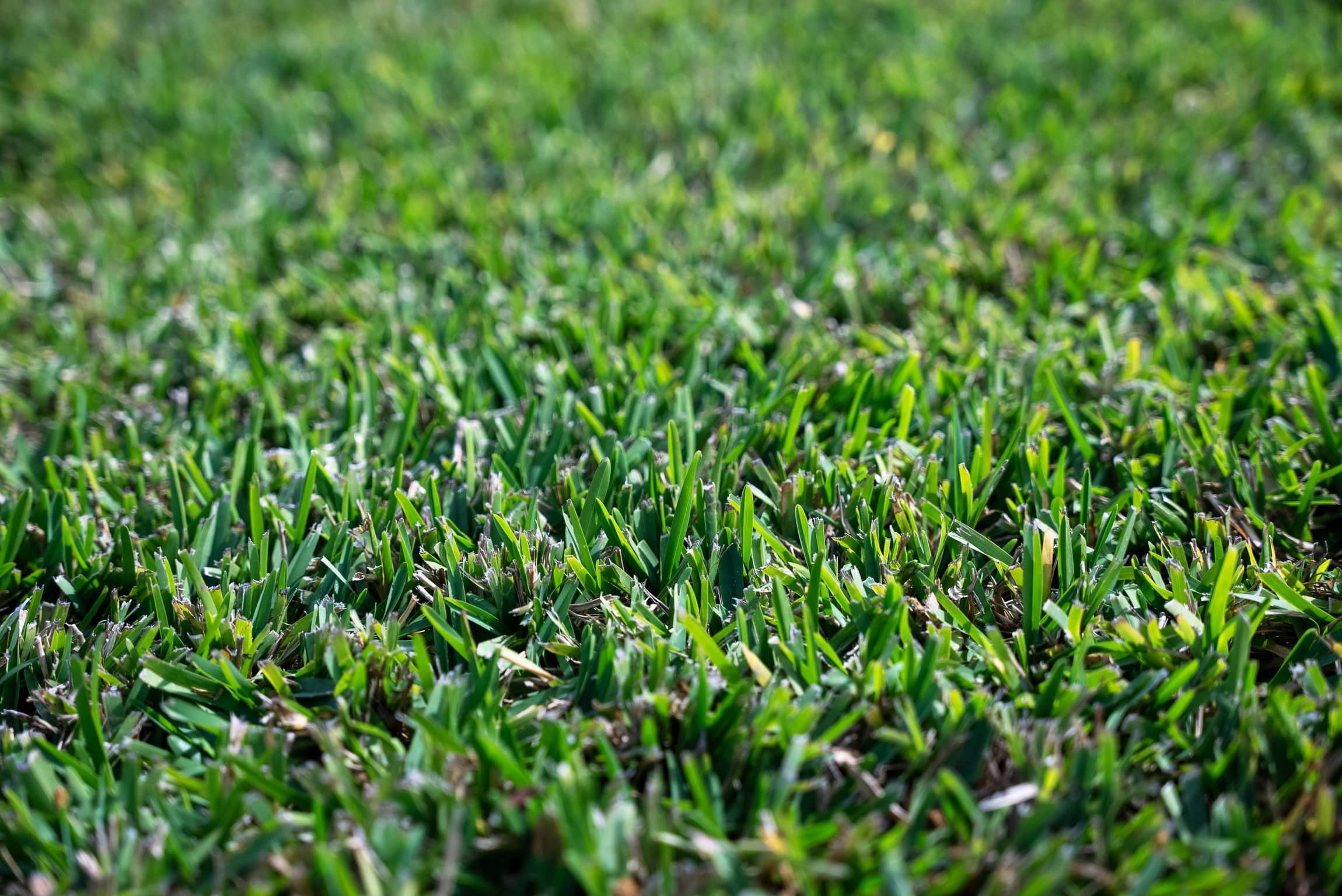
Other St. Augustine Varieties (And How Alternative Options Improve on Them)
Homeowners across the Carolinas may also come across well-known legacy St. Augustine varieties such as Raleigh, Seville, Floratam and Bitterblue. While these grasses have long been used in Southern lawns, today’s St. Augustine offer improvements for the Carolina climates.
Raleigh St. Augustine
If you live in a part of the Carolinas that is especially prone to cold weather during the winter, Raleigh St. Augustine may be the best choice as it is probably the most cold tolerant St. Augustine grass available on the market.
Developed by North Carolina State University in 1980, this grass is a perfect fit for colder areas in North Carolina and potentially the upstate of South Carolina. Raleigh is medium colored, medium textured grass is also drought tolerant and known for its hardiness. It adpats well to heavier, organic clay soils with a medium to low soil pH.
It is also one of the most shade tolerant St. Augustines—coming second to Palmetto and CitraBlue St. Augustine.
Raleigh St. Augustine Characteristics
- Ideal Use: Golf, commercial landscapes, sports, parks, home lawns
- Mow Height: 1.5–2.5 inches
- Blade Width: 8–9 mm
- Wear Tolerance: Good
- Shade Tolerance: Very Good
- Drought Tolerance: Good
Better Alternative: Sola St. Augustine
Why Sola Outperforms Raleigh:
- Improved cold tolerance, providing more reliable performance in cooler climates
- Stronger shade adaptation, allowing it to thrive in partial shade where Raleigh struggles
- Enhanced disease resistance, significantly reducing common fungal issues
- More vibrant, consistent color across soil types without frequent nutrient correction
- Better overall turf density and recovery, creating a fuller, more durable lawn
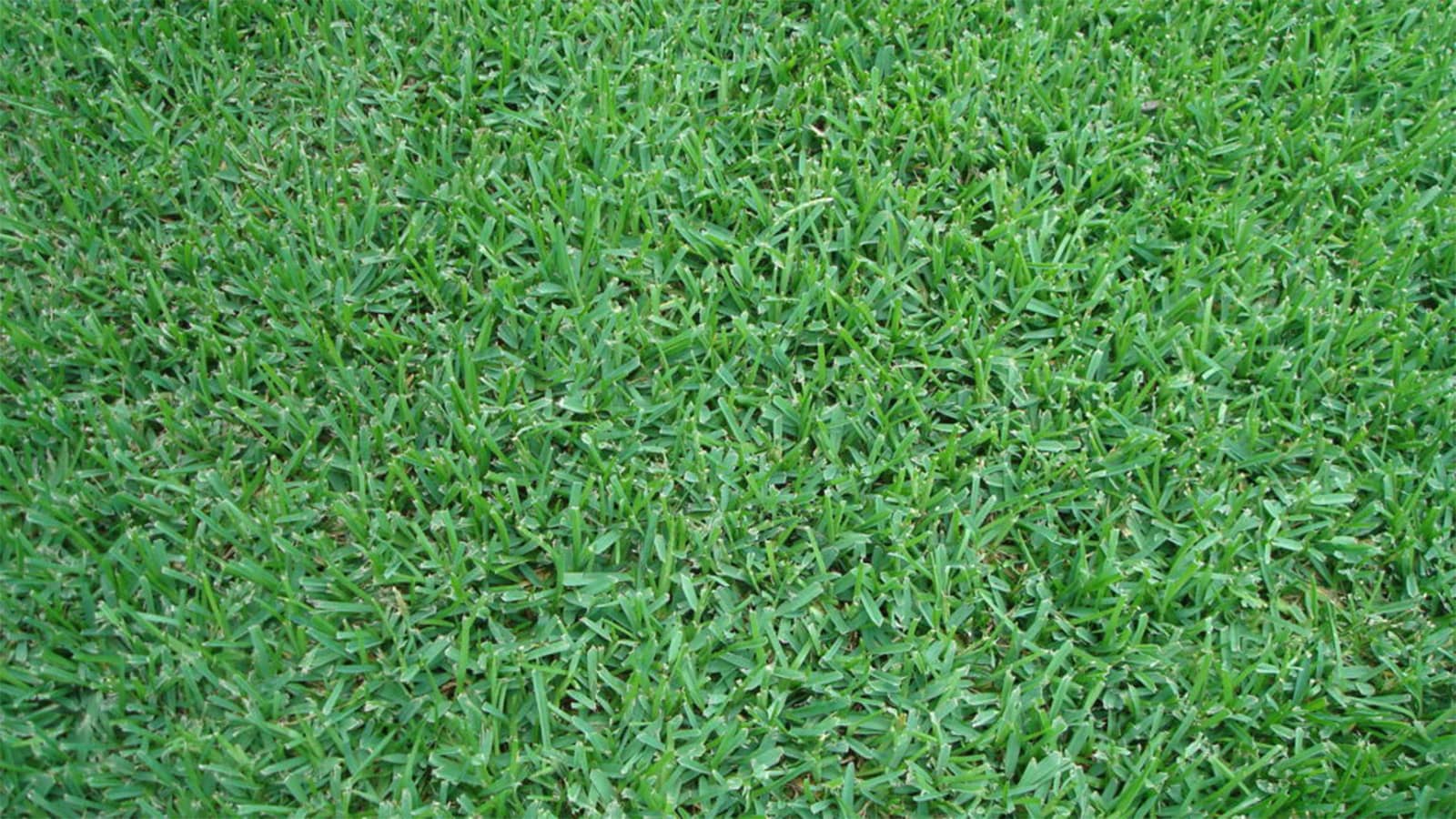
Seville St. Augustine
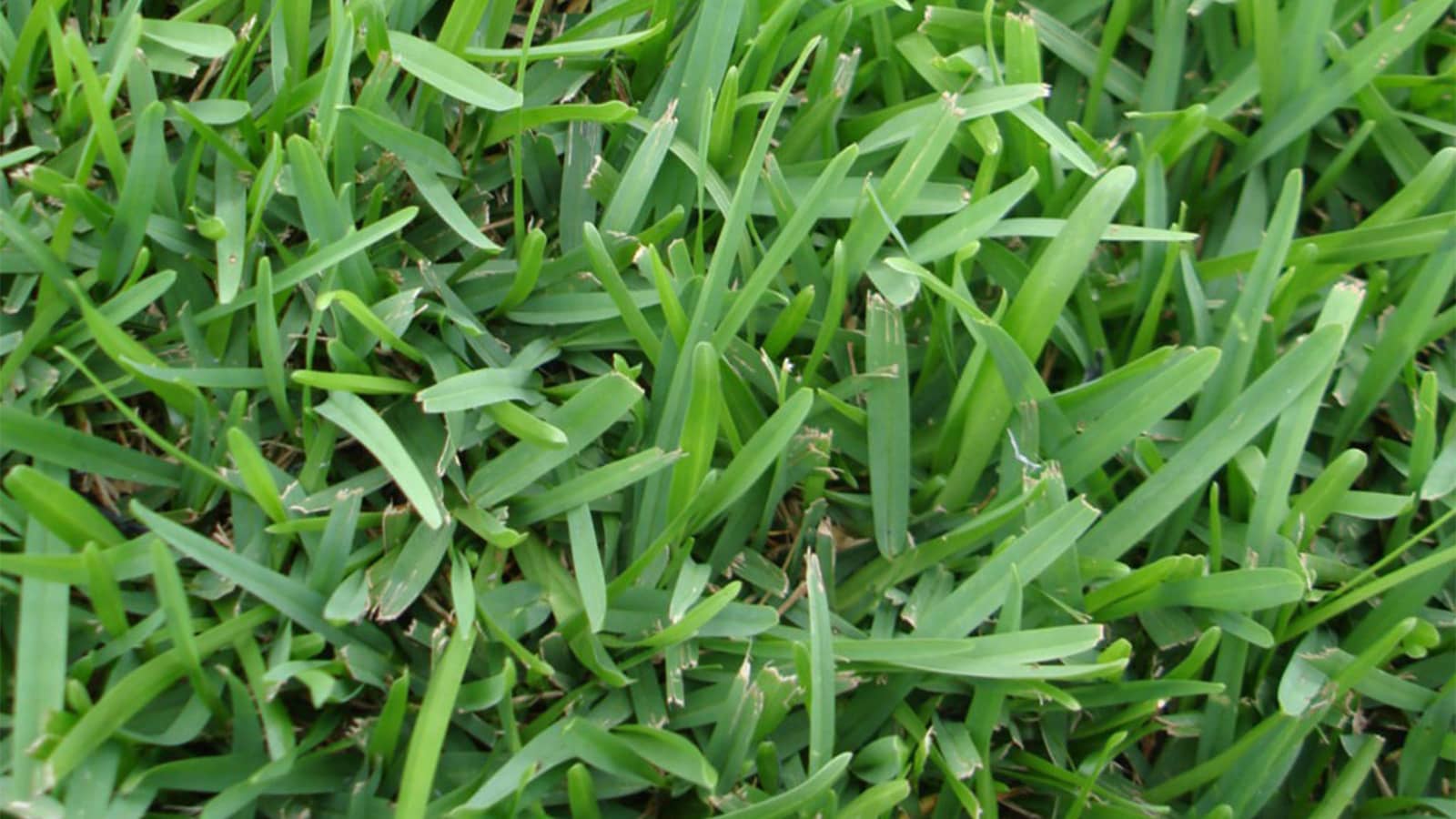
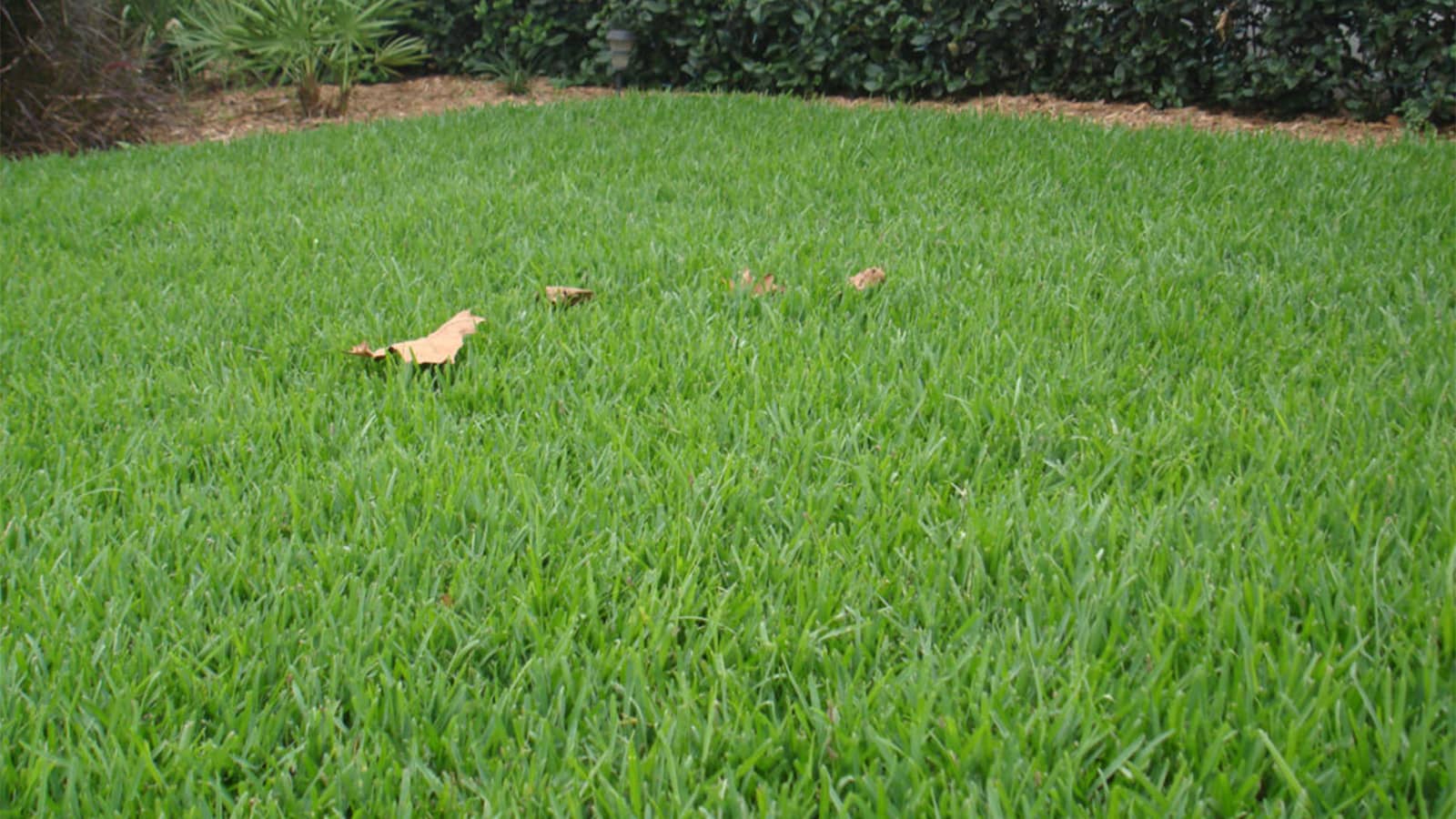
This beautiful grass boasts a fine leaf and thick growth pattern while many other St. Augustines feature a wider leaf. This low-growing, shade tolerant grass thrives in the extreme heat the Carolinas experience each summer—especially in South Carolina. Another feature of Seville St. Augustine is that it is fairly salt tolerant, a detail that may be of importance to coastal homeowners. Seville is easy to grow and has a good fall color retention and spring green-up, meaning it retains its green color for longer periods of the year while other St. Augustines go dormant. However, Seville does not tolerate high traffic very well, it’s more prone to thatch than other St. Augustine varieties, chinch bugs tend to really like it and it is not very cold tolerant.
Seville St. Augustine Characteristics
- Ideal Use: Home lawns and commercial landscapes
- Mow Height: 2–3 inches
- Blade Width: 8–9 mm
- Wear Tolerance: Good
- Injury Recovery: Good
- Shade Tolerance: Good
- Drought Tolerance: Good
Better Alternative: Palmetto St. Augustine
Why Palmetto Outperforms Seville:
- Superior shade tolerance, especially in mixed-light conditions
- Greater cold tolerance, making it more reliable across wider climate zones
- Soft texture with stronger color retention throughout the year
- More consistent density, helping naturally suppress weeds
Floratam St. Augustine
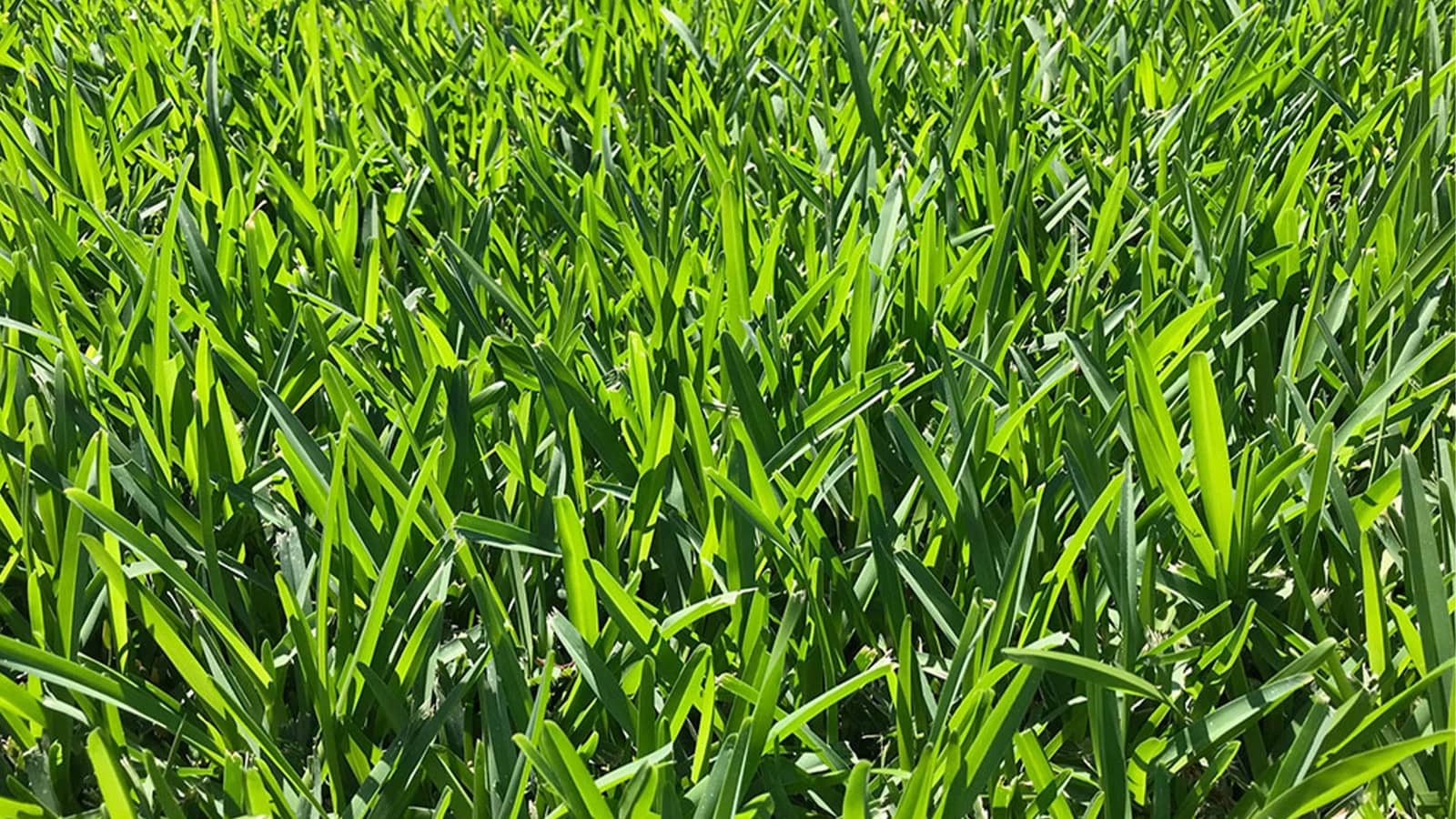
Floratam St. Augustine, which was developed and is most popular in the state of Florida, is also a sensible choice for the Carolina homeowner. Floratam is chosen because it is easy to maintain and can withstand periods of drought. Not suitable for areas in the Carolinas with freezing temperatures, Floratam is best suited for areas that experience extreme heat. Floratam St. Augustine was released by the Florida and Texas Agricultural Experiment Stations in 1972 as a St. Augustine Decline (SAD) virus and chinch bug resistant selection, but it lost its resistance in the 1980s as the bugs adapted.
Floratam St. Augustine Characteristics
- Ideal Use: Home lawns and commercial landscapes
- Mow Height: 3–4 inches
- Blade Width: 8–9 mm
- Wear Tolerance: Moderate
- Shade Tolerance: Good
- Drought Tolerance: Good
Better Alternative: Palmetto or CitraBlue St. Augustine
Why Palmetto Outperforms Floratam:
- Greater shade tolerance
- Palmetto has increased cold tolerance and better winter color
- As a semi-dwarf with shorter and finer blades, Palmetto has a softer leaf texture and more refined appearance
- More adaptable to a wider geographic range
Bitterblue St. Augustine
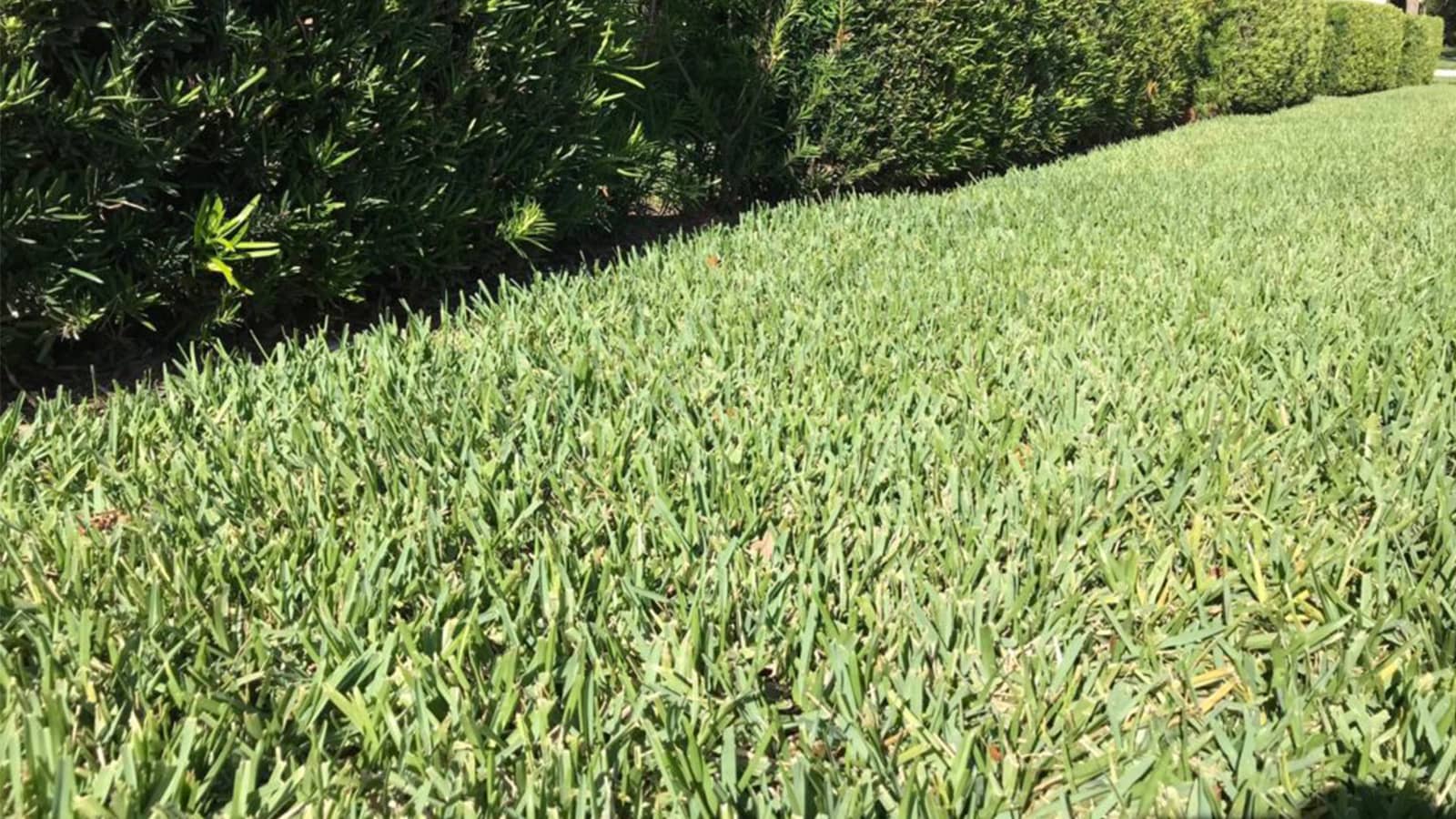
Bitterblue St. Augustine is well known for its cold tolerance shade tolerance, however, it’s usually better to go with a higher quality proprietary turfgrass with improved shade and cold tolerance like Palmetto for your North or South Carolina home lawn. The consistency of Bitterblue from farm to farm isn’t always great and it’s not always called by the same name. It can also be hard to find Bitterblue in the Carolinas as it isn’t highly available since a lot of sod farms no longer carry it.
Bitterblue St. Augustine Characteristics
- Ideal Use: Home lawns and commercial landscapes
- Mow Height: 3–4 inches
- Blade Width: 8–9 mm
- Wear Tolerance: Moderate
- Shade Tolerance: Good
- Drought Tolerance: Moderate
Better Alternative: CitraBlue St. Augustine
Why CitraBlue Outperforms Bitterblue:
- Stronger disease resistance, particularly against large patch and gray leaf spot, which commonly affect Bitterblue
- Richer blue-green color that holds better throughout the year
- Improved shade performance, giving it greater versatility under trees and filtered light
- Lower vertical growth habit, meaning less mowing and easier maintenance
- Enhanced turf density, which helps naturally suppress weeds
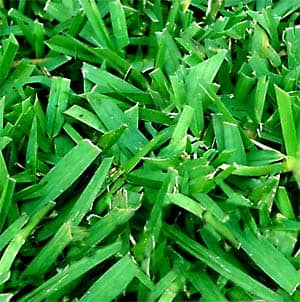
Selecting a type of St. Augustine that performs well in North and South Carolina is important if you wish to have a beautiful, thriving lawn that can withstand any environmental factors the state may present. With weather changing as often as it does in the Carolinas, selecting a grass that can roll with the punches plays a big factor in the overall appearance of your home. St. Augustines are often versatile enough to do this.
Be sure to check out a few related Sod University articles that cover the best grasses for shade or low maintenance in the Carolinas. To learn more about this popular type of grass, read All About St. Augustine Sod.