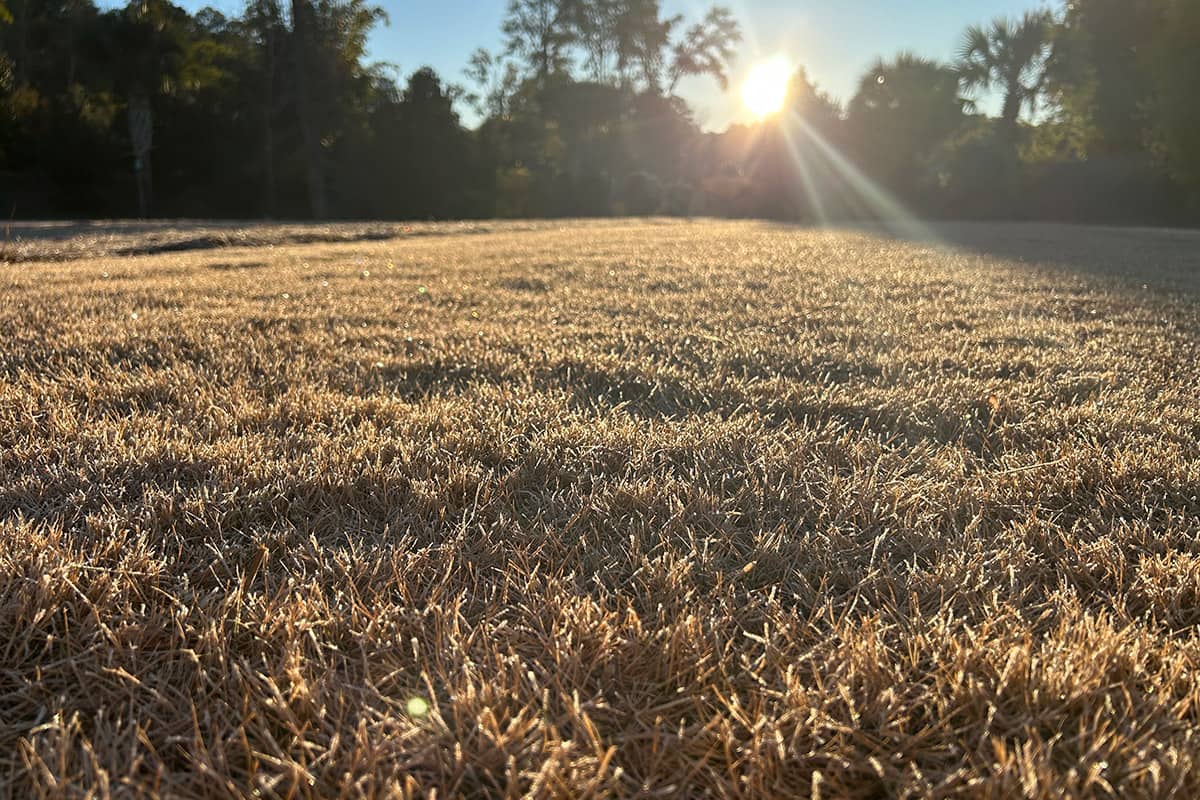
Noticed mysterious brown patches in your lawn—and maybe a few tiny bugs crawling around? You might be dealing with chinch bugs, and if you’ve got St. Augustine grass, consider it their favorite buffet.
These little pests are sneaky too—the damage they cause often looks just like drought or disease, making it tough to tell what’s really going on. So how can you tell if chinch bugs are the culprits, and more importantly, how do you stop them before they destroy your lawn?
In this guide, we’ll break it all down with expert-backed info, easy tips and even a video from Dr. J.C. Chong (a real bug expert from Clemson University) on how to spot, treat and prevent these lawn wreckers.
✅ Quick Answer
- To control chinch bugs, identify the damage as early as possible. Treat current infestations with a bifenthrin-based insecticide or an imidacloprid-based insecticide for prevention.
What You'll Find in This Article:
- What Are Chinch Bugs?
- What Do Chinch Bugs Look Like?
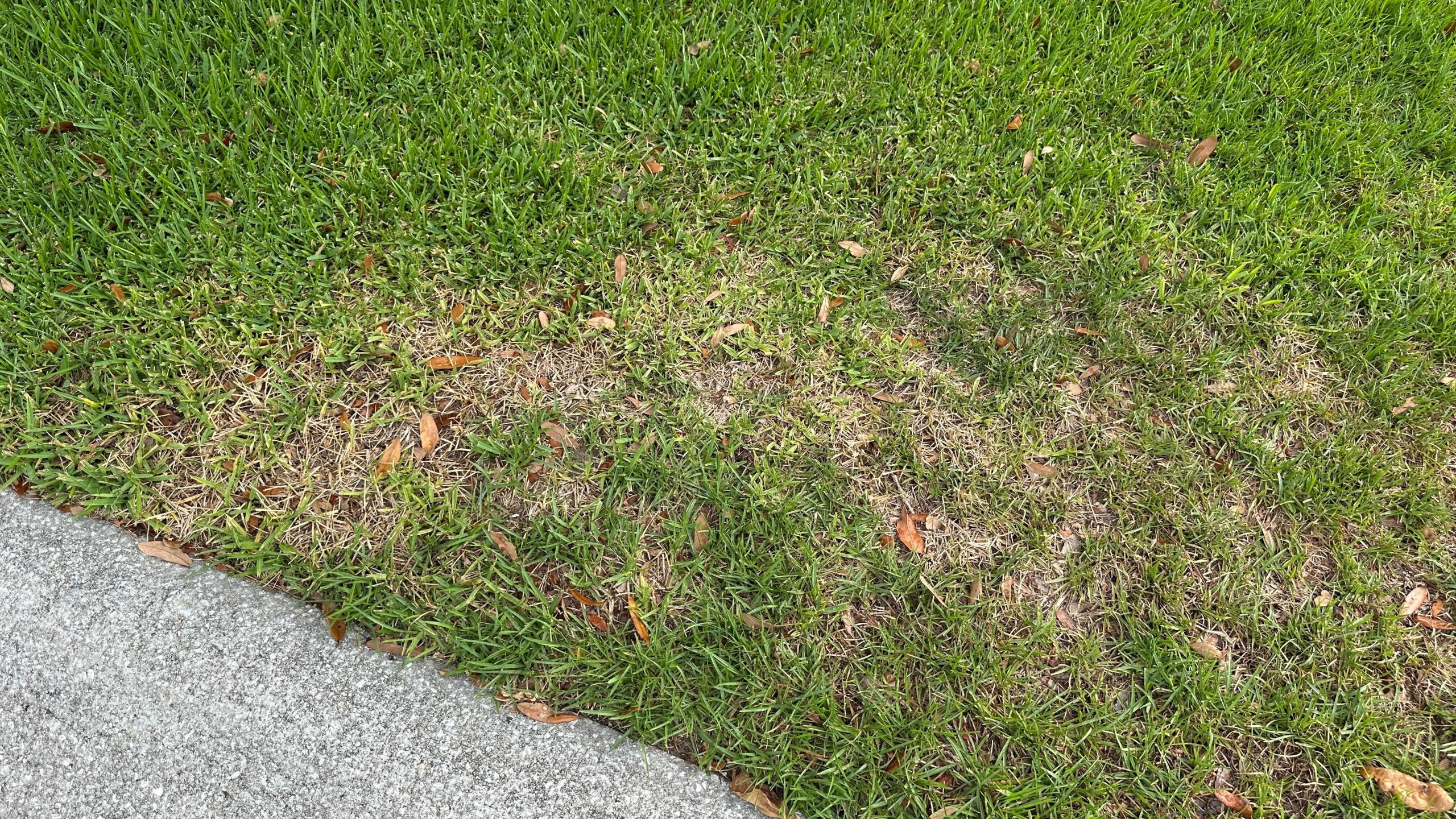
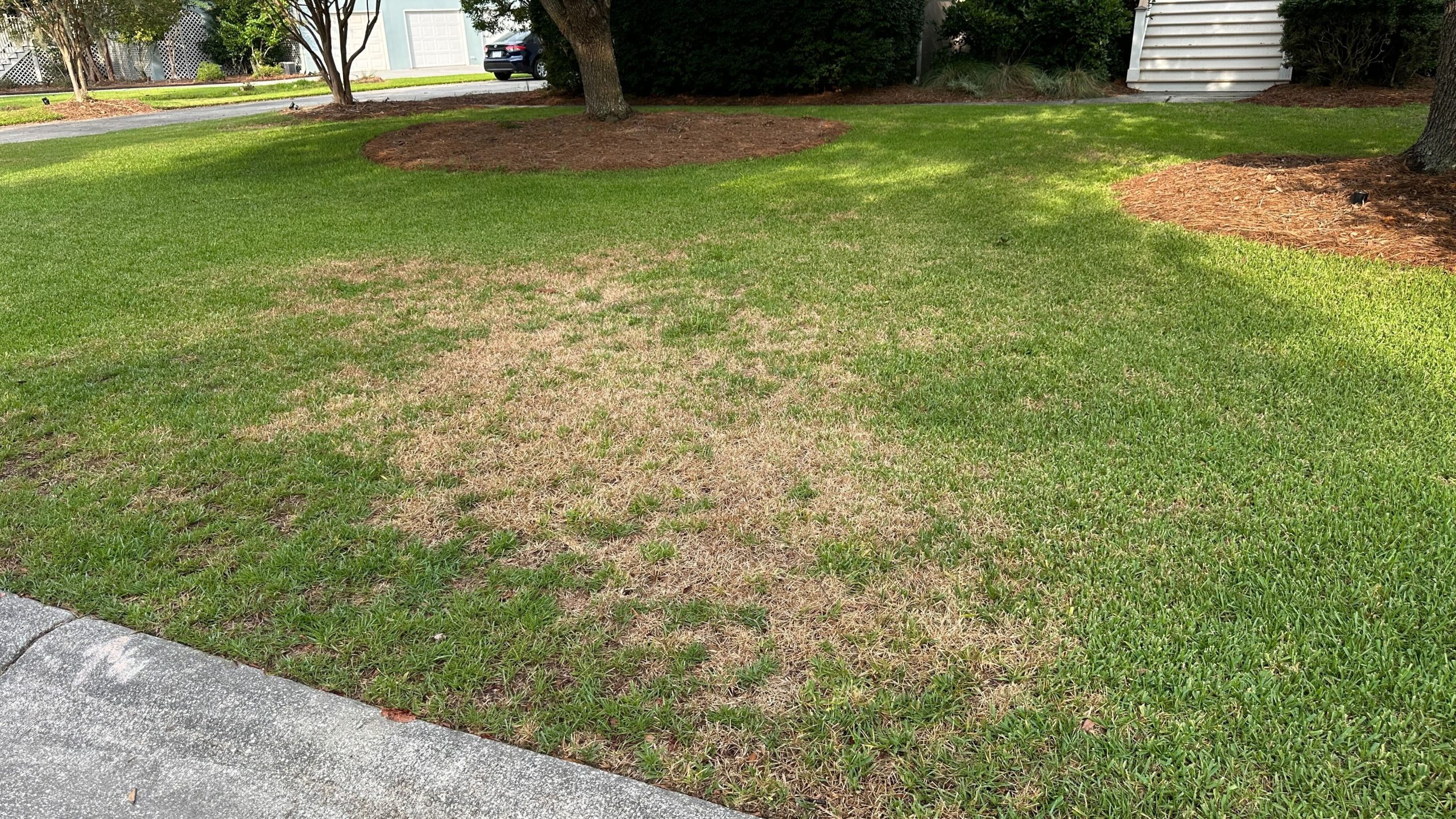
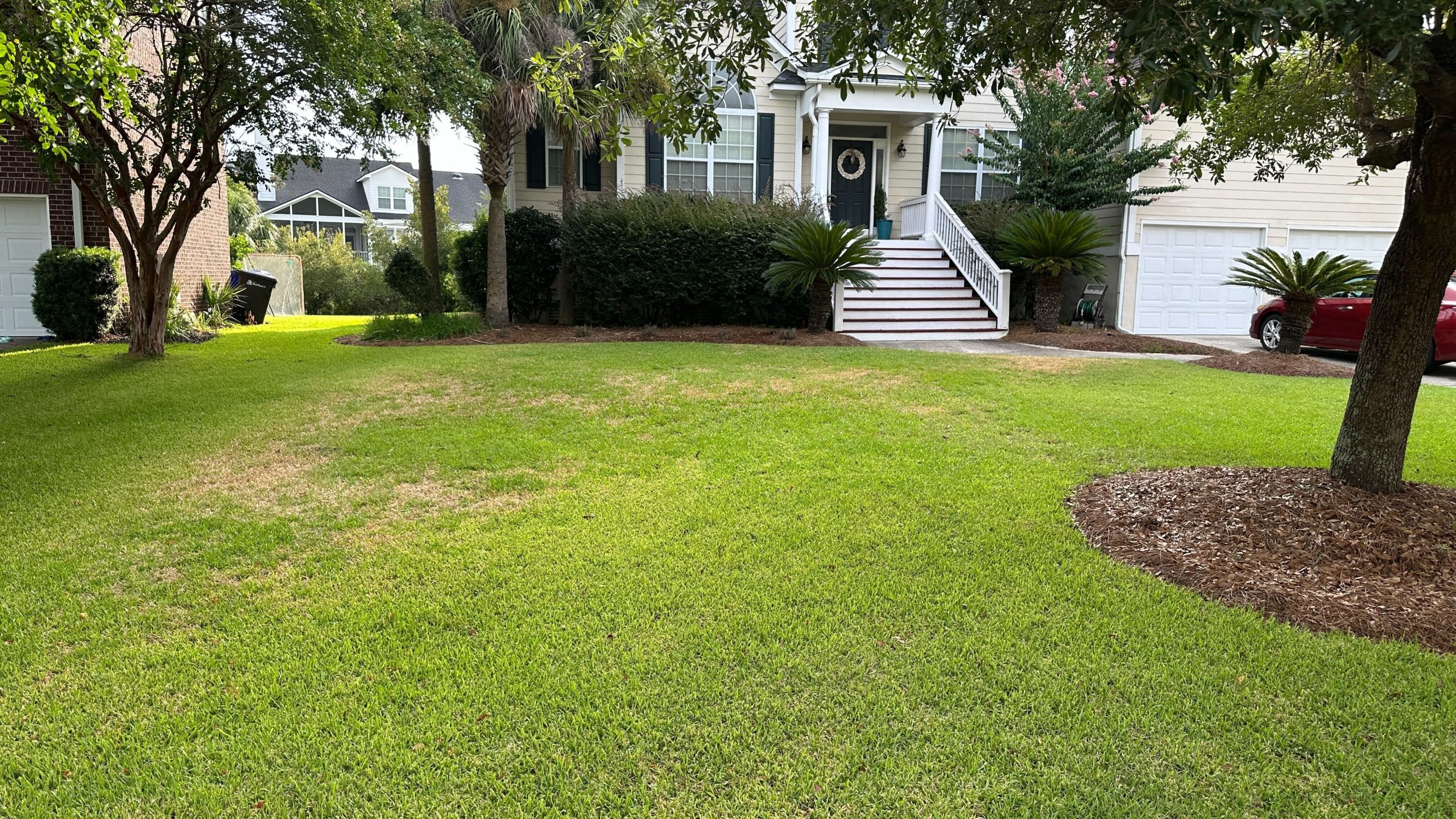
- How to Identify Chinch Bug Damage
- Chinch Bug Life Cycle & Seasonal Activity
- Diagnosis Guide: Is It Chinch Bugs, Drought or Disease?
- Soap Flush Test: Step-by-Step
- Where to Find Chinch Bugs in Your Lawn
- Best Ways to Treat Chinch Bug Infestations
- Top Chinch Bug Products Compared
- Prevention Tips to Keep Chinch Bugs Away
- FAQs About Chinch Bugs
What Are Chinch Bugs?
Chinch bugs are tiny black insects that commonly show up in lawns and gardens across North America—and they can cause big problems fast.
There are several different types of chinch bugs, including:
- Southern chinch bug – the most destructive in the Southeast
- Hairy chinch bug – more common in the Midwest
- Common and western chinch bugs – found in other parts of the U.S.
Here’s what you need to know:
- The southern chinch bug is the main pest in warm season lawns, especially throughout the southeastern U.S. and parts of California.
- They absolutely love St. Augustine grass, but you might occasionally find them in centipede, zoysia or other grass types.
👉 In this article, we’ll focus mostly on the southern chinch bug—because if you live in the South, that’s the one turning your lawn into a buffet.
What Do Chinch Bugs Look Like?
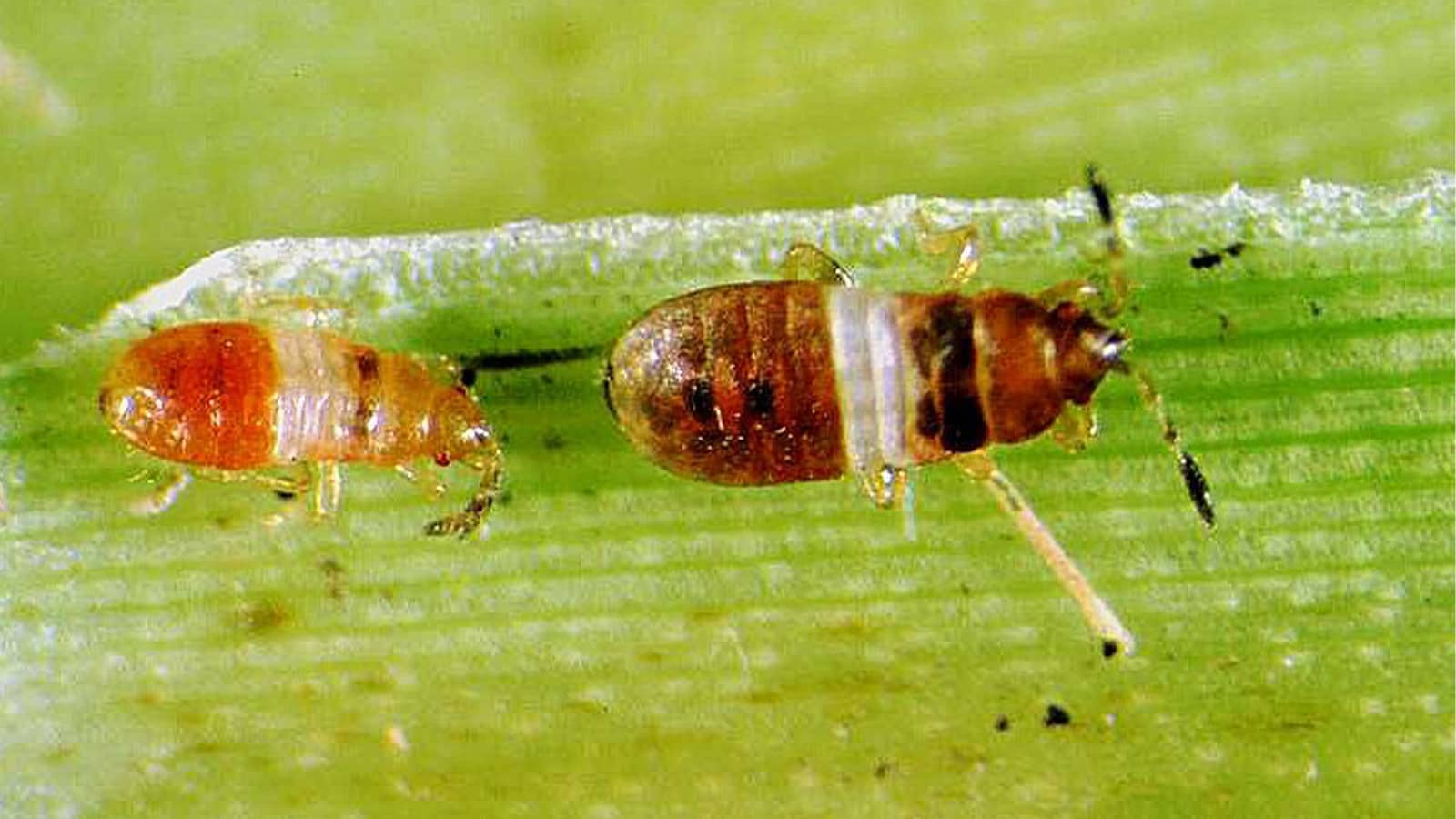
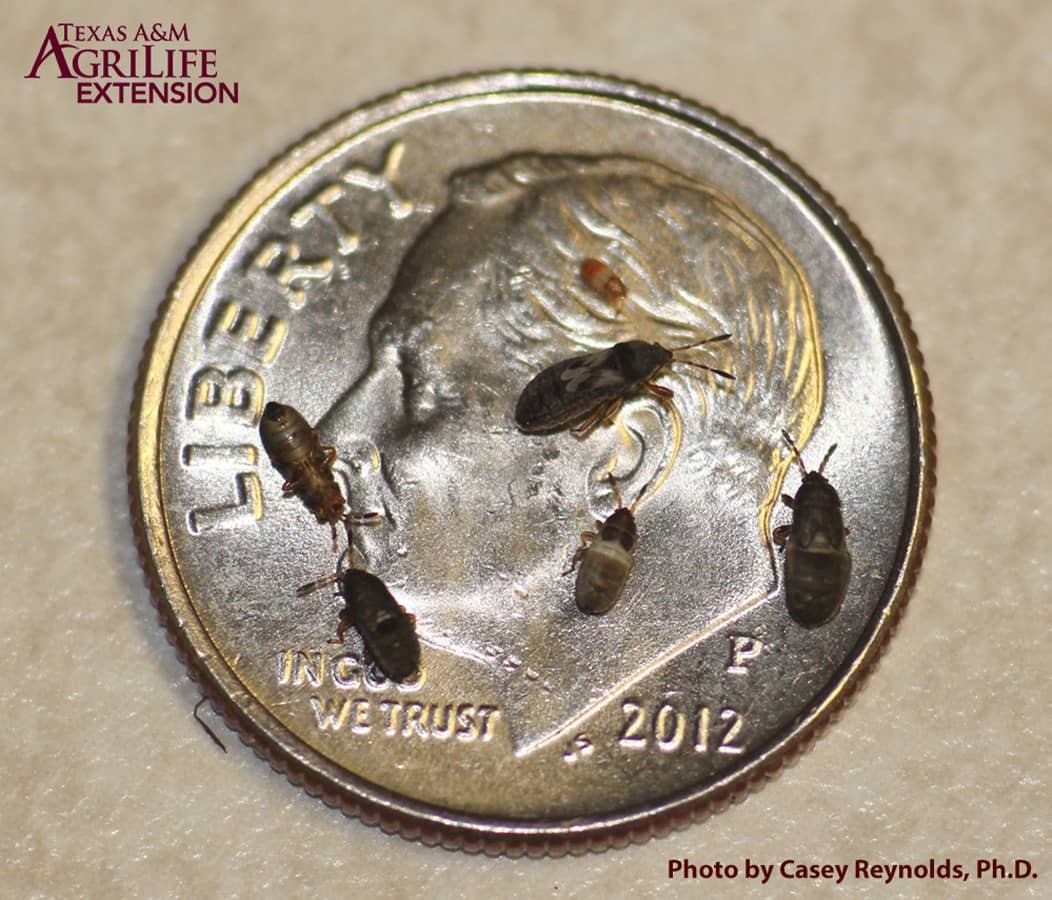
Southern chinch bugs may be small, but they’re easy to spot if you know what to look for:
- Color:
- Adults are usually dark red, black or brown
- Look for a white band across the middle of their body
- Some adults also have two white spots on their backs
- Size:
- About 4 millimeters long—roughly the size of a pen tip
- Nymphs (immature bugs):
- Bright red or grayish
- Features a distinct white line across its back
Tip: Because they’re so small, you might need a magnifying glass to get a good look!
How to Identify Chinch Bug Damage
These pests thrive in:
- Thick, heavily fertilized lawns
- Lawns with a thick thatch layer
- Hot, dry weather (they don’t like moisture)
How Chinch Bugs Damage Grass
Here’s how they attack your lawn:
- Feed on grass blades by sucking out plant juices
- Inject a toxin through their saliva that blocks water movement in the plant
- The grass turns yellow, then brown and dies
- Chinch bugs move outward, feeding on nearby healthy blades and creating expanding patches of dead grass
How to Spot Chinch Bug Damage
At first, it might look like basic drought stress. But if watering doesn’t help, here’s what to look for:
- Early signs: Yellowing or thinning turf
- Progression: Brown, brittle grass that pulls up easily
- Severe infestations: Large, dead patches across the lawn
- Other clues:
- The damage keeps spreading outwards
- Affected areas are irregular, not circular
- You may notice thin, bare spots even at low bug populations
💡 Pro tip: If you’ve been irrigating regularly and know drought isn’t the issue, chinch bugs are a likely suspect.
Chinch Bug Life Cycle & Seasonal Activity
Chinch bugs may be beetles, but their life cycle is a little different—they don’t have a grub, larva or cocoon stage.
Instead, they go through a gradual metamorphosis:
- Egg → Nymph (wingless) → Adult (winged)
- No pupae, no larvae—just a steady transformation as they grow
Chinch bugs become active as temperatures rise, and their feeding habits ramp up as the weather gets hotter.
- Early spring – Activity begins as the soil warms up
- Late June through September – Peak season for feeding and lawn damage
- Early August – Most visible damage starts showing up around this time
Warm, dry weather creates the perfect conditions for chinch bugs to thrive—so if your lawn starts browning in midsummer, they could be the reason.
Diagnosis Guide: Is It Chinch Bugs, Drought or Disease?
Telling chinch bug damage apart from drought or disease can be tricky.
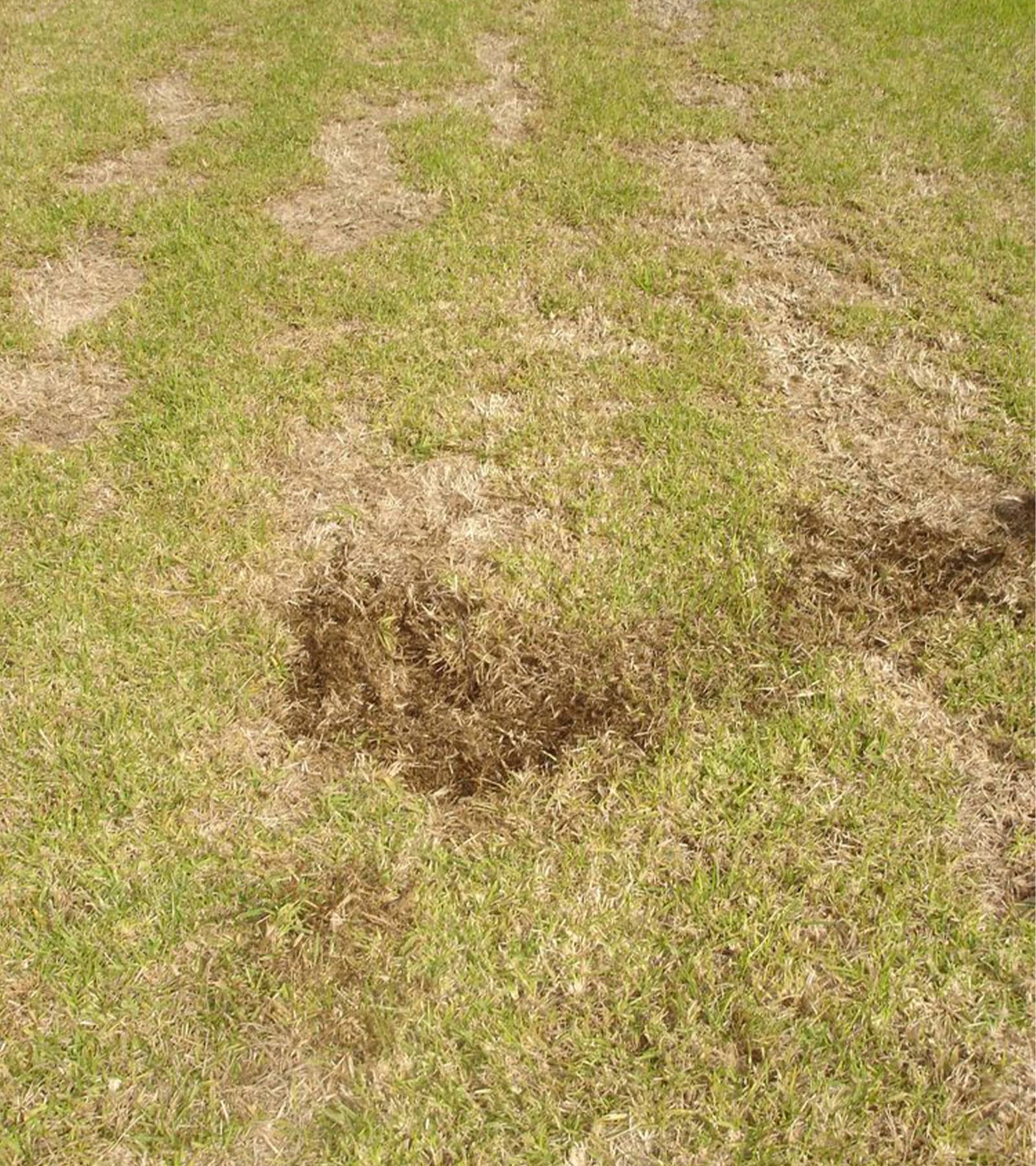
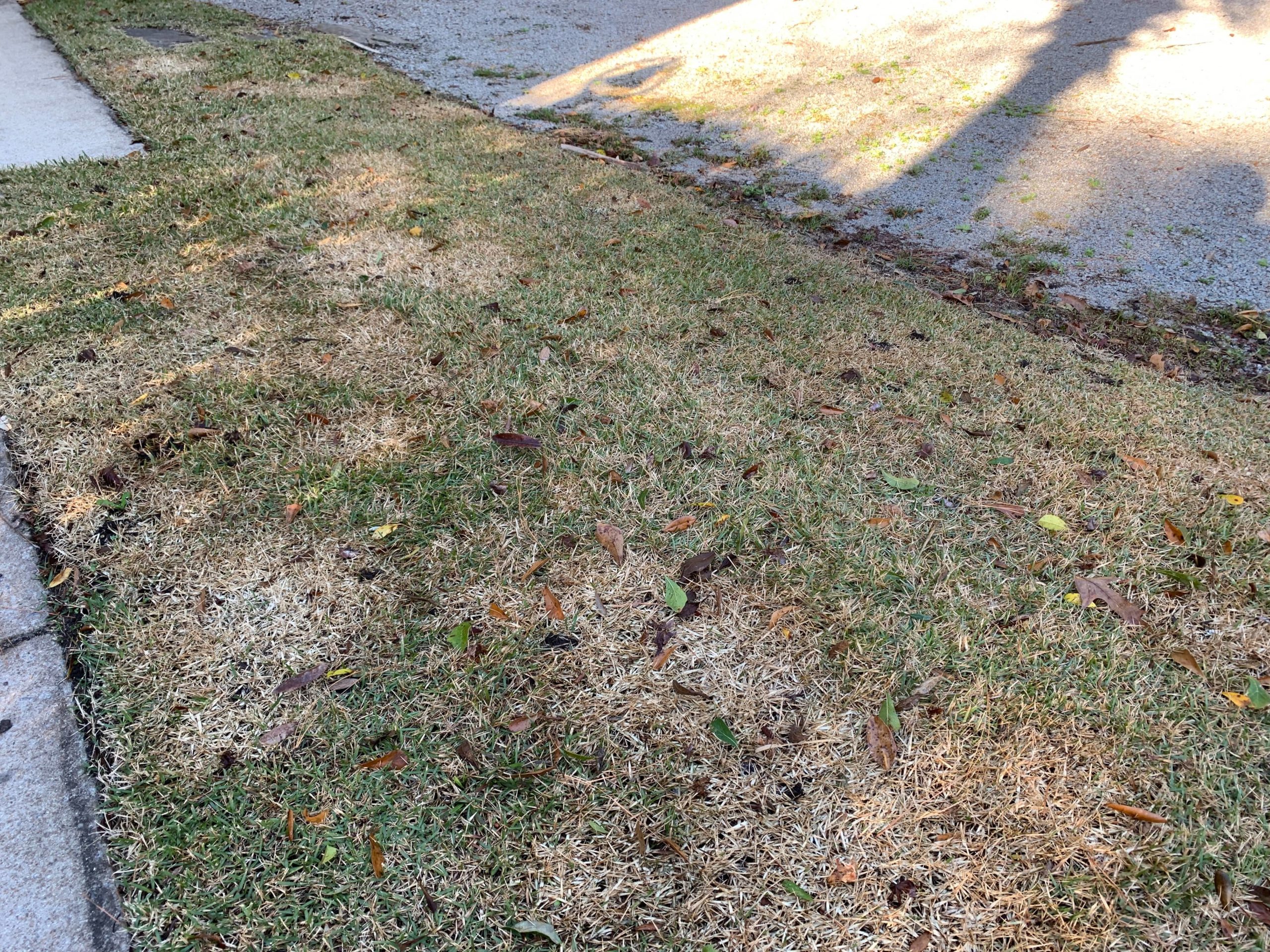
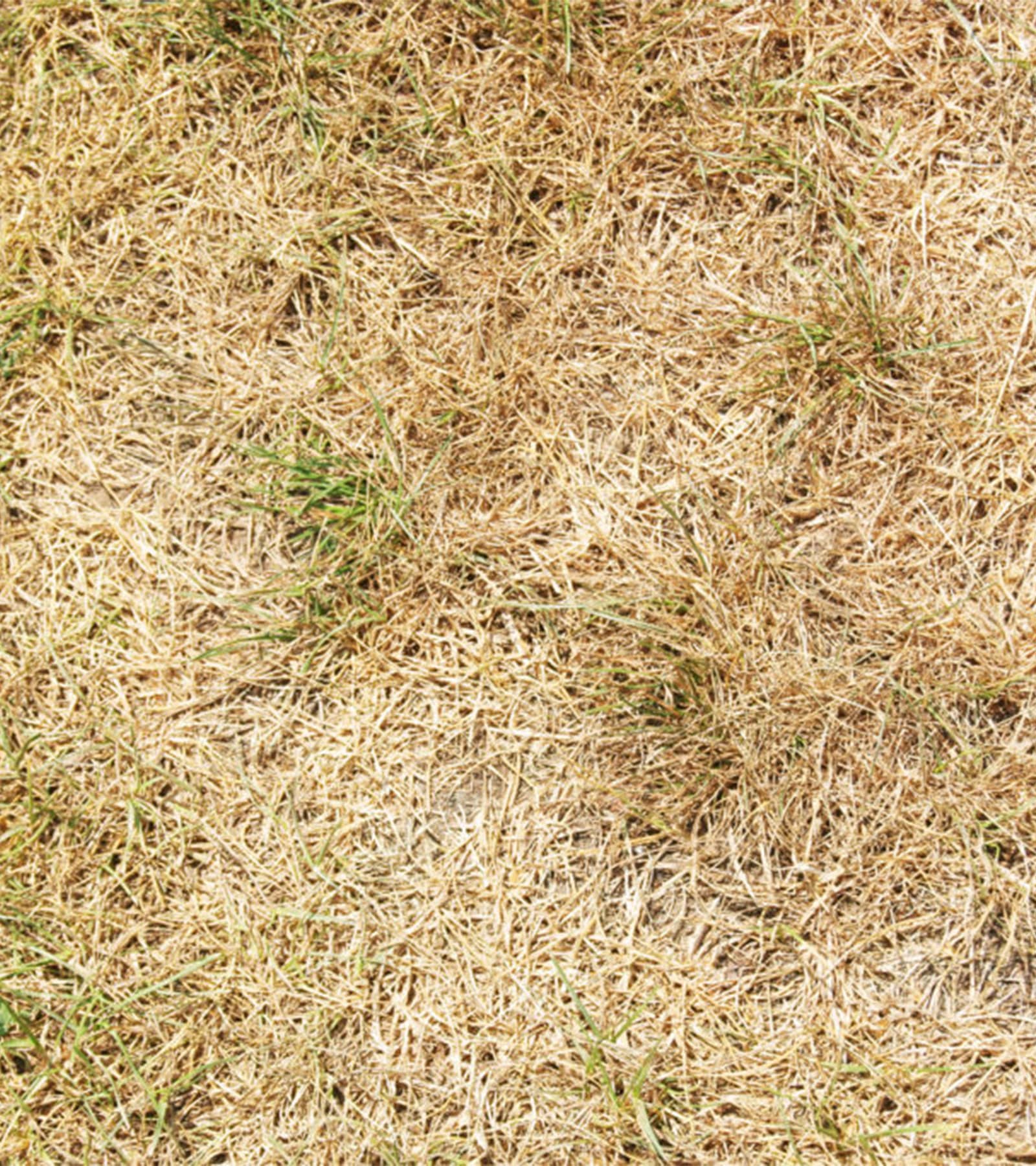
Pictured above from left to right: Patchy chinch bug damage contrasting the appearance of large patch disease and drought damage.
| Feature | Chinch Bug Damage | Large Patch Disease | Drought Stress |
|---|---|---|---|
| Pattern | Irregular patches; fans outward | Circular rings with dark edges | Uniform browning across large areas |
| Color Changes | Yellow → brown → dead grass | Brown center with yellow ring | Light brown or straw-colored |
| Reaction to Watering | No improvement with watering | May worsen with overwatering | Recovers quickly with irrigation |
| Location in Lawn | Hot, dry, sunny areas | Humid, shaded or poorly drained spots | Anywhere with inadequate watering |
| Time of Year | Summer (peak in July–September) | Fall or spring | Any time during extended dry periods |
| Visual Clues | Patchy, spreading damage; visible bugs sometimes | Defined circles or patches | Even dryness; no insects visible |
| Diagnosis Tip | Use a soap flush to spot bugs | Look for fungal patterns, check humidity | Check irrigation history |
When in Doubt, Get a Sample Checked
Take a small section of the affected grass—including roots—and send it to your local county extension office for expert diagnosis. It’s quick, affordable and helps avoid wasting time or money on the wrong treatment.
Soap Flush Test: How to Confirm Chinch Bugs
Use this simple test to confirm whether chinch bugs are hiding in your lawn.
What You’ll Need:
- Empty coffee can or PVC pipe (open on both ends)
- Can opener
- Water
- (Optional) Dish soap
Soap Flush Test Steps
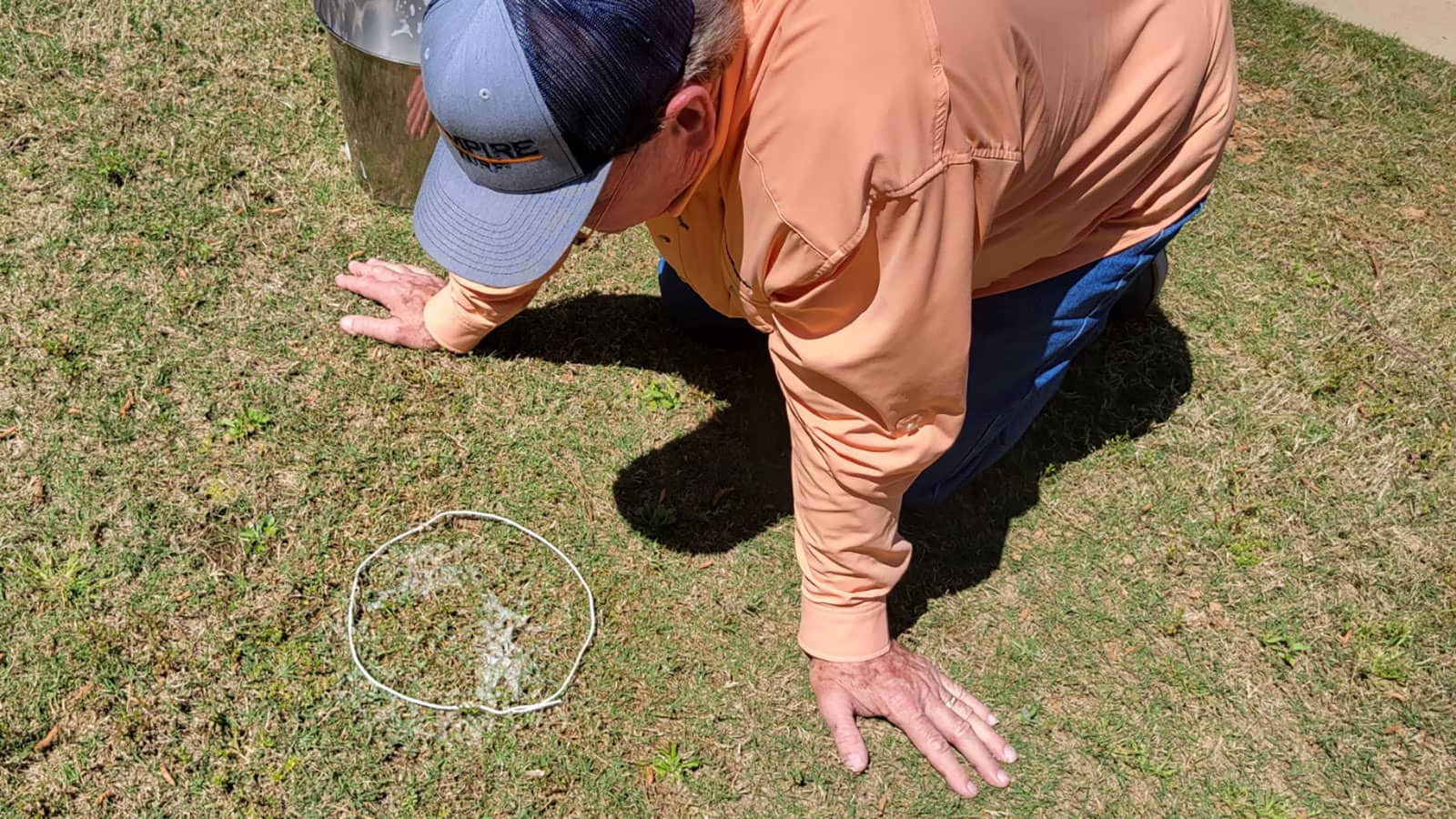
- Step 1: Use a can opener to remove both ends of a coffee can (like opening canned beans).
- Step 2: Push the can 3 inches into the soil where damage is visible. Dig a shallow hole first if needed.
- Step 3: Fill the can three-quarters full with water (optionally add a drop of dish soap).
- Step 4: Let it sit for 10 minutes.
- Step 5: After 10 minutes, gently stir the water to agitate any insects hiding below.
- Step 6: Watch for chinch bugs floating to the surface—they’re tiny but visible.
💡 You can also use a sharpened piece of PVC pipe instead of a can for easier insertion into the lawn.
Where to Find Chinch Bugs in Your Lawn
Chinch bugs are tiny, so spotting them with the naked eye can be tough—but not impossible.
Here’s how to improve your chances:
- Focus on the edges of your lawn, especially near sidewalks, driveways or areas you regularly edge. These spots often have thinner grass, making it easier to see into the grass canopy.
- Use your hands to gently part the grass blades and look near the soil surface.
- Bring a magnifying glass or hand lens—adult chinch bugs are only about the size of a pen tip!
Look for dark-colored bugs with a white band across their back (or two white spots for some adults).
And don’t worry—chinch bugs are harmless to humans. They won’t bite or sting, so you can get close without any risk.
Best Ways to Treat Chinch Bug Infestations
Cultural Control
There are a few cultural practices you can follow to help manage chinch bugs before turning to chemicals. These won’t always eliminate a full infestation, but they can reduce populations and limit damage.
Irrigate During Hot, Dry Weather
Chinch bugs thrive in dry, stressed grass—especially during summer heatwaves. To discourage them:
- Water your lawn deeply and consistently
- Aim for 1 inch of water per week (including rainfall)
- Water in the early morning to minimize evaporation
Keeping your lawn healthy and hydrated makes it harder for chinch bugs to get a foothold.
Remove Excess Thatch
Thatch provides the perfect shelter for chinch bugs—especially during winter dormancy.
To remove it:
- Do this at least once per year, ideally in spring or early summer
- Use a rake or dethatcher to lift thatch from the top layer of your lawn
- Focus on matted, spongy areas where debris collects
Why it matters: Thatch creates a cozy hiding spot for eggs, nymphs and overwintering adults. Removing it exposes them to predators and disrupts their life cycle.
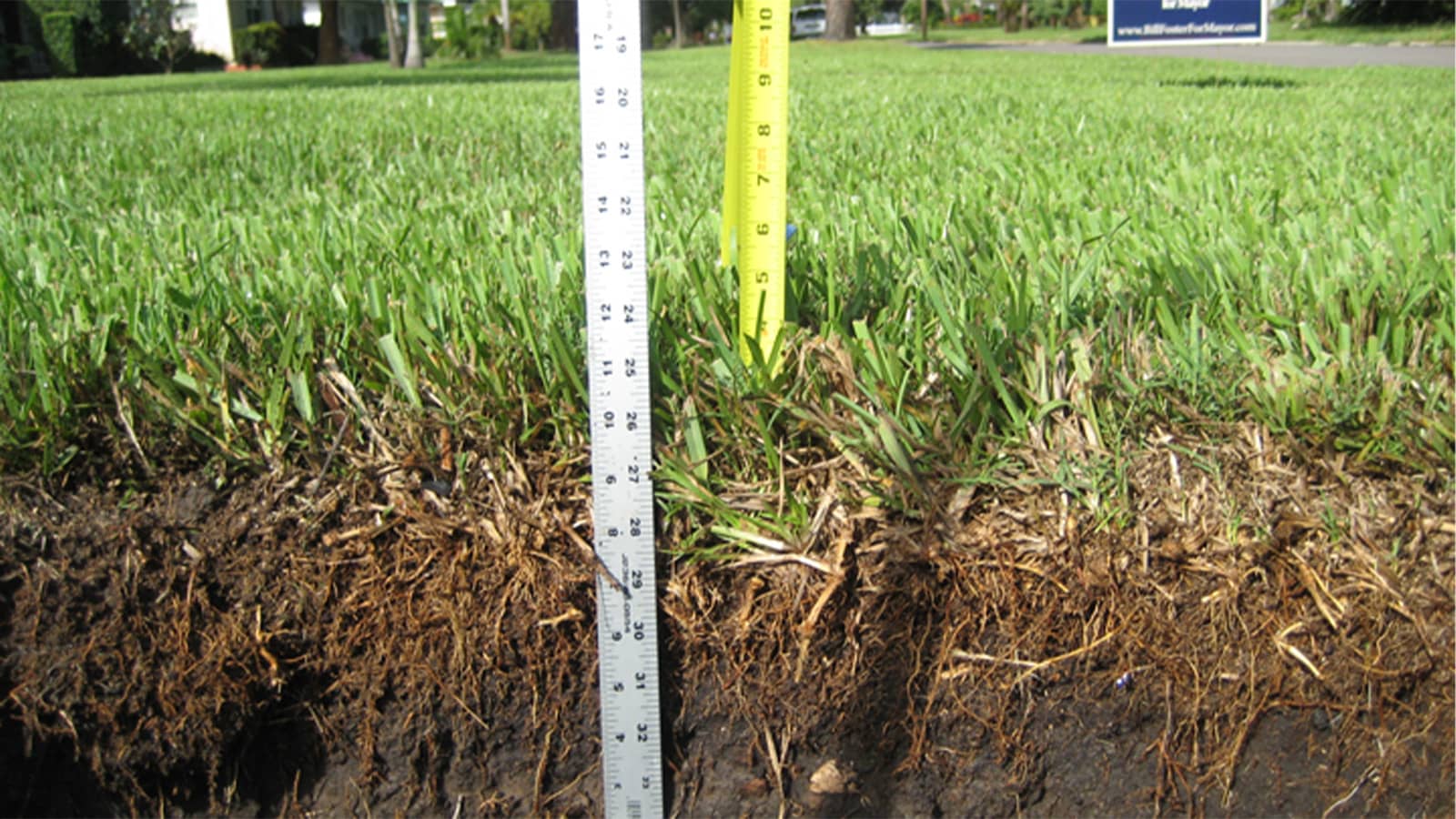
Photo credit: https://iloveturf.com/library/articles/thatch-st-augustine-lawns
Chemical Control
If cultural methods aren’t cutting it and the damage is spreading fast, it’s time to bring in the big guns—chemical insecticides.
When to Use Insecticides
- Recommended when you spot 15–20 chinch bugs per square foot
- Best for moderate to severe infestations
- Ideal during peak activity months (June–September)
What to Look For in a Chinch Bug Killer
You can choose between granular or liquid insecticides, depending on your application preference. Look for these active ingredients:
- Bifenthrin – Effective for current infestations.
- Imidacloprid – Preventive treatment & root-level protection.
Always read the product label and follow application guidelines carefully.
Pro Tips
- Apply early in the season to knock down populations before they explode
- Reapply as needed, usually 2–3 times per year
- Water lightly after granular applications to activate the product
Top Chinch Bug Products Compared
| Ingredient | Best Use Case | Pros | Cons |
|---|---|---|---|
| Bifenthrin | General chinch bug control for homeowners | ✅ Fast-acting ✅ Long residual effect ✅ Safe for DIY use | ❌ Can harm beneficial insects ❌ Requires reapplication |
| Imidacloprid | Preventive treatment & root-level protection | ✅ Long-lasting systemic control ✅ Targets nymphs early | ❌ Less effective on adults ❌ Slower kill time |
Prevention Tips to Keep Chinch Bugs Away
The best way to manage chinch bugs is to stop them before they become a problem. While damage usually shows up around August, it can appear earlier or later depending on the weather—so getting ahead of them is key. Aim to start preventive steps in late June or early July to avoid a full-blown infestation.
You can also rely on a little help from nature. Earwigs, despite their reputation, are actually beneficial insects in your lawn. They feed on pests like chinch bugs, sod webworms and small mole crickets—sometimes eating up to 50 chinch bugs a day.
Support Lawn Health with Fertilizer
While fertilizer doesn’t kill chinch bugs, it plays an important role in helping your lawn recover and stay strong under stress.
Consider a program like Lawnifi®, which delivers nutrients your grass needs—when it needs them.
With Lawnifi, you can:
- Subscribe to receive seasonal fertilizer boxes
- Purchase each box individually based on your lawn’s schedule
- Improve your lawn’s resilience and recovery after pest or drought damage
FAQs About Chinch Bugs
Yes, adult chinch bugs can fly short distances, but they primarily live inside lawns.
Chinch bug damage appears as irregular yellowing patches. Perform a soap flush test to confirm.
Yes, if the root system is still viable. Damaged patches may require fertilization, plugging or overseeding once they've been controlled.
Loved this content? Get lawn care tips, updates, and more delivered straight to your inbox—subscribe to our free weekly newsletter.