
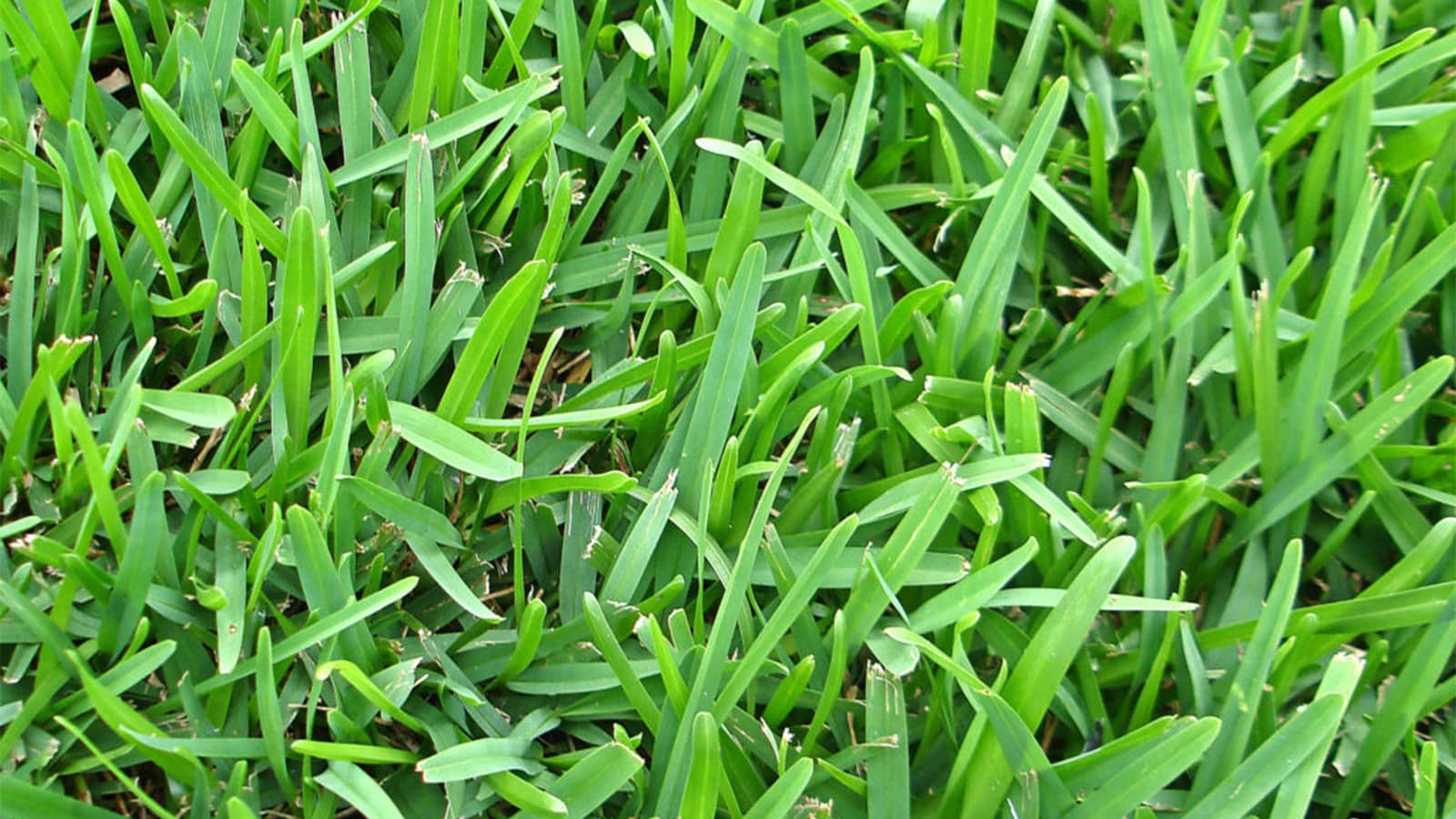
St. Augustine grass is one of the most recognizable lawn grasses in the South, and for good reason. Its thick, tropical blades and shade tolerance make it a favorite in warm, humid regions.
But what many homeowners don’t realize is that St. Augustine is also one of the most misunderstood turfgrasses. It thrives in the right environment, but like any grass, it struggles quickly in the wrong one.
If you’re considering St. Augustine for a new lawn, or trying to decide whether it’s worth keeping, this guide breaks down what it does well, where it falls short and how to decide if it’s truly the right fit for your yard.
What to Know About St. Augustine Grass Before You Commit
Before getting into specs, cultivars or side-by-side comparisons, it helps to understand how St. Augustine behaves in real lawns.
Like any turfgrass, it has strengths and tradeoffs. When those line up with your yard and how you use it, St. Augustine can be an excellent choice for southern landscapes.
1. Maintenance Is About Consistency
St. Augustine is often described as easy to grow, and in many southern environments, that’s true. Like all turfgrasses, though, it performs best when mowing height, fertilization and watering are kept consistent.
When those basics are followed, St. Augustine maintains density and color very well. Problems tend to show up when routine care is skipped for extended periods, a challenge shared by most lawn grasses.
2. Recovery Depends on How the Lawn Is Used
Some grasses are bred to recover extremely quickly from heavy foot traffic. St. Augustine recovers more gradually, especially in high-use areas, though certain cultivars are better at bouncing back than others.
In typical home lawns with moderate activity, this usually isn’t an issue, but it’s something to factor in if the yard sees constant wear.
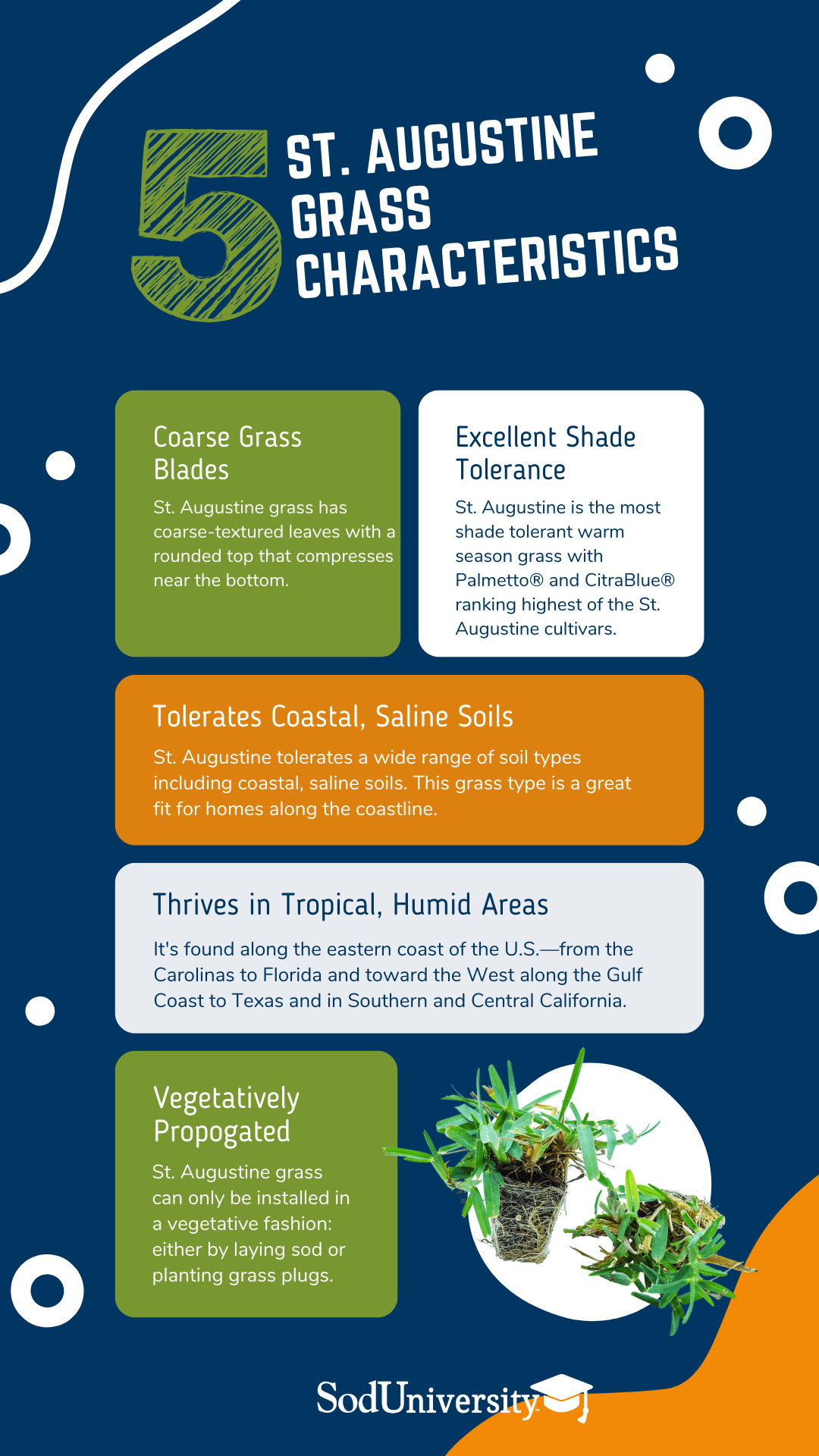
3. Shade Tolerance Offers Flexibility
Compared to many warm season grasses, St. Augustine handles shade well, making it a popular choice for lawns with trees or partial sun.
Like any grass, however, it still needs adequate light and airflow to stay dense. When those needs are met, St. Augustine performs reliably in areas where other grasses struggle.
4. Water Needs Reflect Its Coastal Roots
St. Augustine evolved in warm, humid environments and responds best to consistent moisture. While it can handle short dry spells, prolonged drought places stress on the turf, much like it does for most lawn grasses.
With regular irrigation or dependable rainfall, St. Augustine holds color and coverage very well.
5. Insect Monitoring Is Part of Responsible Lawn Care
All turfgrasses host insects, and St. Augustine is no exception. Southern chinch bugs are a well-known pest, but when monitored early, they’re manageable.
Staying aware of insect activity is simply part of maintaining a healthy lawn, regardless of grass type.
Where St. Augustine Grass Comes From and Why It Grows the Way It Does
Where St. Augustine Is Commonly Grown
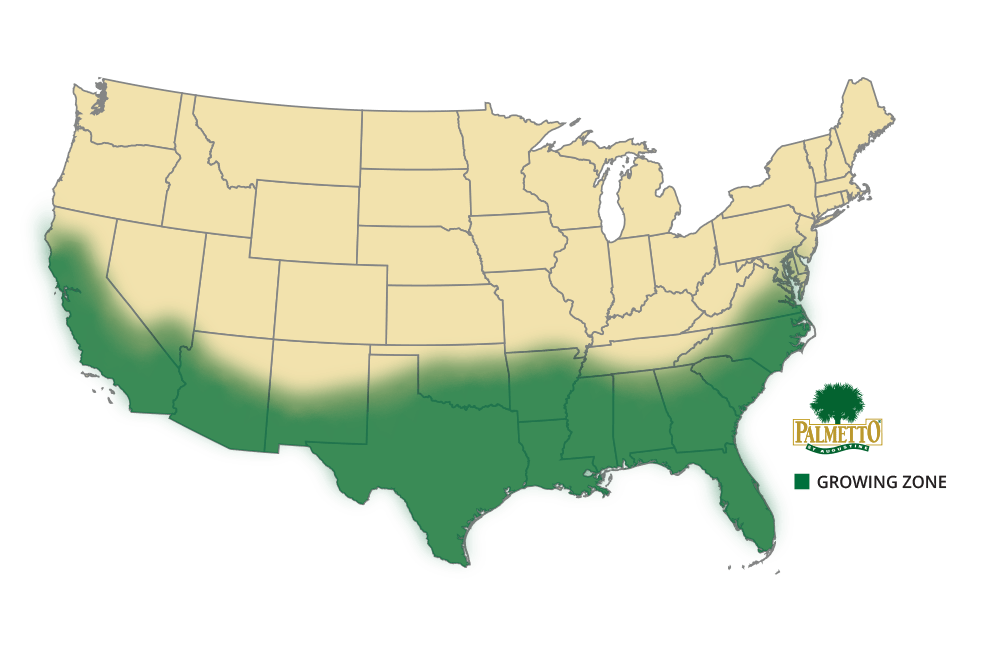
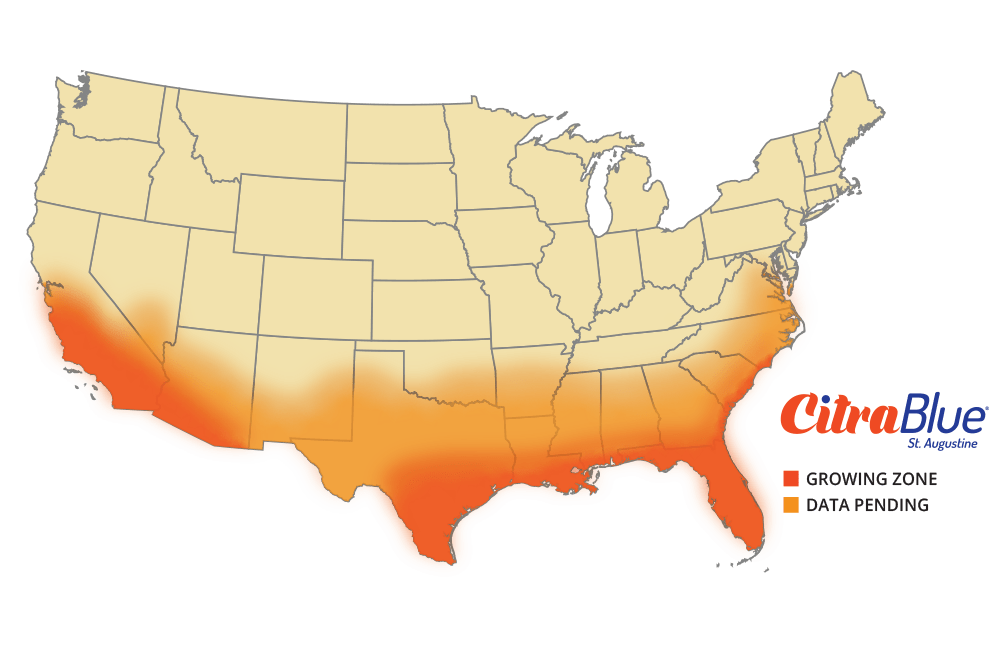
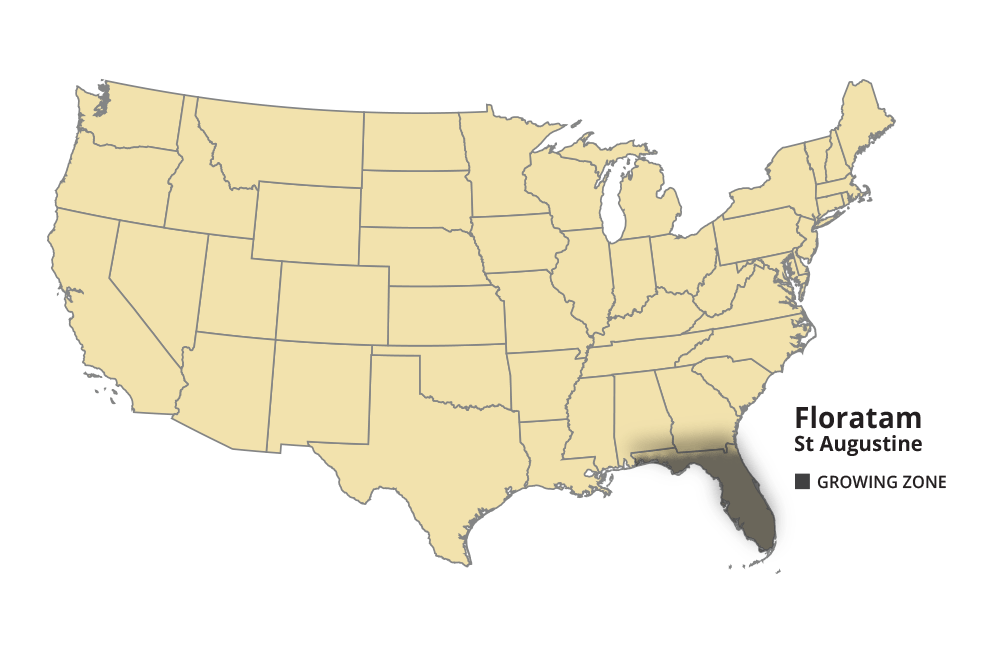
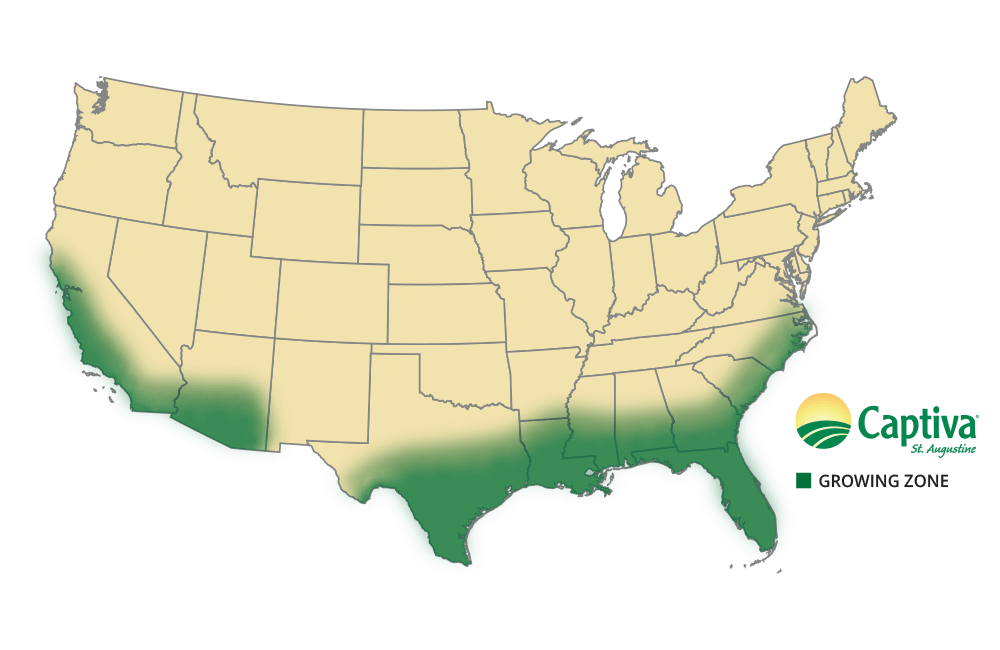
St. Augustine grass is most commonly found along the eastern and southern coasts of the United States, from the Carolinas through Florida, across the Gulf Coast into Texas and in parts of Southern and Central California. Its popularity in these regions reflects where the grass naturally thrives.
How Its Origins Shape Its Growth
Native to coastal and tropical regions surrounding the Gulf of Mexico, the West Indies and Western Africa, St. Augustine developed traits well suited for warm, humid environments. These origins explain its tolerance for heat, humidity and coastal soils.
Why Cultivar Selection Matters
St. Augustine spreads through above-ground runners called stolons, creating a dense, carpet-like lawn. Because climate, disease pressure and shade vary by region, different cultivars perform better in different locations.
What Defines St. Augustine Grass (And Why It Matters for Your Lawn)
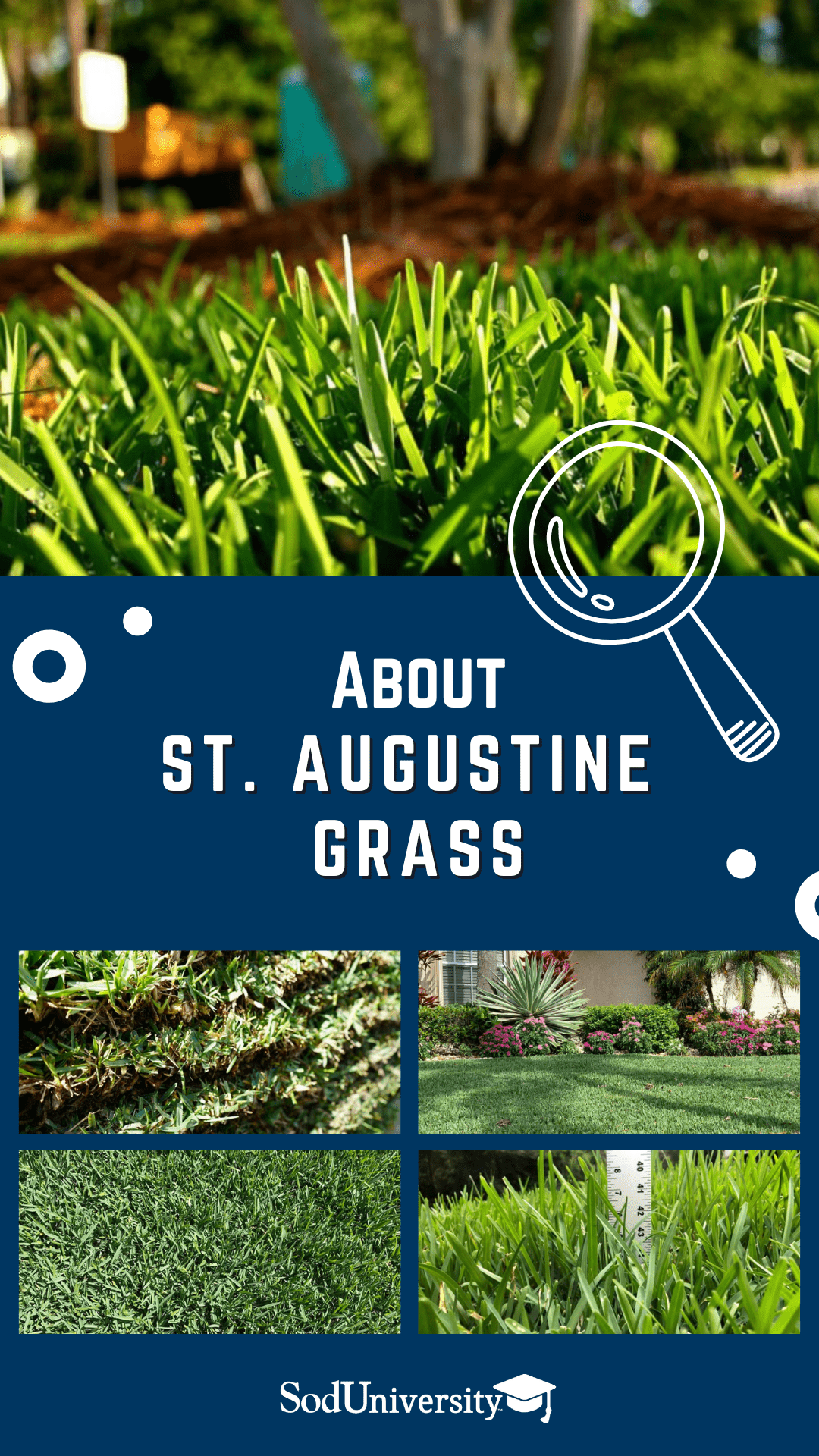
St. Augustine grass is a warm season, perennial turfgrass known for its broad, coarse blades and dense stolon growth. It spreads above ground rather than through underground rhizomes, which affects how it recovers from stress and how it’s established.
It thrives in warm, humid climates and adapts well to a range of soil types, particularly in coastal regions where salt tolerance is important. Because it is vegetatively propagated, St. Augustine can only be installed as sod or plugs. There is no commercially viable seed.
Choosing the Right St. Augustine Cultivar for Your Yard
Not all St. Augustine lawns perform the same. Different cultivars are bred for different conditions, including shade tolerance, drought response, color and growth habit.
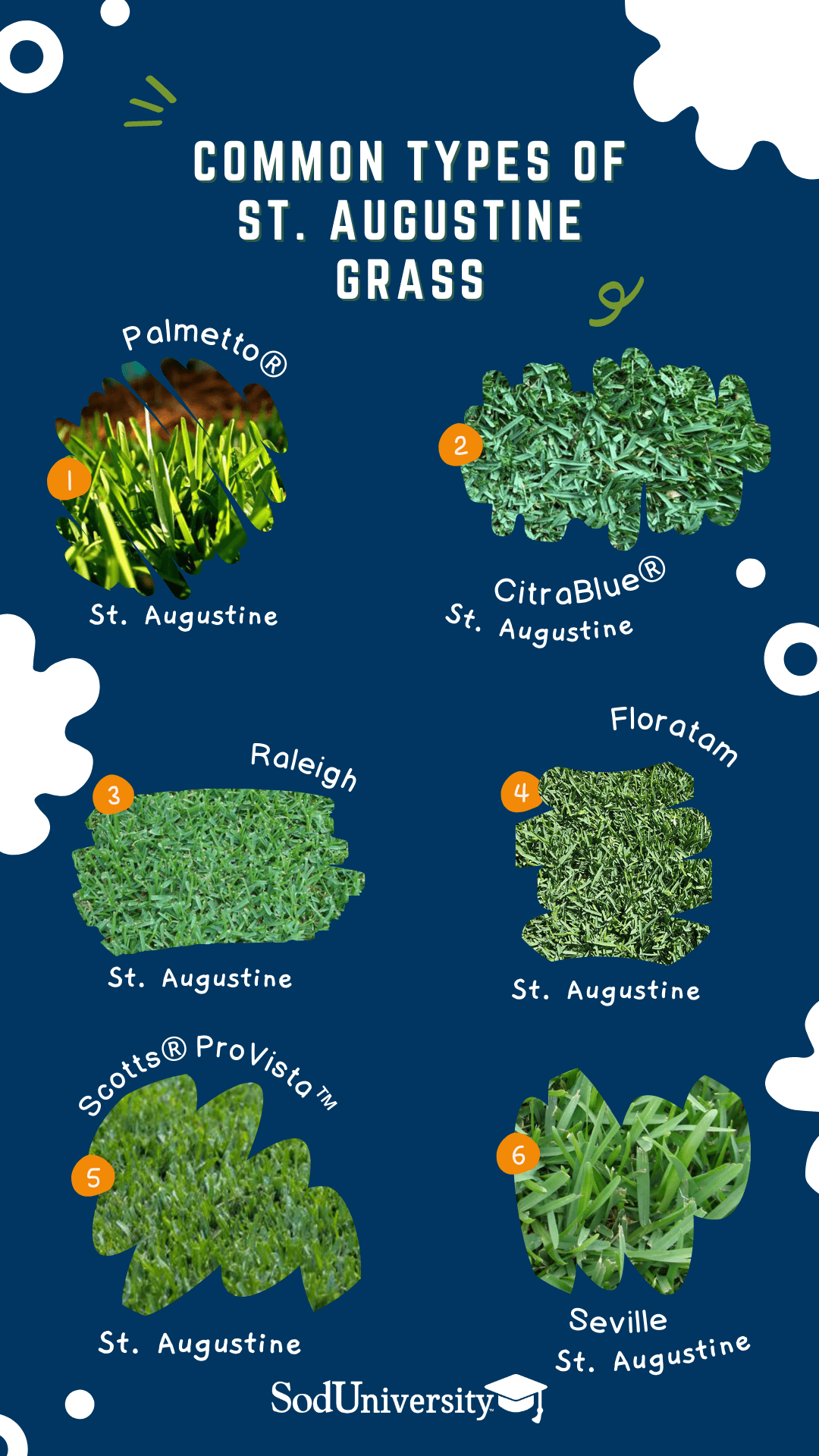
Popular options include Palmetto®, CitraBlue®, Sola® and Cobalt®. Each has its own strengths and trade-offs, which is why selecting a cultivar based on your yard conditions is far more important than choosing one based on appearance alone.
Where St. Augustine Grass Performs Best
St. Augustine excels in:
- Warm, humid climates
- Lawns with moderate shade
- Coastal or saline soils
- Areas with consistent irrigation
- Home landscapes with moderate foot traffic
When these conditions are present, it produces a dense, visually striking lawn with strong seasonal color.
Where St. Augustine Grass Struggles
Depending on the cultivar, St. Augustine often underperforms in:
- Cold or frost-prone climates
- High-traffic areas
- Prolonged drought conditions
- Poorly drained or compacted soils
- Lawns with recurring insect pressure and limited monitoring
Understanding these limitations ahead of time prevents frustration later. However, certain cultivars of St. Augustine have been bred and become widely available to take on some of these challenges.
What to Expect When Installing St. Augustine Sod
Installing St. Augustine sod is similar to other warm season grasses, but expectations matter. Proper soil preparation, careful layout and consistent watering during establishment are essential. Because it spreads above ground, gaps or poor contact with soil can slow establishment.
Planning for establishment time, rather than expecting instant durability, leads to much better results.
What It Takes to Care for St. Augustine Grass Long-Term
Like any type of grass, successful St. Augustine lawns rely on consistency. Regular mowing at the proper height, balanced fertilization and attentive irrigation form the foundation of long-term health. Different cultivars may have slightly different requirements, but neglecting core maintenance practices almost always leads to decline.
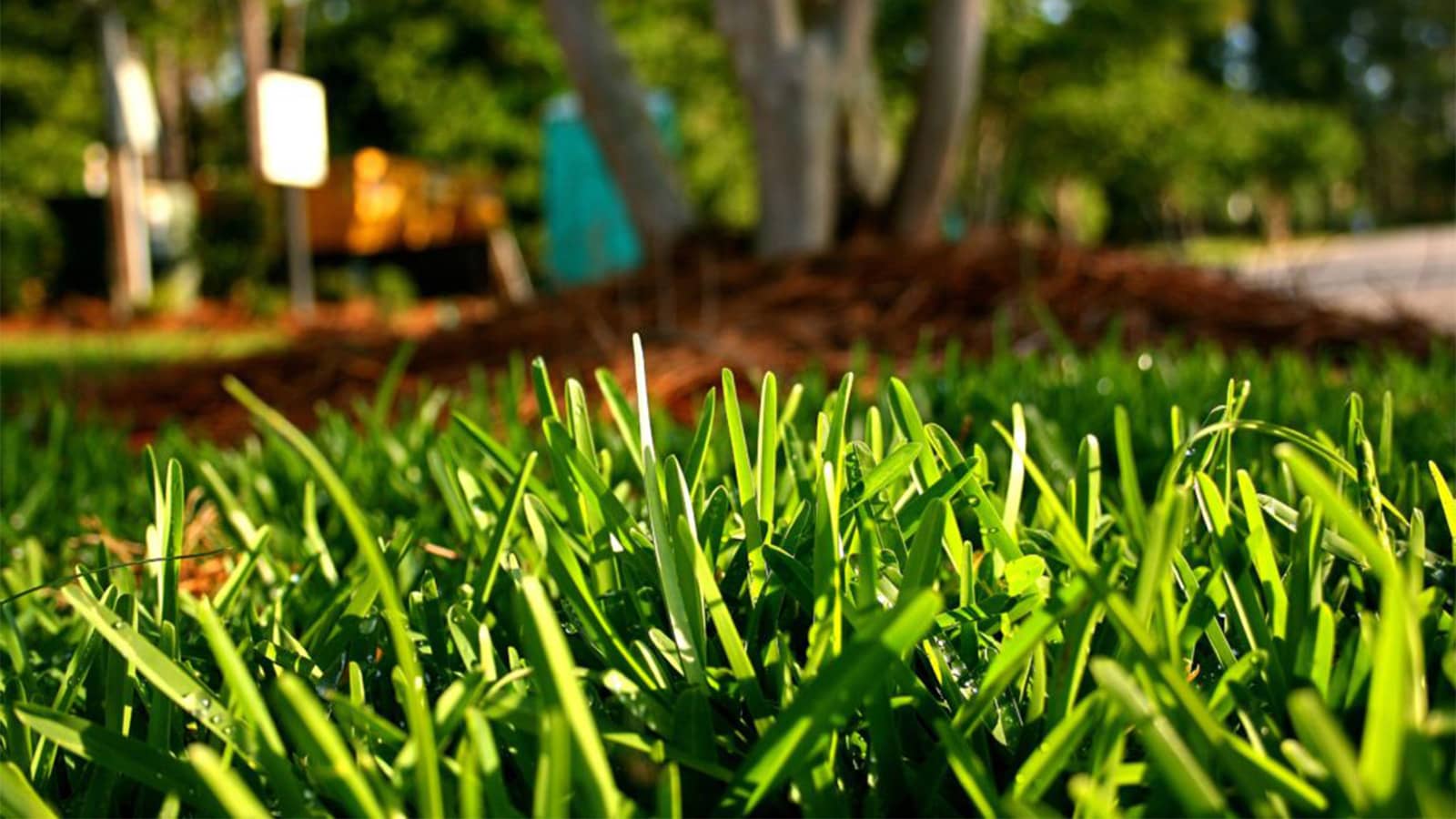
Common Types of St. Augustine Grass
St. Augustine grass isn’t a one-size-fits-all turf. There are several different cultivars available, each bred with its own strengths and weaknesses, such as shade tolerance, drought response, color and disease resistance. Some varieties perform better in coastal areas, while others are better suited for inland or high-traffic lawns.
Choosing the right cultivar can make a noticeable difference in how well your lawn performs long-term. You can learn more about the most popular options and how they compare in this guide.
St. Augustine Grass FAQs
St. Augustine grass can be an excellent choice for lawns in warm, humid regions, especially those with some shade. It performs best when its needs for sunlight, water and routine maintenance are met. If your lawn sees moderate foot traffic and you’re able to maintain consistent care, St. Augustine is often a strong option.
St. Augustine isn’t high-maintenance, but it does require consistency. Regular mowing at the proper height, balanced fertilization and reliable watering go a long way in keeping it healthy. Like most turfgrasses, problems usually arise when routine care is skipped for extended periods.
St. Augustine handles shade better than many warm season grasses, which is why it’s popular in lawns with trees or partial sun. However, it still needs adequate light and airflow to stay dense. Deep or constant shade can lead to thinning over time.
St. Augustine prefers consistent moisture and performs best with regular irrigation or dependable rainfall. While it can handle short dry spells, prolonged drought can cause stress and thinning. This behavior is common among many lawn grasses, especially those adapted to humid climates.
Yes. St. Augustine spreads through above-ground runners called stolons, which allow it to fill in over time. This growth habit creates a dense, carpet-like lawn, but recovery from damage tends to be more gradual than grasses that spread through both stolons and rhizomes.
No. St. Augustine grass is not available as seed for home or commercial use. It is established using sod or plugs, which ensures consistent coverage and cultivar performance.
Yes. St. Augustine includes several cultivars, each bred for specific strengths such as shade tolerance, drought response, color and growth habit. Choosing the right cultivar for your yard conditions can make a significant difference in long-term performance. You can explore popular St. Augustine varieties and their differences here.
All lawns deal with insects, and St. Augustine is no exception. Southern chinch bugs are one of the most common pests, but early detection and routine monitoring make them manageable. Staying proactive is key to preventing widespread damage.
With proper watering and care, St. Augustine sod typically begins rooting within a couple of weeks. Full establishment takes longer and depends on soil preparation, weather and maintenance. Planning for an establishment period, rather than expecting instant durability, leads to better results.