
As the chill of winter sets in, it's easy to overlook your lawn, assuming it needs less care than during the warmer months. However, the effort you put into your winter lawn care can significantly impact how vibrant and healthy your lawn looks come spring.
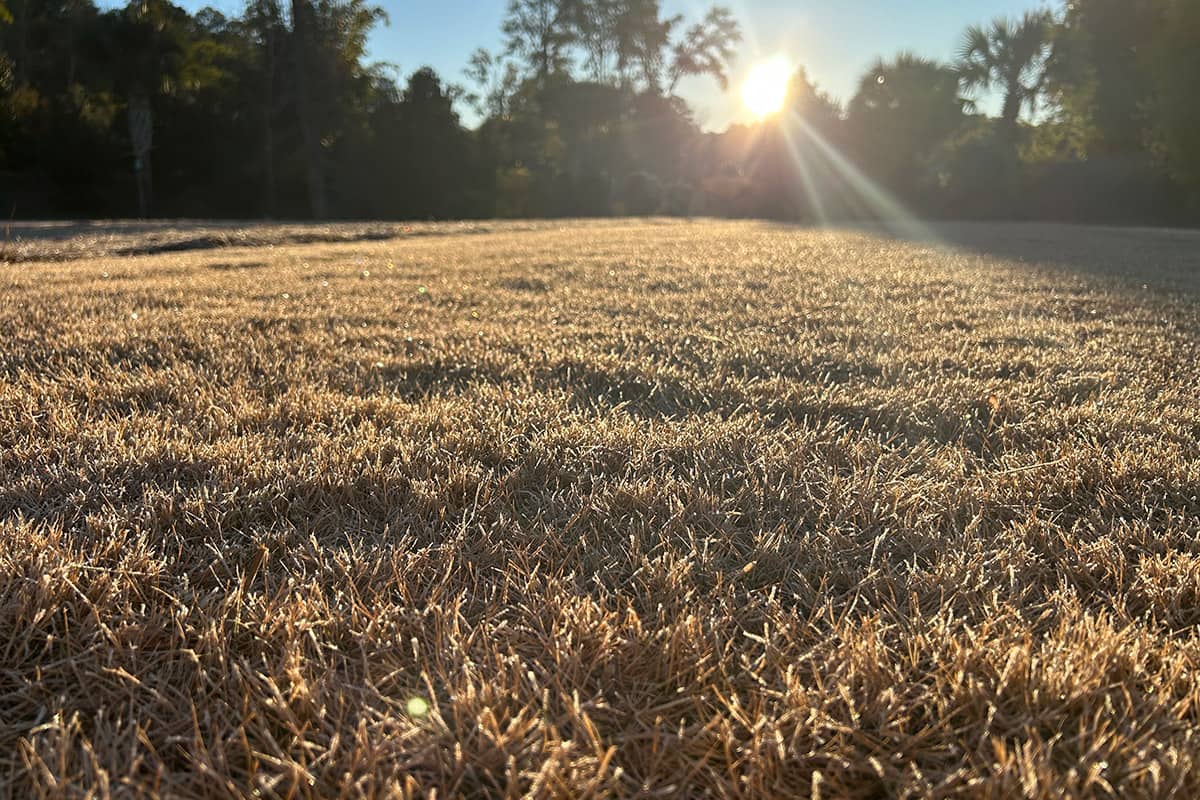
Most warm season lawns enter a dormant phase in winter, but this doesn’t mean they should be neglected. In fact, strategic winter care is important for ensuring a healthy comeback.
Why Winter Lawn Care Matters
Even in dormancy, your grass still benefits from consistent care. Proper winter maintenance helps:
- Protect the grass from frost and disease
- Maintain soil moisture
- Prevent pest and weed issues
- Set the stage for faster spring recovery
By maintaining a few seasonal habits, you ensure your lawn has a strong foundation to recover quickly when temperatures rise.
Mowing Your Lawn in Winter: What to Know
1. Adjust Your Mowing Height
Keep your grass slightly taller than usual during the colder months. Taller blades protect the roots, insulate the soil and reduce frost penetration.
2. Mow Only When Conditions Are Right
Avoid mowing when your lawn is wet or when the temperature drops below 50 degrees Fahrenheit. Cutting grass in damp or freezing conditions can cause tearing and damage.
3. Maintain Your Mower
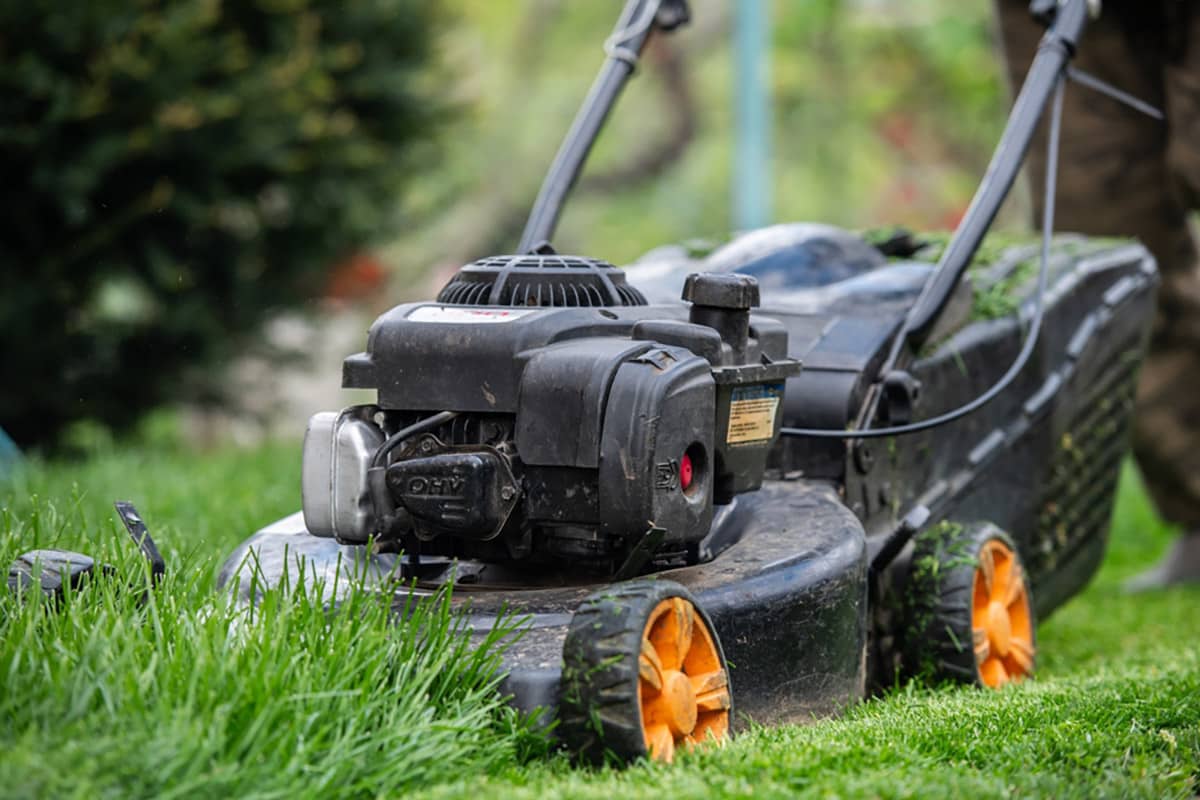
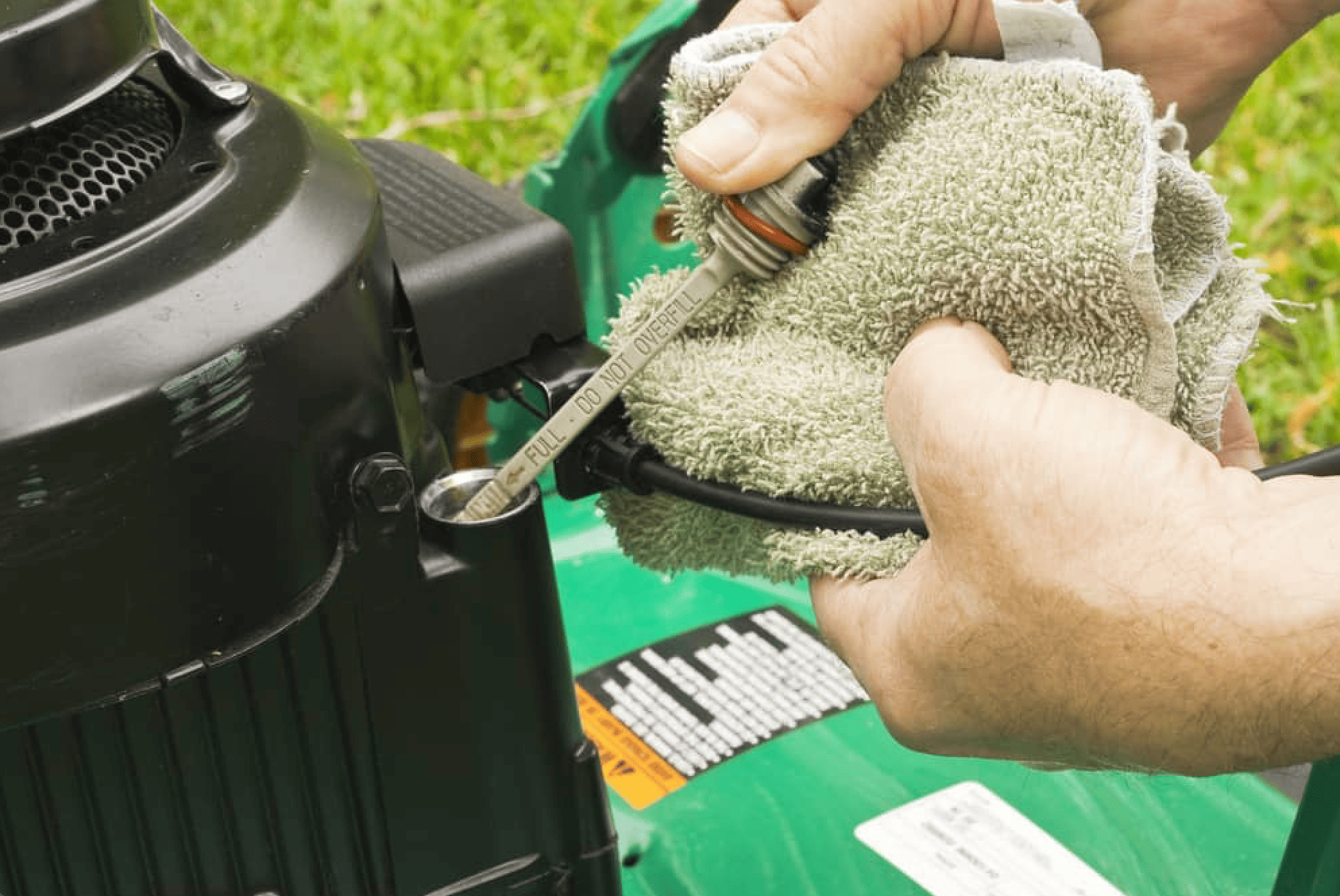
Winter is the perfect time to clean, sharpen, and service your mower. A well-tuned mower ensures crisp cuts and a healthy lawn in spring.
➡️ Tip: Check out our mower maintenance guide.
Watering Your Lawn During the Cold Months
While your lawn’s water needs decrease in winter, it still requires occasional hydration.
- Reduce Watering Frequency: Natural rainfall and snow often provide enough moisture.
- Monitor Dry Climates: In arid regions, water occasionally to keep the soil moist and prevent desiccation.
- Avoid Overwatering: Standing water can lead to root rot or mold growth during cold spells.
Pre-Winter Fertilization: The Key to Spring Success
Fertilizing after your lawn goes dormant has little effect. Instead, focus on applying fertilizer in late fall, before temperatures consistently dip below 50 degrees Fahrenheit. This boosts root strength and improves cold tolerance.
We recommend the Lawnifi® Fall Fertilizer Box, featuring three liquid fertilizer bottles that help your grass recover from summer stress and prepare for winter dormancy.
✔️ Easy to use — just attach to a garden hose and spray.
✔️ Rapid absorption with Catalyst Technology.
✔️ Apply Boost at the beginning of Fall, Maintaint 4 weeks later and Recover 4 weeks later.
Weed Control in Winter
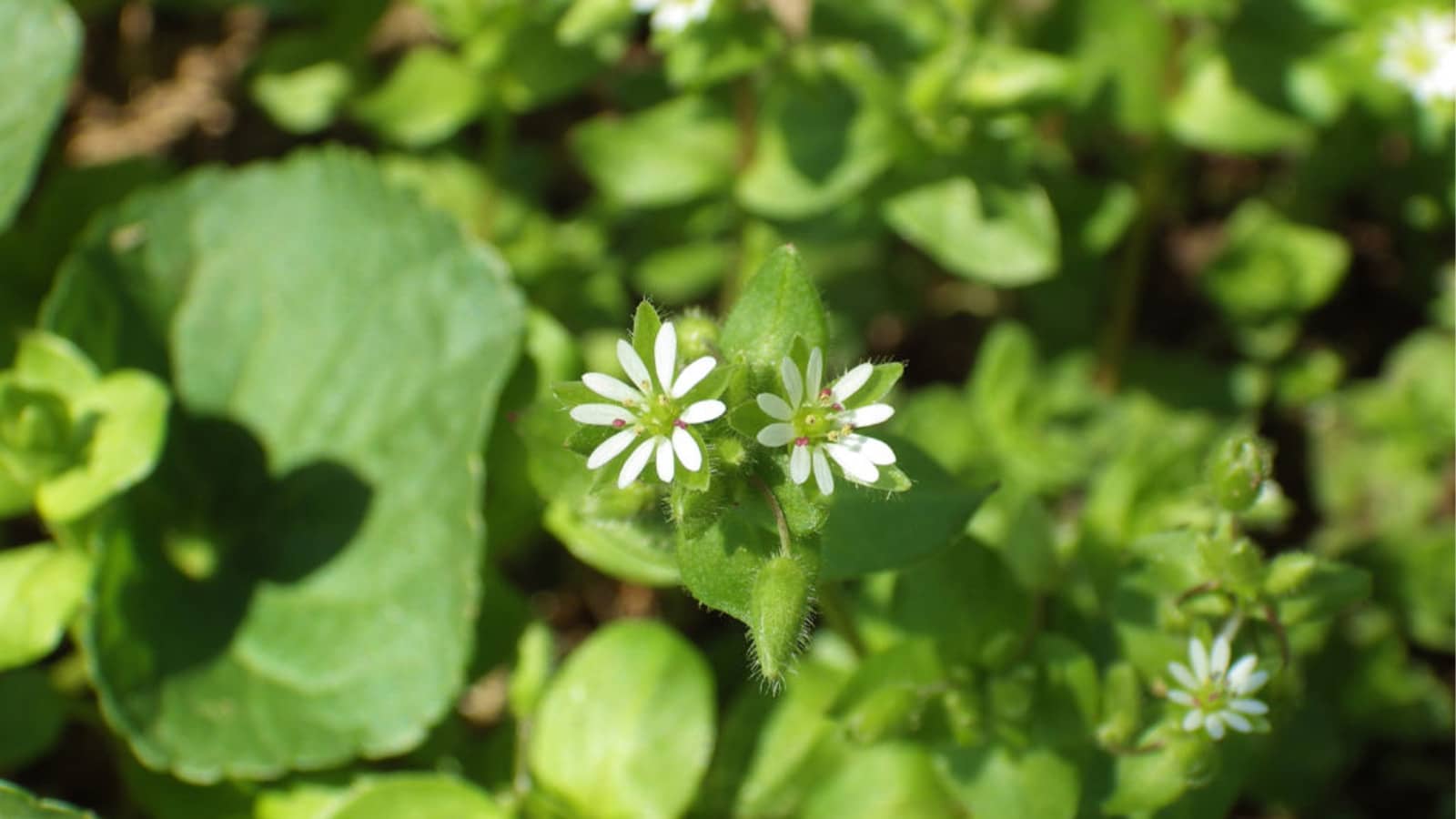
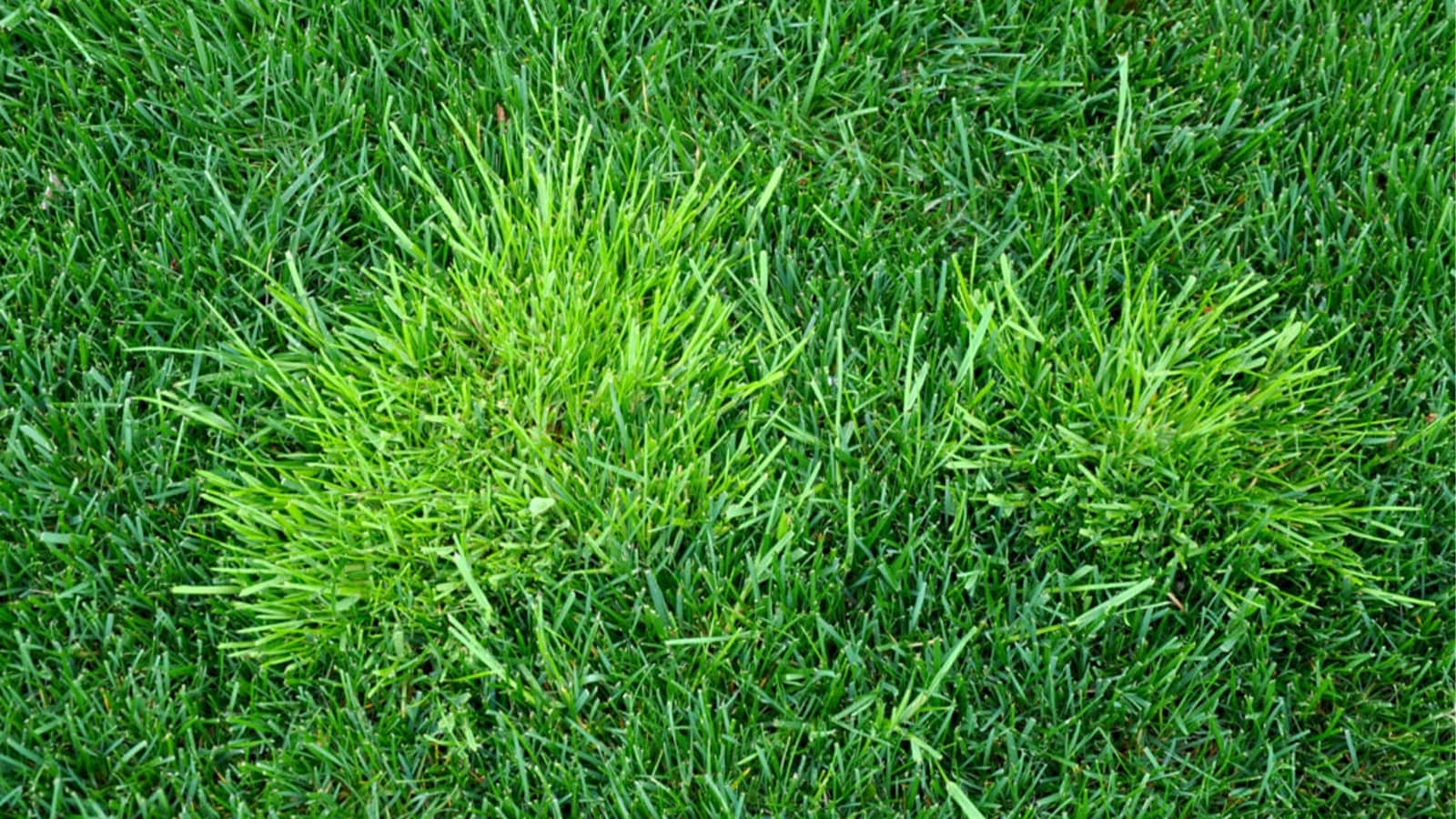
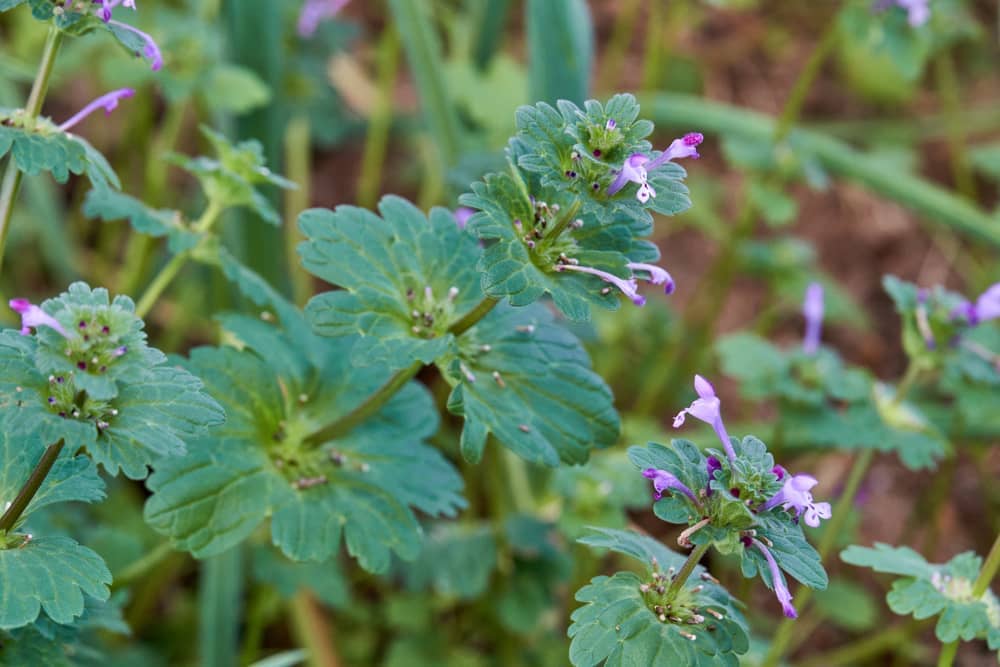
Even when your grass slows down, winter weeds like chickweed, purple deadnettle, and Poa annua (annual bluegrass) can still appear.
- Apply pre-emergent herbicides in fall to prevent winter weeds from germinating.
- Avoid post-emergent treatments in deep winter — they’re often ineffective on dormant lawns.
➡️ Learn more about seasonal weed control.
Managing Pests and Diseases in the Cold
Most lawn pests are inactive in winter, but a few—like grub worms and mole crickets—can survive beneath debris. If these insects are present, apply an insect control.
For fungal issues such as snow mold, apply preventive fungicides in fall before the first freeze.
Remove leaves, branches and lawn ornaments to reduce pest habitats.
Read our full guide on lawn disease prevention.
Protecting Dormant Grass from Traffic
Dormant lawns are more vulnerable to damage. Limit foot traffic, playing or parking on grass during winter to prevent soil compaction and bare spots. Come spring, your lawn will thank you with healthier, more even growth.
Installing Sod in Winter
Yes—sod installation can be done in winter! In regions with milder temperatures, laying sod now gives it time to establish roots before spring. If you’re looking for a year-round green lawn, consider:
- Turf Colorants: Add instant color without growth.
- Overseeding: Introduce cool-season grasses for a temporary green cover.
➡️ Explore our guide to installing sod in winter and keeping your lawn green in winter.