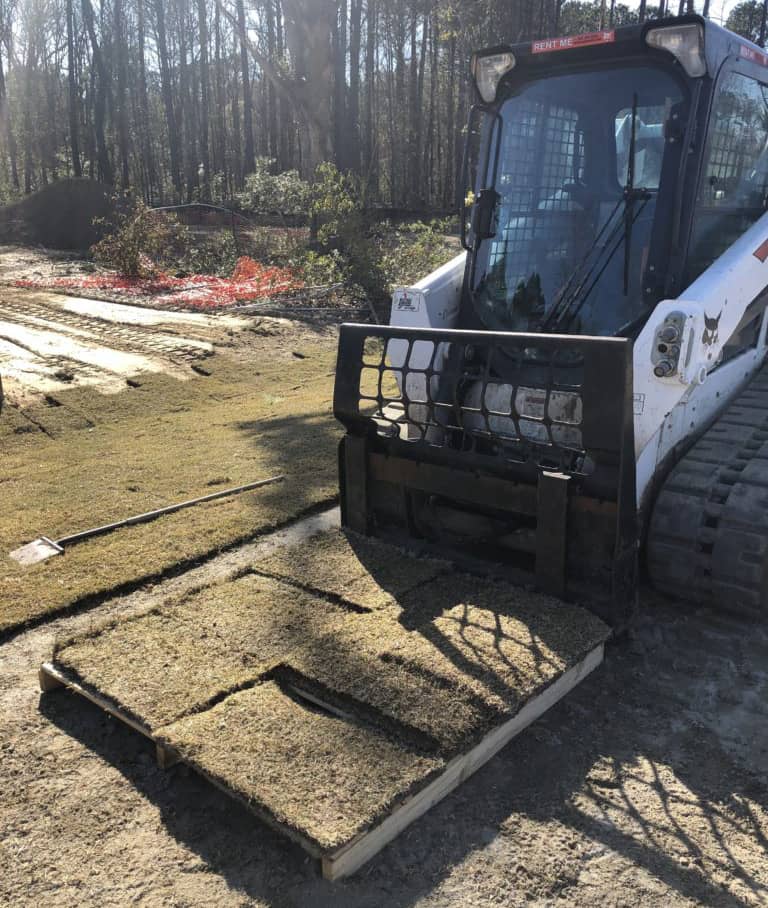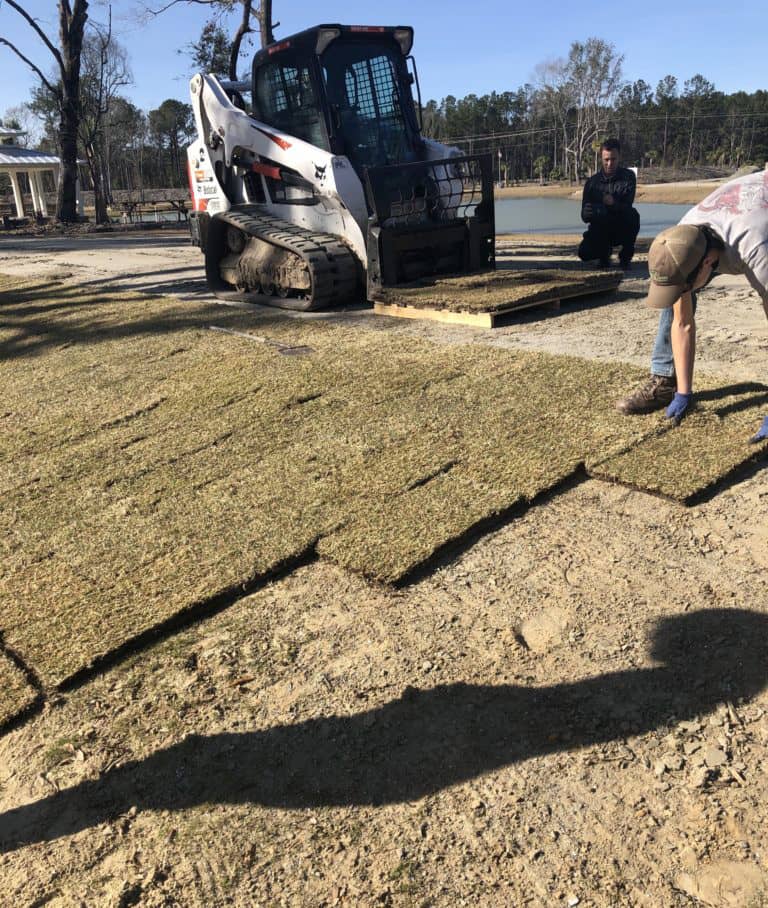
The Short Answer
Yes! In the right climate zones, laying sod in winter can be not only safe but highly beneficial.
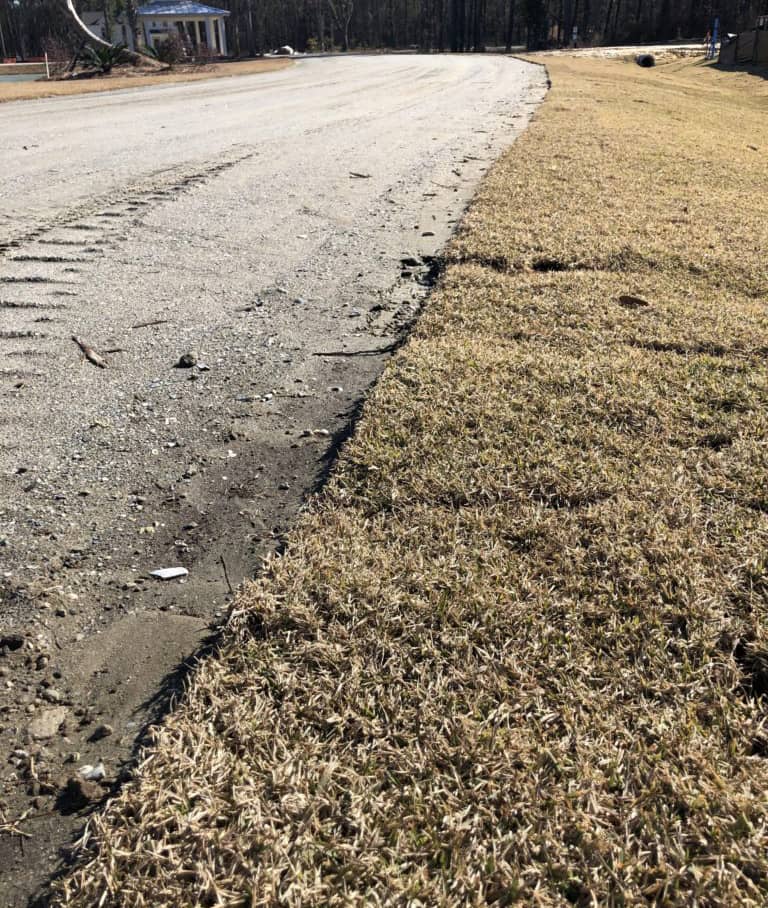
While warm-season grasses (like Bermuda, Zoysia, and St. Augustine) go dormant in colder months, sod roots can still establish slowly—giving your lawn a head start when spring arrives.
Why Winter is a Great Time to Install Sod
Many assume cold weather will damage roots, but the reality is:
- Sod is more often lost to summer heat stress than to winter freezes.
- Dormant grass requires less water and no fertilizer.
- Roots still develop at the soil surface, preparing for spring green-up.
Key Takeaways:
- ✅ Heat stress is riskier than moderate freezes
- ✅ Best for southern U.S. regions: USDA Zones 8b–11
- ✅ Lower maintenance: less water, no fertilizer
- ✅ Early establishment: roots settle in before spring
Is It Safe to Lay Sod in Winter?
Yes—if you live in the right location.
Concerns about freezing:
- In southern zones, where temps usually stay above 20°F, winter sod installation is safe and effective
- Freezing only becomes an issue when temps dip into the teens (°F) for extended periods
👉 Want to see it done? Watch our video demonstration on winter sod installation.
Best Regions for Winter Sod Installation
Winter sod works best in the southern U.S., where winters are mild.
Ideal USDA Zones:
- 8b–11 → Texas, Louisiana, Florida, southern South Carolina & Georgia
When to wait:
- If temps regularly dip below 20°F, hold off until spring
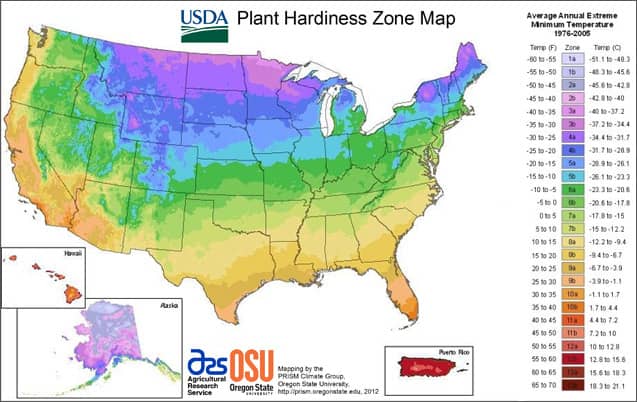
Photo Credit: planthardiness.ars.usda.gov
Month-by-Month Guide for Laying Sod in Winter
- November & December → Safe if temps stay above mid-teens
- January & February → Proceed if temps hover at or above 32°F; pause if they frequently fall below 20 degrees Fahrenheit
Best Types of Sod for Winter Installation
St. Augustine Sod
- Can be installed until temps dip into the teens
- Dormant sod needs minimal water and no fertilizer
Zoysia Sod
- Handles moderate freezes well
- Root system slowly establishes in dormancy
- EMPIRE® Zoysia is a professional favorite
Bermuda Grass Sod
- Works well in southern zones with brief or mild freezes
Pro Tip from Mark Lane, Looking Glass Landscaping:
“I like to install sod in winter. EMPIRE® Zoysia is particularly great to work with during this time, but Palmetto® St. Augustine also performs well.”
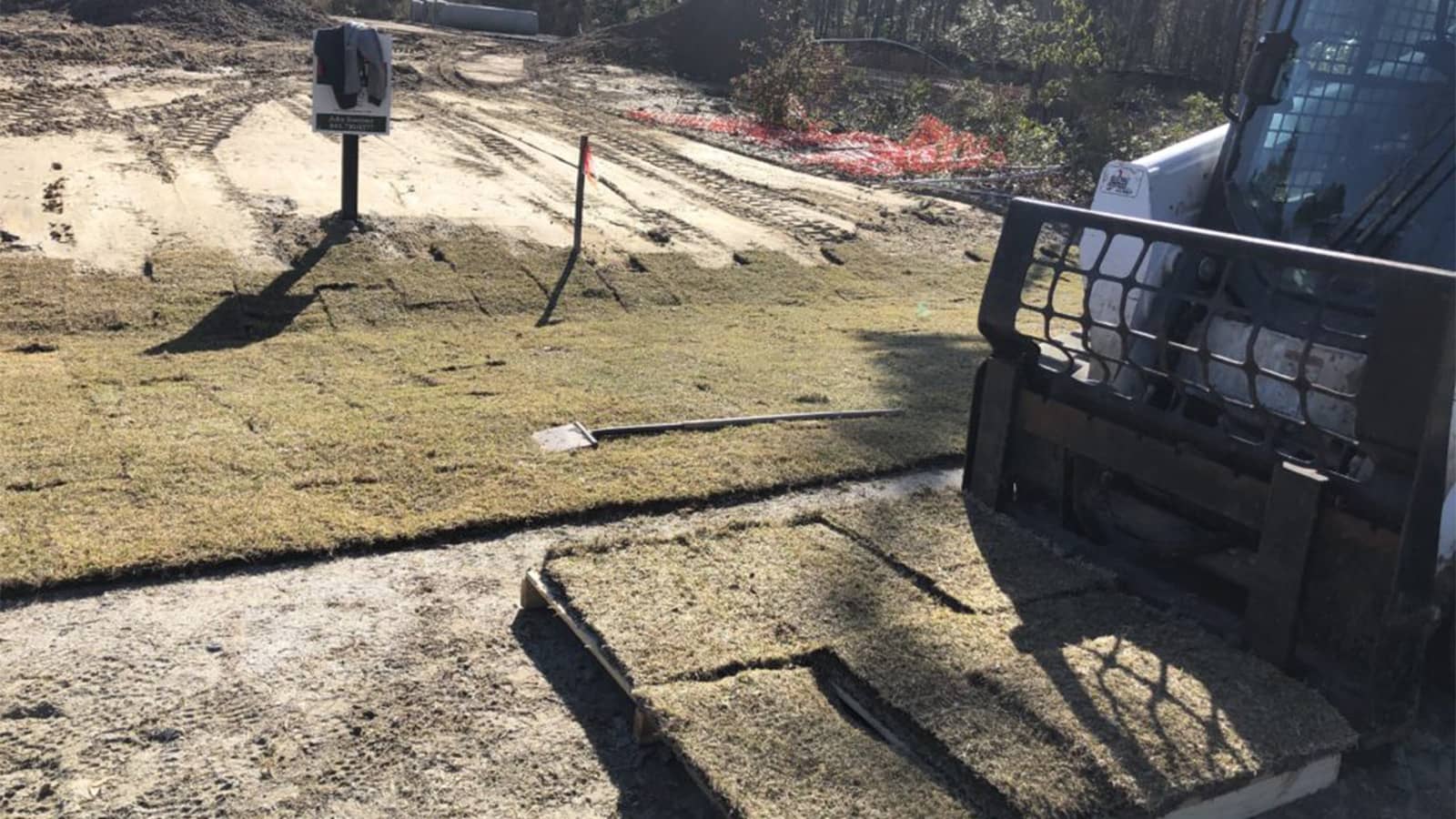
Key Benefits of Winter Sod Installation
- Early establishment → roots settle before spring
- Less water usage → no intense irrigation needed
- No fertilizer required → nutrients won’t be absorbed in dormancy
- Reduced stress → avoids heat-related die-off
How to Care for Winter Sod
How to Water New Sod in the Winter
- Keep top 2 inches of soil moist
- About 0.25 inches per week is enough
- Always water immediately after installation
- Light irrigation also helps protect sod from freezing damage
Seams
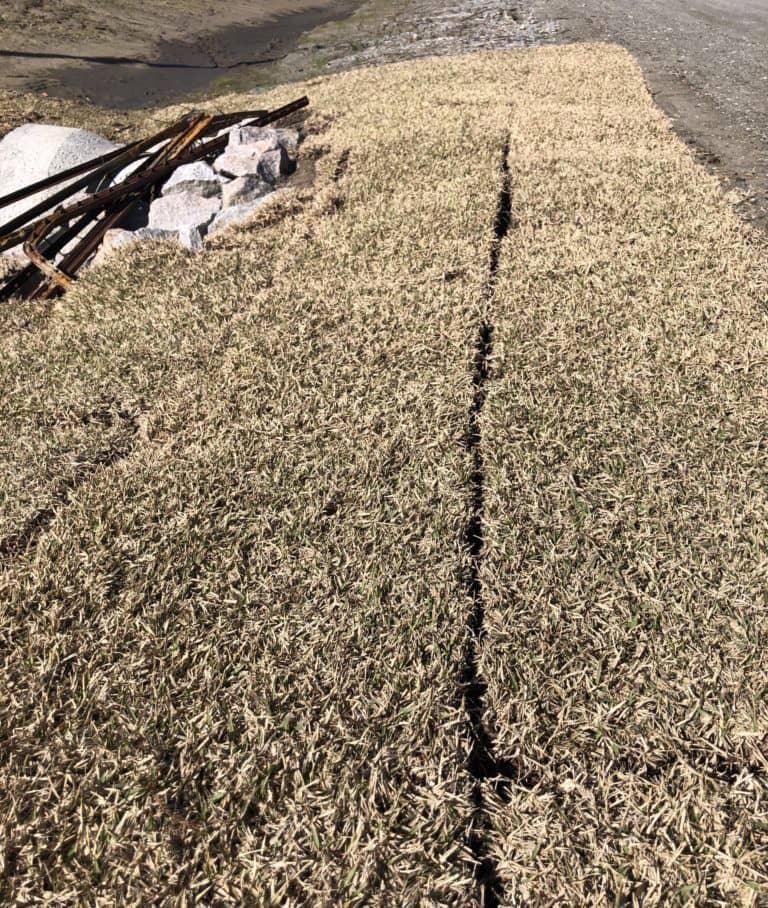
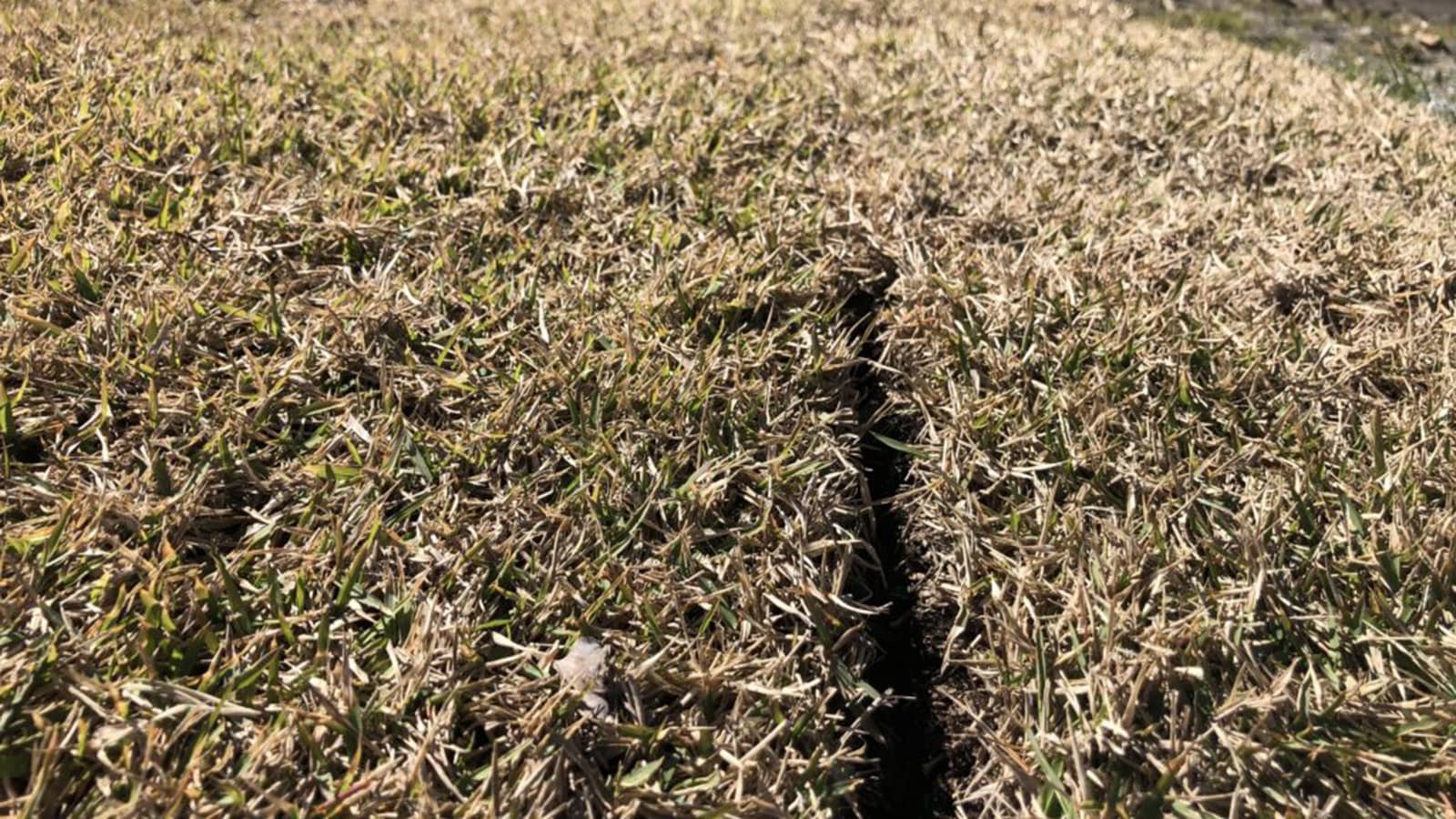
- Pull seams slightly closer together than usual for added cold protection
How to Fertilize New Sod in the Winter
- ❌ Don’t fertilize in winter (it won’t be absorbed)
- ✅ Wait until spring green-up, then apply a starter fertilizer like Lawnifi Grow from the Lawnifi New Lawn Starter Box.
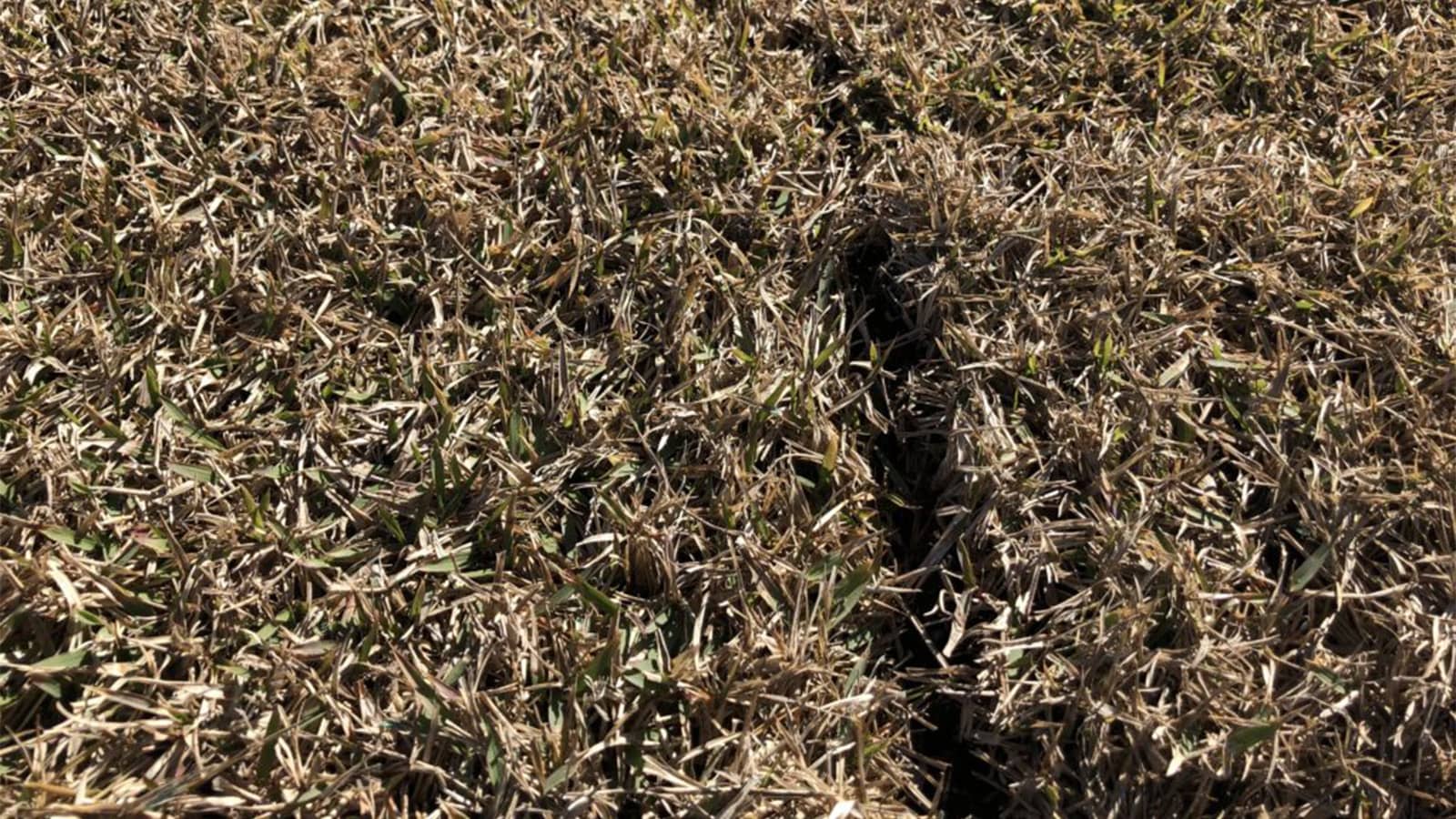
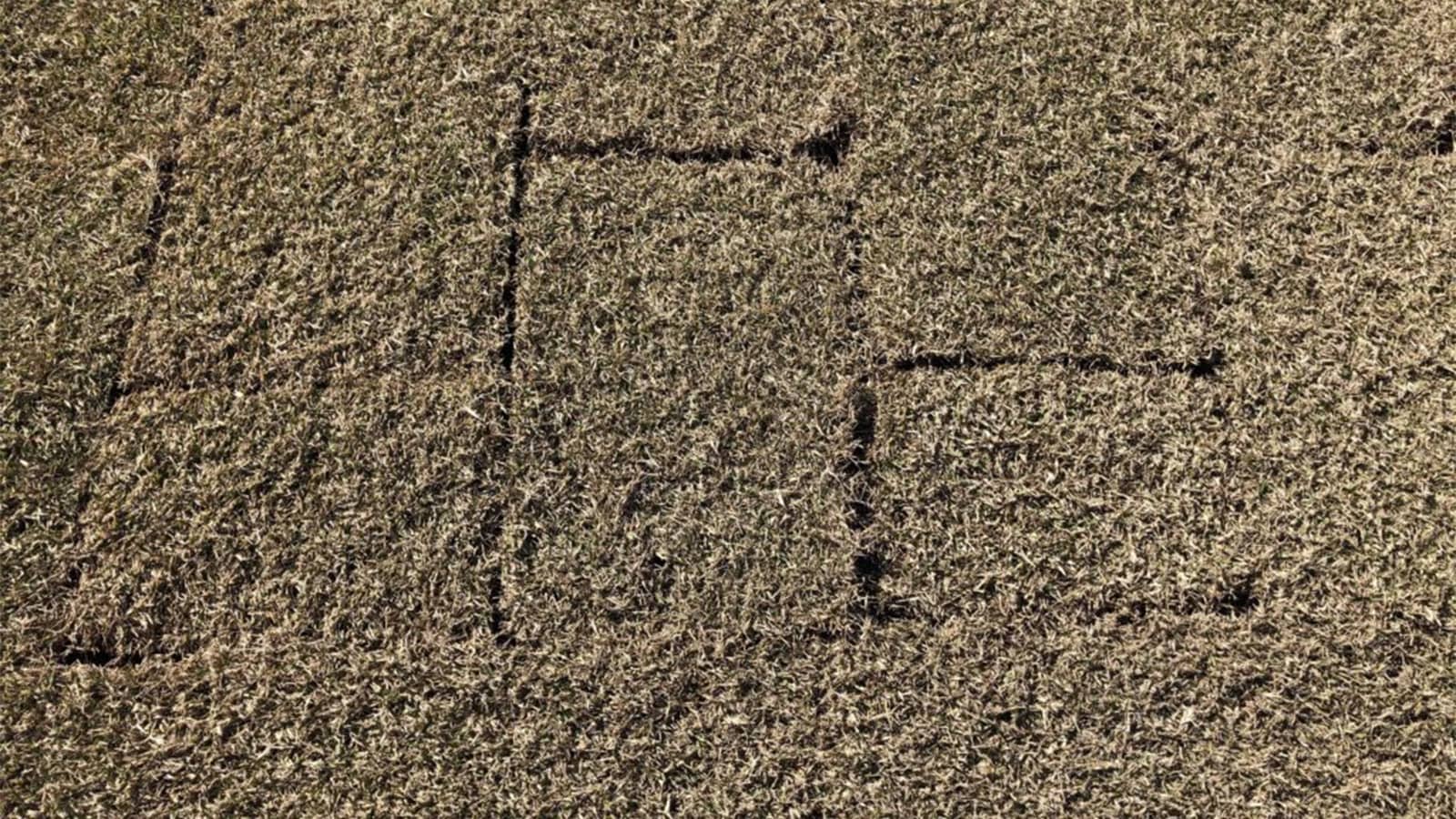
Can I Lay Sod in the Winter? - Answered
✅ Yes, if you live in the right climate zones and follow best practices.
By installing sod in winter, you’ll:
- Use less water
- Avoid summer heat stress losses
- Get a jumpstart on spring establishment
As long as temperatures don’t consistently dip into the teens, your sod should establish just fine.