When it comes to purchasing grass for your lawn, homeowners often wonder about the differences between sod, plugs, seed, and the newer sod pods. Each method has its own advantages and best use scenarios, which depend on various factors including the condition of your current lawn, cost considerations, and the type of grass you desire. This guide will help you navigate these options to find the best fit for your lawn needs.
Sod vs. Seed vs. Plugs
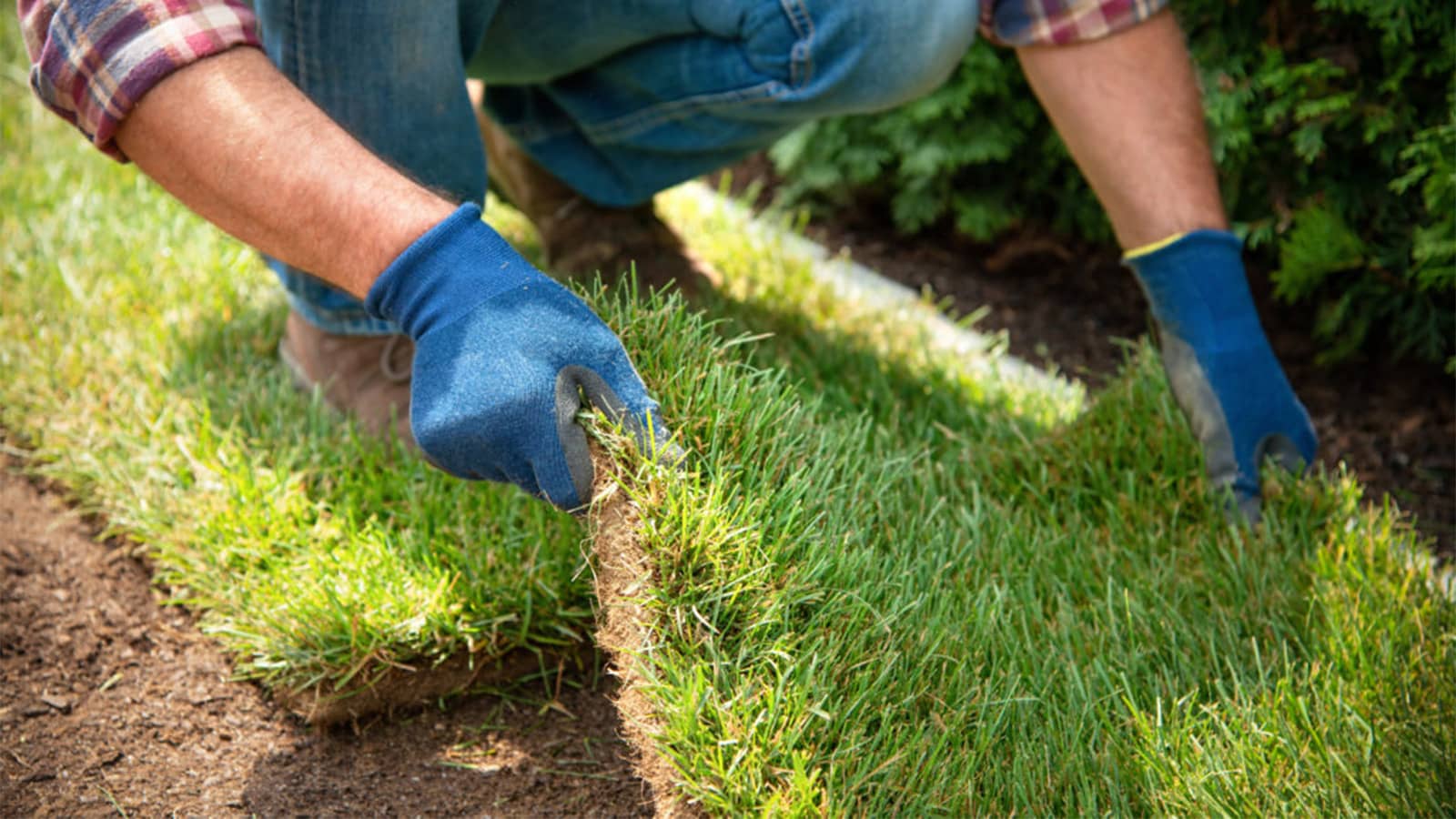
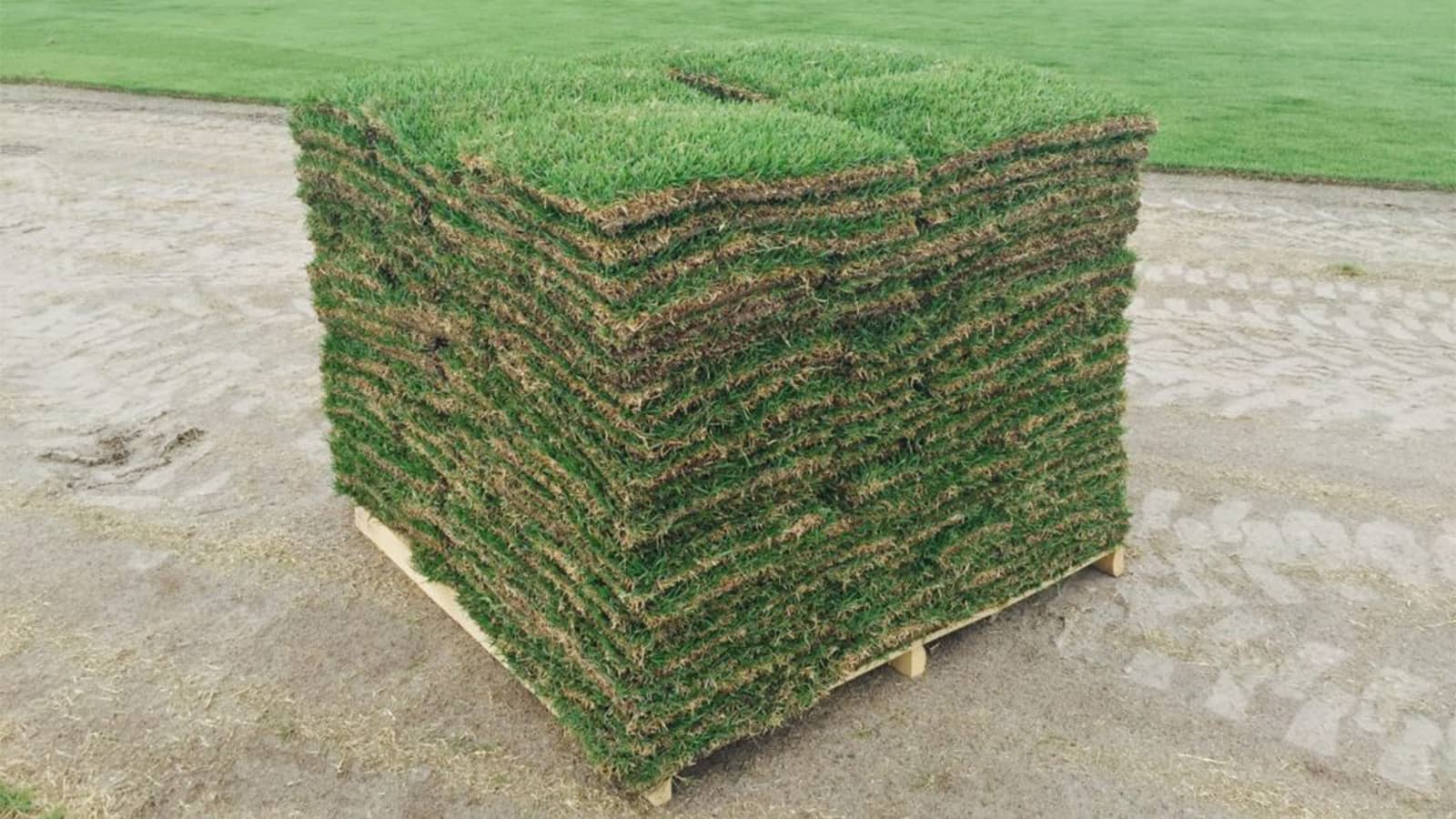
1. Sod
- Best for: Quick, complete lawn establishment.
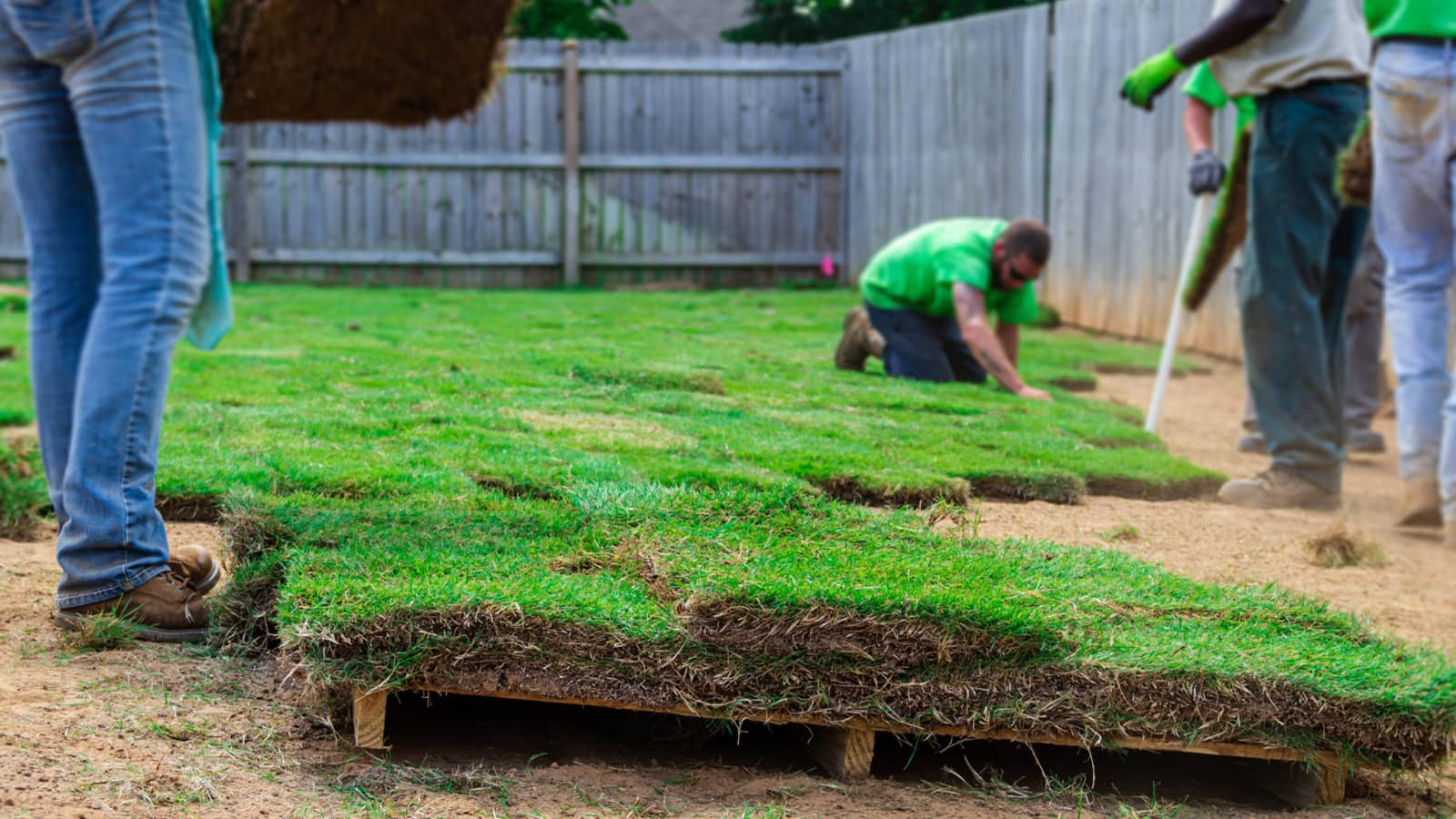
- Pros: Instant lawn, less weed pressure, best for large areas that need immediate cover.
- Cons: Higher cost, labor-intensive installation.
- Ideal Use: Completely damaged lawns or when immediate results are necessary.
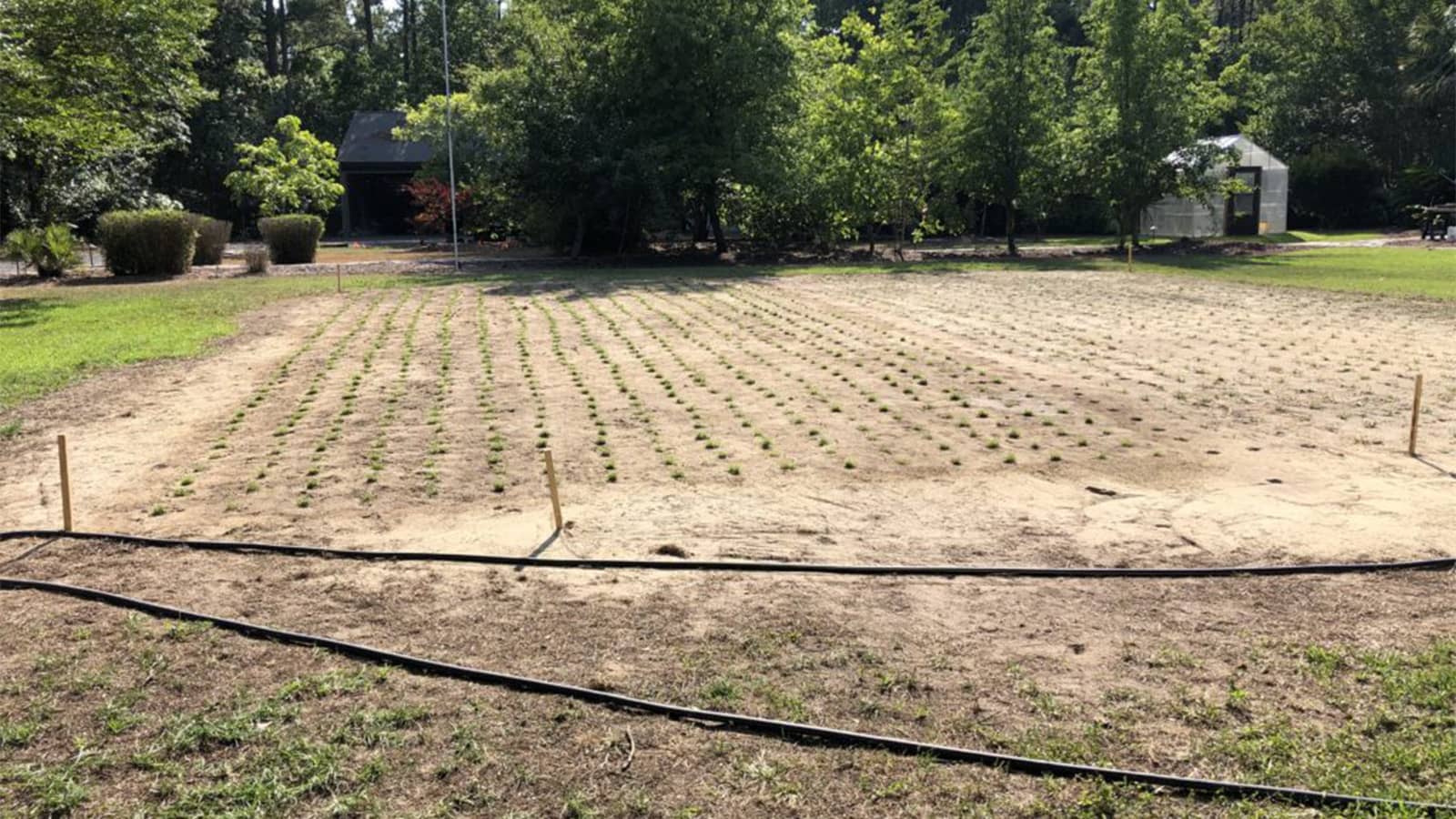
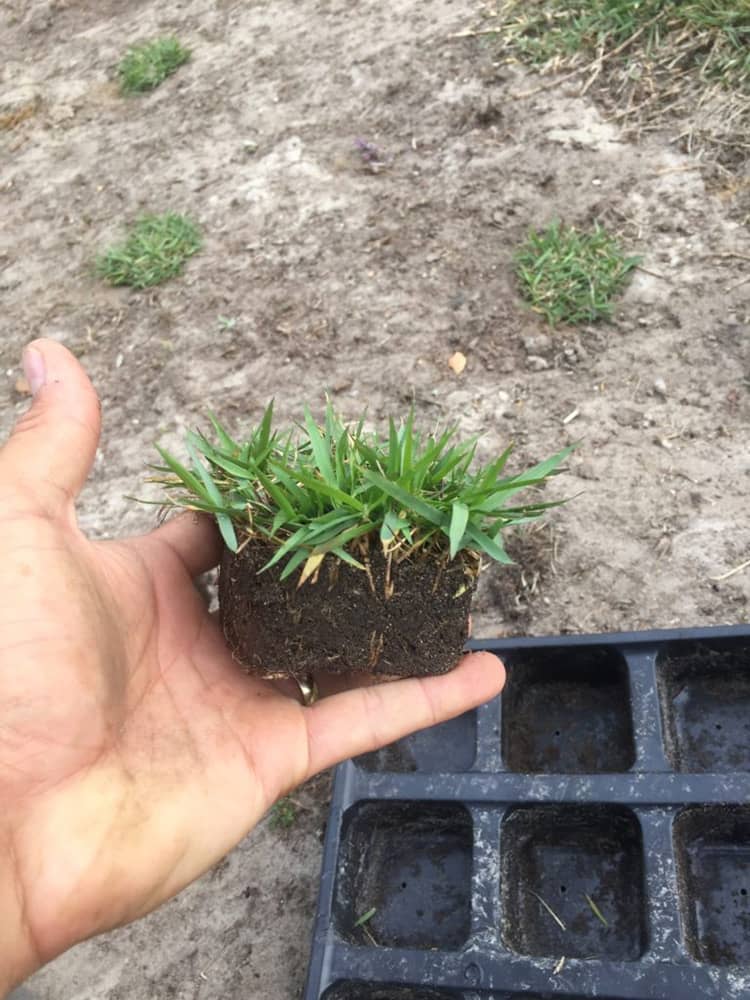
2. Grass Plugs and Sod Pods
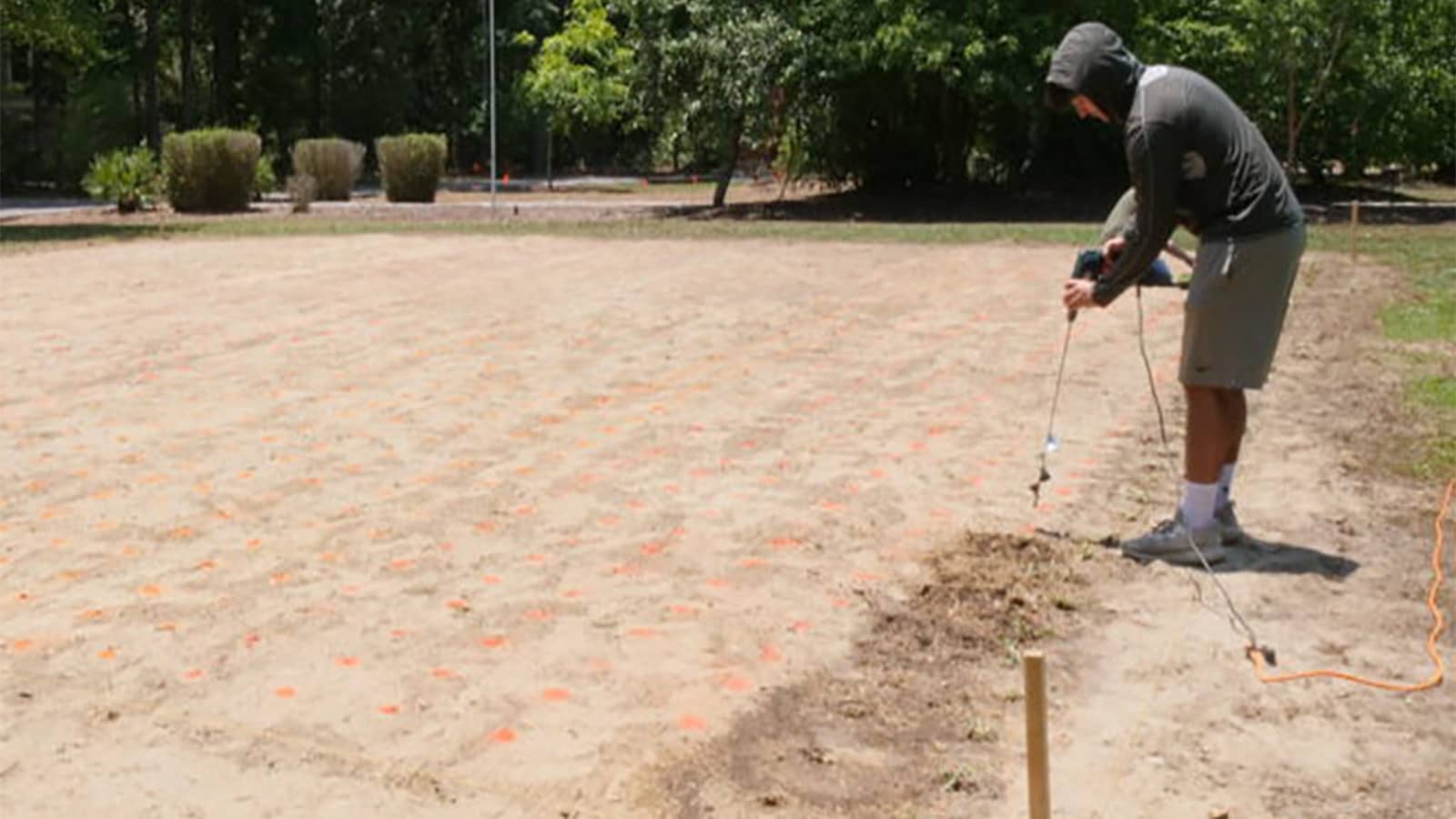
- Best for: Filling patches or testing new grass types without large commitments.
- Pros: Cost-effective, good for specific areas, larger than plugs.
- Cons: Slower to establish, requires more initial care.
- Ideal Use: Patching damaged spots or trying out a new grass type. Sod pods offer a slightly larger alternative with similar benefits.
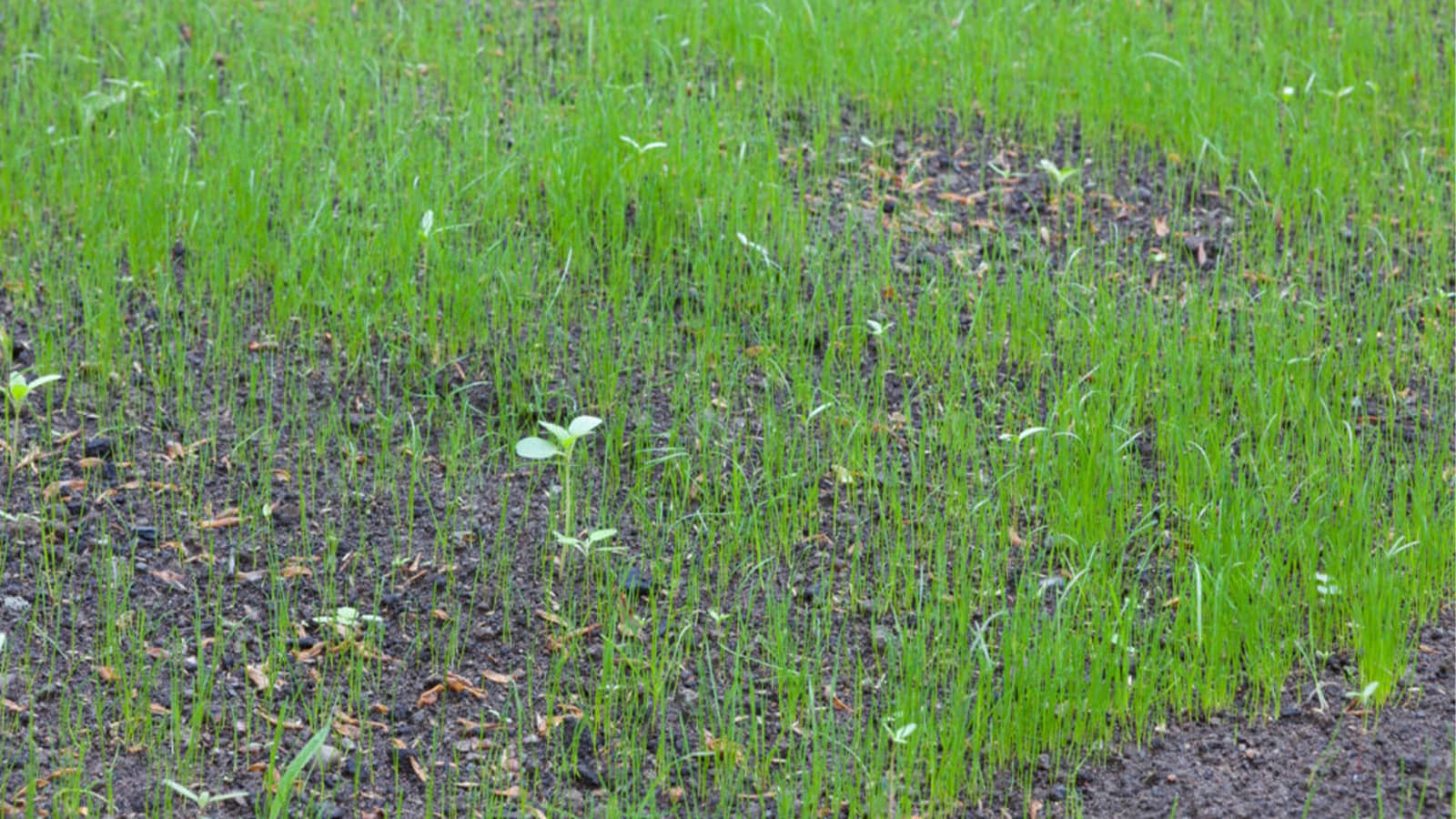
3. Seed
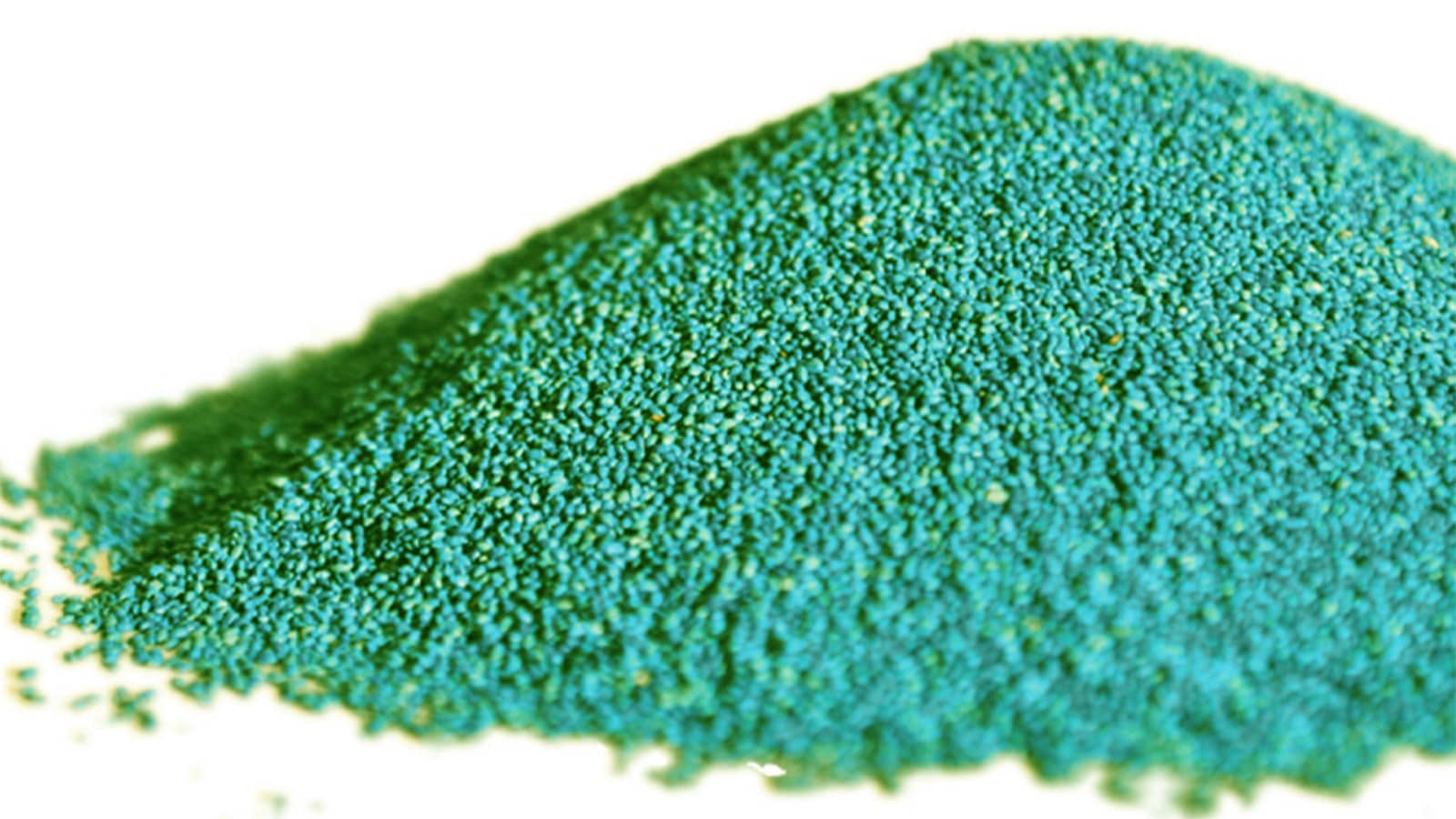
- Best for: Budget-conscious homeowners, custom seed mixes.
- Pros: Lower cost, customizable to soil and climate.
- Cons: Requires time to establish, high weed pressure initially.
- Ideal Use: Areas where timing and detailed custom planting are more important than immediate results.
Key Considerations Before Buying
How much grass do you need?
Measure your area to determine how much material you need. Use tools like the Sod Solutions Area Calculator to help with accuracy.
What is your lawn care budget?
Your budget will largely dictate whether sod, plugs or seeds are feasible options. Consider long-term costs such as maintenance and watering.
What kind of grass suits your landscape?
The choice of grass type should align with your climate zone and soil type. For cool season grasses, seeding might be preferable, whereas warm season grasses often do better with sod or plugs.
How much work are you willing to put into your lawn?
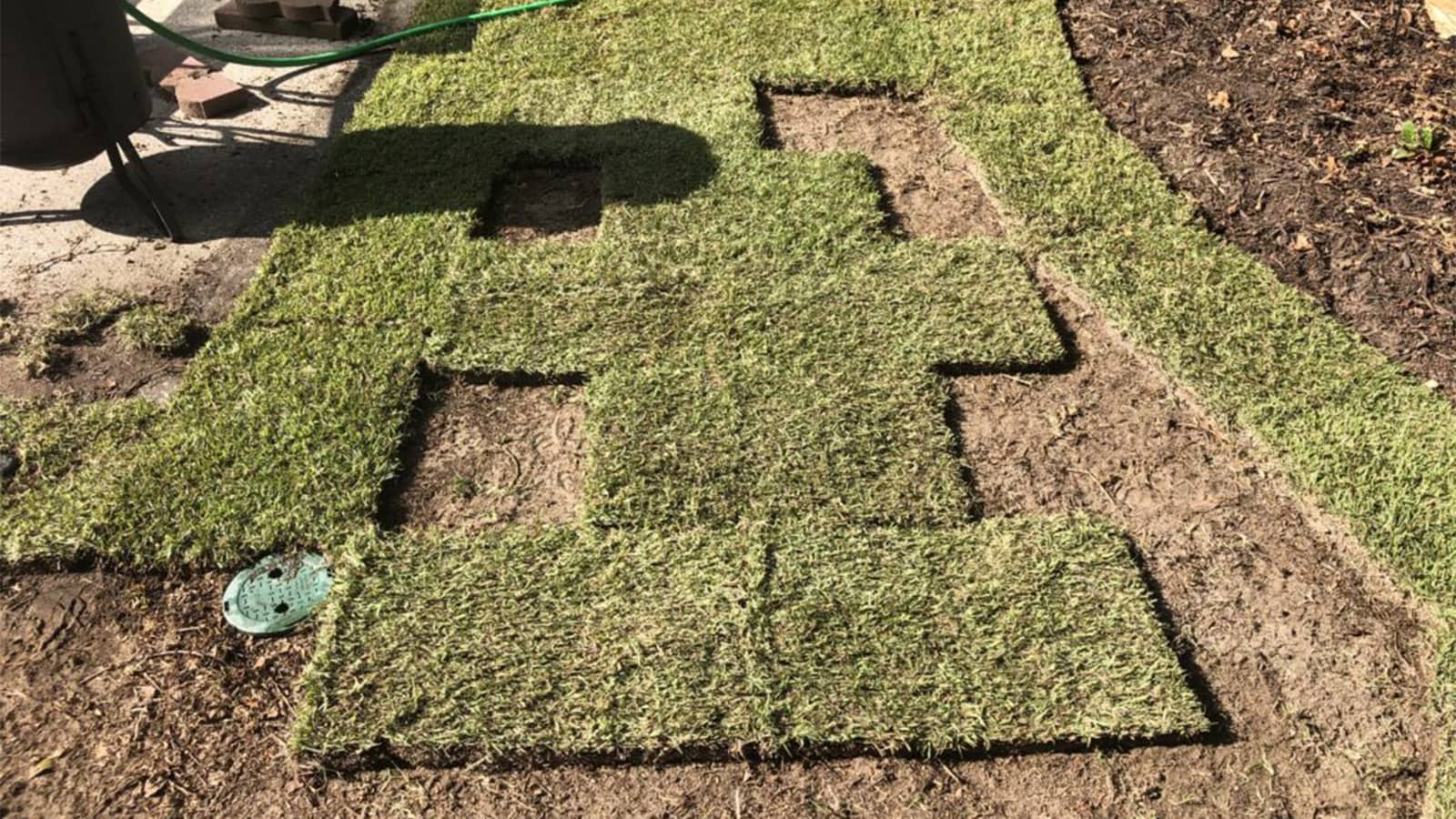
Each method requires different levels of labor and care. Sod needs significant effort to lay but offers quick results, while seeding is less labor-intensive but requires patience for establishment.
When to Install Your Grass
The best time to install new grass varies:
- Plugs: Spring, to take advantage of the growing season.
- Sod: Early to mid-fall when temperatures are cooler.
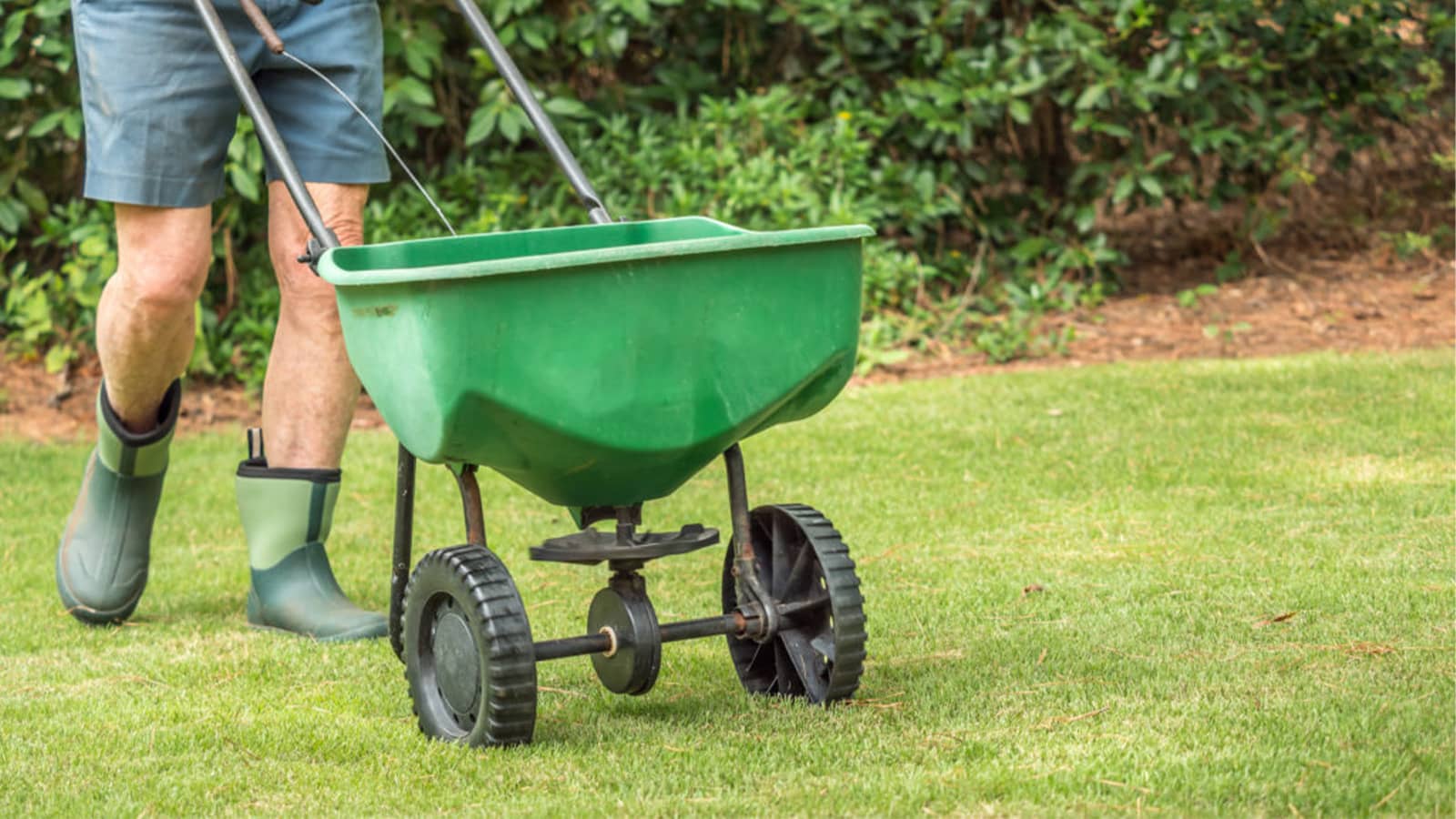
- Seed: When daytime temperatures are consistently between 50–80 degrees Fahrenheit.
Are you looking for instant gratification in your lawn?
For those looking to see a fully established lawn as quickly as possible, sod is undoubtedly the best option. It provides an instant green lawn, though it takes a few weeks for the seams to merge fully. On the other hand, if you are willing to wait and save money, seeding or using plugs could be more suitable.
Similarly to sod, seed takes about a month to germinate, but you will be looking at bare soil up until that point. If you really want to save money and you’re okay with looking at a few bare spots in your soil for a while, plugs may be the better option. Lawnifi®’s New Lawn Starter Box contains everything newly seeded, plugged or sodded lawns need to establish thick, healthy grass including two bottles of Grow for improved soil health and one bottle of Maintain to feed the lawn. This fertilizer box will give your grass the nutrients it needs during establishment.
To learn more about installing sod, be sure to visit our How to Properly Install Sod page. To learn more about installing plugs or seed, take a look at How to Properly Install Grass Plugs and How to Properly Plant Grass Seed.