Grass seed is a versatile and cost-effective solution for creating a lush lawn, repairing bare spots, or overseeding during seasonal transitions. While it may take longer to establish compared to sod, proper preparation and care can ensure success. This guide provides everything you need to know about planting grass seed, from choosing the right seed to ensuring long-term growth.
Key Takeaways
- Best Time to Plant: Spring is ideal for warm-season grass seed, while fall works best for cool-season varieties.
- Preparation is Key: Soil testing, proper seeding rates, and fertilization are crucial for success.
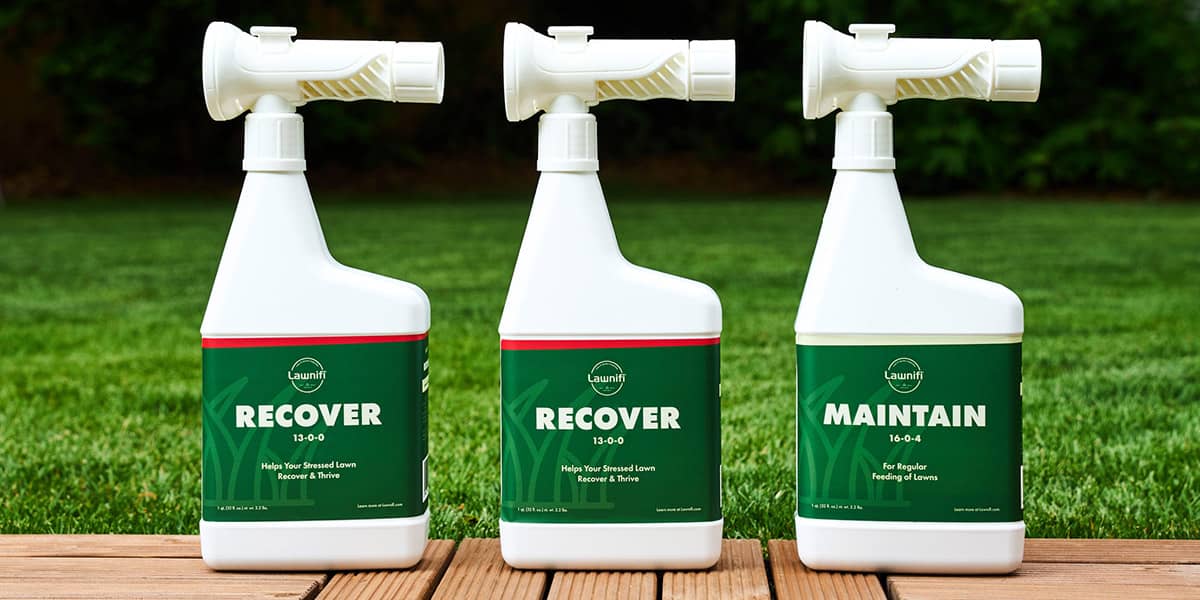
- Tools and Products: Use tools like a broadcast spreader, and fertilizers like the Lawnifi® New Lawn Starter Box to maximize results.
When to Plant Grass Seed
The best time to plant grass seed depends on the type of seed and your location.
The Best Times to Plant Grass Seed
- Warm-Season Grass Seed: Spring (50–80°F) is ideal for grasses like bermuda, centipede and paspalum.
- Cool-Season Grass Seed: Fall offers the best conditions for grasses like fescue and Kentucky bluegrass.
The Worst Times to Plant Grass Seed
- Winter: Seed won’t germinate in freezing temperatures.
- Summer: High heat requires excessive watering and increases disease risks.
Regional Recommendations
| Region | Best Time to Plant | Grass Type |
|---|---|---|
| Southeast (FL) | Year-round | Bermuda, Centipede, Ryegrass |
| Midwest | Late Spring, Early Fall | Fescue, Bluegrass |
| Southwest (TX) | Spring, Early Fall | Bermuda, Paspalum, Ryegrass |
Step-by-Step Guide to Planting Grass Seed
Step 1: Test the Soil
Before planting, test your soil to ensure it provides the right environment for seed germination.
- Use a soil analysis kit to check pH and nutrient levels.
- Send samples to a lab for accurate results (allow two weeks for processing).
- Adjust soil pH and nutrients based on the recommendations from the soil test.
👉 Learn more: How to Test Your Soil.
Step 2: Choose the Right Grass Seed
Select a seed that matches your climate, soil type, and lawn goals.
| Grass Type | Best For | Maintenance Level |
|---|---|---|
| Bermuda Grass | Warm climates, sunny areas | Moderate |
| Fescue Grass | Cooler climates, shady areas | Low |
| Centipede Grass | Warm climates, low maintenance | Low |
👉 Shop recommended seed varieties like Lawnifi Santee Centipede.
Step 3: Measure Your Planting Area
Calculate how much seed you’ll need using our Area Calculator Tool:
- Enter your address.
- Outline your planting area.
- Use the square footage to determine the seeding rate on your seed bag.
Step 4: Prepare the Soil
Prepare the ground to provide the best possible environment for seed germination:
- Clear the area of existing grass and weeds using a non-selective herbicide or sod cutter.
- Remove debris and loosen the top 2–3 inches of soil with a rototiller.
- Apply topsoil or compost if needed to improve soil quality.
Step 5: Plant the Seed and Cover
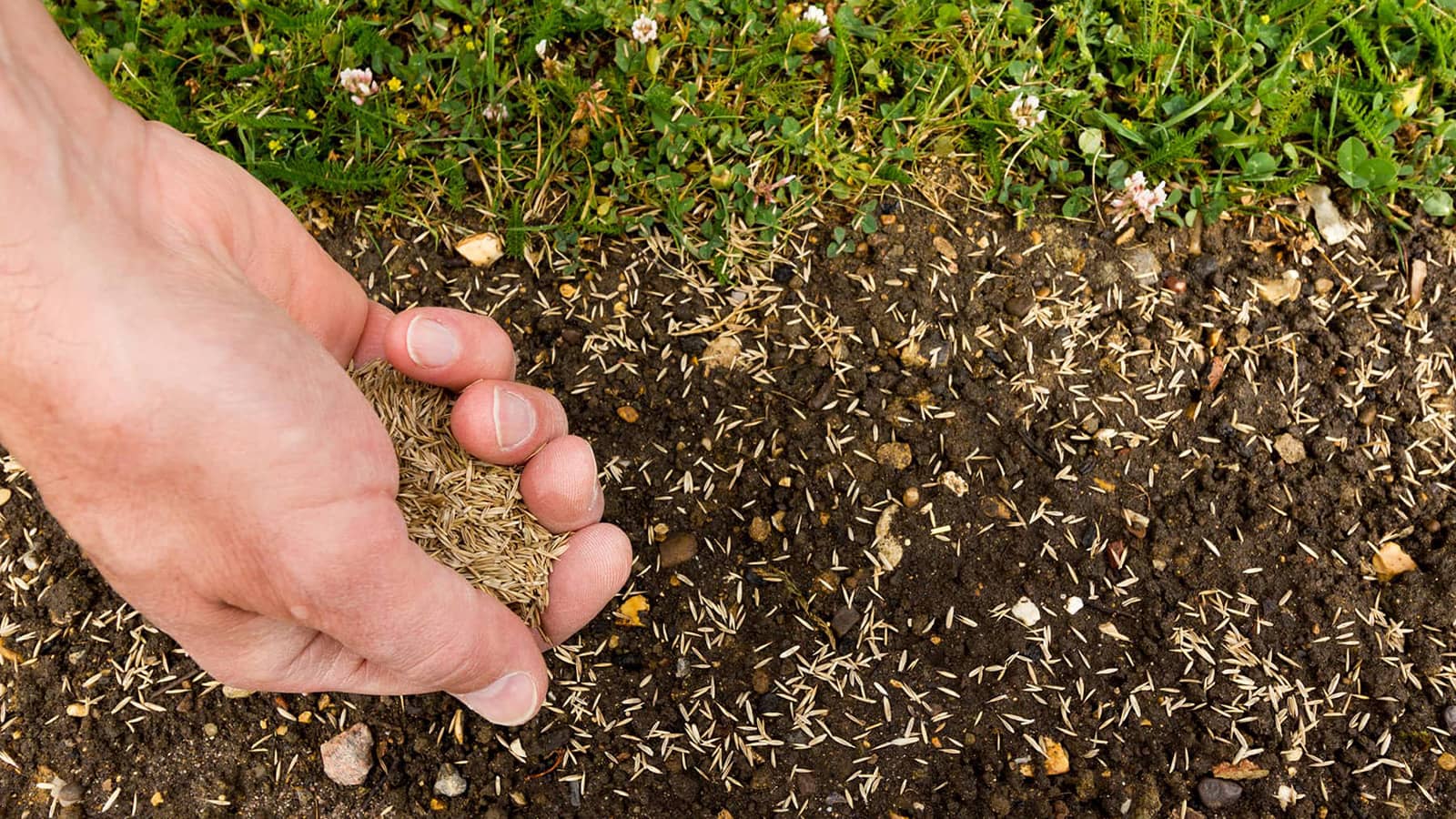
- Use a broadcast spreader for even seed distribution.
- Cover the seed lightly with straw, mulch, or topsoil to protect it from birds and harsh weather.
- Rake the seed gently into the soil to ensure good seed-to-soil contact.
Step 6: Water and Fertilize
- Water immediately after planting and keep the top 2 inches of soil moist until germination.
- Apply a starter fertilizer like the Lawnifi® New Lawn Starter Box to promote root growth.
- First application: Half a bottle of Lawnifi Grow.
- Water 3–4 inches deep to encourage root establishment.
👉 Shop: Lawnifi® New Lawn Starter Box.
Step 7: Post-Planting Care
- Daily Watering: Water lightly every day for 10–20 days. Adjust based on rainfall.
- Weed Management: Avoid applying herbicides until the grass is fully established (3–4 mowings).
- Transition to Maintenance: Reduce watering to twice a week once the grass reaches a mowing height of 3 inches.
Overseeding for Winter
Overseeding warm-season grasses with cool-season varieties (e.g., Ryegrass) ensures a green lawn year-round.
- Timing: Seed 30 days before the first frost (typically early October).
- Process: Use a broadcast spreader to apply seed evenly and water daily for the first 10 days.
👉 Learn more: How to Overseed Your Lawn for Winter.
Final Tips for Success
- Monitor Weather: Avoid planting before heavy rains, storms, or extreme temperatures.
- Timing Matters: Plant between 50–80°F for the best results.
- Control Weeds: Wait until grass is fully established before applying herbicides.
Recommended Tools and Products
- Lawnifi® New Lawn Starter Box: Promotes root growth and establishment.
- Broadcast Spreaders: For even seed application.
Planting grass seed is a rewarding project that requires proper planning and care. Whether you're repairing bare spots, overseeding, or starting fresh, following these steps will help you achieve a lush, healthy lawn.