It’s time to soak up the sun this summer season! Whether you’re inviting neighbors over for an afternoon cookout, throwing a pool party for your kids or playing soccer out in the yard, a gorgeous lawn that stands out from the rest of the neighborhood can make a really great impression.
Get your bermuda grass in perfect shape for the summer by following our summer lawn care tips below. Essential maintenance practices include mowing at bermuda grass's optimal height, watering appropriately to prevent over-saturation and selecting fertilizers that cater to bermuda grass's needs during stressful summer conditions. Thoughtful weed and pest management, along with proactive disease prevention, are also key to maintaining bermuda grass's health.
Be sure to also check out our individual homeowner maintenance guides for generic bermudagrass, Celebration® Bermudagrass, DiscoveryTM Bermudagrass, Latitude 36® Bermudagrass and NorthBridge® Bermudagrass.
Want us to do some of the summer lawn care for you?
If so, check out the Lawnifi Complete Program! The Lawnifi Complete Program is a year-round subscription for seasonal lawn care delivered to your door. Our boxes include everything your lawn needs in one lawn care subscription. Products are curated by our turfgrass experts for each active growing season. Delivered spring, summer and fall.
1. Keep Up with Summer Mowing (and Reduce the Time Spent on This Chore)
Summer mowing, especially in the South where temperatures often exceed 85°F by mid-morning, can be challenging. If mowing is delayed, taller grass makes the task even harder.
For Bermuda grass, recommended summer mowing heights are 0.5–1.5 inches, applicable to various Bermuda varieties like Celebration, Discovery, Latitude 36, and NorthBridge.
It's important to trim no more than a third of the grass blade to prevent stress and browning. After a break, multiple mowings, spaced 3–5 days apart, may be needed to restore the ideal height.
For strategies to minimize mowing time in the heat, see: How to Mow Your Lawn Less During the Summer.
2. Keep Your Heat-Stressed Bermuda Grass Strong with the Right Summer Fertilizer
Bermuda grass needs season-specific nutrients due to changing outdoor temperatures and soil conditions. In summer, it's crucial to use a fertilizer with the right nutrients to support the lawn through heat stress, with less nitrogen than in spring to avoid growth that can't withstand the heat and prevent scorching.
Aerating before fertilizing can enhance nutrient uptake. Sod University suggests one of two fertilizer options for summer:
- Lawnifi® Summer Fertilizer Box: A liquid program with one bottle of Maintain (16-0-4) for potassium, amino acids, and carbon, and two bottles of Recover (13-0-0) for an optimal nutrient balance, including essential micronutrients, to support Bermuda grass through summer.
- Lawnifi Foundation: A 25-pound bag of granular fertilizer with a 29-0-5 NPK ratio and 2% iron for a healthy, green lawn, featuring slow-release nitrogen for sustained feeding without summer nitrogen overload.
Both products cover 5,000 sq. ft.
3. Make Sure Your Bermuda Grass is Hydrated…But Not Too Hydrated
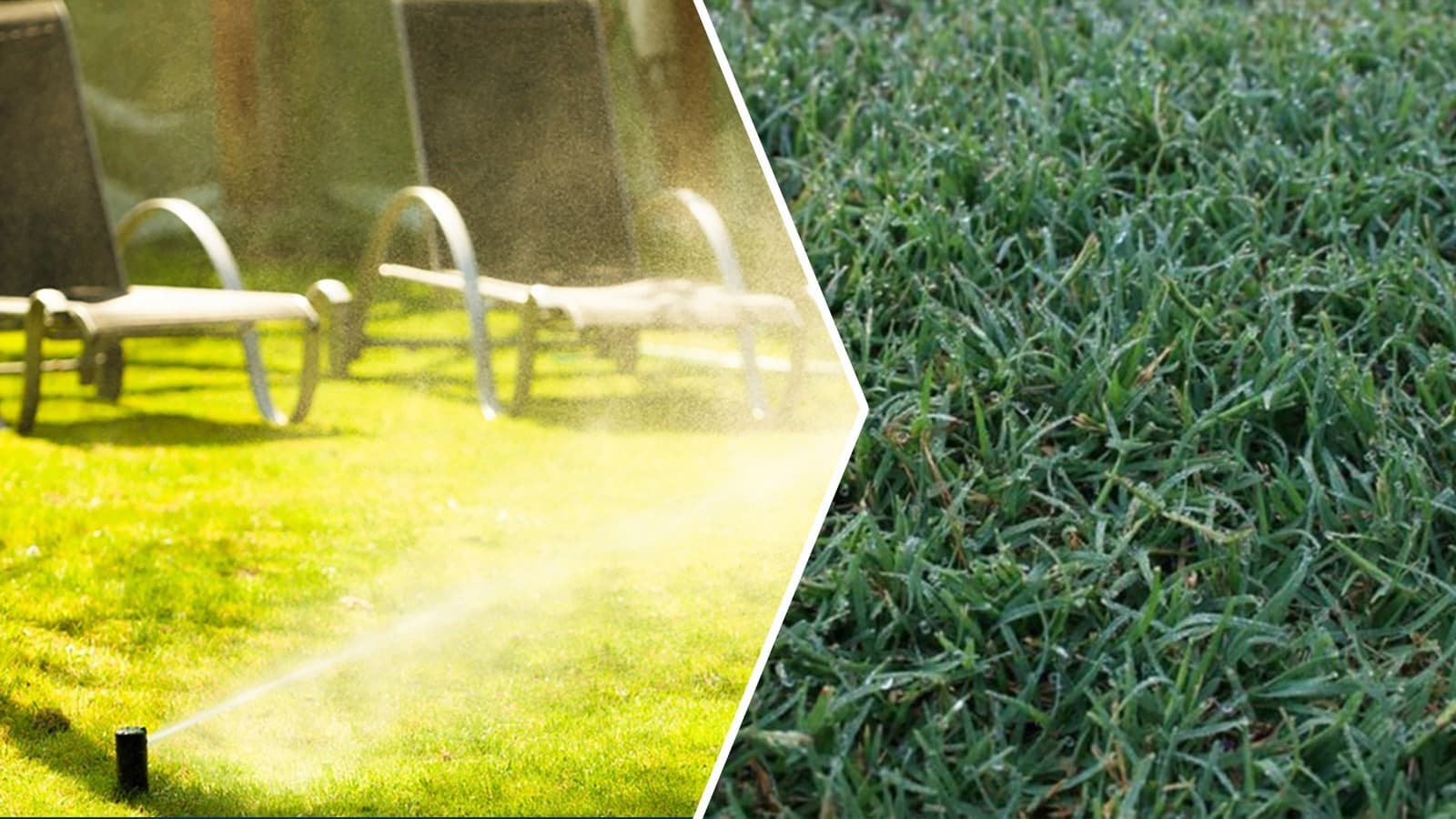
Despite the temptation to water more in summer, zoysia grasses typically need only 1 inch of water weekly, including rainfall, to avoid disease-promoting waterlogged conditions. Aim for one or two deep waterings early in the morning each week to minimize dew duration and reduce disease risk and take rainfall into consideration.
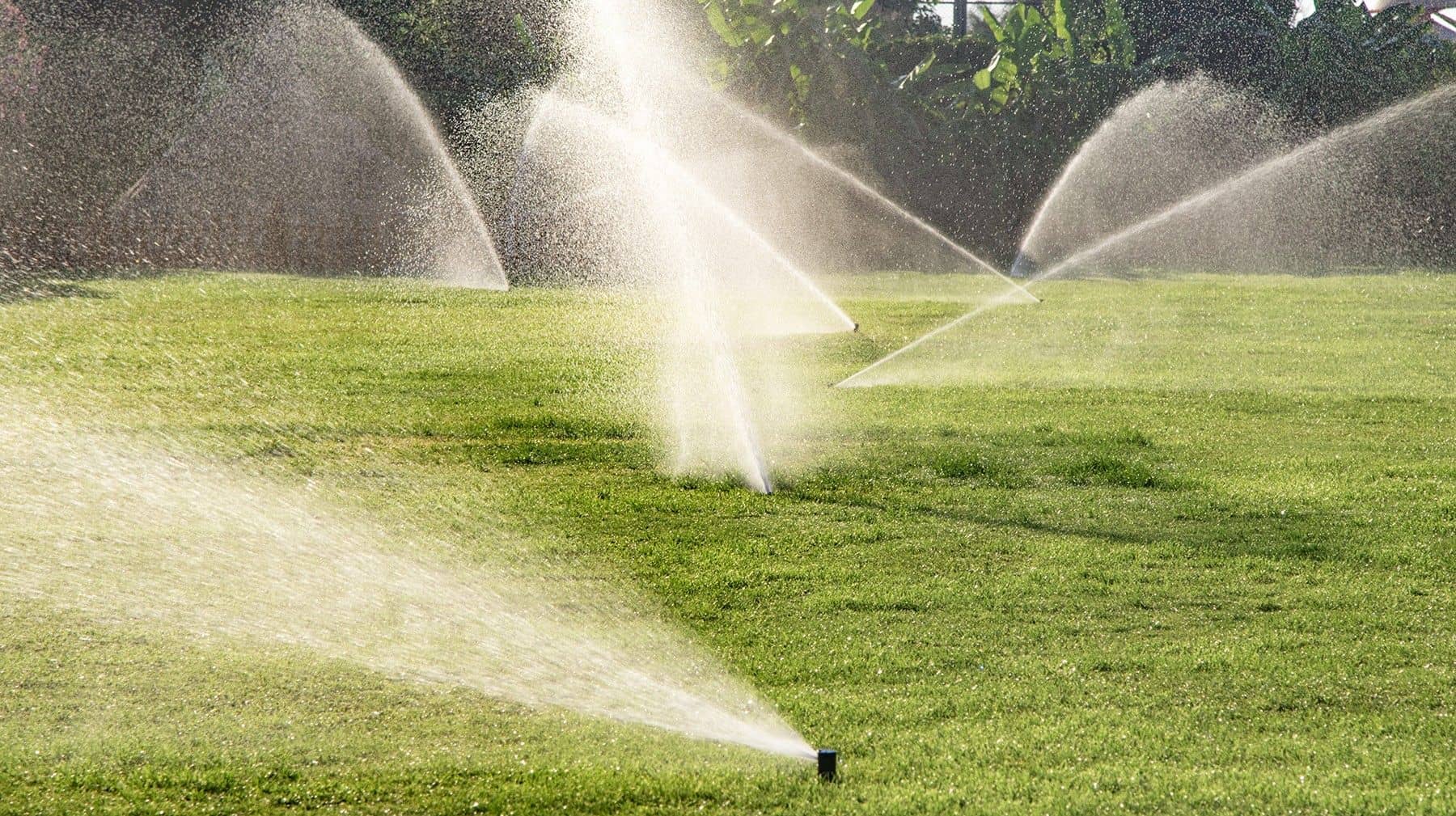
Watering in the early morning decreases the amount of time dew is present, which is helpful for managing any potential disease outbreaks. Unsure of measuring water? Try an irrigation audit. If heat stress appears, top dressing may help cool and protect your lawn.
4. Be Cautious with Weed Control
Summer is a poor time for weed control use on bermuda grass due to potential damage at temperatures above 85°F. It's better to apply post-emergent herbicides when cooler and use pre-emergent herbicides in spring and fall to manage seasonal weeds. If temperatures stay below 85°F, applying post-emergent herbicides is safer, but caution is advised due to possible temperature fluctuations.
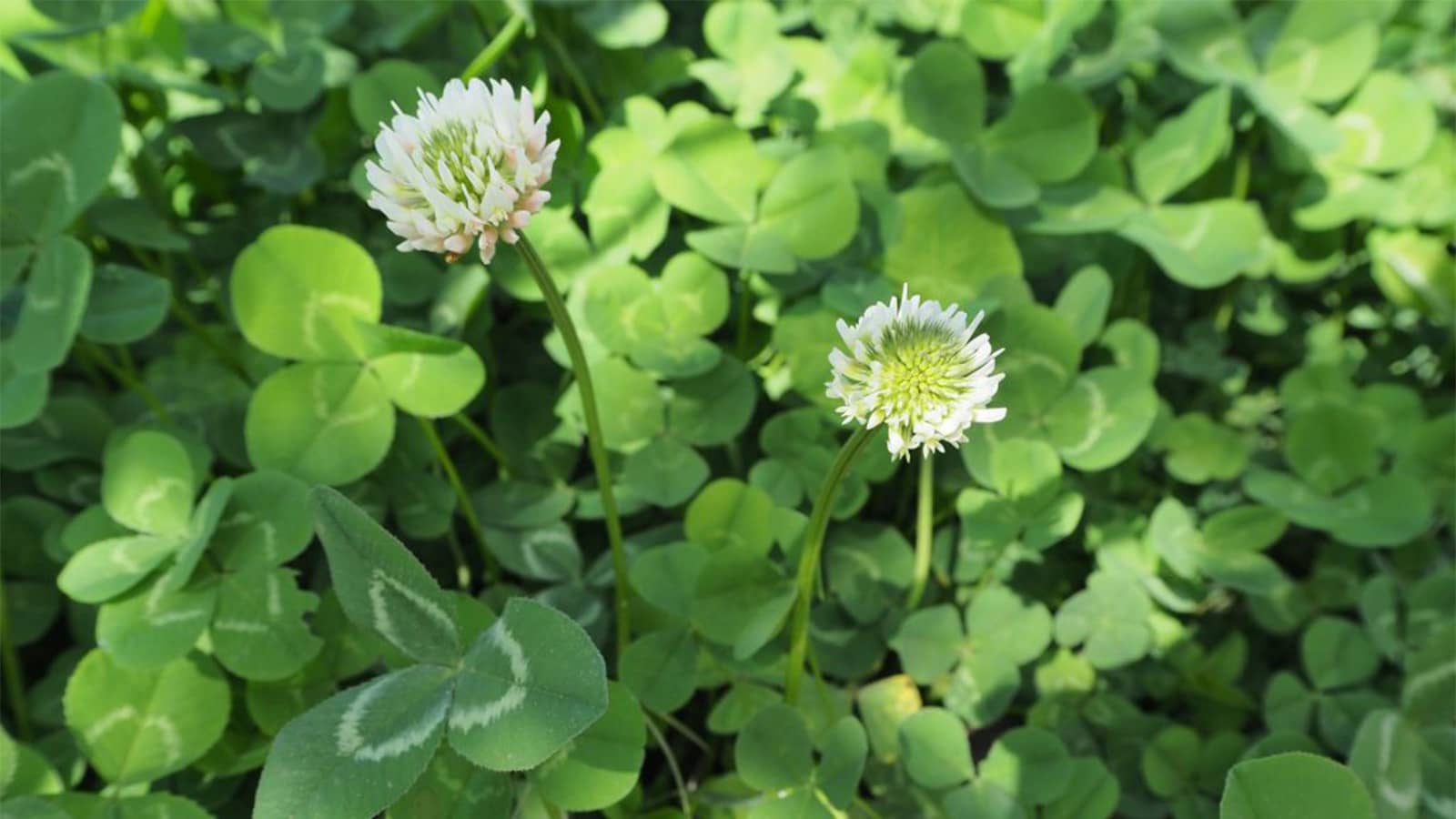
For more on weed control, see How to Control Weeds During the Summer. Common bermuda grass weeds include white clover, knotweed, spurge, lespedeza, crabgrass, goosegrass, nutsedge,and sandspur. Always read the herbicide label carefully before application.
Pictured above: White clover.
5. Watch Out for Insect Infestations or Damage
Summer is peak season for lawn-damaging insects such as grub worms, sod webworms, fall armyworms, billbugs and mole crickets.
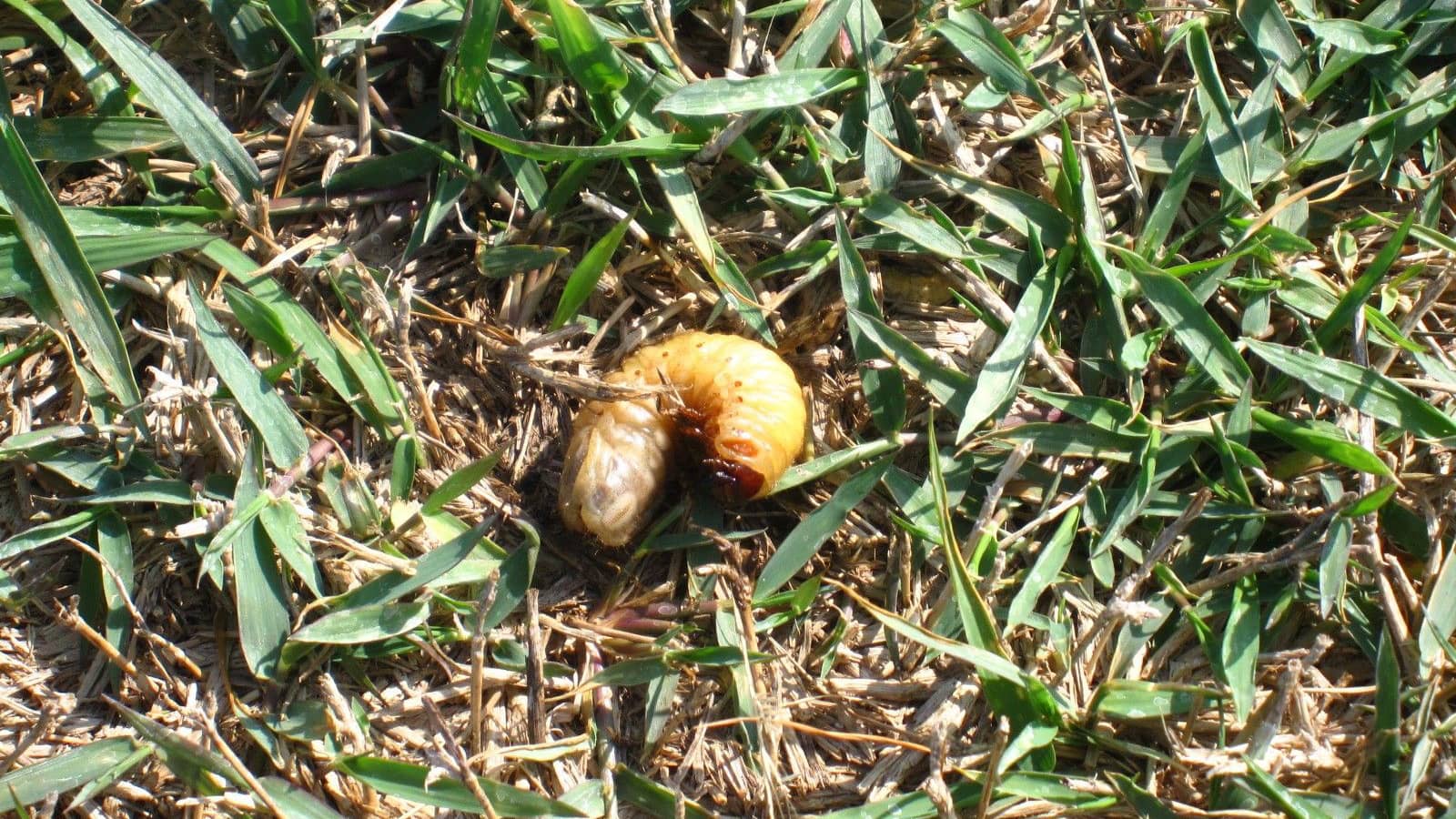
Pictured above: A grub worm.
Signs of infestation vary: grub worm issues might show through increased mole activity or visible grubs under the turf, while sod webworms and armyworms chew grass blades, leaving a transparent look. Billbug damage resembles drought stress but can be confirmed with a "tug test," where affected grass comes up easily. Mole crickets create noticeable tunnels and damage the lawn.
Early summer is key for applying preventative insecticides, particularly against grub worms, with products like Acelepryn recommended. For specific insect issues, choose labeled control products and always read instructions before application. For detailed information on lawn insect types and management, refer to Insect Identification.
6. Relax About Disease Control in Your Bermuda Grass Lawn
Disease outbreaks in bermuda grass lawns are pretty uncommon at this time. They can still happen though—especially if you overwater your lawn during the summer. The most common of them in bermuda grass at this time are large patch and dollar spot, which occur when conditions are warm and wet.
Summer maintenance tips for your bermuda grass lawn are mostly about keeping it healthy and stress-free during the hot summer temperatures. This will help it continue to thrive when temperatures eventually cool down and we enter into the fall season. We will see you back here in the fall for our updated fall maintenance tips for bermuda grass lawns!
And remember…if you want lawn care made simple, the Lawnifi Complete Subscription provides your lawn with what it needs during the current season and for years to come.