Pre-emergent weed controls are essential tools for maintaining a healthy, weed-free yard. Despite common misconceptions, when used correctly, pre-emergents do not prevent weed seeds from germinating but instead inhibit their growth at a crucial stage. This article demystifies pre-emergents and guides you on how to use them effectively.
Skip ahead to pre-emergent products
Understanding Pre-Emergent Weed Prevention
The Basics of Pre-Emergents
Pre-emergents target the early growth stages of weeds. They work by inhibiting cell division in newly germinated seeds, which prevents the weed from establishing its root system. Nick Radford of Todd Valley Farms Inc. explains that pre-emergents act as 'root pruners', stunting weed growth before it becomes visible.
Pre-Emergent vs. Post-Emergent
- Pre-Emergent Herbicides: Applied before weeds surface, preventing growth from the seed stage.
- Post-Emergent Herbicides: Used to eliminate weeds that have already sprouted and are visible on your lawn.
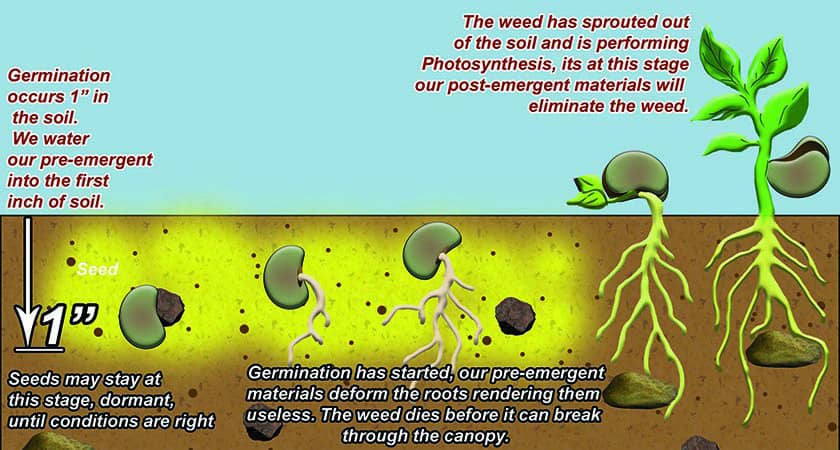
Photo Credit: www.rkcpest.com
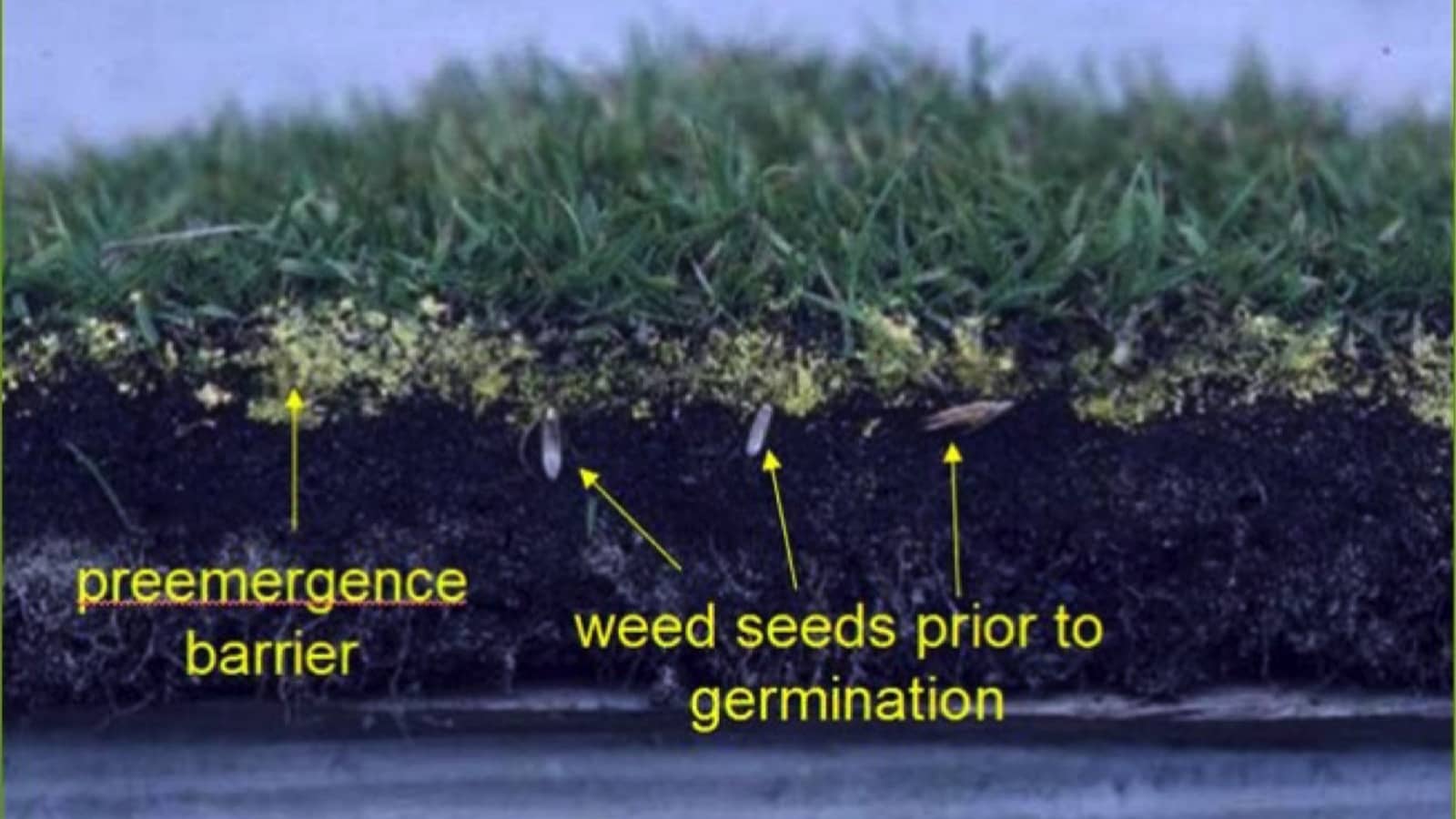
Photo Credit: www.horizononline.com
The Best Time to Apply a Pre-Emergent
Timing is crucial for the effectiveness of pre-emergents. In southern regions, applications can start as early as January 1st. In contrast, northern areas should wait until soil temperatures consistently reach 55 degrees Fahrenheit, typically after May 25th. Always use a soil thermometer to check soil temperature before application.
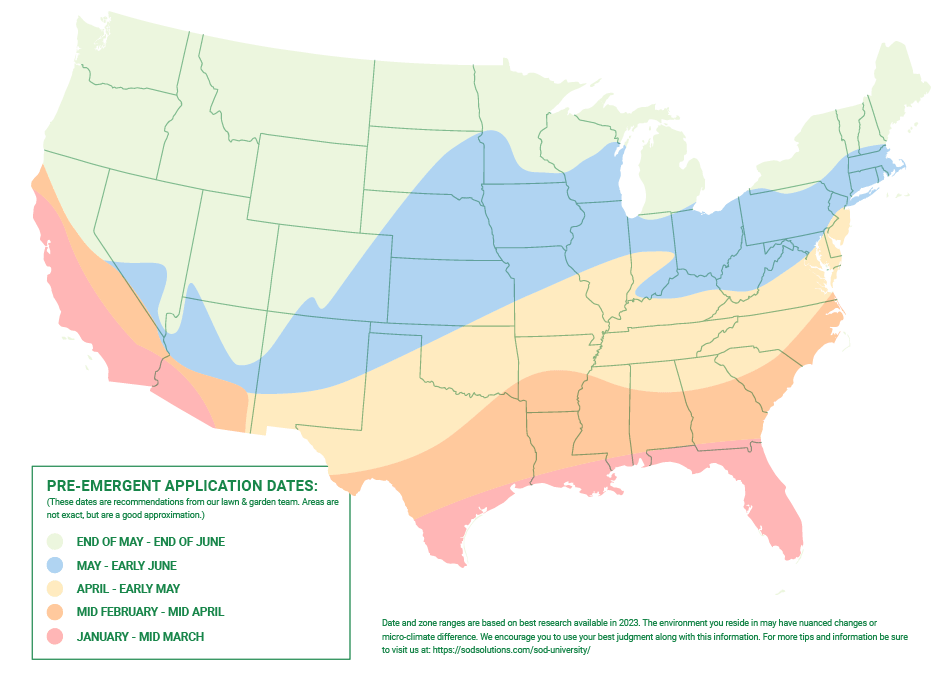
Choosing the Right Pre-Emergent
Common Pre-Emergents
- Dithiopyr (Dimension 2EW): Slightly more expensive, it can control young weeds up to the three-leaf stage.
- Atrazine: A pre- and post-emergent weed control that works on St. Augustine and centipede lawns. St. Augustine and centipede are sensitive to a lot of different weed control products, so Atrazine is the safest for these grass types.
Comparative Analysis
| Herbicide | Cost Efficiency | Weed Spectrum | Application Timing |
|---|---|---|---|
| Prodiamine | High | Broad | Early Spring/Fall |
| Dithiopyr | Medium | Broad + Early Growth Control | Early/Late Spring |
| Atrazine - For St. Augustine & Centipede Grass | High | Broad | Early Spring/Fall |
"Most premixed over the counter pre-emergents have two or more varieties mixed to cover a broader spectrum of weeds. I personally like to use a combination of Prodiamine, Dithiopyr and a small percentage of Isoxaben. I have found this to be the most effective for the large variety of weeds I encounter," says Radford.
Pre-Emergent Application Tips
How to Apply
Pre-emergents come in granular and liquid forms:
- Granular Products: Apply with a broadcast or drop spreader following label instructions.
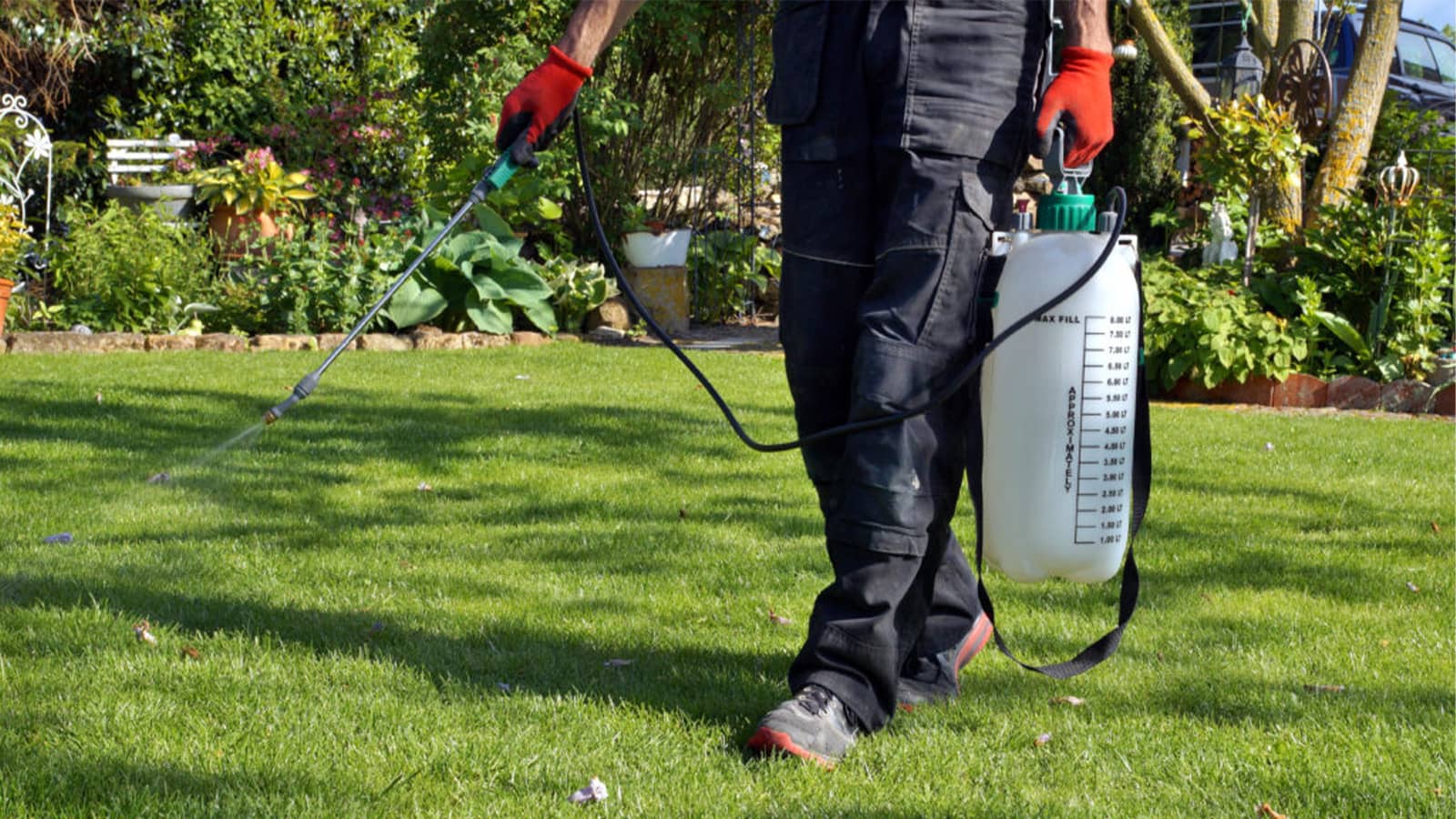
- Liquid Products: Tank mix and apply with a backpack sprayer for precise coverage.
Do's and Don'ts
- Do apply early in the season for best results.
- Don't aerate immediately after application as it can reduce effectiveness, although it will not completely negate the pre-emergent barrier.
"However, if you must aerate after an application, it will not completely ruin the effects of the pre-emergent. Pre-emergents stay in your soil and create a barrier layer that seeds in this zone are affected by. The soil removed during the aeration process will break apart and fill back into the holes over time or you discard the dirt plugs letting the holes fill back in with remaining soil. In the case of the latter, you have wasted money on the pre-emergent that remained in the soil plugs you discarded."
Spring vs. Fall Pre-Emergent Applications
Pre-emergents should be applied at least twice a year. As previously mentioned, they should be applied in the spring before the ground temperature reaches 55 degrees Fahrenheit. Then it should be applied again in the early fall after temperatures begin to come down. Not much changes besides the timing from spring and fall and the types of weeds you'll prevent. Read How to Use a Pre-Emergent Herbicide in the Fall for more details.
Nick Radford says, "A good tip is that it is better to apply a pre-emergent early rather than late. As previously stated, pre-emergents do not kill existing weeds—putting it down after weed seeds have germinated is not effective. Unless it is washed away by heavy rains, pre-emergents will remain dormant in your soil until the soil temperatures rise. So, applications made in the late fall may still be effective the following spring."
As with any chemical product, be sure to read product labels thoroughly and follow application instructions.
Should I use a pre-emergent upon sod installation, seeding or plugging?
Can I use a pre-emergent on new sod?
"There is no reason to use pre-emergent on newly laid sod. If you have taken all the proper steps prior to putting the sod down and thoroughly sprayed out all the pre-existing weeds, there should be few weeds that survive. Those that do survive are easily pulled by hand or controlled with a post-emergent later," Radford explains.
"It's important to know that the root pruning effect of the pre-emergent is damaging to sod. Some varieties of turfgrass are less susceptible to major damage, but it is not healthy for any variety. When you are seeding a lawn on the other hand, your common pre-emergents will kill the seed that you put down. It is never recommended to use Prodiamine, Dithiopyr, Isoxaben or any derivative of these when seeding. It will destroy your lawn 100 percent of the time."
Can I use a pre-emergent on new grass plugs?
"When you are plugging a lawn, it is highly recommended to use a pre-emergent. After spending a lot of time on experimenting with different pre-emergents on different types of plugs, I have not found one yet that damages the plugs. In fact, when you plug your lawn without pre-emergents, it takes two to three times longer for the yard to fill in!" Check out the images below to see two plots of land: one with a pre-emergent applied and one without a pre-emergent applied.
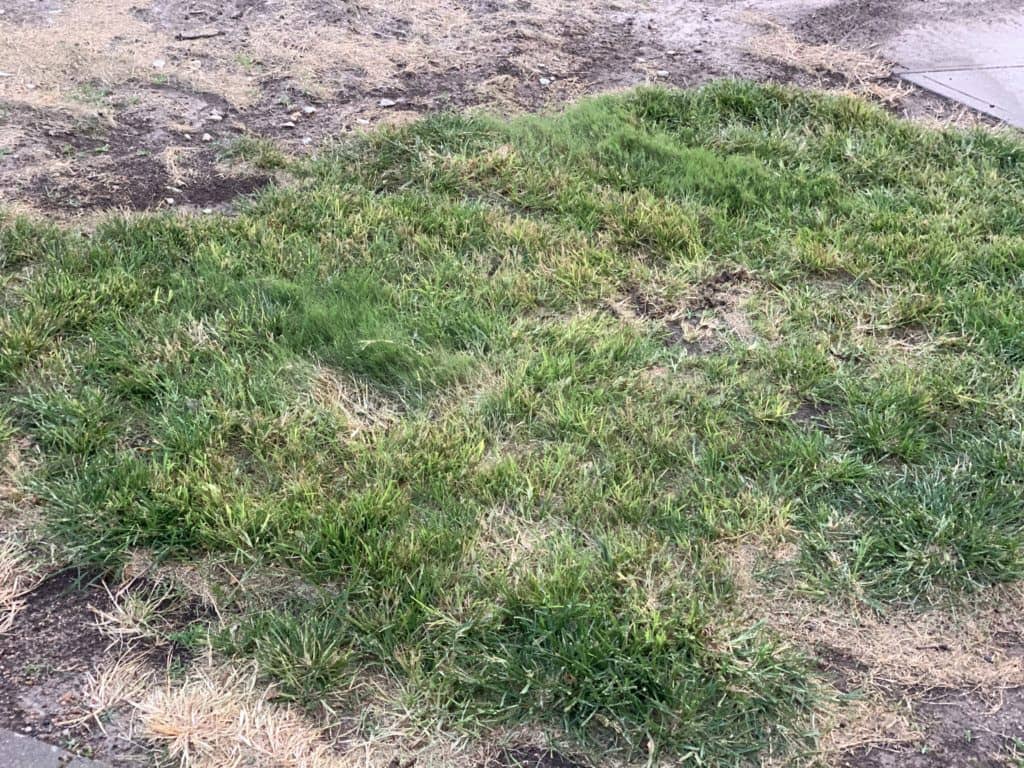
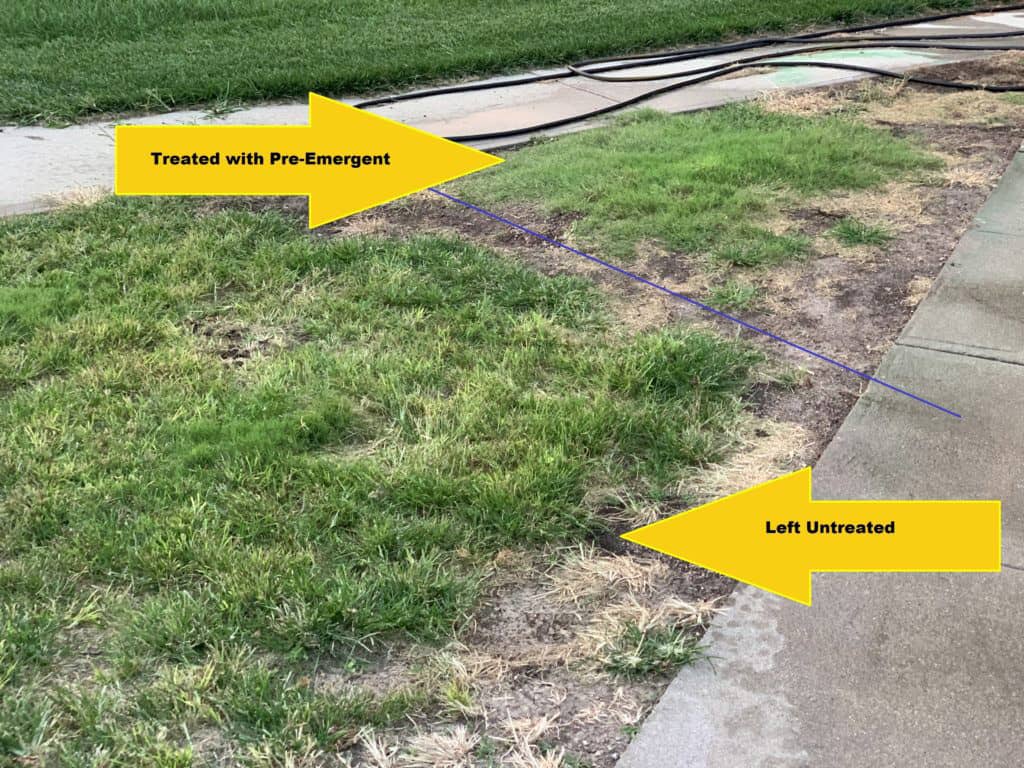
Pictured above: Untreated plot of land on June 24th (left) and the same untreated plot of land vs. a treated plot of land on September 16th (right).
"I have read many, many university studies on pre-emergent herbicides and researched how pre-emergents work. Based on the studies and the data I found, this should not be the case. The root pruning properties and the effect it has on mitosis should prevent the plug from spreading or maybe living at all. I have a few theories for why this is not true for plugs."
"The best reason I can give is this: the stolons the plugs spread out obtain enough nutrients from the mother plant to sustain the root development through the layer of pre-emergent. The original plug is mature enough to not be affected by the pre-emergent. Whatever the reason, I have seen no damage to plugs using pre-emergent and the reduction of competition from weeds allows the plugs to fill in at an accelerated rate."
"Also, warm season grasses can have negative effects when post-emergent weed killers are applied in temperatures over 90 degrees Fahrenheit. For this reason as well, it is better to control the weeds before they become an issue."
"When you use it while planting grass plugs, you should put pre-emergent down immediately following the planting of the plugs. I recommend applying it to newly planted plugs every three months until the area has filled in completely."
Can I use a pre-emergent on new seed?
"It should not be used if you have overseeded or intend to overseed within 6–8 weeks (or sometimes longer depending on the pre-emergent used)."
Pre-emergents are a proactive measure for weed control. By applying at the right time and choosing the right type, you can maintain a lush, weed-free lawn throughout the year. Remember to read product labels carefully and follow all safety precautions during application.