There are a couple of different things to pay attention to when it comes to installing new grass in a Florida home lawn. You don’t want to install just any type of grass—you’ll want something that will really thrive in Florida’s climate conditions. A couple of different grasses found throughout Florida’s residential neighborhoods are St. Augustine grass, zoysia grass and bermuda grass. Although St. Augustine is probably the more commonly found type of grass in Florida, bermuda grass is also a top contender for Floridian lawn lovers.
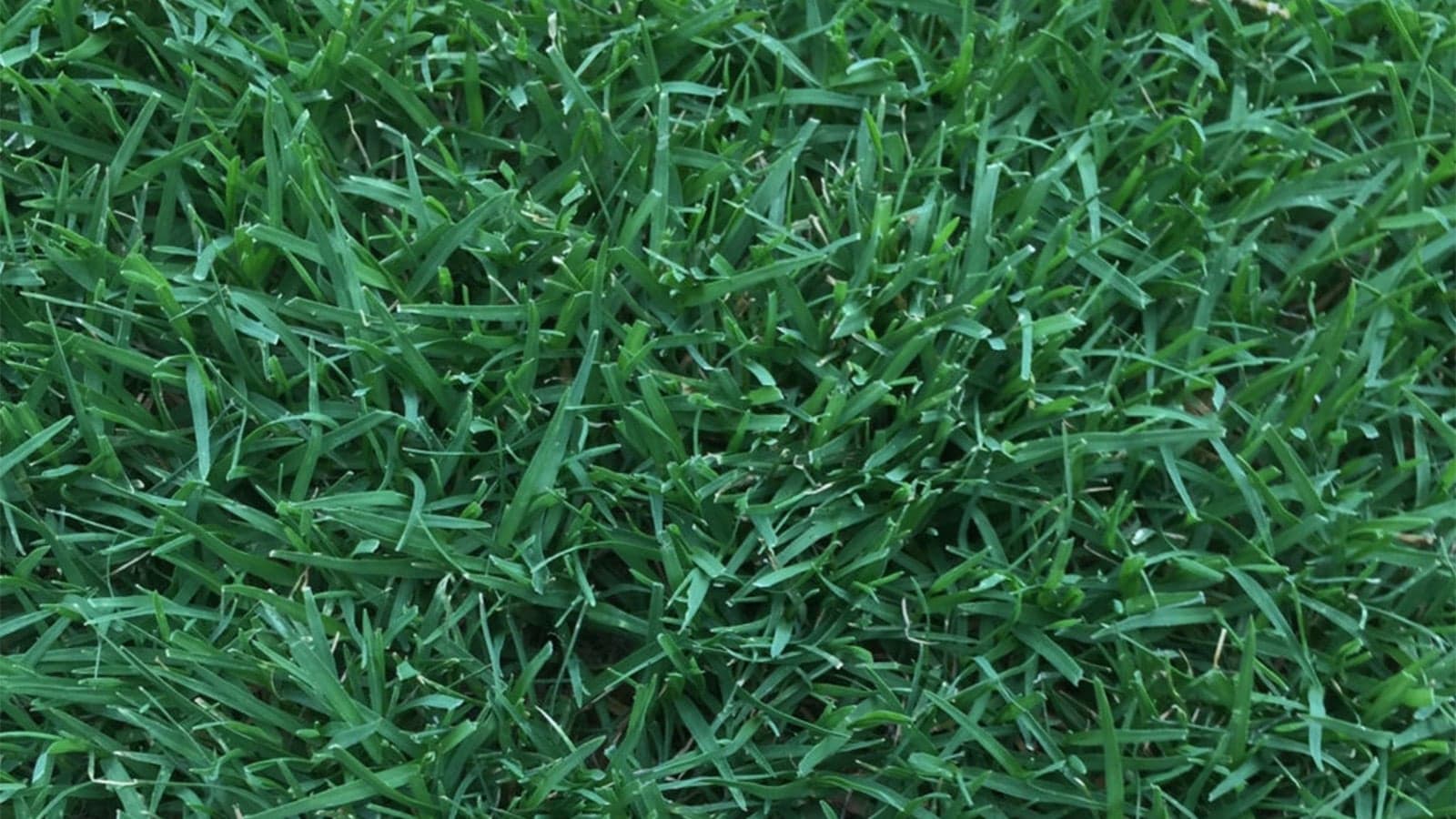
The homeowner who chooses bermuda grass is oftentimes seeking to have the best looking yard on the block. Homeowners who choose bermuda sod favor the finer-bladed look the grass exhibits as opposed to the wider blades of St. Augustine. Although certain bermuda grass species will require a little more maintenance than St. Augustine, bermuda grass gives your lawn the elite, polished look that stands out from the rest of the yards on the block. Here are a few general reasons why bermuda grass sod is the best grass for Florida:
- Bermuda grass is a warm season turfgrass, meaning it will flourish in areas located in the southern two-thirds of the United States.
- Bermuda grass has the ability to tolerate high temperatures and grows in warm, tropical or subtropical climates.
- It tolerates prolonged periods of drought and heat, which are big challenges for growing a healthy lawn in Florida.
- Bermuda grass grows a very dense canopy, which makes the grass durable to foot traffic and it outcompetes weeds easily. Its fast growing patterns allow it to recover from traffic quickly.
- Its vigorous, dense turf is well adapted to most soils found in Florida and has a high salt tolerance for coastal regions.
Now that you have a better understanding of some of the key features of bermuda grass, let’s discuss some of the most popular bermuda grass varieties that perform well in Florida’s warm, humid climates. Although bermuda grass varieties all share some of the same characteristics, certain varieties may fit the specific needs of your lawn better.
Celebration Bermudagrass
Celebration® Bermudagrass is a deep blue-green bermuda grass that finishes best in numerous university research studies for its wear tolerance and recovery, drought resistance, drought tolerance and bermuda grass shade tolerance. Although bermuda grasses rank third in shade tolerance (following behind St. Augustine and zoysia grass), the champion of bermuda grass shade tolerance is Celebration.
In fact, this particular variety performs so well in various locations that it can be found in professional golf courses and sports fields around the globe. Celebration is a finer-bladed bermuda grass with an exceptional root system. This robust root system allows for rapid recovery when wear or damage takes place above the surface of the soil. This also makes it a great choice if you have pets or kids who love to play outdoors.
Celebration Bermudagrass Characteristics:
- Ideal Use: Golf, commercial landscapes, sports fields, parks and home lawns
- Mow Height: 0.5–1.5 inches
- Blade Width: 1.7 mm
- Wear Tolerance: Excellent
- Injury Recovery: Excellent
- Shade Tolerance: Very Good
- Drought Tolerance: Excellent
- Insect Resistance: Very Good
- Disease Resistance: Excellent
- Weed Control: Very Good
Latitude 36 Bermudagrass
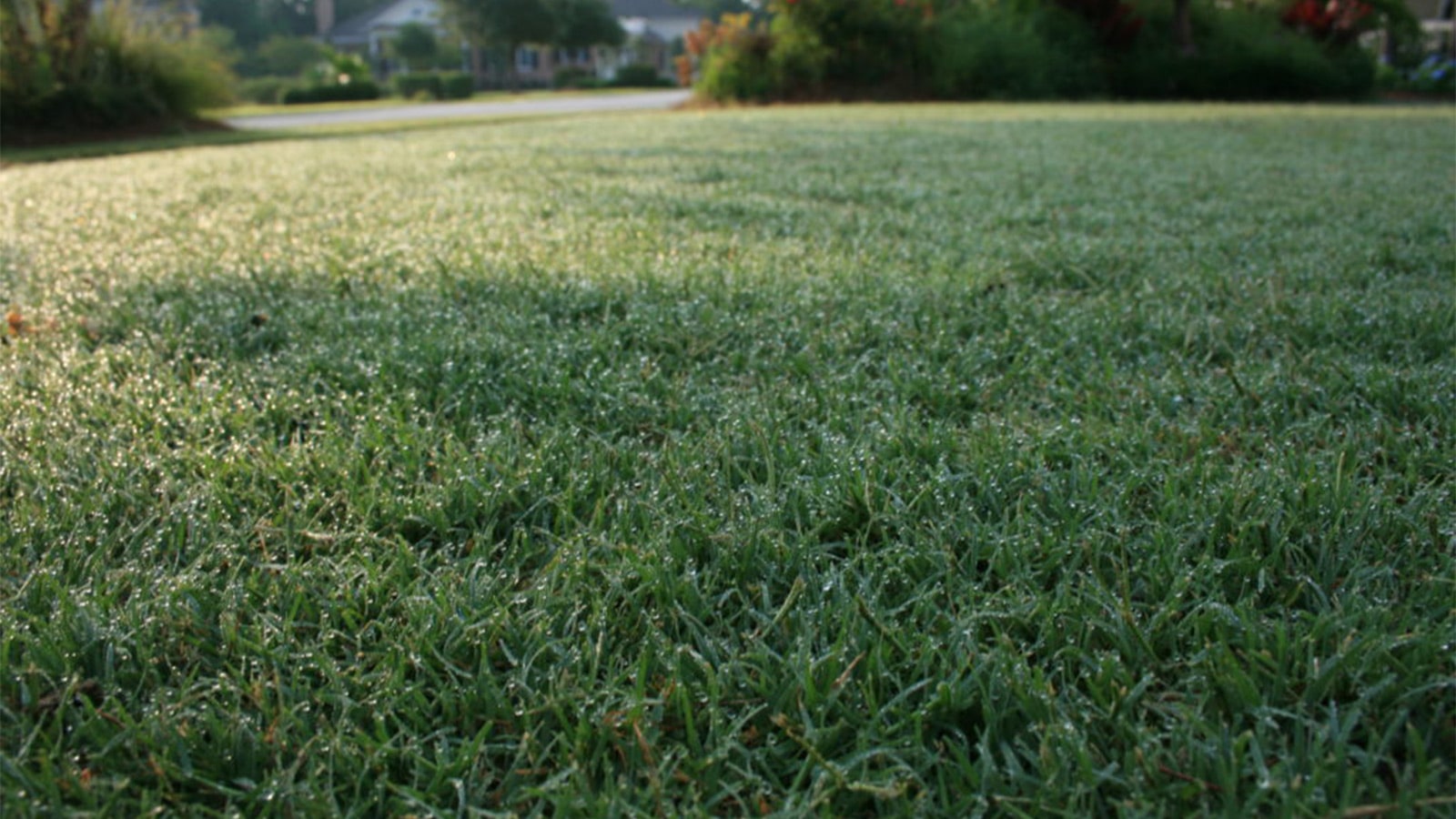
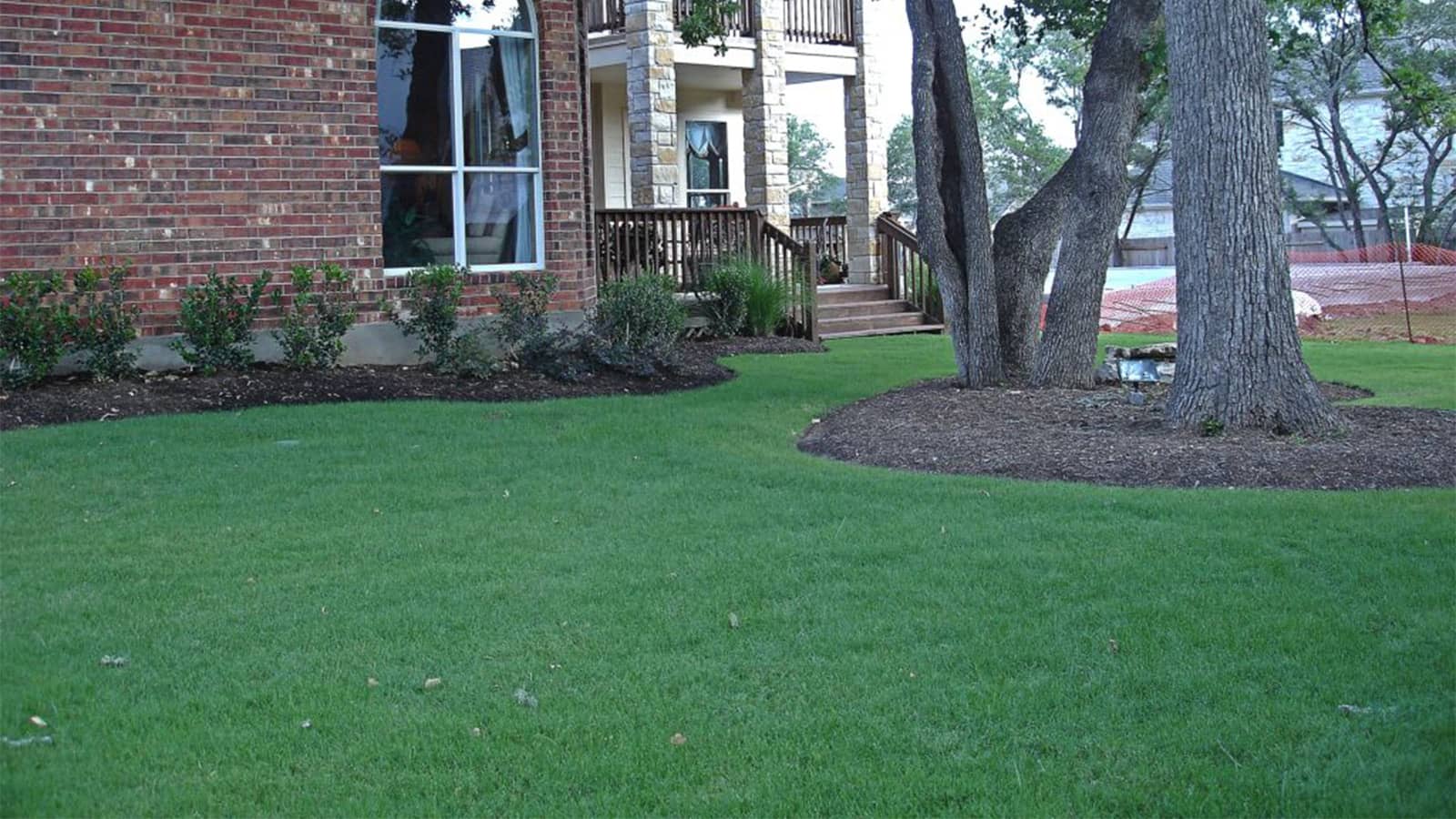
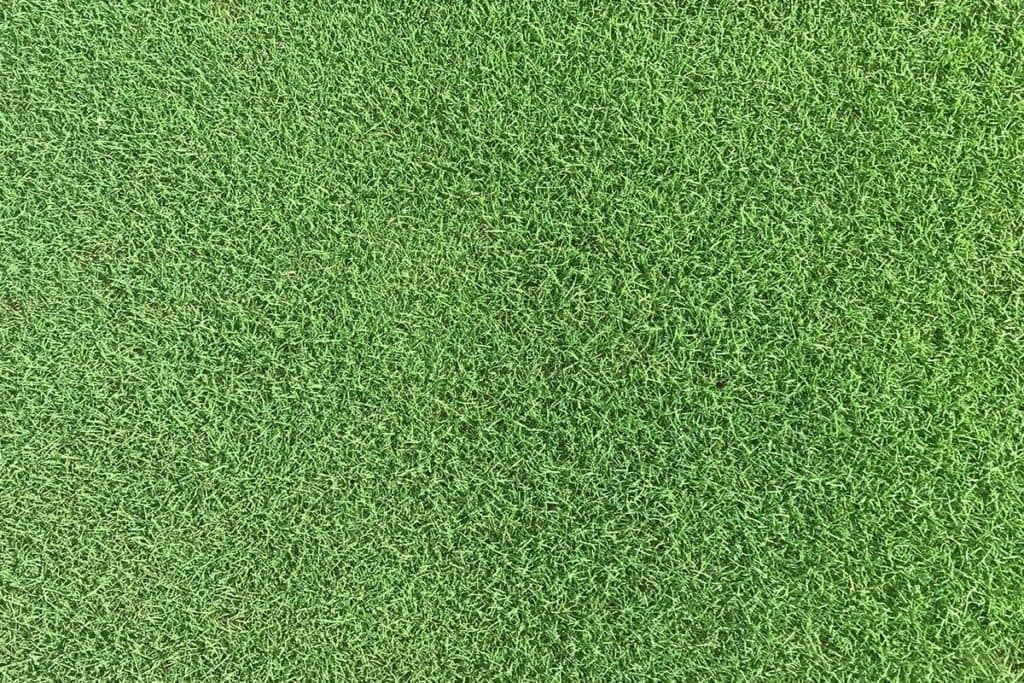
One of the most popular bermuda grasses that is often selected for home lawns based on its color alone is Latitude 36® Bermudagrass. Latitude 36’s beautiful color and texture make it stand out from other home lawns and bermuda grasses alike. Developed by renowned Oklahoma State University, Latitude 36 is one of the most cold-hardy bermuda grasses on the market, meaning it will continue to flourish during those brief moments with colder temperatures in Florida. Latitude 36 also features high traffic tolerance, excellent tensile strength and a finer texture than NorthBridge Bermudagrass. Check out a few of Latitude 36’s supporting research documents below.
Latitude 36 Bermudagrass Characteristics:
- Ideal Use: Golf, commercial landscapes, sports fields, parks and home lawns
- Mow Height: 0.5–1.5 inches
- Blade Width: 1.67 mm
- Wear Tolerance: Very Good
- Injury Recovery: Excellent
- Shade Tolerance: Good
- Drought Tolerance: Excellent
- Insect Resistance: Very Good
- Disease Resistance: Excellent
- Weed Control: Very Good

NorthBridge Bermudagrass
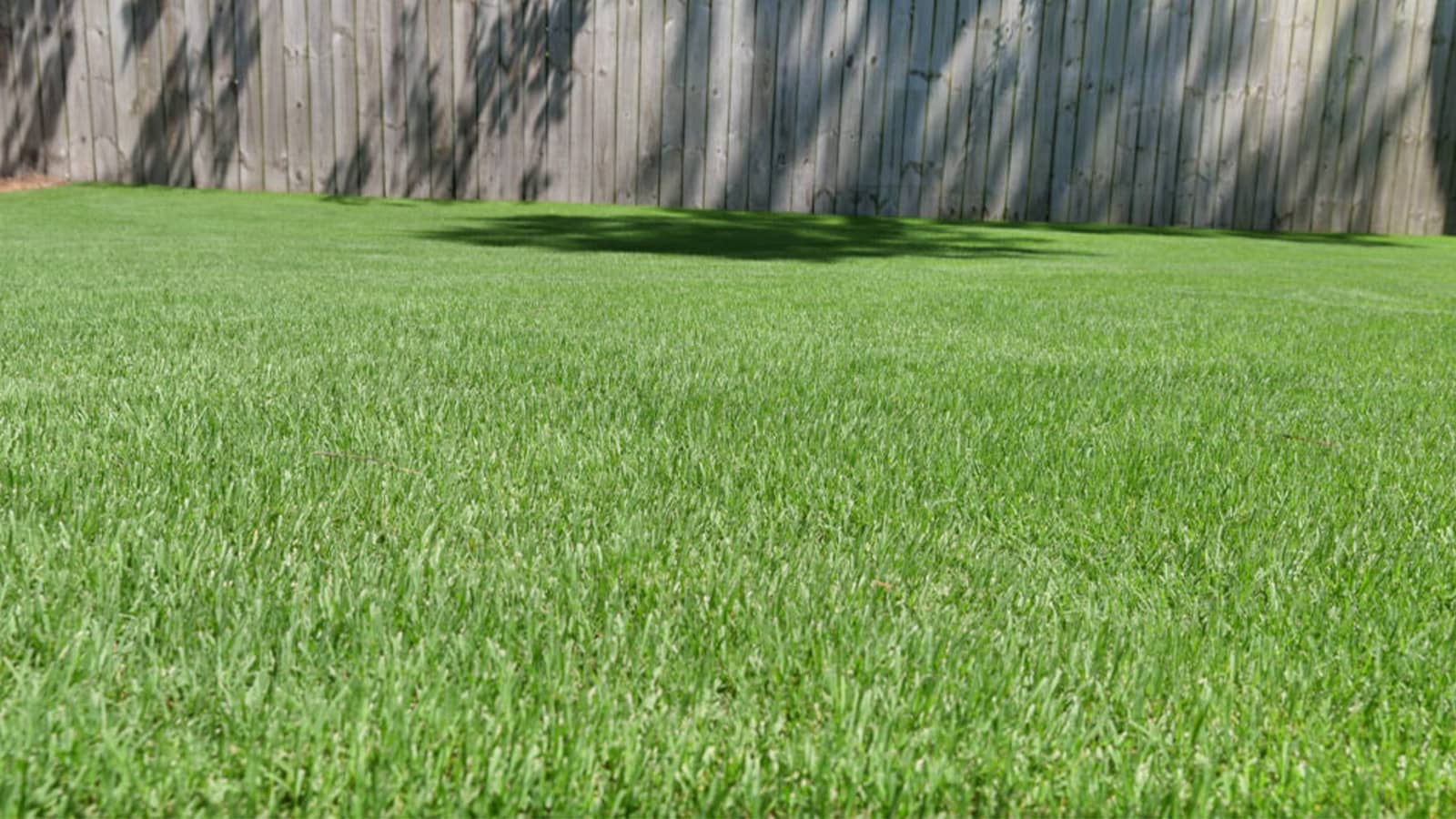
Also developed by Oklahoma State University, NorthBridge® Bermudagrass is another top-rated bermuda grass variety that will continue to thrive in colder weather, which is perfect for those short-term periods it gets cold in Florida. NorthBridge’s physical attributes include Latitude 36’s gorgeous color, fine texture and early spring green-up, meaning it is among the first of the warm season turfgrasses to come out of dormancy in the spring. NorthBridge also features improved cold tolerance, extreme sod strength, meaning it holds together well during installation, excellent tensile strength and aggressive rooting. This grass is also one of the most durable choices for homeowners with children and pets.
NorthBridge Bermudagrass Characteristics
- Ideal Use: Commercial landscapes, golf, sports fields and home lawns
- Mow Height: 0.5–1.5 inches
- Blade Width: 1.68 mm
- Wear Tolerance: Very Good
- Injury Recovery: Excellent
- Shade Tolerance: Good
- Drought Tolerance: Excellent
- Insect Resistance: Very Good
- Disease Resistance: Excellent
- Weed Control: Very Good
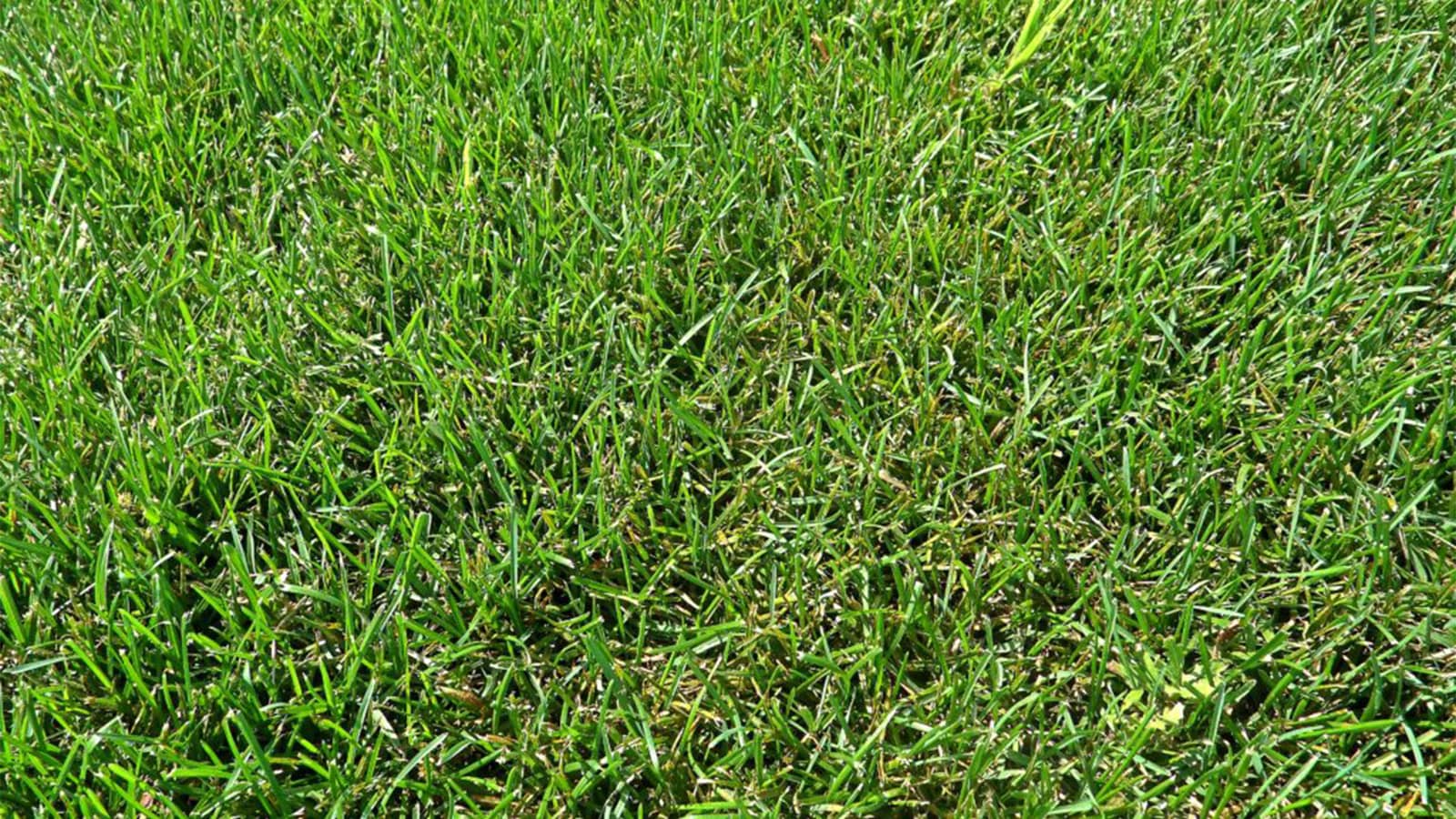
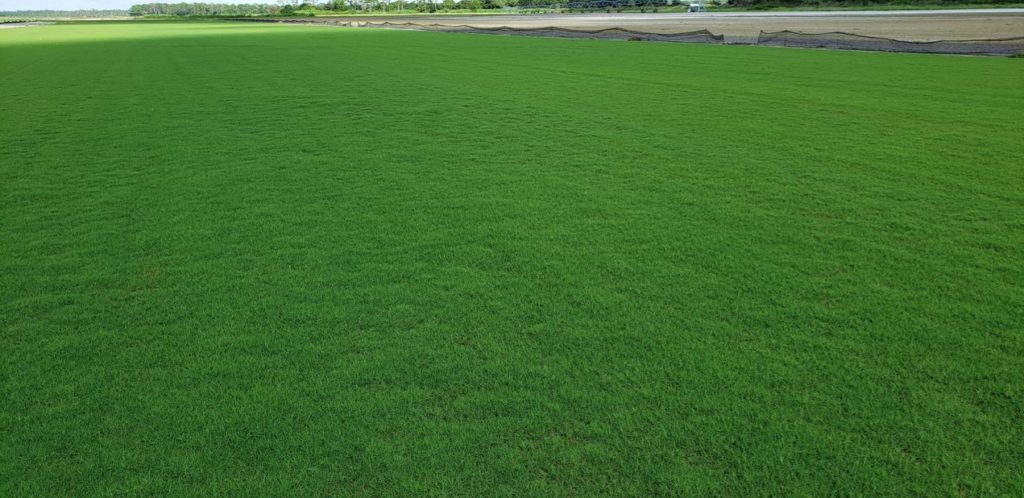
Being able to make an informed decision on which type of bermuda grass best fits your home lawn is important. Be sure to check out a few suggested Sod University articles for Florida home lawns such as The Best Grass for Shade in Florida and The Best Grass for Low Maintenance in Florida. To learn more in general about bermuda grass, read All About Bermudagrass Sod.
While Celebration, Latitude 36 and NorthBridge are all excellent choices for Florida lawns, homeowners may also want to consider Tifway 419, TifTuf, and Bimini Bermudagrass when evaluating the best fit for their specific needs. Each variety offers unique benefits in durability, drought tolerance, or low maintenance, making them strong contenders for a resilient Florida yard.