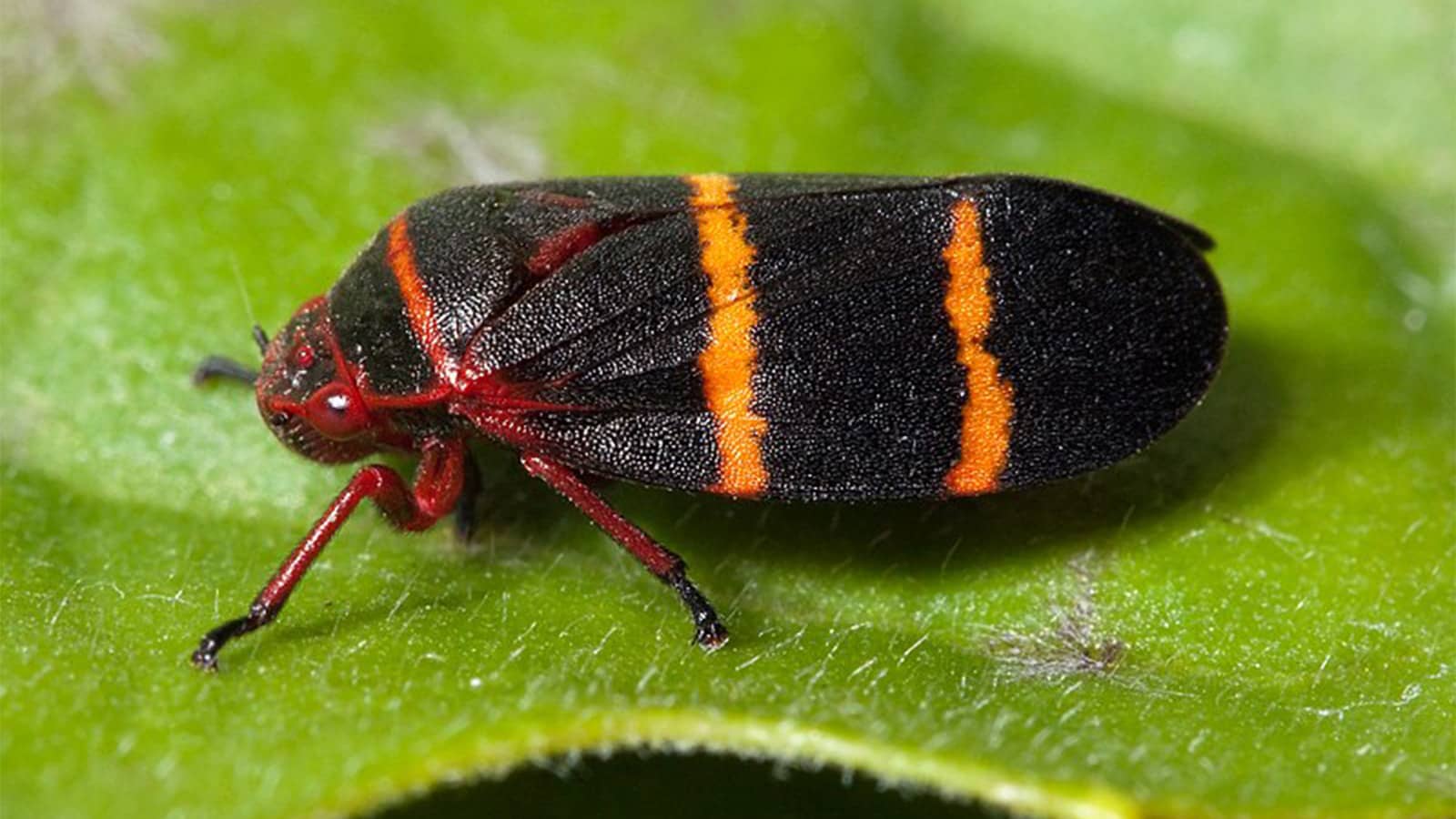
Small insects hopping through the lawn or white, foamy patches clinging to grass blades and plants are often signs of spittlebugs.
Spittlebugs are common in warm season lawns, especially centipede grass, and while they don’t always cause serious damage, heavy infestations can stress turf and leave it discolored or weakened. The key is knowing when spittlebugs are just present and when they’re a problem worth addressing.
This guide walks through how to identify spittlebugs, what kind of damage they cause, and when prevention or treatment actually makes sense.
✅ Quick Answer
An effective control option is Bifen XTS Insect Control.
Understanding Spittlebugs and Their Life Cycle
Spittlebugs are common turf and garden insects found throughout much of the United States. They feed on a wide range of plants, including grasses, ornamentals and weeds. While adult spittlebugs are noticeable, it’s the immature stage, called nymphs, that causes the most damage.
Spittlebug eggs are laid in late summer and overwinter in plant debris. In early to mid-spring, the eggs hatch and nymphs quickly attach themselves to grass blades or stems to begin feeding. As they feed, nymphs surround themselves with a white, frothy substance known as “spittle,” which helps protect them from predators and environmental stress.
As temperatures warm, nymphs mature into adults by late spring or early summer. Adult spittlebugs no longer require the foam for protection and are often seen hopping when lawns are disturbed.
How to Tell If Spittlebugs Are Affecting Your Lawn
Not every sighting of spittlebugs means your lawn is in trouble. Identifying active damage is more important than spotting the insects themselves.
Common Signs to Look For
- Small insects hopping when you walk through the lawn
- White, foamy masses on grass blades or ornamental plants
- Localized yellowing or thinning turf
Spittlebug nymphs feed by piercing plant tissue and extracting fluids, which can weaken grass and slow growth. Over time, this feeding may leave patches of turf looking stressed or discolored.
Symptoms That Can Be Misleading
Brown or yellow patches aren’t always caused by spittlebugs. Similar symptoms can result from drought stress, disease, chinch bugs, heat damage or nutrient deficiencies. Confirming the presence of spittlebug foam or nymphs helps ensure the right response.
Spittlebug Management: When to Prevent, When to Treat
Spittlebug control doesn’t always require immediate action. In many cases, good lawn care practices are enough to keep populations from becoming a problem.
Creating Conditions That Discourage Spittlebugs
Healthy, actively growing turf is better equipped to tolerate insect feeding. Proper lawn care reduces stress and makes grass less attractive to pests.
Key practices include:
- Maintaining recommended mowing heights
- Following a balanced fertilization schedule
- Avoiding excessive thatch buildup
- Managing irrigation to prevent prolonged moisture on blades
Strong turf recovers more quickly from minor feeding and is less likely to suffer lasting damage.
Physical Removal for Light Infestations
When infestations are small, spittlebug foam can be removed by hand or rinsed away with a garden hose. This may temporarily reduce nymph populations, though repeated effort is often needed. Physical removal works best as a short-term solution rather than a long-term control strategy.
When Chemical Control Makes Sense
Insecticides are typically reserved for heavier infestations where spittlebug activity is widespread and lawn health is declining. Products containing bifenthrin are commonly used for spittlebug control due to their broad-spectrum activity.
Applications should always follow label instructions carefully, including proper timing, dilution and coverage. Chemical control is most effective when paired with good cultural practices rather than used as a stand-alone solution.
Supporting Lawn Health During Recovery
While fertilizers don’t eliminate spittlebugs, maintaining a proper fertility program helps turf recover from stress. Balanced nutrition supports stronger growth and improves the lawn’s ability to withstand and rebound from insect feeding.
Keeping the lawn clean and free of excessive debris also reduces overwintering sites for eggs and helps limit future populations.
Spittlebug FAQs
Spittlebugs are common in warm season lawns and don’t always cause serious damage. Light infestations may result in little more than temporary stress, while heavier populations can weaken grass and lead to yellowing or thinning. The impact depends on the size of the infestation and overall lawn health.
Spittlebug damage often appears as patchy yellowing or thinning turf. In more severe cases, grass may look stressed or slow to recover. Because these symptoms can resemble drought stress or disease, confirming the presence of spittlebugs, especially foam produced by nymphs, is important.
In most cases, white, frothy patches on grass blades or ornamentals are produced by spittlebug nymphs. While the foam itself doesn’t harm plants, it’s a reliable indicator that spittlebugs are present and actively feeding.
Treatment is usually only necessary when spittlebugs are widespread and grass shows signs of stress or decline. In many lawns, consistent maintenance and monitoring are enough to keep populations in check without chemical intervention.
Spittlebug activity typically begins in spring when eggs hatch and nymphs appear. Monitoring during this period helps catch infestations early, before damage becomes more noticeable later in the season.
Yes. Maintaining a healthy lawn through proper mowing, irrigation and fertilization helps grass tolerate minor feeding. For light infestations, rinsing foam away or removing nymphs by hand may provide temporary relief, though repeated efforts are often needed.
Spittlebugs are most commonly associated with centipede grass, but they can appear in other warm season lawns as well. Grass type, moisture levels and thatch buildup all influence where spittlebugs are more likely to thrive.
Spittlebug populations can fluctuate from year to year depending on weather, lawn conditions, and maintenance practices. Keeping debris to a minimum and maintaining healthy grass reduces the likelihood of recurring problems.
Spittlebugs rarely kill healthy grass outright. However, heavy or prolonged infestations can weaken grass and make it more vulnerable to drought, disease or other stresses if left unmanaged.