
Spring is almost here! The birds are chirping, bees are buzzing and life begins to return to outdoor lawns and gardens. Spring care for bermuda grass lawns is right around the corner. As temperatures start to slowly warm up again, it’s important for us lawn and garden lovers to provide our tender love and care to our beloved bermuda grass lawns.
When it comes to seasonal bermuda grass maintenance, spring lawn care slightly differs from the summer or fall seasons. Temperatures rise and soil conditions change. Bermuda grass is just starting to come out of dormancy and turn green again.
Depending on where you may be located, your bermuda grass lawn may not have even gone dormant at all!
Spring Bermuda Grass Care Tips
Watch our series of bermuda grass spring maintenance tips in the playlist below. Select the icon in the top right-hand corner to navigate through the playlist.
https://youtube.com/playlist?list=PLXNGBwPrZQQqwyA2b3zsKcMZkzd7Q_hDs&si=YGzrm2jsfnZoOkwr1. Proper Spring Zoysia Mowing
Timing:
Begin mowing when bermuda grass shows signs of growth, typically in mid-March for many regions. Avoid mowing while the grass is still dormant.
Height Adjustment:
Initially, cut bermuda grass slightly shorter than usual to remove excess growth—about an inch high. After this, maintain a height between 0.5 and 1.5 inches.
Equipment Care:
Sharpen mower blades to ensure clean cuts that prevent disease.

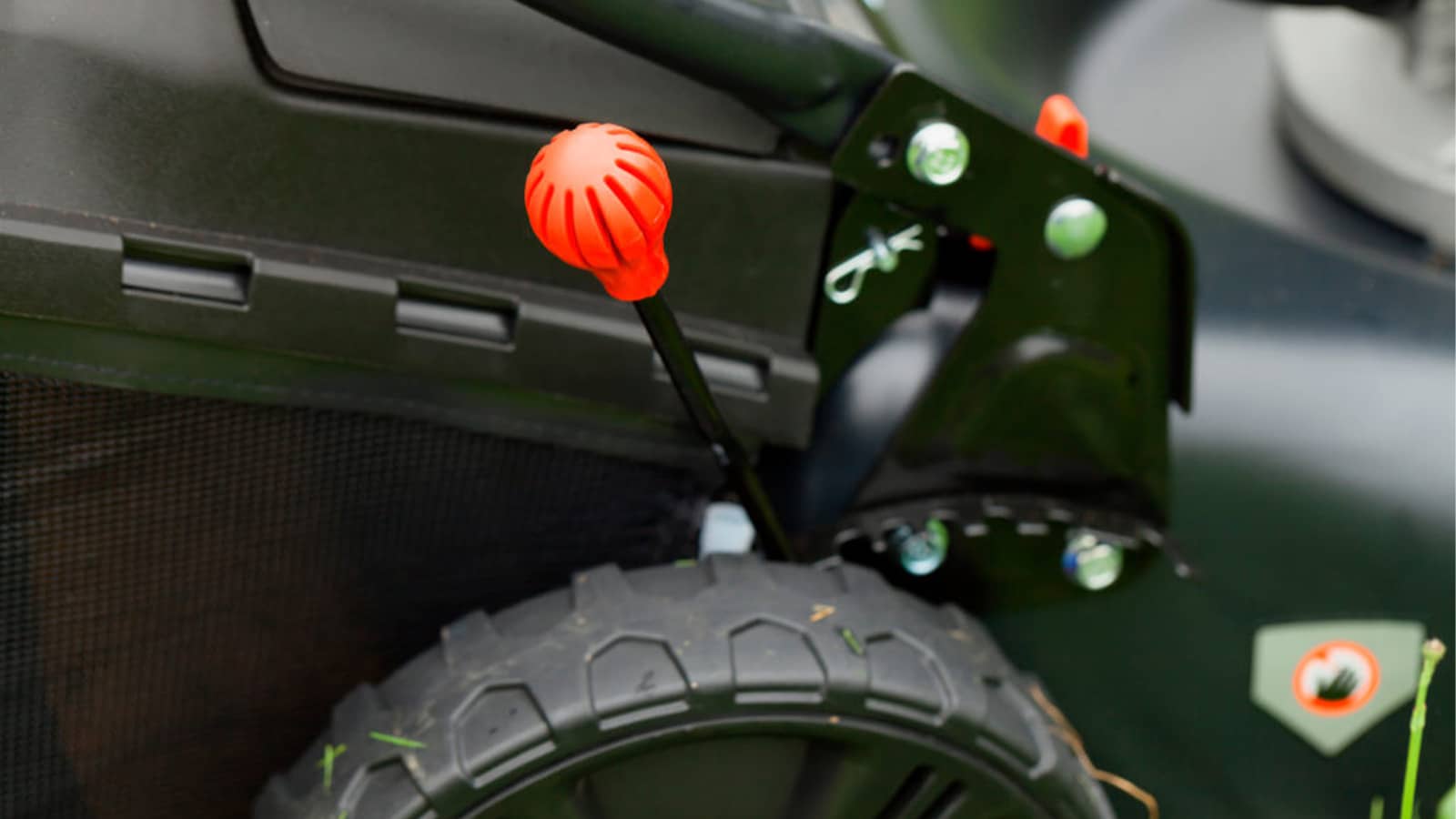
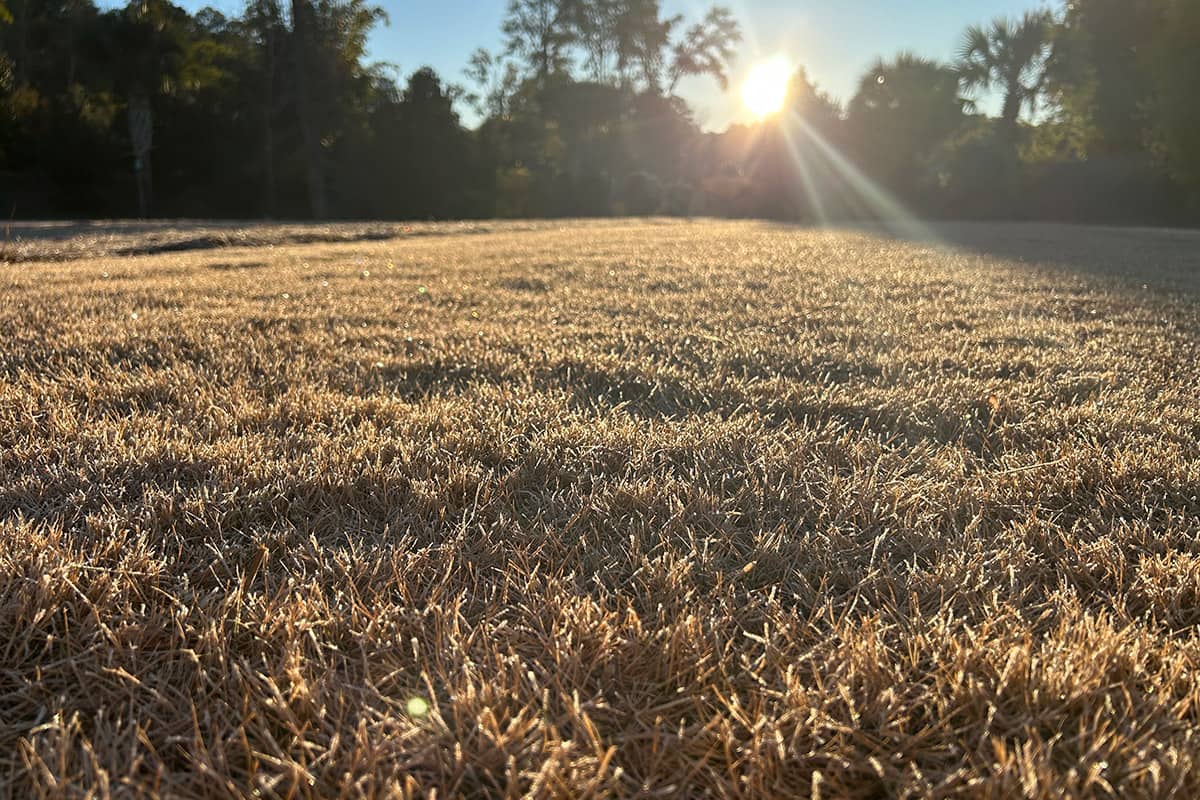
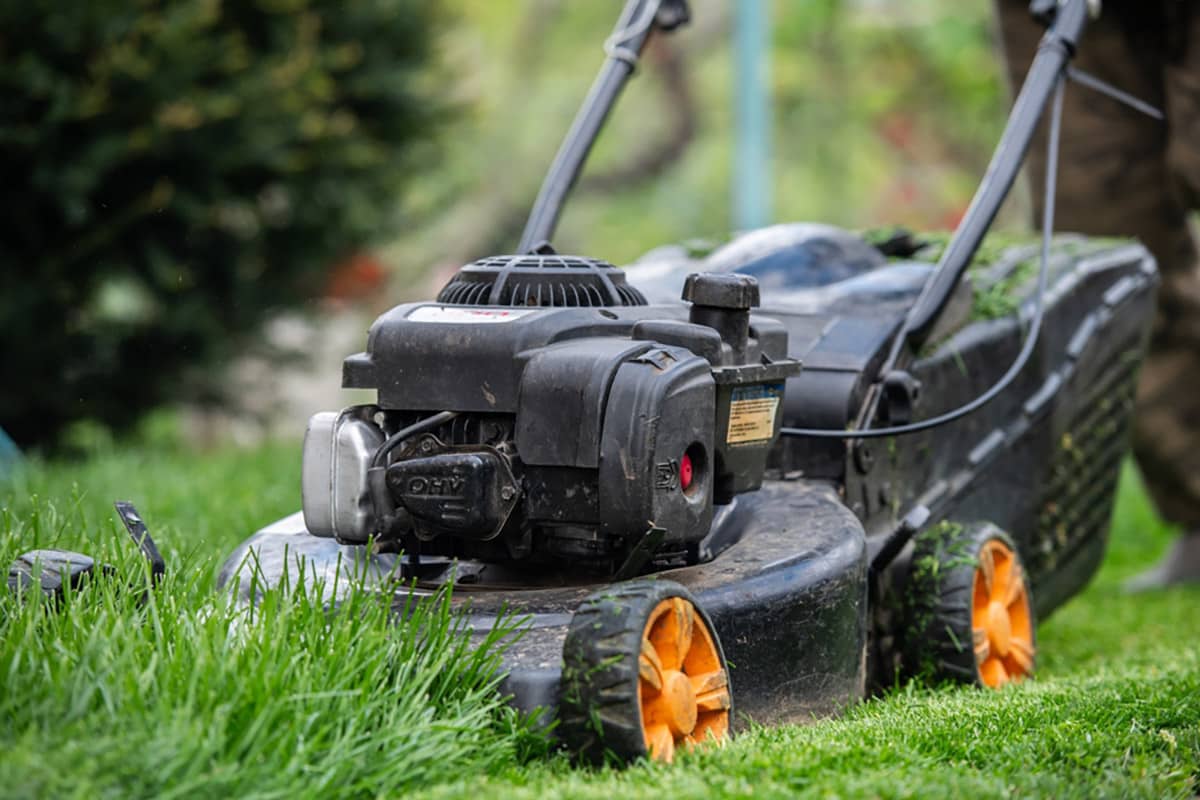
Pictured above from left to right: A Latitude 36 lawn in the spring and a lawn mower setting.
2. Choosing the Best Zoysia Lawn Fertilizer for Spring
Timing is Key:
Wait until after the last frost to fertilize to prevent damaging new growth.
Product Recommendations:
Use a slow-release nitrogen fertilizer like the Lawnifi Spring Fertilizer Box, which is specially formulated for zoysia’s needs. Apply it only after ensuring there’s no risk of frost, typically after Easter in cooler climates.
3. Setting Up Your Spring Irrigation Schedule
Water Requirements:
St. Augustine needs about 1 inch of water per week, including rainfall. Begin regular watering once the grass exits dormancy.
Efficiency Tips:
Conduct an irrigation audit to ensure even distribution and avoid wastage, especially important in areas like South Florida where watering needs may decrease in winter.

4. Fixing Bare or Damaged Spots
Using Bermuda Grass Grass Plugs or Seed:
Use bermuda grass plugs or seed to fill in bare spots. Prepare the soil properly with a mix of sand and topsoil, ensuring it’s loose and nutrient-rich.
Soil Preparation:
Before planting, prepare the soil by loosening it and adding a light layer of compost to provide nutrients. Do a soil test to make proper amendments to your soil to set it up for success this season.
5. Aerate Your Lawn
Why Aerate?
Aeration helps relieve soil compaction, allowing roots to breathe and absorb nutrients more effectively.
Best Practices:
Aerating is best done during your lawn’s peak growing season. For cool-season grasses, early spring or fall is ideal, while warm-season grasses benefit most from late spring aeration.
Spring Lawn Treatment
6. Weed Control Strategies
Preventive Care:
Apply a pre-emergent herbicide when soil temperatures consistently reach about 55 degrees Fahrenheit to stop weed seeds from germinating. Learn more here.
Active Management:
Use post-emergent herbicides to tackle visible weeds like dandelions and crabgrass. Ensure selective herbicide use, as non-selectives will kill any and all vegetation it comes into contact with
Apply post-emergent weed contrl throughout the spring as needed to control summer annual and perennial broadleaf weeds like:
- Crabgrass
- Goosegrass
- Sandspur
- Dallisgrass
- Dandelion
- Chickweed
- White Clover
- Knotweed
- Spurge
- Dollarweed
- Doveweed
- Lespedeze
Post-emergent products containing multiple broadleaf active ingredients like SpeedZone Broadleaf Herbicide for Turf are the best spring lawn treatments as they’re more effective in controlling broadleaf weeds.
If you start to notice grassy weeds such as crabgrass or goosegrass, post-emergents like Mesotrione 4 SC Select will treat them.
Be sure to follow product labels for any control product appropriately during application.
If you notice weeds and you aren’t sure which type of weed it is, check out our Identifying Common Lawn Weeds blog.
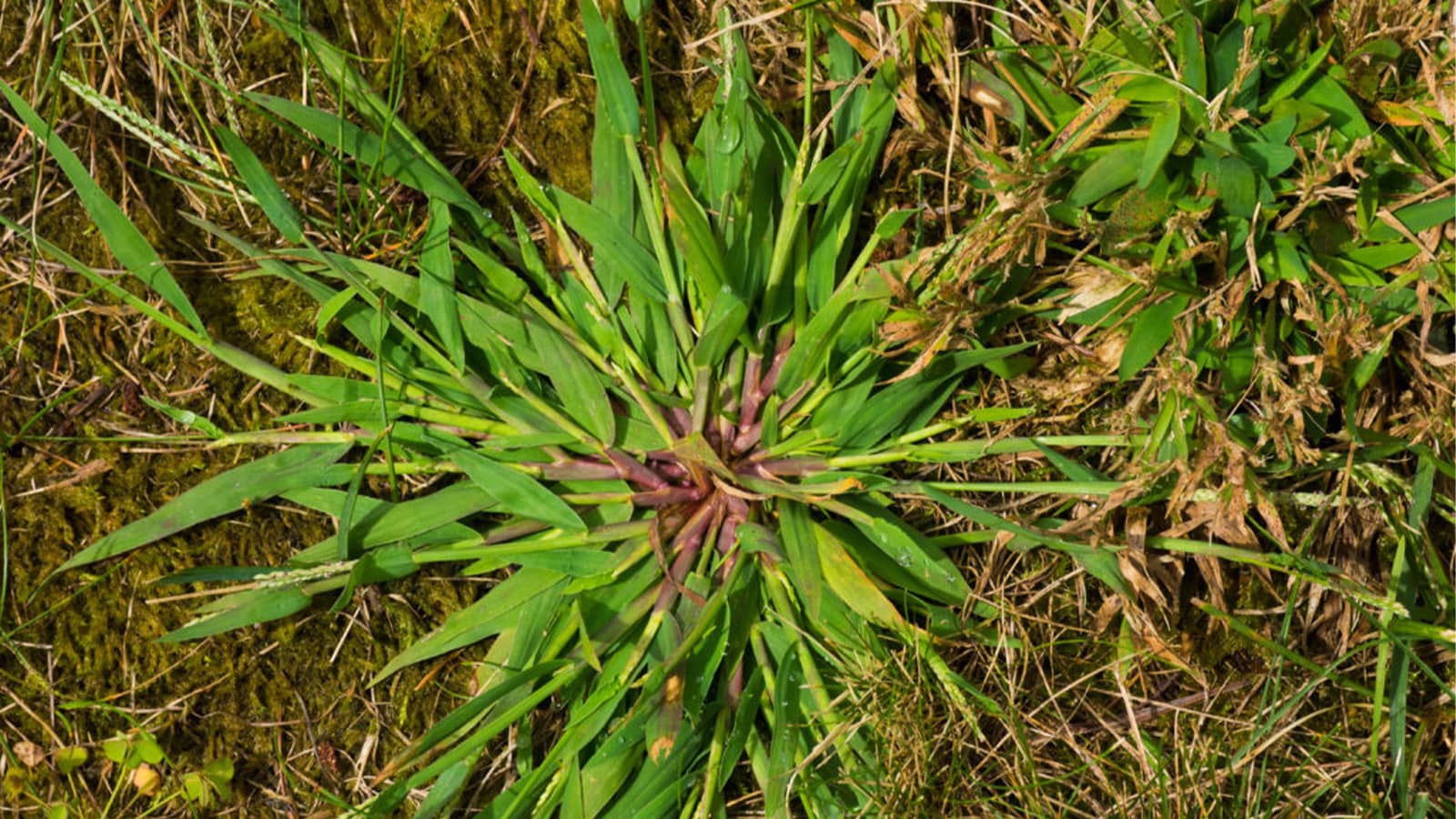
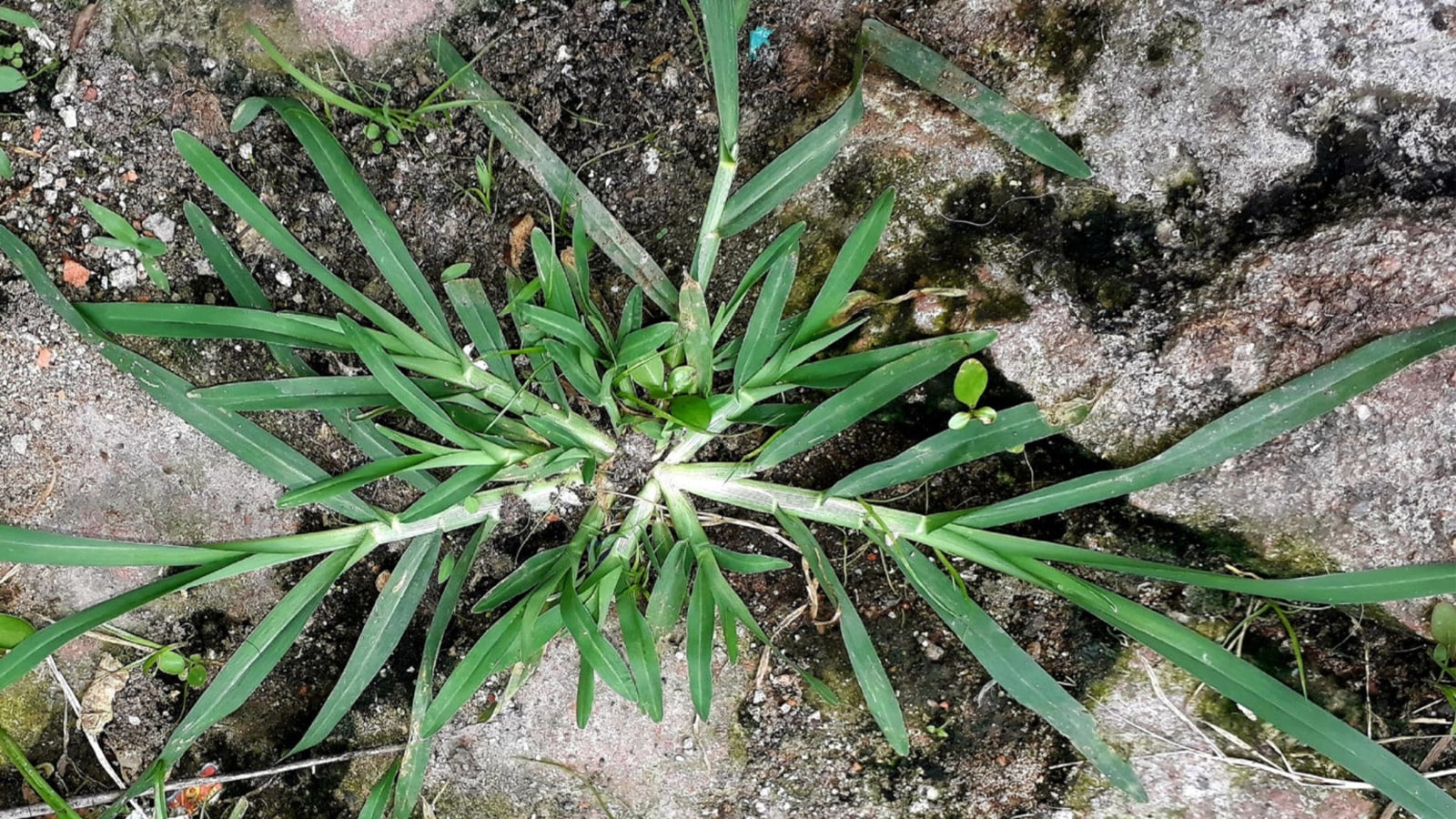
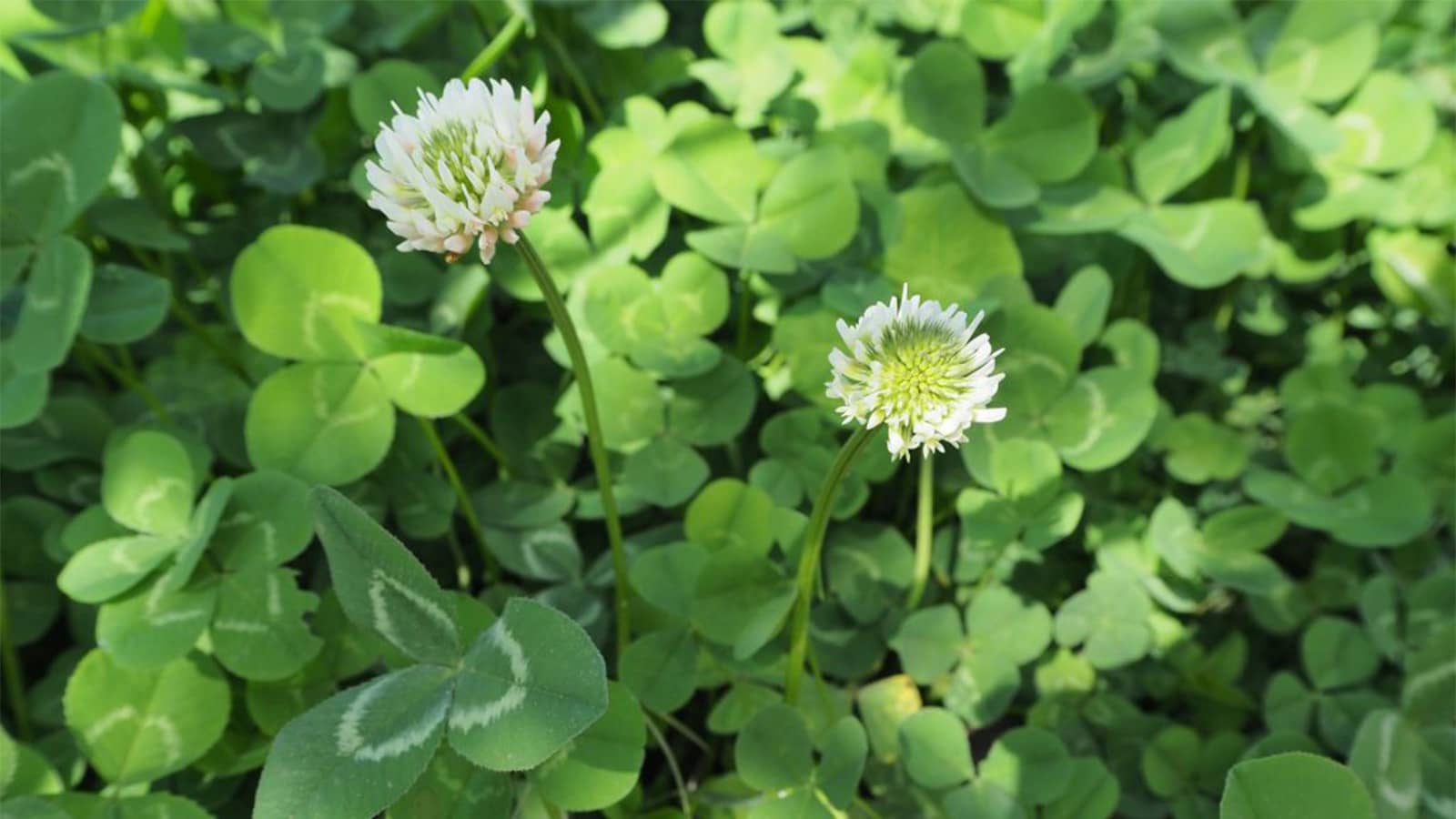
Pictured above from left to right: Crabgrass, goosegrass and clover.
7. Spring Lawn Pest Management
To protect your lawn from recurring insect damage, consider applying a broad-spectrum insect control product, especially if you’ve experienced issues during this season in the past. Make sure granular insecticides are watered into the soil, while liquid types should be applied using a garden hose or tank mixer.
Be vigilant for pests such as grub worms and sod webworms, which can damage Bermuda grass. Apply appropriate insect control products based on the specific pests present. Dylox 6.2 is best for grub worms while Natural Guard Spinosad is best for sod webworms.
You can read more about these insects in our Insect Identification blog. Be sure to follow product label instructions before application.
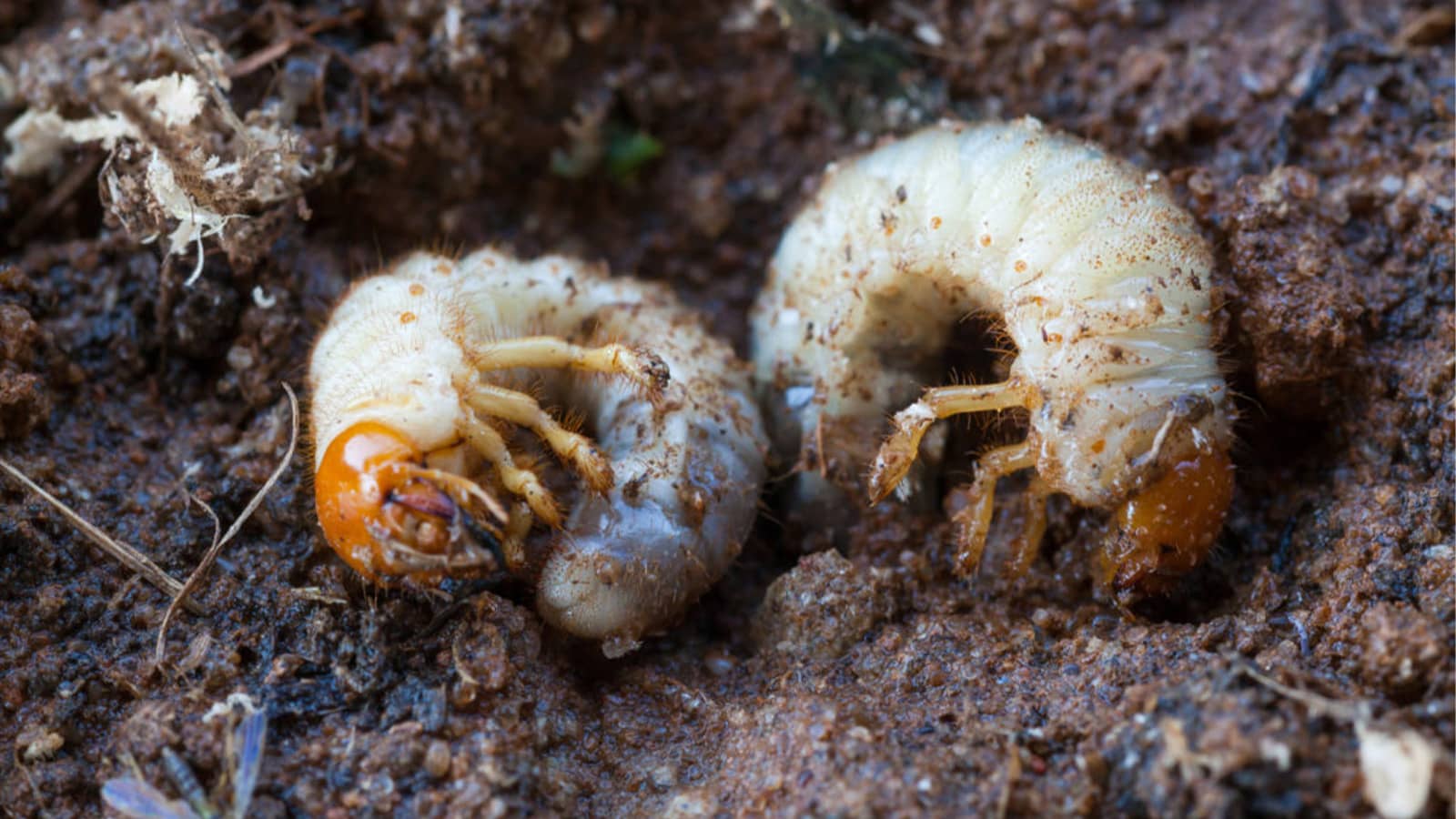
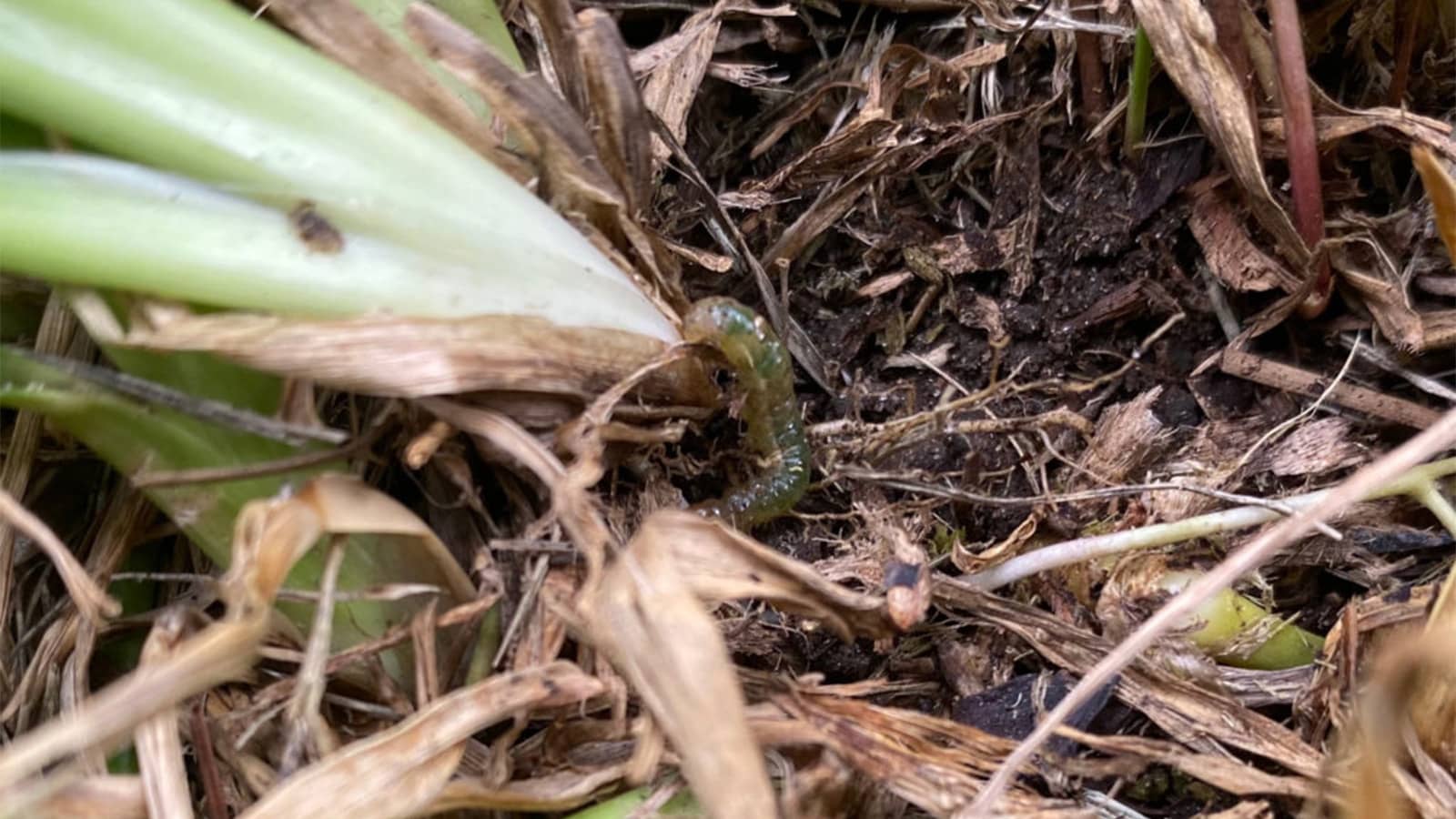
Pictured above from left to right: White grub worms and a sod webworm.
8. Bermuda Grass Spring Fungus Control
If you have a warm season lawn, circular brown or yellow spots, also known as spring dead spot, may start to show up as it comes out of dormancy.
Other potential disease outbreaks include large patch and gray leaf spot.
If you notice any disease outbreaks, you may need to make applications of a systemic fungicide like Heritage G or Propiconazole.
Systemic fungicide applications should take place before you apply any spring fertilizer. If you have fungus in your lawn, the nitrogen found in fertilizers oftentimes feeds it and helps it spread. Apply a systemic fungicide and wait a few weeks before applying any fertilizer.
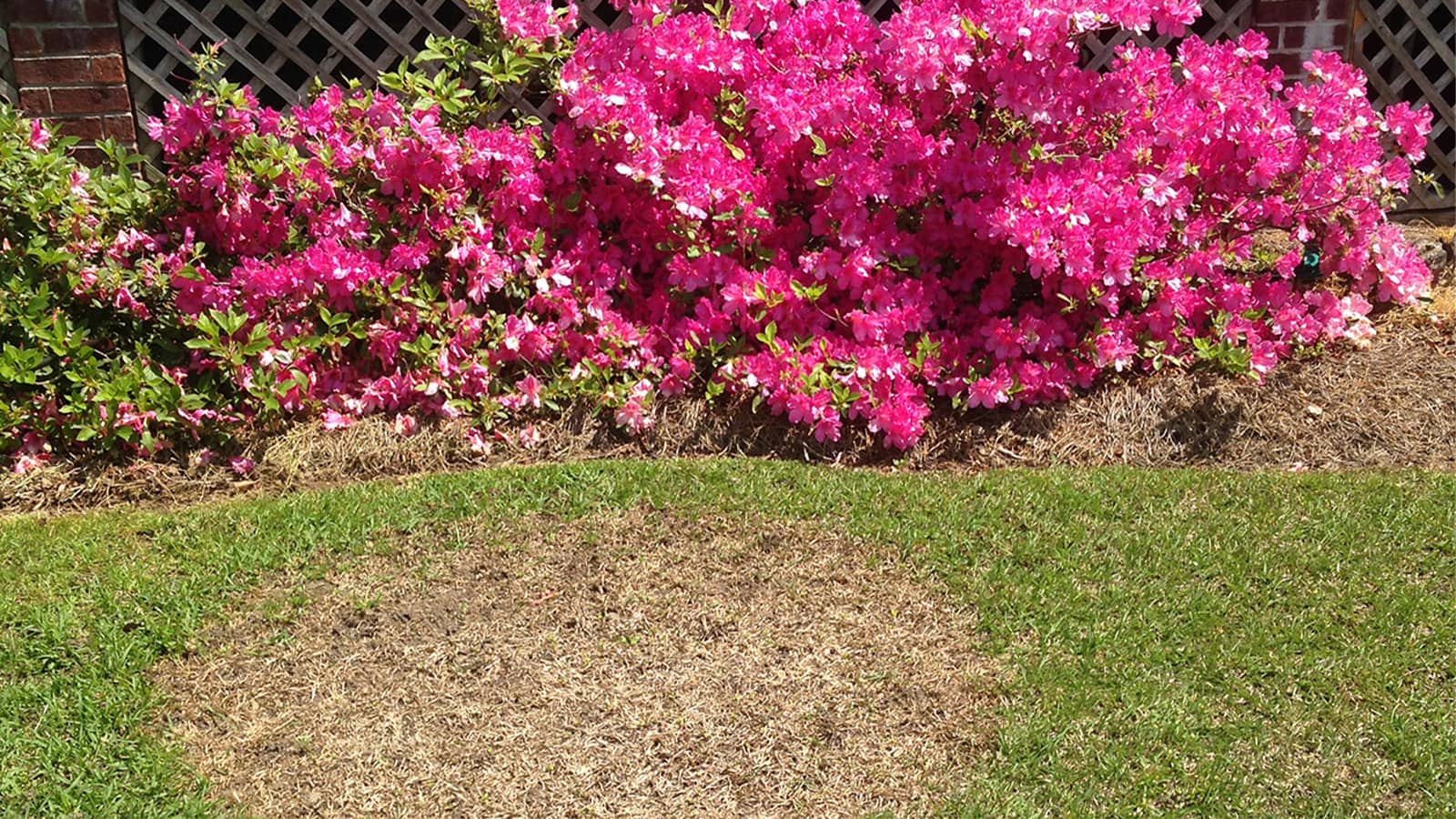
Pictured above: Spring dead spot.
What Should I Do for My Bermuda Grass Lawn This Spring? - Answered
- Mowing: Begin mowing as Bermuda grass shows signs of growth, generally starting in mid-March. Maintain a cutting height of about 1 inch initially to promote a dense, healthy lawn.
- Fertilization: Apply a high-quality fertilizer, such as the Lawnifi Spring Fertilizer Box, after the last frost to avoid cold damage and encourage vigorous growth.
- Watering: Adjust your watering to provide about 1 inch per week, including rainfall, ensuring you do not overwater. An irrigation audit can help optimize your watering schedule.
- Weed and Disease Control: Use pre-emergent herbicides to prevent weeds and apply post-emergent as needed. Watch for signs of diseases like spring dead spot and treat with fungicides if necessary.
- Insect Management: Keep an eye out for common pests like grub worms and sod webworms, treating with appropriate insecticides when needed.
- Repairing Bare Spots: Use Bermuda grass plugs or overseeding techniques to address bare areas, making sure the ground is properly prepared for new growth.
Following these steps will not only keep your Bermuda grass healthy but also vibrant and lush, setting it up for success throughout the growing season and beyond.