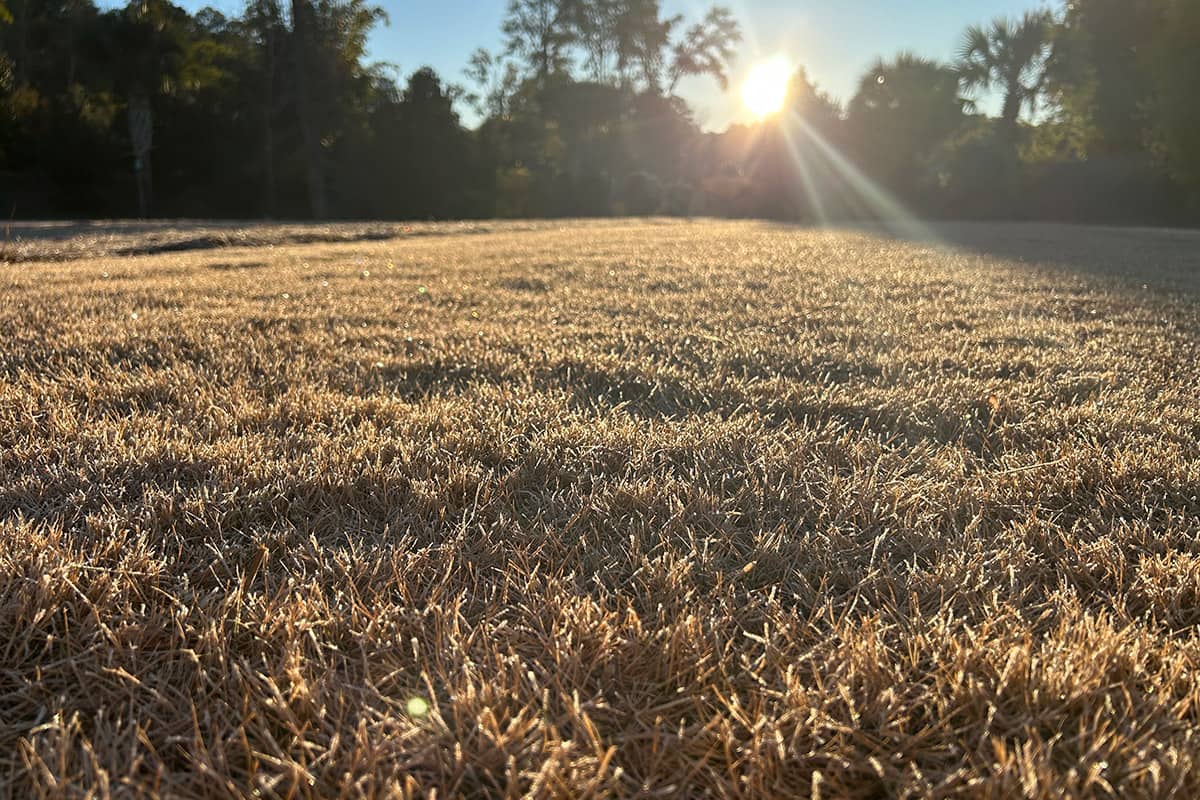

Spring lawn care in the Carolinas demands a strategic approach tailored to the region's diverse landscapes. From mountain areas to coastal plains, homeowners can set their lawns up for success by focusing on key spring maintenance tasks like pre-emergent weed control, proper fertilization and understanding their specific grass type.
Spring Lawn Care Tips for Homeowners in the Carolinas
The most critical period for lawn preparation is late February to mid-March, when temperatures begin to rise and the grass starts emerging from winter dormancy. By taking proactive steps now, Carolina homeowners can maintain a healthy lawn that withstands the region's challenging climate variations.
Spring Lawn Care Soil Testing & Adjustment
Soil types in Carolina lawns vary significantly, with sandy soils common along the coast and dense clay soils prevalent in inland areas. Conduct a soil test in the spring to assess pH levels and nutrient content.
Based on the results, you might need to add organic compost to enhance the soil's structure and nutrient profile, particularly in areas with heavy clay.
Fertilizing Carolina Lawns in the Spring
Begin fertilizing your lawn once the grass starts actively growing. This usually happens when soil temperatures consistently stay around 65 degrees Fahrenheit, often in late spring, depending on your exact region in the Carolinas. Wait until the lawn has been mowed twice before applying fertilizer to ensure the grass is actively growing.
Last frost dates:
- South Carolina:
- Charleston: Mid-February
- Columbia: Late March
- Clemson: Early April
- North Carolina:
- Charlotte: Early April
- Raleigh: Late March to Early April
- Chapel Hill: Early April
Choose a high-quality, slow-release fertilizer that suits the specific needs highlighted by your soil test results.
We suggest the Lawnifi Spring Fertilizer Box as the best lawn fertilizer for spring lawn care, which provides tailored nutrition to help your grass recover from winter and thrive in spring. Each application covers 5,000 sq. ft. and is designed for easy use with a hose-end sprayer.
Spring Weed Control Strategies for Carolina Lawns
Preventive Care:
Apply a pre-emergent herbicide when soil temperatures consistently reach about 55 degrees Fahrenheit—usually between February and March in the Carolinas—to stop weed seeds from germinating. Learn more here.
Active Management:
Use post-emergent herbicides to tackle visible weeds like dandelions and crabgrass. Ensure selective herbicide use, as non-selectives will kill any and all vegetation it comes into contact with
Apply post-emergent weed control throughout the spring as needed to control summer annual and perennial broadleaf weeds like:
- Crabgrass
- Goosegrass
- Sandspur
- Dallisgrass
- Dandelion
- Chickweed
- White Clover
- Knotweed
- Spurge
- Dollarweed
- Doveweed
- Lespedeza
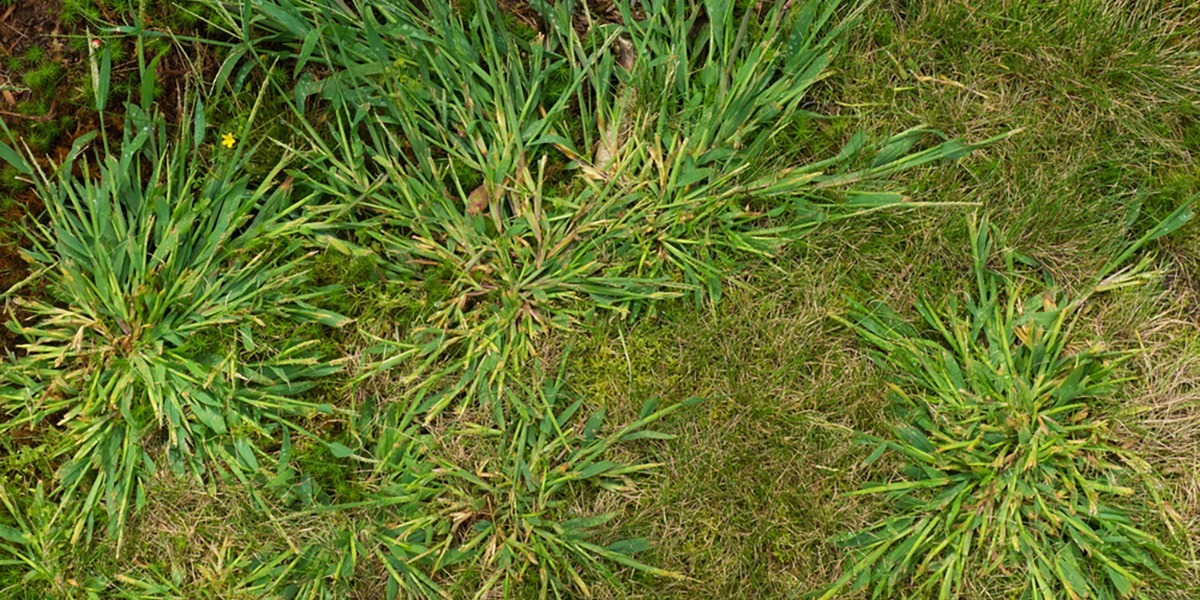
Post-emergent products containing multiple broadleaf active ingredients, like SpeedZone Broadleaf Herbicide for Turf, are the best spring lawn treatments because they’re more effective in controlling broadleaf weeds.
If you start to notice grassy weeds such as crabgrass or goosegrass, post-emergents like Mesotrione 4 SC Select will treat them. However, this product shouldn’t be used on Zoysia lawns. Be sure to follow product labels for any control product appropriately during application.
If you notice weeds and aren’t sure which type they are, check out our Identifying Common Lawn Weeds blog.
Note: St. Augustine and centipede lawns are sensitive to active ingredients like 2,4-D, MSMA or Mecroprop. To control weeds, apply an Atrazine-based weed control product like Hi-Yield Atrazine. Atrazine products serve as both pre- and post-emergent herbicides.
Spring Pest Management in Carolina Lawns
Common pests such as grub worms and chinch bugs can significantly damage grass in the Carolinas. Use targeted products like Dylox 6.2 for grub worms and Bifen L/P for chinch bugs, following the manufacturer's instructions carefully.
Learn more about insect identification here.
Managing Spring Lawn Diseases in the Carolinas
Lawns in the Carolinas are prone to fungal diseases, such as large patch and spring dead spot, especially during the cool, moist conditions of spring. Maintain balanced moisture levels through proper watering and aeration techniques and consider using a systemic disease control product like Azoxy 2 SC Select as a preventive measure.
Spring Watering Practices for Carolina Lawns
Conduct an irrigation audit to ensure that water is being delivered efficiently to different areas of your lawn. Typical Carolina lawns need about 1 inch of water per week, adjusted for local weather conditions.
Water early in the morning to reduce evaporation and minimize disease risks.
Spring Mowing and Maintenance Specific to Carolina Lawns
To keep your lawn healthy, make sure your mower blades are clean, sharp and in good condition. Adjust the mowing height based on your grass type:
- Bermuda grass: 0.5–1.5 inches
- St. Augustine grass: 2–4 inches (some cultivars may require a lower cut)
- Coarse-bladed zoysia: 1–2 inches
- Fine-bladed zoysia: 0.5–1.5 inches
For bermuda or zoysia lawns, the first mow of spring should be a "buzz cut." Lower the mower height slightly for this initial cut and bag the clippings to remove any leftover debris. Afterward, return to the regular mowing height and leave clippings on the lawn as mulch.
Always follow the one-third rule: never cut more than one-third of the grass blade at a time to prevent stressing your lawn.
Spring Aeration
Aerate your lawn in early spring to alleviate soil compaction, particularly beneficial for clay soils prevalent in parts of the Carolinas. This helps enhance water and nutrient uptake and supports healthy root growth.
Repairing Bare Spots in the Spring
Spring is an ideal time to address bare spots or thin areas in your lawn by overseeding or using grass plugs. For best integration, select a grass seed variety that matches your existing lawn.
What Should I Do for My Carolina Lawn This Spring? – Answered
- Soil Testing and Preparation: Start the season with a soil test to determine pH and nutrient levels. Amend heavy clay soils or nutrient-deficient areas with organic compost.
- Fertilization: Apply a slow-release nitrogen-rich fertilizer once the soil consistently reaches 65 degrees Fahrenheit and the grass shows active growth, ideally after the first two mows of the season.
- Watering: Adjust watering to about an inch per week, considering rainfall. Use smart irrigation to promote deep, infrequent watering sessions, enhancing root strength.
- Weed and Pest Control: Prevent weeds by applying pre-emergent herbicides when soil temperatures hit 55 degrees Fahrenheit. With specific treatments, target common pests like grub worms and chinch bugs.
- Disease Prevention: Monitor for and manage fungal diseases such as large patch or spring dead spot with appropriate fungicides, following manufacturers’ recommendations.
- Mowing: Begin mowing when grass resumes growth, setting your mower to remove no more than one-third of the blade length. Maintain sharp blades to reduce grass stress and disease risk.
- Aeration: Aerate in early spring to alleviate soil compaction. This is particularly beneficial for clay soils, as it enhances water and nutrient absorption and supports healthy root growth.
- Repairing Bare Spots: Overseed or use grass plugs for bare spots, enriching these areas with compost to improve conditions and ensure seamless integration with existing turf.