
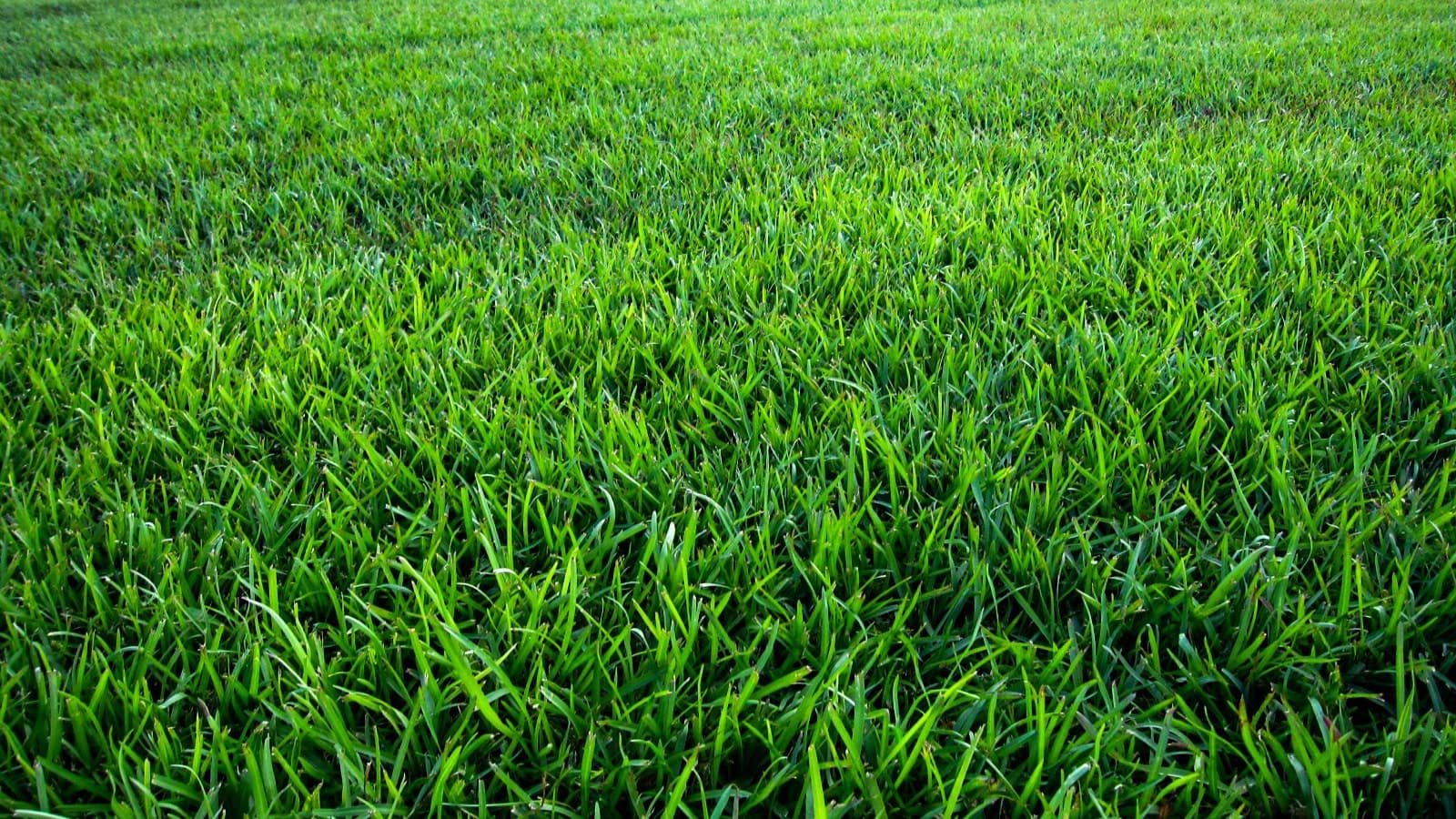
Spring Care Tips for Centipede Grass in the Southeast
Centipede grass is often called the “lazy man’s grass” of the Southeast, but that reputation only holds true when spring care is handled correctly.
From the Carolinas through Georgia and into the Gulf states, spring centipede care consists of patience, minimal inputs and proper timing to encourage steady green-up without stressing the lawn.
1. Know When Centipede Grass Wakes Up in the Southeast
Centipede grass begins coming out of winter dormancy as spring soil temperatures at about a 50–65 degrees Fahrenheit, with exact timing depending on local climate and weather patterns.
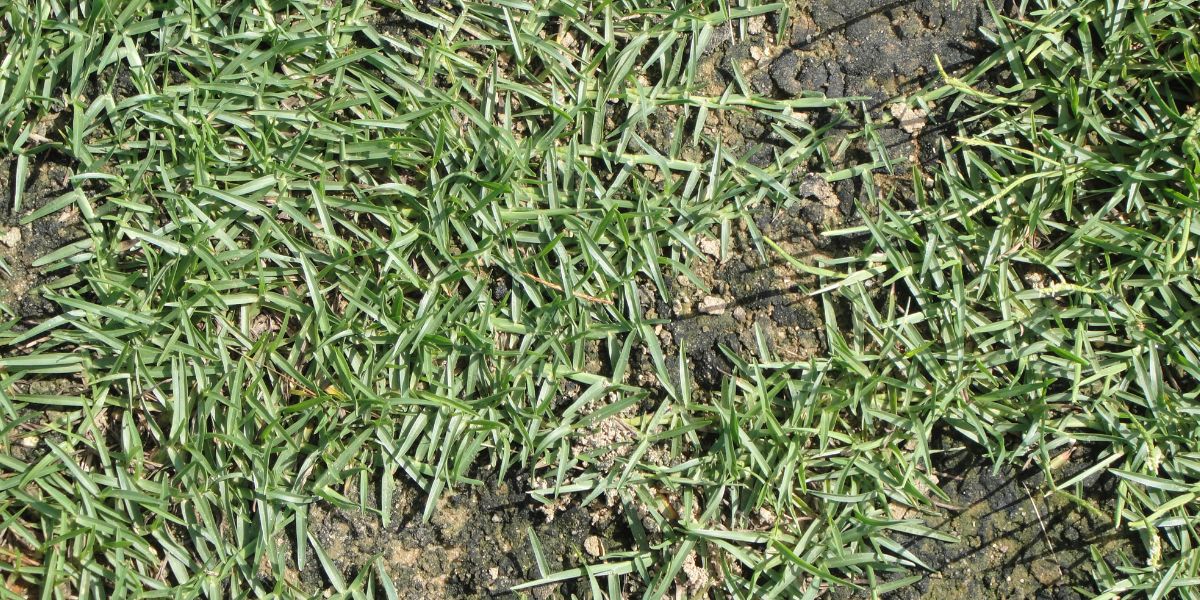
It often greens up more slowly and unevenly than other warm season grasses and can look thin or patchy early in the season, especially if late cold snaps cause partial burn‑back after initial green‑up.
Typical green‑up timing by region in the Southeast is:
- Coastal areas: Usually late March to early April, once soils consistently reach the low 60s.
- Piedmont and inland locations: Commonly mid to late April as soils lag a bit behind coastal zones.
- Cooler, elevated, or heavily shaded sites: Often late April to early May, as these areas warm more slowly.
Once centipede grass is roughly 50–60 percent green and showing active new growth, it is generally safe to begin spring maintenance such as fertilization and more regular mowing; applying heavy inputs before this stage can stress the grass and slow its recovery.
2. Spring mowing for centipede grass
When to start mowing
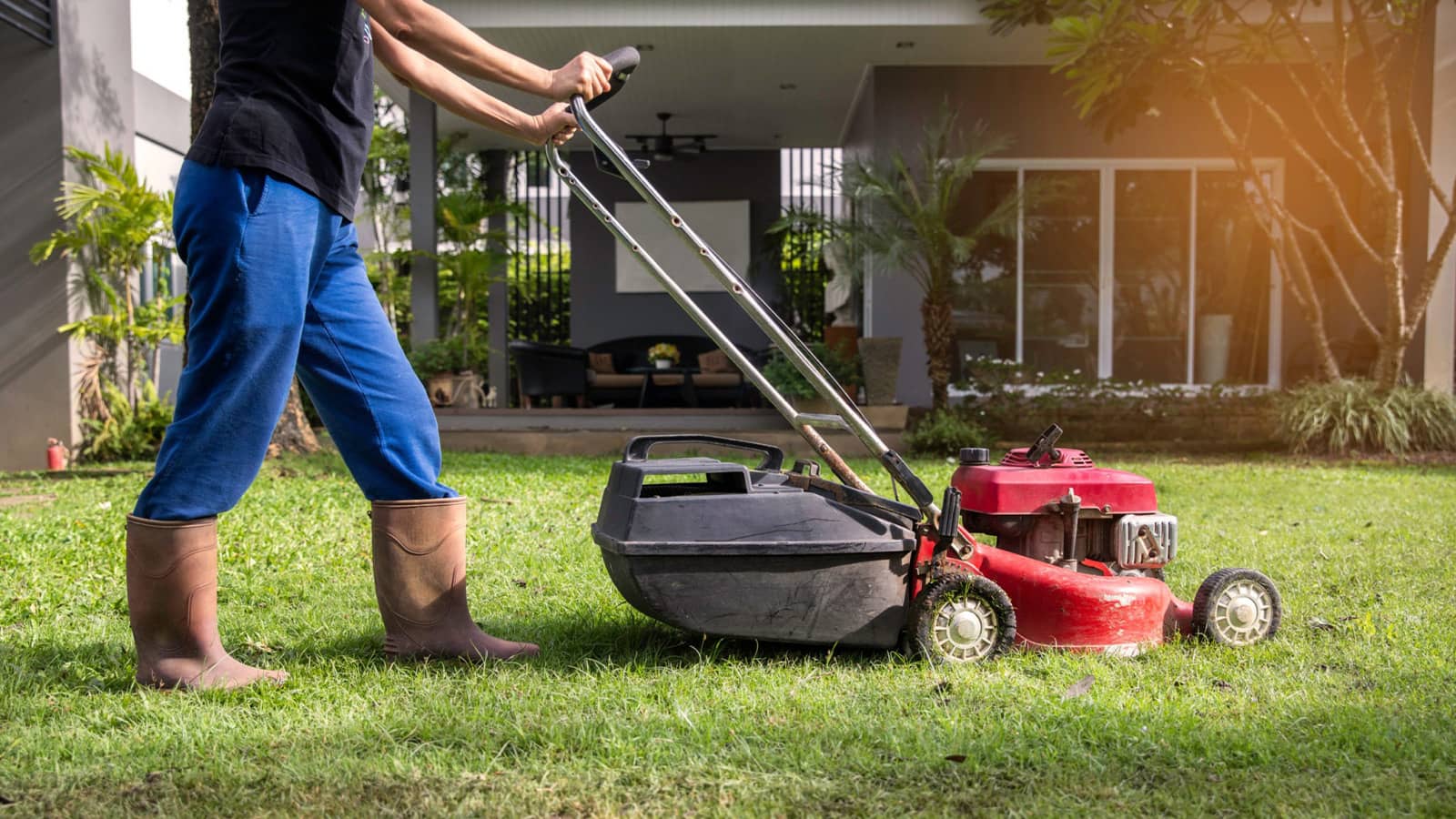
Begin mowing once centipede grass shows consistent new green growth and the blades are tall enough to cut without removing more than one-third of their length. Mowing too early can stress stolons and crowns, slowing recovery from dormancy and delaying full green-up.
Spring mowing height
Centipede grass generally performs best at a mowing height of about 1.5–2 inches for most home lawns in the Southeast.
Mowing tips
- Never remove more than one-third of the leaf blade at a time to avoid shock.
- Keep mower blades sharp to reduce tearing and browning of the grass.
- As growth resumes in spring, mow roughly every 7–10 days, adjusting frequency based on growth rate.
- ⚠️ Do not scalp centipede grass; cutting too low can remove growing points on stolons and crowns, leading to long-term thinning or bare areas.
3. Watering Centipede Grass in Spring
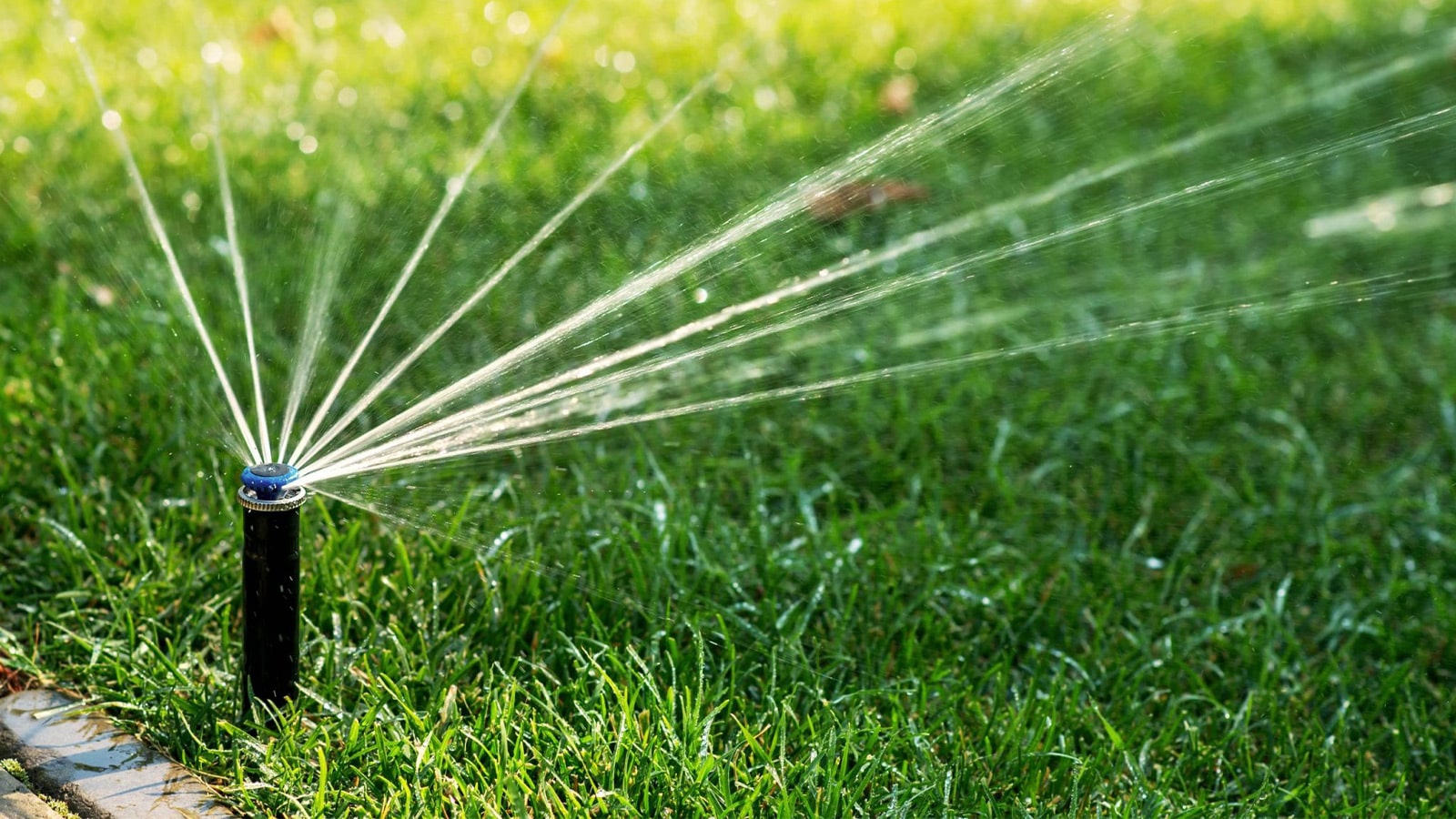
Once out of dormancy, centipede typically needs about 1 inch of water per week, including rainfall. Because centipede has shallow roots and low drought tolerance, consistent moisture is important, but overwatering can cause problems.
Best practices:
- Avoid watering while dormant
- Water deeply and infrequently once growth begins
- Irrigate early in the morning to reduce disease risk
- Adjust frequency based on soil type and rainfall
Watch for stress signs such as leaf curling or persistent footprints.
4. Fertilizing Centipede Grass in the Southeast
Timing: Less Is More
Centipede grass is extremely sensitive to excess fertilizer. Over-fertilizing is one of the most common causes of centipede decline.
Do not fertilize until:
- The lawn is actively growing
- The risk of frost has passed
How Much & What to Use
- Conduct a soil test before fertilizing
- Most centipede lawns need very little nitrogen, often no more than 1 lb of N per 1,000 sq ft per year
5. Weed Control for Centipede Grass
Pre-Emergent Weed Prevention
Apply pre-emergent herbicide for summer annual weeds like crabgrass:
- When soil temperatures reach 55 degrees Fahrenheit for several consecutive days
- Typically February–March, depending on location
⚠️ Always choose products labeled safe for centipede grass, such as Hi-Yield Atrazine, as it is sensitive to many herbicides.
Post-Emergent Weed Control
If weeds are present:
- Use selective herbicides labeled for centipede
- Target common weeds such as crabgrass, clover, dandelion, spurge or knotweed
- Follow label directions carefully to avoid grass injury.
6. Aeration and Thatch Management
Core aeration
Centipede grass generally does not require frequent aeration, but it can benefit from light core aeration if soil compaction is evident from poor water infiltration or root growth.
- Aerate only after the lawn is fully out of dormancy and actively growing, typically late spring in the Southeast.
- Use a light, single pass with hollow tines; avoid aggressive or repeated aeration, which can damage stolons and delay recovery.
Thatch management
Centipede grass naturally produces minimal thatch compared to other warm season grasses.
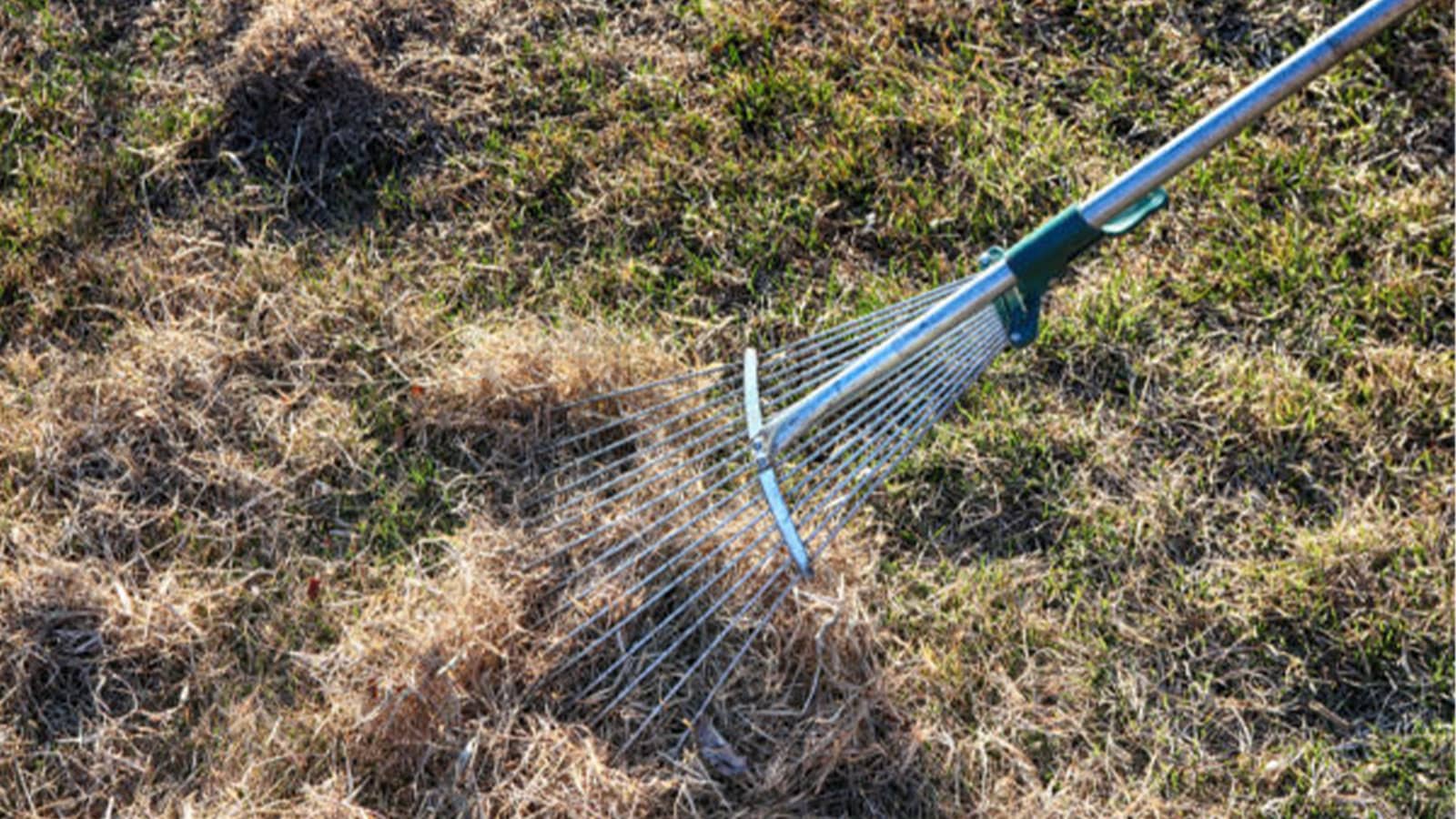
- Dethatch (vertically mow or power rake lightly) only if thatch layer exceeds ½ inch, measured above the soil surface.
- Time dethatching for late spring after full green-up, allowing several weeks for recovery before summer stress.
- ⚠️ Excessive or poorly timed dethatching can severely weaken or permanently thin centipede.
7. Repairing Bare or Thin Areas in Spring
Centipede spreads slowly by stolons, making early repair important.
Spring is a good time to:
- Plant centipede grass seed
- Improve soil with a sand/topsoil blend
- Keep soil consistently moist (not saturated) until established
Avoid heavy traffic until grass fills in.
8. Spring Pest & Disease Prevention
Common Spring Pests
- Spittlebugs
- Grub Worms
Treatment depends on pest history and location; preventive treatments are typically more effective than curative ones. Use treatments such as Bifen L/P or Dylox 6.2, based on the pest and timing.
Disease Considerations
Centipede is prone to:
- Large patch
- Centipede decline (often linked to over-fertilization and high pH)
Apply fungicides only if disease has been an issue in the past, and always before fertilizing.
What Should I Do for My Centipede Lawn This Spring?
- Begin mowing once the lawn is actively growing. Never scalp.
- Maintain mowing height at 1.5–2 inches.
- Water about 1 inch per week once growth resumes.
- Fertilize lightly and only if needed.
- Apply pre-emergent in late winter to early spring.
- Aerate and dethatch sparingly, if at all.
- Monitor closely for pests and disease.
With a conservative, hands-off approach, spring care allows centipede grass to green up steadily and maintain its dense, low-maintenance character throughout the Southeast’s long growing season.
Frequently Asked Questions About Spring Centipede Grass Care in the Southeast
When does centipede grass come out of dormancy in the Southeast?
Centipede grass typically begins breaking dormancy when soil temperatures reach 50–65 degrees Fahrenheit. In coastal areas, this may happen in late March, while inland or cooler regions often don’t see consistent green-up until mid- to late April.
What is the best mowing height for centipede grass?
Centipede grass performs best when mowed at 1.5–2 inches. Always follow the one-third rule and use sharp blades to prevent tearing and stress.
Can I apply pre-emergent herbicide to centipede grass?
Yes. Apply pre-emergent when soil temperatures reach 55 degrees Fahrenheit to prevent summer annual weeds like crabgrass. Applying the wrong product or rate can severely damage centipede.
How do I repair bare spots in centipede grass?
Centipede spreads slowly by stolons, so spring is the best time to repair thin areas using centipede grass seed. Improve soil contact, keep the area consistently moist and limit foot traffic until the grass fills in.
Why does my centipede lawn look yellow or weak in spring?
Yellowing or poor growth is often caused by nutrient imbalance, high soil pH or excess fertilizer. A soil test is the best way to identify the issue and avoid making the problem worse.