Centipede grass, known for its low-maintenance requirements and thick, crabapple-green appearance, is popular among homeowners in warm climates. However, many who have centipede lawns face a common challenge: centipede grass decline.
Contrary to what some may believe, centipede grass decline is not a disease but a symptom of underlying issues.
What is centipede grass decline?
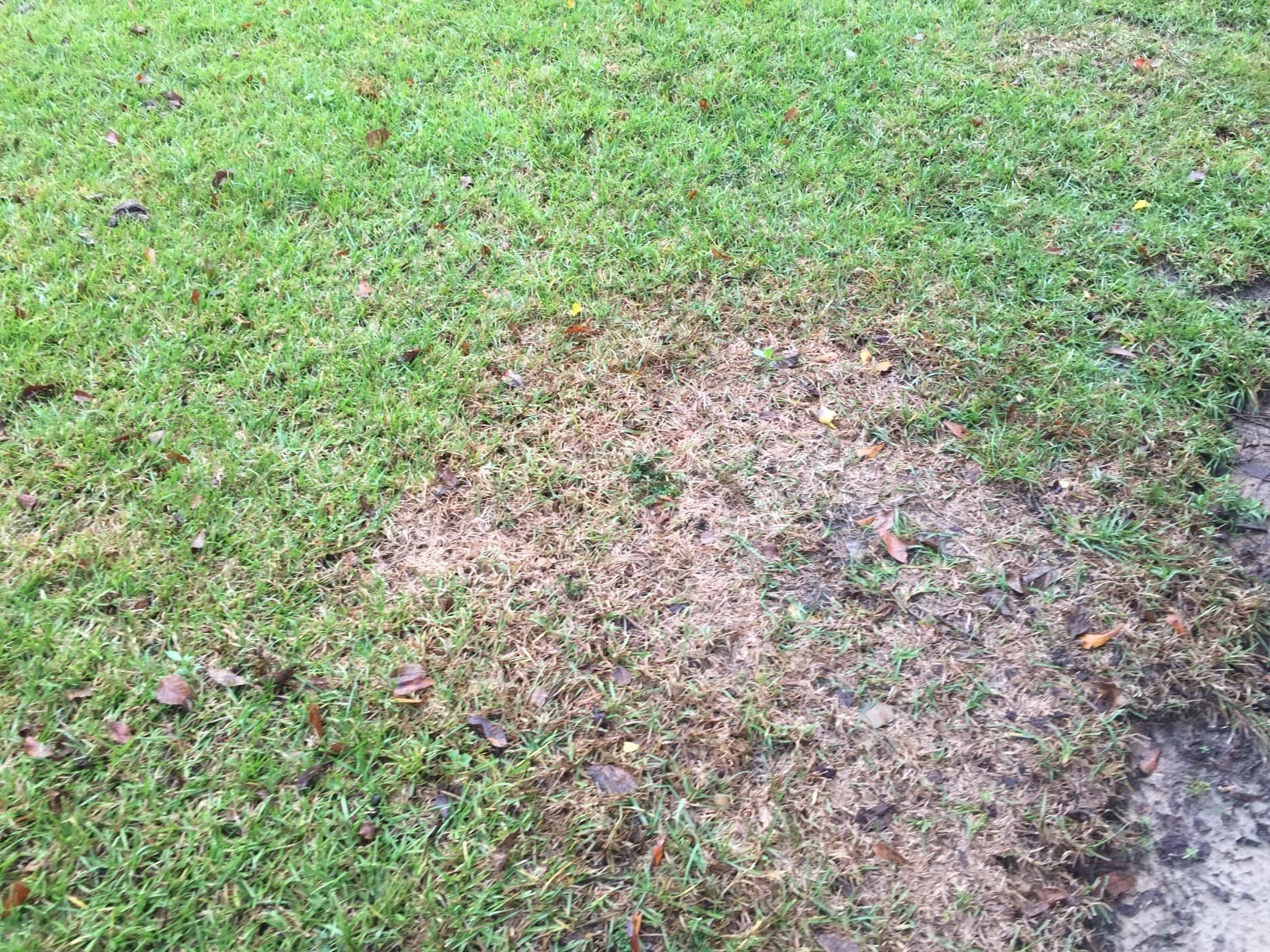
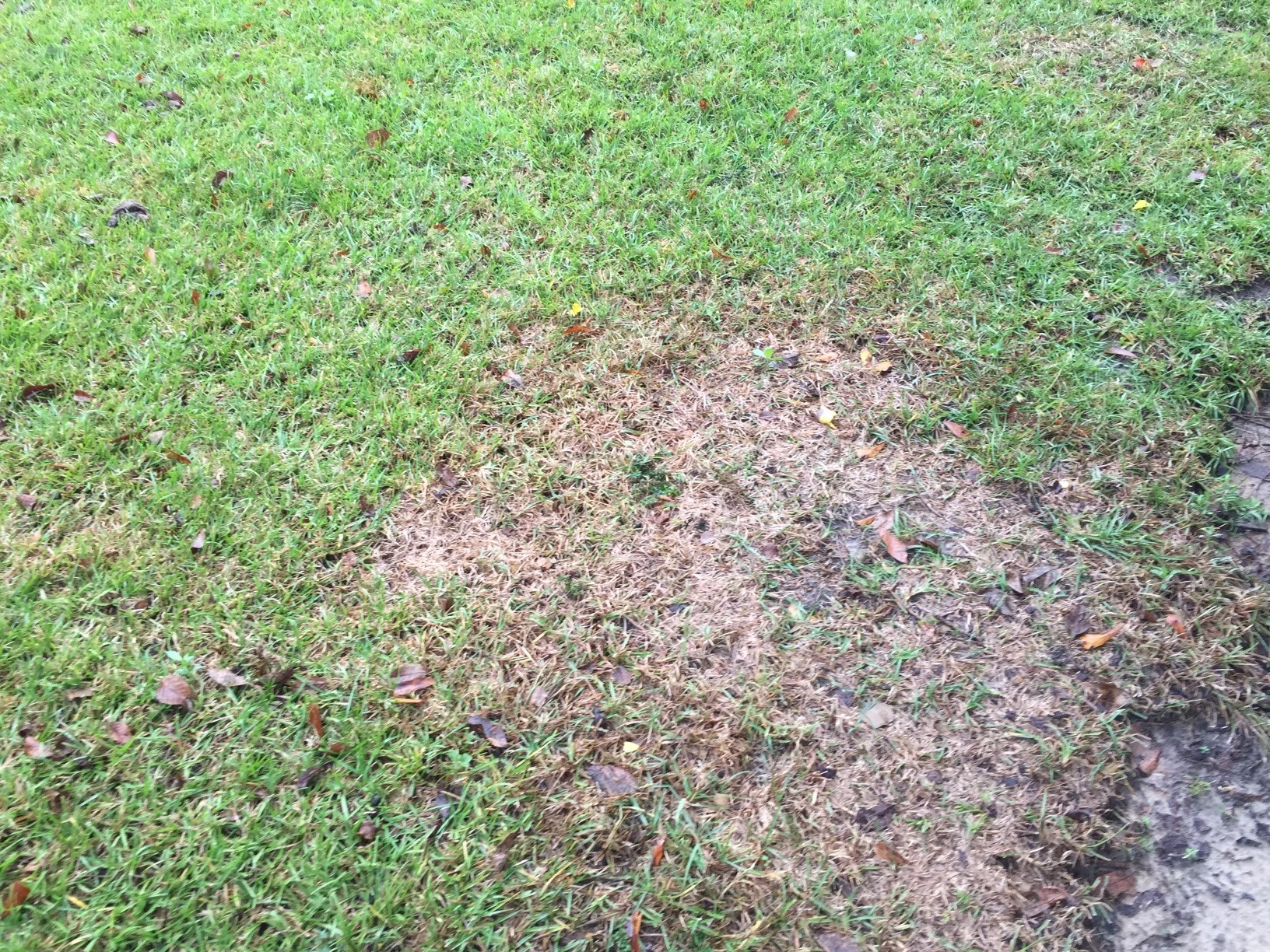
Centipede grass decline refers to the gradual deterioration of centipede grass lawns, leading to discoloration, thinning and bare spots. This decline results from various factors that stress the grass, making it appear unhealthy and unattractive. Centipede grass decline is a symptom of underlying centipede grass problems, not a disease on its own.
What does centipede grass decline look like?
Centipede grass decline manifests through several visual symptoms.
- Yellowing: The grass blades may turn yellow, indicating nutrient deficiencies or improper watering practices.
- Wilting: Grass may appear wilted and lifeless, even with proper watering.
- Patchiness: Bare spots or thinning areas may develop, making the lawn uneven.
For appropriate treatment, differentiate centipede grass decline from other common grass issues, such as fungal diseases or pest infestations.
What causes centipede grass decline?
Several factors can contribute to centipede grass decline, including improper plant nutrition, high foot traffic from pets or kids, unsuitable cultural practices and soil and water conditions.
Improper Plant Nutrition
Improper plant nutrition, such as over- or under-fertilization, can stress centipede grass. An imbalance of nutrients, particularly nitrogen, potassium and iron, can also cause yellowing and weak growth.
Cultural Practices
Cultural practices like improper mowing height and frequency can weaken the grass and promote decline. Inadequate aeration and soil compaction restrict root growth and reduce oxygen availability, contributing to decline. Excessive thatch build-up can prevent water and nutrients from reaching the roots.
Soil & Water Conditions
Soil and water conditions also play a significant role. Poor drainage and waterlogging can lead to root rot. At the same time, drought stress and improper watering practices can cause the grass to decline. Soil pH imbalances and nutrient deficiencies further hinder the growth of centipede grass.
How do I prevent centipede grass decline?
Preventing centipede grass decline involves adopting proper lawn care practices, managing nutrient and water resources, and maintaining soil health.
Proper Lawn Care Practices
Maintaining a recommended height of 1.5 to 2 inches and regularly mowing can keep the grass healthy. Annual aeration and dethatching promote healthy root growth by allowing better air and water penetration into the soil.
Nutrient Management
Conducting soil tests to determine nutrient levels and pH balance is necessary. Using fertilizers like the Lawnifi Fertilizer Program ensures appropriate fertilization. Balancing nutrients, especially nitrogen, potassium and iron, prevents deficiencies and promotes robust growth.
Water Management
Water the lawn deeply and infrequently to encourage deep root growth, and avoid overwatering to ensure proper drainage. Improving soil drainage can prevent waterlogging, which can lead to root rot and other issues contributing to grass decline.
Soil Health Maintenance
Regular soil testing and amendments help maintain an optimal pH balance. Incorporating organic matter into the soil improves its structure and fertility, promoting a stronger, more resilient lawn.
How do I treat centipede grass decline?
If your lawn is already experiencing centipede grass decline, follow these steps to diagnose and treat the issue.
Diagnosing the Issue
To diagnose centipede grass decline, conduct soil tests to identify nutrient deficiencies or pH imbalances. Additionally, evaluate your current mowing, aeration and dethatching practices. Assess soil and water conditions to check for drainage issues and improper watering practices.
Corrective Measures
Based on the results of your soil tests, modify your fertilization practices to address any nutrient deficiencies or imbalances. Correct mowing heights to 1.5–2 inches, aerate the soil and dethatch if the soil is too compact or if there is more than 1/2 inch of thatch present. Adjust watering schedules and improve drainage to prevent waterlogging and other water-related issues.
Restoring Lawn Health
To restore your lawn's health, use Lawnifi Santee Centipede Seed to overseed or replant affected areas. Implement regular maintenance practices, including proper mowing, fertilization and watering, to support recovery and prevent future decline.
What is centipede grass decline? - Answered
Understanding and addressing the underlying causes of centipede grass decline is essential for maintaining a healthy lawn. By adopting proper lawn care practices, managing nutrients, optimizing water management and maintaining soil health, homeowners can prevent and treat centipede grass decline effectively. A healthy, vibrant lawn is within reach with the right care and attention.