Drought conditions can wreak havoc on your lawn, turning a once vibrant, green space into a dry, brown area of struggling grass. However, with ongoing, proactive investments, you can prevent much of this damage and keep your lawn healthy, even during prolonged dry spells.
1. Install a Smart Irrigation System
A smart irrigation system is a long-term investment that prepares your lawn for future droughts. These systems connect to WiFi and adjust watering schedules based on real-time weather data, soil moisture and plant needs, optimizing water use and minimizing waste over time.
Benefits of Smart Irrigation:
- Efficiency: Reduces water waste by delivering just the right amount of water at the right time.
- Control: Easily adjust watering schedules from your smartphone or computer.
- Conservation: Complies with local drought restrictions while keeping your lawn healthy.
Water early, between 4 a.m. and 10 a.m., when temperatures are cooler, to reduce evaporation. Avoid watering in the late afternoon or evening, as this can leave your grass wet overnight, promoting fungal growth.
Smart irrigation systems help you stay ahead of drought restrictions, maintaining a lush lawn without breaking conservation rules.
2. Select the Best Drought-Tolerant Lawn
Choosing the right grass is crucial for building a drought-tolerant lawn that can withstand dry conditions year after year.
While traditional turfgrass often gets a bad reputation for water usage, selecting appropriate, drought-resistant varieties can significantly reduce water consumption and offer numerous environmental benefits.
Top Drought-Resistant Grass Varieties:
- Warm Season Grasses: Ideal for hot, dry climates, warm season varieties like zoysia grass, like Empire Zoysia, buffalo grass and bermuda grass, like Celebration Bermudagrass have deep root systems that allow them to access moisture far below the soil surface. These grasses are well-adapted to frequent droughts, especially in southern regions.
- Cool Season Grasses: Red fescue and seashore bentgrass are excellent options for cooler, dry climates. These grasses maintain their resilience and stay green longer under water stress.
Additional Benefits of Drought-Resistant Turfgrass:
- Reduced Water Usage: Many drought-tolerant grasses, such as Empire Zoysia, Santee Centipede and Sola St. Augustine, have been explicitly bred for low water requirements, making them ideal for areas with water restrictions or frequent droughts.
- Environmental Advantages: Natural turfgrass absorbs carbon dioxide, reduces runoff, cools the surrounding environment and supports local biodiversity, unlike artificial turf alternatives that contribute to heat buildup and water runoff issues.
- Improved Soil Health: Healthy, deep-rooted grasses enhance soil structure and increase its ability to retain moisture, reducing the need for irrigation.
3. Evaluate and Improve Your Soil
Long-term soil health is essential for water retention and your lawn’s drought resilience. Different soil types—sandy, clay, or loamy—affect how well your lawn absorbs and retains water, making soil management a key ongoing investment.
Ideal Soil Conditions for Drought Preparedness:
- Sandy Soil: Drains quickly, often losing water before grass can absorb it.
- Clay Soil: Dense, leading to water pooling and runoff.
- Loamy Soil: The perfect balance of sand, clay and silt with organic matter, holding water well for grass roots.
Conduct a soil test to determine your soil type and amend it accordingly. Regularly adding organic matter like compost can improve water retention in sandy soil while aerating clay soil and incorporating organic matter can enhance drainage and water absorption.
4. Conduct a Water Audit
A water audit is an essential, ongoing practice that assesses your irrigation efficiency, helping you identify and address wasteful practices well before drought strikes.
Steps to Conduct a Water Audit:
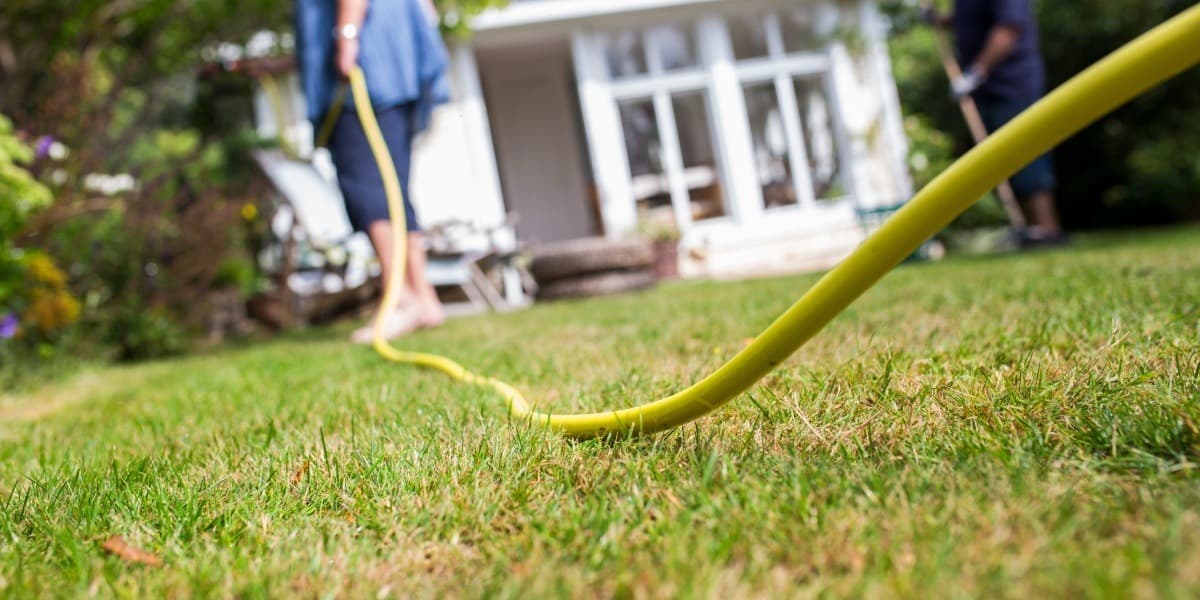
- Check for leaks in your irrigation system or hoses.
- Adjust sprinklers to avoid watering sidewalks, driveways or other non-plant areas.
- Use efficient watering practices, such as drip irrigation, which delivers water directly to the roots.
Several states offer rebates and incentives for homeowners who adopt water-saving measures, making a water audit a worthwhile and often cost-effective step toward drought preparation. Learn more.
5. Overseed or Use Plugs to Improve Drought Resilience
Overseeding or planting grass plugs is an ongoing investment in your lawn’s health, introducing drought-tolerant varieties that can handle dry conditions more effectively.
Benefits of Overseeding and Grass Plugs:
- Overseeding: Involves spreading seed over your existing lawn, introducing hardier varieties that can handle drought better.
- Grass Plugs: Planting grass plugs is an excellent way to fill bare spots and introduce drought-tolerant grasses like centipede, zoysia, bermuda or St. Augustine. These grasses establish roots quickly and improve water retention.
Timing for Overseeding and Planting Grass Plugs:
- Cold Climates with Snowfall: Overseed in late fall or winter with hardy varieties like ryegrass that will establish roots and grow rapidly once spring arrives. Plant grass plugs in early spring when the soil begins to warm.
- Desert or Arid Regions: Overseed in late fall and give extra water to help the grass establish before the heat returns. Plant plugs during the same period, providing adequate moisture to promote rooting before drought conditions intensify.
A thick, healthy lawn created through overseeding and grass plugs shades the soil, retains moisture and reduces the impact of drought, ensuring your lawn stays greener and more resilient during dry periods.
How do I prevent drought stress in my lawn? - Answered
Select drought-resistant grass varieties like zoysia, bermuda or St. Augustine to prevent drought stress in your lawn. These varieties have deep root systems that access moisture from deeper in the soil.
Enhance your lawn's resilience by overseeding or planting grass plugs to thicken the lawn, helping to retain moisture and reduce the impact of drought stress. Consider installing a smart irrigation system to optimize water use based on real-time weather data.
Add organic matter and conduct a water audit to improve your soil's water retention and ensure efficient watering practices, such as drip irrigation.
Start these preparations to safeguard your lawn against future drought conditions, ensuring a healthy, green landscape even in the driest times.