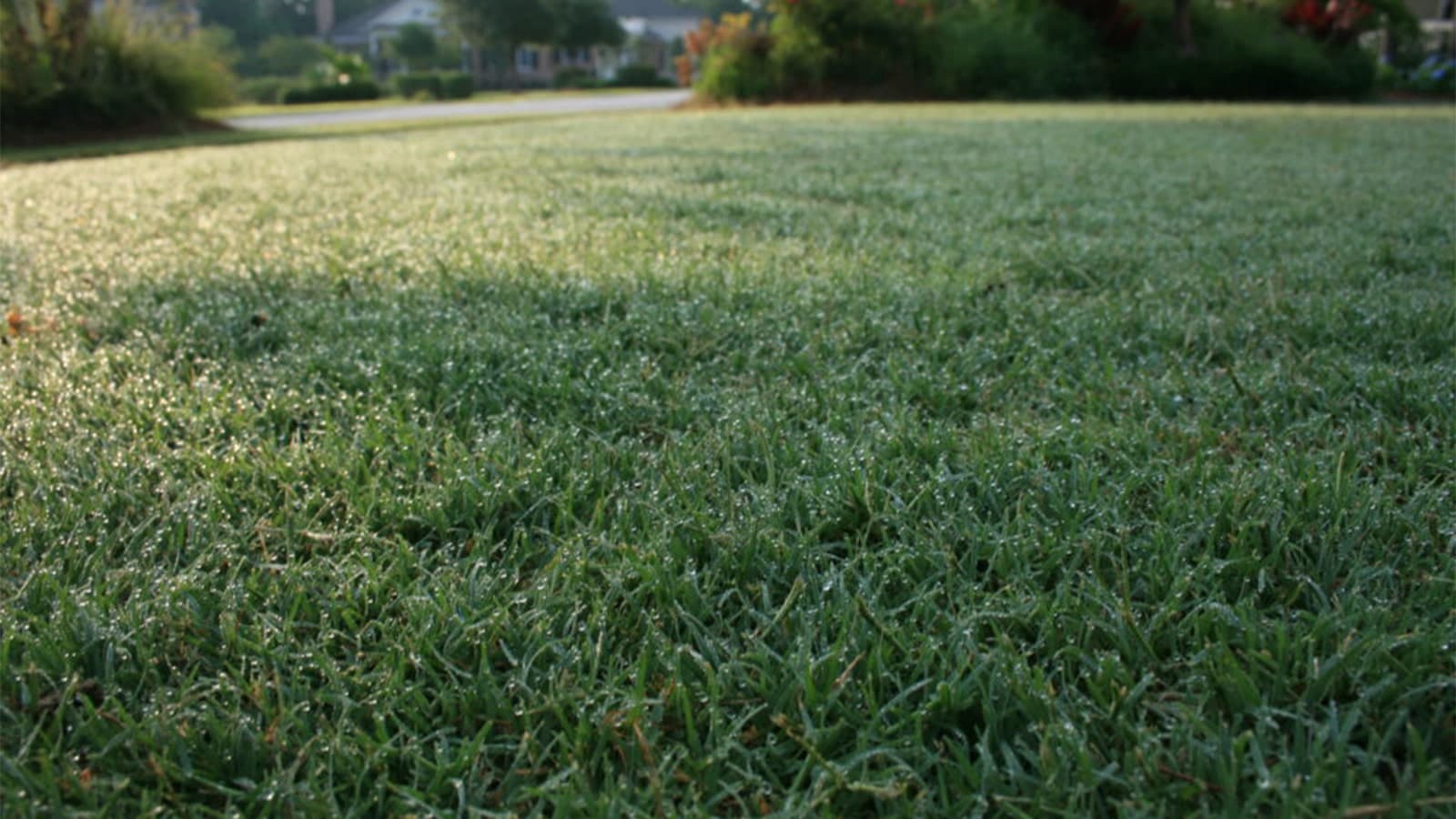
Picking the right grass for your lawn doesn’t have to be overwhelming. If you want a yard that turns heads, bermuda grass varieties are a top pick—especially if you love that clean, fine-bladed look. They’re perfect for warm climates and bring serious curb appeal without demanding a ton of upkeep. Plus, they stand up to heat, drought and foot traffic like champs.
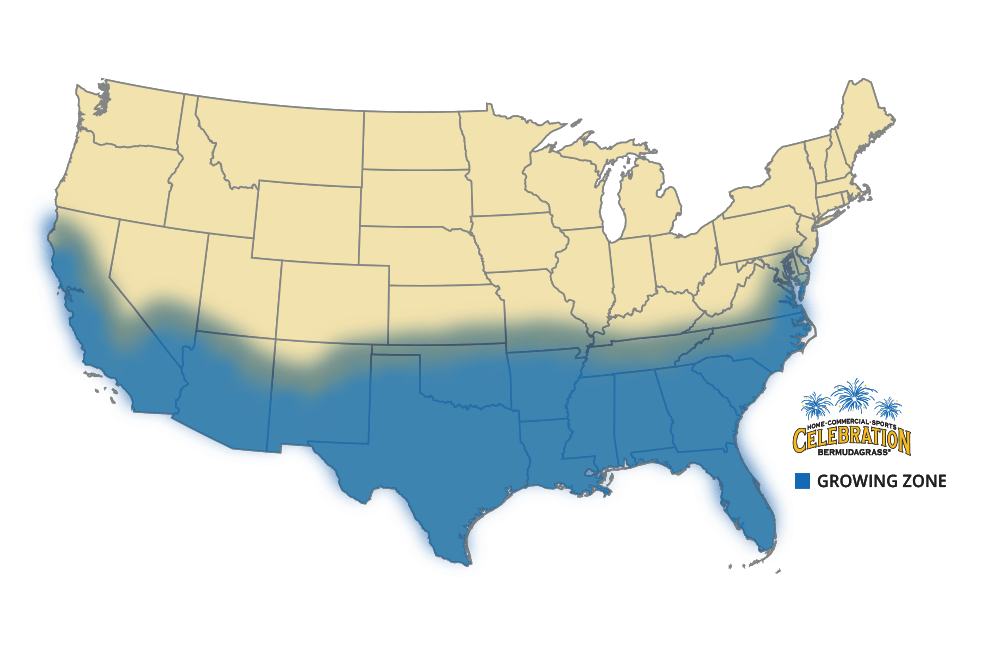
The most common bermuda grass varieties will grow throughout the southern two-thirds of the United States as they thrive in warm, tropical or subtropical climates. They grow best through periods of high temperatures, mild winters and moderate to high rainfall.
However, different types of bermuda grass have been bred to withstand cooler temperatures up into the transition zone, like Latitude 36 and NorthBridge. Some of the bermuda grasses listed below are the most popular and best-performing ones available.
Common Types of Bermuda Grass Varieties
Celebration Bermudagrass
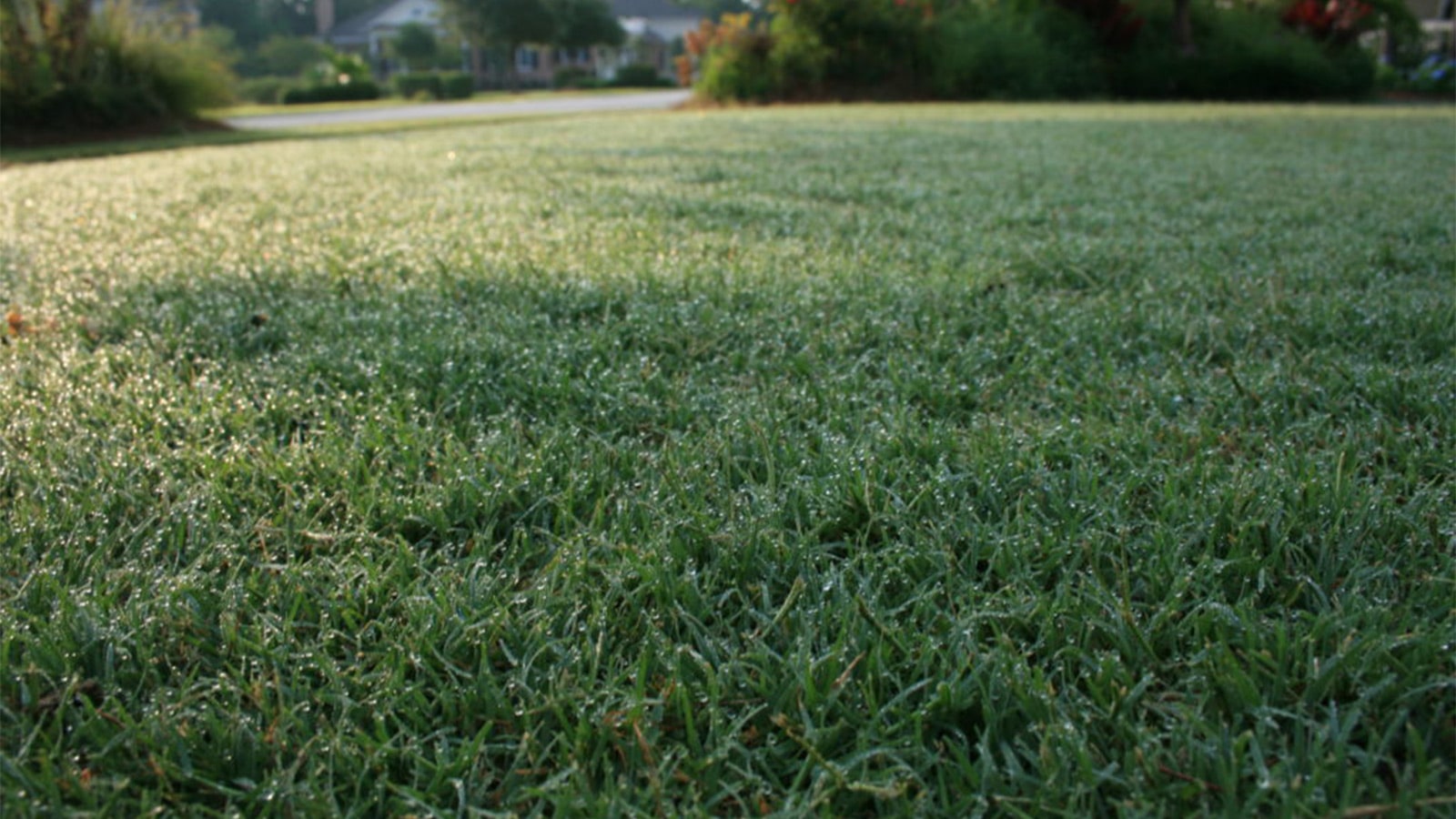
Celebration® Bermudagrass is a standout favorite—and for good reason. Its deep blue-green color looks amazing, and it’s topped the charts in university tests for durability, drought performance and shade tolerance. Unlike most grasses, it doesn’t just survive a drought—it still looks good doing it.
This fine-bladed grass has a strong root system that bounces back fast from wear, making it a great pick for busy yards with pets or kids. It’s even trusted on golf courses and sports fields around the world.
If you want a lawn that’s both tough and beautiful, Celebration’s hard to beat.
Celebration Bermudagrass Characteristics
- Ideal Use: Golf, commercial landscapes, sports fields, parks and home lawns
- Mow Height: 0.5–1.5 inches
- Blade Width: 1.7 mm
- Wear Tolerance: Excellent
- Injury Recovery: Excellent
- Shade Tolerance: Very Good
- Drought Tolerance: Excellent
- Insect Resistance: Very Good
- Disease Resistance: Excellent
- Weed Control: Very Good
Where to Buy Celebration Bermudagrass
Latitude 36 Bermudagrass
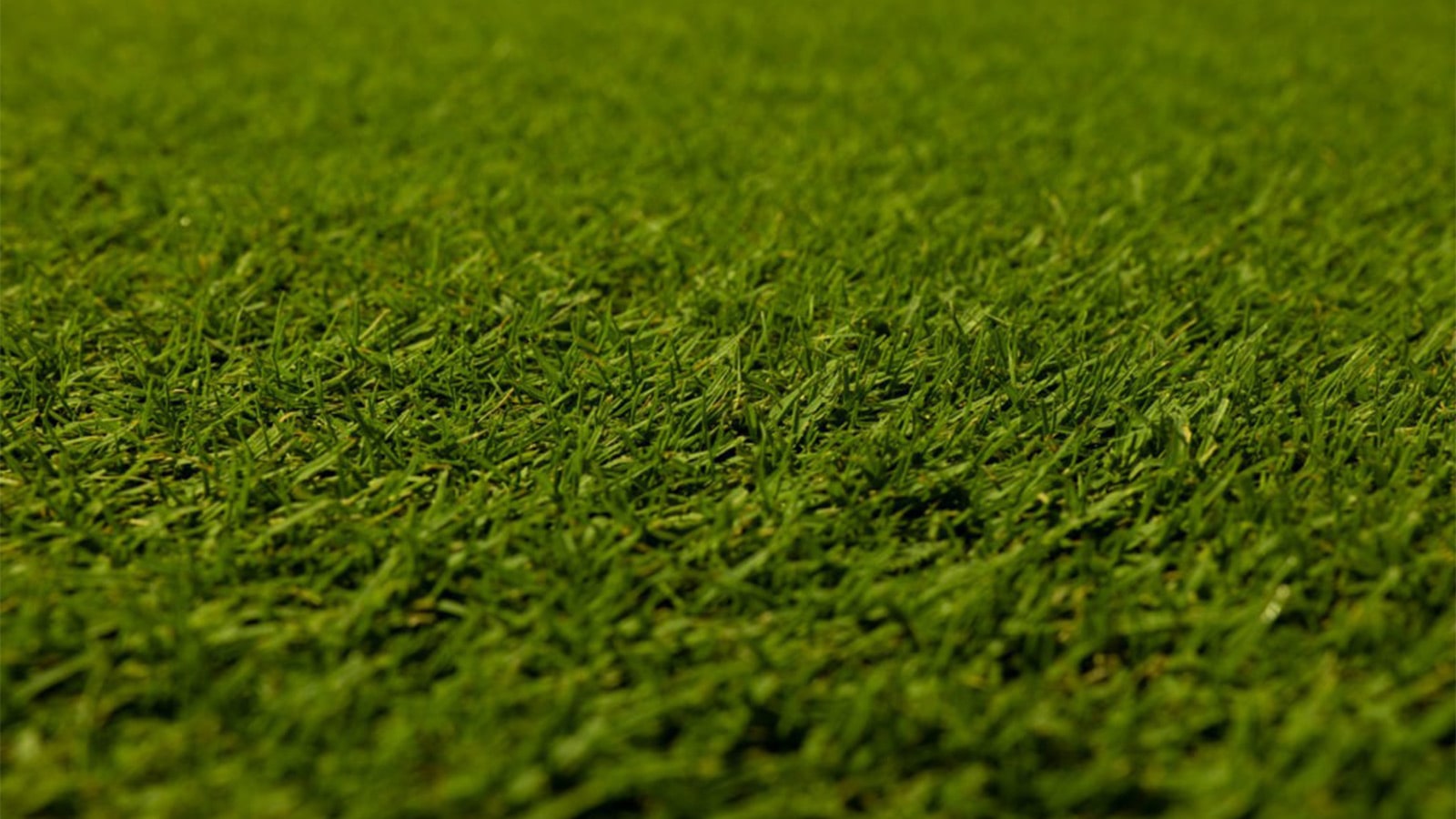
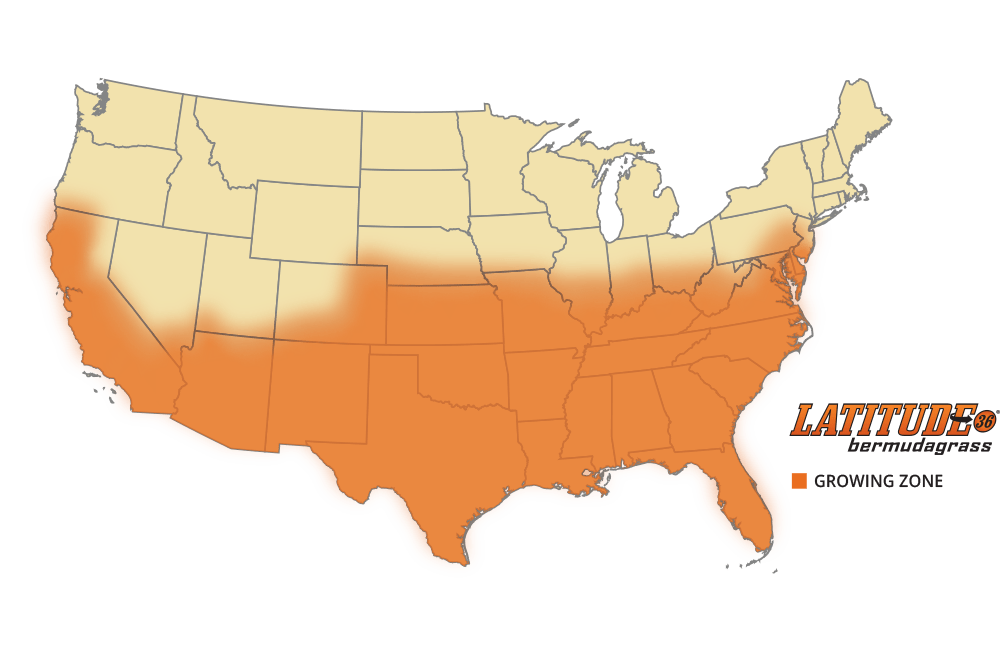
Latitude 36® Bermudagrass is all about looks and toughness. With its vibrant color and fine texture, it easily stands out in any neighborhood. Developed by Oklahoma State University, it’s one of the most cold-tolerant Bermuda grasses you can get—perfect for homes in the transition zone from California to the Carolinas.
It’s not just a pretty face either. Latitude 36 handles foot traffic like a pro and has impressive strength and resilience. It even has a finer texture than NorthBridge, making it a favorite for homeowners who want both beauty and durability.
Latitude 36 Bermudagrass Characteristics
- Ideal Use: Golf, commercial landscapes, sports fields, parks and home lawns
- Mow Height: 0.5–1.5 inches
- Blade Width: 1.67 mm
- Wear Tolerance: Very Good
- Injury Recovery: Excellent
- Shade Tolerance: Good
- Drought Tolerance: Excellent
- Insect Resistance: Very Good
- Disease Resistance: Excellent
- Weed Control: Very Good
Where to Buy Latitude 36 Bermudagrass
NorthBridge Bermudagrass
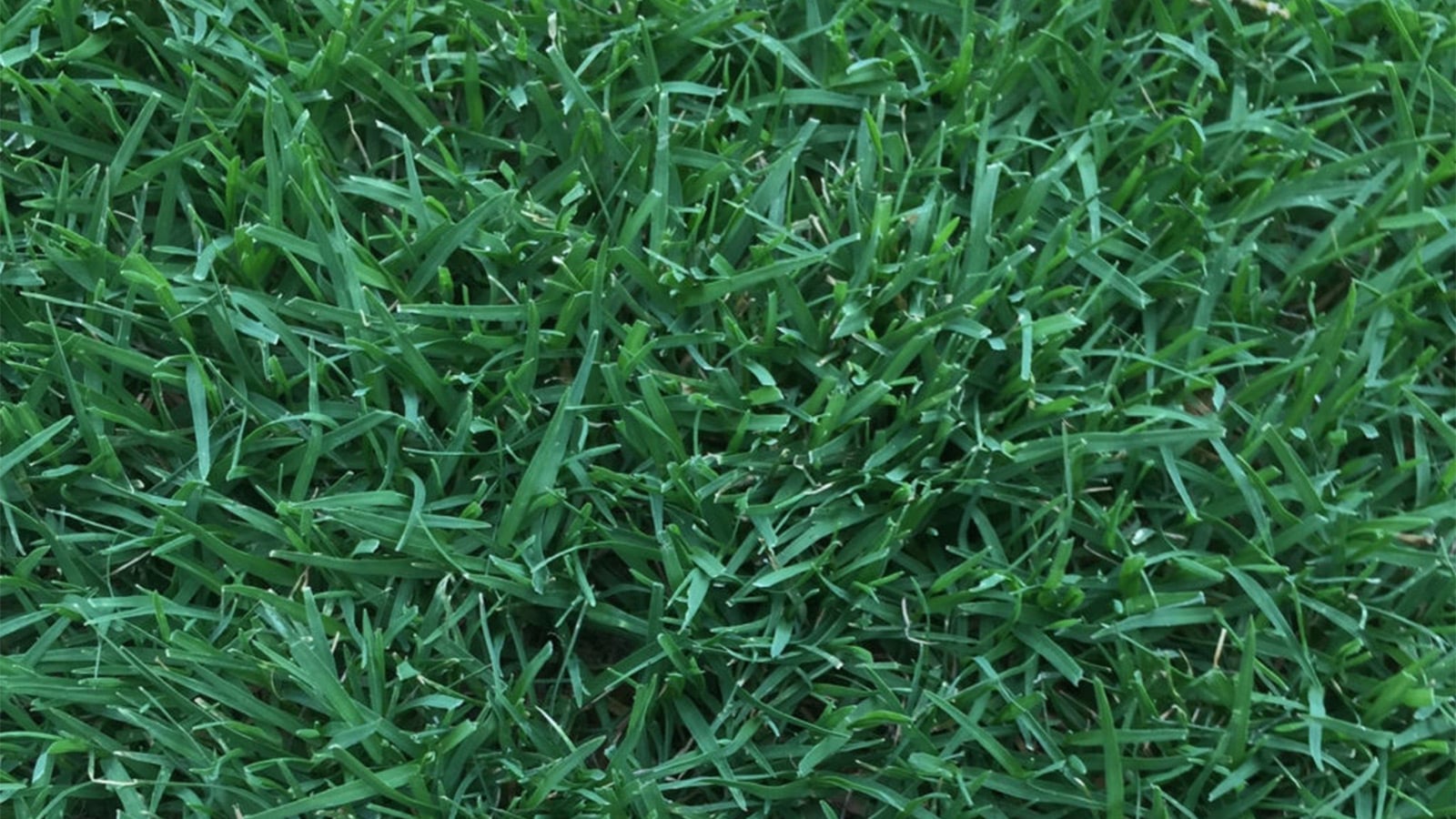
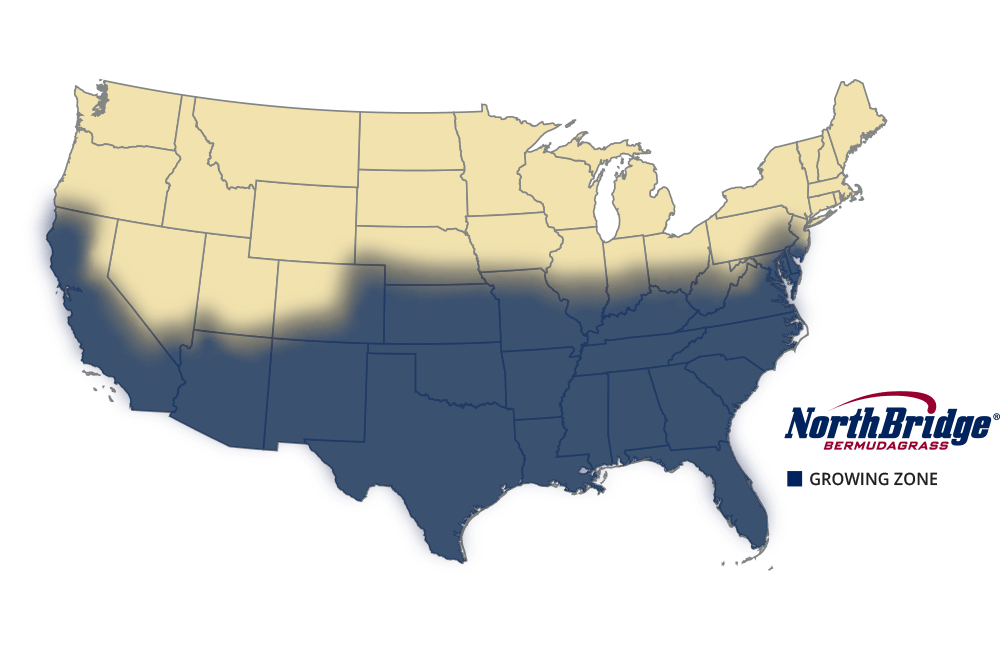
NorthBridge® Bermudagrass is a bermud grass variety that brings serious strength and cool-weather confidence. Like Latitude 36, it was developed by Oklahoma State and thrives in the transition zone—perfect for places that dip a little cooler. With a soft texture, strong roots and fast spring green-up, it’s built to handle pets, kids and all the backyard fun you can throw at it.
It shares the same fine blades and color as Latitude 36 but packs a punch in durability. If you’re after a lawn that looks great and stands up to daily use, NorthBridge is definitely worth a look.
NorthBridge Bermudagrass Characteristics
- Ideal Use: Commercial landscapes, golf, sports fields and home lawns
- Mow Height: 0.5–1.5 inches
- Blade Width: 1.68 mm
- Wear Tolerance: Very Good
- Injury Recovery: Excellent
- Shade Tolerance: Good
- Drought Tolerance: Excellent
- Insect Resistance: Very Good
- Disease Resistance: Excellent
- Weed Control: Very Good
Where to Buy NorthBridge Bermudagrass
Celebration Hybrid Bermudagrass
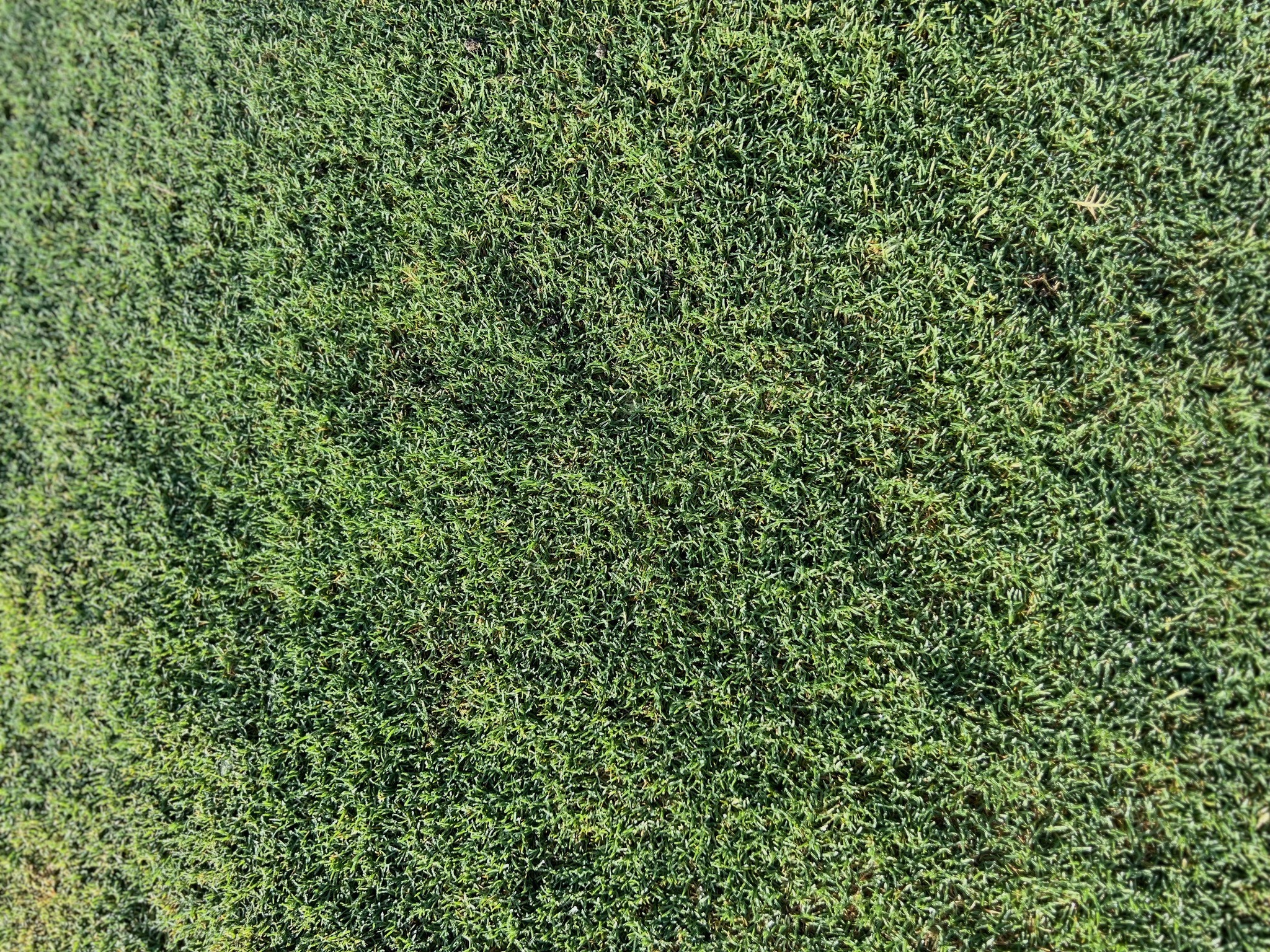
Celebration Hybrid® is an exciting new option bred to enhance the qualities that make Celebration so popular. It offers improved density, fine texture, and even better performance under stress. With strong color retention, excellent wear tolerance and quick recovery, Celebration Hybrid has shown promise in both residential and professional turf applications.
Developed through advanced breeding programs, this hybrid variety provides the same stunning blue-green color homeowners love in Celebration, with added resilience against foot traffic, pests and environmental stressors.
Celebration Hybrid Bermudagrass Characteristics
- Ideal Use: Golf, sports fields, commercial landscapes and home lawns
- Mow Height: 0.5–1.5 inches
- Blade Width: Fine
- Wear Tolerance: Excellent
- Injury Recovery: Excellent
- Shade Tolerance: Very Good
- Drought Tolerance: Excellent
- Insect Resistance: Very Good
- Disease Resistance: Very Good
- Weed Control: Excellent
Celebration Hybrid is a new turfgrass variety with limited availability that will become more widely available soon. For more information, click here.
Other Grasses
Beyond the popular bermuda grasses already featured, homeowners may also encounter well-known varieties such as Tifway 419, TifTuf, Tahoma 31 and Bimini. While each has strengths, modern bermudagrass breeding has produced improved cultivars with better cold tolerance, durability, drought performance and overall turf quality.
Here’s how these commonly used varieties compare to today’s leading options from Sod Solutions.
Tifway 419 Bermuda
Tifway 419 is one of the most widely planted bermuda grasses in the country. Known for its fine texture, deep green color and quick recovery, it has been a staple on athletic fields and home lawns for decades. However, it has several limitations:
- Requires high maintenance to maintain quality
- Needs frequent mowing and fertilization
- Limited cold tolerance, especially in transition zones
- More prone to thatch buildup than modern varieties
Better Modern Alternative: Celebration Bermudagrass
Why Celebration Outperforms Tifway 419:
- Superior wear tolerance and recovery under heavy traffic
- Stronger blue-green color with improved aesthetics
- Better drought performance, reducing water needs
- Higher shade tolerance than Tifway 419
- Lower maintenance requirements with less thatch buildup
Celebration offers the durability and color homeowners desire from Tifway 419—while delivering significantly better performance and reduced upkeep.
TifTuf Bermuda
TifTuf is known for being the most drought-tolerant bermuda grass on the market, using up to 38% less water than many competitors. While impressive for water conservation, it has drawbacks:
- Lower cold tolerance than top modern varieties
- Can show winter injury in northern transition zones
- Slightly lighter green color compared to premium bermuda types
- Recovery under cool-season stress is slower
Better Modern Alternative: NorthBridge Bermudagrass
Why NorthBridge Outperforms TifTuf:
- Excellent cold tolerance, making it reliable in colder regions where TifTuf struggles
- Fast recovery from traffic and damage thanks to aggressive stolons
- Rich, deep green color with better visual uniformity
- Strong drought resilience while maintaining density
NorthBridge brings balanced performance—cold hardiness, color, density and recovery—making it a more dependable year-round option than TifTuf.
Tahoma 31 Bermuda
Tahoma 31 is recognized for its strong cold tolerance, early spring green-up and overall winter durability. It performs well across many climates, but it isn’t without limitations:
- Shade performance is average, limiting use under trees
- Handles traffic well but recovers slower than elite sports-turf bermuda
- Color varies regionally and is not as rich as newer hybrids
Better Modern Alternative: Latitude 36 Bermudagrass
Why Latitude 36 Outperforms Tahoma 31:
- Exceptional cold tolerance rivaling or exceeding Tahoma 31
- Superior traffic recovery, making it ideal for sports fields and active yards
- Deep, consistent green color with a fine texture
- Excellent year-round performance and improved drought response
Latitude 36 offers the cold performance of Tahoma 31—but with richer color, better density and quicker recovery.
Bimini Bermuda
Bimini is popular for its dark green color, dense growth and soft, barefoot-friendly feel. While attractive for home lawns, it presents some challenges:
- Can become thatch-prone without consistent maintenance
- Less cold-tolerant than improved modern varieties
- In high-traffic settings, recovery may be slower
- Less consistent performance in mixed sunlight conditions
Better Modern Alternative: Celebration Hybrid Bermudagrass
Why Celebration Hybrid Outperforms Bimini:
- Denser, more resilient canopy with outstanding traffic tolerance
- Richer color and improved overall turf quality
- Better cold tolerance and year-round consistency
- Enhanced recovery from wear or damage
- Maintains softness while providing stronger structural durability
Celebration Hybrid delivers the beauty and softness homeowners enjoy in Bimini—backed by the durability and recovery expected from premium modern bermuda grasses.
For homeowners who love bermuda grass, selecting the right variety is important for a successful yard. Understanding different types of bermuda grass cultivars ensures a thriving lawn suited to your environment. Utilizing resources like this guide and the right fertilizers, such as the Lawnifi® New Lawn Starter Box, can enhance your lawn care. Ultimately, bermuda grass varieties offer adaptability and durability, making them ideal for vibrant, warm season lawns.
Bermuda Grass Varieties Research
The bermuda grasses listed above are some of the best varieties available to the homeowner. Sod Solutions is always working to improve bermuda grass characteristics while universities breed and test different varieties. Take a look at some of the research projects that are currently taking place below.
The Celebration X Program
Sod Solutions has partnered with Mississippi State University in the Celebration X program with the primary focus of improving Celebration Bermudagrass. Celebration X is evaluating 86 experimental bermuda grass genotypes that have been generated at sod farms located in SC, TN, TX, GA and FL. Six selections are jointly sponsored by Sod Solutions and the Mississippi Agricultural and Forestry Experiment Station for testing with the National Turfgrass Evaluation Program (NTEP). Read more on the Sod Solutions Professional’s website in an interview with Mississippi State’s Turfgrass Breeder, Dr. Hongxu Dong.
Turf Research Bermuda California
Sod Solutions, Oklahoma State and AG Sod Farms are using drone technology combined with visual observation to bring the next generation of improved turfgrasses to the industry. The target of Turf Research Bermuda California (TRBC) is to develop extreme drought-tolerant bermuda grasses that exhibit improved winter color. Click here to read more.
FAQs About Different Bermuda Grass Varieties
The best type of bermuda grass depends on your lawn's needs. Celebration®, Latitude 36®, and NorthBridge® are three of the best bermuda grass varieties out there—offering unbeatable combos of beauty, durability and regional adaptability. Celebration thrives in heat with stunning color and fast recovery, while Latitude 36 and NorthBridge are perfect for cooler climates, bringing fine texture, cold tolerance and pro-level performance to home lawns.
Celebration® is one of the best bermuda grasses for shade, offering strong performance in low-light areas compared to most other varieties. NorthBridge® also has good shade tolerance, making it another great pick if your lawn doesn’t get full sun all day.
TifTuf® Bermudagrass is the most drought-tolerant variety, using up to 38 percent less water than other bermuda types. It not only survives dry conditions but stays greener longer, making it ideal for hot, dry climates.
Celebration® and Tifway 419® are among the fastest-spreading bermuda grasses, thanks to their aggressive growth habits and quick recovery. Both establish quickly, making them ideal for filling in bare spots or creating a dense, healthy lawn in less time.
There are several types of bermuda grass, but some of the top varieties include Celebration®, Latitude 36®, and NorthBridge®. Each offers great looks and durability—Celebration stands out for its color and wear tolerance, while Latitude 36 and NorthBridge are ideal for cooler climates with strong cold resistance and fine texture.
Yes, bermuda grass grows best in full sun, but some varieties—like Celebration® and NorthBridge®—can tolerate partial shade better than others. For yards with mixed sun and shade, choosing a shade-tolerant variety is key.
Yes, bermuda grass is an excellent choice for southern climates. It thrives in heat, tolerates drought and stays healthy with plenty of sun—making it ideal for the southern two-thirds of the U.S.