It's time to get prepared for fall lawn care with the colder months ahead. Our list of fall lawn maintenance tips will help your lawn prepare for winter so that it comes back full and thriving in the spring. Check out our list of tips below.
For more specific information on each grass type, view our fall lawn maintenance tips for zoysia, St. Augustine, bermuda grass, centipede grass, bluegrass or fescue.
Quick Look at What’s Ahead:
- Fall Soil Testing
- Final Fertilization Schedule
- Adjusted Mowing Practices
- Smart Watering Adjustments
- Fall Weed Control (Pre & Post Emergent)
- Fall Pests
- Fall Disease Watch
- Dealing with Leaves
- Overseeding & Lawn Color
- FAQs and Summary
1. Soil Testing in Fall: A Smart First Step
Fall is an ideal time to test your soil. As the growing season winds down, a soil test provides a clear picture of your lawn’s nutrient status heading into dormancy. You’ll gain insight into pH, potassium, phosphorus and micronutrient levels, allowing you to plan effectively for next spring.
👉 Pro Tip: Use Soil Test Kit for simple testing and tailored recommendations based on your exact lawn conditions.
2. Fall Fertilization: Feed for Winter Prep
It’s good practice to reduce nitrogen and increase potassium inputs. Excess nitrogen in slow-growing lawns can promote disease, while higher potassium helps decrease disease pressure.
We Recommend:
Lawnifi Fall Fertilizer Box
This liquid program, designed for hose-end application and covering up to 5,000 sq. ft., is tailored to nourish and fortify your lawn after the summer heat.
3. Mowing & Maintenance in Fall
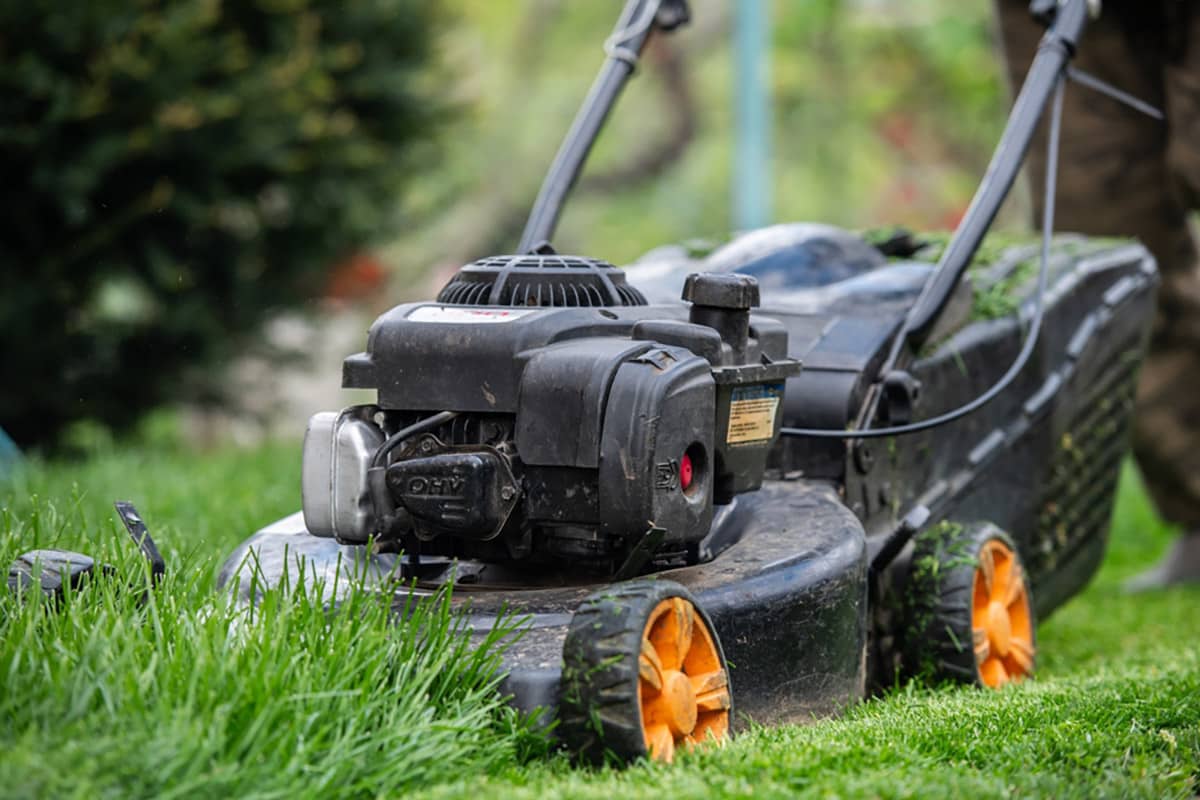
Growth slows in the fall, so mowing frequency decreases—but mowing height still matters. Keeping your warm season lawn slightly higher in the fall encourages deeper root growth, helping the grass endure winter dormancy.
Be sure not to scalp your lawn in the fall as the grass will be slower to recover throughout the winter. Always gradually lower the height of cut (1/3-inch increments) if you want your lawn to be shorter.
| Grass Type | Recommended Fall Height |
|---|---|
| Bermuda | Slightly higher than 0.5–1.5 inches |
| Centipede | Slightly higher than 1.5–2.0 inches |
| St. Augustine | Slightly higher than 2.0–4.0 inches |
| Finer-Bladed Zoysia | Slightly higher than 0.5–1.5 inches |
| Wider-Bladed Zoysia | Slightly higher than 1.0–2.0 inches |
Mowing Tips:
- Keep blades sharp. Dull blades will rip the grass, increasing the chance for pest and disease damage.
- Avoid mowing when grass is wet or dormant
- Leave clippings unless disease is present
4. Watering in Fall: Adjust, Don’t Stop
As temperatures drop and rainfall patterns shift, overwatering can become a bigger threat than drought.
Weekly Needs:
- In general, water up to 1 inch per week, including rainfall. Some species require less water and factors such as soil type can also impact water needs.
- Use a rain gauge to track natural irrigation
- Reduce frequency, but water deeply when needed
System Check:
- Perform an irrigation audit
- Clean sprinkler heads and check coverage
- Install a rain sensor if you haven’t yet
5. Weed Control Strategies
Pre-Emergent Weed Prevention
Fall is a critical time to stop winter weeds like Poa annua, chickweed and henbit.
Timing:
- Apply early September (before soil temps dip below 70 degrees Fahrenheit or less).
- Monitor with a soil thermometer for precision.
Overseeding Warning: If you plan to overseed, do not use pre-emergents—they will prevent seed germination. Be sure to pay attention to the product label and follow instructions on timing of overseeding after treatment.
Post-Emergent Treatments
Spot treat actively growing weeds as needed. Spring and summer weeds that are not treated before the fall and winter may lie dormant and emerge the following spring summer.
Common Targets:
- Chickweed
- Henbit
- Clover
- Poa annua
- Dollarweed
- Doveweed
- Nutsedge
- Dandelion
For warm season grasses, use selective post-emergent herbicides and always follow the label directions carefully. If your lawn consists of St. Augustine or centipede grass—both of which are sensitive to many herbicides—opt for Hi-Yield Atrazine to effectively control existing weeds without causing damage.
- SpeedZone Broadleaf Herbicide for broadleaf weeds.
- Drive XLR8 for grassy weeds.
- Hi-Yield Atrazine for centipede & St. Augustine lawns.
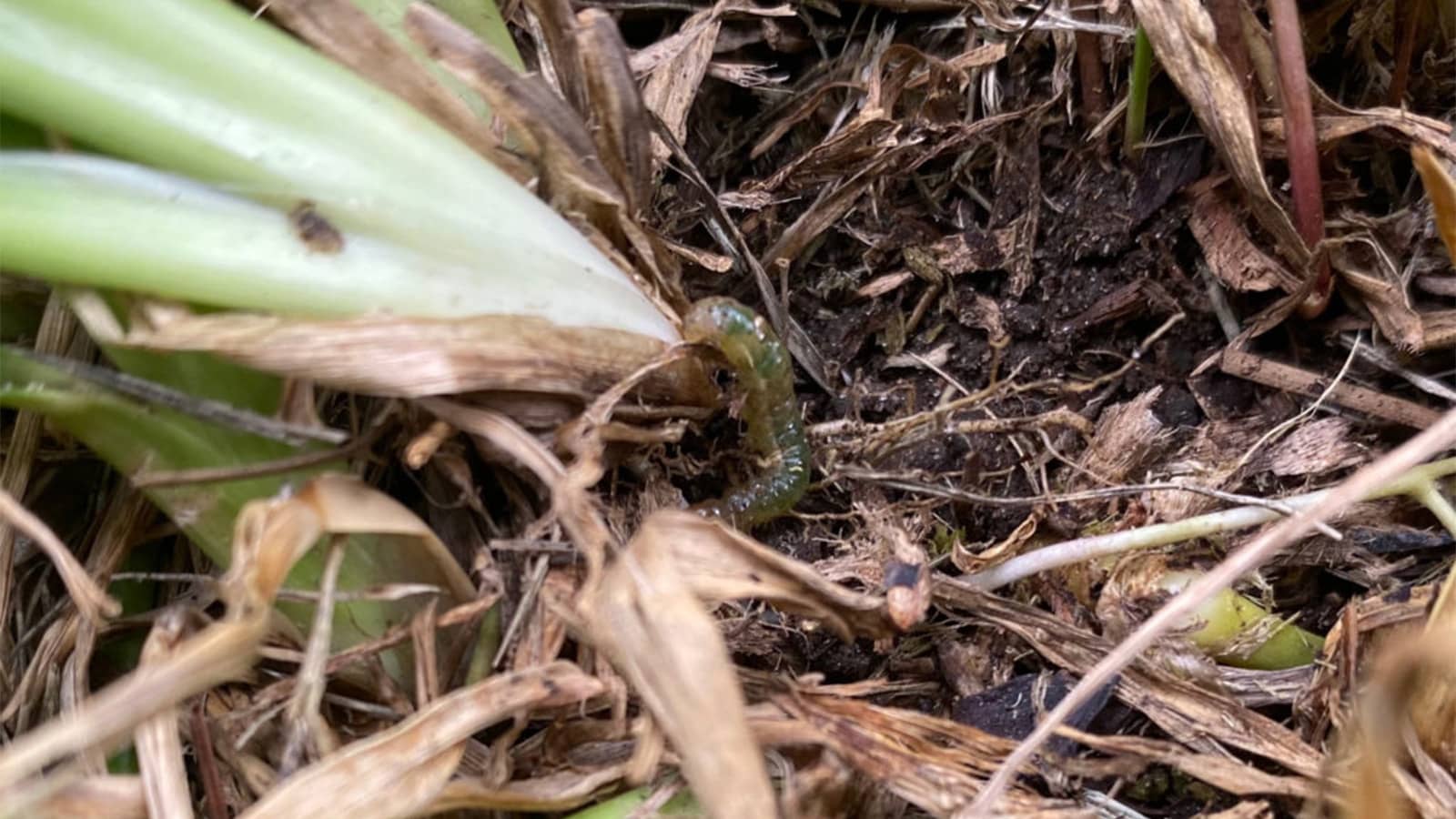
6. Fall Pest Watch
Fall pest damage can have long-lasting effects with cooler temps and slower growth.
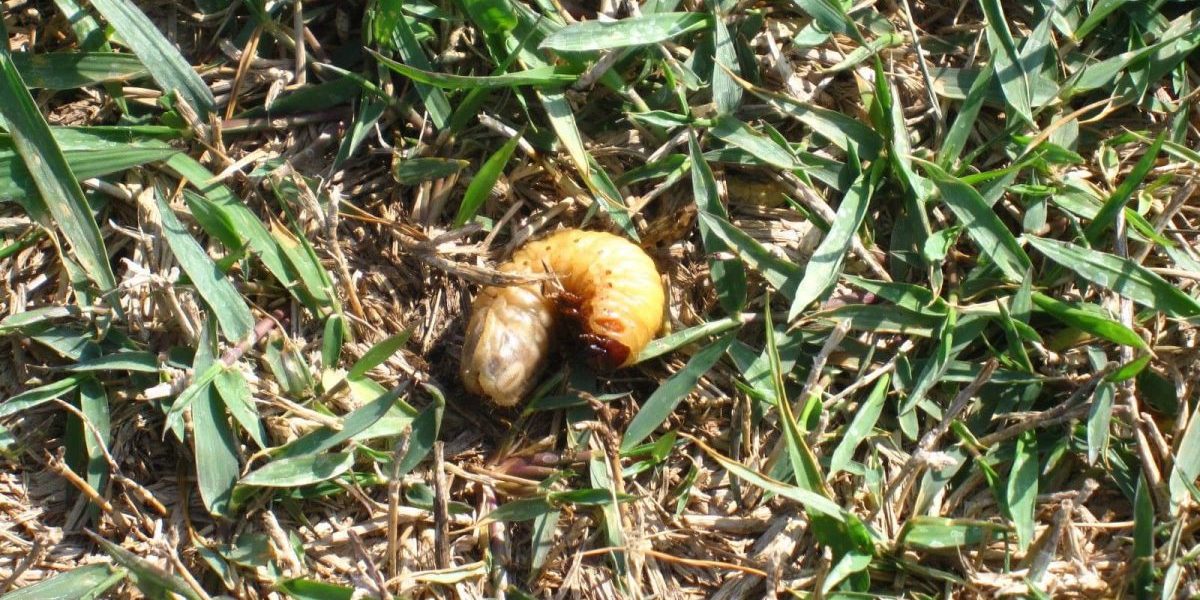
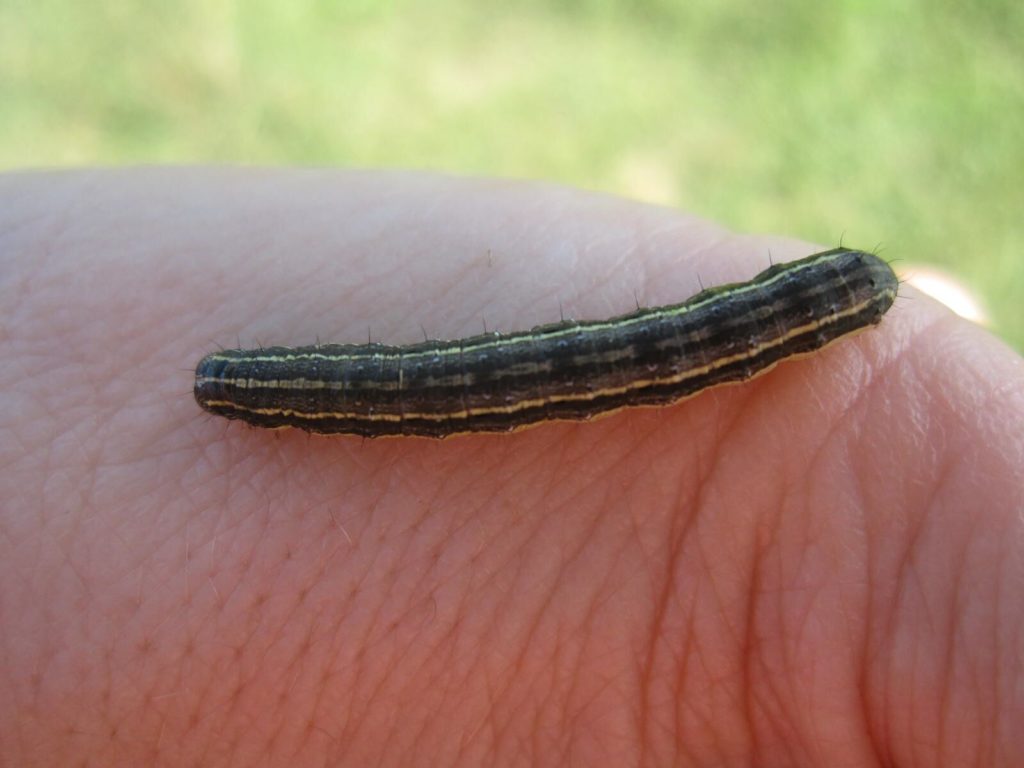
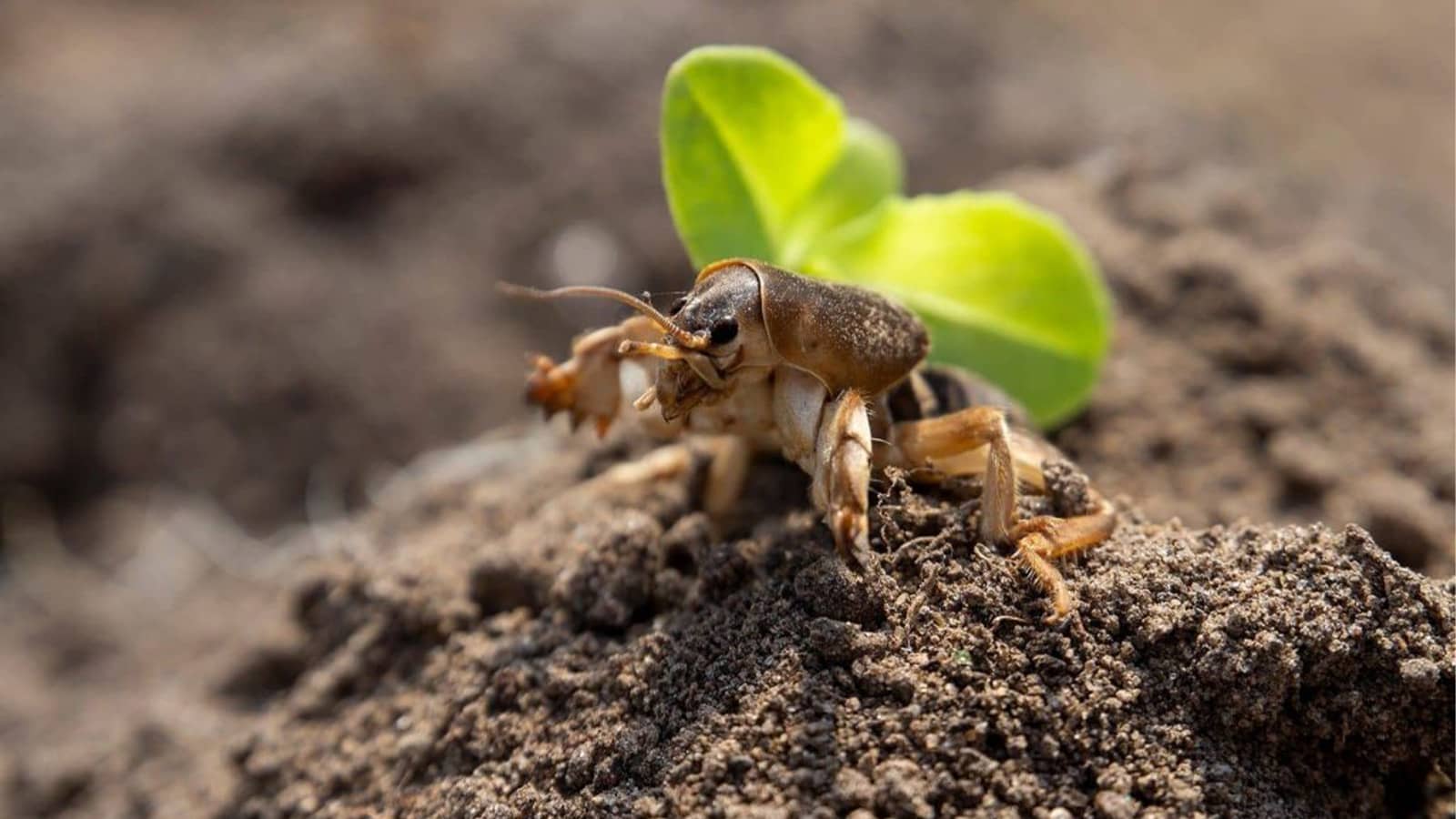
Pests to Watch For:
- Sod Webworms: Particularly active in early fall. Use NaturalGuard Spinosad to treat.
- Grubs: Feed on roots—look for spongy turf that pulls up easily. Use Dylox to treat.
- Fall Armyworms: Cause rapid defoliation. Use NaturalGuard Spinosad to treat.
- Mole Crickets: Tunnel and uproot grass. Use Bifen XTS or Imidacloprid 0.5G to treat.
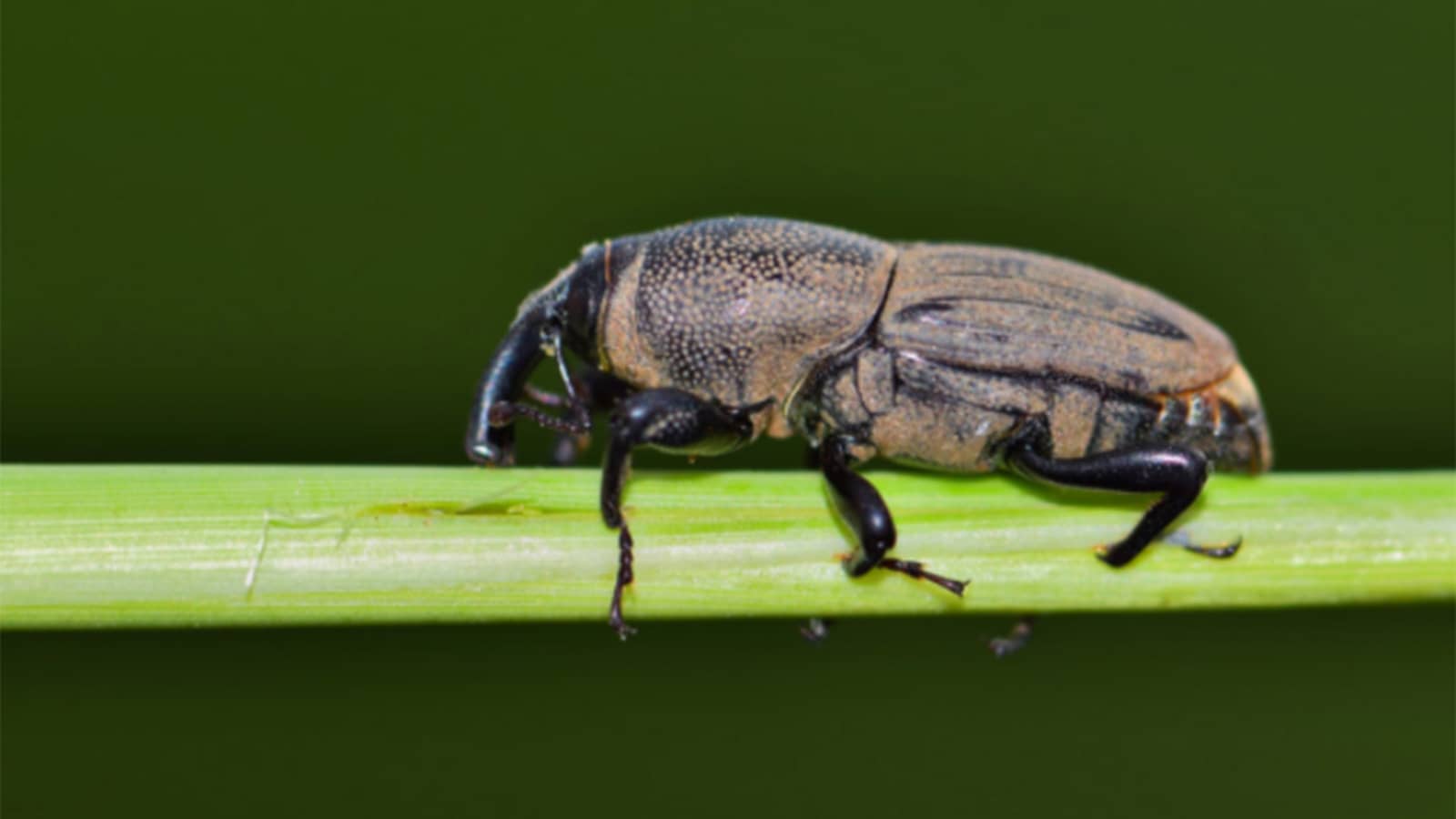
- Hunting Billbugs: Damage zoysia and bermuda roots. Use Bifen XTS or Imidacloprid 0.5G to treat.
Detection Tip: To bring pests to the surface, try a soap flush (2 tbsp. dish soap in 1 gal. water). Check out our Insect ID guide for more information.
7. Fall Disease Management
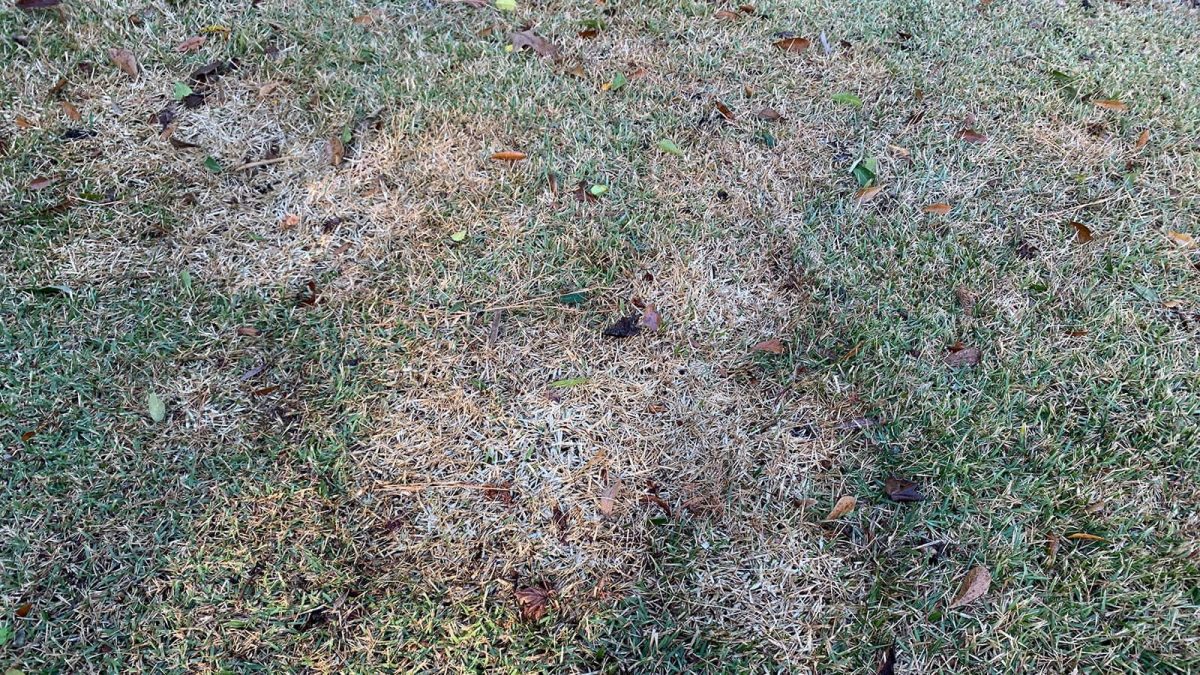
Warm season grasses like St. Augustine, zoysia and centipede are especially prone to large patch disease in fall.
Prevention Tips:
- Avoid late-season nitrogen.
- Water early in the day.
- Improve air flow and drainage.
- Apply preventive fungicides if you’ve had past issues.
Use Azoxystrobin or similar systemic fungicides. Rotate active ingredients to prevent resistance.
Read product labels before application.
8. Leaf Removal: Stay Consistent
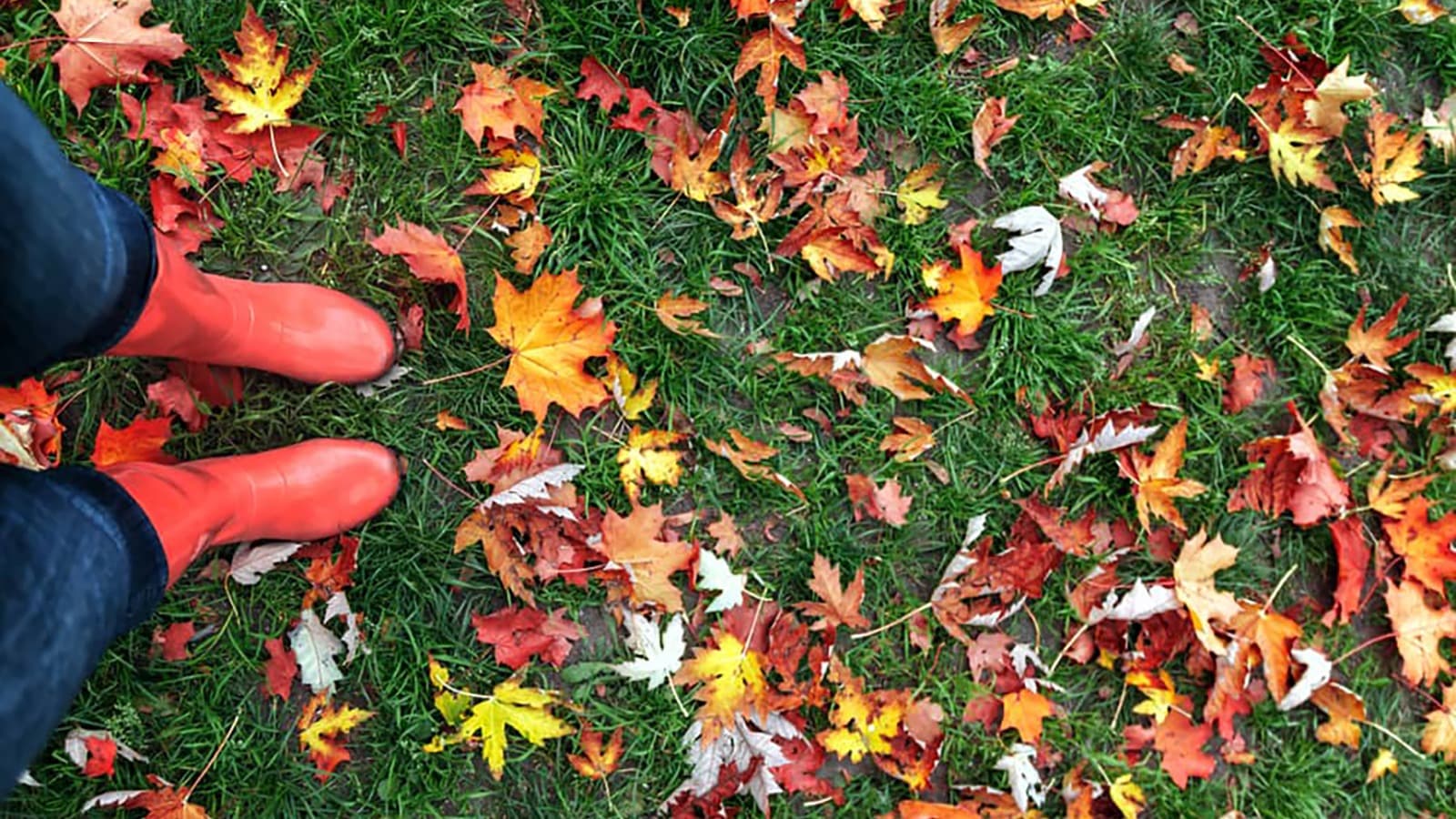
Leaves block sunlight, hold in moisture and invite disease. Don’t let them pile up.
Leaf Cleanup Tips:
- Mulch with a mower or rake weekly.
- Remove excess debris, especially in shady areas.
- Compost healthy leaves or use as mulch around trees and beds.
9. Bare Spots? Try Overseeding or Turf Colorants
Overseeding:
- Helps fill in thin areas and maintain winter color.
- Use compatible seed blends (like ryegrass) for seasonal coverage.
Turf Colorants:
For a green look without overseeding.
✅ Fall Lawn Care Checklist:
- Consider overseeding or turf colorants if desired
- Perform a soil test
- Apply potassium-rich fall fertilizer by region
- Raise mower height slightly and mow as needed
- Water deeply but less frequently
- Apply fall pre-emergent before soil dips below 70 degrees Fahrenheit
- Spot-treat visible weeds with selective herbicides
- Monitor for pests and treat early
- Use fungicides preventively if you’ve had issues
- Remove leaves weekly