Fall lawn maintenance differs from that of spring and summer maintenance. With the changing of the seasons also comes the changing of temperatures, weather and soil conditions. It’s important that you adjust your regular zoysia maintenance around during the different seasons because the grass and environment will have different demands.
Our experts have compiled a list of generic tips to help your zoysia transition into the colder months ahead. Be sure to also check out our Homeowner Maintenance Guides for generic zoysia grass, EMPIRE® Zoysia, Geo® Zoysia and Innovation® Zoysia.
Want us to do some fall lawn care for you?
If so, check out the Lawnifi Complete Program! The Lawnifi Complete Program is a year-round subscription for seasonal lawn care delivered to your door. Our boxes include everything your lawn needs in one lawn care subscription. Lawnifi is also introducing the Fall Complete Lawn Bundle to provide all the essentials your lawn needs for the fall season.
Jump to...
- 1. Reduce Mowing for Deeper Roots
- 2. Water Less as Temperatures Drop
- 3. Fertilize Your Lawn with the Right Nutrients
- 4. Control Weeds with Pre- or Post-Emergent Herbicide
- 5. Keep an Eye Out for Insect Invasions
- 6. Prevent Disease Outbreaks as Temperatures Change
1. Reduce Mowing for Deeper Roots
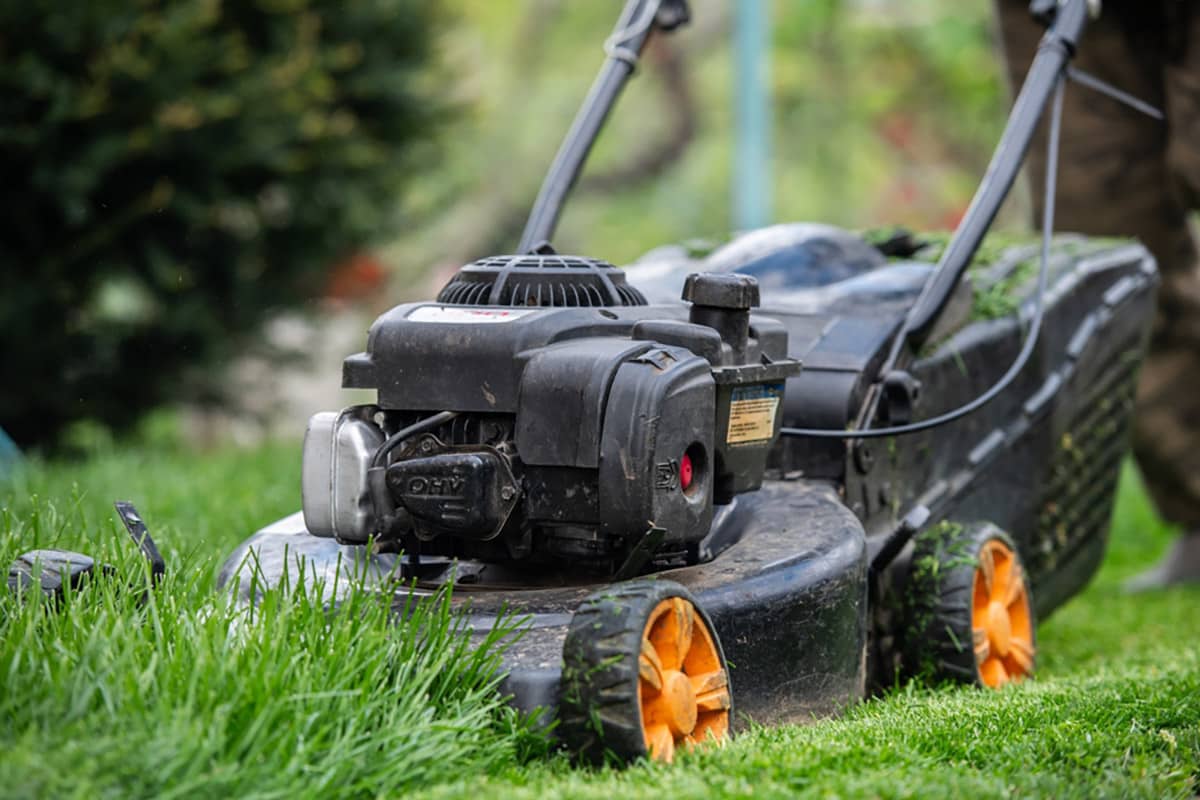
Generally speaking, your zoysia will usually be maintained at a height of about 0.5–2 inches. Finer-bladed zoysias like Geo Zoysia and Innovation are typically kept at a height of .5–1.5 inches while wider-bladed zoysias like EMPIRE perform well at a height of 1–2 inches.
In the fall, however, you should mow your zoysia less as this encourages deeper root growth during the winter and helps your grass survive during dormancy. The roots are what keeps the grass alive underground despite that fact that the blades above the ground have gone into dormancy and endure harsh temperatures.
- EMPIRE Zoysia: Slightly Higher Than 1–2 inches
- Innovation Zoysia: Slightly Higher Than 0.5–1.5 inches
- CitraZoy Zoysia: Slightly Higher Than 1–2 inches
- Geo Zoysia: Slightly Higher Than 0.5–1.5 inches
2. Water Less as Temperatures Drop
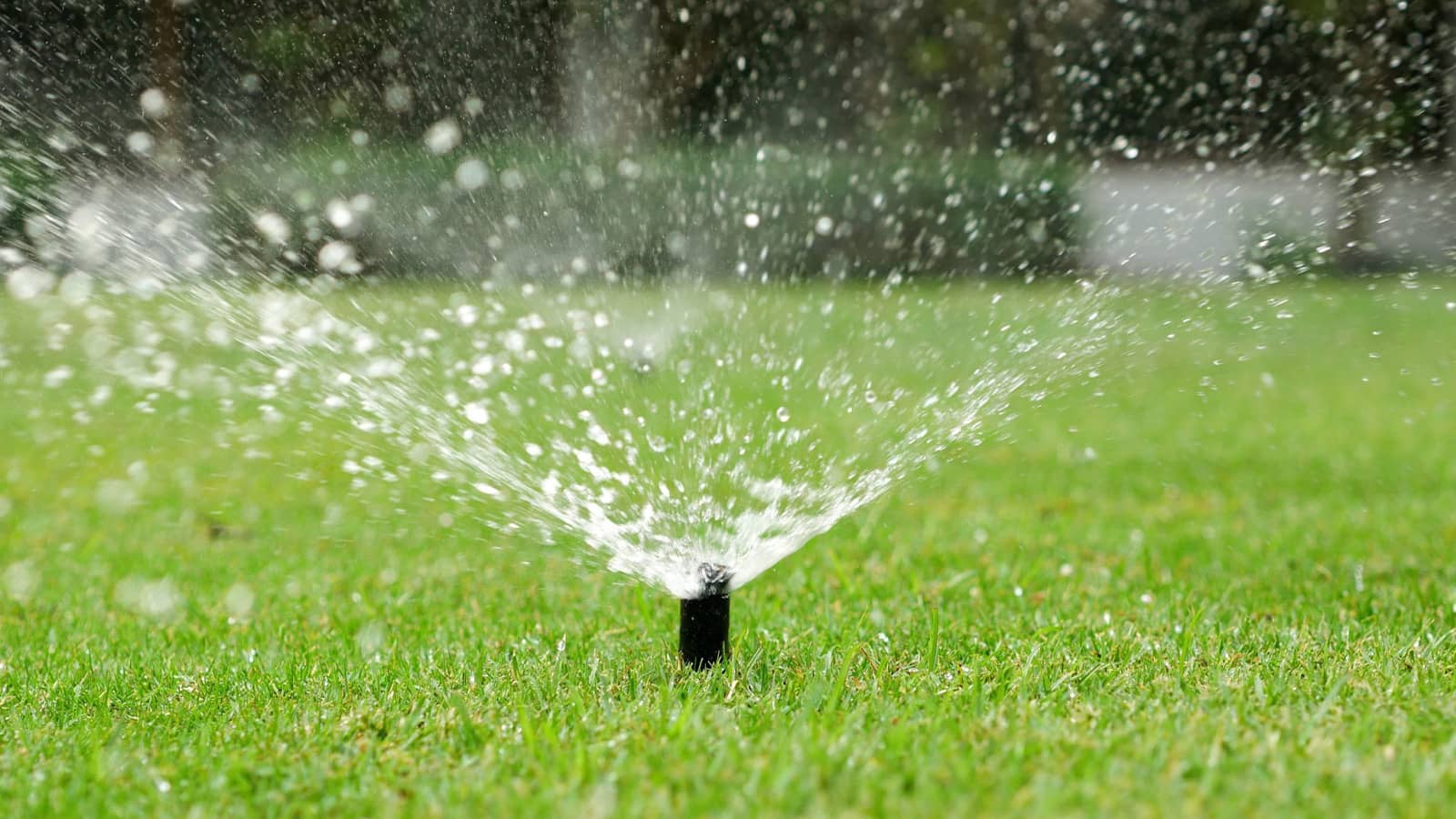
Water less as temperatures drop to avoid disease. Zoysia needs about 1 inch of water weekly, including rainfall, but slightly less in the fall.
Changing temperatures and soil conditions make fall a prime time for disease, especially with overwatering and shade from fall leaves. Disease is usually caused by overwatering, changing temperatures, and shade.
To prevent drought stress, continue watering your lawn lightly as it enters dormancy. Early morning watering reduces disease risk.
3. Fertilize Your Lawn with the Right Nutrients
Fertilization differs this time of the year compared to the other active growing seasons (spring and summer). As previously stated, outdoor temperatures are starting to change—so are soil conditions. Your grass is a living thing that needs specific nutrients at this time. Depending on the area you live in, your zoysia will likely enter a state of dormancy as it gets closer to winter.
What is the best fertilizer for grass in the fall?
We recommend two different fertilizer options for the fall, however, you will only need to use one of the two options for fall fertilization.
Option 1: The Fall Fertilizer Box, in particular, has three separate bottles of liquid fertilizer in it that help your lawn recover from the hot summer temperatures it just endured as well as prepare for the colder temperatures ahead.
Option 2: Lawnifi Foundation is a slow-release granular fertilizer option that comes in a 25-pound bag and lasts for three months. With a 29-0-5 NPK formulation, Lawnifi Foundation is the perfect granular fertilizer for lawns and gardens.
The two percent iron included in Lawnifi Foundation’s mixture helps plants carry oxygen throughout the leaves, roots and other parts of the plants to promote a green, healthy lawn.
4. Control Weeds with a Pre- or Post-Emergent Herbicide
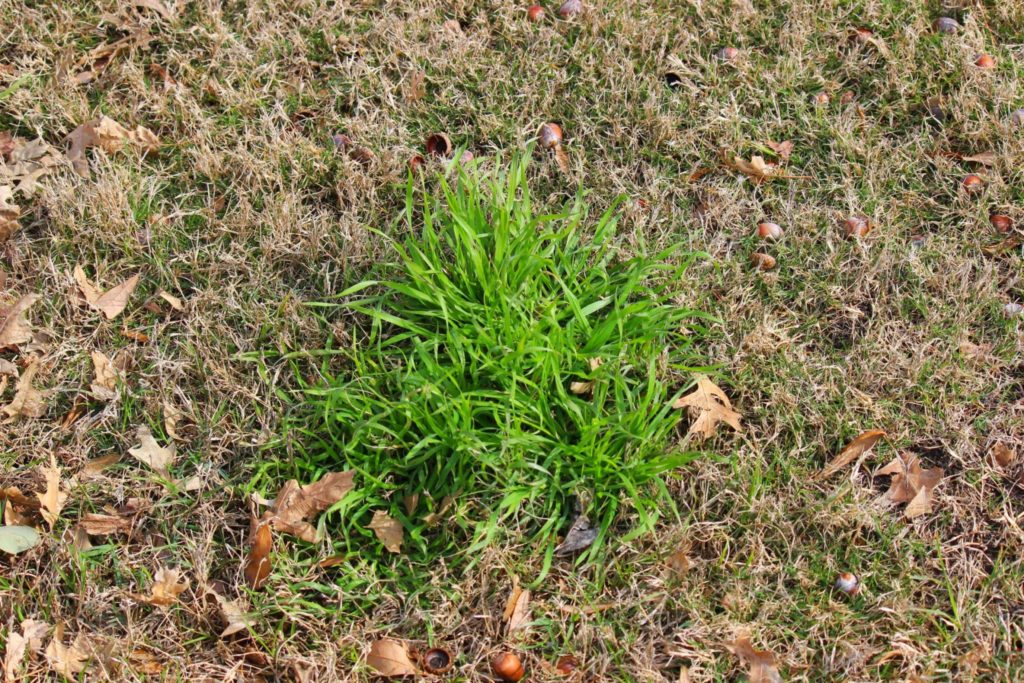
As cooler temperatures arrive, you can safely apply both post-emergent and pre-emergent herbicides to your zoysia lawn. Summer weeds may be dying off, but winter weeds like Poa annua, purple deadnettle, chickweed, and henbit will start to appear.
Apply a pre-emergent herbicide in the fall to prevent these winter weeds.
Post-emergent herbicides target existing weeds, while pre-emergent herbicides prevent new weeds from emerging. Fall is the best time to apply a pre-emergent, especially if you've had problems with winter weeds in the past. You can also apply it in the spring around March or April.
Hi-Yield Weed & Grass Stopper with Dimension Herbicide
5. Keep an Eye Out for Insect Invasions
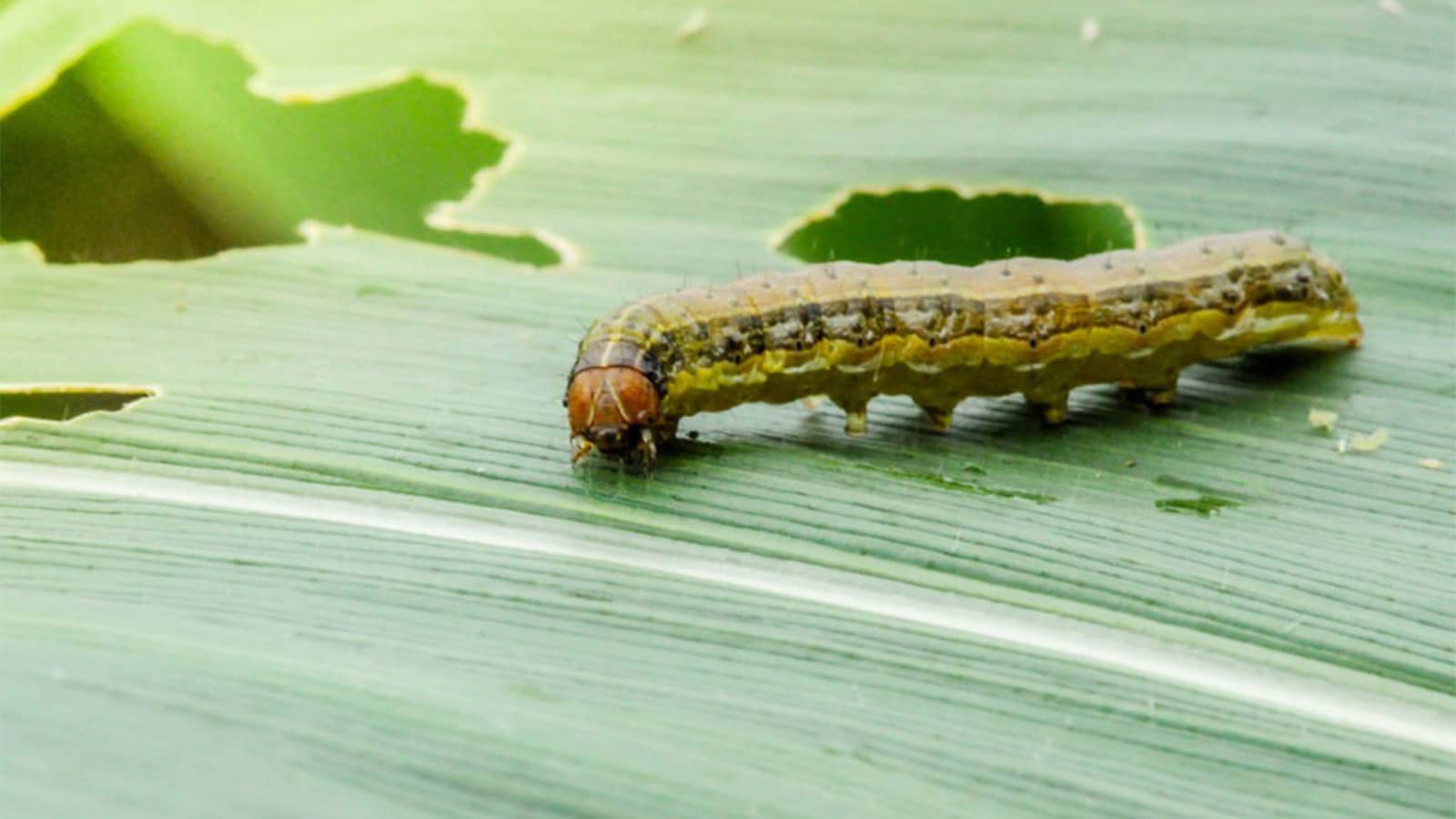
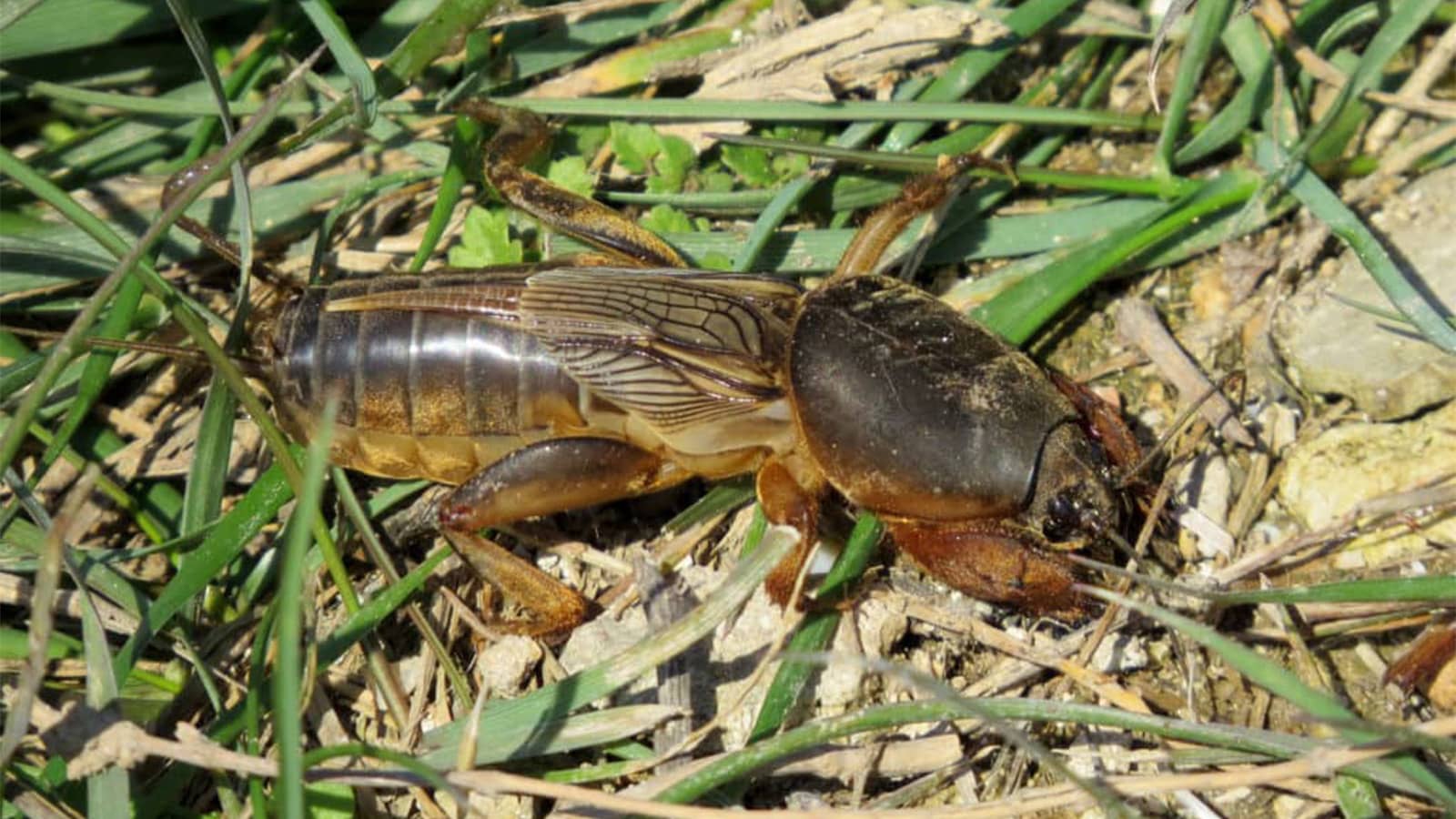
Applying an insecticide preventatively is more effective and likely cheaper than dealing with an infestation. Use a broad-spectrum insecticide to protect your zoysia lawn from harmful insects. Key pests to watch for include grub worms, sod webworms and mole crickets.
Treat any insect activity with an appropriate insecticide, and read labels thoroughly before application. If using a granular insecticide, water the lawn immediately after application for better absorption.
Visit our Insect Identification blog for more details.
Merit Imidacloprid Insect Granules
Read product labels before application.
6. Prevent Disease Outbreaks as Temperatures Change
Apply a systemic fungicide at preventative rates around early fall to keep disease outbreaks at bay. This helps your grass stay healthy through the colder months. Mapping treated areas can help manage costs, as fungicide treatment can be expensive.
For granular fungicides, water the lawn immediately after application to aid absorption. Always read product labels thoroughly before use.
Common diseases to watch for include large patch (zoysia patch).
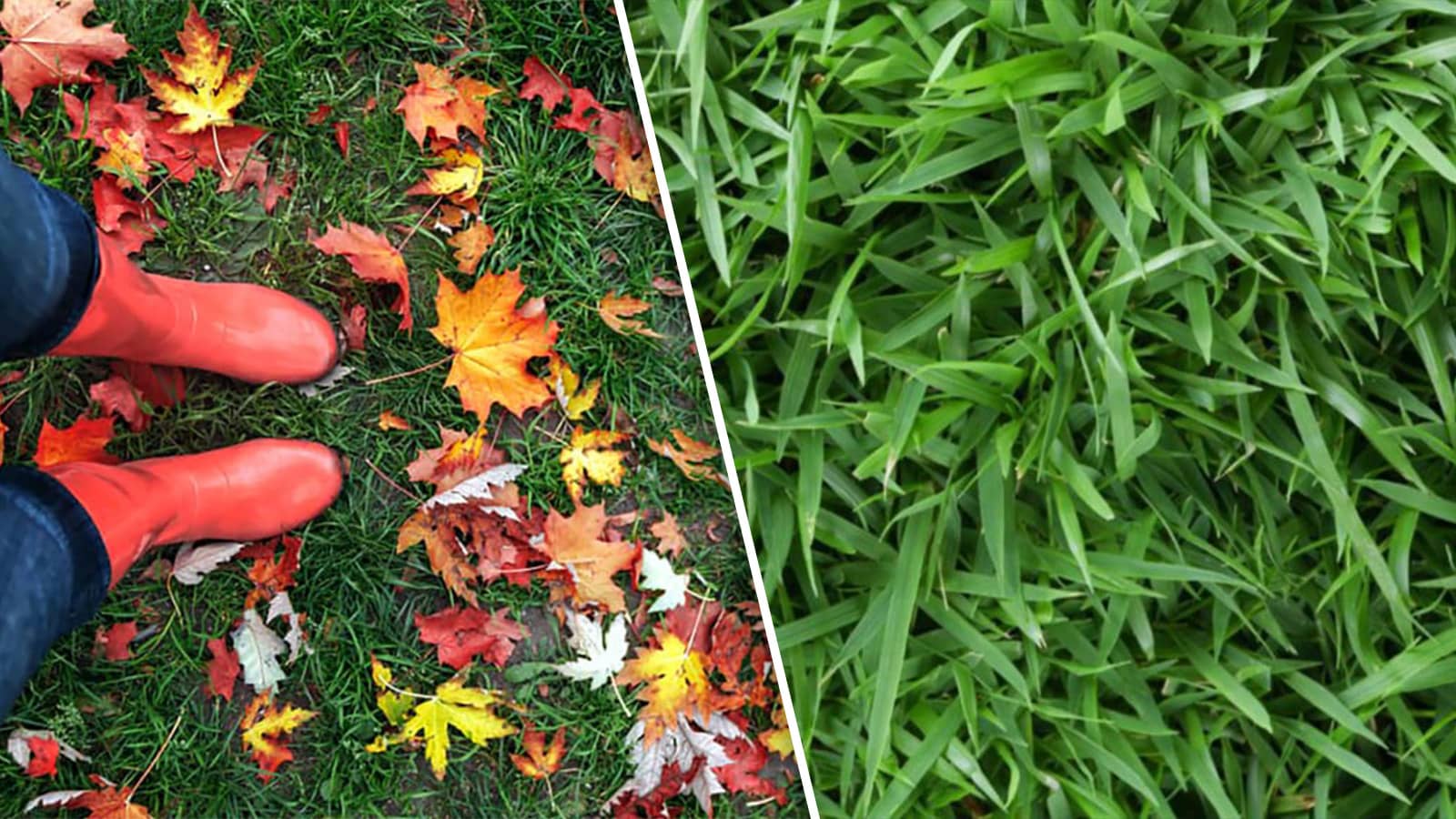
Tip: Remove dead leaves. Accumulated leaves create shaded, moist spots that can damage the grass. Rake weekly to prevent this damage.
Read product labels before application.
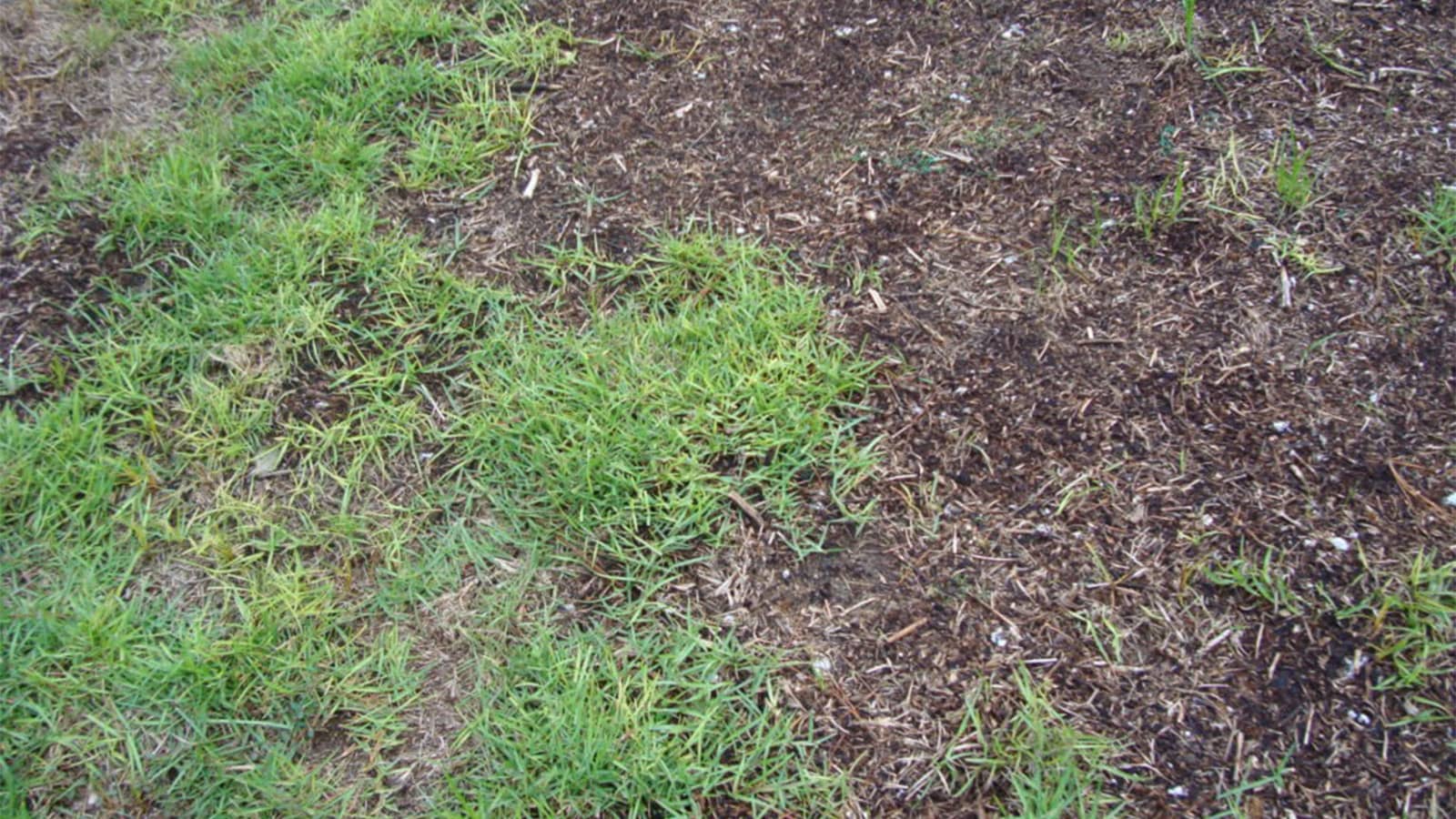
Lastly, lawn patch work and light topdressing with a sand and topsoil mix is a great way to recover any weak areas in your lawn that were caused by the summer heat. If you notice any hot spots, apply a light layer of topdressing to help it recover.