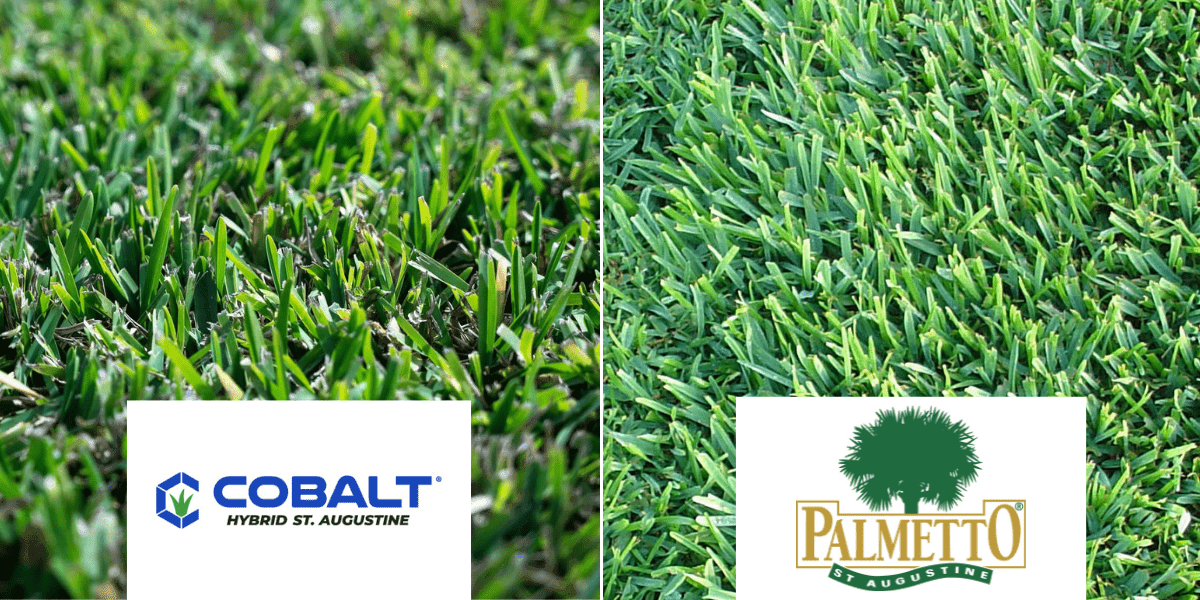
Lawn care along the Gulf Coast isn’t just about having grass—it’s about having the right grass. Whether you're dealing with salt air, sandy soil, unpredictable weather or heavy summer storms, the variety of St. Augustine you choose can make or break your lawn’s success.
Two of the most talked-about choices? Cobalt® St. Augustine and Palmetto® St. Augustine. If you’ve been eyeing a fresh sod install or just want to upgrade what’s already in your yard, you’re in the right place.
Growth Habits: Do You Want Fast or Dense?
The Gulf Coast’s long growing season means your lawn is actively spreading for most of the year.
✓ Winner: Cobalt
Growth Habit Details| Cobalt is a fast-growing hybrid, meaning it spreads quickly and fills in bare spots fast. Palmetto St. Augustine has a good recovery rate, but it is not as good as Cobalt’s. If you want a quicker-established lawn (or one that recovers fast from damage), Cobalt is your best bet. But if you’d rather mow less often and prioritize density, Palmetto might be a better fit |
Drought Tolerance: Which One Stays Greener Longer?
With hot summers and occasional droughts, Gulf Coast homeowners need grass that can hold up in dry spells without constant irrigation.
✓ Winner: Cobalt
Drought Tolerance Details| Cobalt was bred for drought resistance, meaning it holds its color longer and needs less irrigation to stay healthy. Palmetto can handle drought, but not as well as Cobalt. If water conservation (or just less yard work) is a priority, Cobalt is the clear winner. |
Disease Resistance: Which One Fights Off Fungus Better?
St. Augustine grass is prone to diseases—especially in the humid Gulf Coast climate, where heat and moisture create the perfect conditions for disease outbreaks. People often choose St. Augustine for shaded areas, but those spots tend to stay damp longer, making them more susceptible to issues like Gray Leaf Spot (GLS) and other diseases.
The humid, wet conditions of the Gulf Coast create the perfect breeding ground for turfgrass diseases.
✓ Winner: Cobalt
Disease Resistance Details| Cobalt was specifically bred to resist GLS and other common turfgrass diseases, making it a stronger choice for shady, moisture-prone lawns. Palmetto has moderate disease resistance, but it is not as strong as Cobalt in fighting off disease issues. If you hate dealing with turfgrass diseases, Cobalt gives you better protection, especially if your lawn has shady or damp areas that are prone to problems. |
Shade Tolerance: Which One Thrives in Low Light?
The Gulf Coast has plenty of towering live oaks, palm trees and shaded yards, making shade tolerance a must.
✓ Winner: Tie
Shade Tolerance Details| Palmetto is a top shade-tolerant St. Augustine on the market. Cobalt also has strong shade tolerance, performing similarly to Palmetto. Both are great choices if you need a lawn that thrives in partial shade. |
Cold Tolerance: Which One Handles a Frost Better?
If you live in the northern Gulf Coast (or just get an occasional cold snap), you need grass that won’t turn brown at the first frost.
✓ Winner: Palmetto
Cold Tolerance Details| Palmetto has slightly better cold tolerance and has been used in areas with occasional freezes. Cobalt, however, has proven to be very cold-hardy and greens up faster in the spring. If you’re in Florida, southern Texas or coastal Louisiana, either grass will do fine. But if you’re in a spot that sees frost, Palmetto has a slight edge. |
Texture & Density: Soft Underfoot or Built Tough?
When it comes to texture and density, the choice between Palmetto and Cobalt depends on whether you prioritize a soft, cushioned feel or long-lasting durability.
✓ Winner: Tie
Texture & Density Details| Palmetto has a finer, softer texture, making it ideal for barefoot lounging. Cobalt is slightly coarser, but more durable and stands up to foot traffic better. If you’re looking for a plush, carpet-like lawn, Palmetto is your pick. But if you have kids, pets or heavy foot traffic, Cobalt holds up better. |
Color: Which One Looks Better?
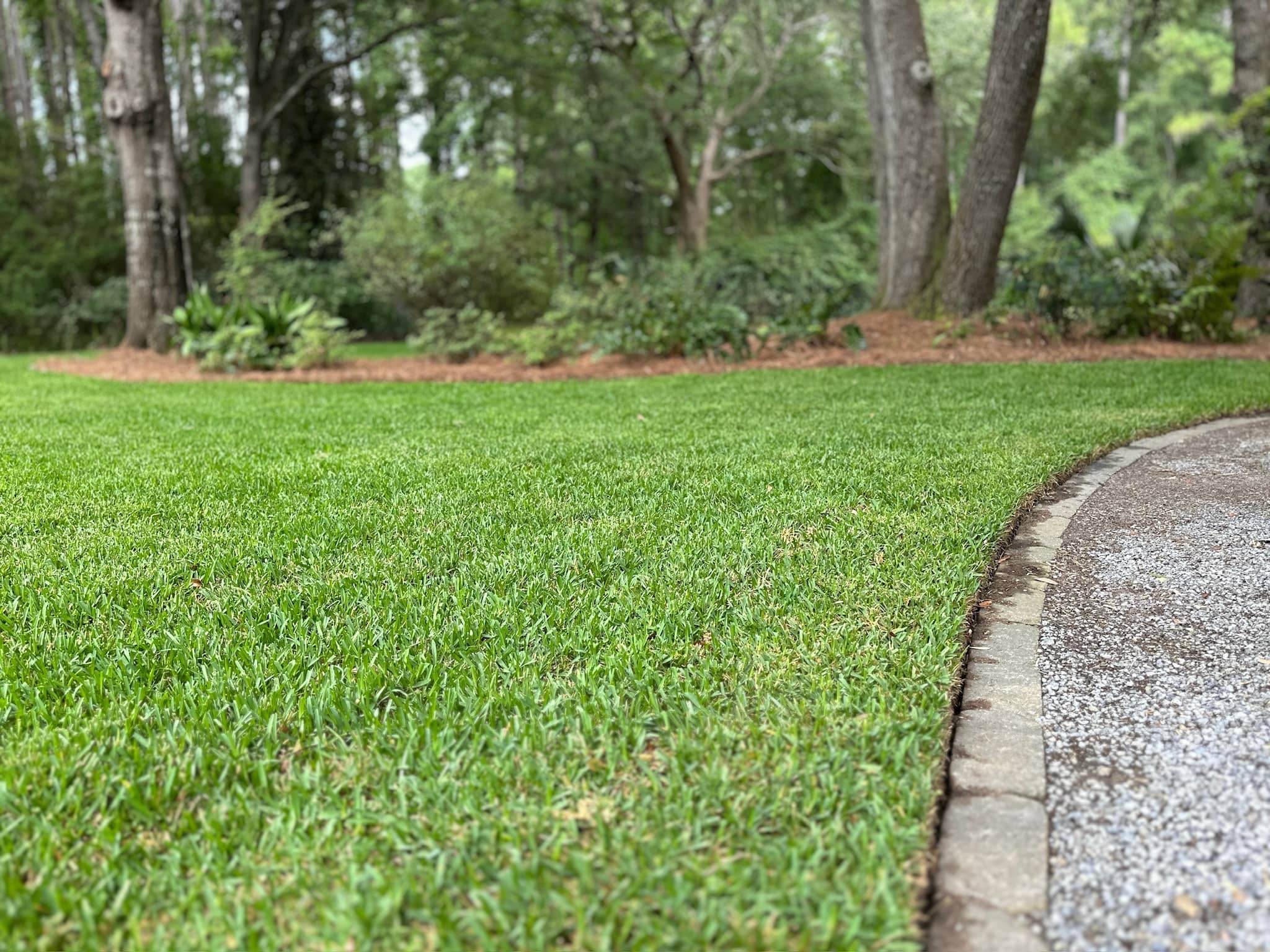
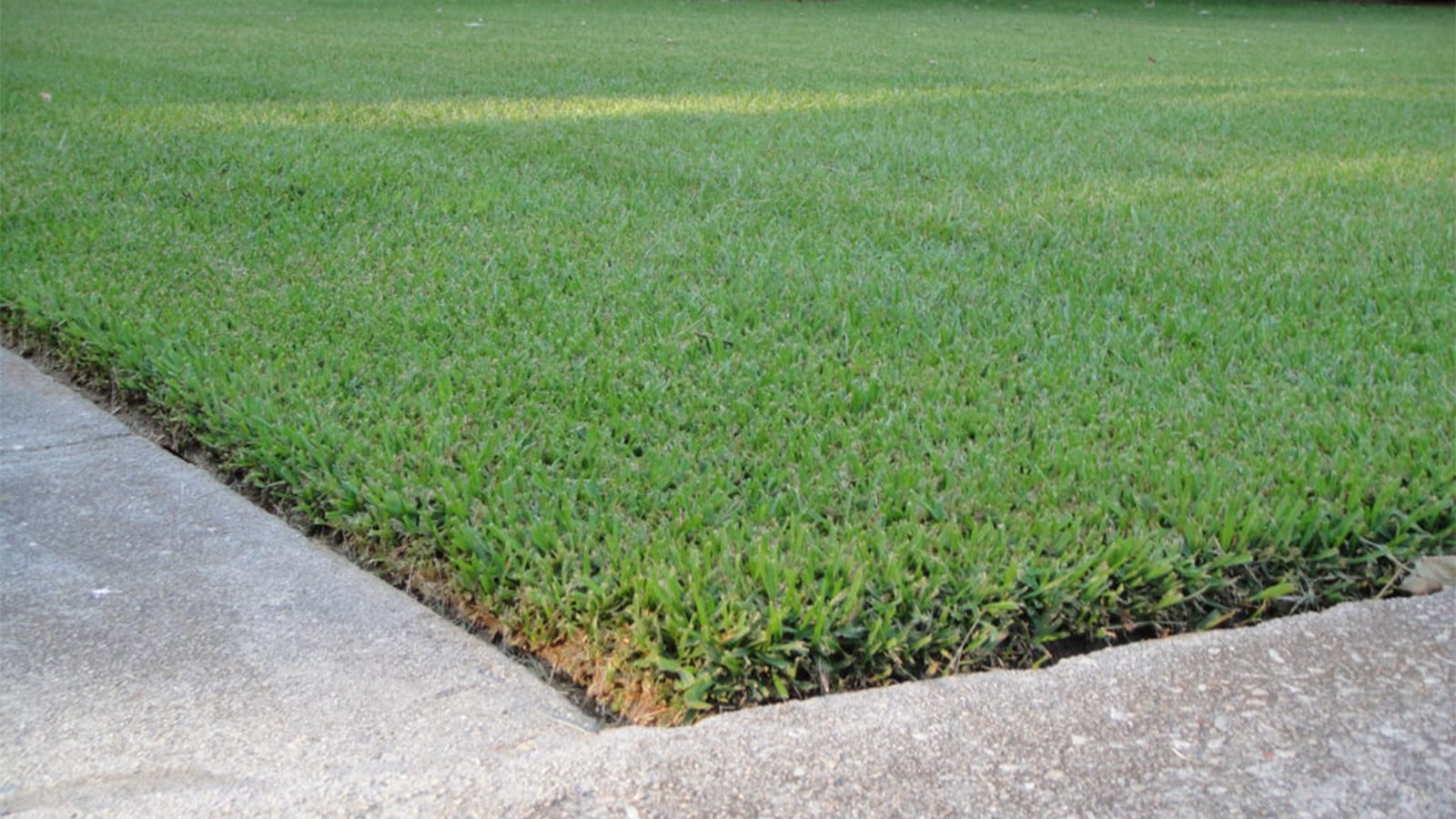
Both Cobalt and Palmetto offer gorgeous green colors, but they have slightly different shades.
✓ Winner: Tie
Color Details| Cobalt has a rich, dark green color that remains vibrant even in tough conditions. Palmetto boasts a deep emerald green, giving it a classic appearance. If you're looking for a bold, dark green lawn, Cobalt delivers. If you prefer a deep emerald look, Palmetto is a strong contender. Either way, both varieties provide eye-catching colors that will keep your lawn looking lush year-round. |
Dark Green
Emerald Green
Turfgrass Quality: Which One Looks the Best?
The National Turfgrass Evaluation Program (NTEP) ranked Cobalt higher than Palmetto in overall turfgrass quality. That means:
- Better density
- More uniform coverage
- Higher durability
✓ Winner: Cobalt
Turfgrass Quality Details| Cobalt consistently scored in the top 25 percent of grasses tested, making it a top choice for homeowners who want a picture-perfect lawn. |
Spring Green-Up: Which One Wakes Up First?
Tired of waiting for your grass to turn green after winter? Cobalt greens up faster in the spring than Palmetto.
✓ Winner: Cobalt
Spring Green-Up Details| Cobalt consistently ranked in the top group for spring green-up in NTEP trials. Palmetto greens up at a moderate pace, but not as fast as Cobalt. If you want your lawn to look alive earlier in the season, Cobalt has the advantage. |
Final Verdict: Which One Should You Choose?
| Feature | Cobalt | Palmetto |
| Growth Rate | Fast | Moderate |
| Drought Tolerance | High | Moderate |
| Disease Resistance | Excellent | Moderate |
| Shade Tolerance | High | High |
| Cold Tolerance | Good | Excellent |
| Texture | Coarse | Finer |
| Density | High | High |
| Color | Dark Green | Dark Green |
| Turfgrass Quality | High | Moderate |
| Spring Green-Up | Fast | Moderate |
So, which one is right for you?
✔️ Pick Cobalt if you want fast establishment, superior drought tolerance, disease resistance and early spring green-up.
✔️ Pick Palmetto if you want a slow-growing, fine-textured dense lawn with good cold tolerance.
Both are great choices for the Gulf Coast, but Cobalt is the next generation—bred for tougher conditions, faster recovery and a lower-maintenance lawn.
Want the best-looking yard on the block? Cobalt might be your new favorite grass.