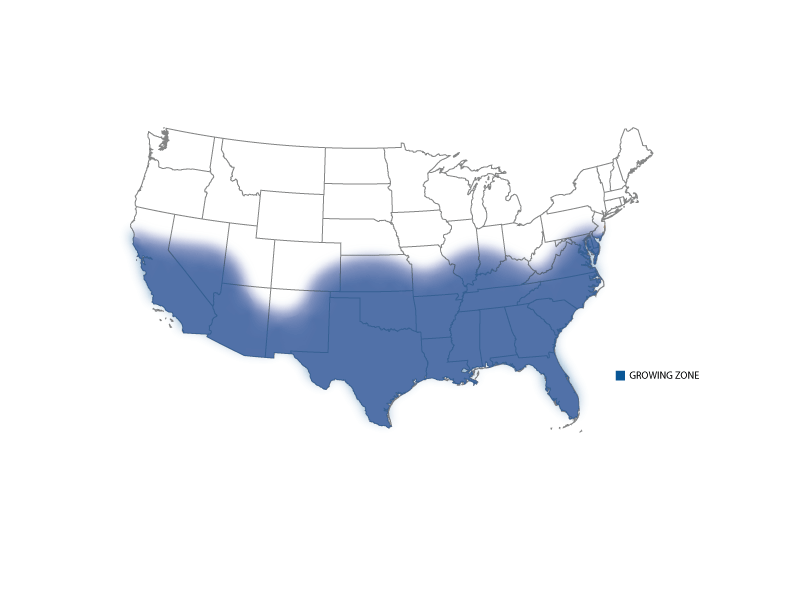
Zoysia sod has become one of the most popular turfgrasses across the southern two-thirds of the U.S.—and it’s easy to see why. Known for its ability to thrive in both heat and cold, sun and shade, zoysia is one of the most adaptable grasses available.
If you’re considering a new lawn, this guide will help you decide if zoysia is the right fit. We’ll cover its history, key characteristics, popular varieties, pros and cons, installation steps and care tips.
Quick Overview
- Where Zoysia Grass Comes From
- What Makes Zoysia Unique
- Common Types of Zoysia Grass
- Advantages
- Drawbacks
- How to Lay Zoysia Sod
- Care & Maintenance
- Fertilizer Guidance
- Pests, Diseases & Weeds
Where Zoysia Grass Comes From
Zoysia is native to southeastern and eastern Asia, including Japan, Korea and China. It was first introduced to the United States in 1895 and has since become a mainstay in warm season lawns.
The three main species used in the U.S. are:
- Zoysia japonica – More cold tolerant, with a medium-coarse texture.
- Zoysia matrella – Fine-textured and shade friendly.
- Zoysia tenuifolia – Very fine-textured but less tolerant of cold.
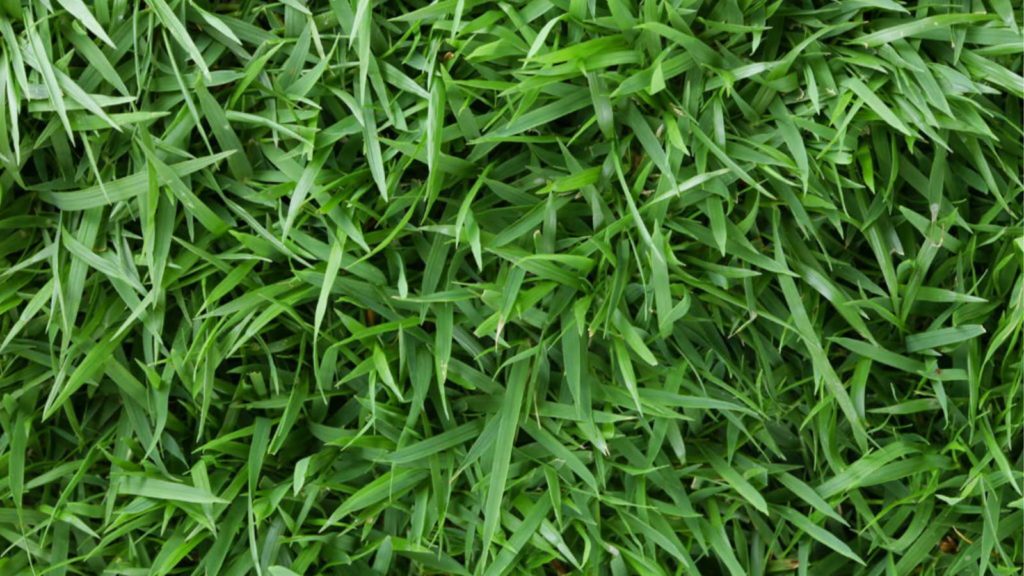
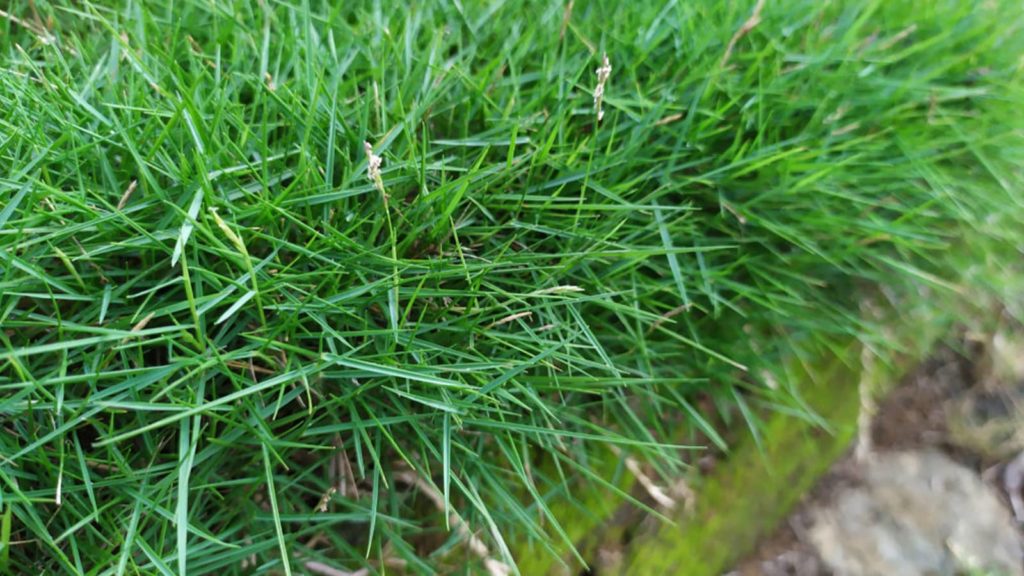
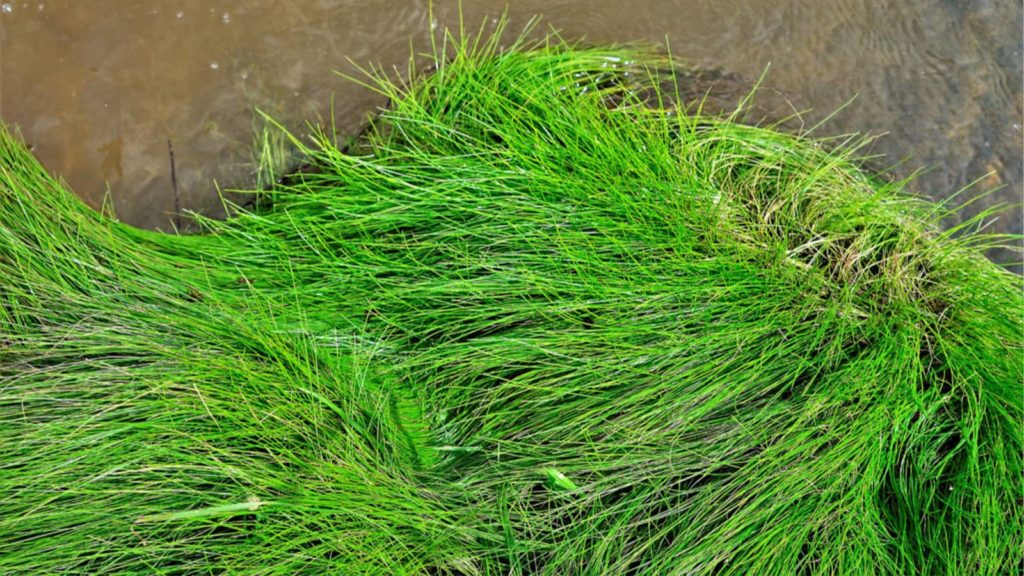
Pictured above from left to right: Zoysia japonica, Zoysia matrella and Zoysia tenuifolia.
Each of these three zoysia grass types differ by cold tolerance, texture and aggressiveness. Zoysia made its first appearance in America when botanist C.V. Piper brought it over from Manila.
However, Zoysia japonica specifically was introduced to the United States in 1895 when it was brought in from the Manchurian Province of China.
What Makes Zoysia Unique
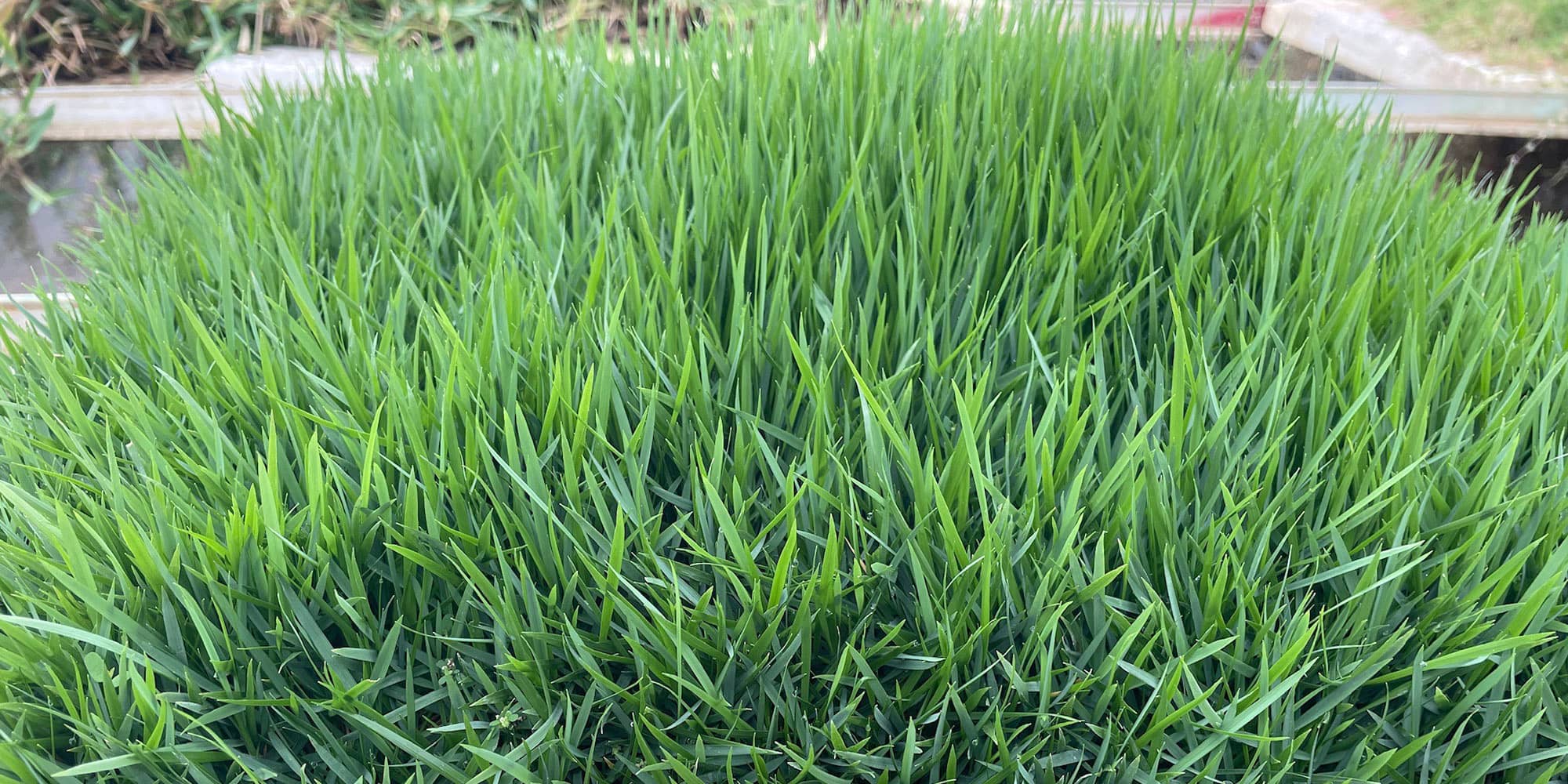
- Dense, soft turf: Creates a thick carpet that helps prevent weeds.
- Spreads by stolons and rhizomes: Allows it to fill in thin or damaged areas.
- Deep roots: Provides excellent drought resistance.
- Soil adaptability: Performs well in sandy, clay, or loamy soils.
- Salt tolerance: A good choice for coastal areas.
Note: Zoysia often goes dormant and turns brown in winter or during drought, but it typically greens up quickly once conditions improve.
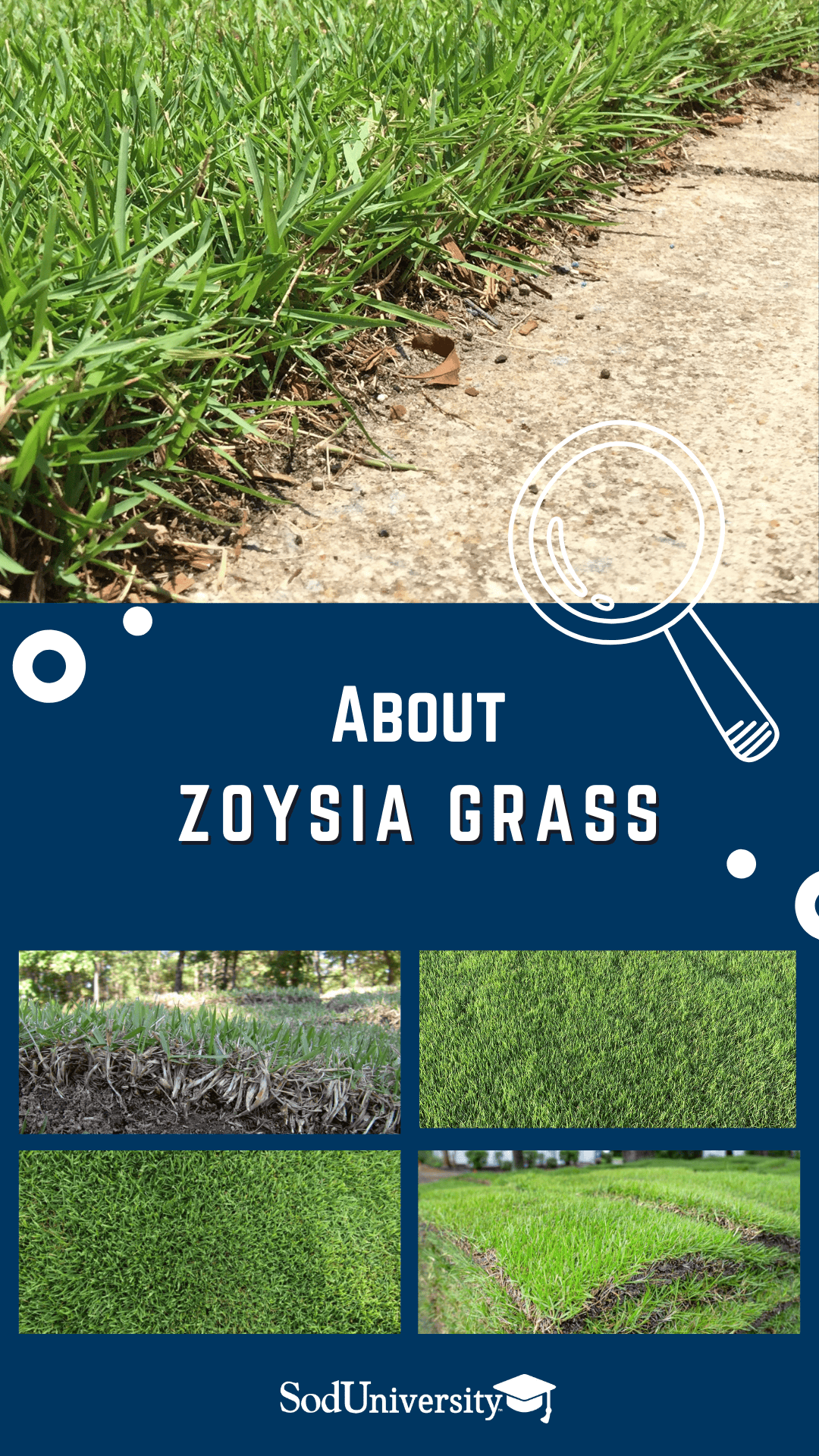
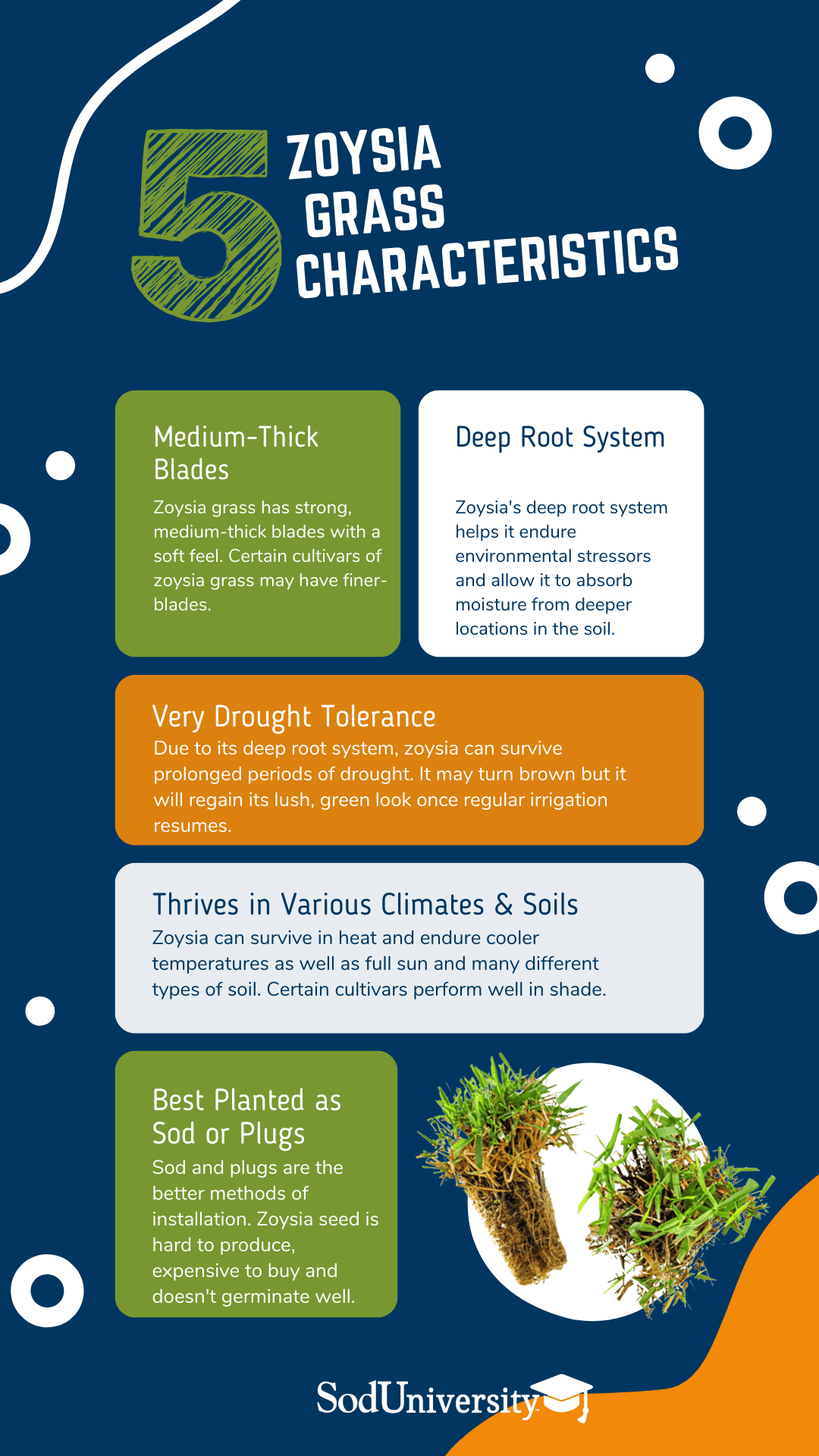
Although it produces some seed, zoysia seed is hard to produce, expensive to buy and does not germinate well.
If zoysia sod isn’t an option for you, consider looking into zoysia grass plugs. Zoysia plugs are little pieces of turf you can “plug” into your lawn that will then expand over time to fill in bare or damaged spots. They’re also useful for starting a completely new lawn.
Common Types of Zoysia Grass
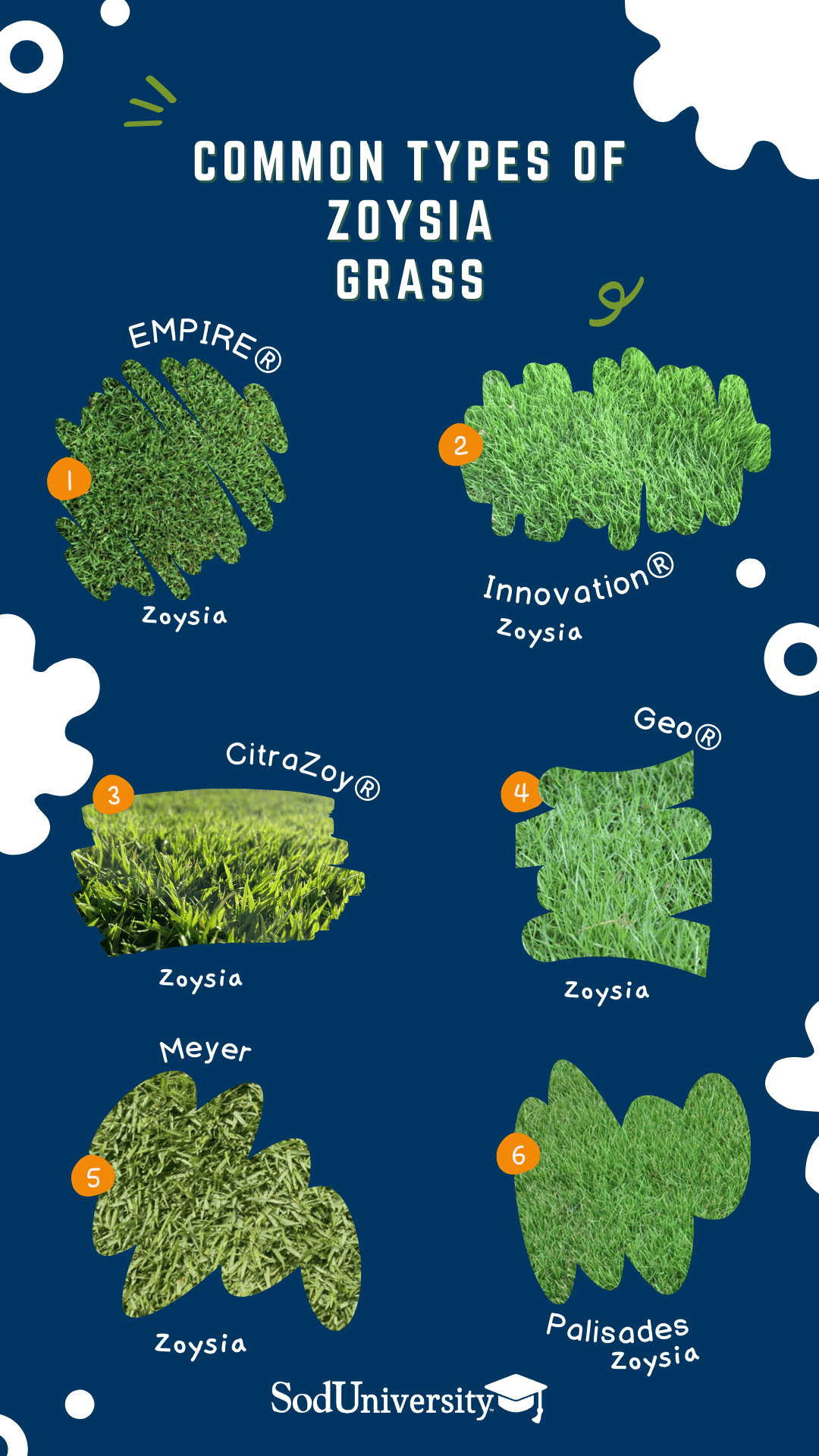
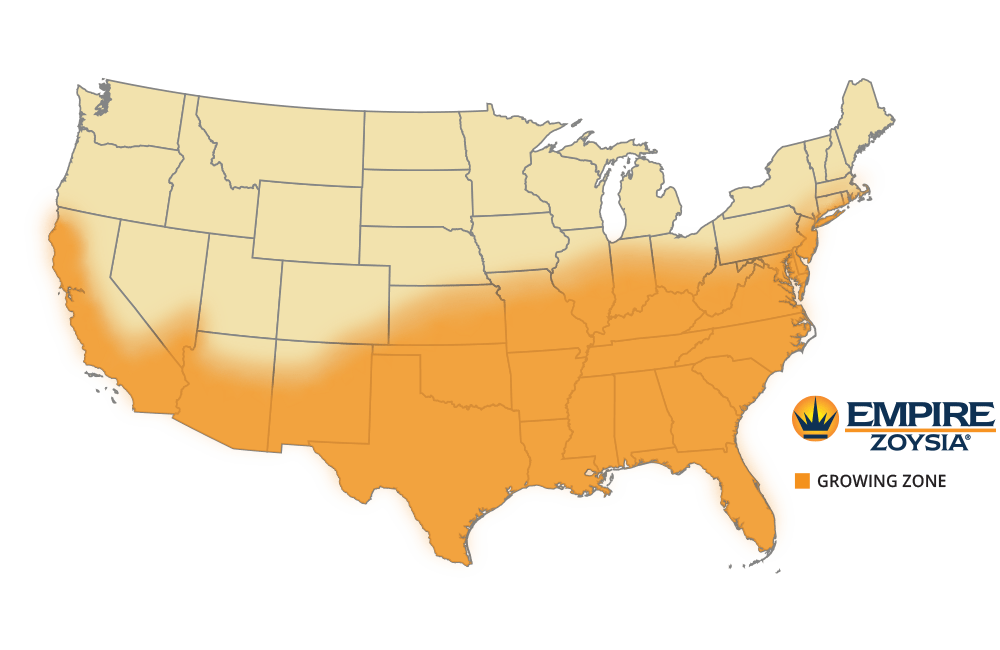
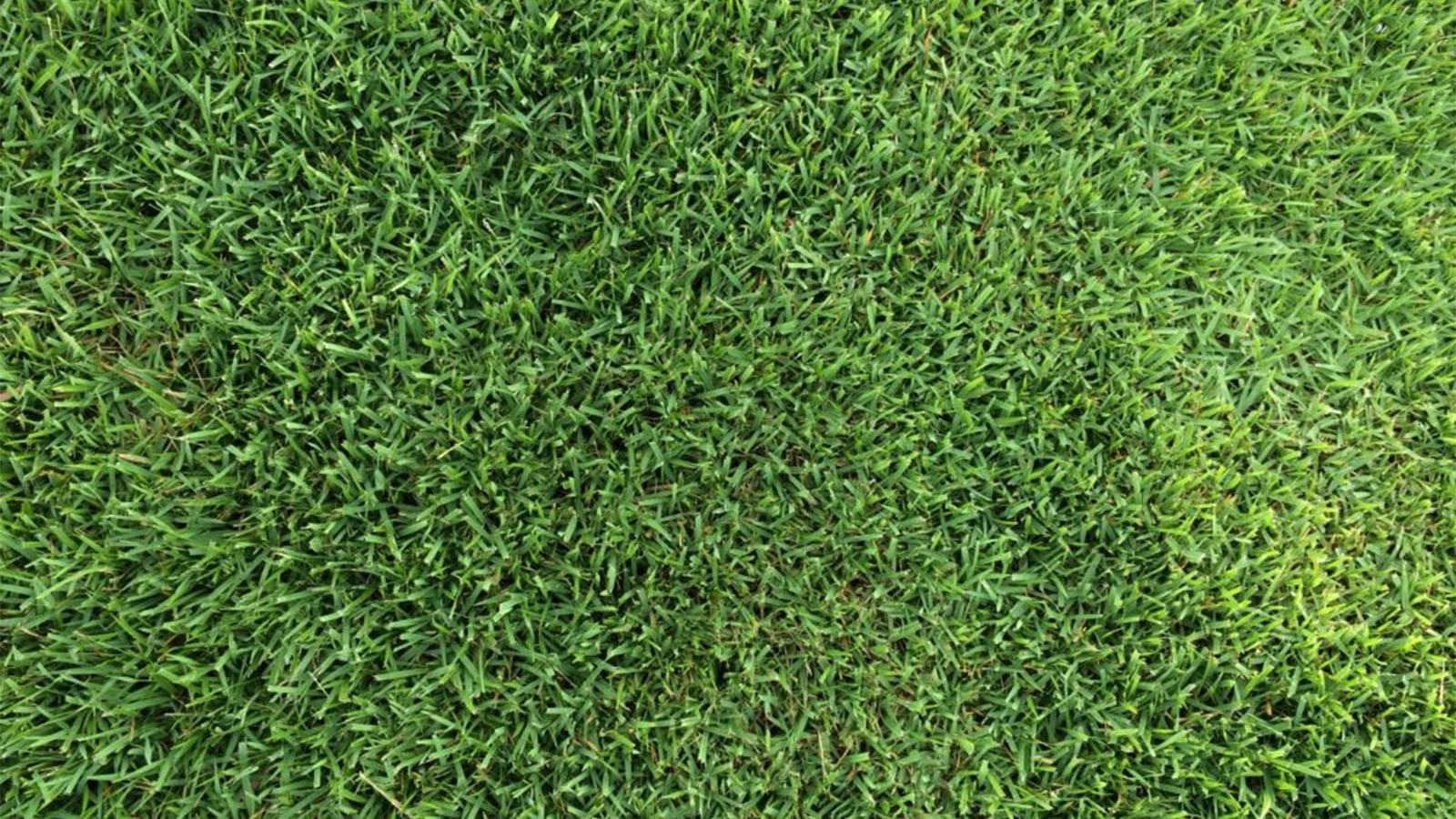
- EMPIRE® Zoysia – Medium-wide blade, durable, low maintenance and drought tolerant.
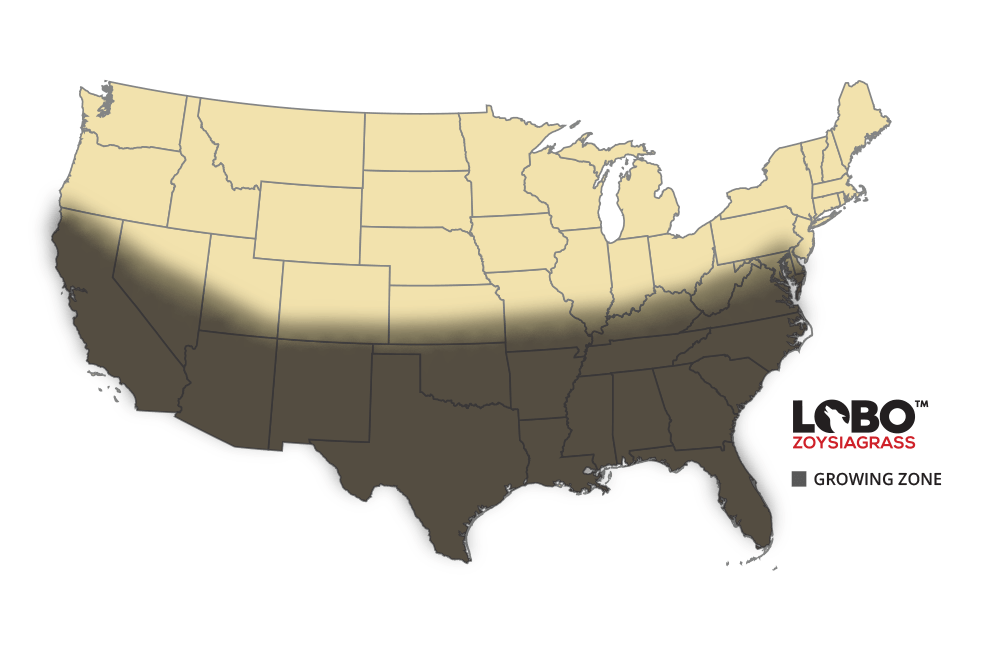
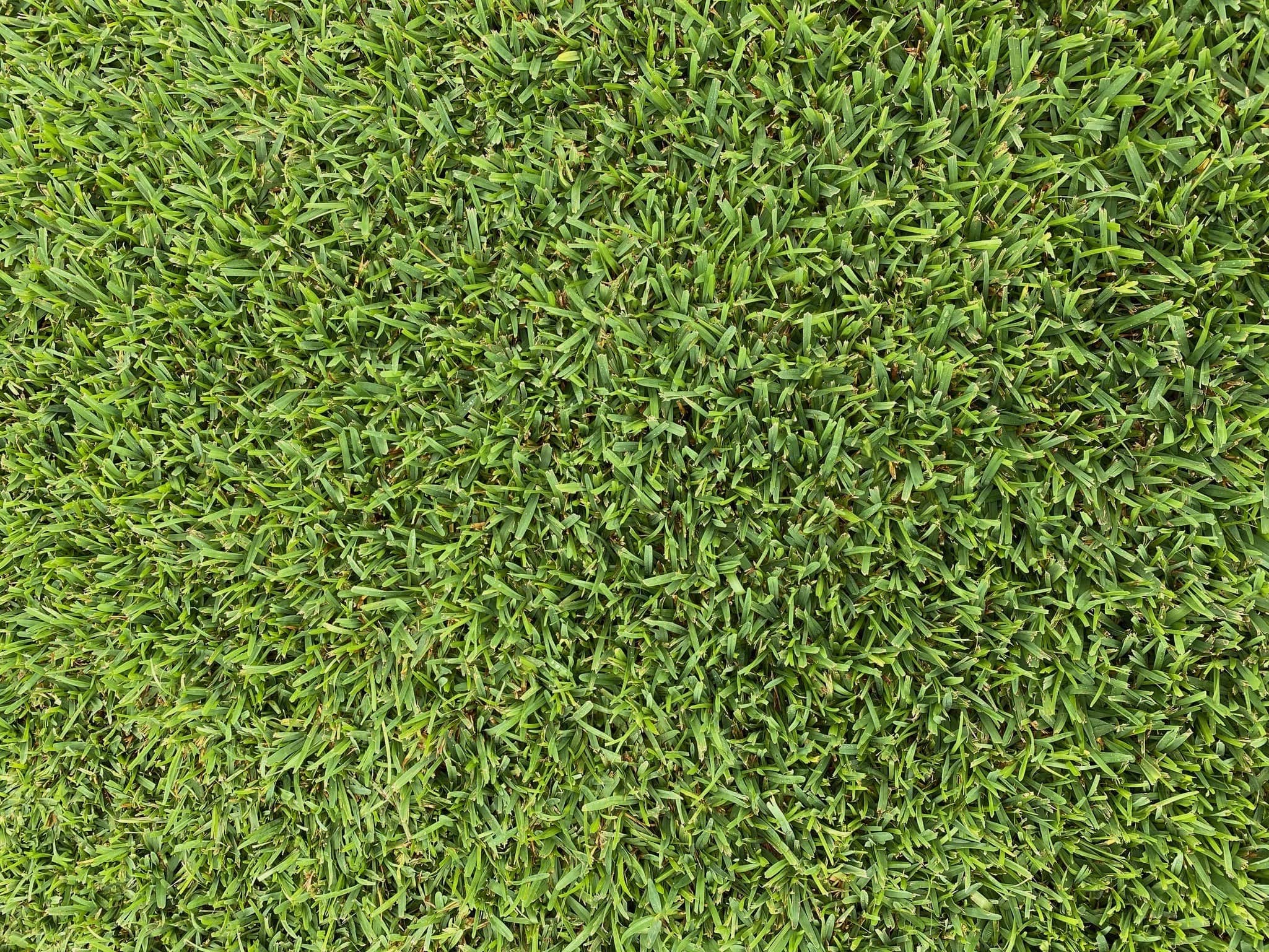
- Lobo® Zoysia - Known for its excellent shade tolerance, cold hardiness and durability. It establishes quickly, requires minimal upkeep and maintains a full, healthy look with less mowing and water than many other turf options.
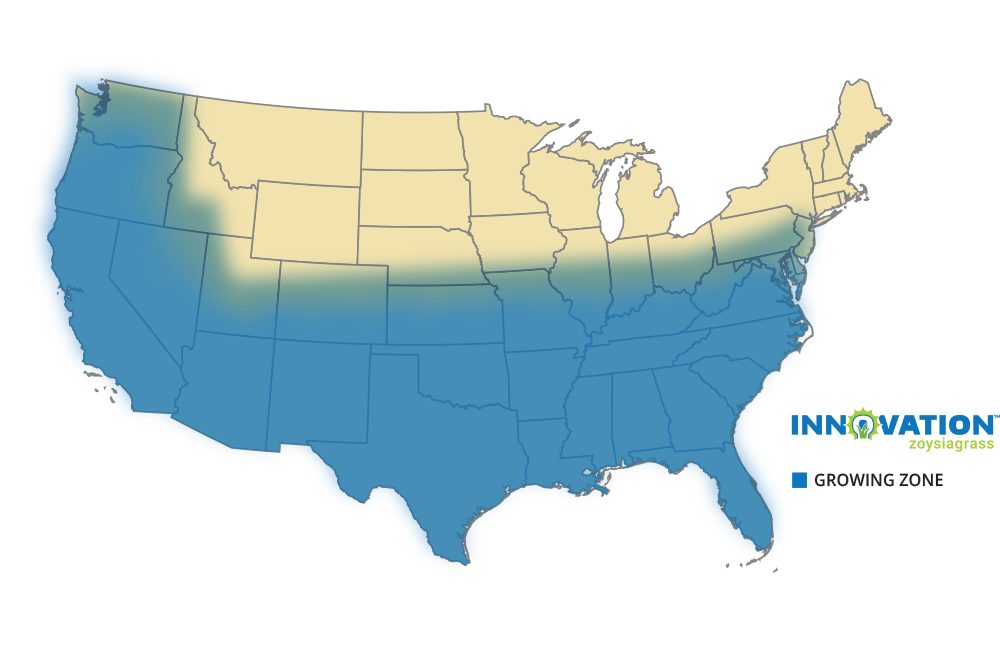
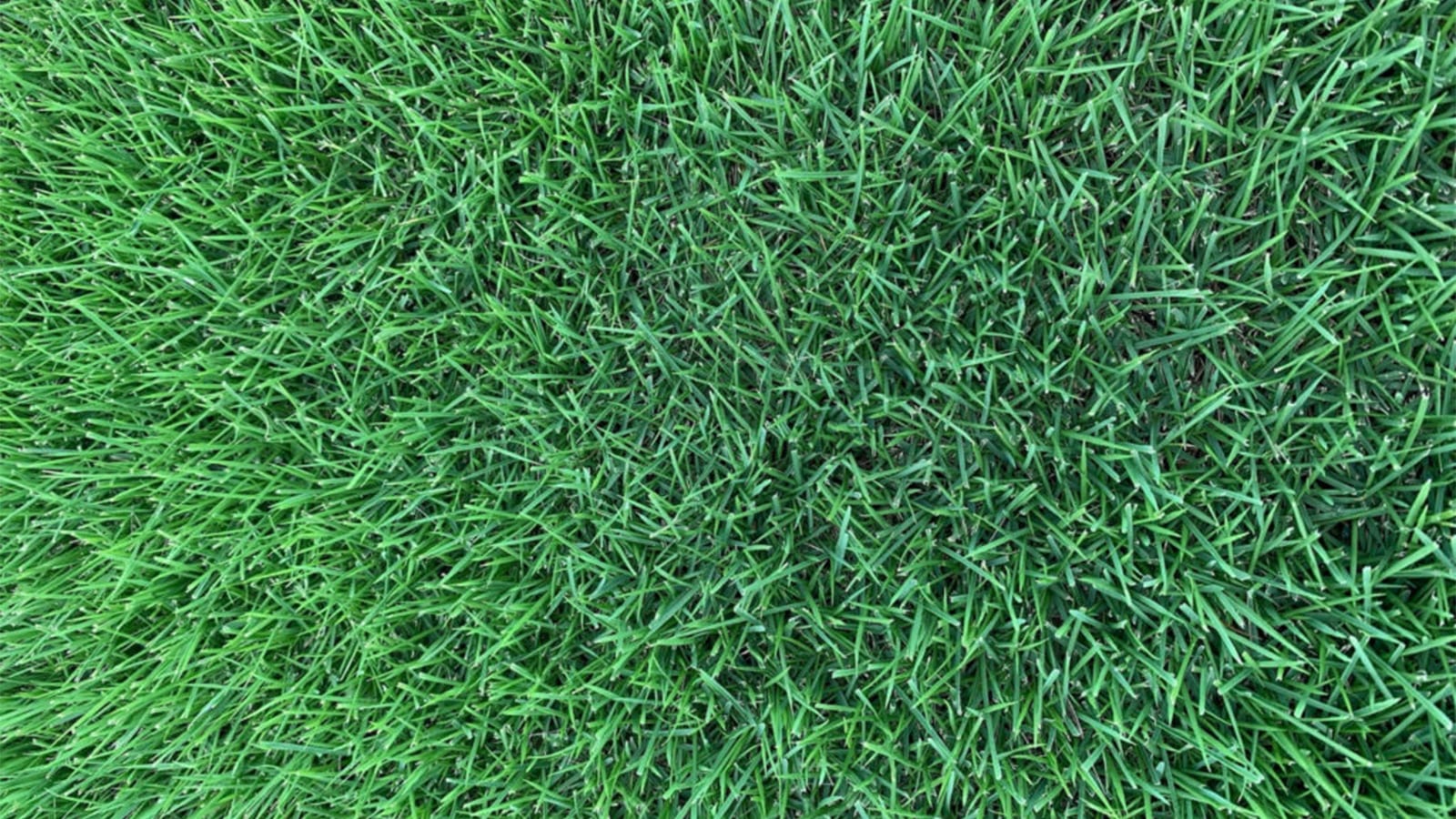
- Innovation® Zoysia – Fine-bladed, dark green, cold-tolerant and shade-tolerant.
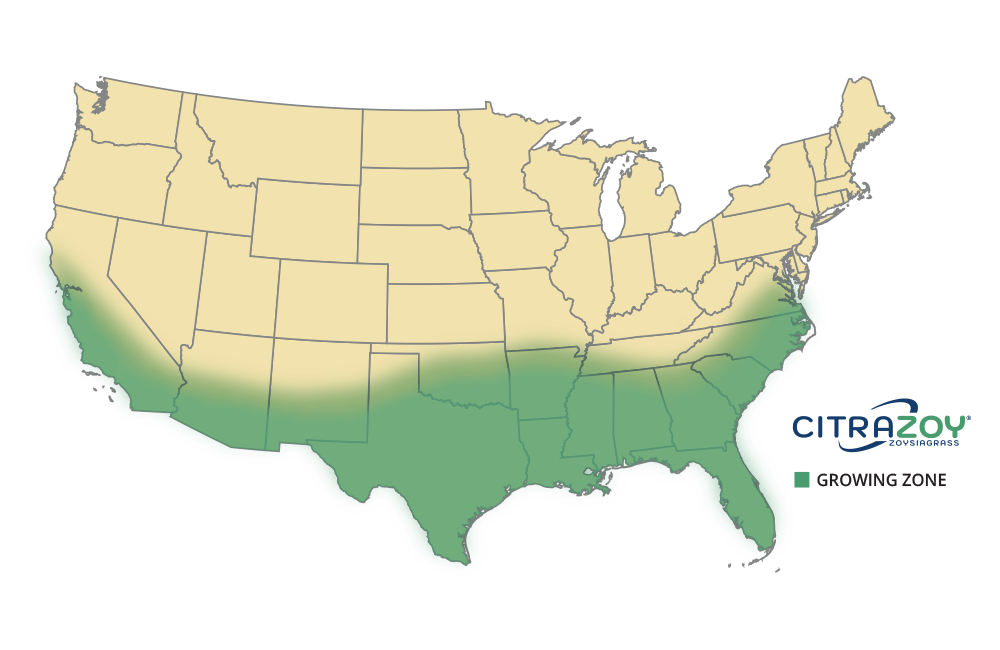
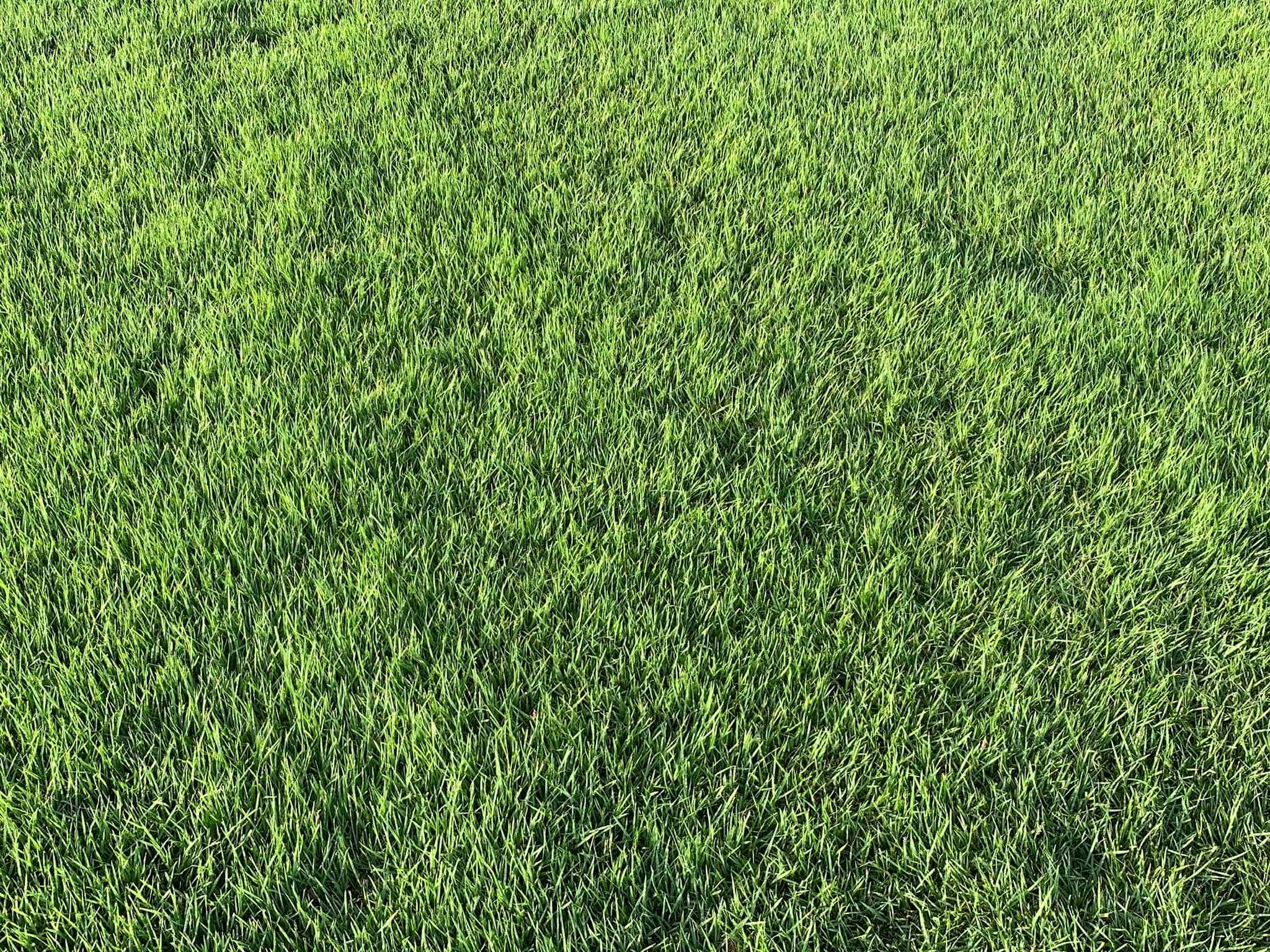
- CitraZoy® Zoysia – Fine-bladed, excellent fall color retention, strong drought and disease resistance.
- Brazos® Zoysia - Coarse-textured with broader blades, and stands out for its ability to stay green longer into the fall and bounce back earlier in the spring. Brazos offers excellent drought tolerance and durability in tough conditions.
Advantages
- Strong drought tolerance.
- Requires less mowing compared to faster-growing grasses.
- Adapts to both sun and partial shade.
- Handles both hot summers and cold winters.
- Thick turf that naturally suppresses weeds.
- Durable and self-repairing under moderate traffic.
- Useful on slopes and erosion-prone areas.
Drawbacks of a Zoysia Lawn
- Slower to establish than some grasses.
- Prone to thatch buildup if not managed.
- Susceptible to zoysia patch disease in certain regions.
- Seasonal dormancy leads to brown color in winter.
- Difficult to grow from seed—sod or plugs are preferred.
How to Lay Zoysia Sod
- Test your soil for pH and nutrients.
- Remove existing grass and weeds.
- Prepare and level the soil.
- Lay sod pieces snugly together.
- Roll sod for good soil contact.
- Water thoroughly and keep moist during establishment.
- Fertilize with a starter program (such as Lawnifi® New Lawn Starter Box).
How to Care for Zoysia Grass
- Mowing: Keep at 0.5–2 inches depending on the variety.
- Watering: About 1 inch per week, including rainfall.
- Fertilizing: Follow a seasonal program suited to your soil test results.
- Weed Control: Apply pre-emergents in spring and fall; spot-treat as needed.
- Pest & Disease Control: Monitor for billbugs and large patch fungus, and treat preventively when appropriate.
Fertilizer Guidance
The best way to choose a fertilizer is to start with a soil test. In general:
- Liquid fertilizers (like Lawnifi’s seasonal boxes) provide targeted nutrients throughout the year.
- Granular fertilizers (such as Lawnifi Foundation 29-0-5) deliver slow-release nitrogen and added iron for steady growth and color.
Pests, Diseases & Weeds
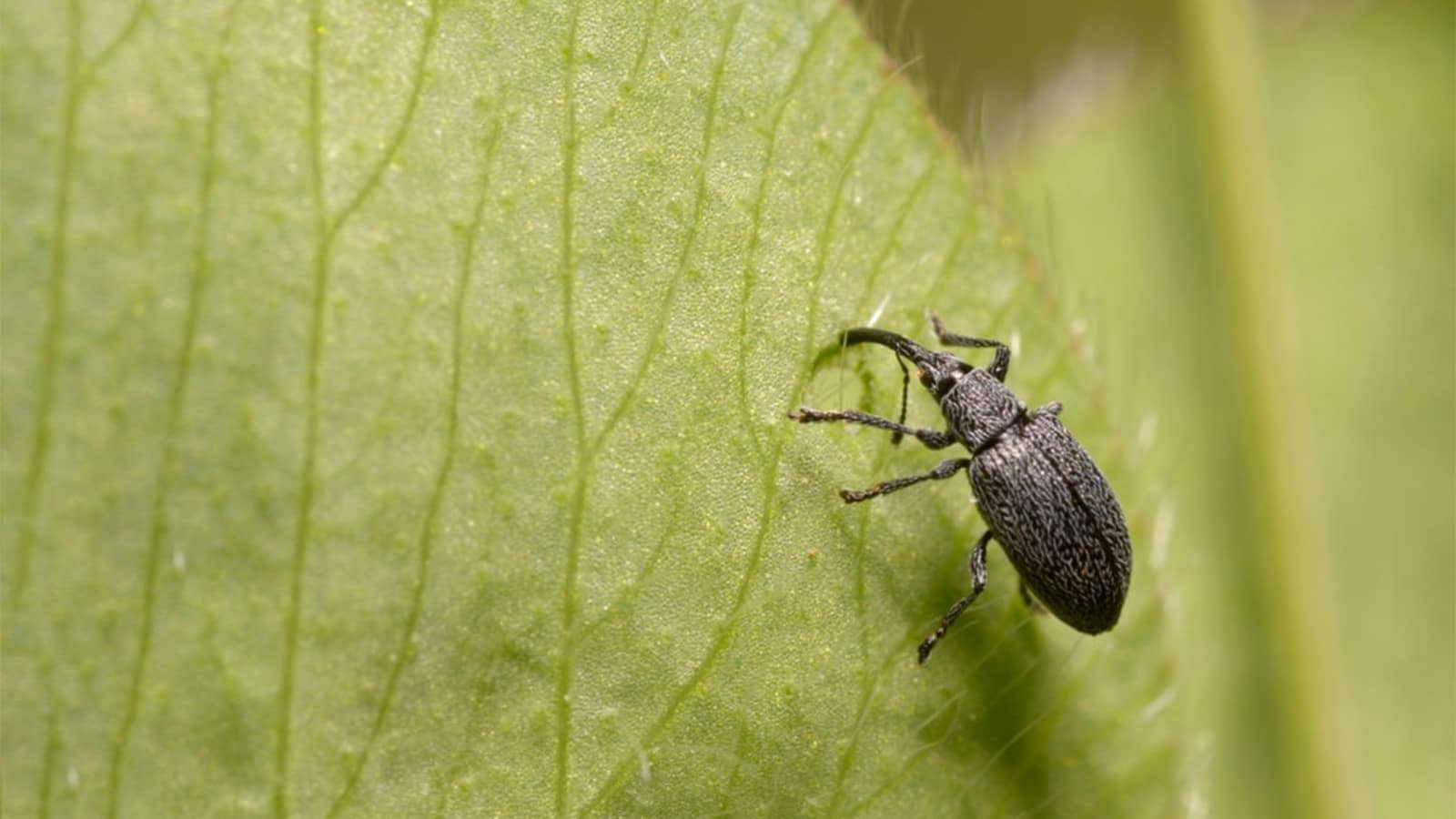
- Pests: Billbugs are the most common issue—damage often resembles drought stress.
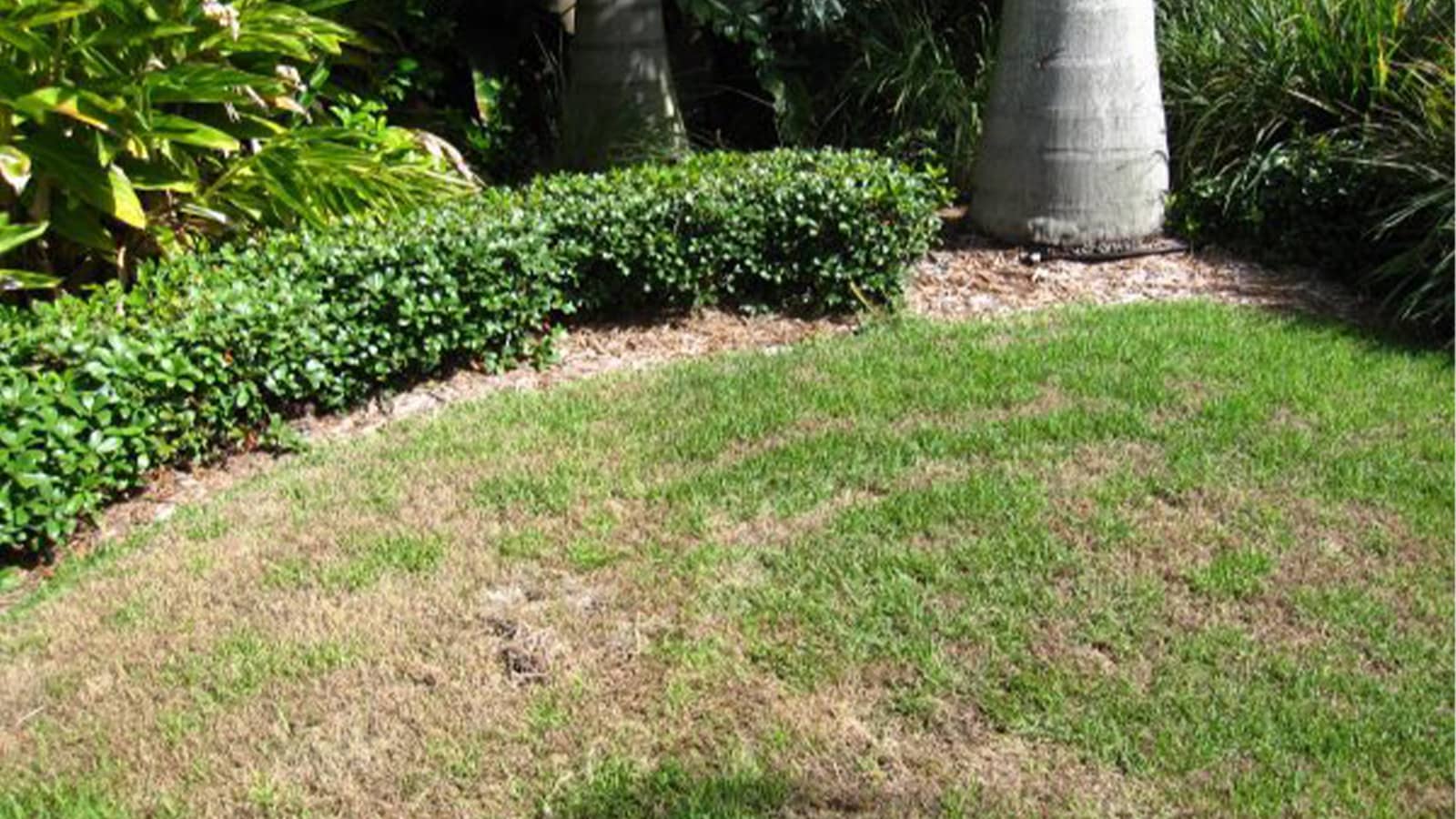
- Diseases: Large patch, rust, leaf spot and pythium root rot can appear in spring and fall.
- Weeds: Clover, dandelion, crabgrass and invasive bermuda are common. Proper identification ensures the right treatment.
Zoysia sod is a strong choice for homeowners who want a lawn that’s attractive, resilient, and relatively low maintenance. While it establishes slowly and requires some care to manage thatch and disease, its ability to thrive in varied conditions makes it one of the most versatile turfgrasses available.