When to Mow Your Lawn in Spring (Warm Season Grass Guide)
As winter dormancy fades, your lawn starts to show signs of life. You’ll notice more green creeping in and blades beginning to grow again. That’s usually when the question comes up: Is it time for the first mow, or should you wait a little longer?
The first mowing of spring plays a big role in how your lawn grows, thickens and competes with weeds all season long. With the right timing and approach, you set your grass up for a strong, healthy start.
Quick Answer: When Should You Mow Your Lawn in Spring?
Here’s the short version:
You should mow when your lawn is actively growing.
The Short Answer:
- Soil temperatures are consistently 50–65 degrees Fahrenheit
- Grass begins growing again
- Hard frost risk is mostly behind you
How to Know When Your Lawn Is Ready to Be Mowed
Early spring weather can be misleading. A few warm days don’t necessarily mean your lawn is ready to be mowed.
Soil Temperature & Air Temperature
Air temperatures rise and fall quickly in spring, but soil temperatures change more slowly. For warm season grasses, soil temperature is a better indicator of when growth has truly started.
Once soil temperatures stay in the 50–65 degrees Fahrenheit range, root activity increases, and the grass can recover properly from mowing. Before that point, growth is limited, and mowing can slow green-up.
Visual Signs of Active Growth
Take a look across your lawn:
- Is most of the turf green rather than dormant brown?
- Are blades getting taller over time?
- Does the lawn look like it actually needs to be cut?
If growth is minimal or uneven, it’s usually best to wait.
Frost Risk and Overnight Lows
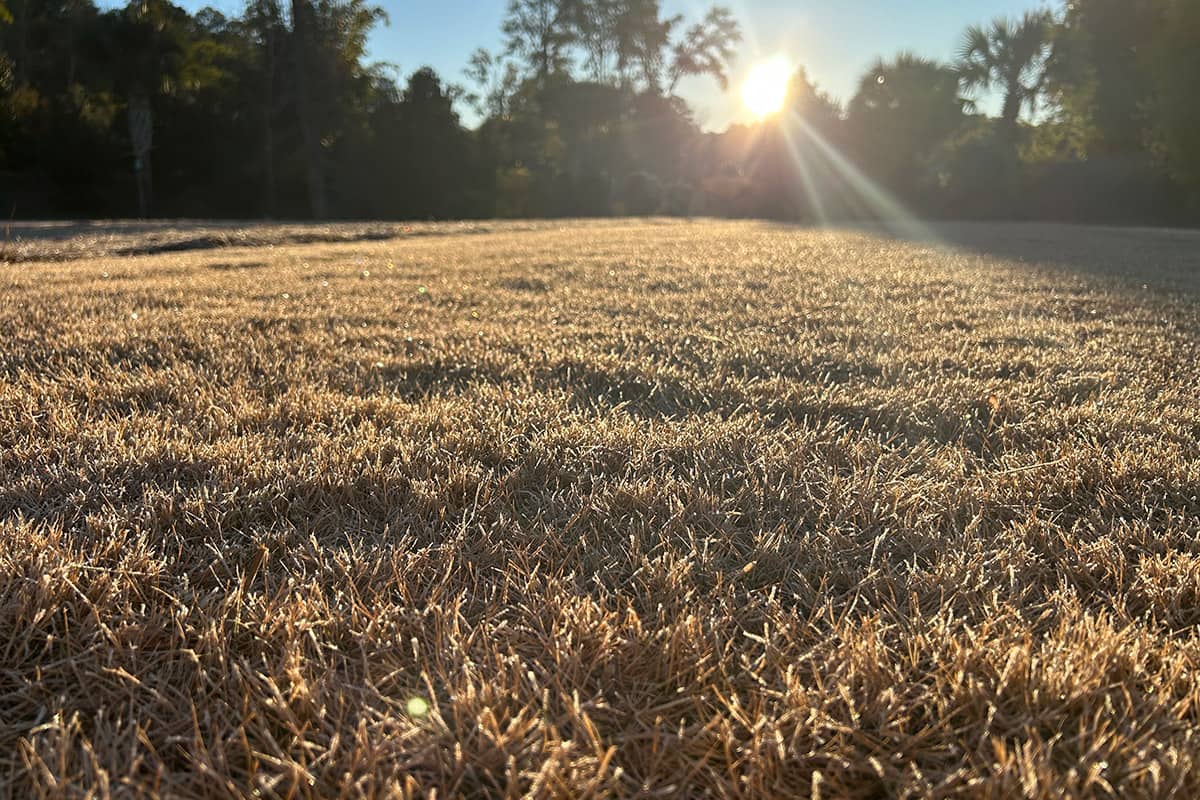
Late frosts can damage tender new growth. If freezing temperatures are still possible overnight, delaying the first mow is the safer choice.
Tools That Help You Decide When to Mow
A few basic tools can help you decide when to mow.
- Soil thermometer or probe to check soil temperature
- Extension service soil temperature maps for regional trends
- Weather apps to monitor frost risk and overnight lows
Checking these before mowing can help avoid unnecessary stress on the lawn.
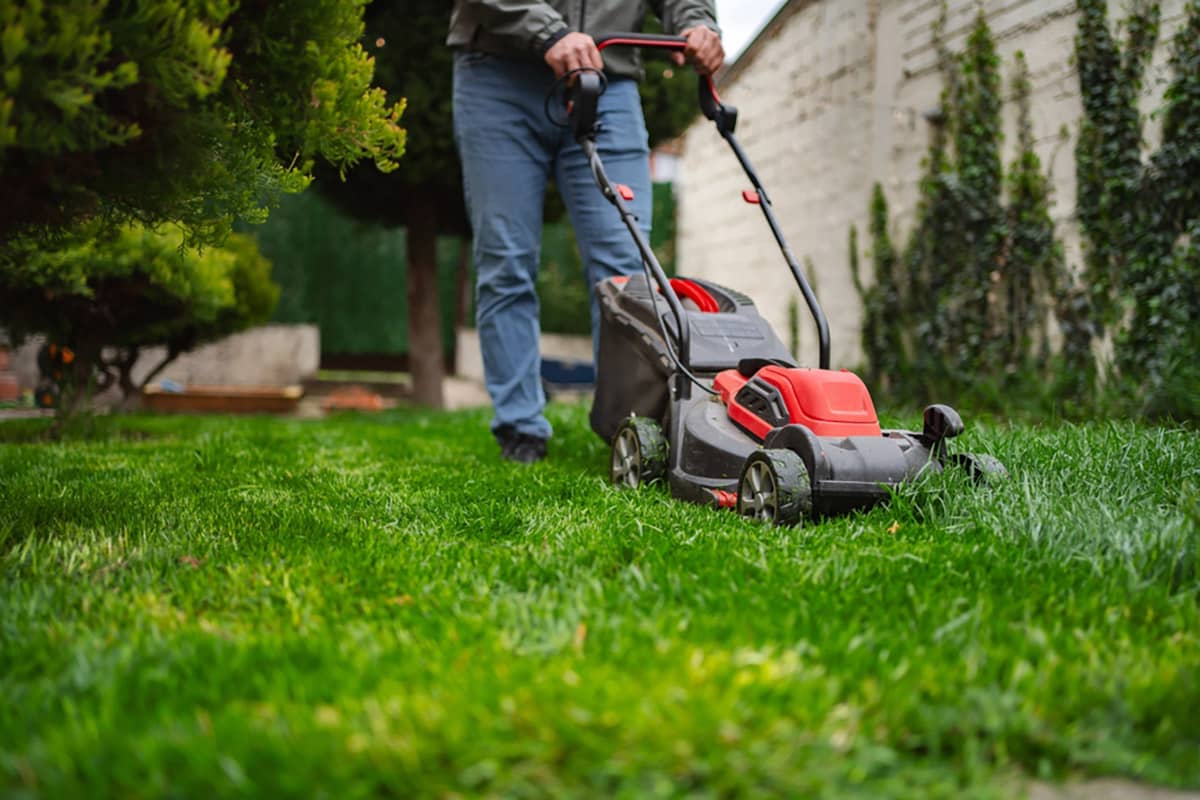
Insert Photo: https://sodsolutions.com/wp-content/uploads/2026/01/When-to-Do-the-First-Mow-of-the-Spring.jpg
Why Spring Lawn Mowing Timing Matters
The first mowing of the season influences how evenly and aggressively your lawn grows in spring.
When done at the right time, it helps:
- Remove dead winter growth and debris
- Reduce matting that can delay green-up
- Encourage lateral growth
- Improve competition against early weeds
Mowing too early or too aggressively can have the opposite effect, leading to slowed growth, scalping and increased weed pressure.
Mower Prep Before Your First Spring Mow
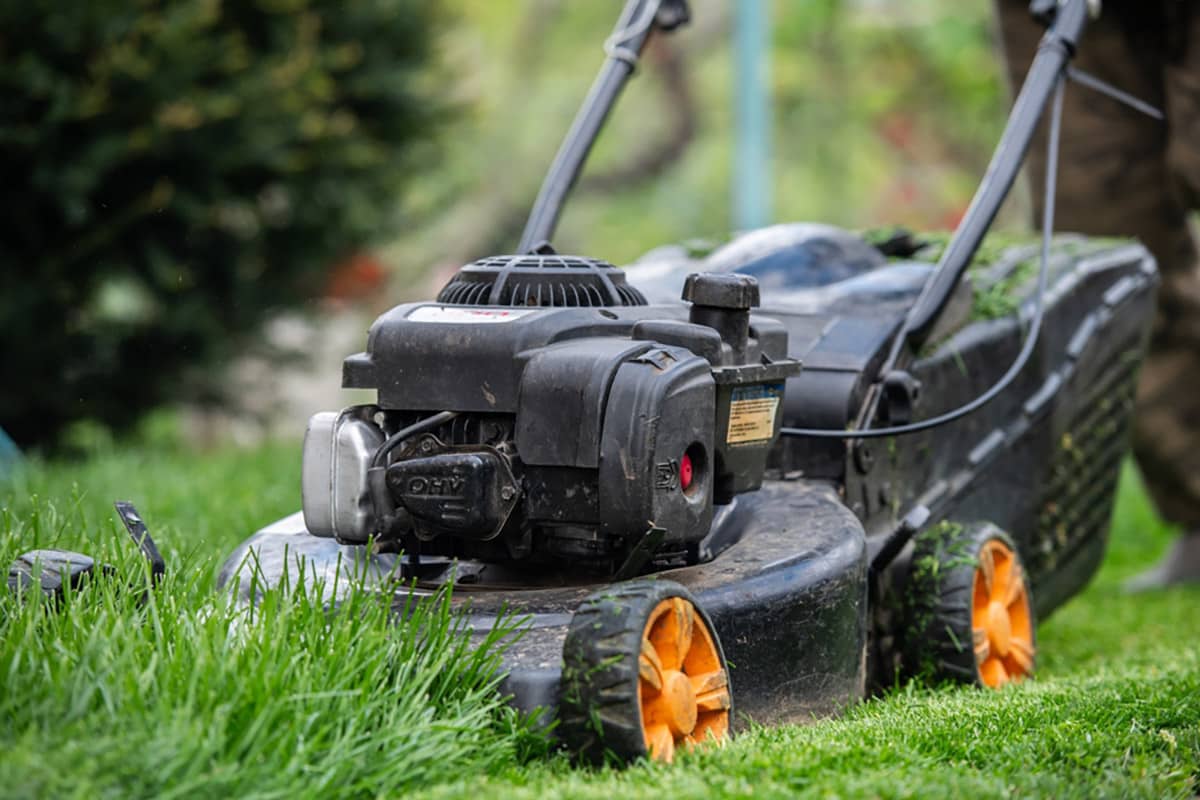
Before mowing, take a few minutes to check that your equipment is in good condition.
Spring Maintenance Checklist
- Sharpen the blade
- Change oil and air filter
- Check belts, deck level and tire pressure
Fuel
- Drain old fuel or confirm it was stabilized during storage
- Use fresh fuel for consistent performance
A well-maintained mower produces cleaner cuts and allows the lawn to recover more quickly.
First Spring Mow Height for Warm Season Grasses
Setting the mower at the correct height is just as important as choosing the right time to mow.
Zoysia
- Fine-bladed: 0.5–1.5 inches
- Coarse-bladed: 1–2 inches
Common cultivars:
- Empire: 1–2 inches
- Innovation: 0.5–1.5 inches
- CitraZoy: 1–2 inches
- Lobo: 1.5–2.5 inches
Bermuda
- Celebration, Latitude 36, NorthBridge: 0.5–1.5 inches
St. Augustine
- Palmetto: 2–2.5 inches
- Cobalt: 2.5–3.5 inches
- Sola: 2–2.5
- CitraBlue: 2–3 inches
Centipede
- Santee: 1.5–2 inches
Bahia
- 2–4 inches
Best Practices for Spring Lawn Mowing
Follow these guidelines during the first mow of the season:
- Do not remove more than ⅓ of the blade height
- Light scalping may be used on bermuda and zoysia to remove dormant growth
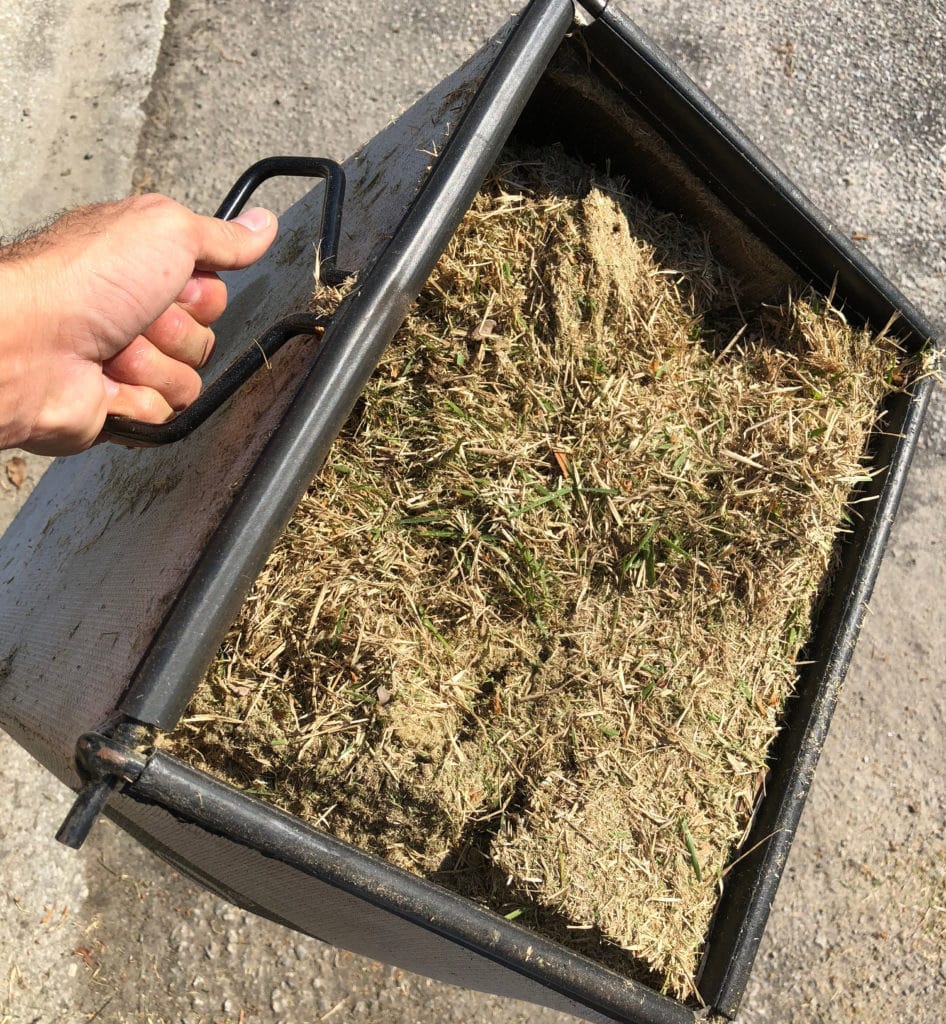
- Bag clippings during the first mow to reduce debris and potential disease
Timing and Conditions
- Mow during early morning or late afternoon
- Avoid mowing when the grass is wet, frosty, or heat-stressed
Spring Lawn Mowing Timing by Region
| Region | Typical Window |
|---|---|
| South Carolina | Late Feb–early March |
| North Carolina | Late March–early April |
| Georgia | Early March |
| Texas (South) | Early February–late March |
| Texas (Central) | Mid–late March |
| Texas (North) | Late Mar–early April |
| California (Southern) | Late February–early March |
| California (Central) | Mid-March–April |
| California (Northern) | April–early May |
| Gulf Coast | Late Feb–early March |
Local conditions such as shade, soil type and proximity to the coast can shift these timelines.
Coastal lawns usually wake up sooner. Shaded areas and north-facing slopes lag behind. Always follow your lawn, not your neighbor’s.
What Happens If You Mow Too Early or Too Late in Spring?
Mowing Too Early
- Increased risk of frost damage
- Slower spring growth
- Higher weed pressure
Mowing Too Late
- Excessive removal of growth
- Uneven green-up
- Added turf stress
Signs You Should Wait
- Soil temperatures below 60 degrees Fahrenheit
- Saturated soil conditions
- Frost still in the forecast
Post-Mow Spring Lawn Care Tips
Fertilization
Apply fertilizer only after the lawn is actively growing.
- Water deeply and infrequently
- Target about 1 inch per week, including rainfall
Watering
- Use a light feeding rate
- Lawnifi Spring Fertilizer Box
Monitoring
Continue to watch for weeds and disease as temperatures rise. Early-season mowing practices can influence weed pressure later in spring.
Notes:
- soil temperatures hit 60-65°F consistently at 4 inches deep, and air temperatures exceed 65°F
- Avoid mowing wet or frosty grass to prevent compaction and tearing; ensure dry conditions post any winter rains.
- Sharpen blades if you haven’t already
- Set mower height depending on grass type remove no more than one-third of blade length, and bag clippings to clear winter debris or disease. Mow in early morning or late afternoon to minimize stress.
- Bermuda and zoysia gets scalped
- South Carolina (SC): Late February to early March, especially coastal areas
- North Carolina (NC): Northern NC (transition zone) mid-March to early April; southern NC early to mid-March for warm-season types
- Georgia: Early to mid-March statewide, with coastal/southern areas starting late February as soils warm.
- Gulf Coast (FL, AL, MS, LA): Early to mid-March, sometimes late February in southern FL or coastal zones where frosts are rare.
Texas Variations
North Texas: Mid-April to early May
Central Texas: Early to mid-April
South Texas: Early to mid-March
California
Southern CA (warm-season grasses like bermuda): Early to mid-March; cooler northern/coastal areas delay to mid-April or later based on microclimates.