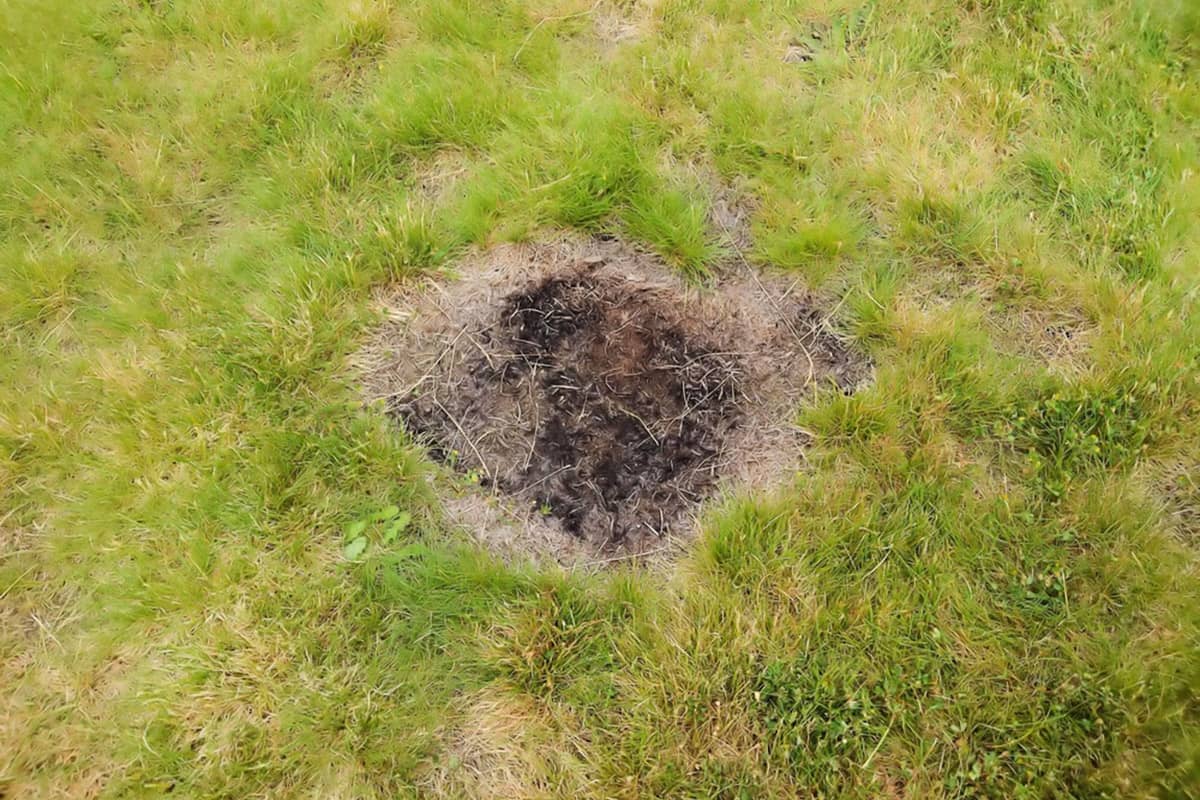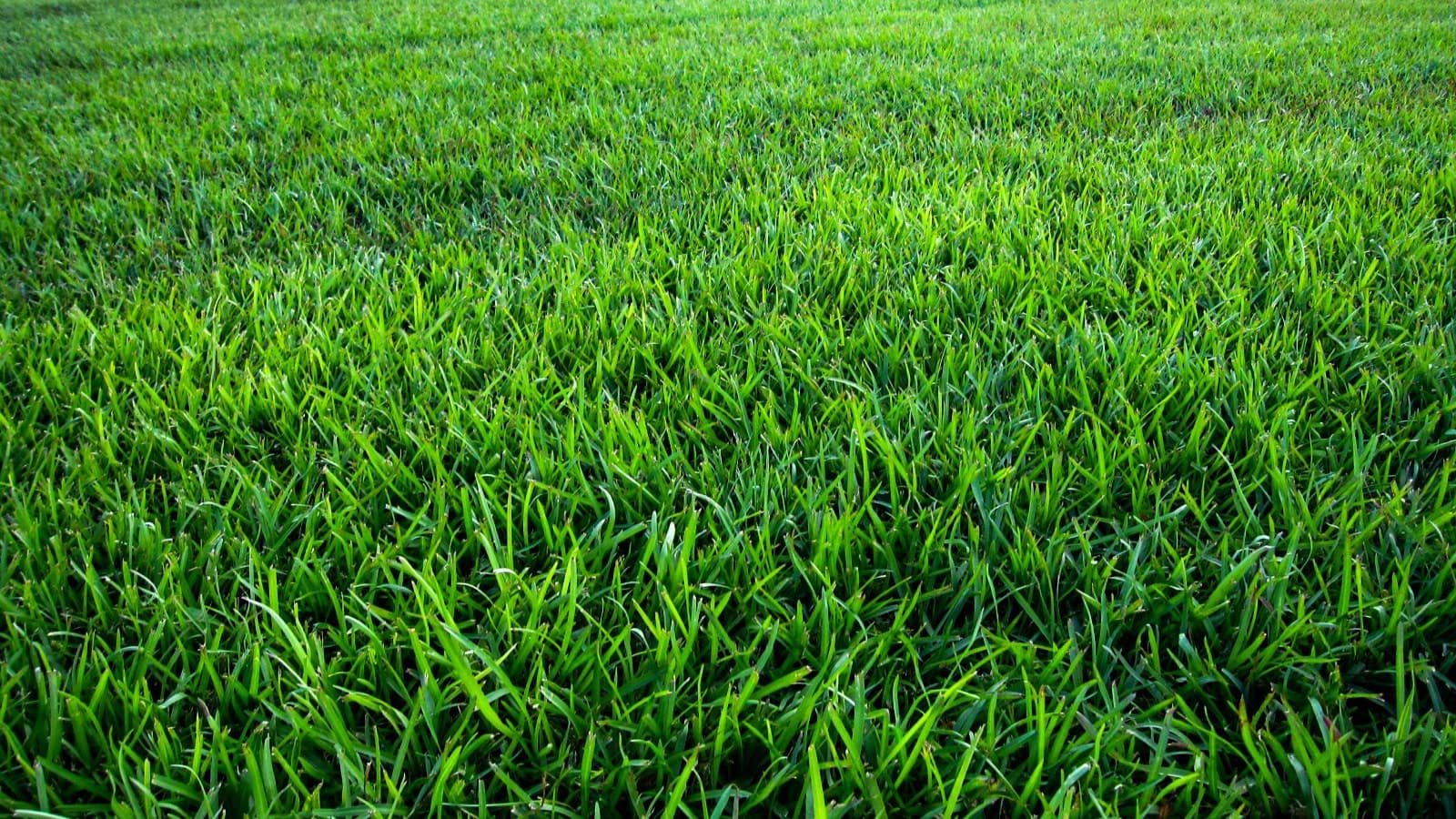
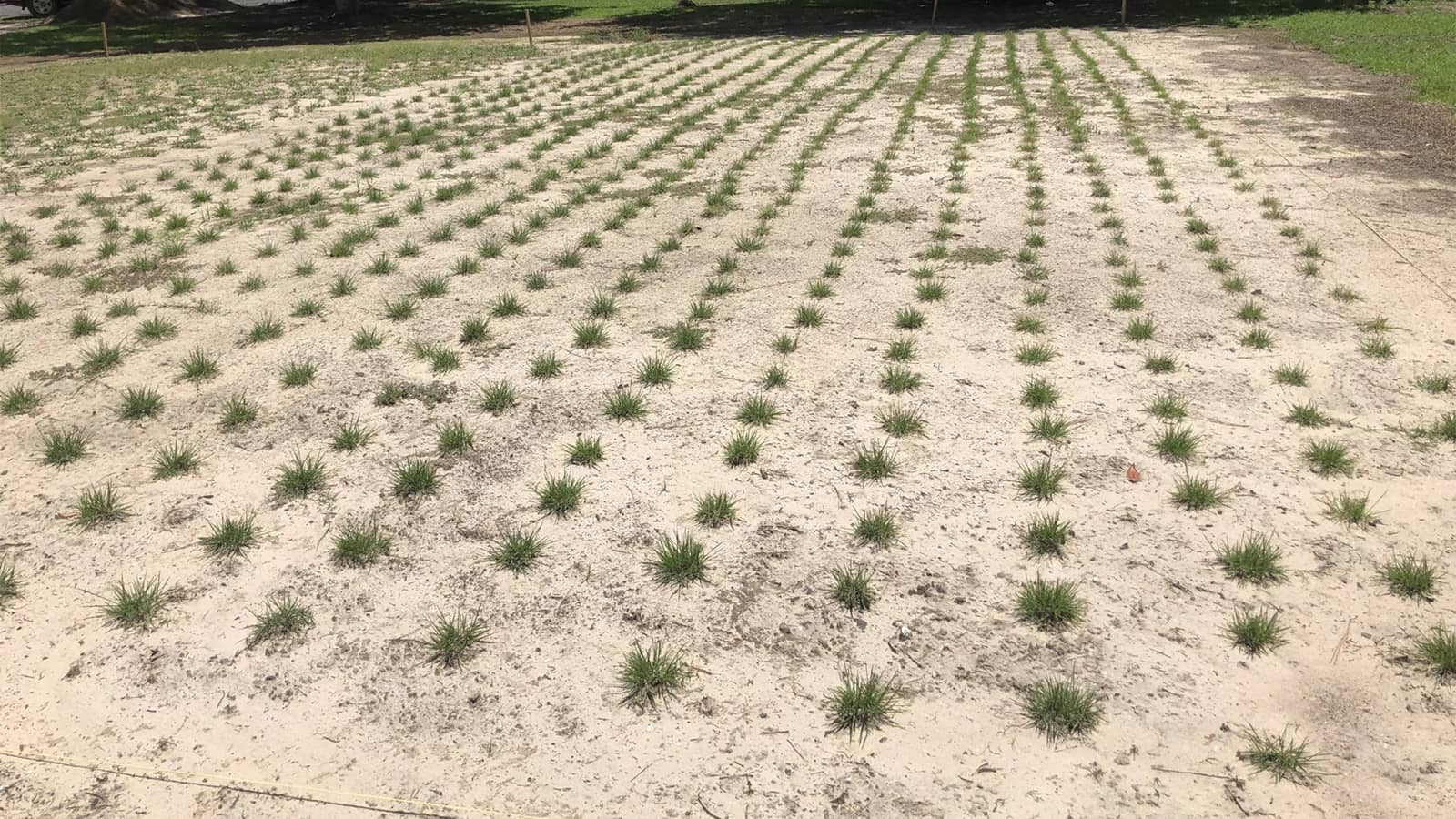
Grass plugs are an increasingly popular solution for filling in bare or damaged lawn spots and are a cost-effective alternative to installing sod. But when is the best time to plant them? The answer depends on your region, climate, and the season.
This guide breaks down the best planting times by season, along with expert tips for ensuring your grass plugs thrive year-round.
The Best Time to Plant Grass Plugs
Key Takeaways
- Best Time to Plant: Spring is ideal for grass plugs due to moderate temperatures and an extended growing period before dormancy.
- Seasonal Challenges: Summer planting requires frequent watering to combat heat, while fall and winter come with slower growth or dormancy.
- Regional Factors: Warmer climates, like Florida, allow for year-round planting, but cooler regions have more limited windows.
General Tips for Planting Grass Plugs
- Watering: Keep soil moist 3–4 inches below the surface during establishment. Avoid overwatering, especially in shaded areas, to prevent disease.
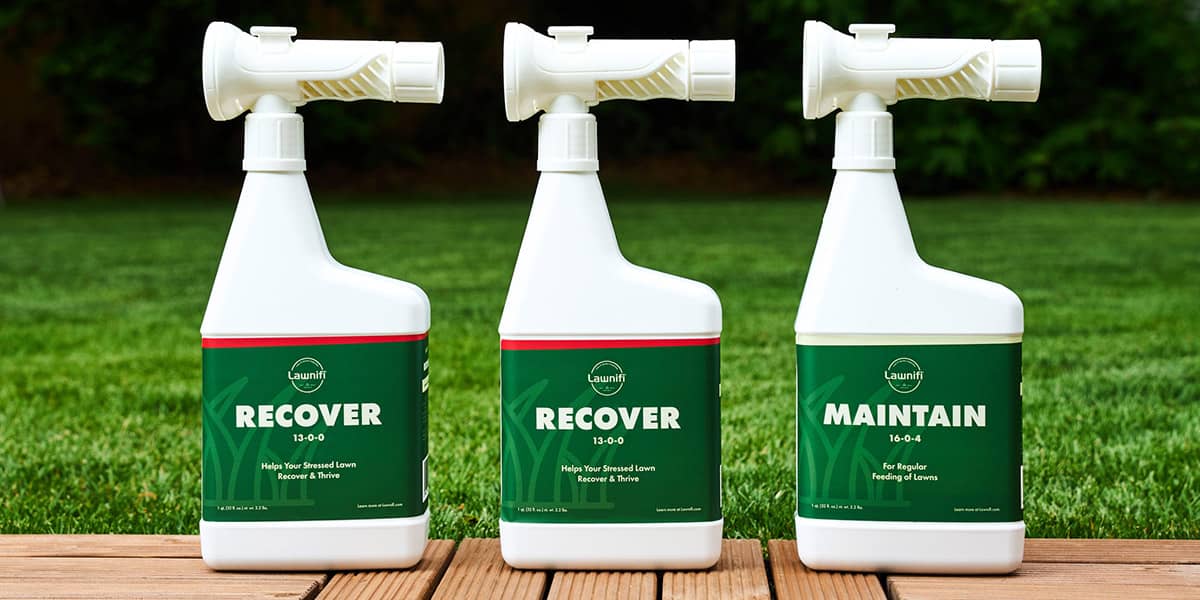
- Fertilization: Use a starter fertilizer like the Lawnifi® New Lawn Starter Box to promote strong root growth.
- Tools: Simplify installation with the 1-inch Auger Bit and use Soil Moist Granules to store water for extended hydration.
Spring - The Best Time to Plant Grass Plugs
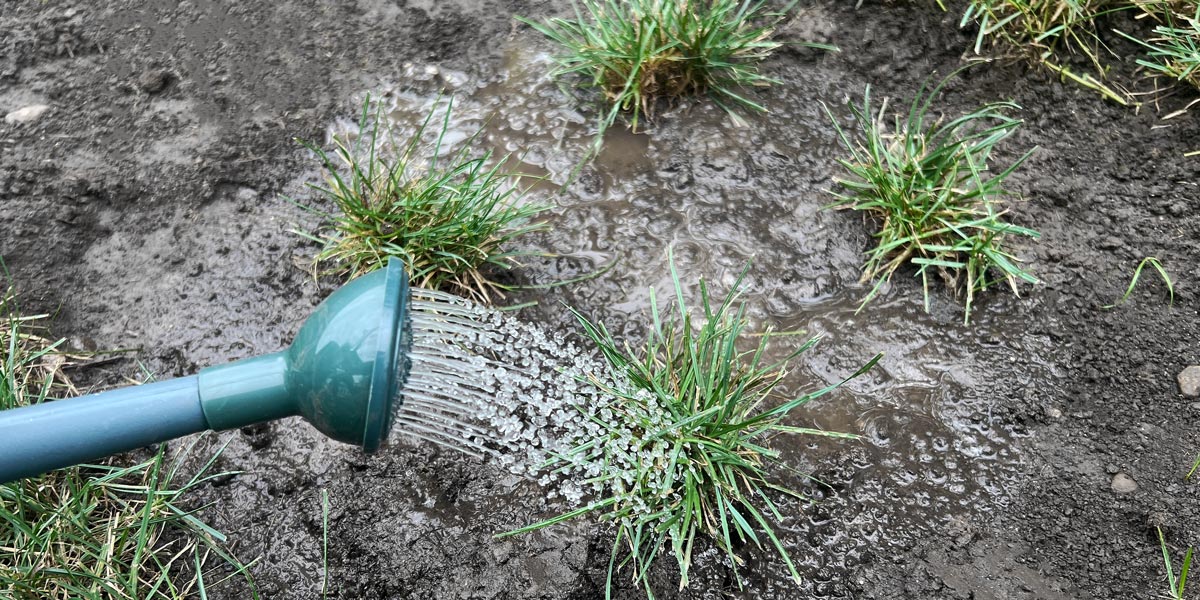
Spring offers the perfect combination of moderate temperatures and an extended growing season for grass plugs to establish before summer heat or winter dormancy.
Why Spring Works
- Warm-season grasses thrive with the longer growing period.
- Weed control is easier with pre-emergent or selective post-emergent herbicides.
Key Tips for Spring Planting
- Wait until the last frost has passed to avoid damage.
- Keep plugs extra moist, especially on unexpectedly warm days.
- Water shaded spots less frequently to reduce the risk of fungus.
- Use a fertilizer like the Lawnifi® New Lawn Starter Box for healthy root development.
Recommended Products for Spring Success
- Lawnifi® New Lawn Starter Box to promote rapid root growth.
- 1-inch Auger Bit for efficient plug installation.
- Soil Moist Granules to reduce watering frequency.
Summer: A Challenging Season for Grass Plugs
While grass plugs can be planted in summer, the extreme heat makes it one of the least ideal times. Frequent watering and careful monitoring are essential.
Why Summer Is Difficult
- High temperatures increase evaporation and drought stress.
- Overwatering can lead to fungal diseases.
Key Tips for Summer Planting
- Use a starter fertilizer for better establishment despite harsh conditions.
- Water deeply 2–3 times daily to keep the soil moist.
- Focus on early morning and late afternoon watering to reduce heat stress.
- Avoid overwatering shaded areas to prevent disease.
Fall - A Limited Window for Planting Grass Plugs
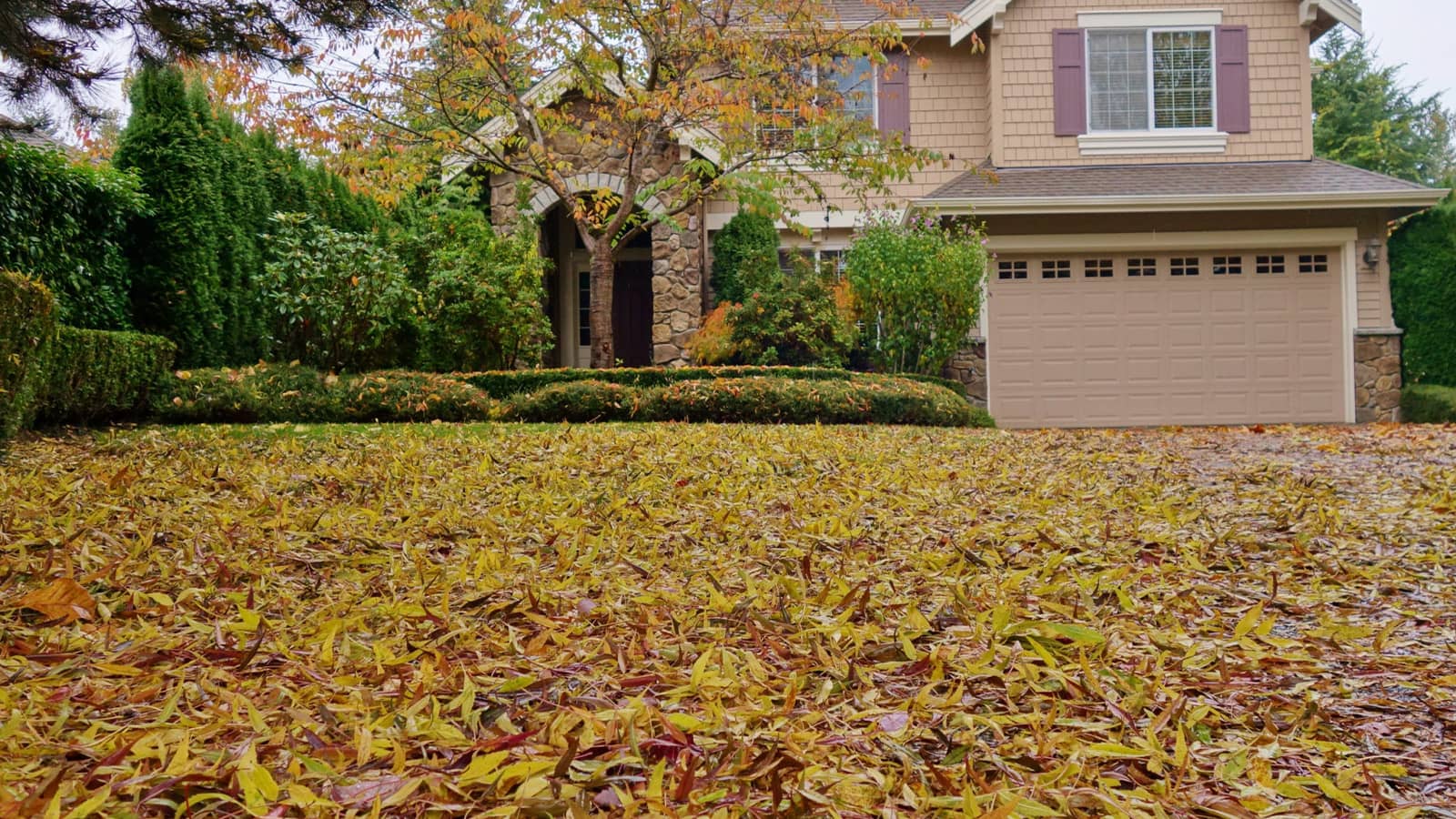
Early to mid-fall offers an opportunity to plant grass plugs before winter dormancy sets in. However, the plugs won’t spread until the following spring.
Why Fall Works (or Doesn’t)
- Cooler temperatures reduce heat stress, but growth slows as dormancy approaches.
- Weed pressure can increase as grass growth slows.
Key Tips for Fall Planting
- Monitor for winter weeds and treat with appropriate herbicides.
- Water consistently to keep soil moist 3 inches below the surface.
- Apply a fertilizer like the Lawnifi® New Lawn Starter Box to support root growth.
Winter: Dormant Doesn’t Mean Dead
In warm southern climates, you can plant grass plugs during winter. While the grass stays dormant, proper care helps it thrive come spring.
Why Winter Planting Is Possible
Warm season grasses enter dormancy, like hibernation. Though they may look brown, roots keep establishing beneath the soil.
Key Tips for Winter Planting
- Keep roots moist to prevent drying from cold, dry winds.
- Don’t expect green-up until spring warmth returns.
- Skip fertilizing now—dormant grass won’t use it. Instead, consider Lawnifi’s New Lawn Starter Box to support root health through dormancy.
Regional Considerations
The best time to plant grass plugs depends on your region:
- Southeast (e.g., Florida, Georgia): Plant year-round due to mild winters.
- Southwest (e.g., Texas, Arizona): Focus on spring and early fall.
- Northeast and Midwest: Limit planting to late spring and early summer
FAQs About Grass Plugs
- How long do grass plugs take to grow?
Grass plugs require about 30 days to establish roots and begin spreading. - Can I plant grass plugs in rainy conditions?
Yes, but ensure the soil isn’t waterlogged to avoid root rot. - What’s the difference between grass plugs and sod?
Grass plugs are a cost-effective alternative that allows for gradual lawn growth, while sod provides an instant lawn.
Spring is the best time to plant grass plugs for most homeowners, but with proper care and preparation, grass plugs can be planted during other seasons. Whether you’re repairing bare spots or starting fresh, Sod Home has the tools, products, and resources you need for success.