If you have noticed small tunnels appearing near the surface of your soil, or your lawn begins to feel spongy, you may be noticing symptoms of mole crickets. These destructive pests live underground, digging through soil and feeding on turfgrass roots and shoots—causing serious lawn damage if left untreated.
In this guide, we’ll cover what mole crickets are, how to identify their presence, and the best ways to get rid of them while keeping your lawn healthy long-term.
✅ Quick Answer
The best active ingredients for controlling mole crickets include bifenthrin and imidacloprid, which are effective in targeting both nymph and adult stages. Imidacloprid provides season-long protection for long-lasting control, while bifenthrin offers quick knockdown of adults when combined.
What Are Mole Crickets (and Why Are They a Problem)?
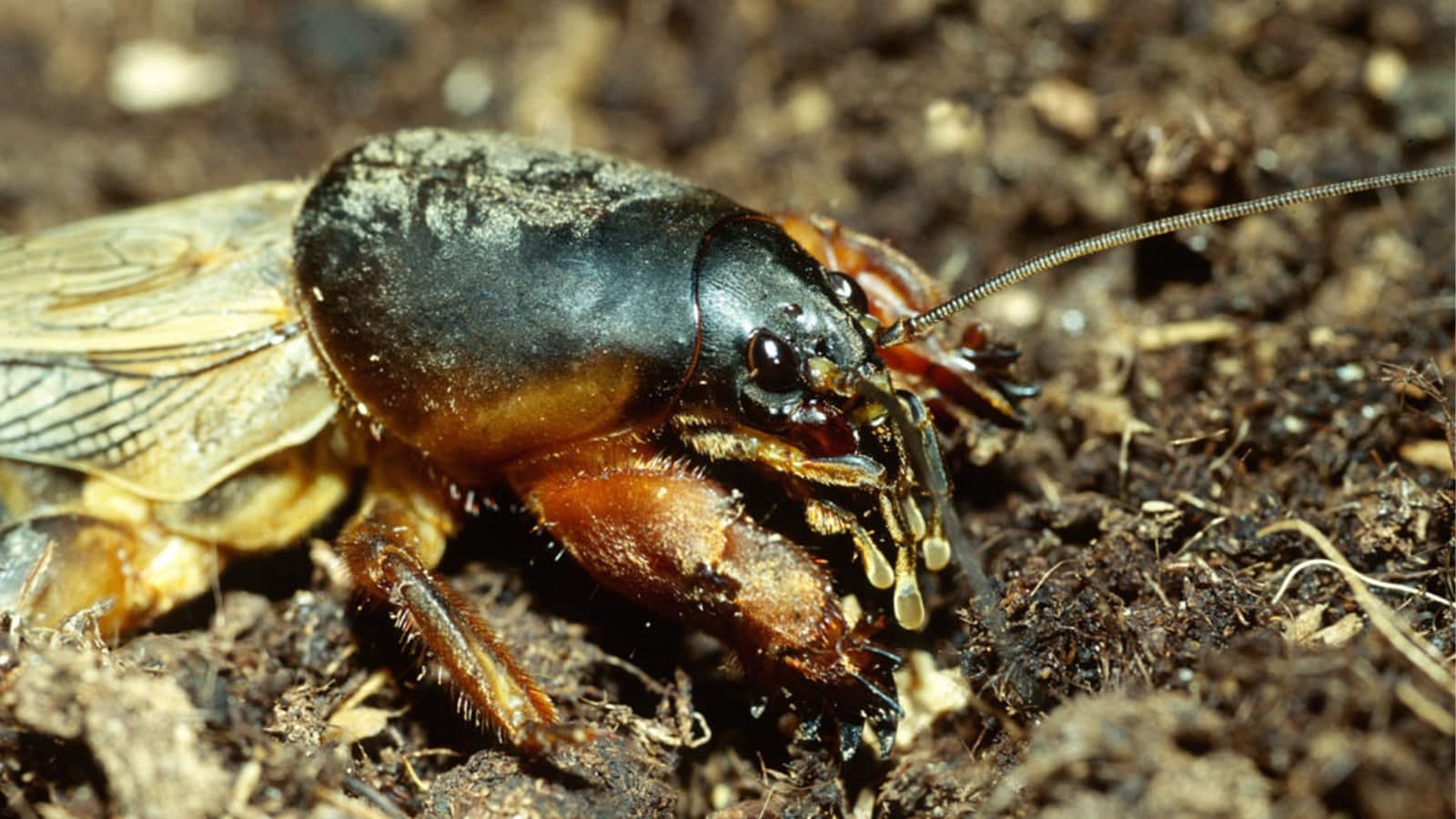
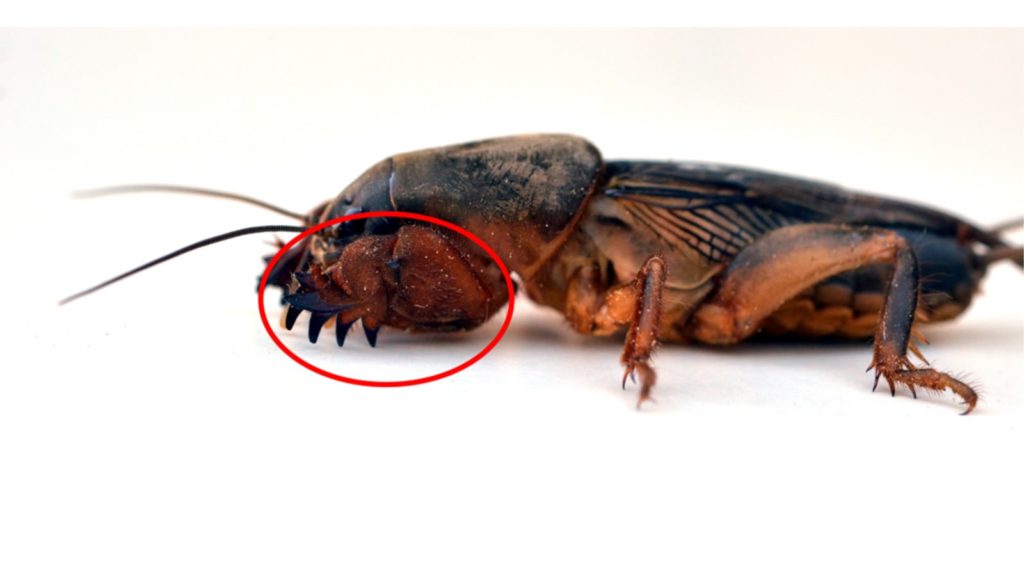
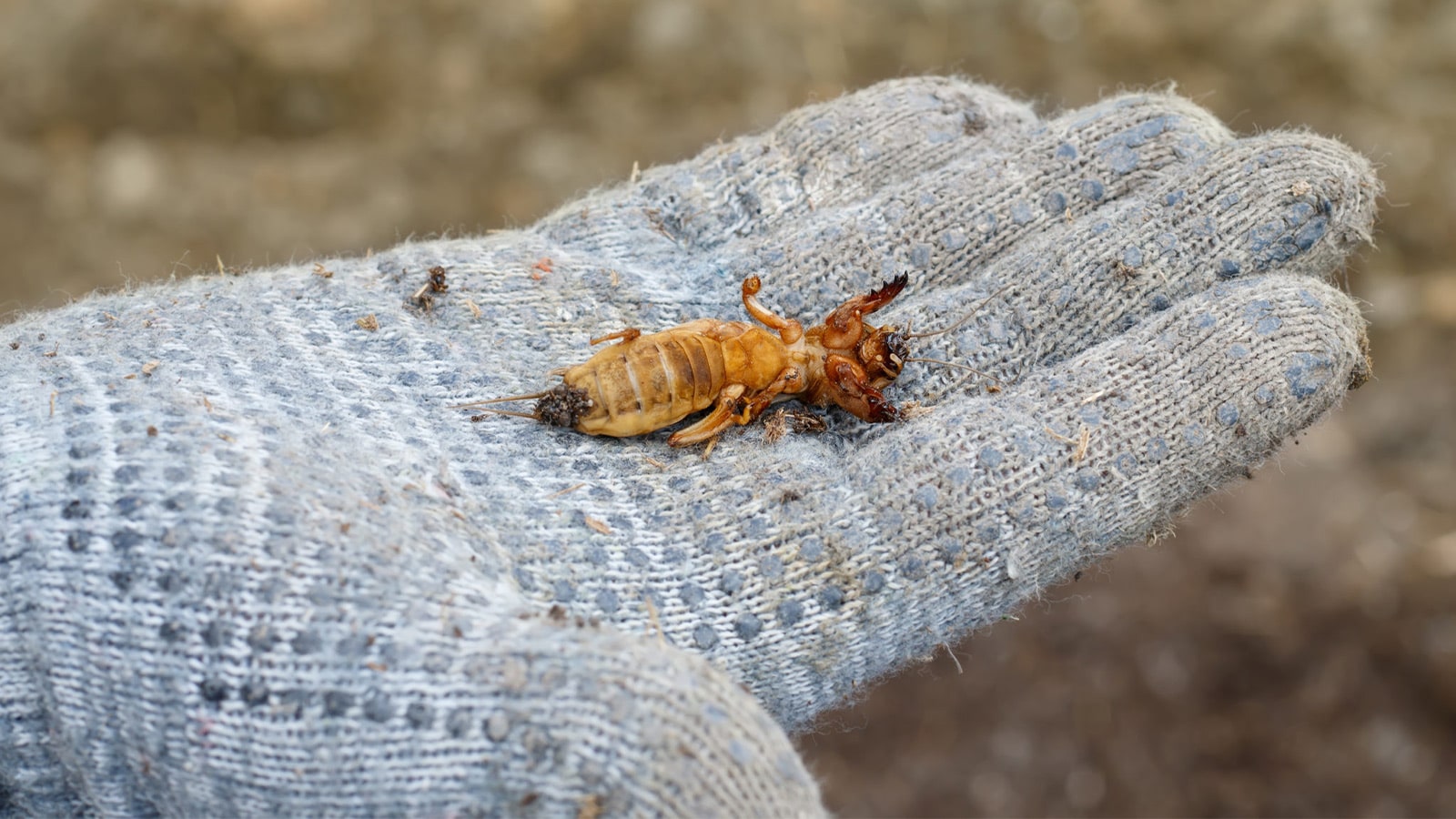
Mole crickets are turfgrass pests found throughout the southern United States. Mature adults are about 1–2 inches long, ranging in color from tan to dark brown and have large digging claws on their front legs.
Here’s why they’re a big deal for lawns:
- They tunnel just below the soil surface, loosening roots and pushing up soil.
- They feed on turfgrass shoots and roots, weakening or killing grass.
- Their activity peaks from late August to October, but early damage can start in spring.
👉 Bottom line: Mole crickets don’t just disrupt your soil—they kill grass by cutting it off from nutrients and stability.
How to Tell If You Have Mole Crickets
Because mole crickets live underground, spotting them directly isn’t always easy. Look for these telltale signs:
- Raised tunnels near the soil surface
- Thinning or brown patches of grass that don’t recover with water
- Spongy or loose grass when walked on
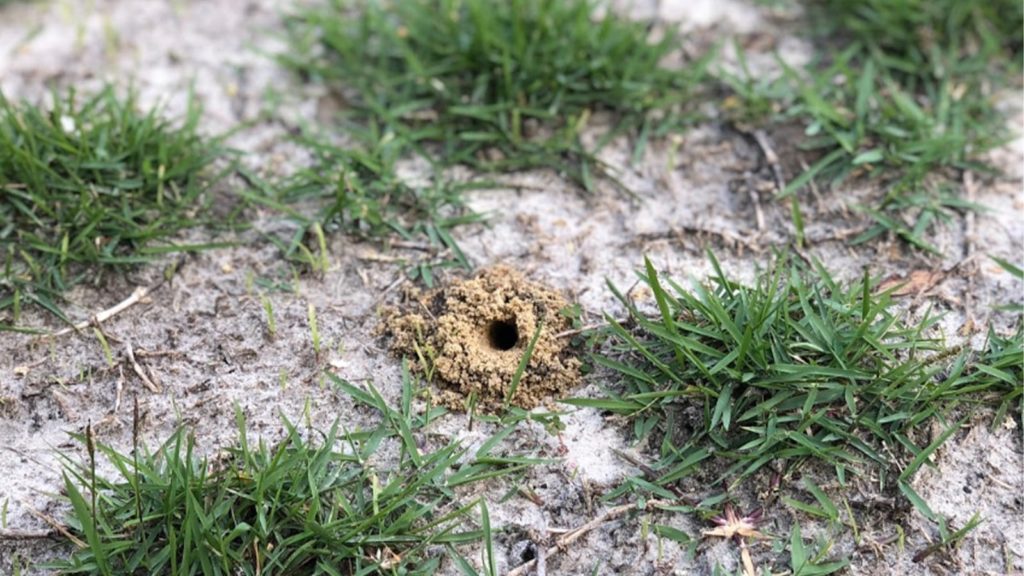
- Soil mounds with openings during spring (egg-laying season)
Soap Flush Test
The most reliable way to confirm mole crickets is with a soap flush test:
- Within minutes, mole crickets (both nymphs and adults) will surface if present.
- Mix 1–2 oz of dish soap into 1 gallon of water.
- Pour the solution over the suspected area.
Mole Cricket Life Cycle & Seasonal Activity
- Spring: Mating season; adults create soil mounds and lay eggs.
- Summer: Nymphs hatch and begin tunneling and feeding.
- Late Summer–Fall: Peak feeding and lawn damage.
- Winter: Mole crickets burrow deeper into soil to hibernate.
👉 Fall is the best time to treat mole crickets before they retreat underground.
Best Ways to Get Rid of Mole Crickets
1. Natural Control Methods
- Beneficial Nematodes – Parasitic worms that attack mole crickets.
- Most effective in late summer and fall.
- Must be applied soon after purchase while they’re still alive.
- Work best on young nymphs and adults close to the soil surface.
2. Chemical Treatments
If your lawn has severe damage, insecticides may be necessary. Mole crickets live beneath the soil, so treatments must penetrate deep enough to reach them.
Recommended Products for Mole Cricket Control:
💡 Tip: Apply insecticides in late summer through early fall when mole crickets are most active near the soil surface.
Lawn Recovery & Prevention Tips
While fertilizers won’t eliminate mole crickets, they’ll help your lawn recover faster and withstand pest stress.
- Fertilize Regularly – Use a fertility program like Lawnifi® to deliver nutrients seasonally.
- Aerate and Dethatch – Improves soil health and resilience.
- Mow and Water Properly – Don’t scalp grass or overwater.
- Inspect Regularly – Perform soap flush tests in spring and fall.
👉 A strong lawn is your best defense against mole crickets (and other pests).
To learn more about the variety of insects and pests that could be infesting your lawn, check out our Insect Identification blog.
Mole Cricket Frequently Asked Questions
1–2 inches long, tan to brown, with large digging claws on their front legs.
Late summer to fall (August–October).
They tunnel underground, pushing up soil and feeding on grass roots and shoots.
Bifen XTS insecticides applied in late summer or fall.
Yes—beneficial nematodes can reduce populations, especially if applied during warm months.
Yes, if roots aren’t completely destroyed. Fertilization and proper care can encourage regrowth.
Apply insect control such as bifenthrin or imidacloprid—bifenthrin for a fast approach and imidacloprid for longer term control.
Mole crickets feed mainly on turfgrass roots and shoots, and their constant tunneling underground also damages the soil structure, making grass weak, spongy and prone to dying out in patches.