
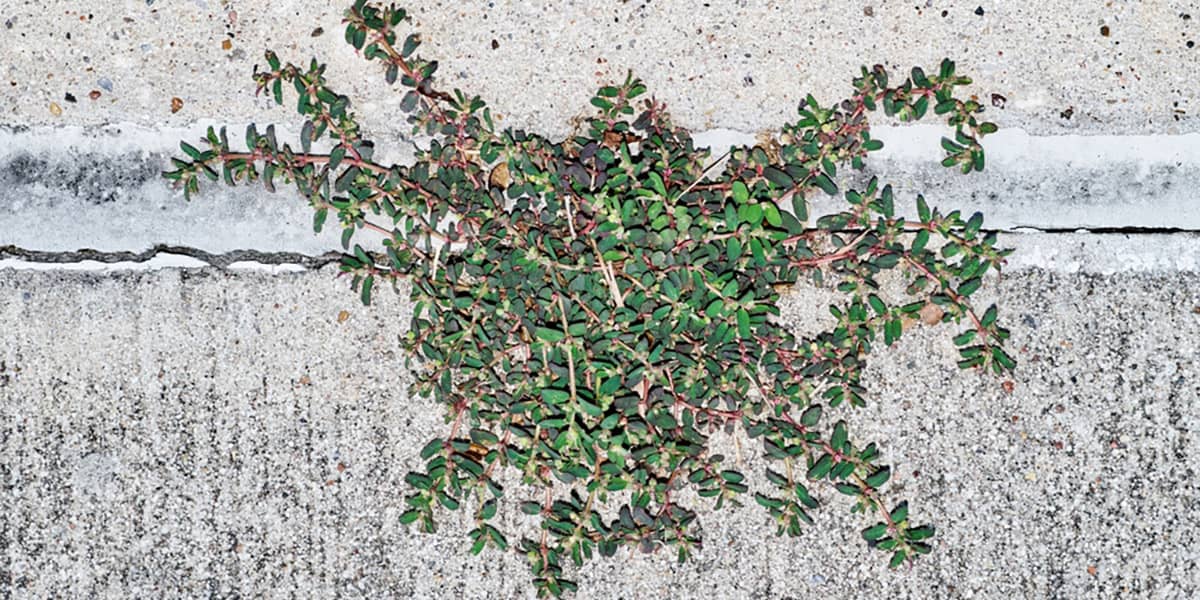
Spurge is among the most common and troublesome weeds in lawns across the United States. Its ability to quickly spread and thrive in warm, thin turf areas makes it a persistent foe for many homeowners.
Recognizing and controlling spurge early is essential to prevent this invasive weed from overtaking your lawn. This guide provides detailed insights into spurge’s appearance, growth habits and lifecycle to help homeowners accurately identify and manage this resilient weed.
What does spurge look like?
Prostrate Growth Habit
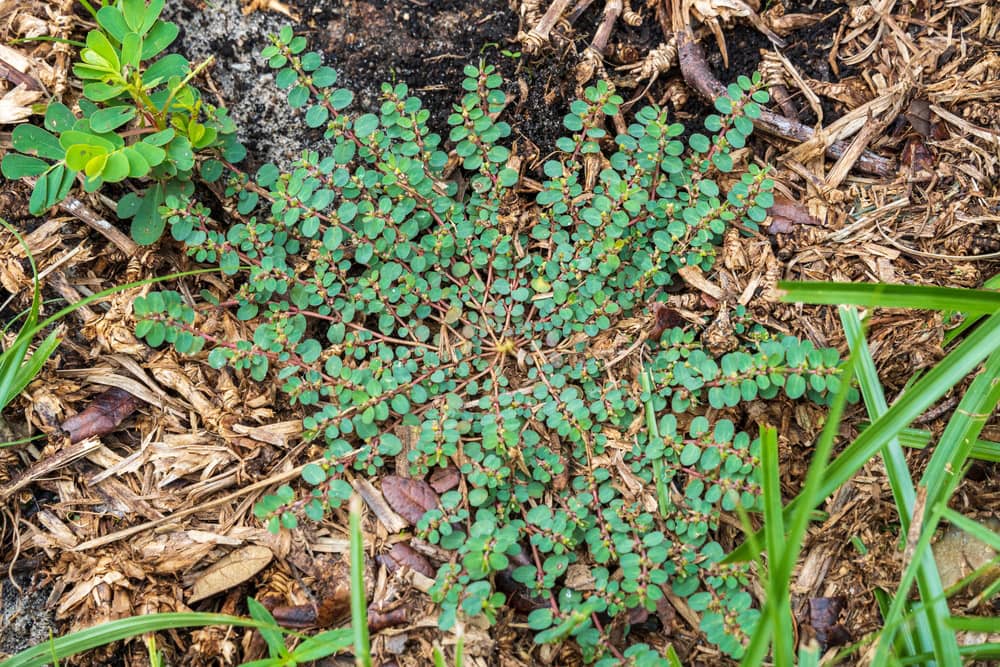
Spurge is most easily recognized by its prostrate growth, meaning it grows flat along the ground, forming dense mats that often go unnoticed beneath the mower blades.
Red, Hairy Stems
One of spurge's most distinctive features is its reddish stems, often covered in fine hairs. This red hue makes it easy to distinguish from other weeds that may have green or smooth stems.
Milky Sap
A unique identifier for spurge is the milky sap that oozes out when the plant is broken or damaged. This sap can irritate the skin and is a key marker that sets spurge apart from other low-growing weeds like prostrate knotweed or purslane, which lack this feature.
Small, Dark Green Leaves
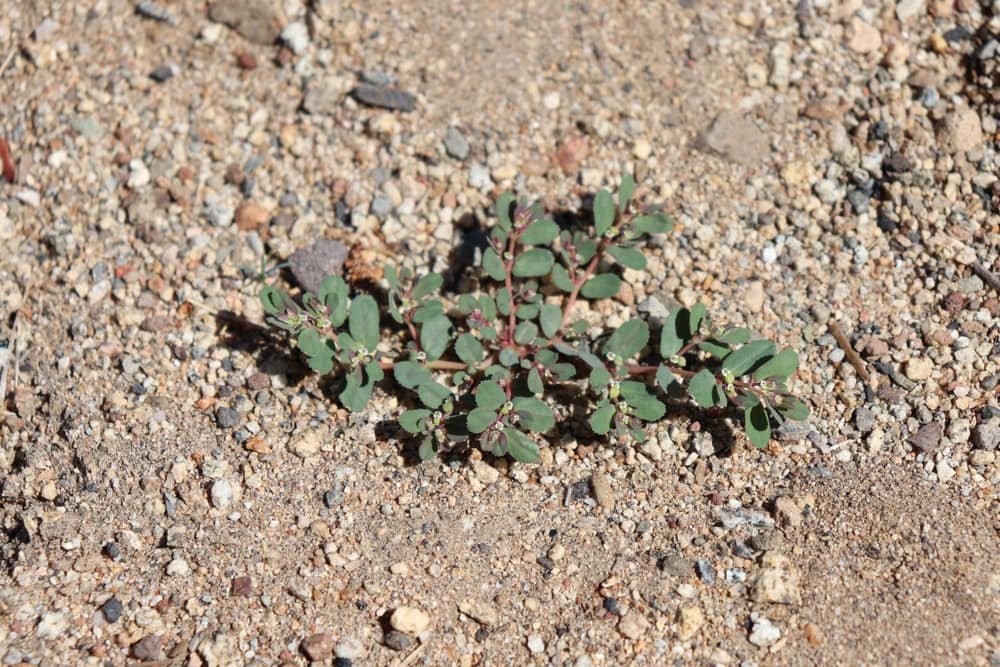
Spurge has small, dark green leaves arranged in opposite pairs along the stem. The leaves may have a slight red or purple tint along the edges, particularly when exposed to full sunlight.
Resilience
Spurge thrives in low-mowed lawns and hot, dry conditions. It prefers sunny areas with thin or weak grass, and its ability to survive at low mowing heights makes it difficult to control well-maintained lawns.
The weed’s ability to produce seeds rapidly—often within five weeks of germination—allows it to persist year after year if not appropriately managed.
What is Spurge?
Spurge is a summer annual weed that typically invades thin, weak areas of lawns, where it can easily outcompete turfgrass. Known for its aggressive spread and rapid seed production, early identification is crucial to prevent a full-blown infestation.
Growth Habits
Spurge grows close to the ground, sprawling outward in a circular pattern. Its low-growing, mat-like structure often stays below mowing height, making it difficult to spot and manage effectively.
Sun-Loving
Spurge thrives in sunny, warm areas, especially where turf is sparse or damaged. It quickly invades thin, dry or weakened areas by foot traffic.
Lifecycle of Spurge: Understanding When and How It Grows
Understanding the lifecycle of spurge is key to effective identification and management.
Germination
Spurge seeds typically germinate in late spring to early summer when soil temperatures reach about 60°F. It usually takes hold in areas with exposed soil or thin patches of grass.
Seed Production
One of spurge’s most challenging characteristics is its rapid seed production. New spurge plants can begin producing seeds in as little as five weeks after germination. These seeds remain dormant in the soil over the winter and germinate the following spring, making spurge a recurring problem.
Late-Season Dormancy
Seeds produced in late summer often remain dormant until the next growing season, allowing spurge to persist year after year if not controlled.
Signs of Spurge Infestation
Detecting a spurge infestation early is crucial in preventing widespread damage. Be on the lookout for:
Sparse or Bare Patches
Spurge often invades thin or patchy areas of turf, especially along driveways, sidewalks, or other hot spots where the soil may be exposed or compacted.
Low-Lying Weed Mats
If you notice dense, low mats of weeds spreading across the ground, unaffected by mowing, it’s likely spurge.
Rapid Growth
Spurge can quickly overtake bare spots in the lawn, filling in areas faster than the grass can recover.
How Spurge Behaves in Different Climates
Spurge’s behavior varies depending on the region and climate:
Northern Regions
In cooler climates, spurge germinates in late spring and dies off with the first frost. Though it grows aggressively during summer, spurge usually doesn’t persist through winter.
Southern Regions
In warmer southern states, where winters are milder, spurge may germinate earlier in the spring and continue growing well into the fall and winter. This extended growing season makes spurge particularly challenging to control in southern climates.
Visual Identification: Distinguishing Spurge from Similar Weeds
Spurge can sometimes be confused with other low-growing weeds due to its prostrate growth habit and mat-like structure. Here’s how to distinguish spurge from some common look-alikes:
Spurge vs. Purslane
While purslane grows low to the ground, it has thicker, succulent leaves. It lacks the red, hairy stems and milky sap characteristic of spurge.
Prostrate Knotweed
Knotweed has prostrate stems similar to spurge, but its leaves are narrower, and it does not produce the milky sap seen in spurge. Additionally, knotweed’s stems are green rather than red.
Oxalis (Creeping Woodsorrel)
Oxalis can look similar due to its low growth habit, but it has distinct heart-shaped leaves and yellow flowers, which set it apart from spurge’s small dark green leaves and sprawling growth pattern.
Types of Spurge
Prostrate Spurge
Prostrate spurge grows close to the ground, forming a mat-like structure that can quickly spread over lawns and garden beds. Its stems are reddish, and the small, oval-shaped leaves often have a reddish or purple spot in the center, which can help with identification.
This weed prefers dry, sunny areas and is commonly found in the cracks of sidewalks, driveways and other hardscaped surfaces.
Spotted Spurge
Spotted spurge is similar to prostrate spurge but is distinguished by the more prominent dark spots on its leaves. Like other spurges, it produces a milky sap when the stems are broken, irritating the skin.
Spotted spurge commonly grows in lawns, gardens and disturbed areas where it can outcompete other plants.
Garden Spurge
Unlike many other spurge varieties, garden spurge grows upright rather than spreading along the ground. Its hairy leaves have a reddish tint, giving it a distinct appearance.
This type of spurge is commonly found in tropical and subtropical regions. While it has some medicinal uses, it can also be toxic if consumed in large amounts, so care should be taken when handling it.
Creeping Spurge
Creeping spurge grows in a sprawling, creeping habit, quickly covering large areas if left unchecked. It has small, rounded leaves and tends to thrive in moist, well-drained soils, though it can also adapt to disturbed areas.
This weed can become a significant nuisance in gardens and lawns, as it can rapidly spread and choke out other plants.
Petty Spurge
Petty spurge is often found in shady, moist areas such as gardens, hedgerows and other protected spots. It has pale green leaves and a more delicate structure than other types of spurge. In cooler climates, it often grows as a winter annual.
Though less aggressive in appearance, petty spurge can still spread quickly and should be controlled before it establishes itself.
How Do I Identify Spurge in My Lawn? - Answered
Identifying spurge early is crucial to managing this invasive weed before it takes over your lawn. Key features to look for include:
- Prostrate growth: Spurge grows flat along the ground, forming dense mats that spread outward quickly.
- Red, hairy stems: One of the most distinctive characteristics of spurge is its reddish stems covered in fine hairs.
- Milky sap: If broken, spurge releases a milky white sap, making it easy to distinguish from other look-alike weeds.
- Small, Dark Green Leaves: Spurge has small, dark green leaves arranged in opposite pairs along the stem. The leaves may have a slight red or purple tint along the edges, particularly when exposed to full sunlight.
By understanding spurge’s unique characteristics, growth habits and lifecycle, you can accurately identify this weed before it becomes a significant problem. Early detection and proper lawn care and management strategies will help you keep your lawn healthy and spurge-free.