Turfgrass lawns get a bad rap for being water guzzlers—but the truth is, the issue often lies with irrigation management.
Most of the time, water waste comes down to a few simple mistakes that are easy to fix. If you’ve ever felt guilty about your lawn, don’t worry—we’re breaking down the top water-wasting habits and showing you how to turn things around without sacrificing a green yard.
Common Lawn Care Mistakes & Water-Wasting Consequences
| Category | The Mistake | Why It Wastes Water | The Fix |
|---|---|---|---|
| Timing | Watering midday or too late at night | Leads to evaporation or disease | Water early in the morning (4–9 a.m.) |
| Irrigation | Broken sprinklers, uneven coverage | Overwatering or dry patches | Perform seasonal irrigation audits |
| Controls | No rain sensor or smart system | Watering during/after rainfall | Install weather-based smart controllers |
| Scheduling | Watering the same amount year-round | Doesn’t match seasonal needs | Adjust schedule by season |
| Fertilization | Overapplication or poor timing | Nutrients leach away, lawn stress, extra watering | Apply only as needed, and never before heavy rain |
| Mowing | Cutting grass too short | Shallow roots, faster drying | Mow high and recycle clippings |
| Pests & Soil | Overusing pesticides, ignoring compaction | Turf damage, more watering to recover | Address soil health and diagnose issues correctly |
| Buffer Zones | Fertilizing near waterways | Direct pollution runoff | Leave a no-mow, no-fertilize buffer near water bodies |
| Soil Awareness | Not accounting for soil type | Mismatched watering frequency and volume | Adjust watering based on soil type (sandy, loam, clay) |
Timing Mistakes - Best Time to Water Grass
Watering During the Heat of the Day
The Mistake:
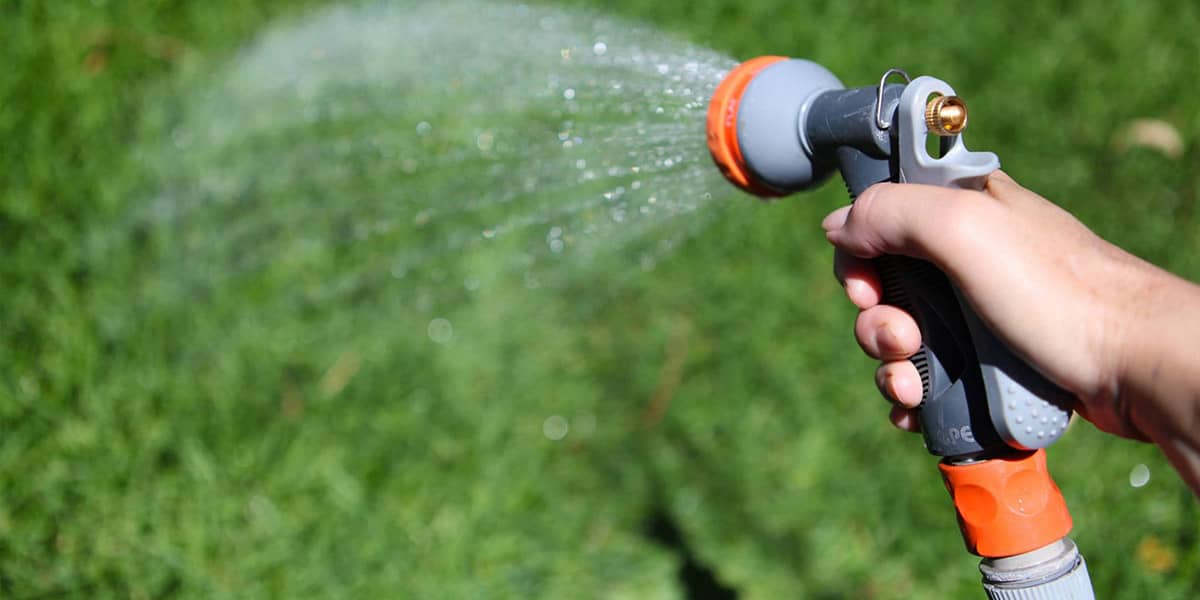
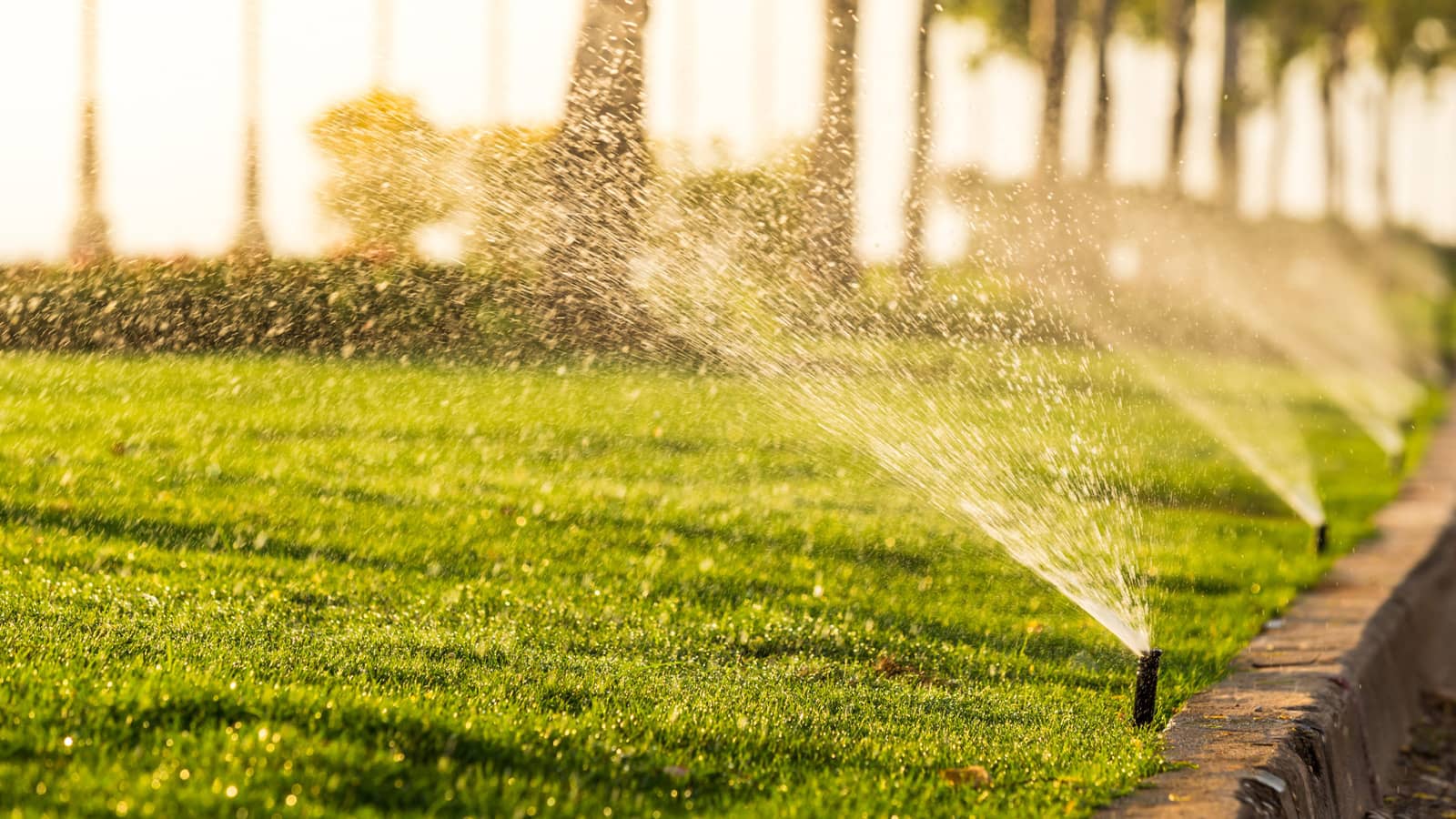
Watering in the heat of the day seems like a good idea—sun’s out, lawn looks thirsty, hose in hand, right? But it’s actually one of the worst times to water.
Most of that water evaporates before your grass roots get a chance to soak it up. The leftover moisture leaves a shiny, wet coat on the blades that basically amplifies the heat and puts your lawn under even more stress.
✅ The Fix:
Water early in the morning—between 4 a.m. and 9 a.m.—when temperatures are lower and winds are calmer. This allows water to soak deeply into the soil without immediate evaporation.
Watering Too Early in the Evening
The Mistake:
Evening watering may seem like a good alternative since it’s not so hot out, but it can encourage fungal diseases. Wet grass sitting overnight is a breeding ground for mold and mildew, especially in humid climates.
✅ The Fix:
Again, aim for early morning watering. If evening is your only option, make sure it’s early enough to let grass blades dry before nightfall—ideally no later than 6 p.m.
Watering Too Frequently with Light Applications
The Mistake:
Light daily watering encourages shallow roots, which weakens your grass and increases susceptibility to drought.
✅ The Fix:
Water deeply and infrequently to encourage deep root growth—except in early spring when new roots are forming. Established lawns thrive with a “soak and dry” cycle, which strengthens root systems and improves drought tolerance.
Why People Water When They Shouldn't:
Many people water their lawns simply because it's part of a routine—not because the lawn actually needs it. Visual cues like slightly dry-looking grass or a hot, sunny day can trigger unnecessary watering, even when the soil still holds adequate moisture.
System Mistakes
Ignoring Rain Sensors and Smart Controls
The Mistake:
Running sprinklers during or right after a rainstorm is a clear sign of waste, and a malfunctioning or missing rain sensor is likely the cause.
✅ The Fix:
Install a rain sensor if you don’t have one. If you already do, make sure it’s working and placed in an open, unobstructed area. Consider upgrading to a smart controller that adjusts based on weather forecasts, humidity and soil moisture.
Skipping Irrigation Audits
The Mistake:
Assuming your sprinkler system is running perfectly can lead to a lot of wasted water. Leaks, clogged or broken heads and uneven coverage are common, and they often go unnoticed.
✅ The Fix:
A simple irrigation audit can help you spot issues and make sure each area of your lawn is getting just the right amount of water. Here's how to do it:
Step 1: Gather Some Cups
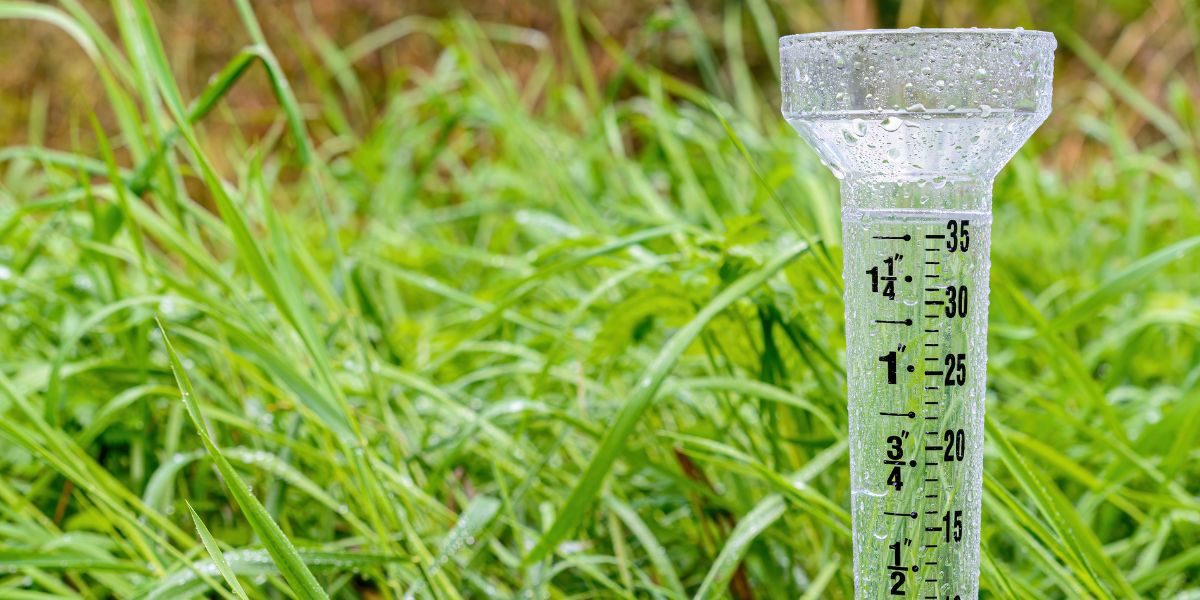
Use empty tuna cans, plastic cups, rain gauges or bottle bottoms—just make sure they're all the same type. You’ll need a few for each sprinkler zone.
Step 2: Place Them in Each Zone
Set the cups around your yard in the areas each zone covers. Spread them out to check for even coverage.
Step 3: Run the System
Turn on your sprinklers as usual and let them run a full cycle. When they’re done, check how much water is in each cup.
Step 4: Check the Results
You want about ½ inch of water per cycle. If some cups are too low or too full, adjust your run times or swap out sprinkler nozzles to even things out.
Quick Tips:
- Keep each zone using the same type of sprinkler head—don’t mix rotors and sprays.
- Turn off your system during rainy weeks and in winter to avoid overwatering.
- Re-check your system a couple of times a year.
Maintenance Missteps
“Set It and Forget It” Watering Schedules
The Mistake:
Sticking to the same watering schedule all year long. What works in July definitely doesn’t fly in January. Watering too much in cooler months wastes water and can lead to disease, while not watering enough in the heat leaves your lawn dry and struggling.
✅ The Fix:
Your lawn’s needs change with the seasons—so your watering routine should too. Here’s a simple breakdown:
- Winter: Your grass might look like it’s taking a nap (and it kind of is), but it’s not dead. A light watering every now and then keeps it alive without drowning it. Too much water during dormancy = disease risk.
- Spring: As your lawn starts growing again, it needs help building strong roots. Water lightly and more often—3 to 4 times a week for just a few minutes. As roots get going, switch to deeper, less frequent watering.
- Summer: Now that your lawn is up and running, water longer but less often—think 30 to 45 minutes, about twice a week. This helps roots grow deep and keeps grass tough through the heat.
- Fall: Growth slows down, and so should your watering. As temperatures drop, start easing up to prep your lawn for its winter rest.
The Psychology of “Set It and Forget It”
The “set it and forget it” mentality offers convenience and a sense of control, leading homeowners to stick with fixed watering schedules even when conditions change. This habit often persists because automated systems create the illusion that the lawn is being properly cared for—regardless of actual need.
Mismanaging Other Lawn Care Practices
Beyond watering habits, how you manage fertilizer, mowing and pest control also plays a huge role in your lawn’s water use—and potential waste.
Fertilizer Mismanagement
The Mistake:
Applying too much fertilizer or applying it at the wrong time leads to poor nutrient absorption. Instead of nourishing your lawn, the excess is often washed away by irrigation or rain, resulting in stressed, yellowing turf.
Many respond by watering more to compensate, which wastes both water and fertilizer. Additionally, excessive nitrogen and phosphorus contribute to runoff pollution, fueling algal blooms and harming local ecosystems.
Studies show that 40–60 percent of nitrogen applied to lawns can end up in surface and groundwater.
✅ The Fix:
Apply fertilizer according to label directions and at appropriate seasonal intervals—never before heavy rainfall or when the lawn is dormant. Use slow-release products when possible, and always water just enough to help absorb nutrients, not wash away.
By timing and calibrating applications correctly, you’ll avoid wasting water and reduce the risk of runoff that pollutes local waterways.
How Your Lawn Affects Local Waterways:
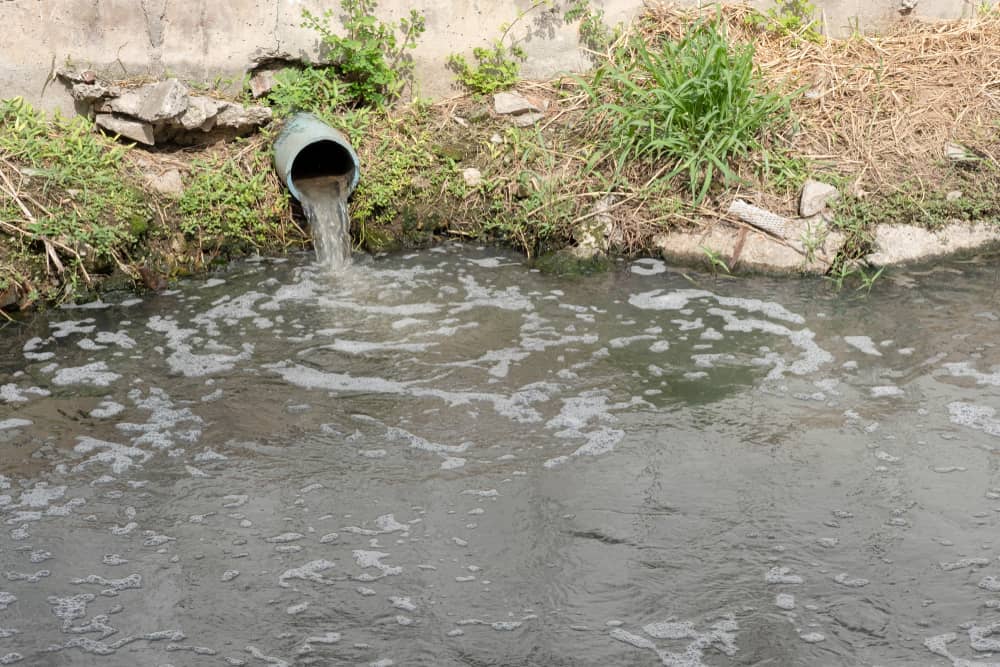
When excess fertilizer, pesticides or water run off your lawn, they often end up in nearby streams, lakes or storm drains—contributing to pollution and harming aquatic life. Smart lawn care helps protect these ecosystems while saving water at home.
Mowing Mismanagement
The Mistake:
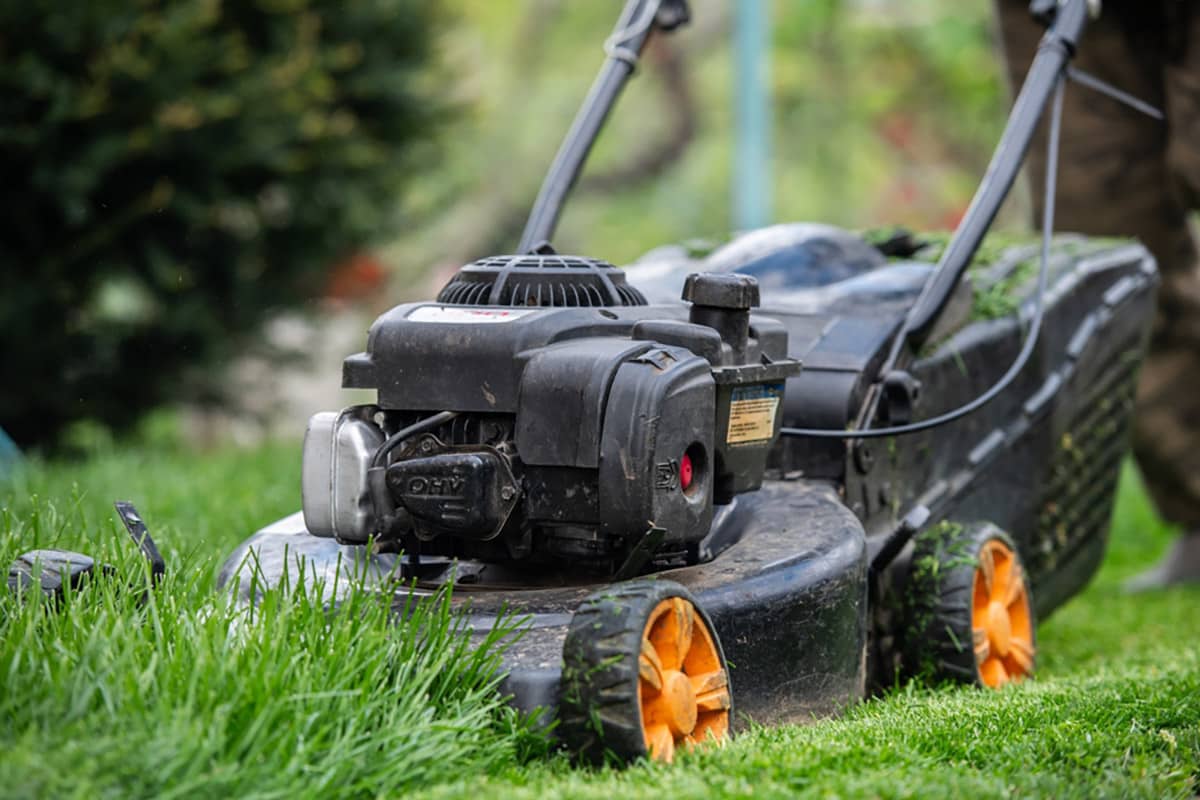
Mowing your grass too short, often referred to as scalping, weakens turf by limiting root development. Shallow roots dry out quickly and make the lawn more vulnerable to heat stress, requiring more frequent watering.
Similarly, blowing or leaving grass clippings on hard surfaces like sidewalks leads to nutrient runoff during the next rain or irrigation event.
✅ The Fix:
Keep your mower blade set high—3 to 4 inches is ideal for most grass types—to promote deep, water-efficient root systems. Return clippings to the lawn to recycle nutrients naturally, reducing both fertilizer needs and watering frequency.
Pest Mismanagement
The Mistake:
Overusing or misapplying pesticides can disrupt soil health and kill beneficial organisms, leading to weak, patchy grass that requires more water to stay green.
In many cases, drought stress is mistaken for pest damage, resulting in unnecessary chemical treatments and overwatering.
✅ The Fix:
Proper pest management starts with accurate diagnosis. Identify problems before applying treatments and address underlying soil issues such as compaction or nutrient imbalance. Healthy, well-balanced soil helps turf resist pests and thrive with less water.
Top Water-Wasting Lawn Mistakes FAQs:
The best time to water your lawn is early in the morning, between 4 a.m. and 9 a.m., when temperatures are cooler and winds are calm. This allows water to soak into the soil with minimal evaporation and reduces the risk of disease.
Water deeply 1–2 times per week rather than lightly every day to encourage deep root growth. Adjust frequency based on weather, soil type and grass variety.
It depends on each lawn's conditions and environment, but in general, you should water your lawn deeply for 30 to 45 minutes once or twice a week, depending on weather and soil type, to encourage deep root growth. Avoid daily light watering, which promotes shallow roots and increases drought stress.
A healthy lawn doesn’t need more water—it needs smarter care. By fixing a few common mistakes in how you water, fertilize, mow, and manage pests, you can cut waste, save money, and grow a greener yard. Small changes = big impact—for your lawn and the environment.