Planting grass seed is a cost-effective way to create a lush lawn, repair bare spots, or overseed for seasonal transitions. The best time to plant grass seed depends on your grass type—cool-season or warm-season—and your location. This guide will help you choose the right time, understand the process, and care for your lawn after planting.
Key Takeaways
- Best Time to Plant:
- Fall: Ideal for cool-season grasses like Tall Fescue, Ryegrass, and Kentucky Bluegrass.
- Spring: Optimal for warm-season grasses like Bermuda, Zoysia, and Centipede.
- Timing Matters: Avoid summer (excessive heat) and winter (low germination).
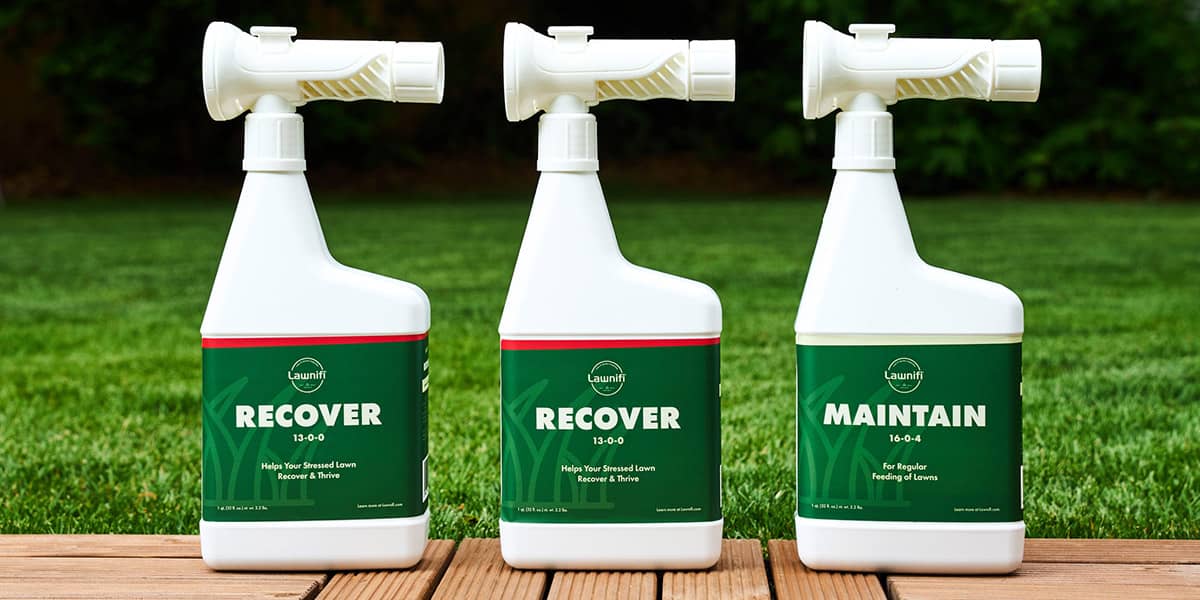
- Post-Planting Care: Water consistently and fertilize with products like Lawnifi® New Lawn Starter Box for healthy root development.
Best Time to Plant Grass Seed by Season
Fall: The Best Time for Cool Season Grass

Why Fall Works:
- Cooler temperatures promote germination.
- Frost reduces weed competition, allowing seeds to establish better.
When to Plant:
- Northern Regions: August 15 – October 1.
- Transition Zone: Labor Day – End of October.
What to Plant:
- Cool-season grasses: Tall Fescue, Ryegrass, Kentucky Bluegrass.
Pro Tip: Fall seeding ensures the grass develops strong roots before winter dormancy.
Recommended Products:
- Lawnifi® Elite Tall Fescue Grass Seed – Perfect for cooler climates.
- Lawnifi® New Lawn Starter Box – Promotes rapid root growth and healthy establishment.
Spring: The Ideal Time for Warm Season Grass
Why Spring Works:
- Rising temperatures and moderate weather allow warm-season grasses to thrive.
When to Plant:
- Northern Regions: April 1 – May 15.
- Southern Regions: Broader planting window from March to early June.
What to Plant:
- Warm-season grasses: Bermuda, Zoysia, Centipede.
- Cool-season grasses: Spring can work but expect higher weed pressure.
Pro Tip: Proper irrigation is key to helping seeds germinate before summer heat sets in.
Recommended Products:
- Lawnifi® Santee Centipede Grass Seed – A top choice for Southern regions.
Summer: A Challenging Season for Planting Grass Seed
Why Summer Is Difficult:
- Extreme heat increases water demands and stress on grass seed.
- Cool-season grasses may enter dormancy, limiting growth.
When It’s Possible:
- In far Northern regions, cool-season grasses can still be planted early in the summer.
Tips for Success:
- Water frequently to keep soil moist 3–4 inches deep.
- Avoid overwatering shaded areas to prevent fungus.
- Use a phosphorus-rich fertilizer like the Lawnifi® New Lawn Starter Box to support establishment.
Winter: Why You Should Avoid Planting Grass Seed

Why Winter Doesn’t Work:
- Frost and cold temperatures prevent germination.
- Seeds risk being washed away or damaged by snow and ice.
Exceptions:
- In the Southern U.S., warm-season grasses may be planted in dormancy, but visible growth will not occur until spring.
Pro Tip: Wait until spring or fall for the best results.
When is the best time to plant grass seed? - Answered
For a successful lawn, plant grass seed at the right time and follow proper care practices. Fall works best for cool season grasses, while spring is ideal for warm season varieties. With the right tools, products, and timing, you can enjoy a healthy, vibrant lawn year-round.