As temperatures shift and moisture levels increase heading into fall and early spring, lawns across the country become more vulnerable to disease outbreaks. Issues like brown patch, large patch, dollar spot, Pythium and leaf spot can quickly damage lawns when left untreated.
To keep your lawn healthy year-round, we recommend two proven, professional-grade granular fungicides: Heritage G and Propiconazole Fungicide. These products complement each other by offering different modes of action, broad disease control and flexibility for both preventative and curative programs.
This guide explains how turf diseases develop, when to treat them and how to choose the right fungicide for your lawn.
Understanding Turfgrass Disease Pressure
Turfgrass diseases thrive when environmental conditions favor fungal growth. These conditions often include:
- Warm or fluctuating temperatures
- High humidity or extended leaf wetness
- Poor air circulation or compacted soils
- Excessive nitrogen or improper watering
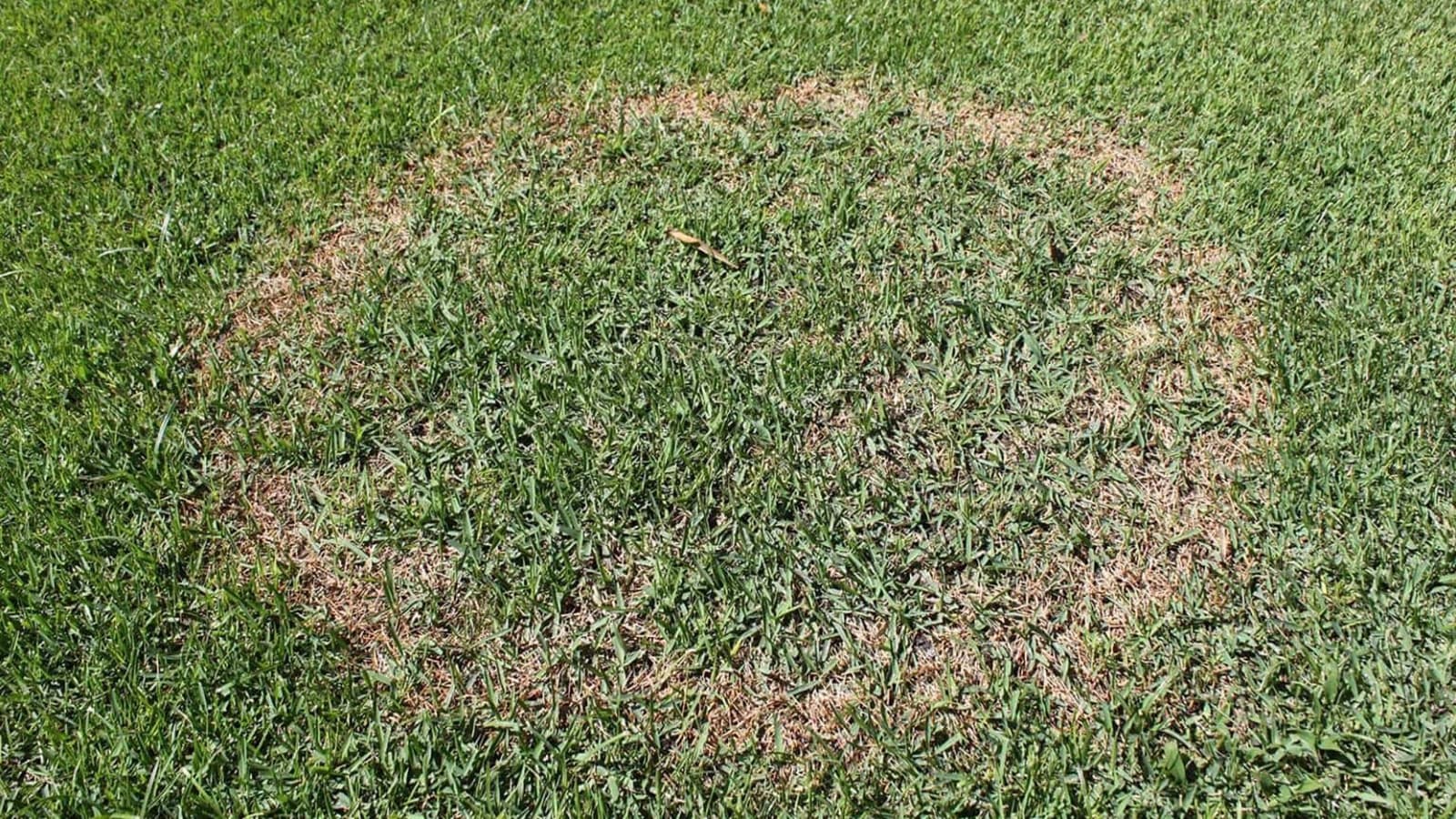
Common symptoms of lawn disease include:
- Circular brown or yellow patches
- Thinning or irregular turf patterns
- Wilting or greasy-looking grass
- Powdery spores or web-like growth during damp mornings
Because most turf diseases spread through spores and soil, preventative treatments are far more effective than reacting after damage is visible.
Why We Recommend Heritage G and Propiconazole Fungicides
Heritage G and Propiconazole differ in FRAC group, chemistry and strengths, making them ideal partners in a resistance-management program.
- Heritage G (FRAC Group 11 – QoI fungicide) excels as a preventative, broad-spectrum foundation product
- Propiconazole (FRAC Group 3 – DMI fungicide) provides strong curative control and excellent suppression of active foliar diseases
Using both allows you to rotate chemistries, improve control, and reduce the risk of fungicide resistance.
Product Overview
Heritage G Granular Fungicide
Active Ingredient: Azoxystrobin 0.31%
FRAC Group: 11
Heritage G is a broad-spectrum, systemic fungicide with both preventative and early curative activity. According to the product label, it moves upward through the xylem to protect new growth and provides long-lasting protection under low to moderate disease pressure.
Best Uses for Heritage G
Use Heritage G when you want:
- Long-lasting preventative disease control
- Broad-spectrum coverage across many turf diseases
- A foundation fungicide for seasonal programs
- Applications during seeding or overseeding
- Protection under lower to moderate disease pressure
Diseases Controlled by Heritage G
- Brown Patch
- Large Patch / Zoysia Patch
- Pythium Blight & Pythium Root Rot
- Fairy Ring
- Gray Leaf Spot
- Leaf Spot & Melting Out
- Rusts (leaf, stem, stripe)
- Powdery Mildew
- Pink & Gray Snow Mold
- Spring Dead Spot
- Summer Patch
- Take-All Patch
- Necrotic Ring Spot
- Red Thread & Pink Patch
Application Rate:
2–4 lbs per 1,000 sq ft every 10–28 days, depending on disease and pressure.
Propiconazole 14.3 Select Fungicide
Active Ingredient: Propiconazole 14.3%
FRAC Group: 3
Propiconazole is a systemic DMI fungicide that disrupts fungal cell membrane formation. It is particularly effective as a curative product and is widely used when disease pressure is moderate to high or symptoms are already present.
Unlike granular fungicides, Propiconazole is applied as a liquid spray, allowing excellent foliar coverage and fast uptake.
Best Uses for Propiconazole
Use Propiconazole when you need:
- Curative control of active lawn disease
- Strong suppression of foliar pathogens
- Excellent dollar spot and brown patch control
- A non–Group 11 rotation partner
- Shorter application intervals during high pressure
Diseases Controlled by Propiconazole
- Dollar Spot
- Brown Patch
- Anthracnose
- Red Thread & Pink Patch
- Leaf Spot & Melting Out
- Rusts
- Powdery Mildew
- Gray Leaf Spot
- Summer Patch
- Take-All Patch
- Necrotic Ring Spot
- Spring Dead Spot
- Snow Molds (Pink & Gray)
- Zoysia Patch / Large Patch
Application Rate:
Typically 0.5–2 fl oz per 1,000 sq ft every 14–28 days, depending on disease and severity.
Heritage G vs. Propiconazole: Which Should You Choose?
If you want season-long prevention:
Choose Heritage G
If disease is already active:
Choose Propiconazole
If dollar spot is your main issue:
Propiconazole often delivers stronger curative control
If you are seeding or overseeding:
Heritage G is labeled and safe during establishment
If disease pressure is high or recurring:
Rotate Heritage G (Group 11) with Propiconazole (Group 3)
If resistance management matters:
Using both products is strongly recommended
How to Apply Each Product
Applying Heritage G
- Use a broadcast or rotary spreader
- Apply 2–4 lbs per 1,000 sq ft
- Water lightly after application for soil-related diseases
- Reapply every 10–28 days as needed
Applying Propiconazole
- Apply with a pump, backpack, or hose-end sprayer
- Use 0.5–2 fl oz per 1,000 sq ft in sufficient water
- Allow spray to dry before irrigation for foliar diseases
- Reapply every 14–28 days under pressure
Side-by-Side Summary
| Feature | Heritage G | Propiconazole |
|---|
| Active Ingredient | Azoxystrobin | Propiconazole |
| FRAC Group | 11 (QoI) | 3 (DMI) |
| Primary Role | Preventative | Curative |
| Application Type | Granular | Liquid Spray |
| Best For | Broad prevention, seeding | Active outbreaks, dollar spot |
| Interval | 10–28 days | 14–28 days |
| Strength | Long-lasting coverage | Strong knock-down |
Final Recommendations
Effective lawn disease control depends on timing, rotation and correct product selection.
- Use Heritage G early in the season to prevent disease before it starts
- Use Propiconazole when symptoms appear or pressure increases
- Rotate between FRAC Groups 11 and 3 to protect long-term effectiveness
Applying fungicides early, following label rates, and rotating modes of action will give you the best chance at a dense, healthy, disease-free lawn all season long.