
When summer settles in Texas, effective summer lawn care and the right summer lawn fertilizer can make all the difference in keeping your grass healthy and green. But don’t worry—these easy-to-follow tips are designed just for Texas yards to help your grass stay green and healthy all summer long.
Summer Lawn Care Tips
1. Mow Smarter, Not Harder
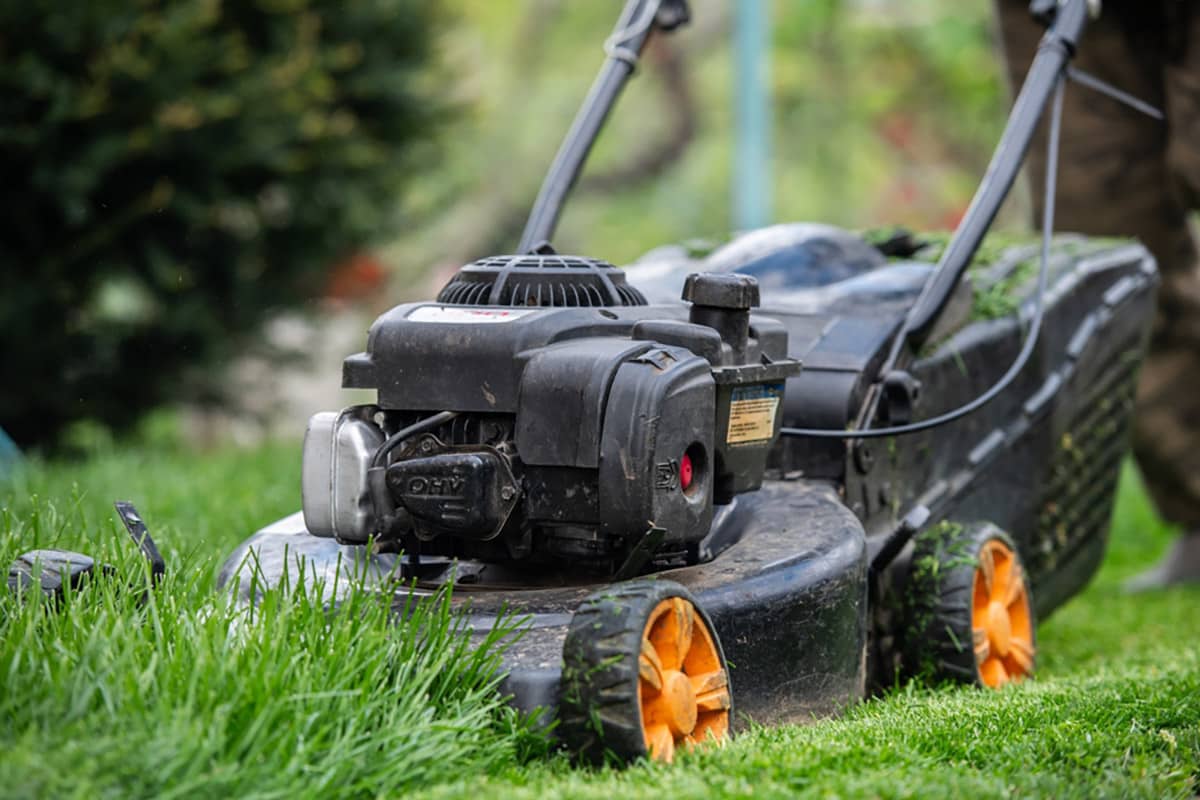
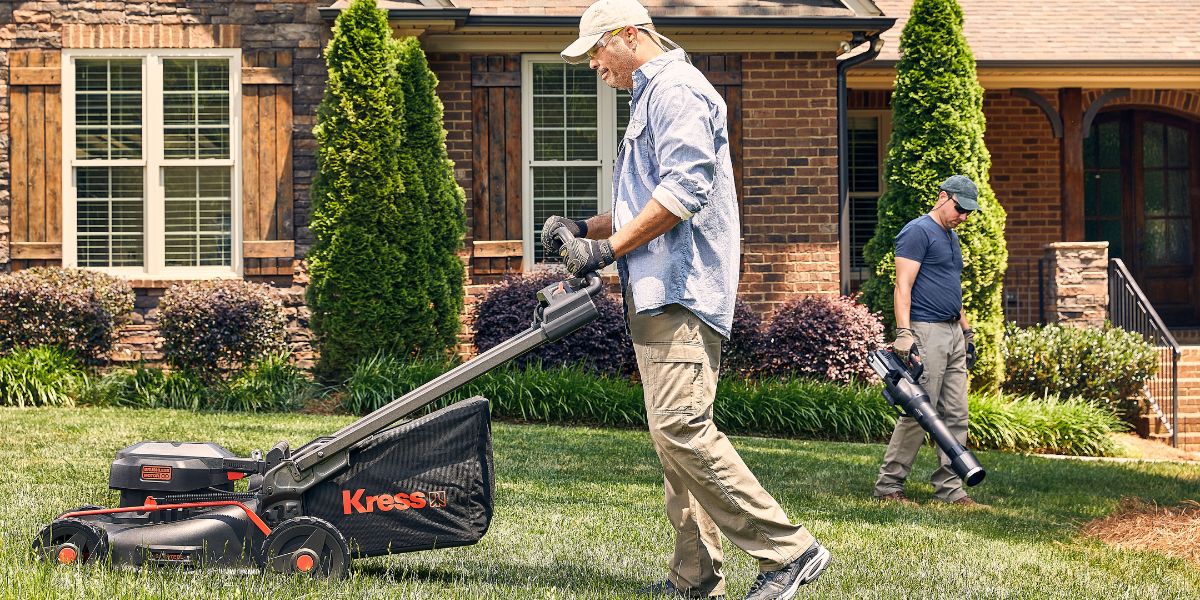
Keeping your grass trimmed during a Texas summer requires more than just cranking up the mower. The key is maintaining the right height for your grass type to avoid stress and promote healthy growth.
Recommended Mowing Heights:
- Bermuda: 0.5–1.5 inches
- Centipede: 1.5–2.0 inches
- St. Augustine: 2–4 inches
- Zoysia: 0.5–2 inches (based on blade type)
- Finer-Bladed Zoysias: 0.5–1.5 inches
- Wider-Bladed Zoysias: 1–2 inches
Quick Tips:
- Never remove more than one-third of the blade at once.
- If your grass gets too tall while you're away on vacation, lower it gradually over several mowings spaced 3–5 days apart.
- Leave grass clippings on the lawn to decompose naturally—they return valuable nutrients to the soil.
- Taller grass keeps the soil cooler and helps trap moisture, which is really important when Texas temperatures start climbing past 90. Plus, it helps keep weeds from taking over.
- Shaded areas should be mowed at a higher height, which allows for less frequent mowing—about once per week. For lawns mowed at 2.5 inches, mowing every five days, or twice a week, is recommended.
2. Water Like a Pro: Deep and Not Too Often
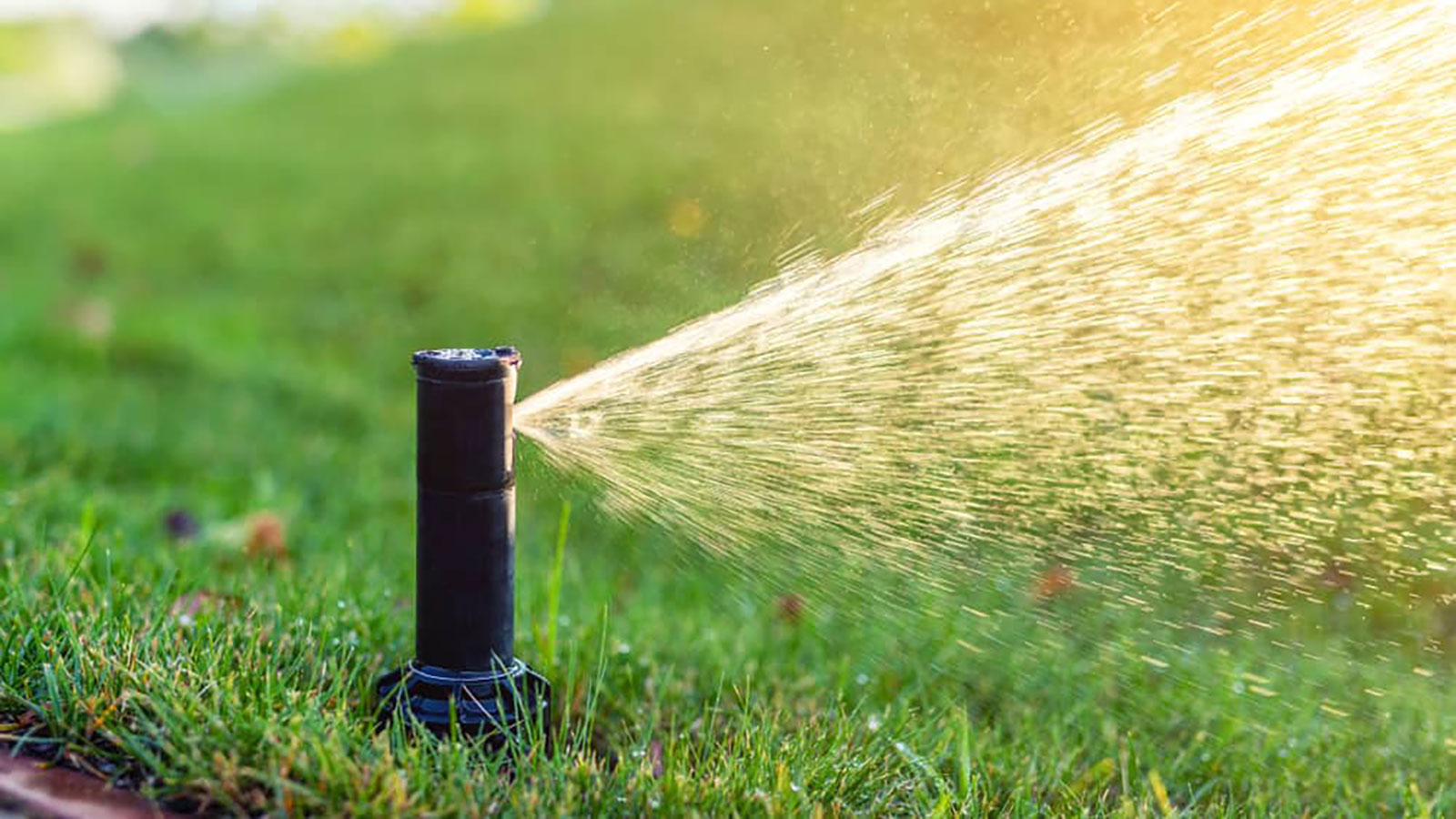
Texas summers can be dry, and water restrictions are common in many areas. The best way to water your lawn is to go deep but not too often:
- Shoot for 1 inch of water per week, split into 1–3 sessions depending on your grass and how much rain you’re getting.
- Water early in the morning (6–10 AM) to cut down on evaporation and avoid diseases.
- Use a sprinkler timer to water your lawn just the right amount, even if you’re away for the weekend.
- Use a rain gauge or perform a quick irrigation audit to check your output.
Train Your Grass to Thrive:
Let your lawn signal when it’s thirsty:
- Folded or curled leaves
- A dull, bluish-gray hue
- Footprints that linger
This kind of watering trains your grass to grow deeper roots, so it can handle dry spells better, and it saves water, too.
3. Boost Soil Health for Better Summer Grass Growth
A lot of Texas lawns sit on thin or rocky soil, which makes it tough for grass to grow strong. One way to fix that is by adding a little goodness to the ground:
- Top-dress with compost or a Texas turf mix. Add every spring if possible for a better lawn in the summer next year.
- It improves drainage, adds nutrients and helps roots grow deeper.
- Adding organic matter will give you a healthy dark green lawn without having to apply heavy fertilizers.
Healthy soil is the secret to a yard that can handle whatever summer throws at it—heat, rain or dry weather.
4. Essential Summer Lawn Fertilizer Tips
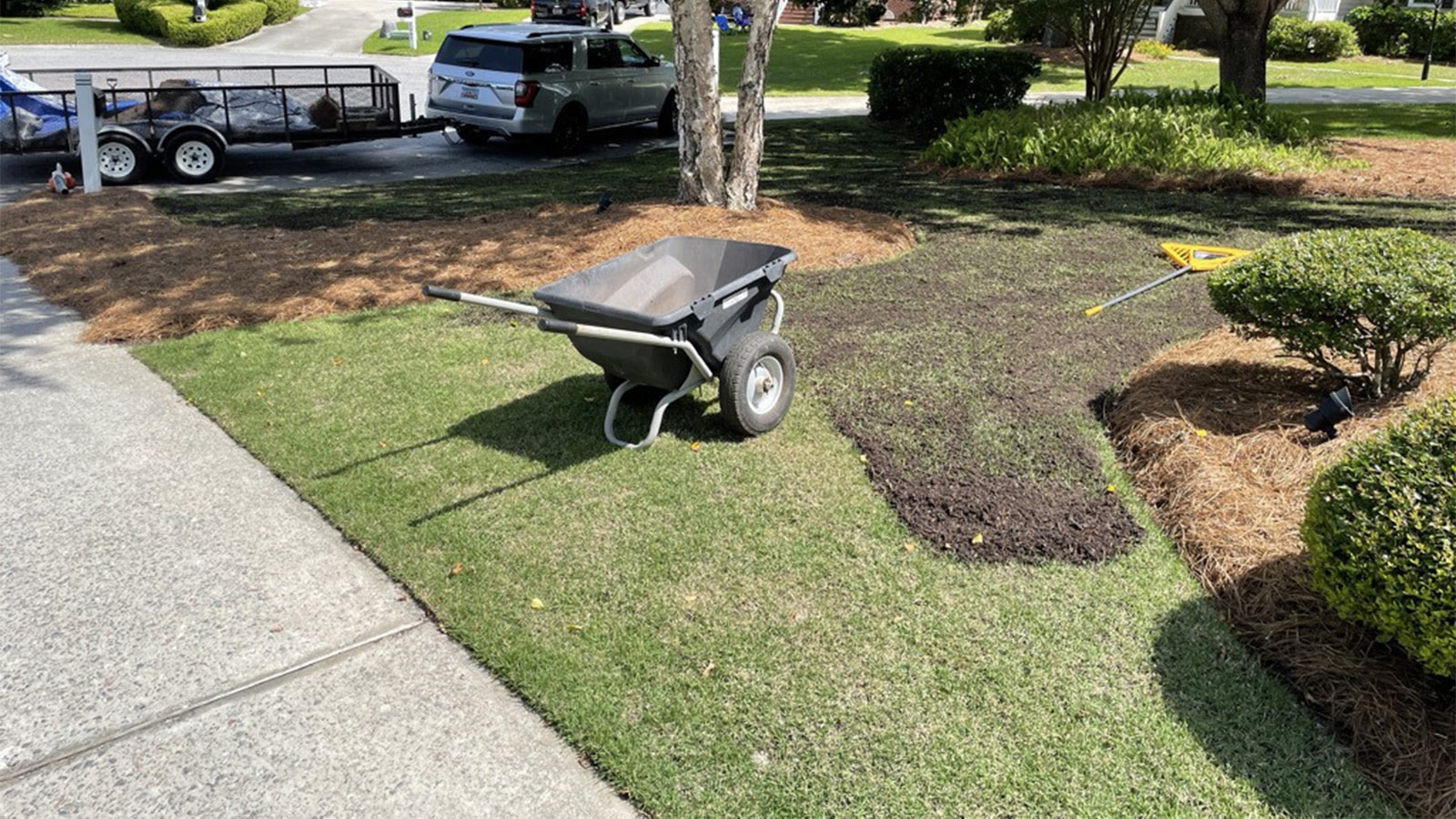
Applying a summer lawn care fertilizer is one of the most important steps you can take to ensure your grass thrives during the heat. Whether you prefer granular or liquid options, a good summer lawn fertilizer supports root growth and reduces stress.
- Use a slow-release fertilizer made for warm season grasses
- Apply it in late spring or early summer
- Go easy—overdoing it can burn your grass and make it thirstier
We recommend the Lawnifi Summer Fertilizer Box for a steady, no-fuss feeding schedule that keeps your lawn looking great without over-stimulating it.
Why It Works:
- Easy hose-end application
- Fast-acting and efficient
- Promotes deep root growth and stress resilience
Always clean up fertilizer from driveways and sidewalks to prevent stormwater contamination. A deflector shield or liquid fertilizer like Lawnifi can help minimize waste and runoff.
5. Be Cautious with Weed Control
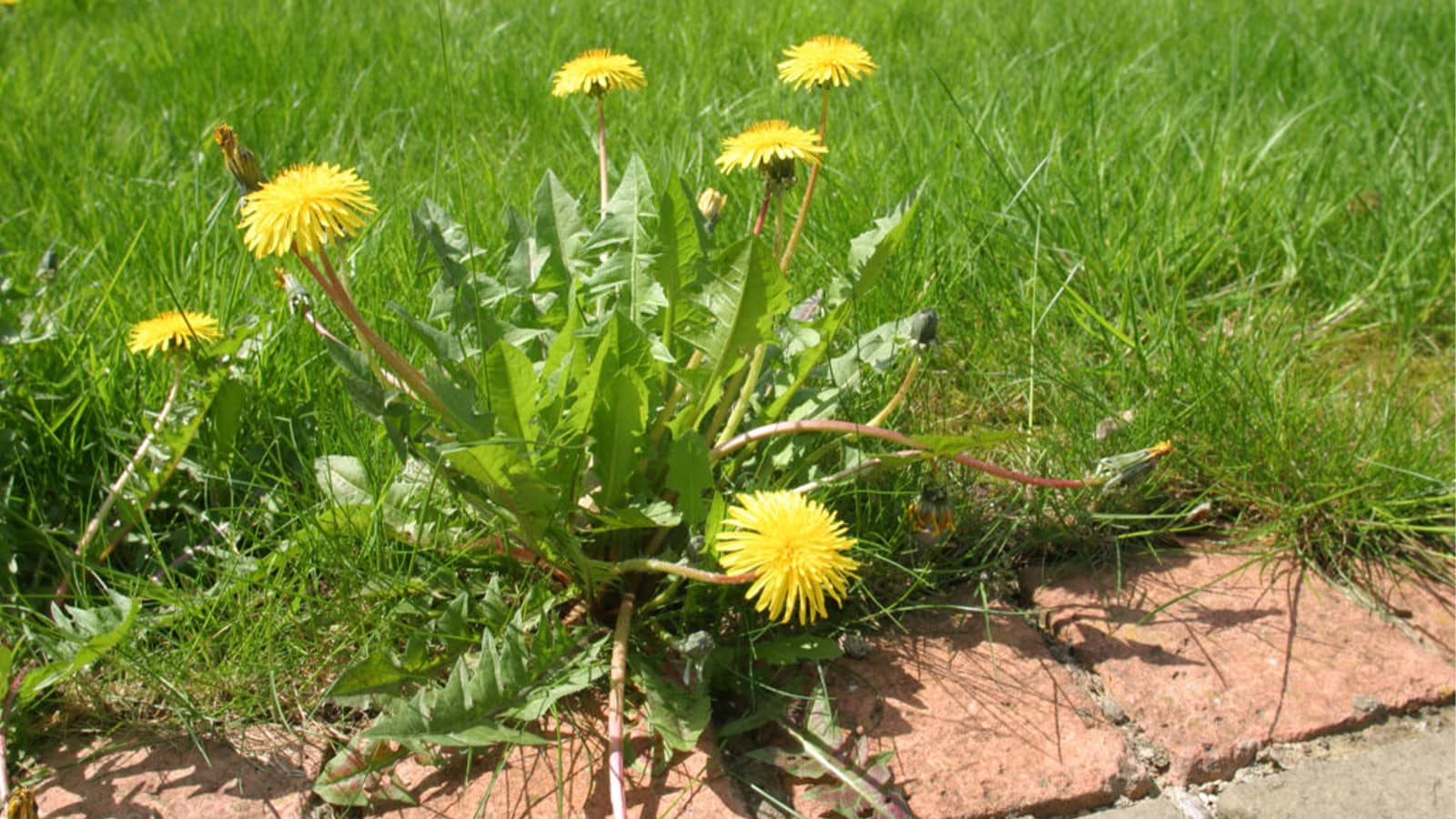
Hot temps and herbicides don’t always mix well. Blanket applications in the middle of a Texas summer can lead to unsightly browning.
Smart Weed Control Strategies:
- Spot-treat weeds or hand-pull when possible
- Wait until fall for full-yard treatments
- Always follow product labels carefully
Summer Weed Control Products:
- Broadleaf Weed Control: SpeedZone Broadleaf Herbicide for Turf
- If you start to notice grassy weeds such as crabgrass or goosegrass, Recognition is great for St. Augustine and zoysia lawns. MSMA post-emergents are best for bermuda grass lawns. Be sure to follow product labels for any control product appropriately during application.
- Weed Control for St. Augustine & Centipede Lawns: Hi-Yield Atrazine Weed Killer
6. Aerate to Let Your Lawn Breathe
It might be time to aerate if your soil is feeling packed down (thanks to foot traffic or heavy rain). This means poking holes in the ground to help water, air, and nutrients reach the roots.
- Do this once a year or so, ideally in late spring or early summer
- It’s especially helpful before the hottest part of summer kicks in
Think of it as giving your lawn a breath of fresh air. You’ll see better growth and more even watering afterward.
7. Protect Your Summer Lawn from Common Pests
Summer bugs are like party crashers—they show up uninvited and do damage fast. The big ones to watch out for:
- Grubs – ruin roots, cause patches
- Chinch bugs – suck the greenness out of your grass and leave drought-like patches
- Sod webworms – feed the blades
- Mole crickets – create tunnels and damage roots
- Spittlebugs – yes, they spit foam… gross, right?
If you’re seeing weird damage and not sure what’s up, try a “tug test”—gently pull on the grass. If it lifts up easily, you’ve probably got grubs.
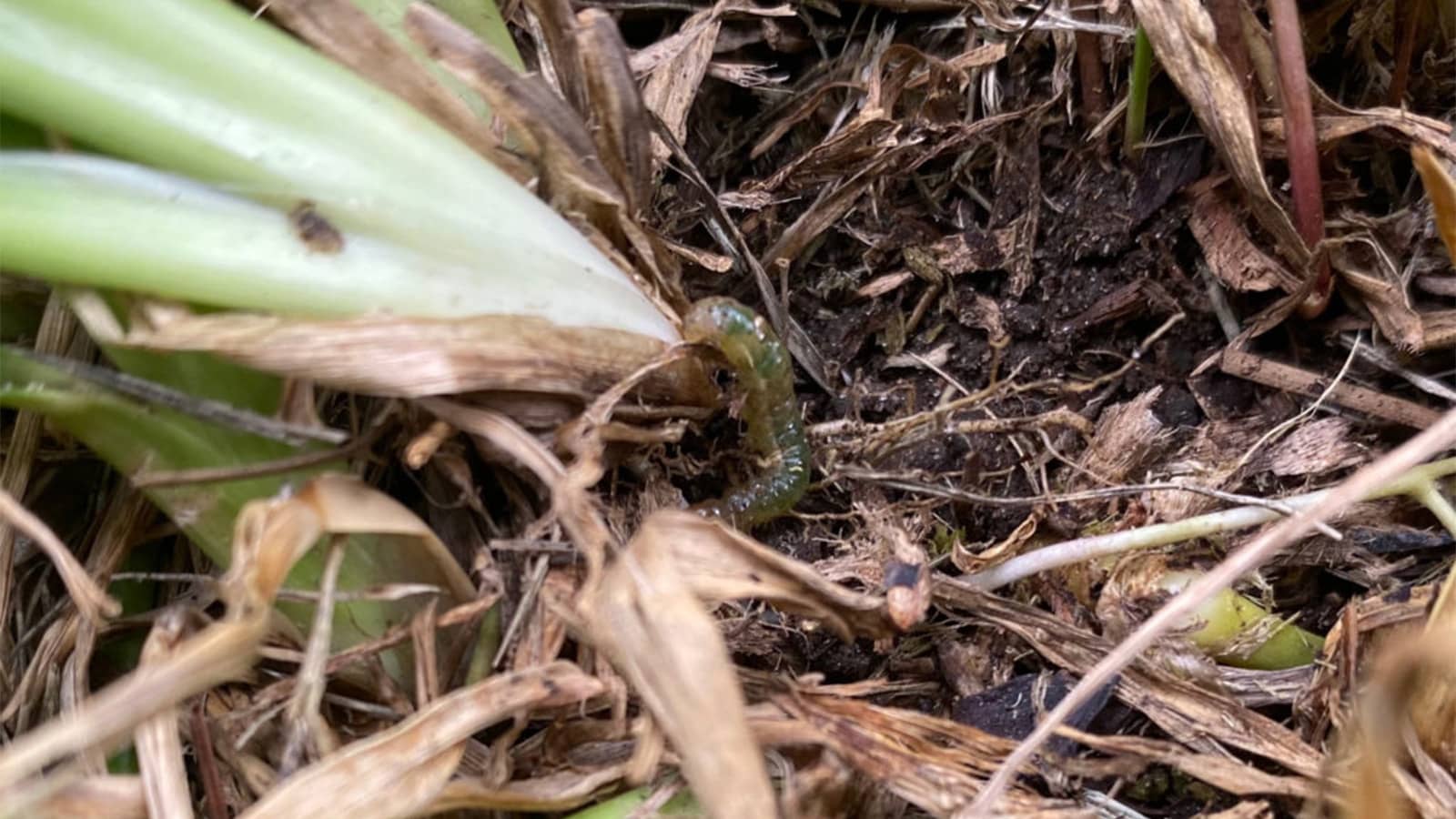
Chinch Bugs & Sod Webworms
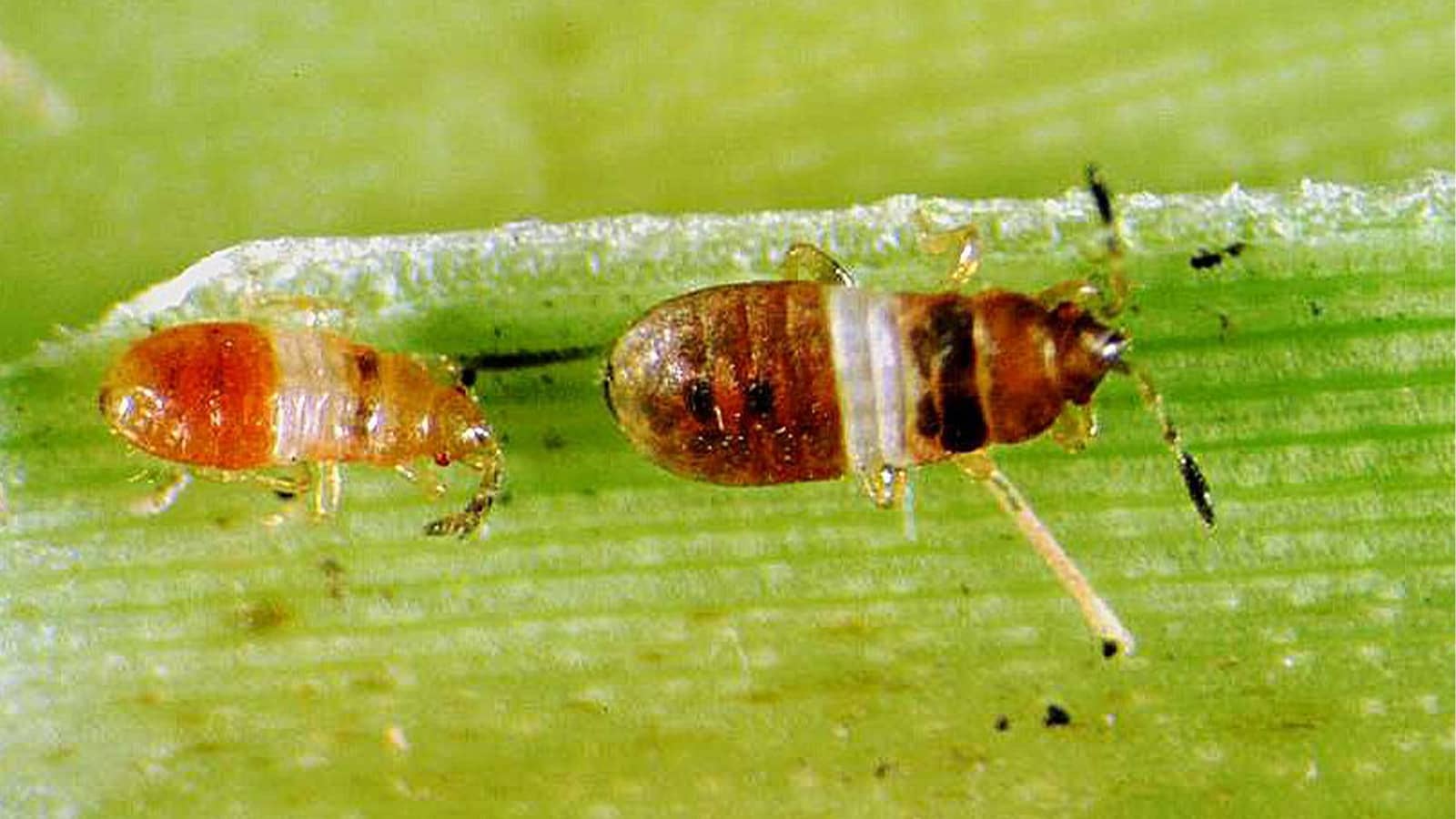
Chinch Bugs:
Thrive in hot, dry conditions and especially target St. Augustine lawns. These tiny pests feed at the base of grass blades, draining sap and injecting toxins that cause browning.
• Solution: Bifenthrin (Bifen XTS)
Sod Webworms:
These caterpillars are most active at night. They feed on the blades and leave behind irregular brown patches. Look for tiny moths fluttering over your lawn at dusk as a sign of their presence.
• Solution: Spinosad (Natural Guard Spinosad)
8. Watch for Lawn Diseases
Warm, humid conditions also invite fungal diseases, especially in overwatered or poorly drained areas.
Common Summer Lawn Diseases:
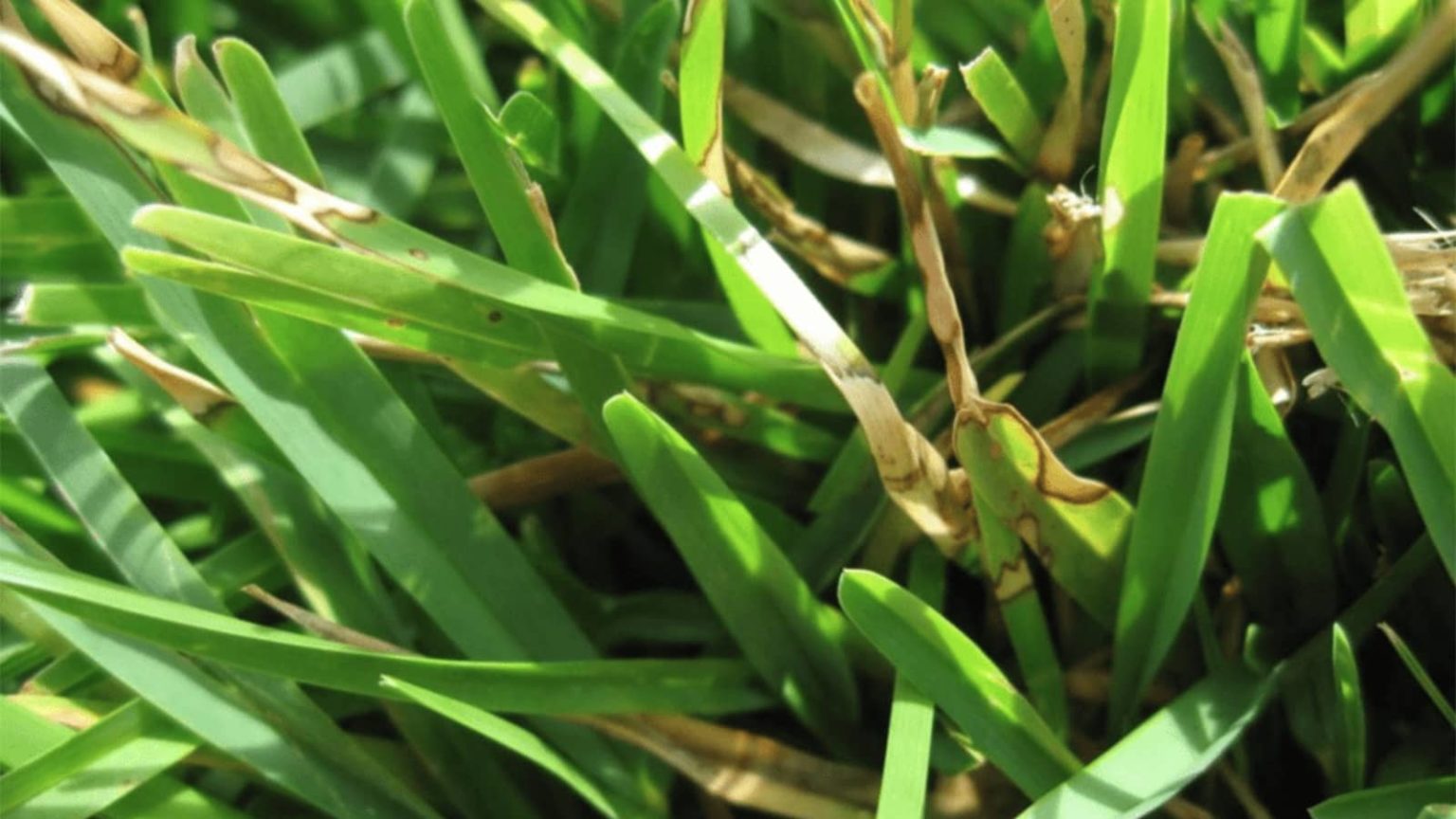
Gray Leaf Spot: Appears as small, oval spots with gray centers and dark borders.
- Solution: Chlorothalonil (Daconil).
- Watch for gray leaf spot on St. Augustine grass, especially in shaded areas. Avoid overwatering and excessive fertilizer applications, as these can worsen the problem.
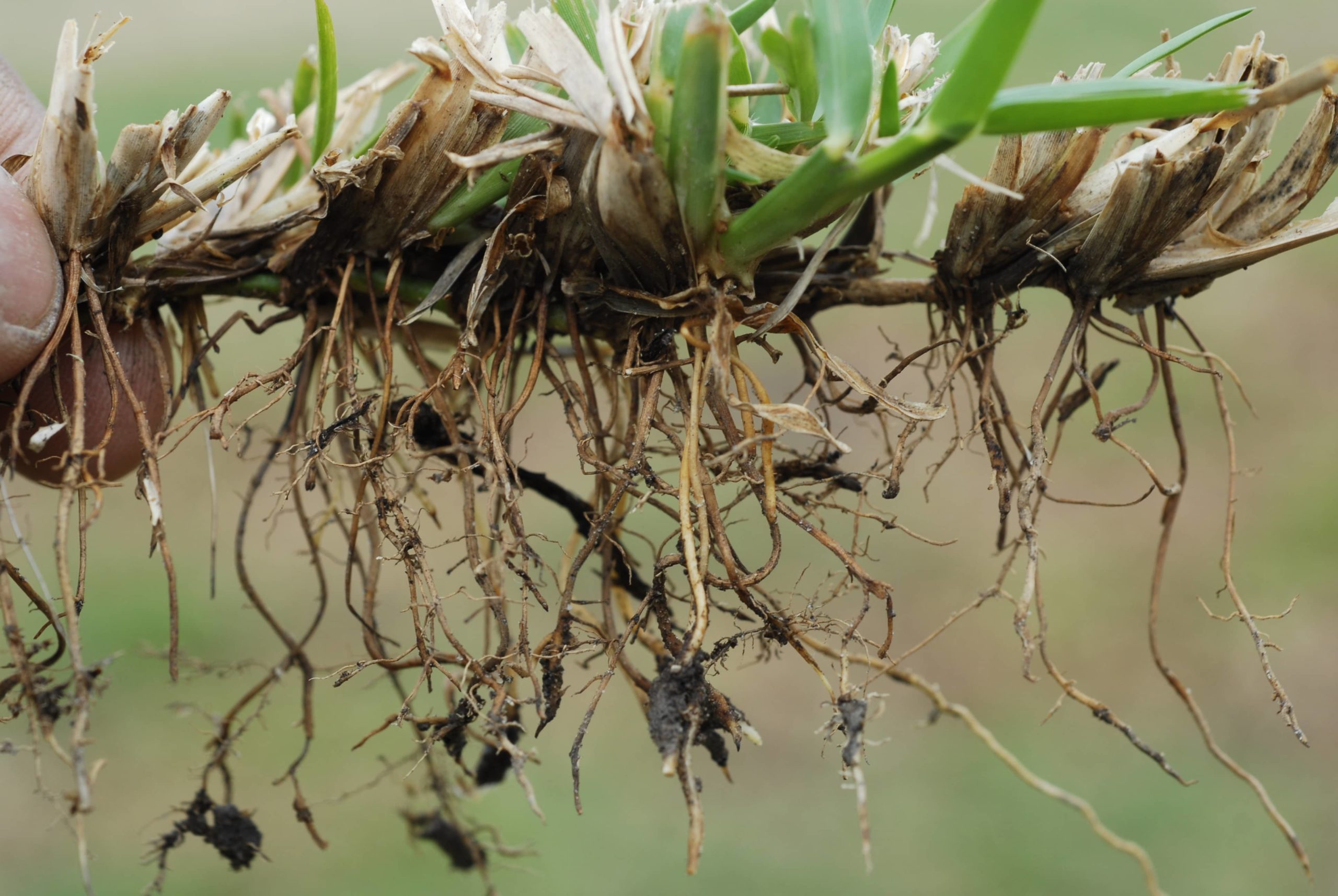
Root Rot: Causes thinning and yellowing due to soggy conditions and poor drainage.
- Solution: Chemical treatments are rarely effective; however, fungicides, including Azoxystrobin (Heritage G), can help prevent this disease.
Be sure to occasionally rotate any fungicides to prevent diseases from developing resistance. Prevent problems by avoiding overwatering, improving airflow and treating promptly at the first sign of disease. Also, be cautious with nitrogen—over-fertilized lawns, especially those high in nitrogen, are more susceptible to disease, as nitrogen can help it spread.
Taking care of your lawn in a Texas summer doesn’t have to be overwhelming—it just takes a bit of planning and the right approach. With these tips, you’ll give your grass exactly what it needs to power through the heat, bounce back from dry spells and keep looking great all season long. Your future self (and your yard) will thank you.