The intense summer sun can be challenging not just for you but also for your lawn. Maintaining a healthy lawn during summer requires attention and smart practices. This guide offers essential tips to keep your grass healthy even in harsh conditions.
Watering your lawn in the summer:
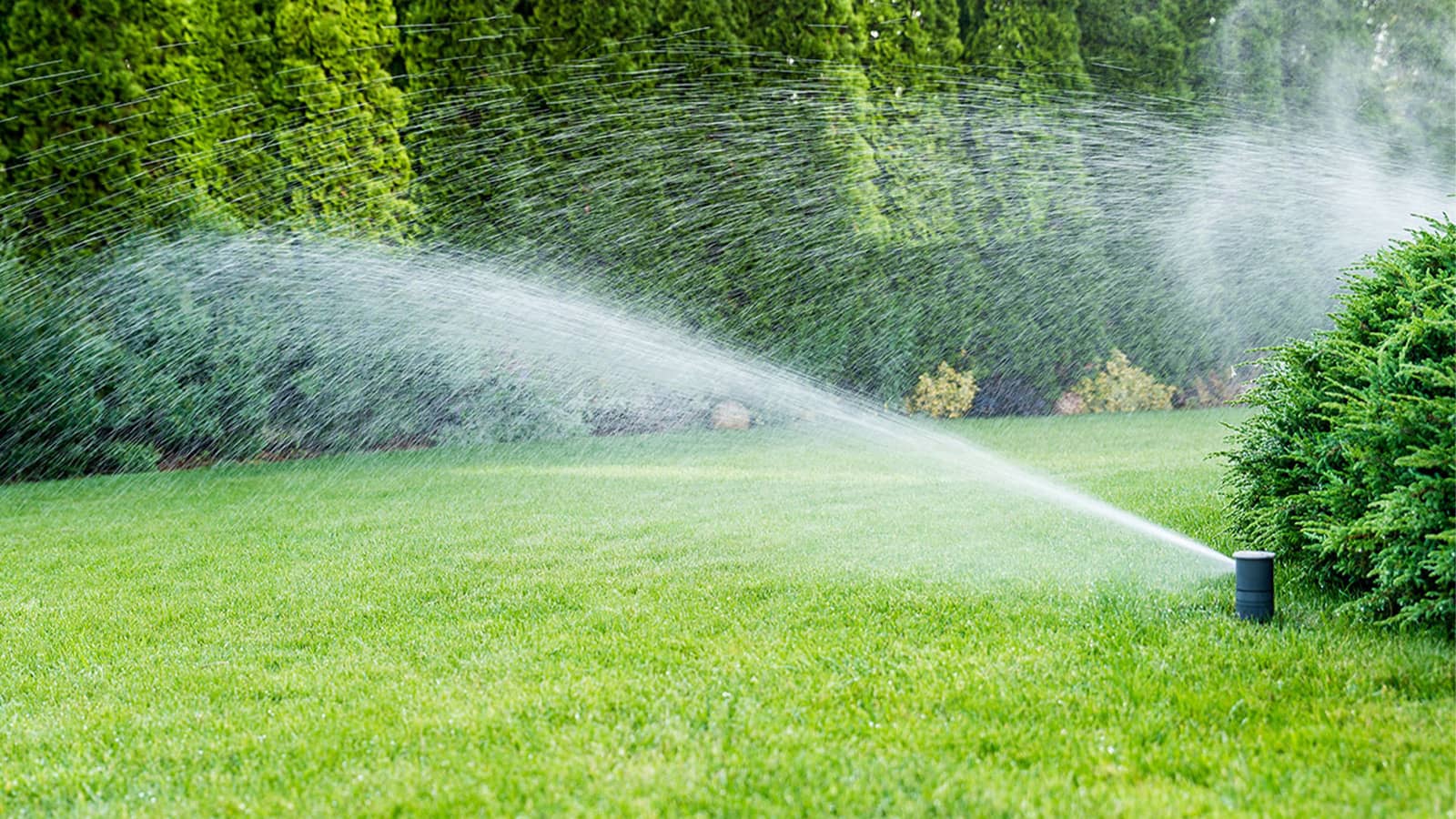
Smart Irrigation Practices: Proper watering is crucial for lawn survival. Establishing a regulated watering schedule ensures your grass gets the necessary hydration without wastage. It's best to water early in the morning to minimize evaporation and reduce the likelihood of disease by shortening the duration of your grass being wet. Aim for about one inch of water per week, which can come from rainfall or an irrigation system. To measure this, consider doing a simple irrigation audit.
Simultaneously, it's important to avoid overwatering. Soil that constantly remains wet can deprive the grassroots of essential oxygen, weakening them and increasing disease susceptibility. Minimize watering at night to deter pests that thrive in damp conditions.
Watering New Sod: For newly installed sod, keep the soil moist but not waterlogged to prevent disease. Water in the early morning, midday and early afternoon, and reduce watering in shaded areas to prevent fungus growth.
Mowing your lawn during the summer:
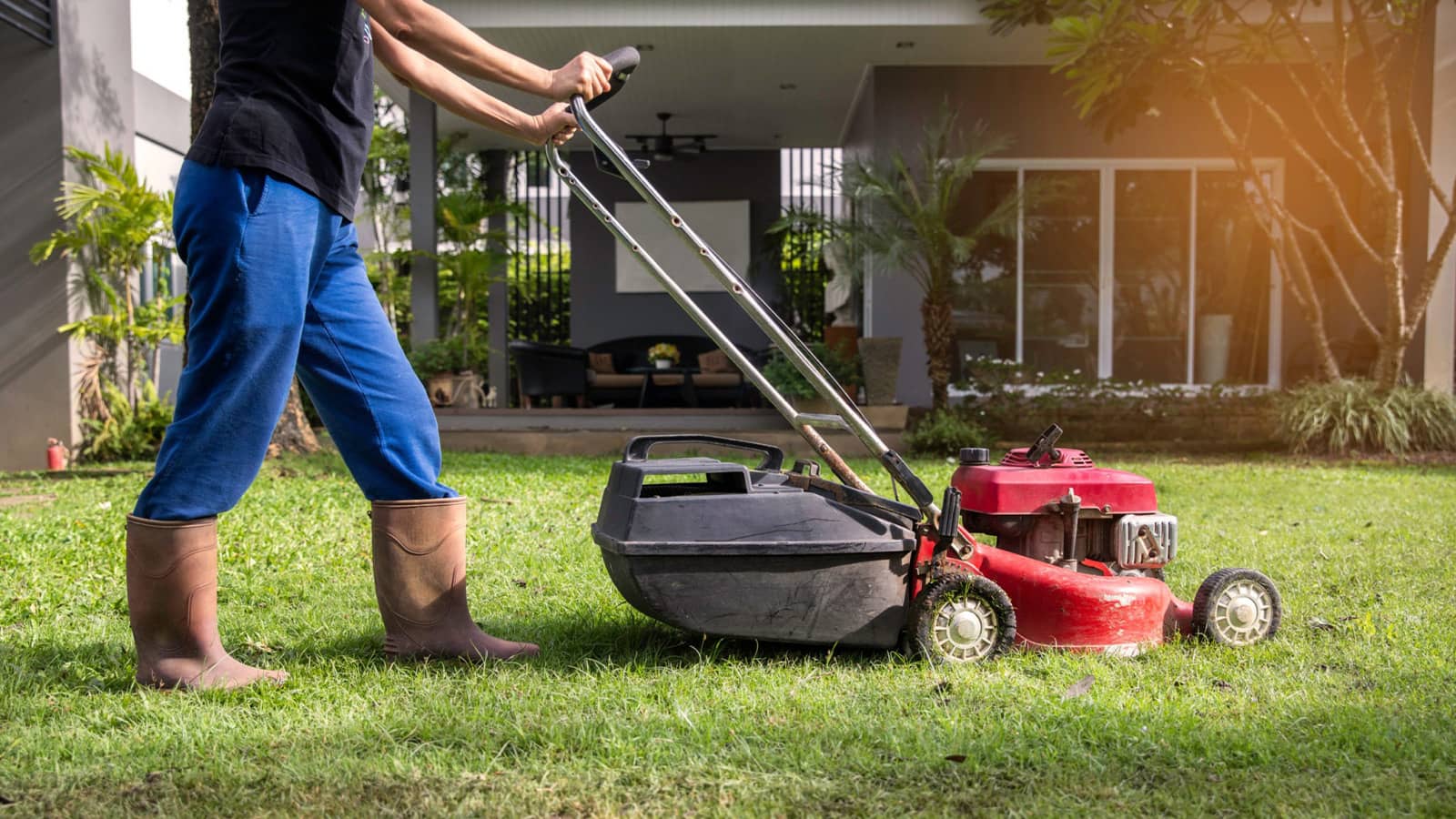
Cut your lawn at the higher end of the recommended height range for your type of grass to encourage deep root growth and drought resistance. Here's a quick guide:
- Cool-season grasses: 2.5–3.5 inches.
- Warm-season grasses: 2–3 inches, with certain zoysia and Bermuda grasses possibly lower, around 0.5–2 inches.
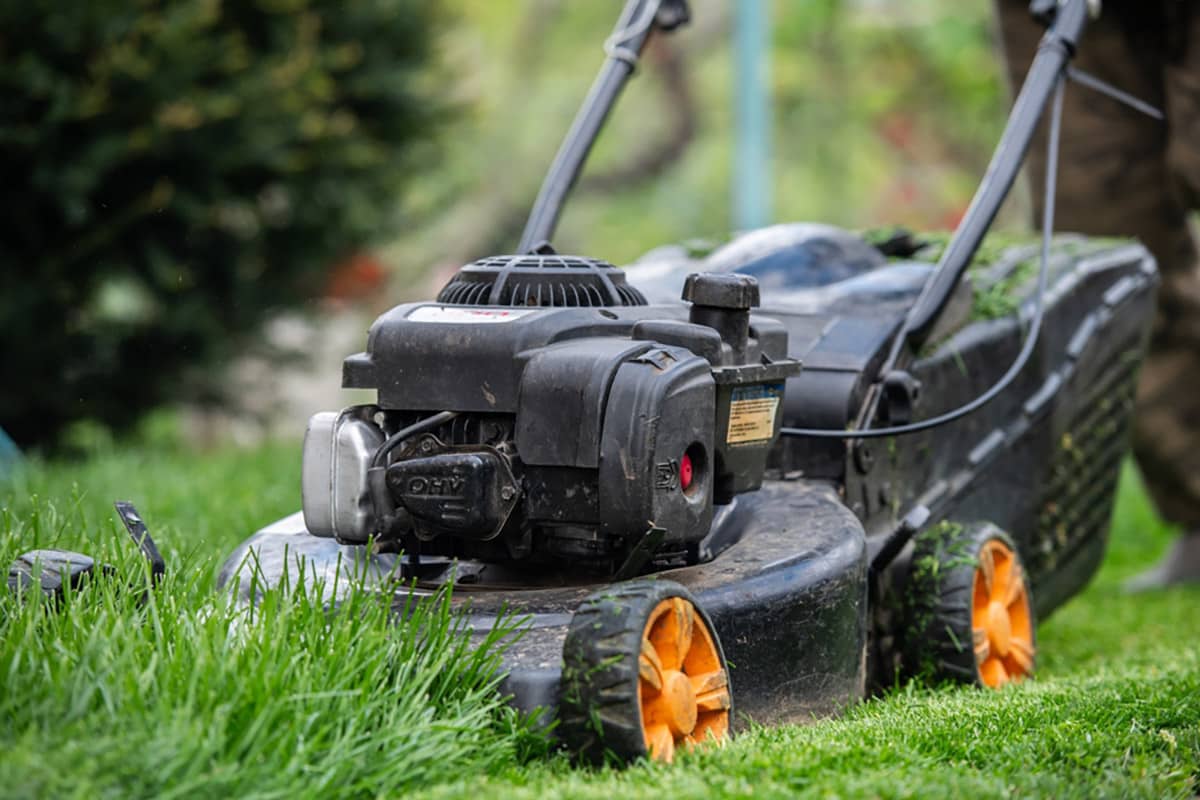
Maintain sharp mower blades to prevent grass damage and disease. For more tips on efficient mowing strategies during hot weather, check out our blog on ways to mow less in the summer.
Fertilizing your lawn during in summer:
Choosing the Right Fertilizer: Avoid fertilizers high in immediately available nitrogen during summer. Such fertilizers can promote weak growth vulnerable to heat stress. Instead, consider products like the Lawnifi Summer Fertilizer Box, a liquid fertilizer that delivers essential nutrients without overwhelming your grass. This product provides a balanced nutrient supply over time, improving soil quality and microbial growth.
Applying topsoil during the summer:
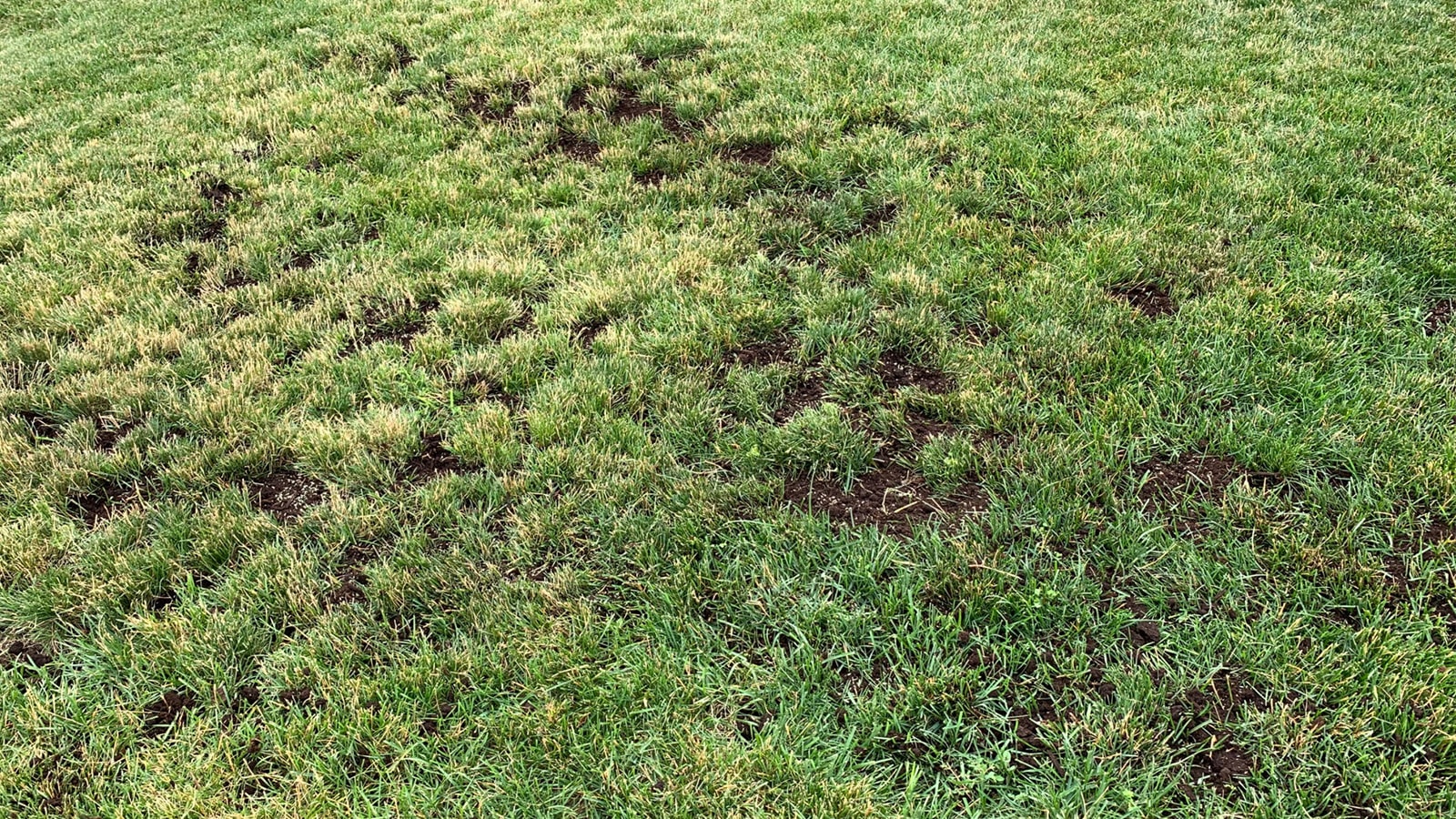
Benefits of Topsoil and Compost: Applying a layer of topsoil or compost helps maintain moisture and improves soil quality. Be cautious not to apply too much, as heavy layers can smother your grass. After application, rake lightly to distribute the topsoil evenly.
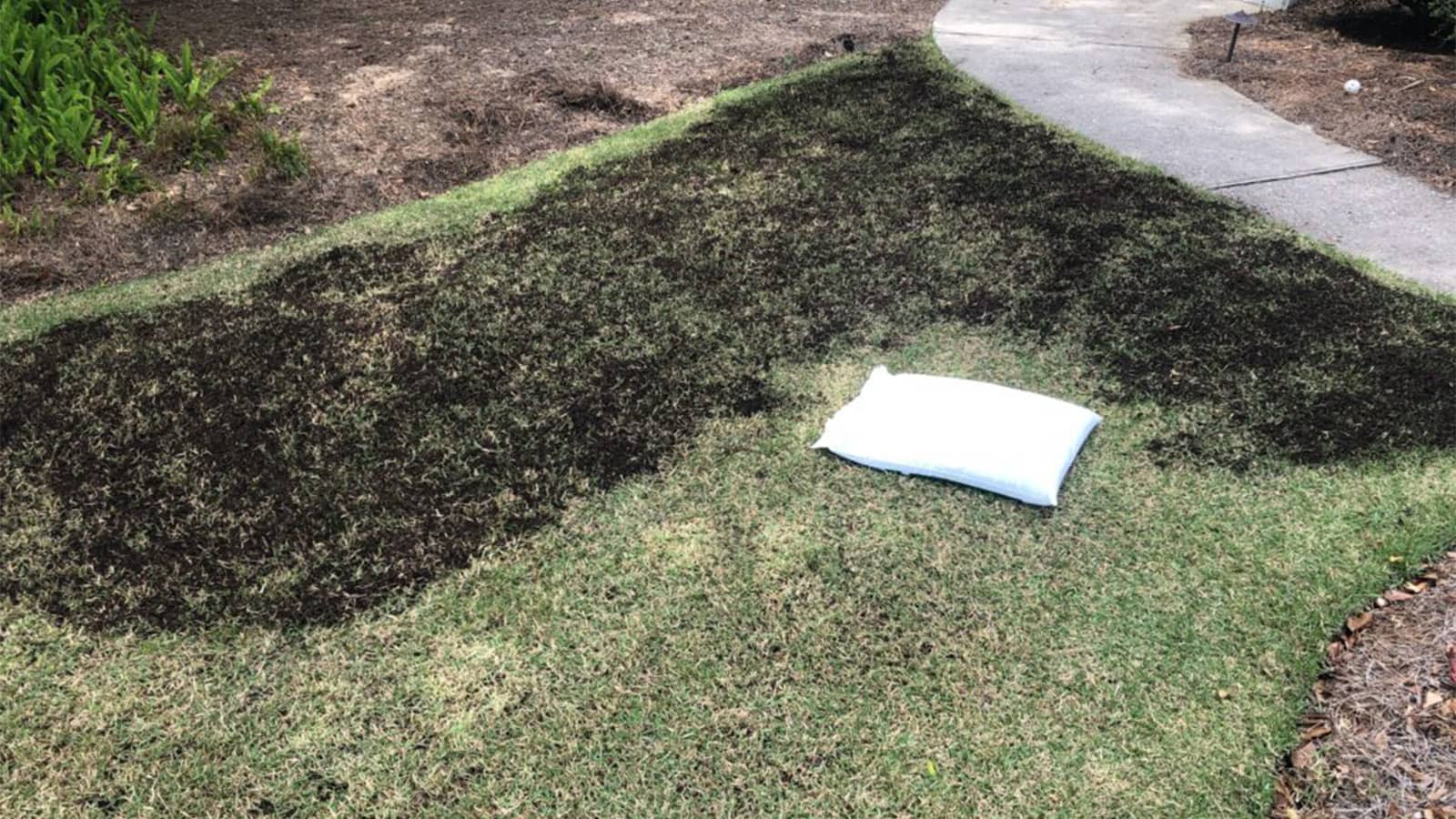
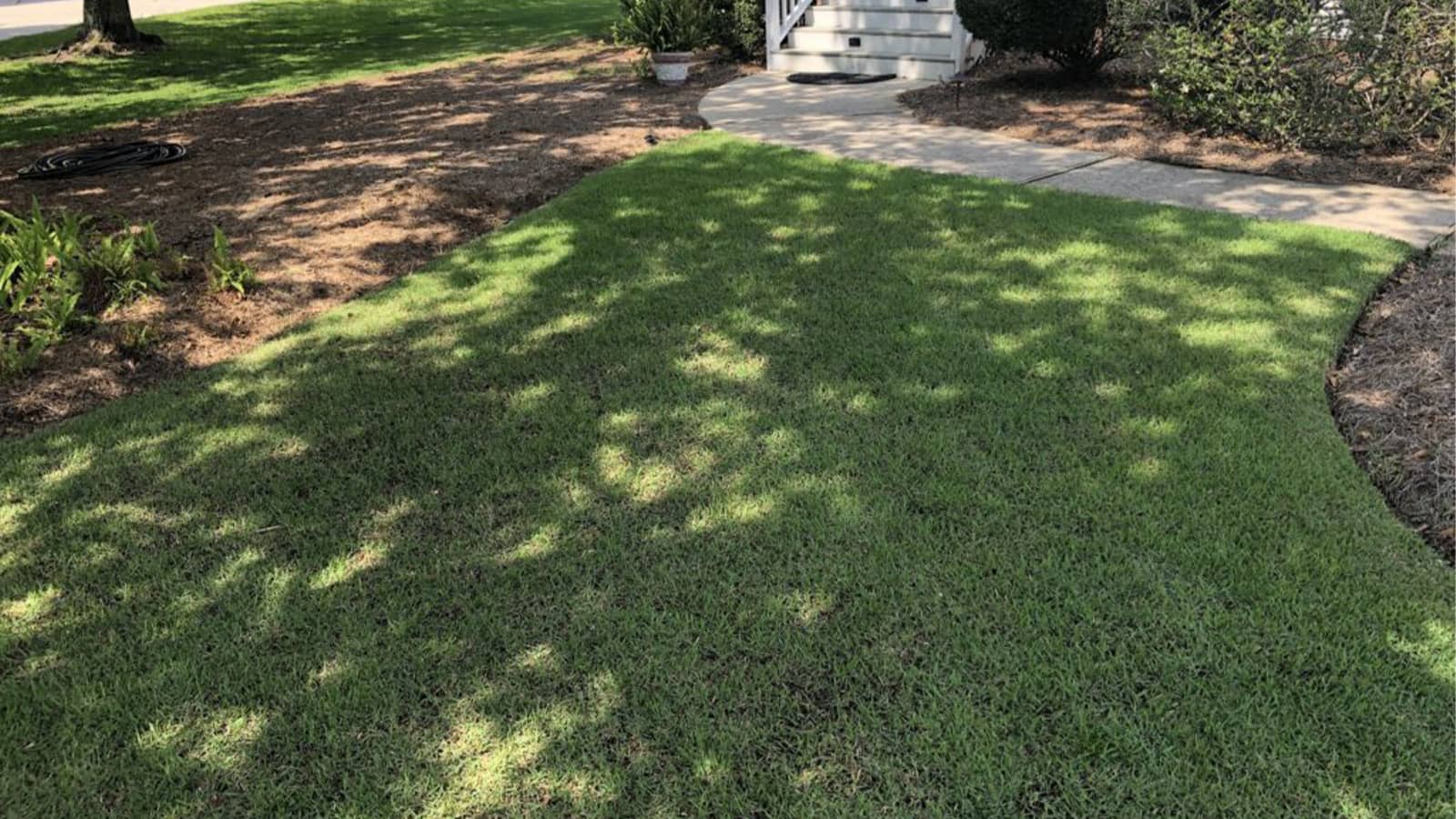
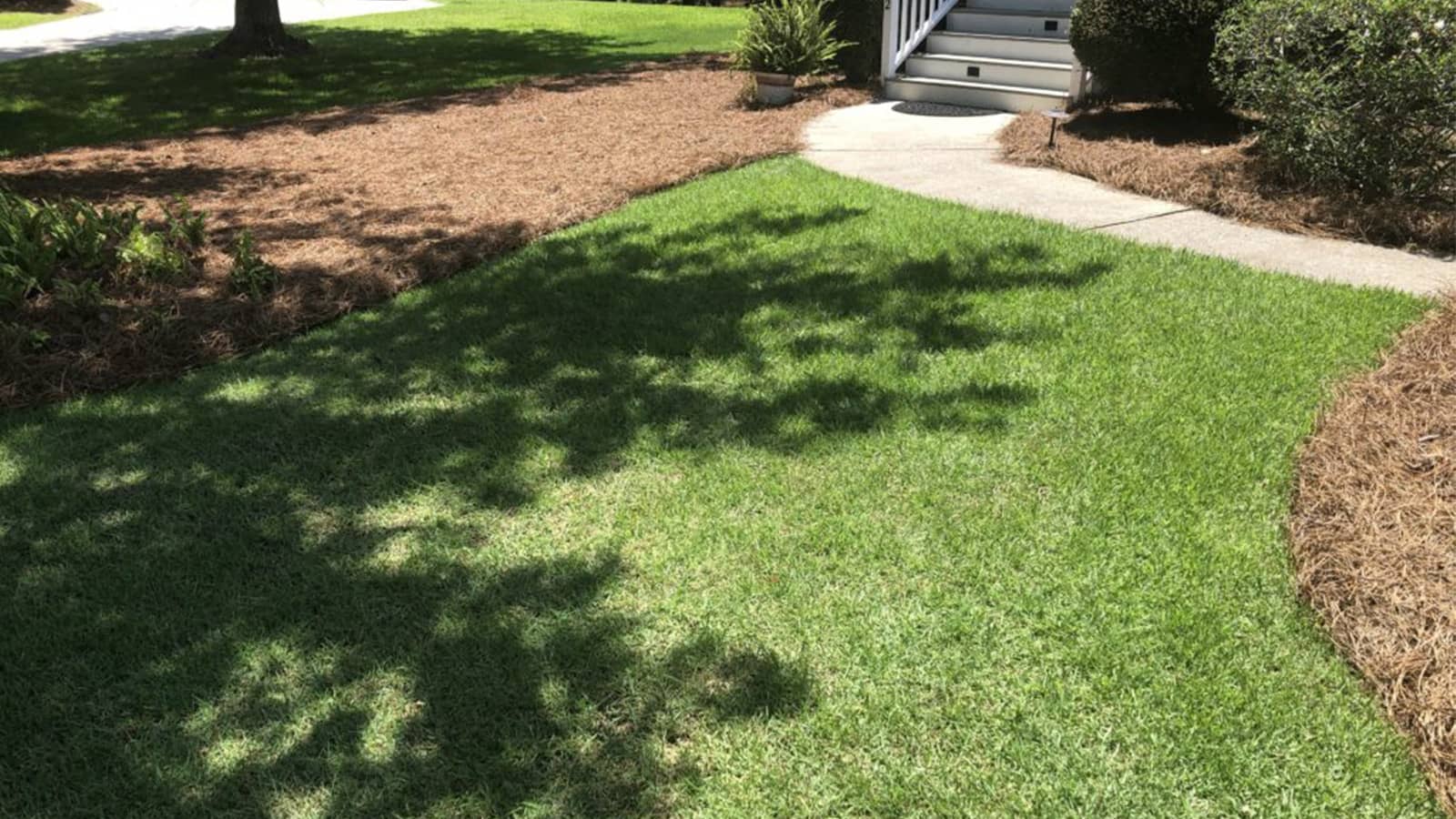
Visual Guide to Topsoil Application: See the transformative effect of topsoil application on an EMPIRE® Zoysia lawn from just after application to two weeks and one month later, illustrating significant growth and health improvements.
By implementing these intelligent watering, mowing, fertilizing and soil management strategies, you can greatly enhance your lawn's health and ability to withstand the summer heat. For more tips and detailed guides, visit our Summer Lawn Maintenance Tips page and keep your lawn in top condition throughout the season.