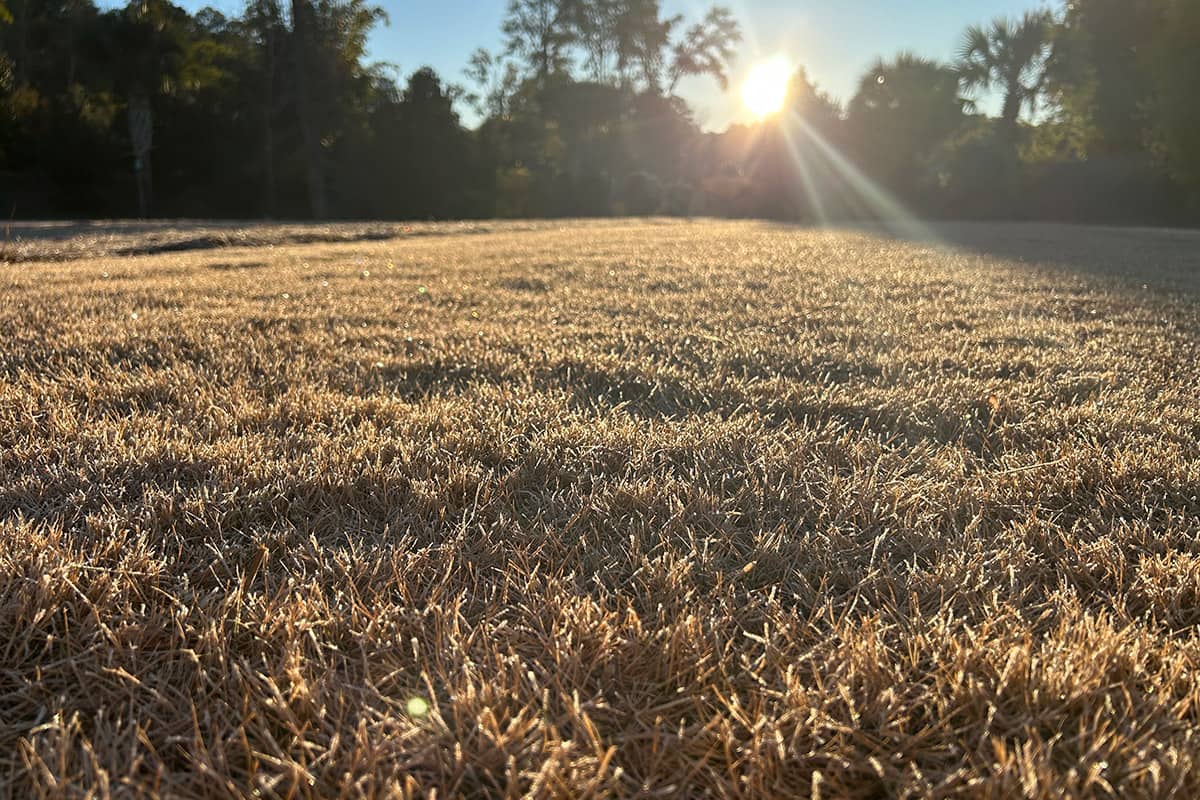
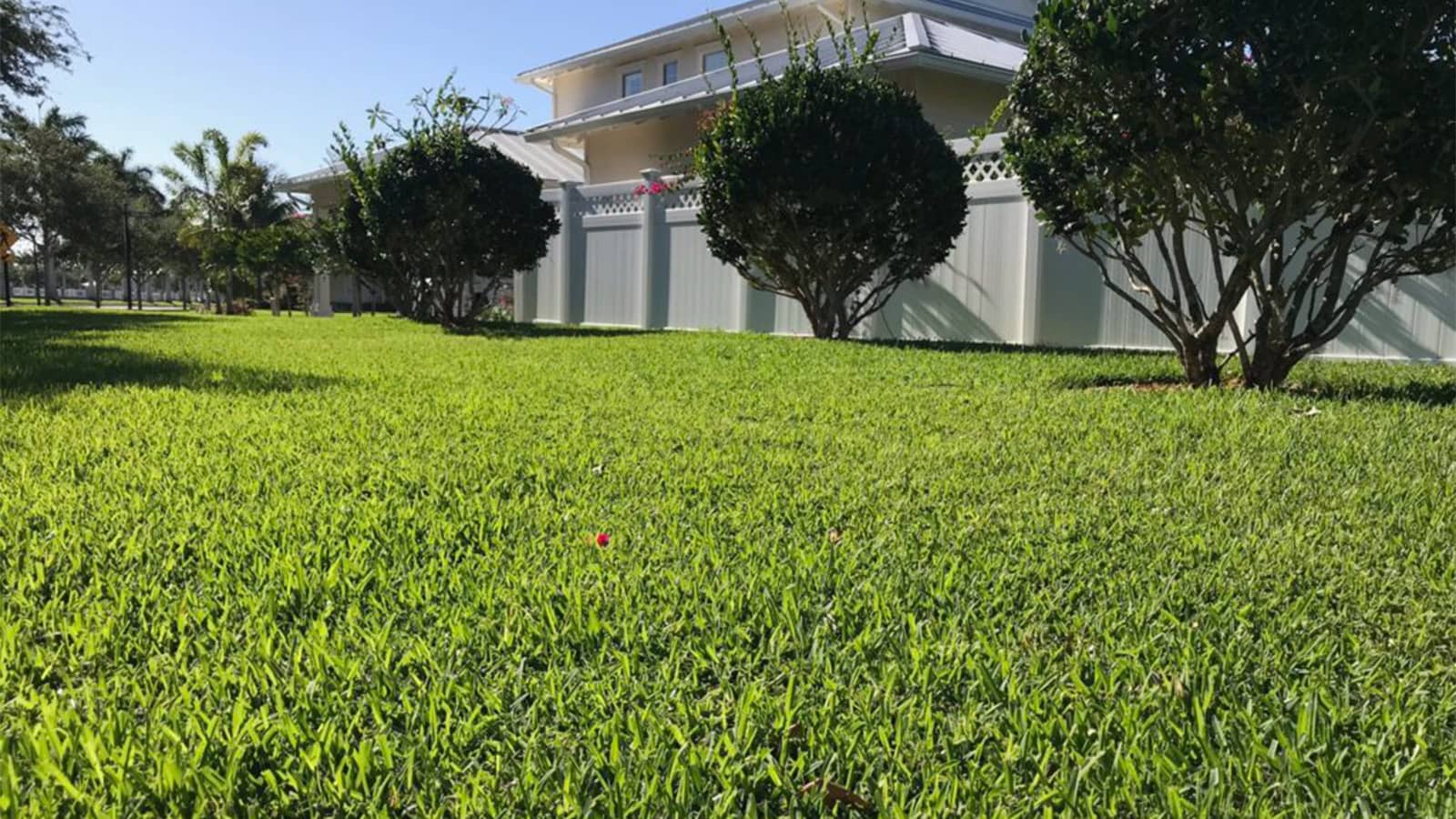
St. Augustine grass, originating from the coastal regions of the Gulf of Mexico and the Mediterranean, is the predominant lawn grass in Florida. It is favored for its adaptability to the warm, humid subtropical climate, making it an ideal choice for spring lawn care among homeowners.
As spring ushers in, understanding how to care for this grass type is best for maintaining a thriving, healthy lawn.
Spring Lawn Care Tips for St. Augustine Grass in Florida
Spring Lawn Care Soil Testing & Adjustment
Begin spring lawn care by testing your soil for nutrient levels, focusing on phosphorus, which is not only typically high in Florida but also often regulated. This will inform your fertilization strategy to make sure your lawn gets the necessary nutrients without exceeding what's needed.
Fertilization Strategy
Two weeks following spring regrowth, apply a spring fertilizer to your Florida St. Augustine lawn. Focus on providing balanced nutrition with an emphasis on nitrogen and potassium. Apply a slow-release fertilizer to support vigorous spring growth without risking frost damage.
Applying fertilizer too early might cause setbacks if an unexpected frost happens. Frost dates in Florida vary by location:
- North Florida: typically early to mid-April
- Central Florida: typically early to mid-April
- South Florida: typically year-round
We suggest the Lawnifi Spring Fertilizer Box as the best lawn fertilizer for spring, which provides tailored nutrition to help your grass recover from winter and thrive in spring. Each application covers 5,000 sq. ft. and is designed for easy use with a hose-end sprayer.
Weed Control Strategies for Florida St. Augustine Lawns
Effective weed management for spring lawn care practices starts with preventative measures. Apply a pre-emergent herbicide, such as atrazine, when soil temperatures consistently reach about 55 degrees Fahrenheit.
- South Florida: around February 1
- Central Florida: around February 15
- North Florida: around March 1
Post-emergence treatments with atrazine in May will help manage any persistent broadleaf or grassy weeds including:
- Crabgrass
- Goosegrass
- Sandspur
- Dallisgrass
- Dandelion
- Chickweed
- White Clover
- Knotweed
- Spurge
- Dollarweed
- Doveweed
- Lespedeza
Pest Management in Florida St. Augustine Lawns
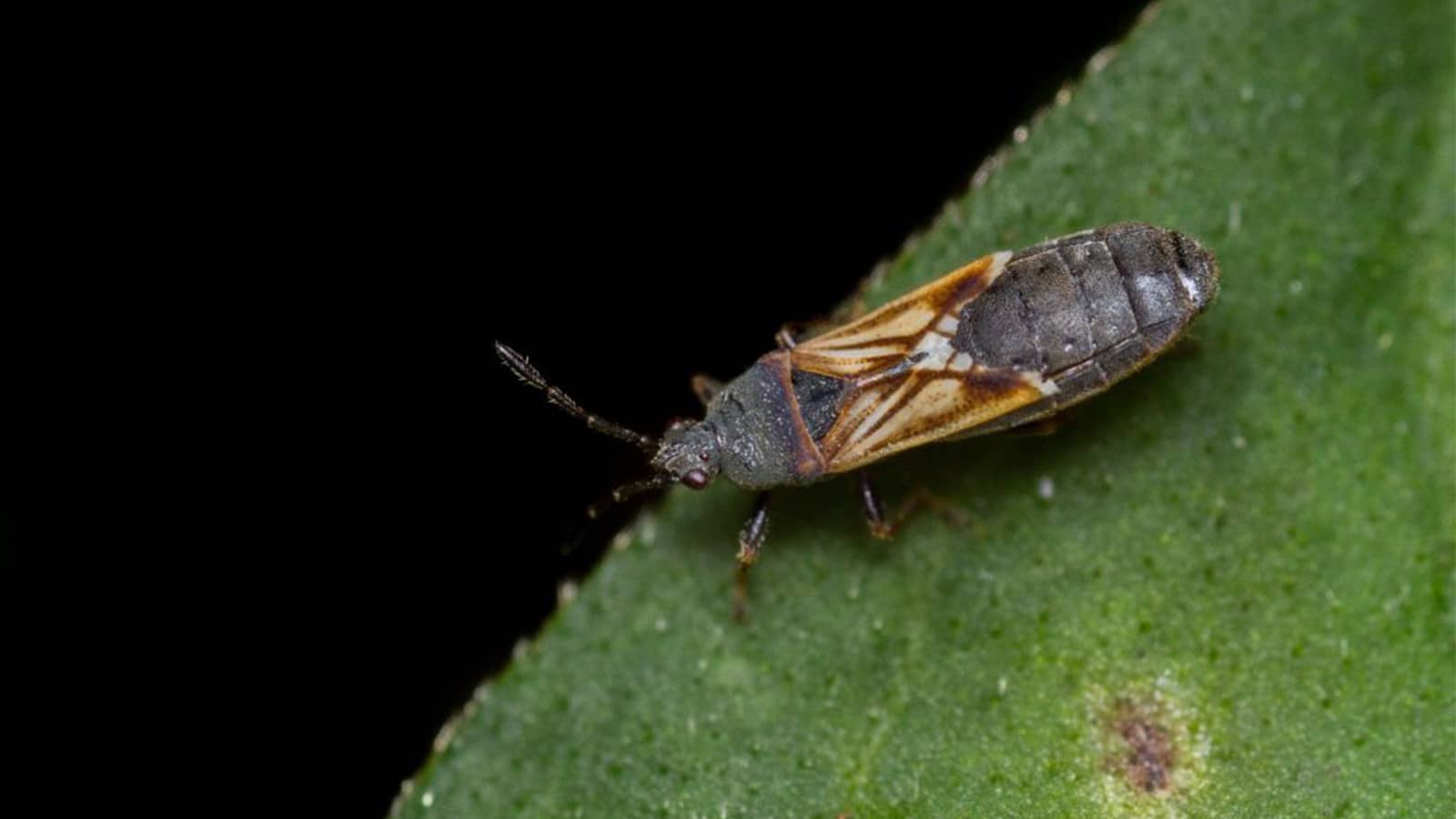
The southern chinch bug can cause noticeable damage to your lawn, resulting in yellowish to brownish patches. If your lawn still looks dry in the spring even though you're watering it properly, it might be due to insects or disease.
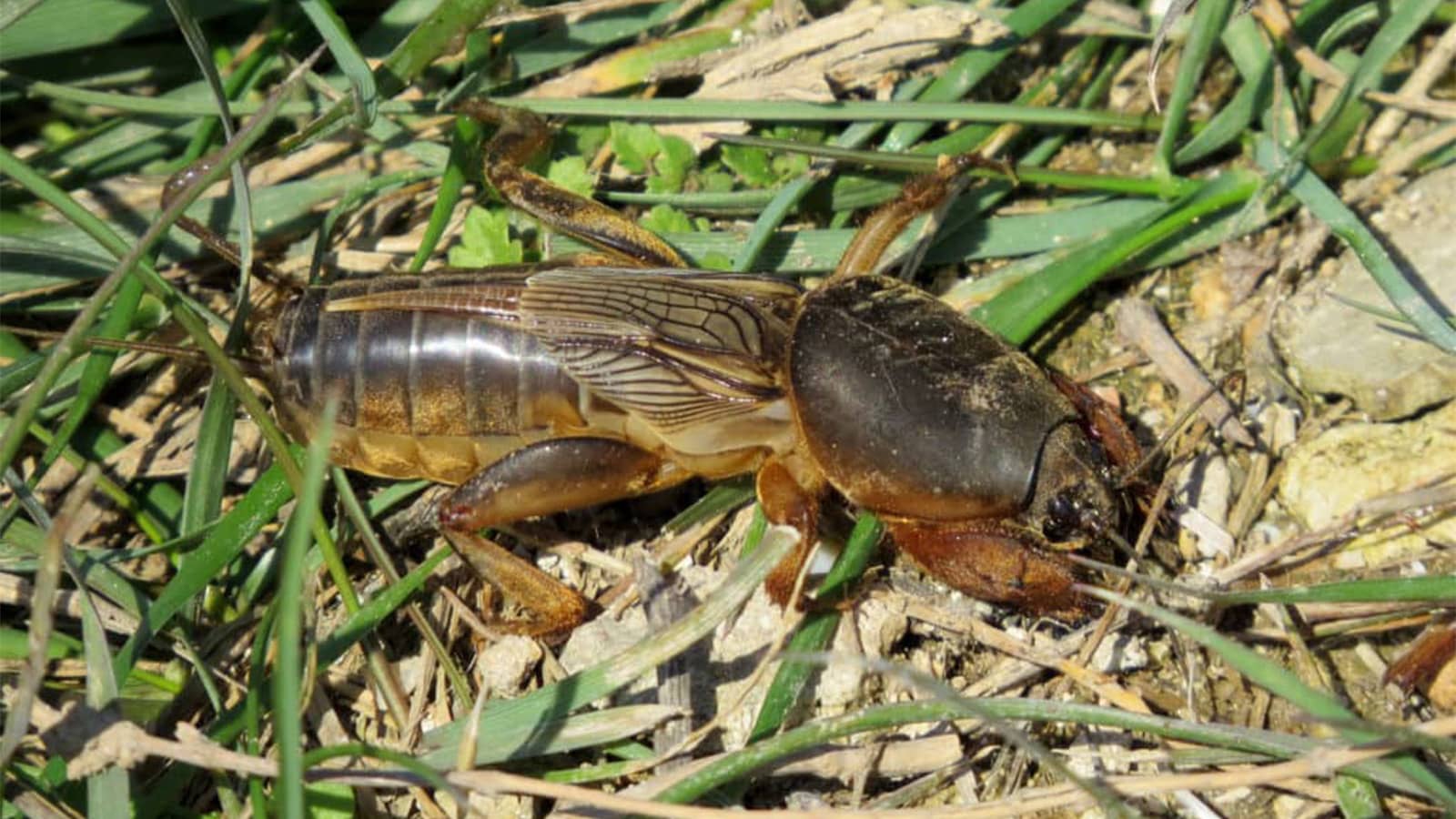
Watch out for pests like mole crickets or leftover damage from chinch bugs last year.
To keep these pests in check, regularly check your lawn and use insecticides when necessary, such as bifenthrin. A simple soap flush test or a look along the sidewalk edges can help you spot chinch bugs.
Spring Watering
As spring arrives, it’s best to conduct an irrigation audit to make sure water is being delivered in appropriate amounts to different areas of your lawn.
Maintaining sprinklers is key. Lawns typically need 1 inch of water per week unless adjusted for weather conditions. Overwatering can lead to shallow roots and lawn problems, while deep, infrequent watering promotes healthier, resilient roots.
Efficient watering, particularly early in the morning, reduces evaporation and minimizes disease risks.
Thatch
Thatch accumulation can be problematic if not managed, especially in overwatered and overfertilized lawns. If thatch exceeds 1 inch, consider dethatching during active growth phases to facilitate recovery and prevent damage.
Diseases to Watch Out For
To keep your lawn looking great, it's important to water and aerate it properly to balance the moisture. Watch out for lawn diseases like large patch and gray leaf spot, which like warm, damp conditions.
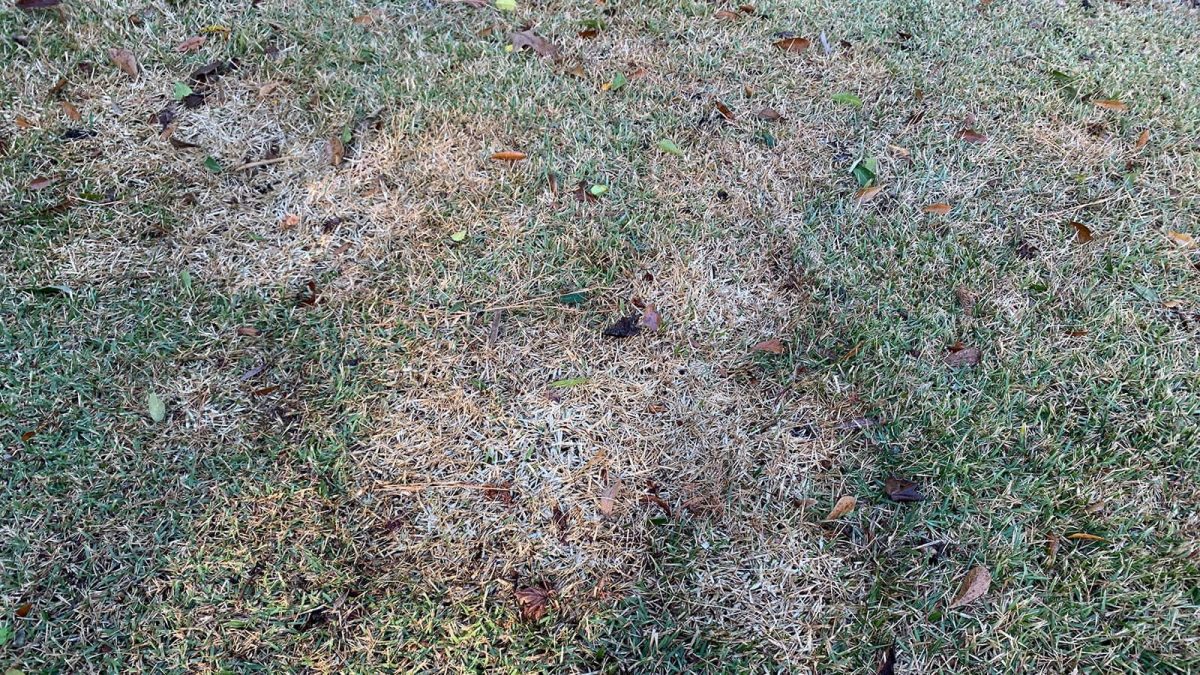
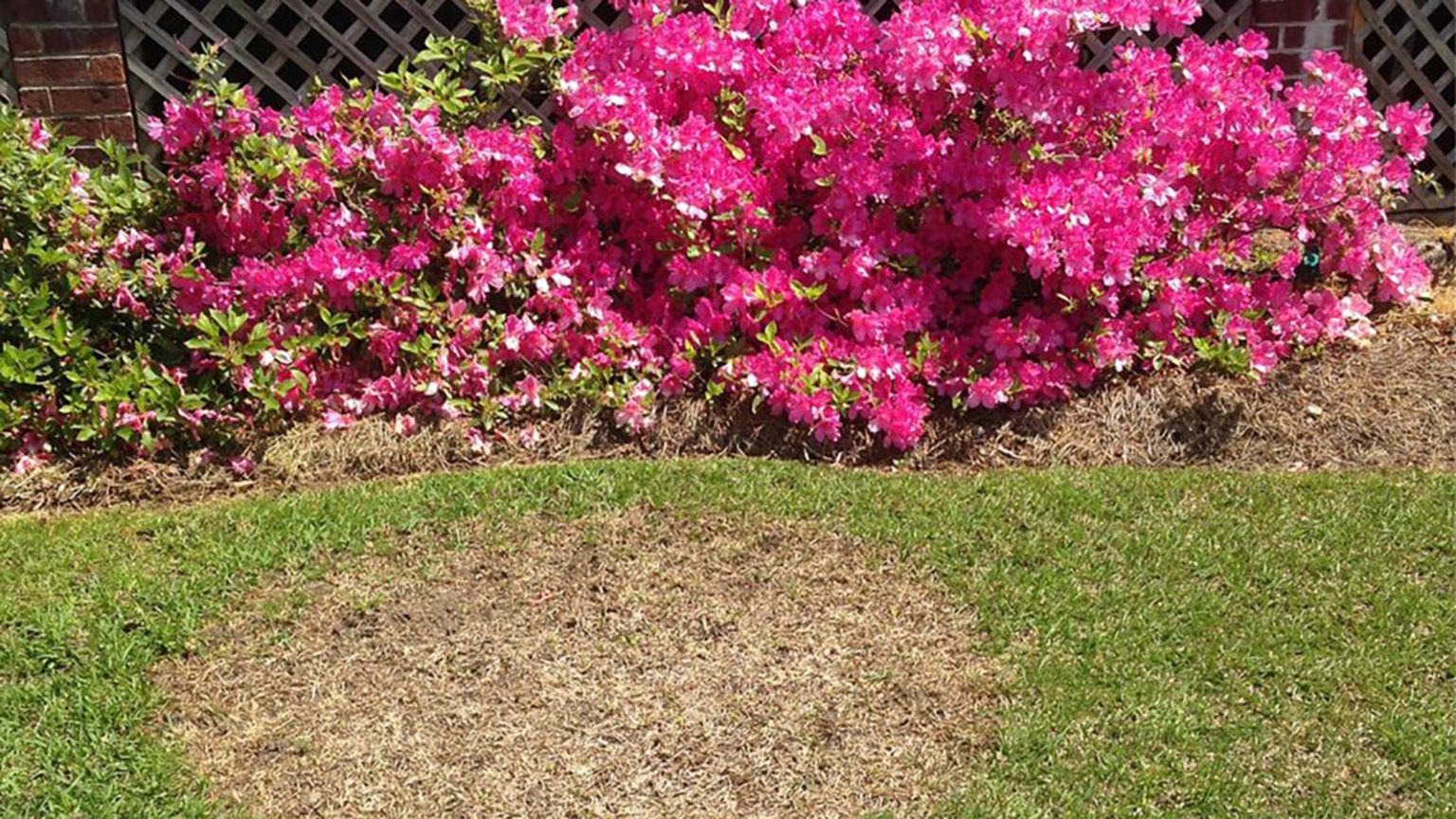
You can help prevent these by not overwatering and by being careful with high-nitrogen lawn feed. When using products to fight these diseases, follow the directions carefully.
If you've had issues with diseases before, you might want to use a product like Heritage G ahead of time to keep your lawn healthy. It’s also a good idea to put down this kind of product before you start your spring lawn feeding because too much fertilizer can actually help diseases grow. Wait a few weeks after applying any disease-fighting product before you fertilize.
Also, diseases that damage the roots, like take-all root rot, can stop your lawn from getting the water it needs properly. And remember, if you’re using a product to fight fungus, try not to use the same one more than twice in a row to avoid the disease getting resistant to it.
Spring St. Augustine Mowing
Mow your lawn to the correct height based on the cultivar:
- CitraBlue St. Augustine: 2–3 inches
- Cobalt St. Augustine: 2.5–3.5 inches
- Palmetto St. Augustine: 2–2.5 inch
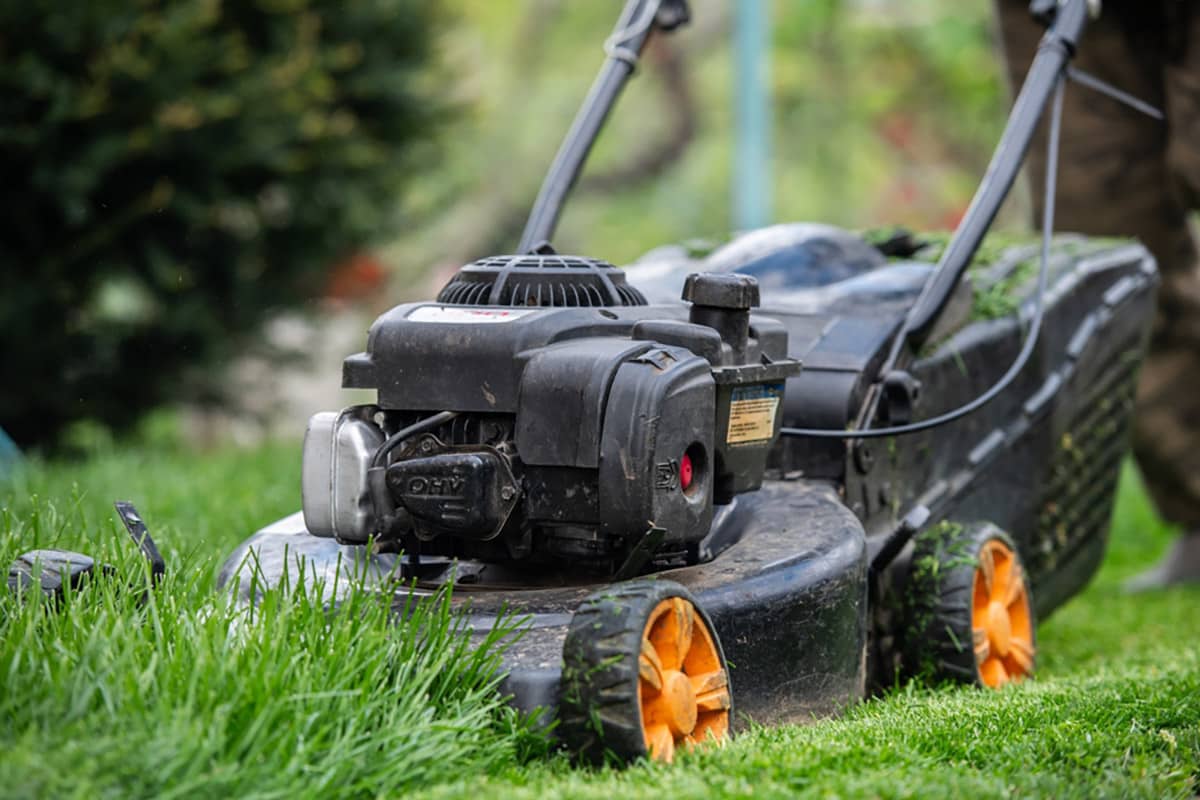
Make sure mowing is frequent enough to avoid removing more than one-third of the blade height at a time. Leave grass clippings on the lawn to recycle nutrients unless they clump excessively.
Regularly check and sharpen mower blades to ensure clean cuts, which help prevent disease and stress on the grass.
Filling in Bare Spots for Spring Lawn Care
Spring is an ideal time to use grass plugs to address bare spots or thin areas in your lawn. For the most uniform look, select a St. Augustine grass variety that matches your existing lawn.
What Should I Do in the Spring for My Florida St. Augustine Lawn? - Answered
- Soil Testing: Begin with testing to adjust your fertilization plan, especially for phosphorus, which is often high in Florida soils.
- Fertilization: Apply a nitrogen and potassium-rich slow-release fertilizer starting early April, tailored to your grass’s regrowth and local weather conditions.
- Weed Control: For persistent weeds, start early with pre-emergent herbicides like atrazine and follow up with post-emergent treatments in May.
- Pest Management: Regularly check for pests such as southern chinch bugs and treat with specific insecticides as needed.
- Watering: Conduct an irrigation audit to optimize water coverage, aiming for about 1 inch per week, adjusted for rainfall.
- Thatch Management: If thatch build-up exceeds 1 inch, dethatch during a growth period to enhance lawn recovery.
- Disease Management: Monitor for diseases like large patch and gray leaf spot, manage moisture and apply fungicides before heavy fertilization to prevent outbreaks.
- Mowing: Keep the grass mowed at its proper height, removing no more than one-third of the blade height at a time and ensuring mower blades are sharp for clean cuts.